
Apr 1, 2026
Can an NPT/BSPT flanged malleable plug be galvanized?
Yes, hot-dip galvanizing is an effective method for galvanizing NPT/BSPT flanged malleable plugs. Galvanized flanged pipe plug pipe fittings are perfect for harsh industrial environments because of their superior corrosion resistance and longevity thanks to this surface treatment. The galvanization process coats pipelines with a protective zinc layer, which keeps them from rusting and ensures that water, gas, and chemical distribution systems have pipelines with the exact threading and structural integrity needed for dependable sealing.
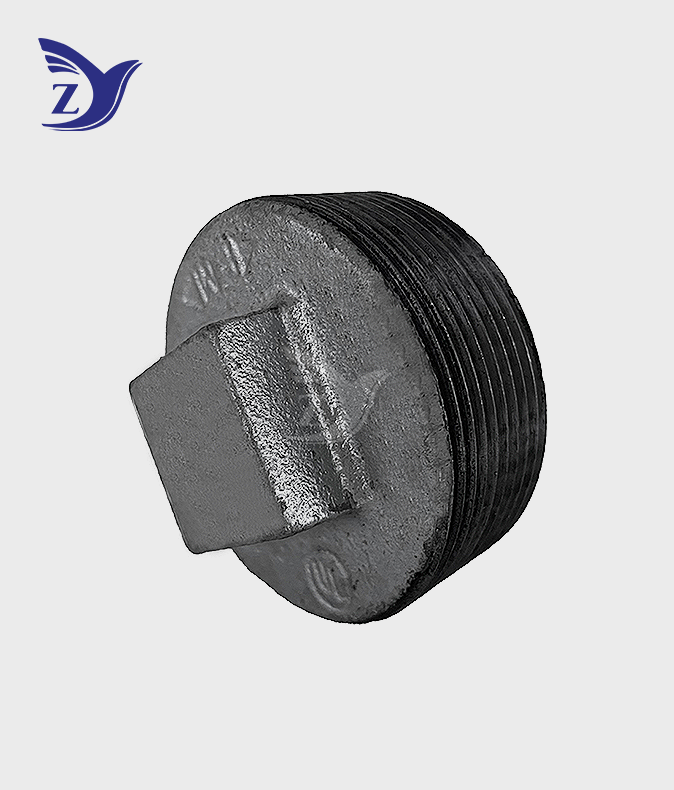

Understanding NPT/BSPT Flanged Malleable Plugs and Galvanization
Technical Specifications of NPT and BSPT Thread Standards
Common threading standards in industrial pipe systems include the National Pipe Taper (NPT) and the British Standard Pipe Taper (BSPT). While BSPT threads adhere to ISO 7-1 standards with a 55-degree thread angle and comparable taper properties, NPT threads follow ANSI/ASME B1.20.1 criteria with a 60-degree thread angle. Both threading technologies provide leak-proof connections in high-pressure applications by creating interference fits, which produce mechanical seals by accurate tapering.
The design of the galvanized flanged pipe plug pipe fittings includes an expanded head, which improves the sealing capabilities against pipe ends or valve bodies and increases the gripping surface. using the tension distributed across a larger surface area, this arrangement facilitates installation and removal using conventional wrenches.
Material Properties and Galvanization Process
Because of its high thermal shock resistance and remarkable strength-to-weight ratio, malleable iron is the material of choice for these specialist plugs. Tensile strengths more than 50,000 PSI and elongation capacities ranging from 10 to 18% are among the mechanical attributes that are consistently assured by manufacturing according to ASTM A197 standards.
When it comes to protecting malleable iron components from corrosion, hot-dip galvanizing is your best bet. To create metallurgical connections between the zinc coating and base metal, the cleaned fittings are submerged in molten zinc at temperatures approaching 860°F (460°C). The resultant protective layer, which usually has a minimum thickness of 3.4 mils (86 microns), offers cathodic protection by sacrificing zinc in order to maintain the iron structures below. When thinner coatings are needed, electro-galvanizing is an option; nevertheless, the adherence and endurance offered by hot-dip techniques are preferable.
Industry Acceptance and Standards Compliance
Extensive testing standards, such as ASTM A153 for hot-dip galvanizing and ASTM B633 for electro-deposited coatings, contribute to the broad adoption of NPT/BSPT galvanized flanged pipe plug pipe fittings throughout several industrial sectors. To keep things compatible with the pipelines that are already in place, these specs guarantee that all production activities will have constant performance and quality.
Advantages and Applications of Galvanized Flanged Pipe Plugs
Core Benefits of Galvanized Protection
Coatings made of galvanized metal provide superior protection against corrosion, which means they last much longer than uncoated materials. Zinc acts as a barrier, protecting against air pollutants, chemicals, and moisture, and it also offers cathodic protection, which keeps working even if scratches in the surface reveal the base metals. By reducing maintenance needs and preventing expensive system failures in important applications, this dual protection mechanism is an excellent choice.
Through lower replacement frequency and limited downtime for maintenance operations, the greater durability immediately correlates to reduced lifespan costs. Galvanized flanged pipe plug pipe fittings retain their sealing integrity for a longer period of time than its untreated counterparts, even in harsh situations with temperature changes, chemical exposure, or high humidity.
Industrial Application Scenarios
Galvanized flanged plugs are essential components of fire prevention systems for securing inspection ports, drain connections, and auxiliary lines in sprinkler networks. Sprinkler heads are protected from rust particles and provide dependable sealing during emergency activations thanks to their corrosion resistance. These components are used across distribution networks in municipal water treatment plants. They provide excellent corrosion resistance due to exposure to moisture and chemical treatments.
Process piping, instrumentation connections, and safety systems in petrochemical projects might benefit from galvanized flanged plugs due to their chemical resistance and high-pressure ratings. The galvanized coating is resistant to harsh chemicals and outdoor conditions, and the precise threading makes sure that the gas-tight seals are necessary for avoiding volatile emissions.
Performance Comparisons with Alternative Solutions
Installation benefits of flanged plugs, including as reversibility and accessibility for future changes, outweigh those of threaded caps or welded closures. Flanged plugs reduce stress concentrations that might compromise sealing integrity by more uniformly distributing installation torque compared to normal threaded plugs.
Galvanized malleable iron offers equivalent corrosion resistance in most industrial situations at a far lower cost than stainless steel counterparts, according to material comparisons. Galvanized metal alternatives are crucial for high-performance systems since PVC alternatives cannot withstand the temperatures and pressures needed for demanding applications.
How to Select and Install Galvanized Flanged Malleable Plugs?
Critical Selection Criteria
Since NPT and BSPT standards are not interchangeable, even if they seem similar, correct thread identification is the first step in proper selection. To seal NPT threads, you may use pipe thread compound or PTFE tape; for BSPT threads, you can use gaskets or sealing compounds, depending on what you need.
Class 150 fittings can withstand pressures as low as 300 PSI at room temperature, Class 300 components can handle pressures up to 750 PSI, and specialist high-pressure versions can handle pressures of 3,000 PSI or more. Another important factor is the pressure rating. Standard galvanized fittings have temperature ratings that normally fall between -29°C and 204°F (-20°F to 400°F), although, higher grades may be necessary for certain applications.
Installation Best Practices
Before installing, make sure the male and female threads are free of dirt, cutting fluids, and manufacture residues by cleaning them well. In order to obtain the desired level of sealing without damaging the threads or coatings, it is recommended to hand-tighten the threads before using a wrench to tighten them.
When sealing NPT connections, for example, you should only apply thread sealant to the male threads—not the first two—to avoid contaminating the pipeline. This is because different thread types call for different sealing procedures. Pressure needs and fluid compatibility dictate the choice of gasket material for BSPT connections; other options include thread compounds, O-rings, or metal gaskets.
Maintenance and Inspection Protocols
Galvanized coatings should be visually inspected for scratches, wear, or zinc depletion that might reduce corrosion protection as part of routine inspection schedules. Pressure testing guarantees the ongoing integrity of the seal, while torque verification checks to see whether connections have been weakened by vibration or heat cycling.
To protect galvanized coatings from wear and tear, it is recommended to use gentle detergents and soft brushes to eliminate built-up dirt and chemical residues. Immediate application of cold galvanizing chemicals or replacement of damaged fittings is necessary to restore system protection levels in the event of coating damage.
Procurement Considerations for Galvanized Flanged Pipe Plugs
Supplier Evaluation and Quality Assurance
The capacity of suppliers, including their production certificates, quality control systems, and testing processes, must be thoroughly evaluated in order for procurement to be successful. While general quality assurance from ISO 9001 is helpful, certifications tailored to certain industries, such as UL, FM, or CE, guarantee conformity with applicable performance and safety requirements.
Raw material sources, heat treatment parameters, and galvanizing criteria must be documented for material traceability to be satisfied for important applications. Additional assurance about product performance and conformity with regulations is offered by third-party testing verification conducted by independent labs.
Cost Analysis and Bulk Purchasing Strategies
Galvanized flanged pipe plug pipe fittings have pricing structures that take into account the price of the raw materials, the complexity of manufacture, and the costs associated with galvanizing. In addition to guaranteeing constant supply chain availability for continuing projects, bulk purchase agreements can provide substantial cost benefits. Additional perks, such as priority production scheduling, individualized packaging, or longer payment periods, may become available with larger volume commitments.
Standard items are usually ready within 2-4 weeks, but unique requirements may take 6-8 weeks to complete, therefore lead time concerns become especially critical when sourcing internationally. In order to avoid stockouts and costly downtime, inventory management techniques should take stock costs into account, especially for mission-critical applications.
Custom Manufacturing and OEM Services
Standard catalog products may not meet the precise dimensions, pressure ratings, or coating requirements of many industrial applications. The ability to tailor production to meet specific project needs in accordance with established industry standards is a major strength of custom manufacturing.
With OEM services, you may integrate with whole system assemblies, private label, or use bespoke packaging. In addition to guaranteeing continuous quality and supply chain stability for large-scale projects, these alliances can result in cost benefits via direct manufacturer contacts.
Conclusion
The galvanization of NPT/BSPT flanged malleable plugs and galvanized flanged pipe plug pipe fittings produces excellent pipeline closure solutions that blend the pliability of malleable iron with better corrosion resistance. The galvanization procedure makes things last longer and maintains the threading and sealing characteristics that are important in industrial settings. These parts are a great buy because of the long lifespan, low maintenance needs, and dependable performance they provide in a wide range of environments. System performance and durability are maximized with careful selection according to thread compatibility, pressure ratings, and application needs.
Partner with Zhiyuan Malleable Steel for Premium Galvanized Solutions
Industry-leading galvanized flanged pipe plug pipe fittings from Zhiyuan Malleable Steel are certified to meet or exceed all applicable international standards, including ISO 9001. Consistent quality and performance are assured by our 26 years of manufacturing experience, and our 30,000-ton annual production capacity assures dependable support for the supply chain. We provide full replacement warranties for faulty items, fast shipping (within two hours for regular products), and extensive OEM/ODM customization options. Contact our engineering team at q1236800000@gmail.com to discuss your specific requirements and discover how our galvanized flanged pipe plug pipe fittings manufacturer capabilities can enhance your project success.
FAQ
Can galvanized flanged malleable plugs be used in potable water systems?
Yes, galvanized flanged malleable plugs are suitable for potable water applications when manufactured according to NSF/ANSI 61 standards. The galvanized coating provides safe corrosion protection without leaching harmful substances into drinking water supplies, making these fittings appropriate for municipal water distribution and building plumbing systems.
What is the difference between NPT and BSPT thread compatibility?
NPT and BSPT threads are not directly interchangeable despite similar tapered designs. NPT threads feature 60-degree angles with specific pitch requirements, while BSPT threads use 55-degree angles with different dimensional specifications. Using incompatible thread types can result in poor sealing, thread damage, or system failure.
How long does galvanized coating last on flanged pipe plugs?
Galvanized coatings typically provide 25-50 years of corrosion protection in normal atmospheric conditions, with actual lifespan varying based on environmental factors including humidity, chemical exposure, and temperature fluctuations. Regular inspection and maintenance can extend coating effectiveness significantly beyond these timeframes.
References
1. American Society for Testing and Materials. "Standard Specification for Malleable Iron Castings." ASTM A197/A197M-15, West Conshohocken, PA, 2015.
2. National Association of Corrosion Engineers. "Galvanizing for Corrosion Protection: A Comprehensive Guide to Hot-Dip Galvanizing." NACE Publication 6G198, Houston, TX, 2018.
3. American National Standards Institute. "Pipe Threads, General Purpose (Inch)." ANSI/ASME B1.20.1-2013, New York, NY, 2013.
4. International Organization for Standardization. "Pipe Threads Where Pressure-Tight Joints are Made on the Threads." ISO 7-1:1994, Geneva, Switzerland, 1994.
5. American Water Works Association. "Steel Pipe Design and Installation Manual M11." Fourth Edition, Denver, CO, 2017.
6. Zinc Council. "Hot-Dip Galvanizing for Corrosion Protection of Steel Products." Technical Bulletin ZC-TB-001, Durham, NC, 2019.
Online Message
YOU MAY LIKE
High quality furniture manufacturer
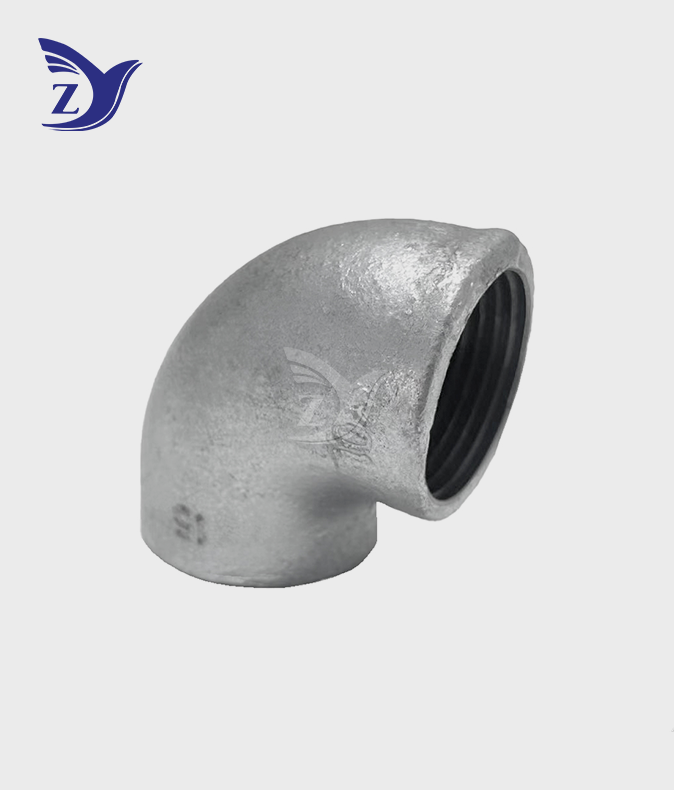
No Hub Hot Dip Galvanized 90° Elbow Pipe Fitting
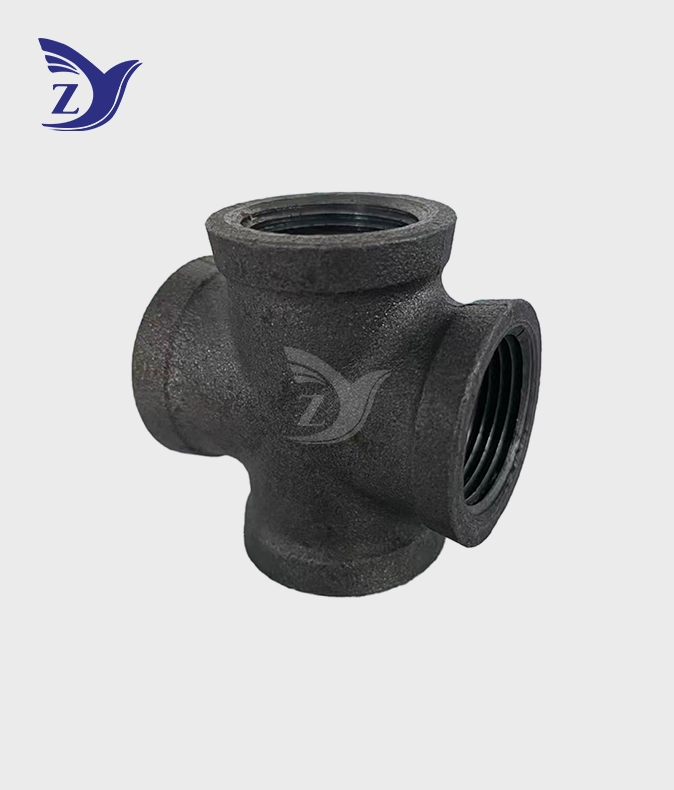
NPT Black Square Face Cross Pipe Fittings
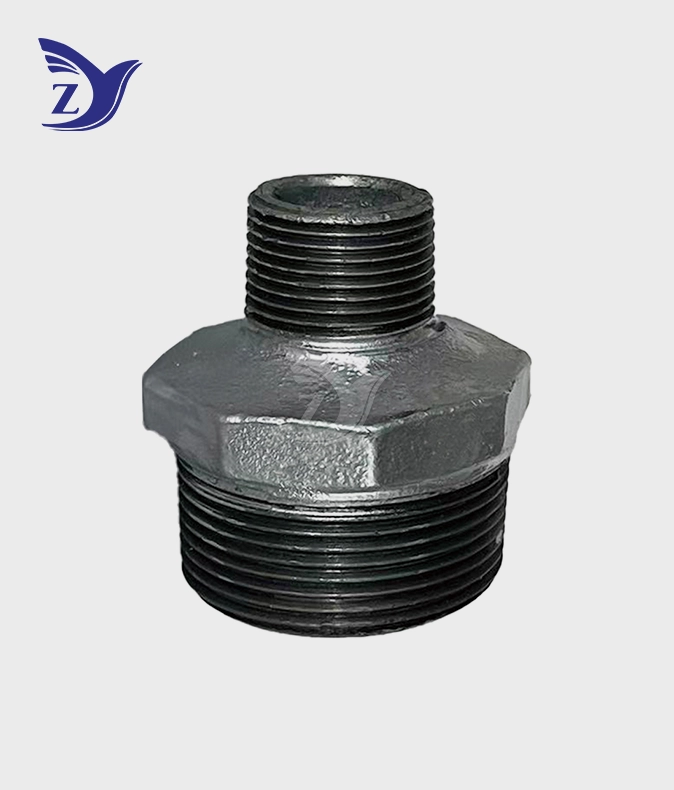
NPT Galvanized Reducing Male Nipple Pipe Fittings
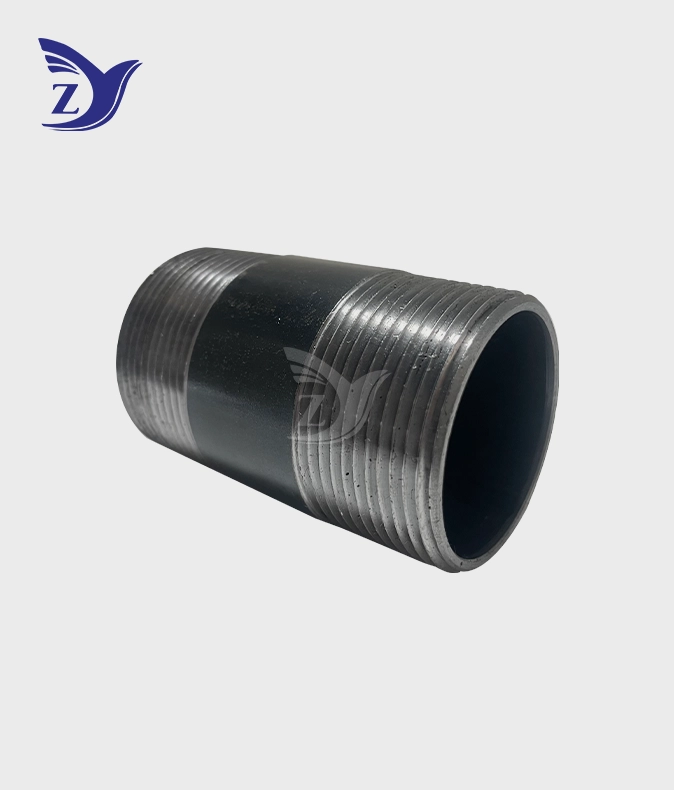
Double Male Thread Oil Tubing
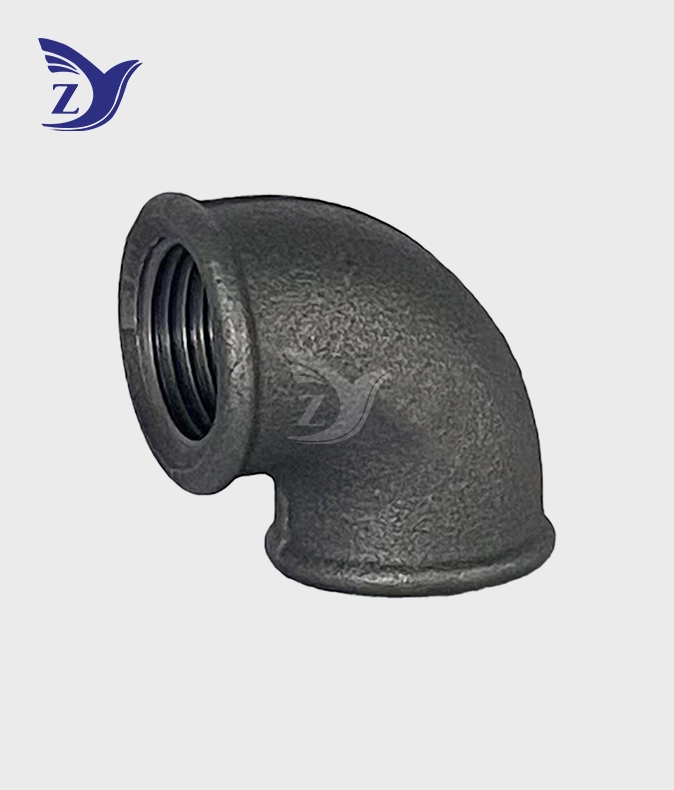
NPT Black Round Face 90° Elbow Pipe Fittings
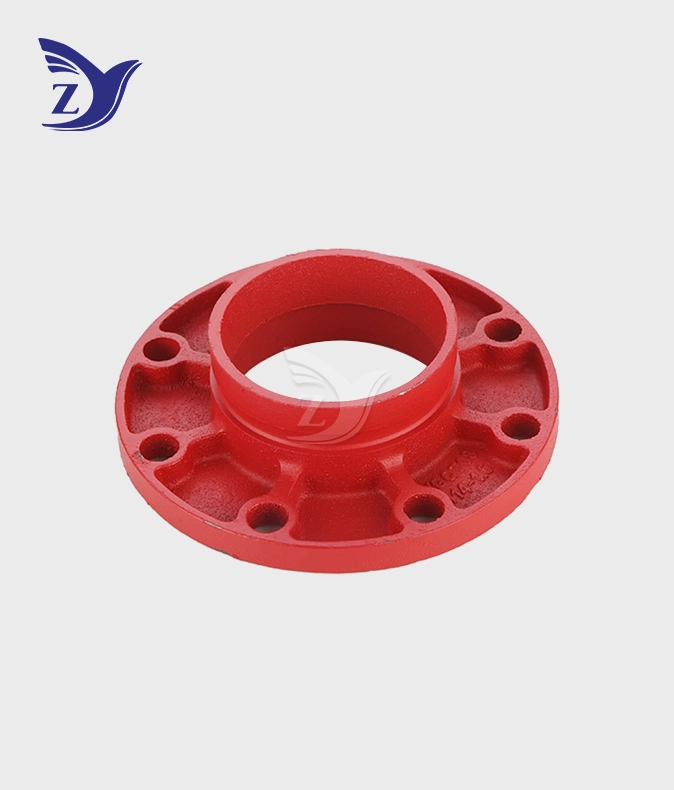
Fire Grooved Flange
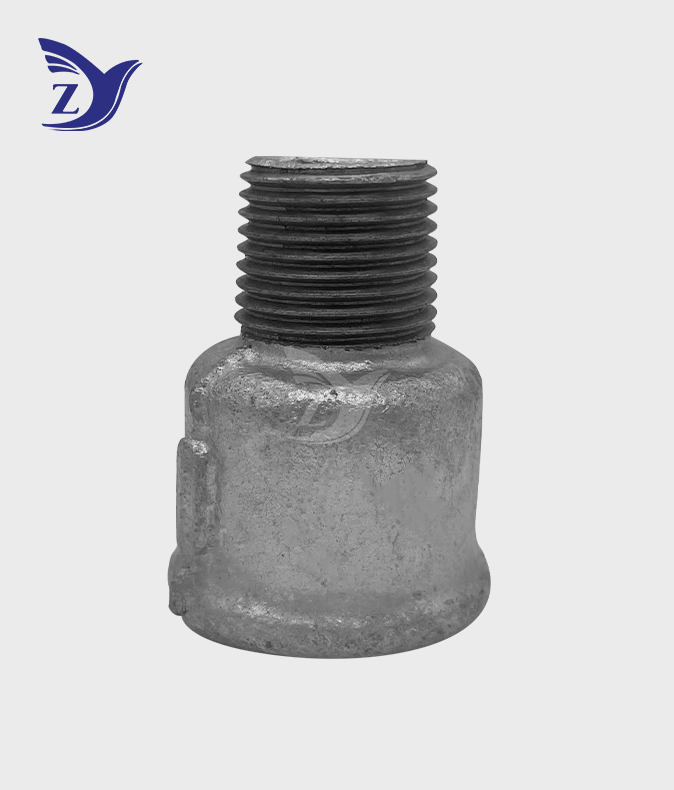
Beaded Galvanized BSPT Round Edge Male-Female Reducing Coupling
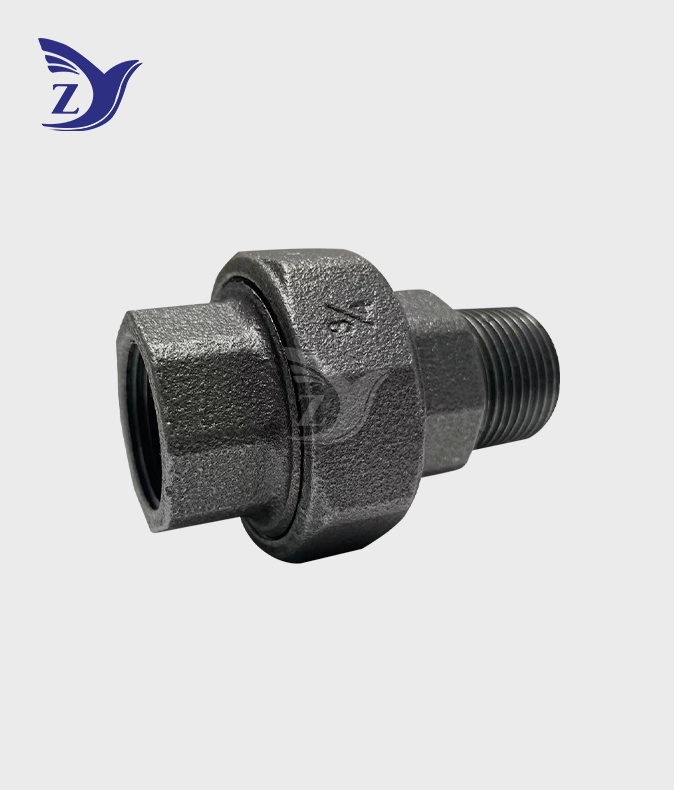
NPT Black Male-Female Union 341 Pipe Fittings