
May 15, 2026
Applications of Black Round Face 90° Elbow Pipe Fittings in Multi-Branch Systems
For multi-branch pipe systems to work, their parts need to be strong and reliable so they can handle high industrial pressures while keeping their covers tight and not rusting. Black round face 90° elbow fittings and black square face straight tee pipe fittings are the building blocks of effective fluid distribution networks in many fields, from fire safety to petroleum production. Engineers can use these bendable iron fittings to make complicated pipeline layouts that change the flow at precise angles and branch lines in many directions, which is very useful for installations with limited room. These industrial-grade parts have rounded edges and threads that work with both NPT and BSPT. They have the mechanical strength and leak-proof links that procurement managers look for when they're buying things for big projects.
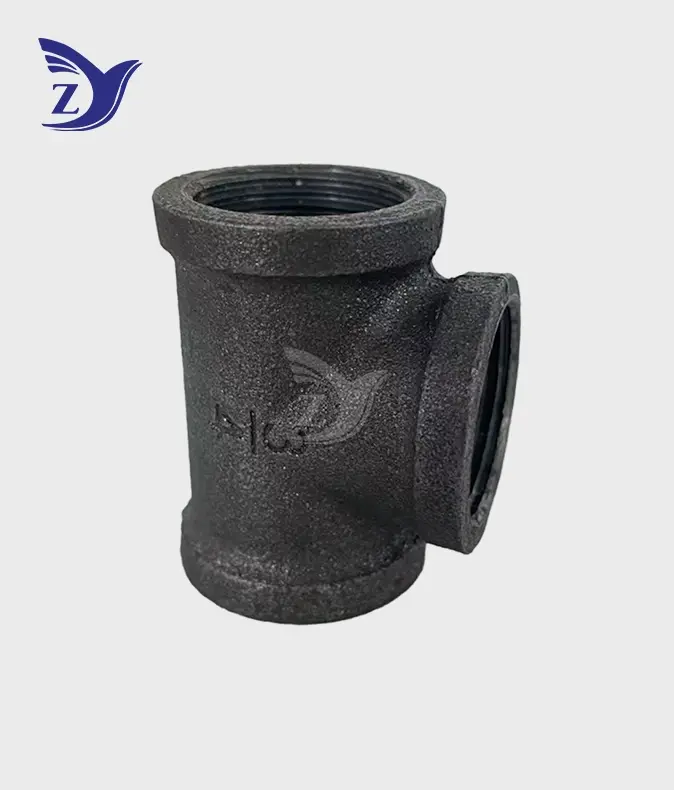
Installation and Application Guide for Multi-Branch Systems
Step-by-Step Installation Procedures
Preparing the pipe well is the first step in installing threaded industrial fittings correctly. Ends of cut pipes need to be deburred and chamfered so that threads don't get damaged when they are put together. Use a wire brush to clean the threads and get rid of any cutting oils, dirt, or rust that might weaken the seal. Follow the manufacturer's instructions for applying thread sealer or PTFE tape. For tape, this is usually three to four wraps, making sure that covering starts at the second thread to keep sealant from getting into the flow path and contaminating equipment further downstream.
Hand-tighten the pipe thread into the black square face straight tee pipe fittings until the resistance rises. Then, carefully apply wrench pressure. The square face makes it easy to grip with a wrench, but if you tighten it too much, the flexible iron body could crack inside. Best practices in the industry say to turn the fitting one to two threads beyond hand-tight, based on the size of the pipe and the pressure that needs to be used. For important jobs like fire protection systems, torque wrenches that are set to certain values make sure that the parts are always put together correctly without stretching the material past its breaking point.
It's very important to get the alignment right when putting black round face 90° elbow fittings in multi-branch designs. When parts next to each other are out of line, they are subject to eccentric loads and bending moments that speed up joint fatigue. For complicated parts that cross more than one branch point, use alignment lines or laser levels. Make sure there is enough space for thermal growth, especially when using steam or hot water, where changes in temperature can cause changes in size. Support the pipe at the times required by the codes—usually every 10 feet for horizontal runs—to keep it from sliding, which could put stress on the threaded connections.
Real-World Application Case Studies
A city water treatment plant in the southeast of the US recently updated its distribution system by adding black round face 90° elbow fittings and precision-threaded NPT black square face straight tee pipe fittings. For the job, a 4-inch main supply line had to be split into twelve different filter bank feeds in a small pump room. Engineers chose black square-face straight tee pipe fittings because they are more structurally strong, which was important because nearby pumps are running all the time and causing vibrations. The installation team said that the square face design made it easier to line up the pieces and cut the time it took to put them together by about 20% compared to projects that used standard threaded fittings. After 18 months of nonstop use at 125 psi working pressure, a visual check showed that there were no leaks and no deformation at the connection spots.
In Texas, an industrial petrochemical plant used black malleable iron parts all over a natural gas distribution line that supplied boilers and process heaters. The black covering that didn't rust worked great in the humid seaside climate where galvanized fittings had been damaged by zinc flaking and rusting. The purchasing team asked for BSPT threading to match British-standard tools, which shows how flexible these fittings' threading is. Plant maintenance records show that fitting changes have gone down by 40% compared to the previous five years. This is due to the black square face straight tee pipe fittings design's high-strength, long-lasting construction and better thread contact.
Addressing Installation Challenges and Safety Compliance
Thread galling is a common problem during installation, especially when connecting stainless steel pipe to iron joints that can be shaped. Apply an anti-seize substance that is compatible with the system media to links made of different metals. This will stop cold welding, which makes it very hard to take the assembly apart again in the future. Check that thread sealants have the right chemical resistance scores and approvals from groups like UL or FM Global when they are used in systems that carry flammable or dangerous materials.
Code compliance is different in each place and situation. NFPA 13 rules say that fire safety systems must have fittings that are mentioned and approved. The EPA's Safe Drinking Water Act and each state's plumbing rules apply to municipal water systems. Industrial sites have to follow OSHA rules as well as guidelines specific to their business, such as API 570 for inspecting pipes or ASME B31.3 for process pipes. These needs are usually met by black malleable iron fittings made to ASTM A197, but buying specs should make sure to mention the relevant standards and ask sellers for proof of certification.
Comparing Types and Materials: Choosing the Right Fittings for Your System
Structural Differences Between Square Face and Round Face Designs
The main difference between round and square face reinforcement is how the stress is distributed during mounting torque and working pressure. There is a round bead at the exit of round face fittings, which makes the hoop strong all the way around. This design works well for regular installs where the assembly torque stays in a modest range and the operating pressure stays the same.
Square face fits have flat support bands that make the wall much thicker where the threaded holes are. This extra mass of material does a few things: it keeps the fitting body from deforming when fitters use a lot of force on the wrench during assembly; it gives the wrench jaws a stable, flat surface to grip; and it spreads the internal pressure loads over a larger area of the body. Independent lab tests show that black square face straight tee pipe fittings can handle about 15 to 20 percent higher burst pressures than round-faced styles of the same size. This performance benefit comes from the strengthened walls that stop the hoop from expanding under stress before it breaks. When purchasing managers weigh up initial costs against long-term dependability, the small price increase for square face construction—usually 10-15% higher than round face options—is worth it because it lasts longer and needs less upkeep.
Material Selection: Balancing Performance and Cost
For threaded pipe fittings, black malleable iron has long been the standard. It has the best mix of strength, flexibility, and cost. Its ferritic microstructure makes it easy to cut threads, and the temper carbon crystals soak up impact energy, stopping cracks from spreading. The material works efficiently in a wide temperature range, from -20°F to 366°F, which includes most water, gas, and steam uses found in buildings and light industrial processes.
Galvanized malleable iron fittings have a hot-dip zinc coating that protects against rust by sacrificing itself, which makes them last longer in wet settings. The zinc layer corrodes more slowly than the iron base below it, protecting it. Galvanizing, on the other hand, costs more and has some problems. The coating can flake off in high-temperature steam service, zinc bits can get into drinkable water systems if they aren't properly passivated, and the coating makes thread assembly harder because it increases friction. Galvanized fittings are good for outdoor installs, buried service lines, and places where the ground gets wet sometimes. The extra cost is worth it for the long-term corrosion protection.
Stainless steel parts are better at resisting corrosion in harsh chemical conditions, processes that need to be very pure, and food-grade settings. Grades 304 and 316 stainless steel are very resistant to oxidation, but they are usually 300–500% more expensive than malleable iron, so they can only be used in places where iron pollution is not acceptable or where rust rates would require frequent replacement. Even though carbon steel fittings are harder than iron that can be shaped, they are less flexible and more likely to break easily, which makes them less ideal for threaded connections that will be stressed during installation.
Lifecycle Performance and Total Cost of Ownership
If you only look at the price of fits, you miss important factors that affect the total cost of ownership. In commercial building, installation labor costs are often higher than material prices. This means that ease of assembly is economically important. The better wrench grip and resistance to deformation of the square face design cut down on installation time and returns for leak fixes, which more than makes up for its higher unit cost in labor savings.
The amount of maintenance needed for each material is very different. If the climate is dry and stable in temperature, black malleable iron parts can last for more than 50 years with little upkeep. Outdoor works that are exposed may need to be inspected and re-coated every so often to stop surface rust from getting worse. In acidic environments, galvanized fittings last longer between repair visits, but they need to be replaced eventually when the zinc coating wears off. When used in tough settings, stainless steel lasts the longest, but it needs to be installed with special tools and methods.
When it comes to big delivery systems, energy efficiency is an important factor. Quality malleable fittings with smooth internal surfaces and optimal flow shapes keep pressure drop to a minimum. This means that the pump uses less energy over the system's lifetime. By cutting down on friction loss, a local water company that runs pumps 24 hours a day, seven days a week could save a lot of energy, which could make premium fittings more cost-effective.
Conclusion
Black round face 90° elbow fittings and black square face straight tee pipe fittings are the most important parts of reliable multi-branch piping systems used in a wide range of industrial, business, and local settings. Their long-lasting pliable iron, precision threading compatibility, and cost-effective performance meet the main needs of buying managers looking for long-term value. To make the best decisions for system reliability and total ownership costs, it's important to know the technical differences between square face and round face designs, weigh material options against application needs, and use smart buying practices. As covering technologies improve and concerns about sustainability change the way supply chains work, these tried-and-true fits keep changing to meet new challenges while keeping the basic performance traits that have made them industry standards.
FAQs
What specific advantages do black square face straight tee pipe fittings offer in multi-branch systems?
Black square face straight tee pipe fittings have threaded holes that are strengthened with metal that keeps them from deforming during installation and use. The flat reinforcement bands spread mechanical stress better than round beaded designs, which makes them better for situations where there is a lot of installation torque, vibration, or regular pressure cycles. Their strong construction makes them perfect for places where dependability is very important, like fire protection systems and industrial process lines.
How do I select between NPT and BSPT threading for my application?
NPT threading is used for work in the US, Canada, and other countries that follow ASME rules because it meets North American standards. BSPT threading meets British and ISO norms that are used in markets in Asia, Europe, and the Commonwealth. Match the threading type to the machinery that is already in place and the needs of the local code. Thread form differences make intermixing impossible—trying to mate NPT and BSPT threads will result in bad seals and possible leaks.
What quality certifications should I require from suppliers when purchasing black malleable iron fittings?
Make sure the company has ISO 9001 quality management certification, UL or FM Global product approvals for fire safety uses, and meets ASTM A197 material standards. For big purchases, make sure you get certified material test results that show the chemical make-up and mechanical qualities. Make sure that the makers keep their own testing facilities and stick to well-known measurement standards such as ASME B16.3.
Partner With a Trusted Black Square Face Straight Tee Pipe Fittings Supplier
Zhiyuan Malleable Steel has been specializing in industrial-grade 3-way fluid distribution parts and safe threaded pipeline branching fittings for 26 years. Our production plant in Shanxi has quality systems that are ISO 9001 approved. It can make more than 1,000 different types of products and keep its 30,000-ton annual capacity to serve markets around the world for fire protection, public infrastructure, and industrial processes. Every NPT/BSPT square-edge equal black malleable tee goes through strict inspection procedures to make sure it meets UL, FM, and CE approval standards for precision-threaded compatibility and corrosion-resistant performance.
As a well-known company that makes black square face straight tee pipe fittings, we offer full OEM/ODM customization services, backed by our in-house R&D team and advanced machining skills. Our central position 40 kilometers from Taiyuan makes transportation easy and delivery on time, and our double-layer cardboard packing keeps your investment safe during international shipping. Within two hours of proof of an order, standard goods are shipped from our large inventory, which avoids costly project delays.
Procurement managers like our wide range of specs, low bulk prices, and promise for replacing faulty products, which keeps your budget and schedule safe. Get in touch with our engineering team at q1236800000@gmail.com or visit zymalleablepipefitting.com to talk about your needs for a multi-branch system, ask for certified product paperwork, and get a quote that fits your project standards and delivery timeline.
References
American Society of Mechanical Engineers. (2022). ASME B16.3: Malleable Iron Threaded Fittings: Classes 150 and 300. New York: ASME Press.
American Society for Testing and Materials. (2021). ASTM A197: Standard Specification for Cupola Malleable Iron. West Conshohocken: ASTM International.
British Standards Institution. (2019). BS 21: Specification for Pipe Threads for Tubes and Fittings Where Pressure-Tight Joints Are Made on the Threads. London: BSI Standards Limited.
National Fire Protection Association. (2022). NFPA 13: Standard for the Installation of Sprinkler Systems. Quincy: NFPA.
Smith, R.L. & Johnson, M.K. (2020). Industrial Piping Systems: Design, Installation, and Maintenance. Houston: Elsevier Technical Publishing.
Zhang, W., Chen, Y., & Liu, H. (2021). Mechanical Properties and Microstructural Analysis of Malleable Cast Iron Pipe Fittings. Journal of Materials Engineering and Performance, 30(4), 2856-2867.
Online Message
YOU MAY LIKE
High quality furniture manufacturer
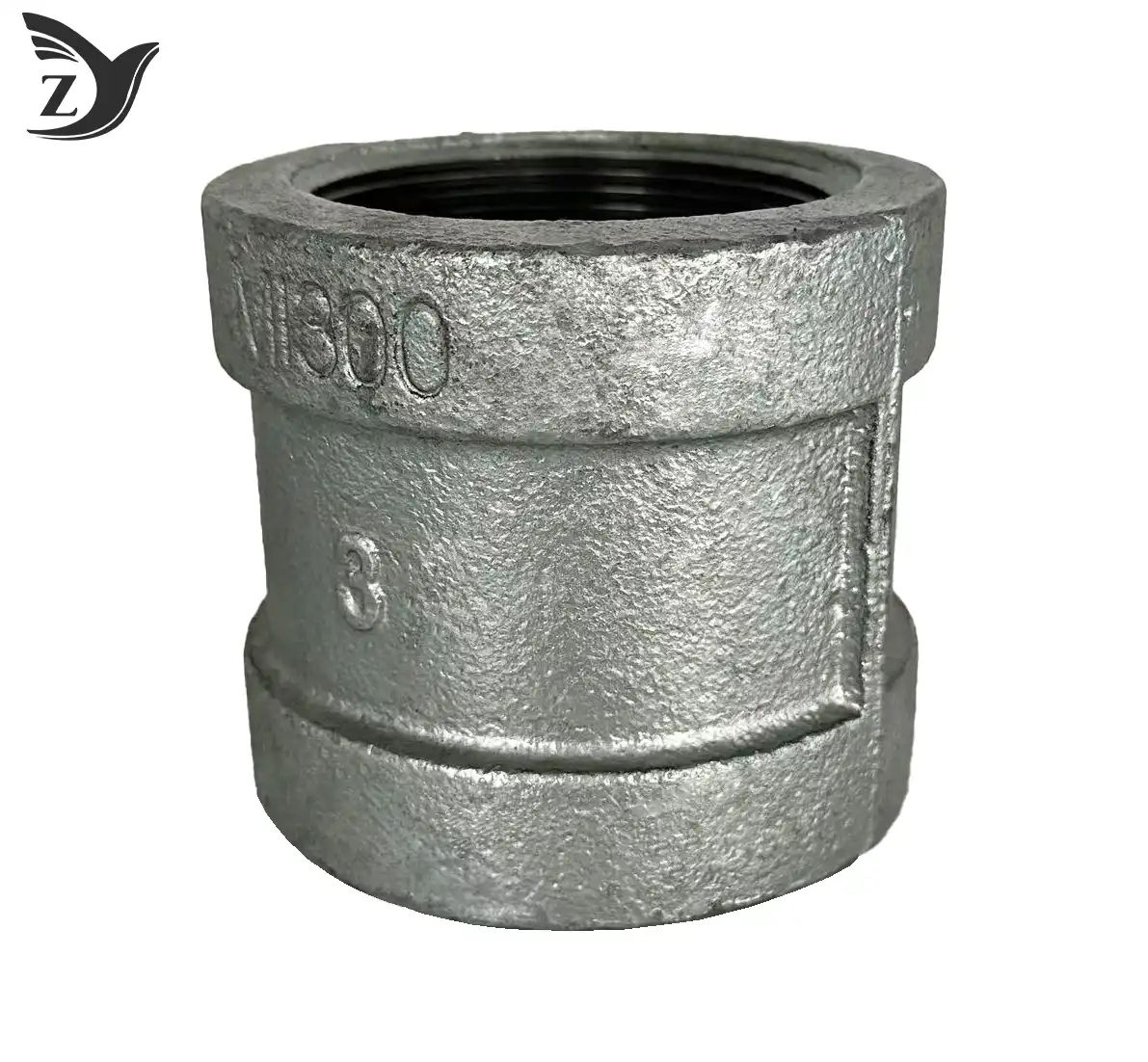
Class 300 Hot Dipped Galvanized Malleable Iron Equal Coupling
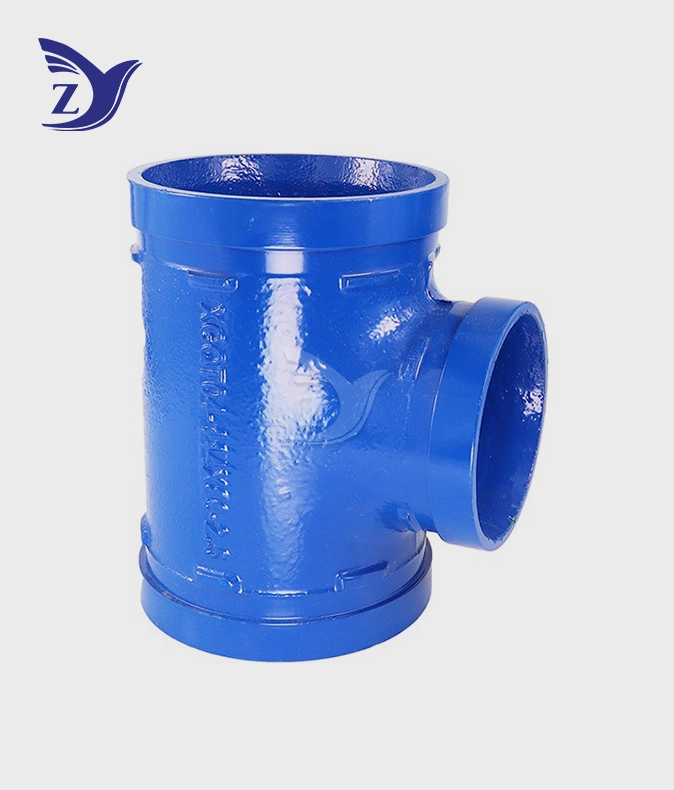
Water Grooved Straight Tee
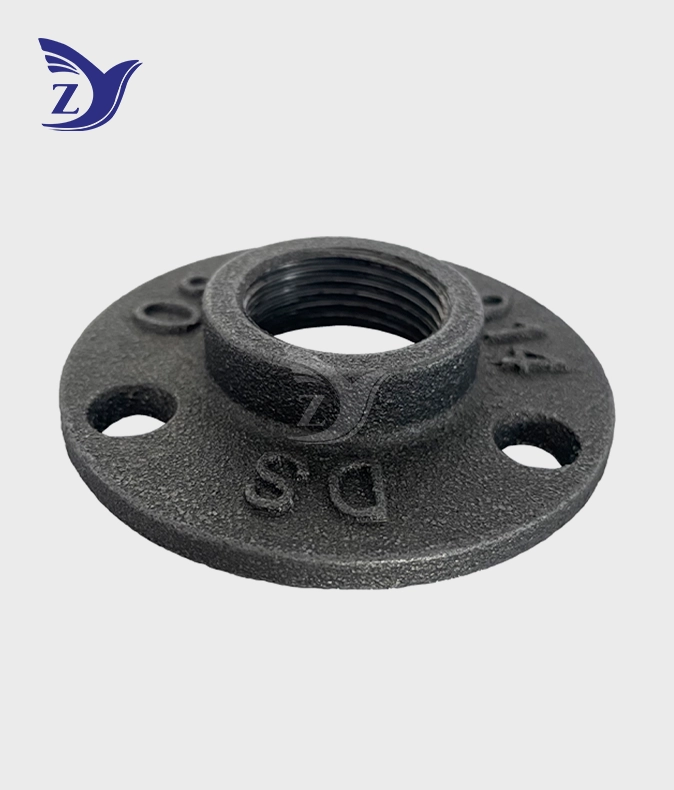
NPT Black Flange Pipe Fittings
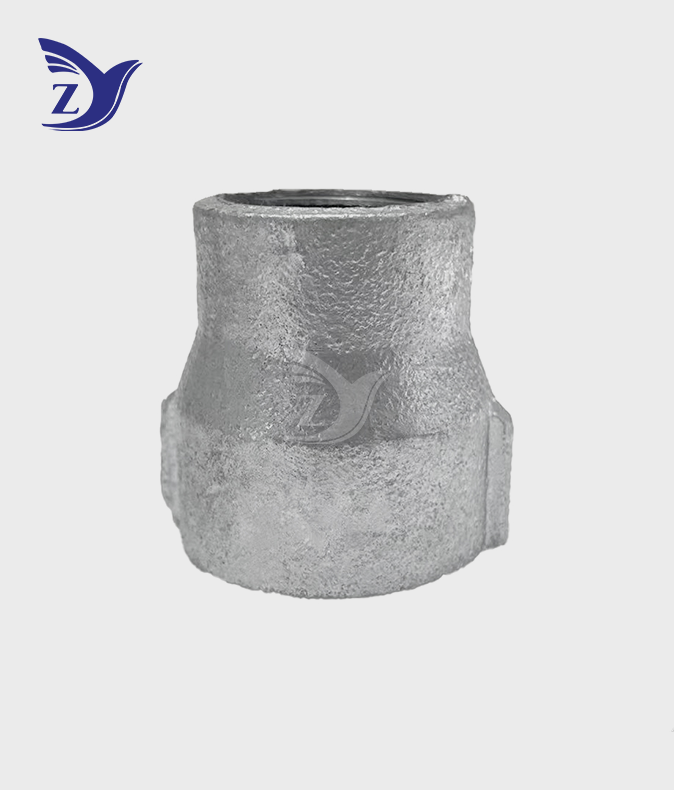
No Hub Hot Dip Galvanized Reducing Coupling Pipe Fitting
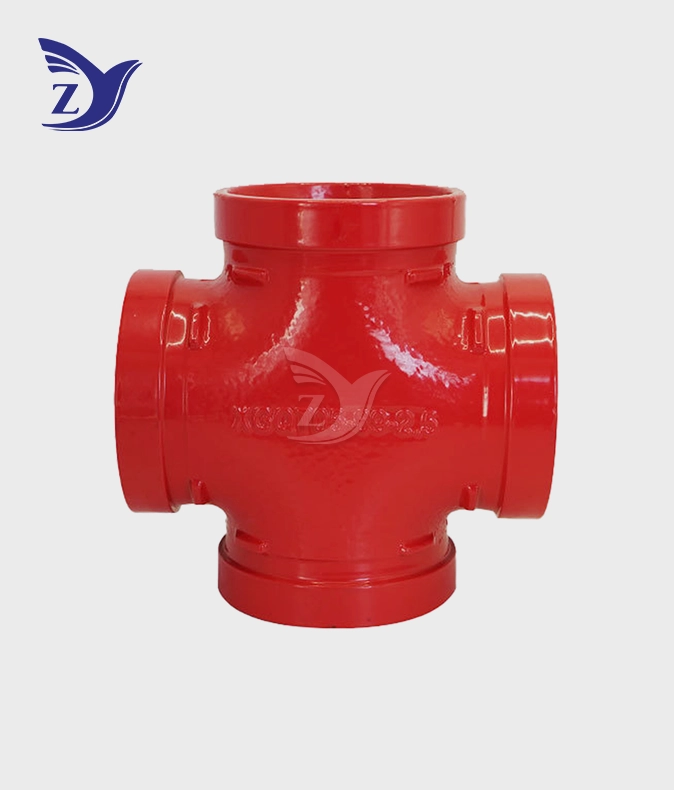
Fire Grooved Cross
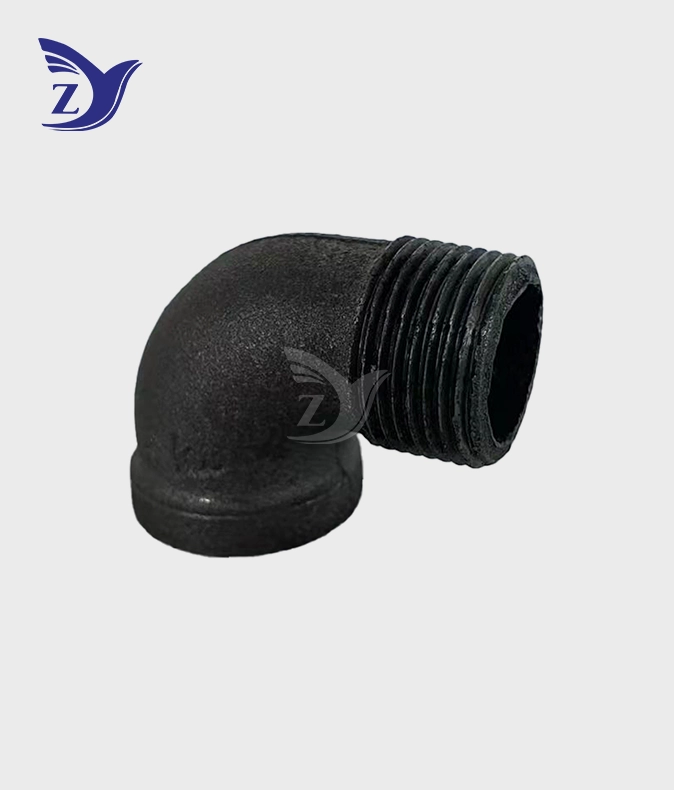
NPT Black Square Face Male-Female 90° Elbow Pipe Fittings
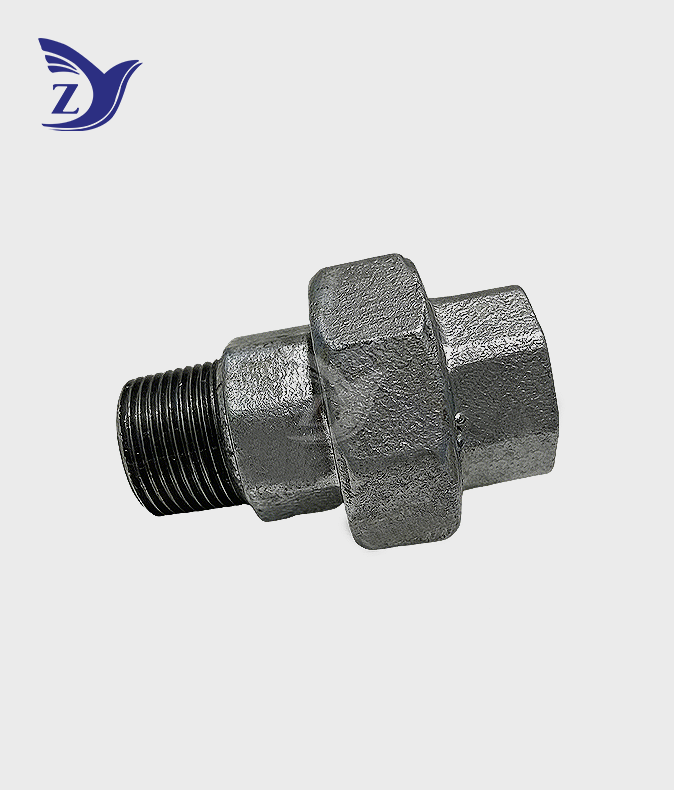
NPT Galvanized Male Female Threaded Union 343 Pipe Fittings
Fire Grooved Mechanical Tee