
Jun 2, 2026
45° Elbow Pipe Fittings: Ideal For Angled Pipe Installations
When you're building a pipe system that needs to get around structural hurdles or quickly change the flow direction, the fittings you choose are very important. Square-faced galvanized 45° square edge elbow pipe fittings are among the most adaptable parts because they strike the ideal mix between changing directions and hydraulic efficiency. Sharper 90° turns cause turbulence and drops in pressure, but the 45° angle keeps the flow smoother while allowing for freedom in complex plans. These fittings have a special square edge reinforcement at the threaded ports that makes them stronger and better at resisting pressure during installation. They are made from malleable iron and are protected by hot-dip galvanization. They are perfect for use in fire protection, HVAC, city water systems, and industrial process pipes because they don't rust in high-humidity or outdoor settings.
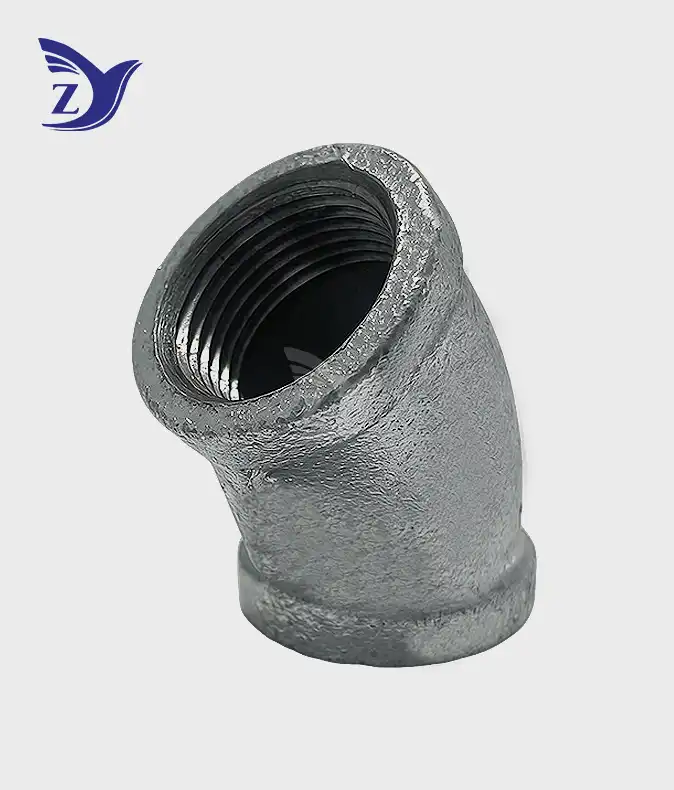
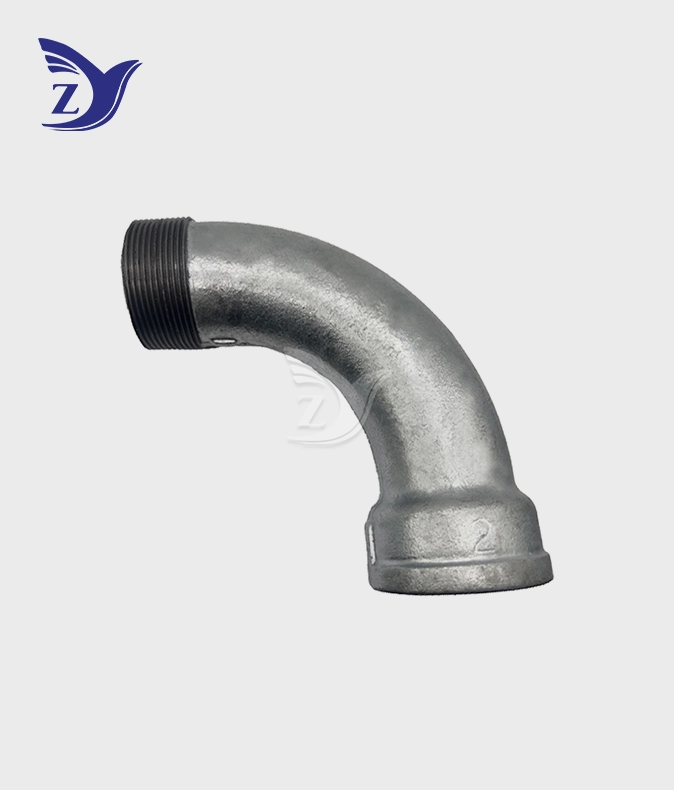
45° Square Edge Elbow Pipe Fittings
What Makes Square Edge Design Different
One thing that makes square edge elbow fittings unique is the way they are reinforced with bands. The square edge has a flat, rectangular cross-section at each threaded connection point instead of the round beads that are common on fittings. This new idea in design has several uses that have an immediate effect on how well the installation works and how long it lasts. The flat surface gives pipe tools a safe place to rest their grip, keeping them from slipping during high-torque tightening operations. This has been especially helpful when dealing with pipes that are bigger in diameter because they need a lot of rotational force to get the threads to connect properly.
The square face galvanized 45° square edge elbow pipe fittings also spreads the hoop stress more evenly around the fitting's edge. This shape keeps the thread roots from cracking during cycles of temperature expansion or pressure spikes, which is a common way for fittings that aren't reinforced enough to fail. The extra volume of material at the connection points works as a mechanical buffer, soaking up installation pressures that could otherwise move into the casting body. Testing results show that square edge fittings that are properly made can handle about 15 to 20 percent more installation force than similar round-bead designs without deforming.
Comparing Elbow Angles and Their Applications
Different elbow angles are used in piping systems based on available space and hydraulic needs. 45°, 90°, and 180° turns are the most popular designs. Each one is useful for different reasons in system design. Knowing when to define each angle has a direct effect on how well the installation goes and how well it works in the long run.
A 90° elbow makes a right-angle turn right away, which changes direction the most in the shortest amount of space. This steep turn saves room, but it makes the flow more turbulent and increases friction losses, especially at higher speeds. Engineers usually only use 90° fittings for low-speed situations or when there isn't enough room for softer changes.
There is a medium ground with the 45° elbow that works well for many industry uses. We can lower the friction rate by 30 to 40 percent compared to a single sharp turn when we split a 90° change into two 45° parts. This shape keeps the flow more smooth, which keeps pressure drops to a minimum and avoids the need for bigger pumps. When it comes to fire sprinkler systems, making sure that the pressure at the remote heads stays high is very important. Using 45° fittings throughout the network can mean the difference between meeting code requirements and having to spend a lot of money redesigning the whole system.
The 180° return elbow makes a U-turn in the pipeline. It is often used in heat exchanges, coil configurations, and cases where flow needs to be reversed in parallel pipe runs. These special fittings aren't used as often as their 45° and 90° cousins, but they are still needed for some tasks.
How to Properly Install a 45° Square Edge Elbow Fitting?
Essential Tools and Preparation
Getting ready and having the right tools on hand are the first steps to a successful operation. You will need two pipe wrenches that are the right size for the square face galvanized 45° square edge elbow pipe fittings. Usually, one wrench should be one size bigger than the pipe width. Because the square edge shape needs a firm grip, don't use old wrenches with smooth jaw teeth that could slip while you're tightening. The basic toolbox also includes a wire brush for cleaning the threads, thread sealant that is rated for the fluid medium, and a tape measure for accurate placement.
Carefully check each part before you start installing. Check the threads for damage, cross-threading, or other things that could weaken the seal. Make sure the zinc coating is all the way around, especially where the threads meet, where the coating naturally gets thinner. Cold galvanizing solution should be used on any uncovered base metal to keep it from rusting. We suggest using plug and ring gauges for thread gauging on important jobs to make sure they are the right size, especially when working with parts from new sources or for high-reliability installations like fire control systems.
Step-by-Step Installation Process
When installing threaded square face galvanized 45° square edge elbow pipe fittings, you should follow standard plumbing procedures, but you should pay extra attention to square edge fittings. First, use a wire brush to clean all threads, including those on male pipe ends and female fittings. This will get rid of any production debris, storage dust, or rust. Clean threads make sure that the contact depth is correct and keep particles from breaking the seal.
Follow the manufacturer's instructions for how to use thread sealant. To keep tape pieces from getting into the system, the PTFE tape should be wrapped three to four times clockwise around the pipe end, beginning one thread back from the end. Apply liquid thread compounds that are rated for your application (water, gas, oil, etc.) only to the male threads and not to the first two threads. This will keep extra compound from going into the pipeline and contaminating the fluid or blocking later parts.
Tighten the fitting onto the pipe by hand until you feel resistance. This should take about two to three thread engagements. Before adding wrench force, this makes sure that the threads are lined up correctly. Place one wrench on the body of the fitting and firmly hold on to the square edge support band. Put the second wrench on the pipe and keep the counter-pressure up to keep the pipe from turning, which could damage joints that have already been made. Tighten the fitting two or three more full turns with the wrench, making sure to keep an eye on the line the whole time.
The straight edge gives the wrench a great grip, so you can tighten with confidence without worrying that your jaw will slip. But don't tighten too much; that can damage the threads or crack the casting where the stress is highest. Three to four threads should still be visible between the fitting face and the pipe shoulder for proper tightness. This is called "hand-tight plus two turns" in the plumbing business. This contact depth makes a good mechanical seal while keeping the threads intact in case the part needs to be taken apart again in the future.
Applications and Procurement Insights for Galvanized 45° Square Edge Elbows
Industry-Specific Applications
One of the most difficult uses for square face galvanized 45° square edge elbow pipe fittings is in fire safety engineering. These systems have to keep working reliably even after decades of not being used, delivering certain flow rates and pressures. The 45° elbow is very useful for sprinkler system plans where the pipes have to go around structural members, ducts, and electrical systems while keeping pressure losses to a minimum that could affect the coverage of remote heads. NFPA guidelines require certain materials and ways of installing them. For wet, dry, and preaction systems, hot-dip galvanized malleable iron parts meet all the requirements. We've seen galvanized parts in fire systems last longer than 40 years when they are properly kept, which proves they are safe for life-safety uses.
For distributing cold water, heating hot water pipes, and condensate draining systems, HVAC setups use a lot of galvanized fittings. Temperatures that are usually seen, between 40°F and 250°F, are well within the range of what malleable iron products can handle. The 45° elbow makes it easier for pipes to get through crowded mechanical areas where working with building parts and other trades requires adaptable plan choices. More and more building rules allow galvanized steel pipe to be used in HVAC systems, especially when it is combined with the right water treatment programs that keep pH and dissolved oxygen levels in check.
Galvanized fittings are required by municipal water and gas companies for connecting service lines, installing valves, and making changes to the distribution network. Zinc coats protect these uses from corrosion, especially when they come into touch with dirt, where electrochemical rust speeds up the breakdown of ferrous materials. Threaded galvanized parts are often used in gas distribution systems that work below 60 psi. The square edge design makes installation more secure in utility settings where worker speed and joint reliability directly affect public safety.
Industrial process uses are used in many fields, such as manufacturing, petroleum processing, and power generation. For services that use toxic chemicals, you need to use better materials. But galvanized fittings work well for a lot of other pipes, like those that carry cool water, service air, wash-down systems, and general plant utilities. Due to the lower cost of galvanized parts, plant engineers can choose the right materials for the job instead of using expensive metals throughout the whole facility.
Strategic Procurement Considerations
When buying square face galvanized 45° square edge elbow pipe fittings, it's not enough to just compare prices; you also need to look at how reliable the seller is, how consistent the quality is, and how good their service is. We suggest judging possible suppliers on a number of different factors so that you can build relationships that will help the project succeed in the long run. When looking for sources for big or ongoing projects, manufacturing ability becomes very important. A company that can make 30,000 tons of goods a year, like those with factories already set up in big production areas, can handle large orders without affecting delivery times or taking away from quality control.
Certification paperwork is concrete proof that factory standards are being met. Look for providers that have quality control systems that are in line with ISO 9001 and have been certified by a third party to meet UL, FM, or CE standards, depending on the markets you want to reach. These badges show more than just claims of quality; they also show a commitment to process control and product consistency. Instead of taking marketing promises at face value, ask to see copies of real certifications and mill test results.
Lead time management is what sets great providers apart from just-good ones. Standard products that are available from stock make it easy to coordinate with building plans and speed up the start of a project. Facilities that keep large stocks can usually ship common sizes within 24 to 48 hours, but custom designs may need 3 to 4 weeks to make. When planning a project, knowing these deadlines helps avoid expensive schedule delays that happen when getting materials takes longer than planned.
Customization options are useful for projects that need to meet specific needs. OEM and ODM services make it possible to change standard goods to fit specific needs, like adding special threading, making them in non-standard sizes, or covering them better. Suppliers who have their own engineers on staff and flexible ways of making things can work together to come up with solutions instead of just meeting standard catalog orders. This feature is especially useful for foreign buyers who want to serve markets with specific needs or for equipment makers who want to add fittings to their own systems.
Conclusion
Galvanized 45° elbow fittings have a big effect on system performance, installation efficiency, and long-term operating costs in a wide range of piping uses. It is important to choose the right ones and use them correctly. For business and industrial projects that need to be reliable and last a long time, square edge forms are a good choice because they offer better installation mechanics and structural benefits. Procurement workers and engineers can get the most out of their investments by learning about the properties of materials, the best ways to install them, and how to keep them in good shape. This way, systems will last as long as expected and meet performance standards. Because codes and industry standards are always changing, pipe systems are also changing. However, properly defined galvanized malleable iron fittings will always be useful for fire protection, HVAC, city infrastructure, and industrial uses.
FAQ
How do I verify compatibility between 45° square edge elbows and existing piping?
Compatibility verification requires confirming both thread specification and size matching. Determine whether your existing system uses NPT or BSPT threading by checking original construction documentation or measuring thread pitch and angle with gauges. NPT threads feature 60° angles while BSPT uses 55° angles, making them non-interchangeable despite similar appearance. Size confirmation should reference nominal pipe size rather than actual dimensions, as standard sizing conventions ensure compatible components across manufacturers. When documentation is unavailable, test-fit sample fittings before committing to large quantity purchases. Reputable suppliers can provide detailed dimension sheets showing thread specifications, overall length, and center-to-face dimensions for precise comparison against your requirements.
What service life should I expect from galvanized fittings in outdoor installations?
Properly installed galvanized malleable iron fittings typically achieve 25-30 year service lives in normal outdoor environments with adequate coating thickness and reasonable maintenance. Coastal locations with salt air exposure may see reduced life spans of 15-20 years, while arid climates with minimal moisture often extend longevity beyond 40 years. Critical factors affecting durability include initial coating quality, installation workmanship preventing moisture intrusion at threads, and environmental exposure severity. Regular inspection every 3-5 years allows early detection of coating degradation, enabling targeted maintenance that extends component life substantially. Systems with controlled pH water chemistry and proper drainage perform significantly better than those with aggressive water conditions or standing water exposure.
Can I order customized square edge elbows for specialized project requirements?
Established manufacturers typically offer customization services including non-standard dimensions, specialized threading, enhanced coating thickness, or material certification requirements. Customization usually requires minimum order quantities ranging from 500 to 2,000 pieces depending on modification complexity, with lead times extending 4-8 weeks beyond standard product delivery. Providing detailed specifications including dimensional drawings, material standards, testing requirements, and certification needs early in the procurement process ensures accurate quotations and realistic delivery schedules. OEM and ODM capabilities vary significantly among suppliers, making manufacturer selection critical when projects demand specialized components beyond standard catalog offerings.
Partner With Zhiyuan Malleable Steel for Premium Square Face Galvanized 45° Square Edge Elbow Pipe Fittings
Zhiyuan Malleable Steel brings over 18 years of specialized manufacturing expertise to every square face galvanized 45° square edge elbow pipe fitting we produce at our 50,000-square-meter facility in Shanxi Province. Our 30,000-ton annual production capacity ensures reliable supply for both large-scale projects and ongoing maintenance needs, while our comprehensive quality system maintains ISO 9001, CE, UL, and FM certifications that meet the most stringent international standards. We understand the critical nature of piping components in fire protection, municipal infrastructure, and industrial applications, which is why every fitting undergoes rigorous thread gauging, hydrostatic testing, and coating thickness verification before shipment.
Our engineering team provides customization support for specialized applications requiring non-standard dimensions, enhanced coatings, or particular certification documentation. Whether you're a fire protection system integrator requiring UL-listed components, a municipal utility needing AWWA-compliant materials, or an industrial facility sourcing reliable replacement parts, we deliver solutions tailored to your specific requirements. Our ample inventory enables rapid fulfillment of standard orders—often within 48 hours—while our flexible production scheduling accommodates custom orders with transparent lead times.
Beyond product quality, we've built our reputation on responsive service and technical support throughout the procurement and installation process. We stand behind every fitting with comprehensive warranty coverage and prompt resolution of any quality concerns. When you partner with a dedicated square face galvanized 45° square edge elbow pipe fittings supplier like Zhiyuan Malleable Steel, you gain more than components—you establish a relationship with a manufacturer committed to your project success. Contact our team at q1236800000@gmail.com or visit zymalleablepipefitting.com to discuss your requirements, request technical specifications, or obtain volume pricing for your upcoming projects.
References
American Society of Mechanical Engineers. (2020). ASME B16.3: Malleable Iron Threaded Fittings - Classes 150 and 300. New York: ASME International.
American Society for Testing and Materials. (2019). ASTM A197: Standard Specification for Cupola Malleable Iron. West Conshohocken: ASTM International.
American Society for Testing and Materials. (2021). ASTM A153: Standard Specification for Zinc Coating (Hot-Dip) on Iron and Steel Hardware. West Conshohocken: ASTM International.
National Fire Protection Association. (2022). NFPA 13: Standard for the Installation of Sprinkler Systems. Quincy: NFPA Publications.
International Organization for Standardization. (2018). ISO 7-1: Pipe Threads Where Pressure-Tight Joints Are Made on the Threads - Part 1: Dimensions, Tolerances and Designation. Geneva: ISO Standards.
Smith, J. R., & Patterson, M. L. (2021). Corrosion Control in Industrial Piping Systems: Materials Selection and Protective Strategies. Houston: Pipeline Engineering Press.
Online Message
YOU MAY LIKE
High quality furniture manufacturer
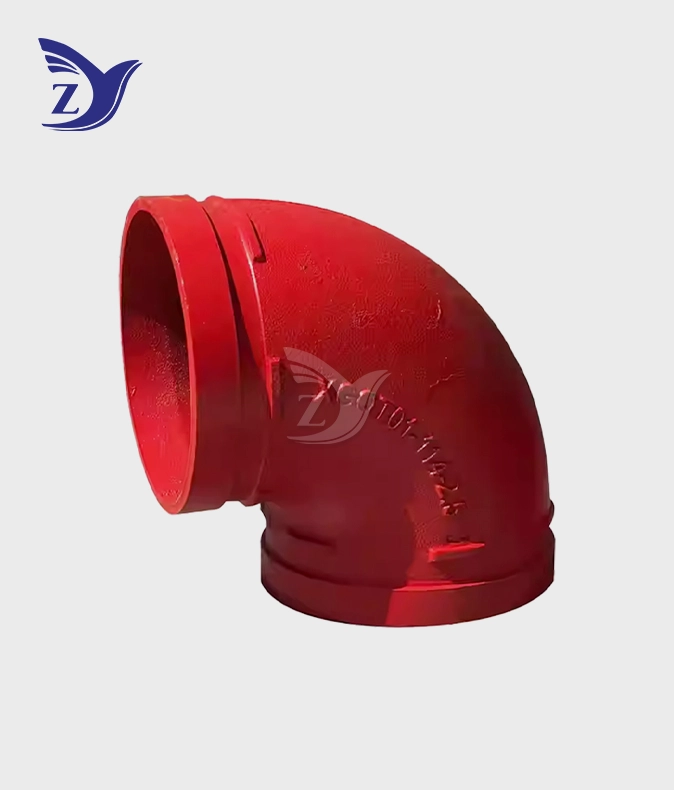
Fire Grooved 90° Elbow
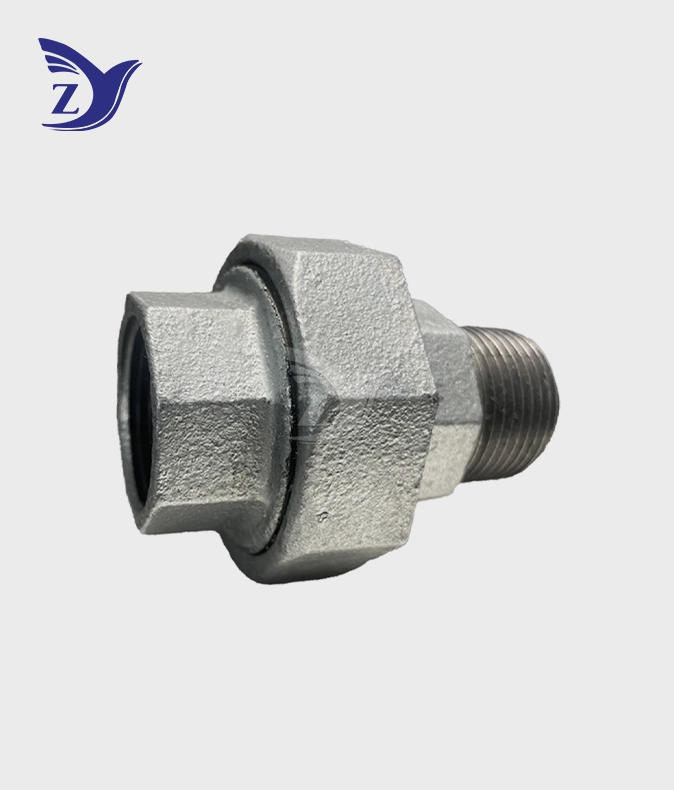
NPT Galvanized Male Female Threaded Union 331 Pipe Fittings
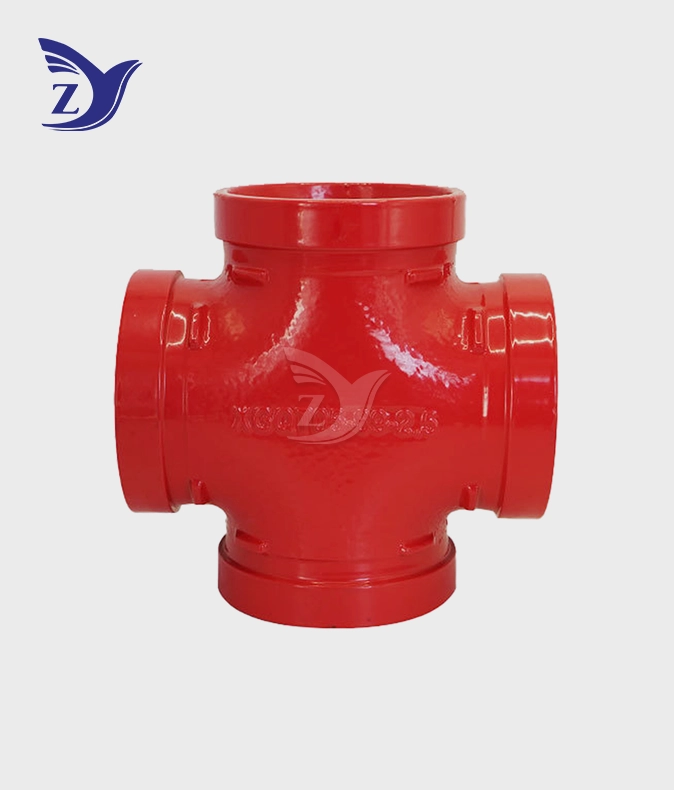
Fire Grooved Cross
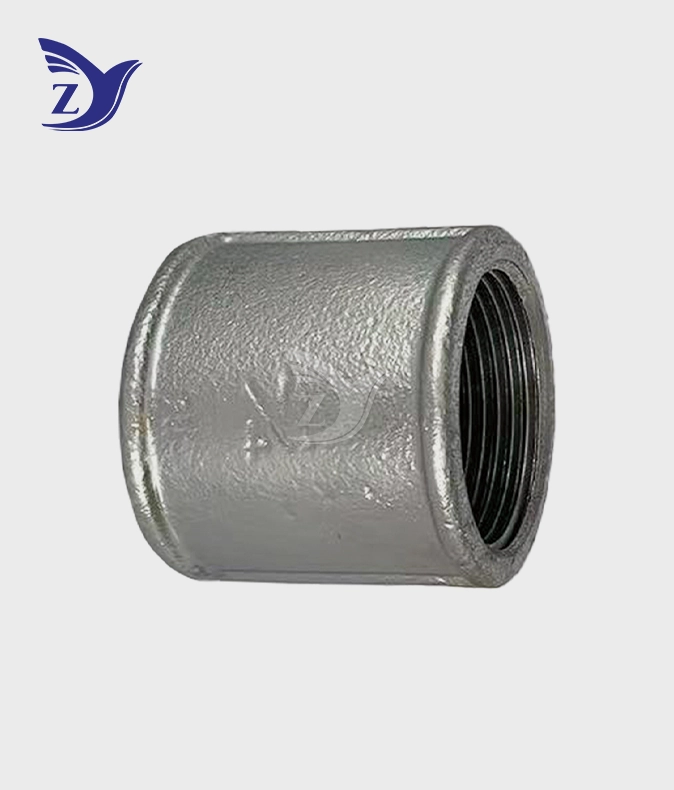
NPT Round Face Galvanized Round Edge Coupling Pipe Fittings
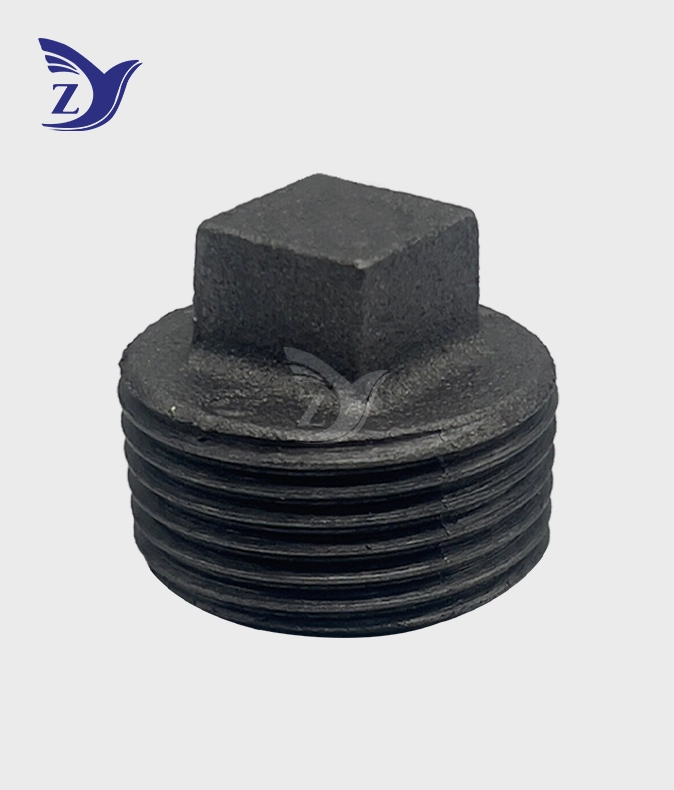
NPT. Black Flangeless Plug Pipe Fittings
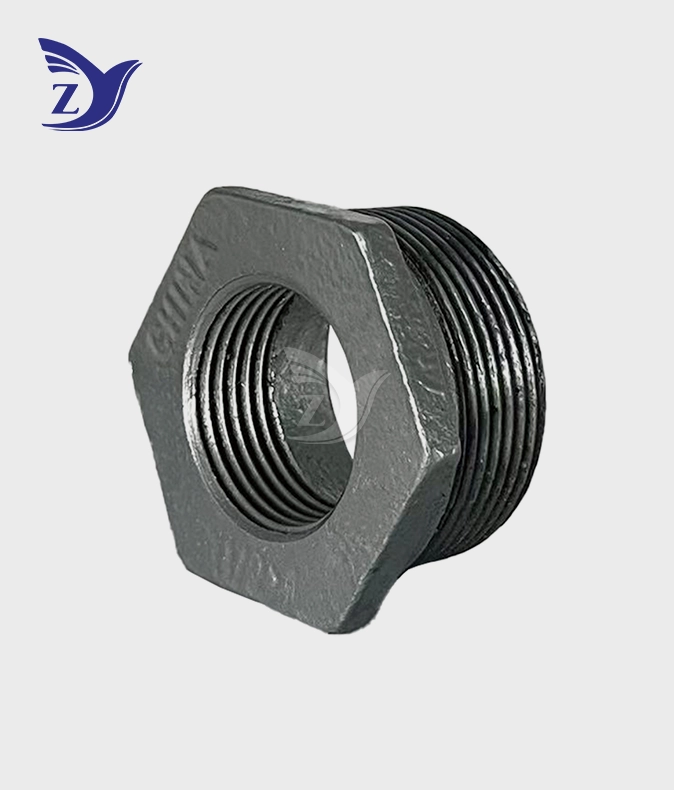
NPT Galvanized Bushing Pipe Fittings
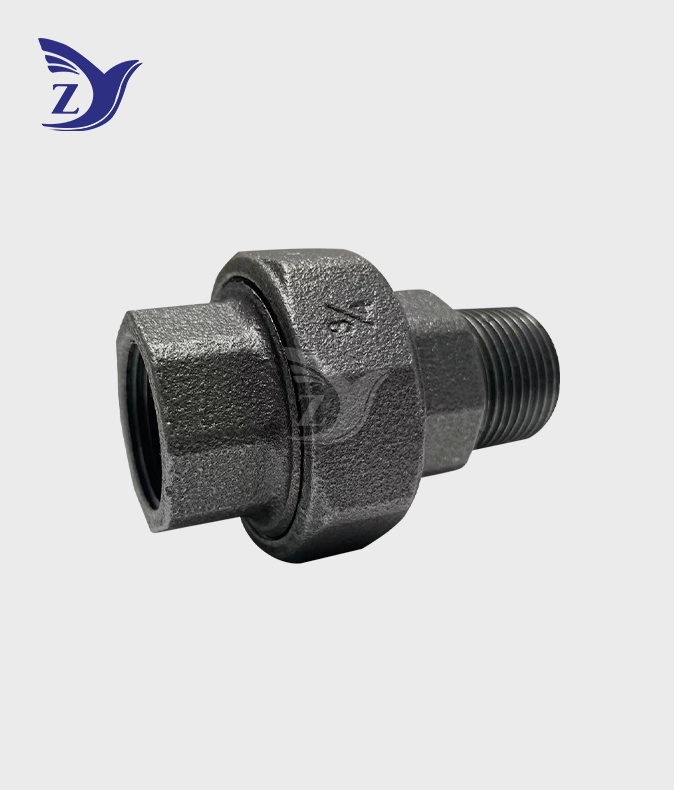
NPT Black Male-Female Union 341 Pipe Fittings
BSPT Galvanized Male Female 90° Long Radius Elbow Pipe Fittings