
Feb 28, 2026
Heat treatment process for malleable cast iron
Annealing Process for Malleable Cast Iron Parts
The annealing of malleable cast iron parts involves heating the white cast iron billet in a neutral medium to 900–980℃, transforming the cast iron microstructure into austenite + cementite.
After holding at this temperature for approximately 3 hours, the cementite decomposes, forming flocculent graphite; this process is the first stage of graphitization.
Subsequently, slow cooling occurs, causing supersaturated carbon in the austenite to precipitate and adhere to the formed flocculent graphite, allowing the graphite to grow further, completing the second stage of graphitization in the 760–720℃ range.
Further slow cooling continues to 700–650℃, followed by air cooling, ultimately yielding ferritic malleable cast iron (black-core malleable cast iron).
Annealing Process for Ductile Cast Iron
The purpose of annealing ductile cast iron is to obtain ferritic ductile cast iron. Depending on the as-cast microstructure, the process is divided into two categories:
- High-Temperature Annealing: Used when pearlite + free cementite are present in the as-cast microstructure.
Process: Heat to 900-950℃, hold for 2-5 hours, slowly cool in the furnace to approximately 600℃, then air cool.
- Low-temperature annealing (soft annealing/stress-relief annealing) Used when the as-cast microstructure is ferrite + pearlite + graphite, without free cementite.
Process: Heat to 720-760℃, hold for 3-6 hours, slowly cool in the furnace to approximately 600℃, then air cool.
If only stress relief is required, hold at 600-650℃ for 1-3 hours.
Three major heat treatment processes for gray cast iron: Gray cast iron contains flake graphite, suitable for casting thin-walled, complex parts, but is sensitive to cooling rate. The commonly used heat treatments are as follows:
- Stress-relief annealing: During the casting cooling process, uneven cooling can easily generate internal stress, leading to deformation and cracking.
For complex castings such as machine beds, engine blocks, cylinder blocks, and cylinder heads, stress-relief annealing is required to stabilize dimensions.
Process: Heat to 500–550℃ at a rate of 60–120℃/h, hold at that temperature, then furnace cool to 150–220℃, followed by air cooling.
- Eliminating White Cast Iron Annealing: Rapid cooling of the surface and thin-walled areas of castings easily leads to the formation of white cast iron structures, increasing hardness, brittleness, and machining difficulties.
Process: Heat to 850–890℃, hold for 2–5 hours to decompose cementite (Fe₃C), then slowly furnace cool to 400–500℃, followed by air cooling.
- Surface Hardening Treatment: Surfaces requiring high hardness and wear resistance, such as machine tool guideways and cylinder inner walls, can be hardened.
Common Methods: High-frequency induction heating surface hardening, contact resistance heating surface hardening, etc.
Online Message
YOU MAY LIKE
High quality furniture manufacturer
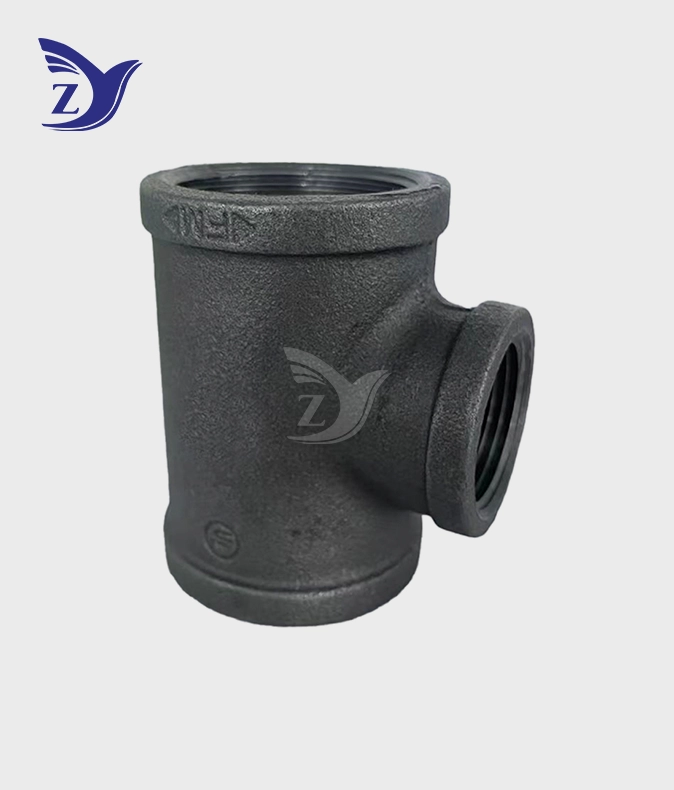
NPT Black Square Face Reducing Tee Pipe Fittings
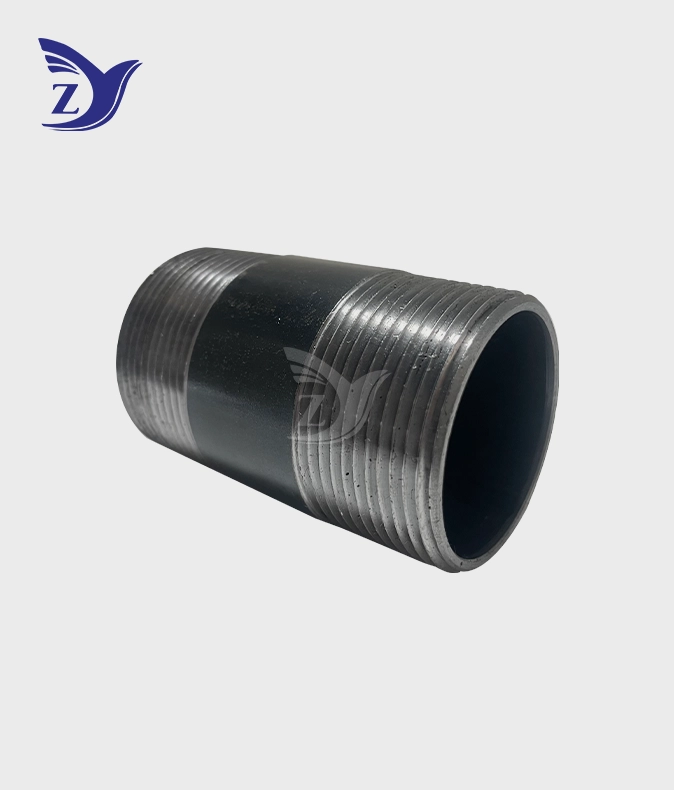
Double Male Thread Oil Tubing
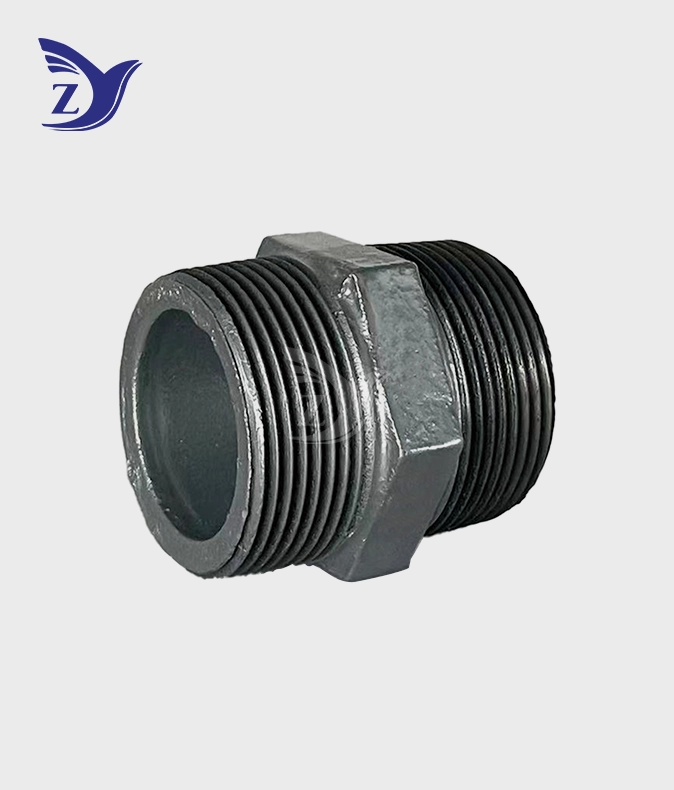
NPT Galvanized Male Nipple Pipe Fittings
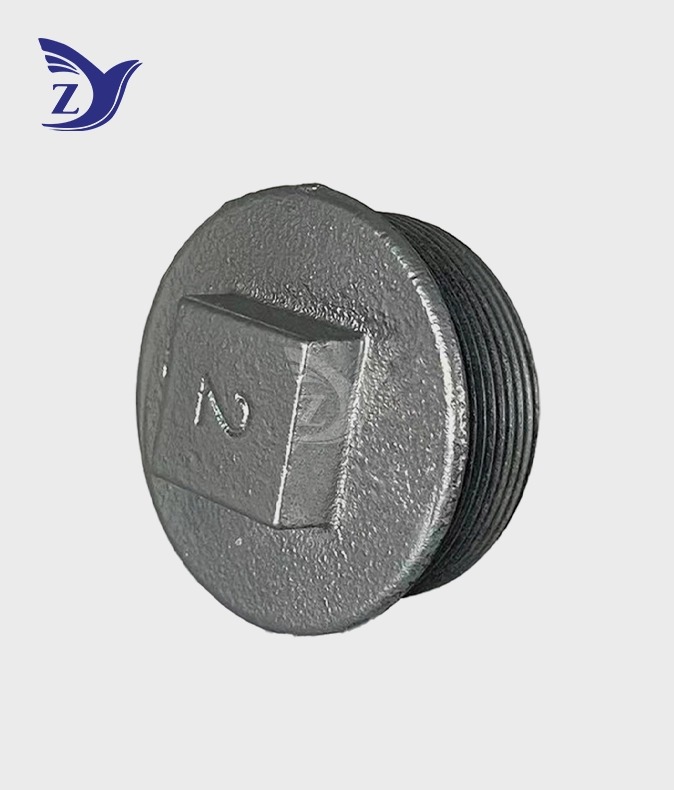
NPT Galvanized Flanged Pipe Plug Pipe Fittings
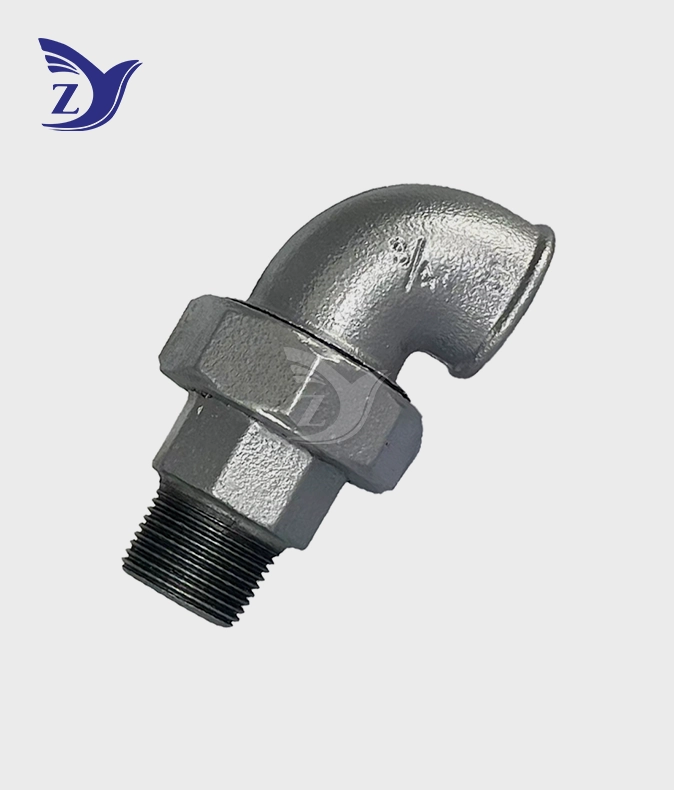
NPT Galvanized Union Elbow Threaded Pipe Fittings with Male and Female Ends
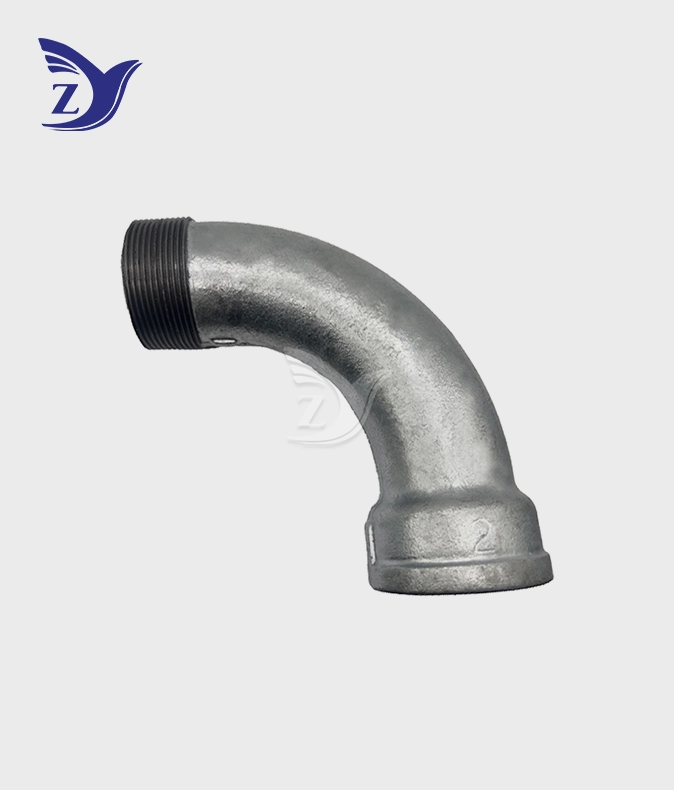
BSPT Galvanized Male Female 90° Long Radius Elbow Pipe Fittings
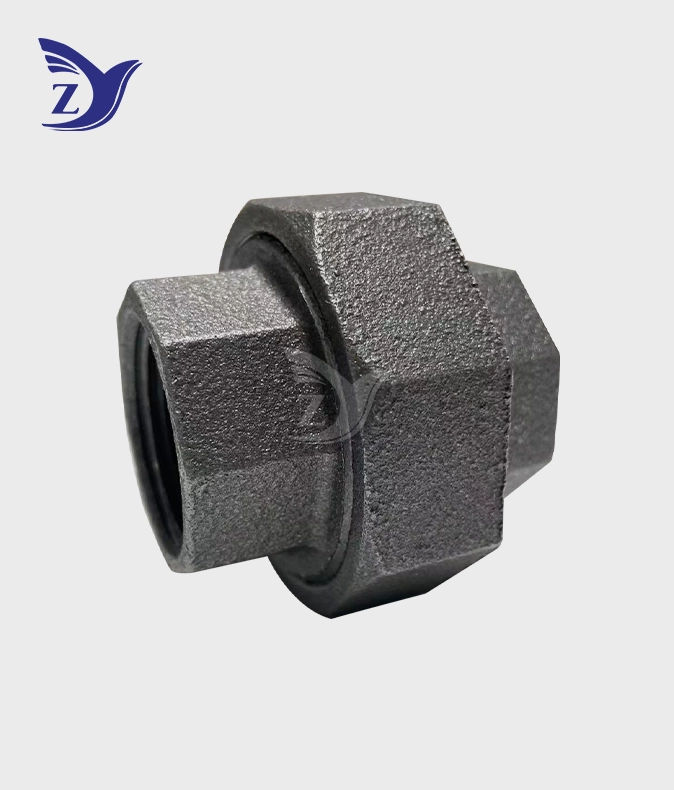
NPT Black Union 340 Pipe Fittings
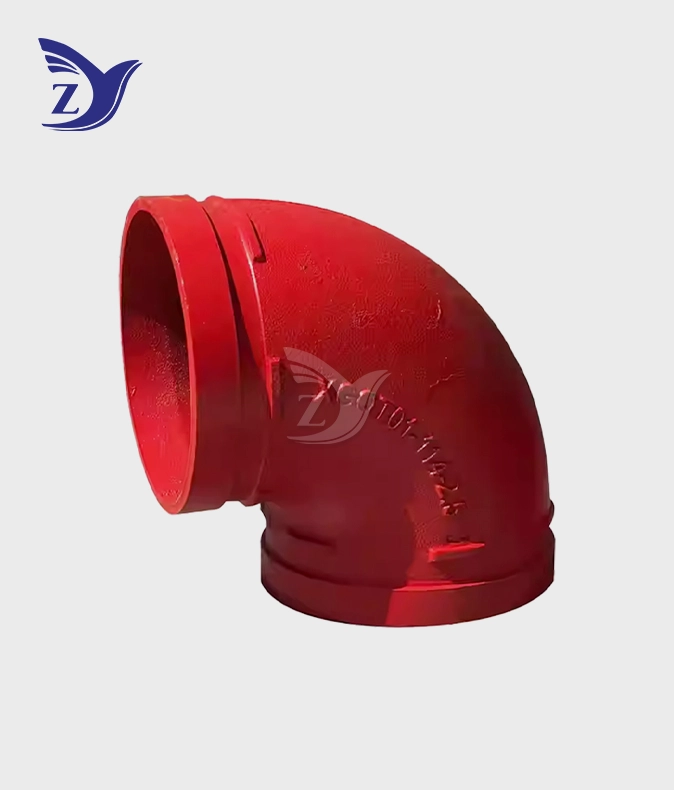
Fire Grooved 90° Elbow