
Mar 25, 2026
When to use galvanized pipe cap pipe fittings in piping systems?
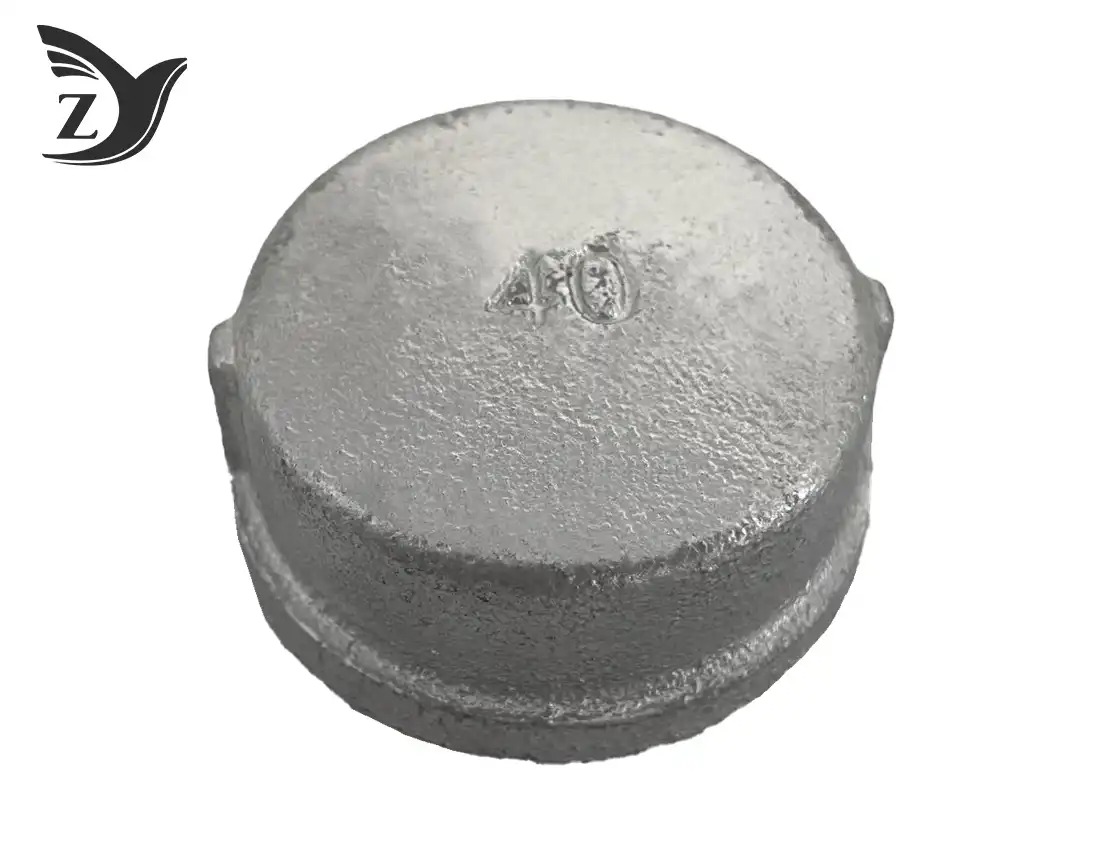
When it comes to piping systems, galvanized pipe cap pipe fittings are a must-have for secure termination points that can withstand corrosion and provide dependable sealing. These fasteners work well in damp, chemical, or outdoor settings where regular steel parts would rust and corrode. While being compatible with both NPT and BSPT threading standards, the hot-dip galvanized coating forms a protective barrier against rust. These caps are preferred by pipeline engineers and procurement experts for uses such as compressed air networks and industrial water systems due to their long-term endurance and leak-proof performance.
Understanding Galvanized Pipe Caps and Their Benefits
Superior Corrosion Protection Through Hot-Dip Galvanizing
The galvanizing process applies a zinc coating to regular, malleable iron caps, making them corrosion-resistant. Even with tiny surface scratches, this protective layer prevents the underlying metal from oxidizing by acting as a sacrificial anode. Zinc coatings, which are usually thicker than 70 microns, allow for years of dependable use in extreme conditions when uncoated steel would corrode in months.
This corrosion resistance is especially useful for coastal industrial sites. Galvanized caps remain intact even after prolonged exposure to salt air, but regular steel components deteriorate quickly. These fittings are perfect for outdoor installations and maritime applications because to the self-healing capabilities of zinc coating. Even slight scratches or abrasions won't damage the overall protection.
Material Composition and Threading Standards
The flexibility of high-quality galvanized pipe cap pipe fittings keeps them from breaking brittlely when hit, and the outstanding tensile strength (more than 290 MPa) is a result of using malleable iron that meets ASTM A197 criteria. The combination of these two materials outperforms cast iron substitutes, which tend to break when subjected to mechanical or heat cycling.
The efficiency of a seal is highly dependent on the threading. ANSI/ASME B1.20.1 specifies a 60-degree thread angle and a 1:16 taper ratio for NPT threading, but ISO 7-1 specifies a 55-degree Whitworth angle for BSPT threading. All manufacturers and applications may be guaranteed good sealing and uniform installation with these defined specifications.
Cost-Effectiveness in Long-Term Operations
Galvanized caps provide long-term financial benefits that go beyond their low initial cost. The maintenance expenses and system downtime are minimized due to their prolonged service life, which minimizes the frequency of replacement. When compared to the entire ownership costs of often replacing cheaper alternatives, a thorough cost study generally shows that galvanized fittings provide a savings of 30-50%.
These fixtures are seen by procurement as long-term investments, not disposable products. Materials with high resistance to corrosion, reasonable prices, and long lifespans provide excellent value for large-scale projects where the dependability of individual components affects operating efficiency and cost predictability.
When and Why to Use Galvanized Pipe Caps in Piping Systems?
Industrial Water and Gas Pipeline Applications
Municipal water distribution systems rely on galvanized pipe cap pipe fittings for their superior performance, particularly in areas where pressure integrity and corrosion resistance are critical. Components that can maintain hermetic seals under different pressure settings and endure continuous exposure to moisture are required for these applications. Water quality and downstream equipment are protected from rust contamination by the galvanized covering.
These caps are great for gas pipeline installations since they seal better. Corrosion resistance guarantees long-term safety compliance, and precise threading reduces gas leakage by creating metal-to-metal contact. These fittings are highly regarded in natural gas distribution networks for their exceptional seal integrity, even in the face of seasonal temperature changes and ground movement.
Fire Protection and Safety Systems
Galvanized pipe cap pipe fittings are a must for dead-end terminations and future extension sites in fire sprinkler systems because of the total dependability that each component must possess. System testing and emergency activation produce hydraulic pressures, but the high-strength malleable iron structure withstands them. The sealing characteristics of these caps remain intact even after years of dormancy, guaranteeing that they will be immediately functional whenever they are required.
Basic functioning is only one aspect of safety. Fire sprinkler heads and pump mechanisms are both protected from metal particles that may clog them thanks to the corrosion resistance of the water supply. Systems that are seldom used but must function perfectly in an emergency are particularly in need of this kind of protection.
Temporary and Permanent Installation Flexibility
Threaded galvanized caps, in contrast to welded closures, provide detachable access ports that may be used for future system expansions or upgrades. This adaptability is priceless in factories where changing production lines necessitates rearranging pipelines. As long as you take good care of the threads, you may remove and reinstall the caps as many times as you like without damaging the seal.
The simplicity of installation and removal makes it a good choice for temporary applications during building or maintenance stages. During partial shutdowns, contractors may easily maintain system pressure by sealing open lines to avoid contamination. These temporary installations will stay there no matter how rough the working circumstances become thanks to their sturdy build.
Installation and Best Practices for Galvanized Pipe Caps
Proper Sizing and Thread Engagement
Picking the right size and checking thread compatibility are the first steps to a successful installation. Even though they seem identical, NPT and BSPT threads are really quite different and may cause thread damage or leakage if not matched properly. To properly engage, the threads must be three to five complete turns beyond the hand-tight position, but not too much torque, as this might harm the galvanized coating.
Applying thread sealants correctly increases the efficacy of sealing. Avoid contaminating the pipe interior or interfering with appropriate thread engagement by lightly using pipe thread compound or PTFE tape. The tapered thread design eliminates the need for sealant materials by forming primary sealing via metal-to-metal contact.
Quality Control During Installation
Preventing the installation of defective components that might fail prematurely is achieved by visual assessment of threads and coating integrity. Corrosion protection may be maintained by either touching up scratches in the galvanized coating that extend to the base metal or by replacing the affected component. Both performance and safety are compromised when threads are damaged due to inappropriate handling or storage.
Common sizes typically fall between the 20-80 foot-pound torque range, but this might vary depending on the size and application pressure. In contrast to under-tightening, which permits leakage, over-tightening puts strain on the threads and coating. When working on big projects with a team of professionals, calibrated torque wrenches guarantee uniform installation quality.
Maintenance and Inspection Protocols
Problems may be caught before they damage the system if inspections are done regularly. As part of your regular maintenance, check the coating, threads, and seals visually to see how they are holding up. A more thorough inspection and potential replacement may be necessary if there are indications of coating degradation or thread corrosion.
It is easier to prepare for predictive maintenance if installation dates and inspection results are documented. There are usually indications of impending failure with galvanized pipe cap pipe fittings, so they may be replaced during suitable maintenance periods instead than during unscheduled shutdowns.

Procuring Galvanized Pipe Caps for Your Business Needs
Supplier Evaluation and Quality Assurance
Evaluating certification compliance, quality control systems, and production skills is essential when selecting eligible suppliers. Certifications of materials showing conformity with relevant ASTM standards and the maintenance of ISO 9001 quality management systems are hallmarks of reputable producers. The correctness of the material's composition, coating thickness, and dimensions are confirmed by these certificates.
Before committing to big purchases, procurement teams may evaluate quality using sample assessment programs. You can trust a galvanized pipe cap pipe fitting supplier's ability when you physically verify their thread accuracy, coating uniformity, and material qualities. The risks associated with procurement may be mitigated and, thanks to volume agreements, prices can be better obtained via long-term relationships with dependable suppliers.
Inventory Management and Lead Time Considerations
Carrying costs and stockout risks are balanced by strategic inventory planning. While just-in-time procurement may be necessary for customized configurations, larger inventory levels are justified for standard sizes used often across various applications. Standard items usually have lead periods of 2-8 weeks, however this might vary by manufacturer and order quantity.
Having the ability to buy items quickly becomes crucial in the event of unanticipated project modifications or maintenance. Suppliers who have sufficient inventory and the ability to provide expedited delivery alternatives offer great flexibility in circumstances when time is of the essence. A little premium over scarce, low-cost alternatives is usually justified by these features.
Technical Support and Documentation
Accurate specification and installation are made easier with thorough technical documentation. Providers must to provide comprehensive installation instructions, material certifications, pressure ratings, and precise dimensional drawings. Consistent field installation techniques are ensured by this documentation, which also aids engineering design operations.
With the use of application engineering, component selection for various operating situations may be optimized. Instead of making general specifications, seasoned providers may advise on the best grades, sizes, and combinations according to the individual needs of the service. When moving from other materials or dealing with difficult applications, this knowledge is invaluable.
Conclusion
If your plumbing system needs a dependable termination that will withstand corrosion for a long time, galvanized pipe cap pipe fittings are the way to go. Parts made from these components are ideal for a wide range of industrial uses because to their malleable iron strength, zinc coating, and standard threading. In water distribution, gas systems, fire protection networks, and compressed air installations, these fittings are key components due to their cost-effectiveness and balanced performance characteristics. Their service life may be maximized and the safety and dependability required by contemporary plumbing systems can be achieved via proper selection, installation, and maintenance techniques.
Partner with Zhiyuan Malleable Steel for Premium Galvanized Solutions
An industry leader in galvanized pipe cap pipe fittings, Zhiyuan Malleable Steel provides top-notch NPT and BSPT threaded caps designed to withstand rigorous industrial use. With 26 years of casting experience and low pricing, we produce hot-dipped galvanized malleable iron components that fulfill strict ISO 9001 requirements. Our extensive certifications, including CE, UL, and FM clearances, together with our 30,000-ton yearly manufacturing capacity, provide dependable supply chain support for your important projects. Contact our engineering team at q1236800000@gmail.com to discuss custom specifications and volume pricing for your galvanized fitting requirements.
FAQ
What pressure ratings do galvanized pipe caps support?
Standard galvanized pipe caps typically handle Class 150 pressure ratings, supporting up to 300 PSI at ambient temperatures and 150 PSI at elevated temperatures around 366°F. Class 300 options are available for higher pressure applications where system requirements exceed standard ratings.
How do NPT and BSPT galvanized caps differ?
NPT caps feature 60-degree thread angles conforming to ANSI/ASME B1.20.1 standards, while BSPT caps use 55-degree Whitworth angles following ISO 7-1 specifications. Both utilize 1:16 taper ratios but are not interchangeable due to the different thread profiles and pitch specifications.
What maintenance is required for galvanized pipe caps?
Regular visual inspections should check for coating integrity, thread condition, and seal effectiveness. Any coating damage exposing base metal requires attention to prevent corrosion initiation. Galvanized pipe cap pipe fittings typically require minimal maintenance beyond periodic inspection and replacement every 15-20 years under normal conditions.
References
1. American Society for Testing and Materials. "Standard Specification for Cupola Malleable Iron." ASTM A197/A197M-15, West Conshohocken, PA, 2015.
2. American National Standards Institute. "Pipe Threads, General Purpose (Inch)." ANSI/ASME B1.20.1-2013, New York, NY, 2013.
3. International Organization for Standardization. "Pipe Threads Where Pressure-Tight Joints Are Made on the Threads." ISO 7-1:1994, Geneva, Switzerland, 1994.
4. American Society for Testing and Materials. "Standard Specification for Zinc Coating (Hot-Dip) on Iron and Steel Hardware." ASTM A153/A153M-16, West Conshohocken, PA, 2016.
5. British Standards Institution. "Specification for Malleable Cast Iron Fittings for Screwed Joints." BS EN 10242:1999, London, United Kingdom, 1999.
6. National Association of Corrosion Engineers. "Galvanic Corrosion Protection in Industrial Piping Systems." NACE Publication 3T199, Houston, TX, 2018.
Online Message
YOU MAY LIKE
High quality furniture manufacturer
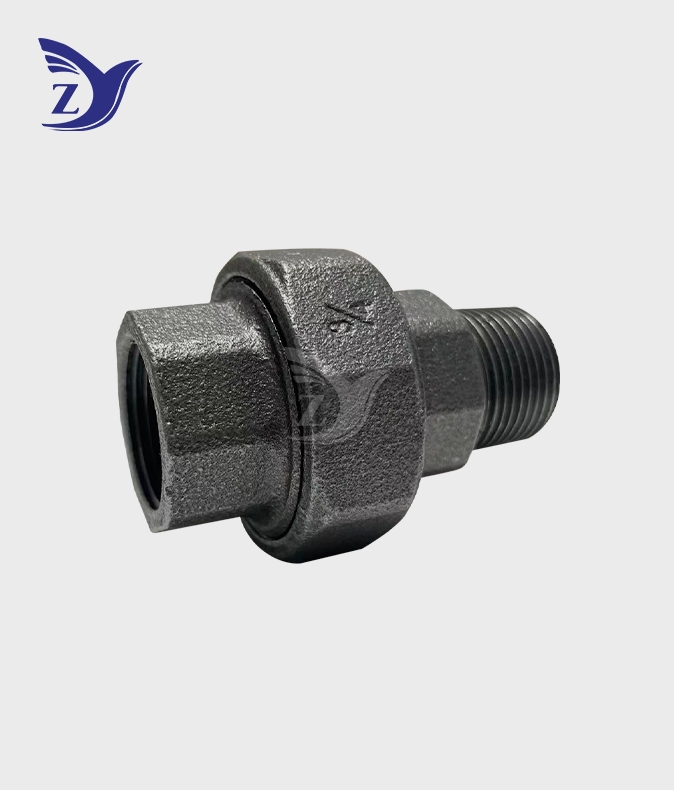
NPT Black Male-Female Union 331 Pipe Fittings
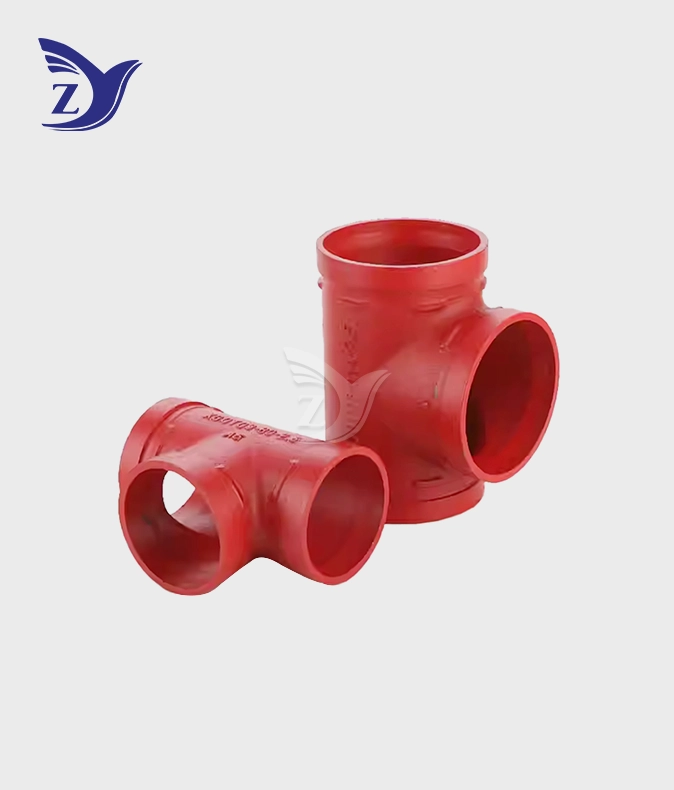
Fire Grooved Straight Tee
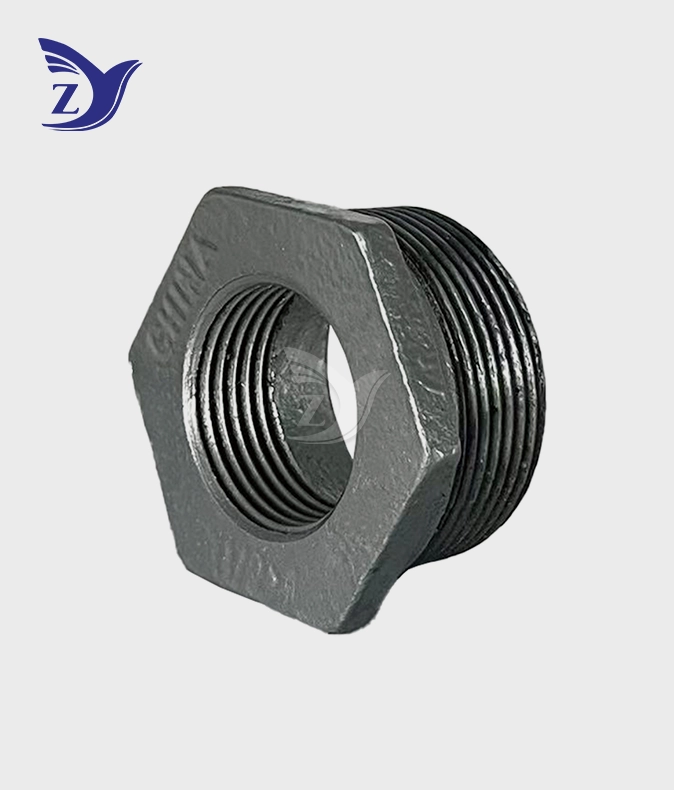
NPT Galvanized Bushing Pipe Fittings
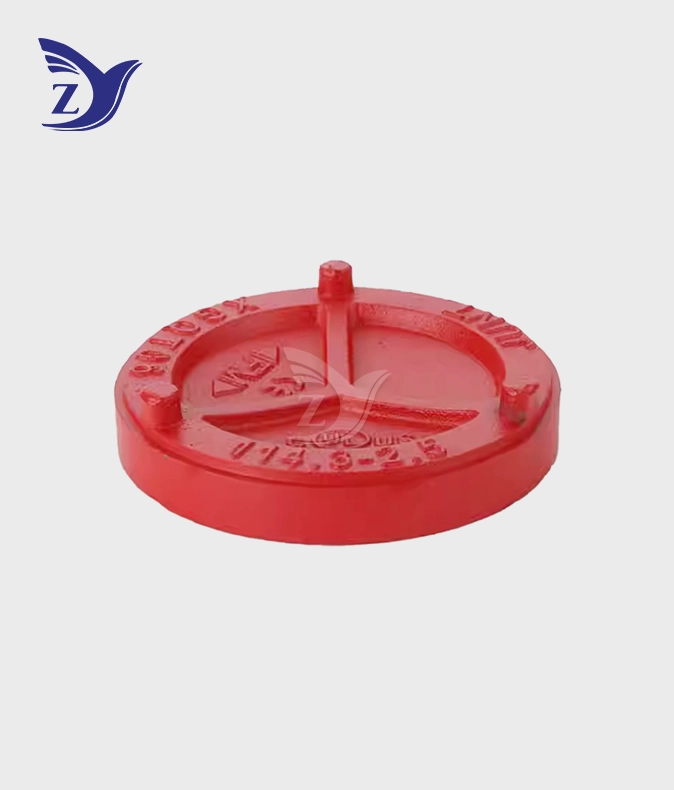
Fire Grooved Blind Flange
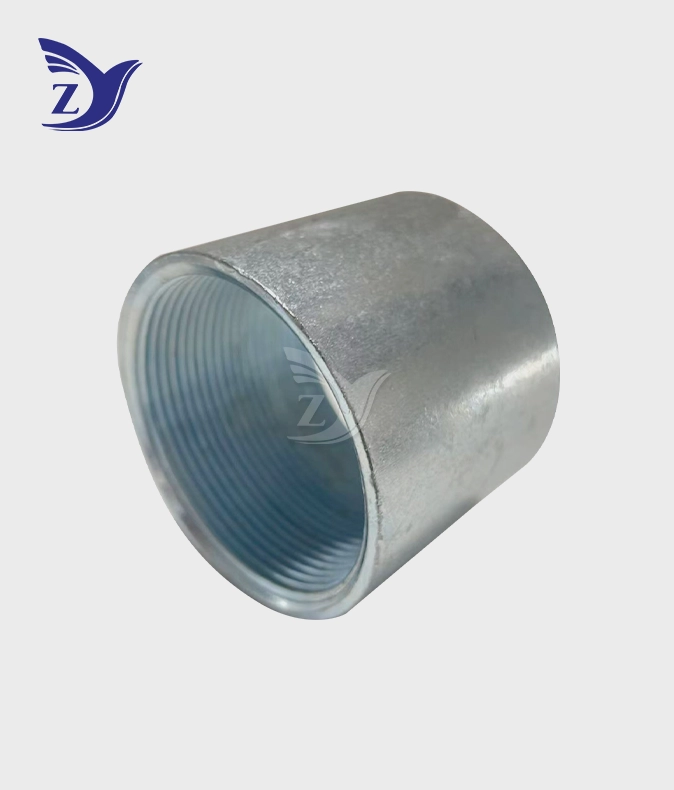
Electro-galvanized full-thread pipe coupling
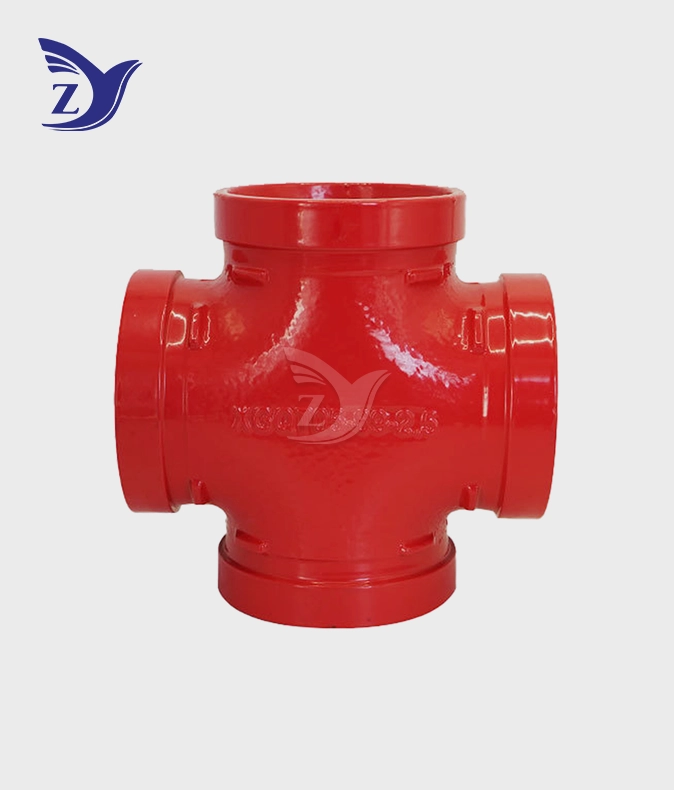
Fire Grooved Cross
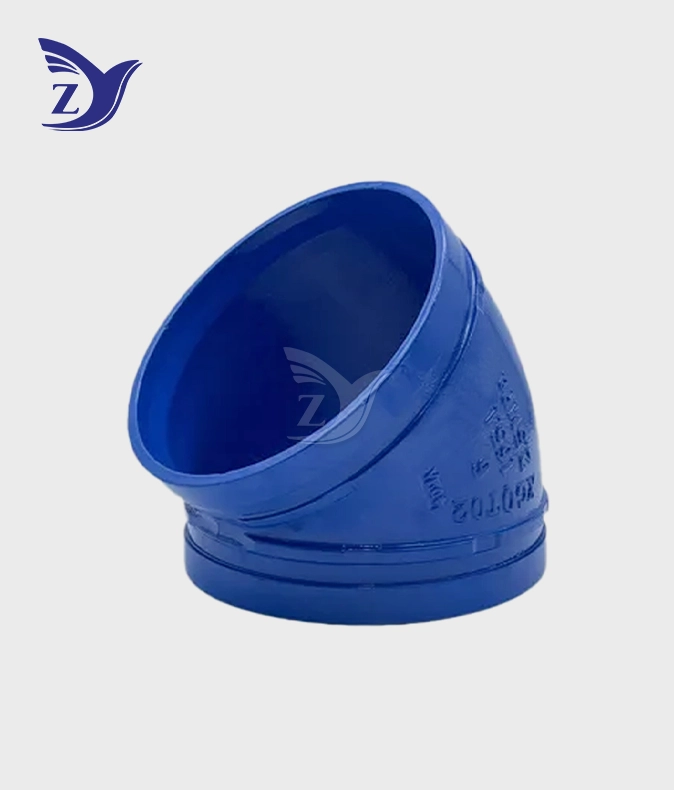
Water Grooved 22.5-degree grooved elbow
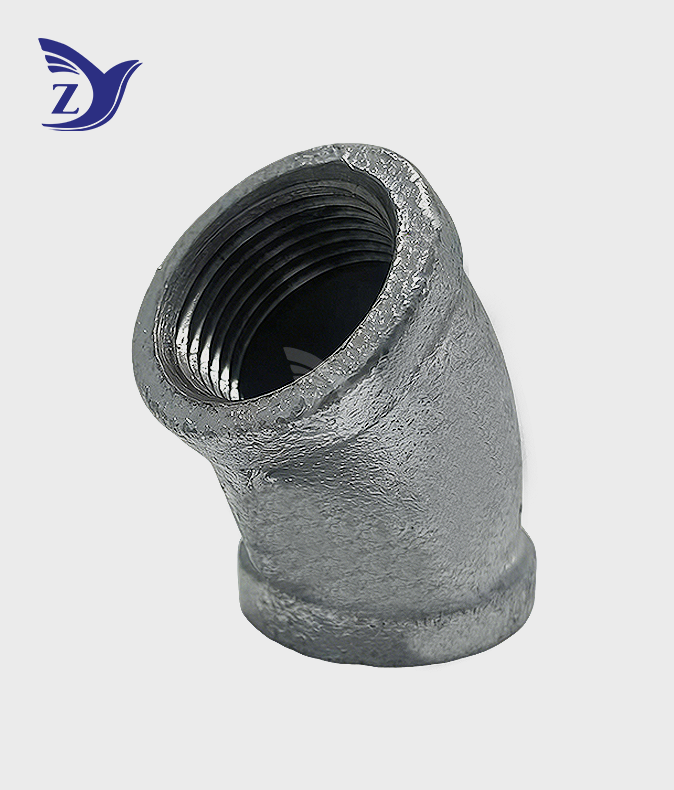
NPT Square Face Galvanized 45° Square Edge Elbow Pipe Fittings