
Jun 26, 2026
What Thread Types Are Available For Industrial Union Pipe Elbow Fittings?
Knowing about thread compatibility can help you avoid expensive delays and system failures when choosing pipe systems for fire protection installations, water distribution for cities, or industrial process lines. There are different types of threads for industrial union pipe elbow fittings. One of the most flexible choices is NPT galvanized union elbow threaded pipe fittings with male and female ends. These two-threaded parts let you change directions in tight areas and quickly disconnect for repair without having to turn the pipes next to them. Thread standards are different around the world. In North America, NPT (National Pipe Taper) is the most common, and in places that follow British building rules, BSPT (British Standard Pipe Taper) is the most common. Each has its own sealing properties that are best for certain tasks.
Thread Types for Industrial Union Pipe Elbow Fittings
Standards for threads say how parts should join and seal in systems that are under pressure. In industrial settings, NPT and BSP thread types are the most common. NPT threads meet the requirements of ASME B1.20.1. They have a 60-degree thread angle and a 1-in-16 taper that seals mechanically by deforming the thread. The taper shape lets the outside threads get stuck in the inside threads, making an interference fit that gets tighter when the system pressure builds up.
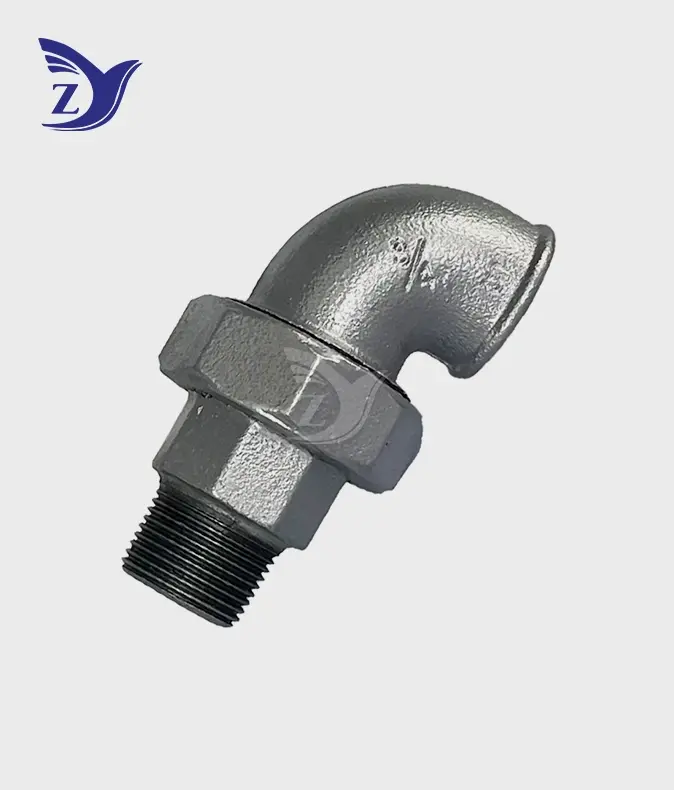
National Pipe Thread (NPT) Characteristics
To make links that don't leak, NPT threads need both mechanical resistance and thread sealant. Because the shape is tapered, the useful diameter gets smaller as the thread lengthens. This means that the contact depth needs to be carefully chosen to ensure a good seal. In field installs, we've seen that NPT connections that are too tight can break brittle materials, while connections that are too loose leave holes that weaken the system. Thread protectors, like PTFE tape or anaerobic pipe dope, fill in tiny gaps between the thread sides to make a complete seal in oil, gas, water, and steam.
British Standard Pipe (BSP) Variations
There are two different kinds of BSP threads: BSPT (tapered) and BSPP (parallel). BSPT uses a tapering design similar to NPT, but with a 55-degree thread angle and different pitch requirements. This means that the two systems are physically incompatible, even though they look the same. The length of a BSPP thread stays straight, and it seals by pressing a bonded washer or O-ring against a shoulder instead of the threads interfering with each other. European makers often choose BSPP for hydraulic systems that need to be put together and taken apart many times. This is because the parallel design wears threads less than curved options.
Male and Female Thread Configurations in Union Elbows
NPT galvanized union elbow threaded pipe fittings with male and female ends have three main parts: a body with female threads, a tail piece with male threads, and a union nut that locks the whole thing together. The male-female design of these fittings is useful for more than just connecting things. The fitting doesn't need any extra connections or nipples in tight setups because it has external threads on one end and internal threads on the other. This design is very helpful for linking equipment with female ports to pipe runs that need to be turned 90 degrees. It cuts down on the overall length of the unit and the number of places where it could leak.
Regional tastes have a big impact on thread choosing. Fire protection systems, HVAC installations, and public water infrastructure in North America mostly use NPT threads because that's what the industry has always done and what the codes demand. Contractors and experts who work in these areas keep a lot of NPT-threaded parts in stock, which creates economies of scale that support the continued use of NPT. On the other hand, projects in the Asia-Pacific region, the Middle East, and some parts of Africa often come across BSP specifications. This is because of past trade links and British engineering impact. Manufacturers who want to sell their goods abroad need to keep two sets of production skills so they can serve both markets well.
Detailed Analysis of NPT Galvanized Union Elbow Threaded Pipe Fittings
NPT galvanized union elbow threaded pipe fittings with male and female ends can change the direction of flow and are resistant to rust and easy to service. These parts are made from malleable iron that meets ASTM A197 standards. They have a minimum tensile strength of 40,000 psi and enough ductility to handle mounting pressure without breaking. The controlled cooling and annealing stages of the malleable iron casting process turn flimsy white cast iron into a tougher, easier to work with material that can be used for threaded connections.
Hot-dip galvanization adds a protected zinc covering that is about 86 microns thick. This makes a stronger metal bond than painted or electroplated options. As a sacrifice, the zinc layer corrodes more quickly than the iron below, protecting it from rust. This resistance to corrosion is very helpful for outdoor sites near the coast, chemical processing plants with corrosive air, and underground utility lines. When black iron is exposed to water, the galvanizing covering makes it last decades longer than black iron that isn't protected.
Threading Specifications and Dimensional Standards
The strength of the final link depends on how well the threads are cut. To make sure that lines and equipment from different brands can work with union elbows, NPT threads must meet strict standards for thread height, pitch diameter, and taper angle. Class A threads have standard limits that work for most industry uses, while Class B threads offer more precise control for important installations. Before parts leave the factory, they are checked for conformance using ring and plug sizes. This keeps them from being rejected in the field and delays in installation.
Custom fabrications are available for bigger diameters, but normal union elbow sizes range from 1/4 inch to 4 inches. There is a ground joint seat in the union mechanism that makes a metal-to-metal contact when the union nut presses the tail piece against the body. Unlike traditional threaded joints that wear out with each make-and-break cycle, this design lets parts be taken apart more than once without damaging the closing surfaces.
Male and Female End Configuration Advantages
The male-female street layout makes installation easier in many situations. Imagine that a pressure gauge is attached to a vertical shaft and needs to be positioned horizontally at a 90-degree angle. For a normal union elbow to work, the female elbow and female gauge port would need to be close together. A street elbow's male end threads directly into the gauge, cutting the length of the unit by several inches and getting rid of the nipple. This is very helpful in small mechanical rooms or pipe runs with a lot of people.
This form is also good for maintenance processes. Technicians loosen the union nut and spin the tail piece free to work on a part that is downstream of the union elbow without disturbing the pipe that is upstream. This feature lets you separate parts, which cuts down on repair time and the need to drain whole systems. This is especially helpful in big factories where production stops cost a lot.
Comparison of Thread Types: NPT vs BSP for Galvanized Union Elbows
Choosing the right thread standard is often a key factor in purchasing choices. NPT and BSPT threads look a lot alike, but they are fundamentally different in ways that make them incompatible. The main difference is the angle of the threads: 60 degrees for NPT and 55 degrees for BSPT. This makes the thread sides clash, which stops them from engaging properly. When you try to push threads that don't fit together, you damage both parts and make leak paths that make the system less safe.
Sealing Mechanism Differences
When interference and a sealant solution work together, they make NPT threads close. As the tapered exterior thread moves into the tapered internal thread, high spots in the metal bend, and sealant fills in the gaps. This two-way sealing system works effectively at temperatures ranging from cold to steam service, which is why NPT is so popular in many industrial settings. As the system pressure rises, the closing action gets better, pressing the thread sides closer together.
A completely different method is used for BSPP threads. The parallel thread profile applies binding force without interfering with anything else. It does this by using a compressed sealing element—usually a bonded seal washer or a rubber O-ring—that is contained in a counterbore at the base of the fitting. This design is better for reuse because the threads don't bend. However, it adds a temperature-sensitive closing element that might not work in high-temperature situations unless the right materials are used.
Regional Standardization and Market Availability
As a result of ASME/ANSI standards and National Fire Protection Association (NFPA) rules that require NPT threads for fire sprinkler systems, North American markets strongly favor them. There are a lot of NPT in stock at distributors across the United States and Canada, so you can get it quickly and at a good price. Standard NPT galvanized union elbow threaded pipe fittings with male and female ends usually have lead times of days instead of weeks, which helps with just-in-time purchasing strategies.
The markets in Europe and the Commonwealth strongly favor BSP, especially BSPP for hydraulic uses. Companies that sell goods in these areas keep separate production tools and thread-cutting tools that are set to ISO 7-1 and ISO 228-1 standards. When buying things for foreign projects, buyers need to be very clear about the thread standards they need in their purchase orders. Making assumptions based on how things fit together can lead to costly mistakes when parts come on-site that don't work with the existing infrastructure.
Certification and Compliance Considerations
Regulatory compliance adds another level to choosing a thread. According to NFPA 13, fire safety parts certified by UL and FM Global must have NPT holes. Depending on the performance standard, the European CE label can accept either NPT or BSP. However, unified EN standards favor BSP. Suppliers that offer dual certification are helpful for procurement managers who work in more than one region because it lets them keep compliance flexible while consolidating stock.
Quality ratings cover more than just thread standards. They also cover the features of materials and the ways they are made. ISO 9001 approval means that quality management is organized, but it doesn't mean that measurements will be correct. Buyers who define important uses should ask for mill test reports that include information about the material's make-up, the results of tensile tests, and measurement inspection data that are specific to their order, instead of general product literature.
Conclusion
Choosing the right thread standard for industrial union pipe elbow fittings has a big effect on how well they work with other systems, how quickly they can be installed, and how reliable they are in the long run. NPT threads are most common in North America because they are easy to find and seal well with interference. BSP threads, on the other hand, are used in foreign markets because they are based on British engineering standards. Compatibility mistakes can be very expensive, but they can be avoided by knowing the technical differences between thread families. Coatings that are galvanized guard against rust and make things last longer in wet or outdoor settings. Whether threaded connections work as intended depends on how they are installed, including how much sealer to use and how to control the pressure. Total cost of ownership is improved by making choices about purchases that take price, quality, and source capabilities into account. This goes beyond just comparing unit costs.
FAQs
Can NPT and BSPT threads be mixed in the same system?
When you mix NPT and BSPT threads, you make connections that aren't stable and are more likely to leak or break. Both have tapered shapes, but the thread angles are not the same (60° for NPT and 55° for BSPT), so they don't connect properly. When the angles aren't right, gaps form between the thread sides that sealant can't reliably fill, especially when the temperature changes or the machine shakes. Systems must always use the same thread standards, and transition adapters should only be used when they are completely necessary and have been carefully tested for the purpose.
How do I identify the thread type on an existing fitting?
To find a thread, you need to carefully measure it. Use a thread pitch measure to count how many threads are per inch. For most sizes, NPT and BSPT have different pitch requirements. You can use a 60° gauge for NPT or a 55° gauge for BSPT to check the thread angle, but you need to be skilled and have the right lighting. Comparing the fitting to known thread sizes (go/no-go gauges) made to each standard is the most accurate way to do it. A lot of industrial wholesalers keep reference samples that can be used to compare two products side by side when standard documents are not available.
Why choose a union elbow over a standard elbow and union combination?
Union elbows combine two parts into one fitting, which speeds up installation, saves money on materials, and eliminates possible leak spots. The combined design gets rid of one threaded link and the work, sealant, and inspection needs that come with it. It's especially helpful to save space in crowded places where every inch counts. By getting rid of the middle nipples, the male-female street layout cuts the length of the unit even more. Even though union elbows cost more per unit than different parts, the total installed cost usually favors the integrated design when labor and system stability are taken into account.
Partner with Zhiyuan Malleable Steel for Your Threaded Fitting Requirements
Since 2006, Zhiyuan Malleable Steel has been making precision-threaded pipe fittings by mixing old-fashioned casting skills with modern quality systems to make parts that are reliable for tough industrial uses. Before they are shipped, our NPT galvanized union elbow threaded pipe fittings with male and female ends are carefully inspected for size and put under a lot of pressure. This makes sure that they will work with your existing infrastructure and won't leak during their service life. Our dedication to uniform quality is shown by our ISO 9001 certification, and our safety standards are met by our CE, UL, and FM approvals. We are a big manufacturer that can make up to 30,000 tons of more than 1,000 different products every year. We work with project-based engineering buyers who need to buy in bulk and wholesale wholesalers who want to find cheap options with stable access. Get in touch with our technical team at q1236800000@gmail.com to talk about your unique thread needs.
References
American Society of Mechanical Engineers. ASME B1.20.1-2013: Pipe Threads, General Purpose (Inch). New York: ASME Press, 2013.
British Standards Institution. BS EN 10242:2013 Threaded Pipe Fittings in Malleable Cast Iron. London: BSI Standards Publication, 2013.
International Organization for Standardization. ISO 7-1:1994 Pipe Threads Where Pressure-Tight Joints Are Made on the Threads. Geneva: ISO, 1994.
National Fire Protection Association. NFPA 13: Standard for the Installation of Sprinkler Systems, 2022 Edition. Quincy: NFPA, 2022.
Smith, Peter R. Pipefitters Handbook: Installation, Maintenance and Materials Specification. Houston: Gulf Publishing Company, 2018.
Williams, David J. Corrosion Protection of Industrial Piping Systems: A Practical Guide for Engineers and Maintenance Professionals. London: Industrial Press, 2020.
Online Message
YOU MAY LIKE
High quality furniture manufacturer
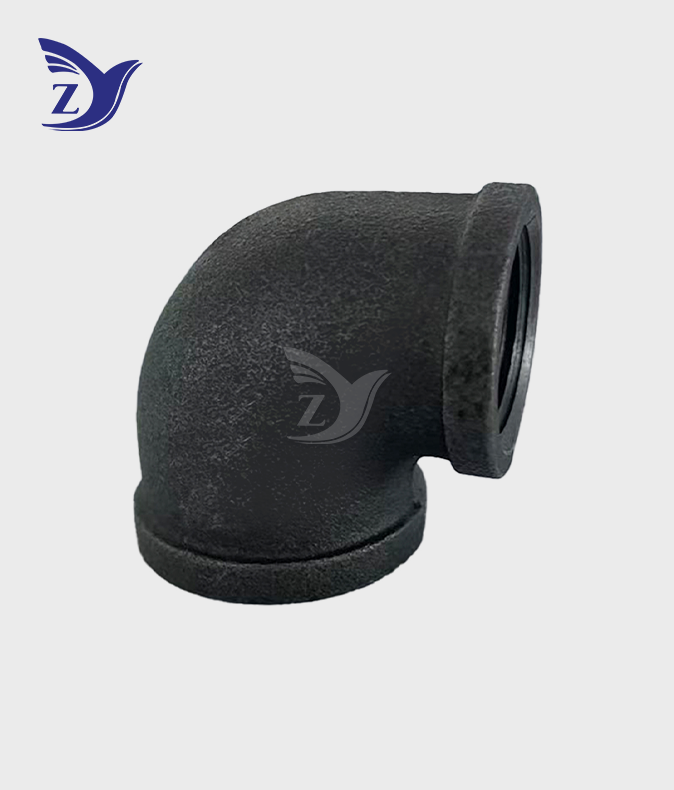
NPT Black Square Edge Reducing 90° Elbow
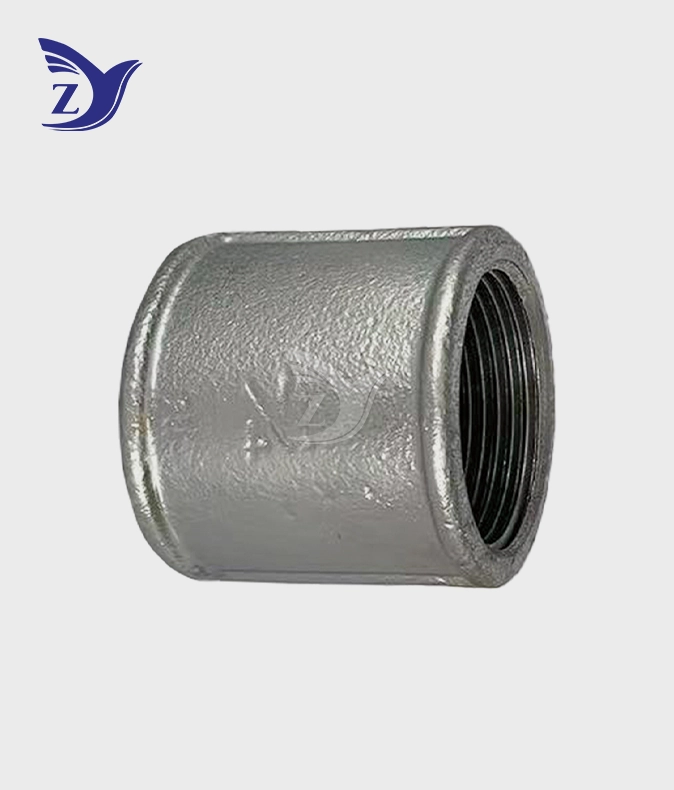
NPT Round Face Galvanized Round Edge Coupling Pipe Fittings
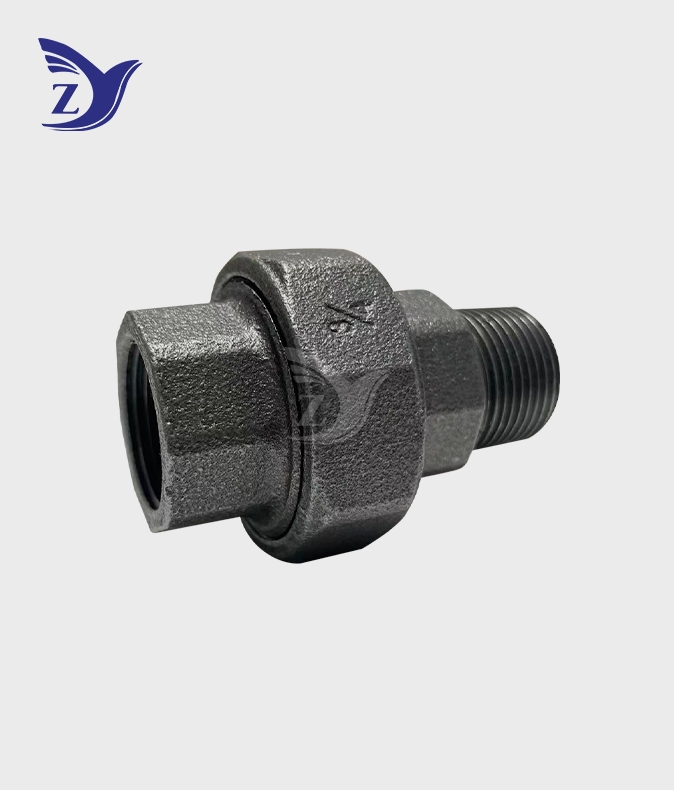
NPT Black Male-Female Union 331 Pipe Fittings
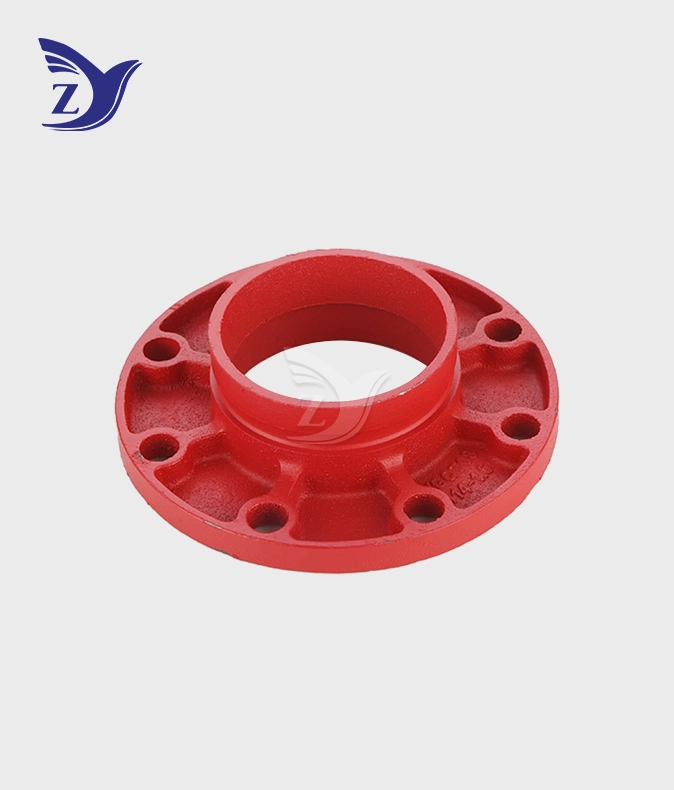
Fire Grooved Flange
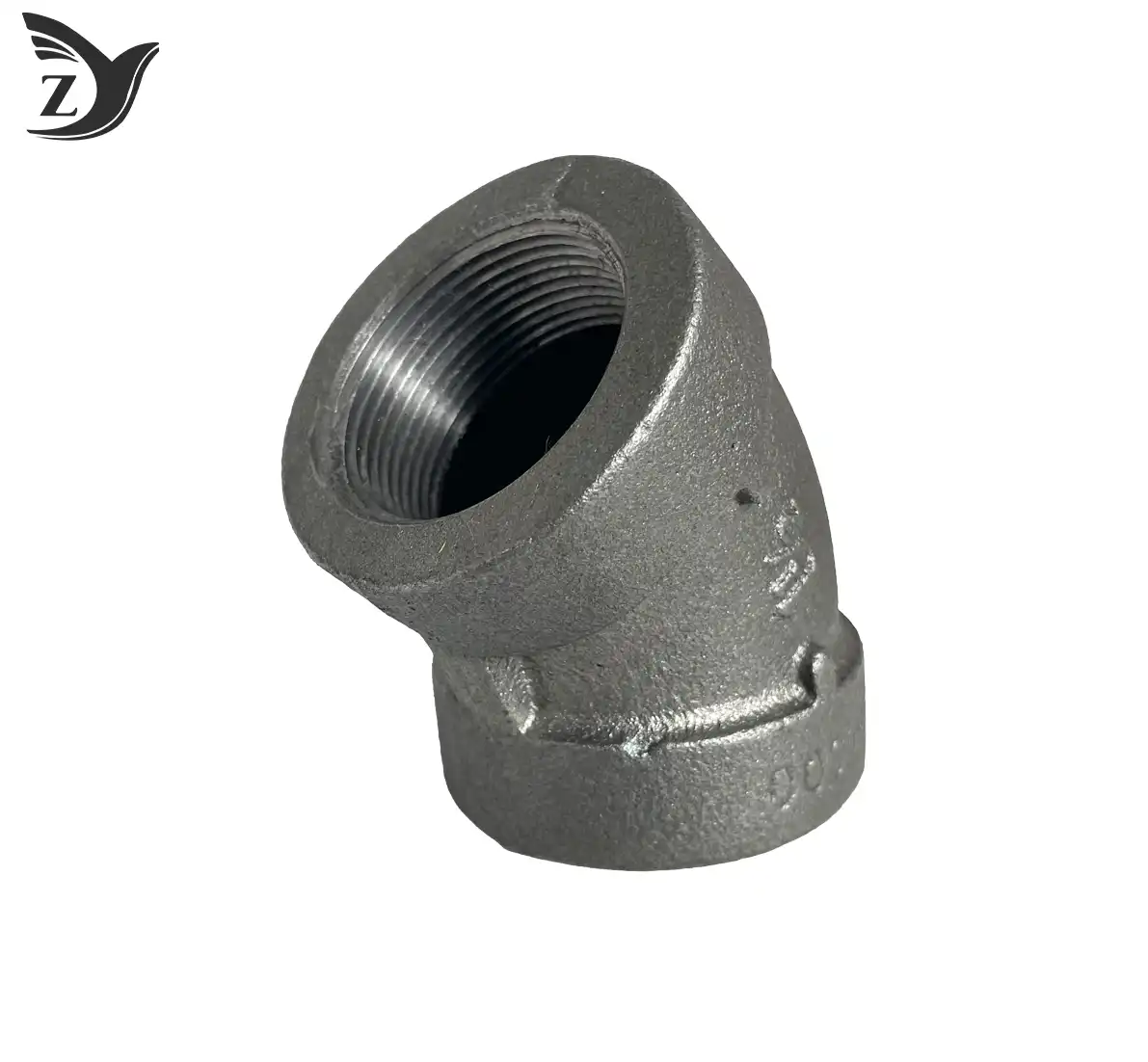
300LB Black Malleable Iron 45 Degree Threaded Elbow Pipe Fittings
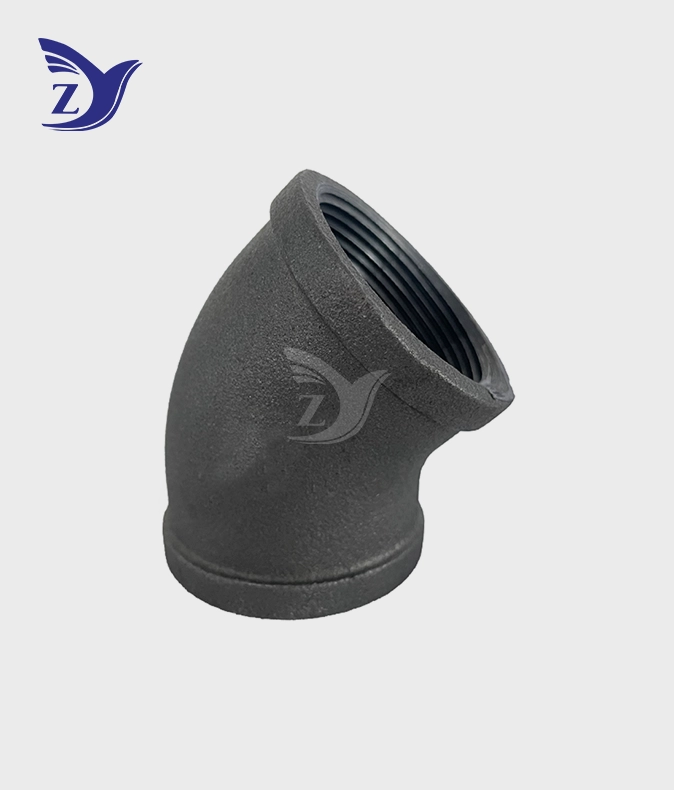
BSPT Black Square Face 45° Elbow Pipe Fittings
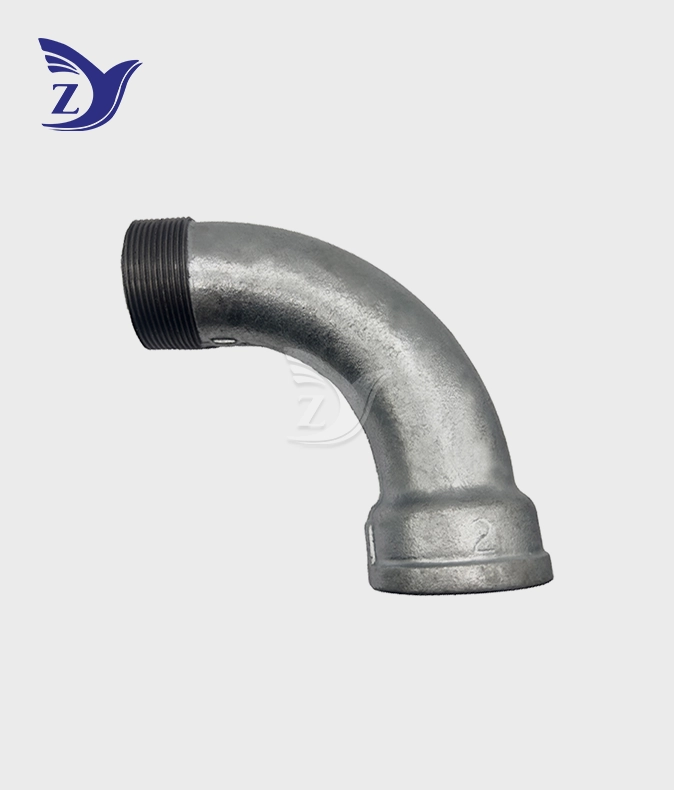
NPT Galvanized Male Female 90° Long Radius Elbow Pipe Fittings
NPT Galvanized Reducing Male Nipple Pipe Fittings