
Jun 22, 2026
What size ranges are available for galvanized square face coupling?
Engineers and purchasing managers often ask, "What size ranges are available for galvanized square face couplings?" when they are choosing pipe connections for fire protection networks, local water systems, or industrial process lines. Galvanized square face couplings are usually available for standard pipe sizes between 1/2 inch and 6 inches, but some makers make them available up to 8 inches for heavy-duty industry and city uses. NPT thread square edge reducing street coupling pipe fittings meet ANSI/ASME B16.3 size requirements and can be used for both same-size and reducing designs. The square band shape makes it easier for wrenches to engage, which makes them especially useful in retrofit and maintenance-heavy installs that need to apply high force without deforming the part.
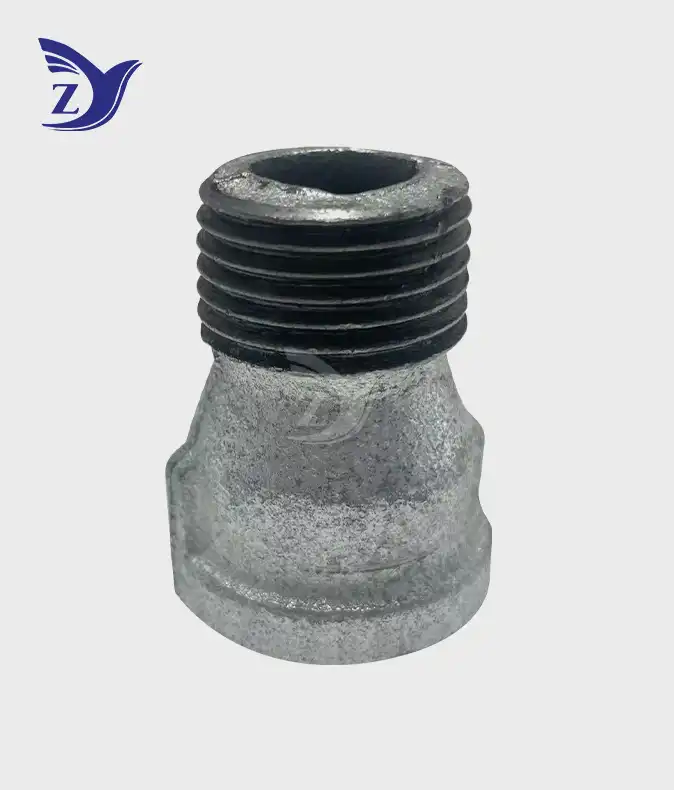
Galvanized Square Face Couplings Size Range
Galvanized square face couplings are an important type of threaded pipe fittings that are designed to connect two lines that have flat, machined sealing surfaces. The square edge body makes these fittings different from rounded or beaded versions. It gives tools a better grip and prevents sliding while installing or taking apart parts. In small spaces like mechanical rooms, pump houses, and valve vaults, where workers need to have the most force, this design feature becomes important.
Standard Nominal Pipe Sizes and Dimensional Compliance
Standard galvanized square face couplings follow the nominal pipe size (NPS) standards set out by ANSI/ASME B16.3 for threaded fittings made of malleable iron. The sizes that are most often kept in stock are:
- 1/2 inch to 2 inches: This size is commonly used for pipes in homes and small businesses, as well as for HVAC distribution and instrument air lines. These smaller sizes work well in places where room is limited and flow rates are low.
- 2-1/2 inches to 4 inches: This size is best for city water mains, fire pump risers, and medium-sized industry process pipes. This middle-of-the-road model strikes a good mix between flow rate and fitting weight and cost.
- 5 inches to 8 inches: This size is only used for fire protection headers, large-scale city drainage systems, and distributing a lot of water. Availability in these bigger sizes varies on how much the maker can handle and how many orders they get. For special or less common specs, lead times may be longer.
As per ANSI/ASME B16.3 standards, each size group has the same wall thickness, thread contact length, and pressure class values. Buyers should check that the product catalogs of suppliers list products that meet these standards to make sure they work well with current pipeline infrastructure.
Differentiating Reducing and Street Coupling Configurations
In addition to uniform-size connections, reducing setups deal with changes in diameter inside the same fitting body. One end of a reducing street coupling has external threads and the other end has internal threads. The sizes of the threads on each end are different, so the coupling can fit both bigger supply lines and smaller branch circuits. This gets rid of the need for multiple connections, which cuts down on possible leak places and makes installation easier. This design is shown by NPT thread square edge reducing street coupling pipe fittings, which combine the mechanical benefits of the square edge with the ability to adapt to different sizes. Knowing these differences helps buying teams choose the right fitting shape, which saves money and time on reorders and delays in the project.
Technical Insights Into NPT Thread Square Edge Reducing Street Couplings
The engineering behind NPT thread square edge reducing street coupling pipe fittings combines precise thread shape with careful material choice to make links that won't leak and last a long time. ANSI/ASME B1.20.1 says that NPT threads must have a 60-degree thread angle and a 3/4-inch per foot drop. This taper design lets the threads gradually get tighter as the fitting gets tighter. This makes a mechanical seal through flank-to-flank contact instead of just using sealer.
Thread Geometry and Sealing Mechanics
When NPT parts are put together, the tapered threads create a wedging motion. When the male thread hooks up with the female thread, the width slowly shrinks, bringing the thread sides close together. This squeezes any sealant and creates a barrier that can't be broken by pressure. The square edge body adds to this by having flat, parallel sides that don't bend when there is a lot of installation pressure. This mixture works especially well in places with a lot of shaking, like compressor manifolds and air distribution systems, where regular round-body fittings might come loose over time.
The sizes of the threads must be within very tight limits. The L1 ring and plug gauges check the compliance of the pitch width, making sure that every fitting has the right contact depth. Changes bigger than one turn can weaken the seal, which can cause leaks or failure before its time when the pressure changes.
Material Selection and Corrosion Resistance
For square face connections in water, steam, oil, and gas (SWOG) services, galvanized malleable iron is still the most common choice. When hot-dip galvanizing according to ASTM A153 is done, a zinc layer of at least 3.4 mils is applied. This coating protects against corrosion in wet or chemically aggressive situations. The process of malleabilizing annealing turns brittle white cast iron into a structure that is flexible, resistant to impact, and able to handle both temperature expansion and mechanical shock.
When you compare different types of materials, you can see how cost and function are related. Stainless steel valves (ASTM A351) are more expensive than other materials but are better at resisting rust in environments that are highly acidic or chloride-rich. Brass options work well in systems that handle potable water and need to prevent dezincification, but they don't have the tensile strength needed for high-pressure steam uses. For functional purposes, galvanized malleable iron hits a good mix between corrosion resistance and mechanical strength at a price that makes it easy to buy in bulk.
Installation and Maintenance Best Practices for Galvanized Square Face Couplings
Galvanized square face connections work best and last as long as possible when they are installed correctly. A lot of fails in the field are caused by mistakes made during building, which shows how important it is to follow best practices.
Step-by-Step Installation Procedure
Before you start installing the coupling, check the body and threads for casting flaws, burrs, or uneven zinc covering. Using a wire brush to clean the internal and external threads will get rid of any dirt or rust that might get in the way of contact. Wrap the male threads in PTFE tape or an approved pipe dope in a way that faces the direction of the thread movement to keep them from coming apart during assembly.
Engage the threads by hand until the resistance rises. This will make sure they are in the right place and stop cross-threading. Applying force gradually, use two pipe wrenches, one to hold the pipe below stable and the other to tighten the connection. Do not use too much force, as this could bend the square edge or strip the threads. Different sizes need different amounts of torque. For example, 1-inch fittings need 45 to 55 foot-pounds of torque, while 4-inch fittings need 150 to 180 foot-pounds. To get exact numbers, look at the manufacturer's torque charts.
Maintenance Protocols and Troubleshooting
Regular repair of NPT thread square edge reducing street coupling pipe fittings increases the life of couplings and stops them from breaking down without warning. Check fittings once a year for deteriorating zinc covering, especially if they are outside or in a corrosive climate. Surface rust or white weathering products mean that the galvanization is broken, so the item needs to be re-coated or replaced. Tighten any bolts that are leaking, but leaks that don't go away could mean that the threads are damaged or the sealant wasn't applied correctly, which would mean taking the whole thing apart and replacing the parts.
When taking apart old installations, put penetrating oil on threads that are stuck and wait a while before trying to remove them. One big benefit of square-edge designs over round-body ones is that they allow high-torque breakout without damaging the parts. Clean and reapply sealer to threads during reassembly, and check the state of the threads before using them again.
Procurement Considerations for Galvanized Square Face Couplings
When looking for zinc square face couplings, you need to carefully consider the supplier's skills, whether they meet approval requirements, and the total cost of ownership. Professionals in procurement have to weigh the unit price against quality control, on-time delivery, and help after the sale.
Supplier Evaluation and Certification Requirements
Manufacturers with a good reputation use ISO 9001 quality control systems and get third-party certifications like UL, FM, or CE marking when needed. These qualifications show that the company follows international safety and manufacturing standards. This lowers the chance that low-quality goods will get into your supply chain. Make sure that providers regularly do hydrostatic testing, thread gauging, and metallurgical analysis to prove the makeup of the material and the pressure values.
Shanxi Taigu Zhiyuan Malleable Steel Co., Ltd. was founded in 2006 and has 26 years of experience in casting and pipe fitting. It is an example of a vertically integrated producer. The company makes more than 30,000 tons of products every year, with more than 1,000 different types. Its headquarters are in Taigu District, Jinzhong City, Shanxi Province. Their ISO 9001-certified factory has 156 machining units, eight 3.5-ton medium-frequency electric ovens, and two 100-ton natural gas annealing kilns. This lets them make a lot of things while keeping quality good.
Bulk Purchasing and Customization Options
When you buy in bulk, you can get better prices and shorter wait times. When buyers order by the truckload, they can often get savings of more than 15 to 20 percent off of small-lot prices. Long-term contracts that agree to yearly amounts help keep prices stable and make sure that supplies are distributed even when there are problems in the supply chain.
Customization lets you meet non-standard needs like thread types that aren't common (BSPT, BSP), special finishes (galvanizing on stainless steel), or changes to the size to work with older systems. OEM and ODM services allow for private labeling and design adaptation, which is especially helpful for trading businesses that focus on exports and system designers that work with a wide range of foreign markets. Make sure that the providers you're considering offer engineering help and quick prototyping to cut down on the time it takes to make custom specs.
Conclusion
Galvanized square face connections are an important part of many industrial piping systems because they connect different pipes. They come in sizes ranging from 1/2 inch to 8 inches, so they can be used for everything from home plumbing to large-scale city infrastructure. NPT thread square edge reducing street coupling pipe fittings have strong sealing mechanisms, better wrench contact, and the ability to adapt to different diameters, which makes them ideal for installation and repair tasks. To be successful at procurement, you need to know about dimensional standards, material qualities, and the skills of the seller. You also need to make sure that the fittings you choose meet both short-term project needs and long-term operating needs. Buyers get reliable supply chains, expert help, and quality guarantees from certified makers like Zhiyuan Malleable Steel. These things protect the integrity of the system and project budgets.
FAQ
What is the maximum size available for galvanized square face couplings?
Most makers offer standard product lines that go up to 6 inches. This is because they need to balance what the market wants with how hard it is to make. Specialized providers, like Zhiyuan Malleable Steel, offer 8-inch shapes for heavy industry and city uses, but you may need to place a minimum order or wait longer for delivery. For custom sizes bigger than 8 inches, engineers have to work together and make patterns.
Can galvanized square face couplings handle high-pressure environments?
Class 150 malleable iron fittings can usually handle working pressures of up to 300 psi at room temperature, making them good for most HVAC and water circulation tasks. For steam or process uses with pressures above 300 psi, you need Class 300 fittings or forged steel replacements. Check the pressure-temperature rates against the conditions that were planned for your system to make sure it works safely.
How do I measure NPT thread square edge reducing street coupling pipe fittings accurately?
Find the nominal pipe size by measuring the outside width of the male thread at the first full thread. Then, use an NPT thread chart to find the nominal pipe size. Reducing fittings have two size marks. When you order, be sure to include both the bigger inlet and smaller exit measures to avoid confusion and get the right fit. NPT thread square edge reducing street coupling pipe fittings display these specs clearly.
Partner with Zhiyuan Malleable Steel for Reliable NPT Thread Square Edge Reducing Street Coupling Pipe Fittings
Zhiyuan Malleable Steel is ready to help you with your buying needs by providing you with complete product lists, reasonable prices, and custom OEM solutions. As a reliable company that has ISO 9001, CE, UL, and FM certifications for NPT thread square edge reducing street coupling pipe fittings, we offer consistent quality and offer replacement warranties for any goods that aren't working right. Our large stockpile and yearly capacity of 30,000 tons make fast delivery possible. Standard items ship within two hours of order confirmation, which keeps project delays to a minimum.
Email our engineering team at q1236800000@gmail.com to talk about custom sizes, BSPT threading choices, or group purchasing prices that are made to fit the needs of your project. You can look at our full selection of precision-threaded, corrosion-resistant couplings for challenging industrial water, gas, and HVAC uses at zymalleablepipefitting.com. Visitors are welcome to see our 50,000-square-meter factory in the Taigu District, which is only 40 kilometers from Taiyuan and 30 minutes from the airport. This gives you peace of mind about our manufacturing skills.
References
1. American Society of Mechanical Engineers, ASME B16.3: Malleable Iron Threaded Fittings, 2021 Edition, New York: ASME Press.
2. American National Standards Institute, ANSI/ASME B1.20.1: Pipe Threads, General Purpose (Inch), 2019 Revision, Washington: ANSI Publications.
3. ASTM International, ASTM A153: Standard Specification for Zinc Coating (Hot-Dip) on Iron and Steel Hardware, 2020 Edition, West Conshohocken: ASTM Standards.
4. Hydraulic Institute, Piping System Design and Installation for Water Supply and Fire Protection, Third Edition, Parsippany: Hydraulic Institute Publishing, 2018.
5. Malleable Founders' Society, Engineering Standards for Malleable Iron Castings, Revised 2017, Cleveland: MFS Technical Library.
6. National Fire Protection Association, NFPA 13: Standard for the Installation of Sprinkler Systems, 2022 Edition, Quincy: NFPA Publications.
Online Message
YOU MAY LIKE
High quality furniture manufacturer
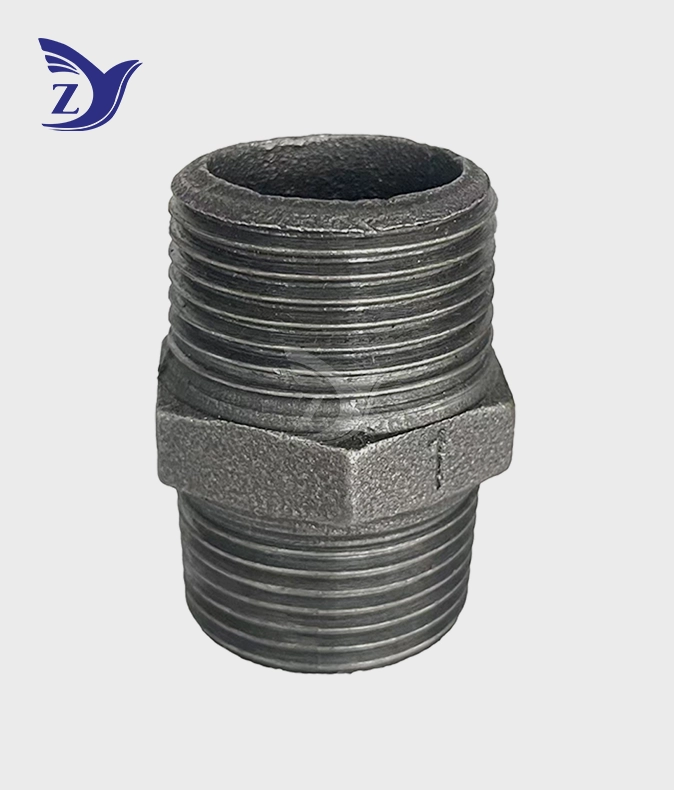
BSPT Black Male Nipple Pipe Fittings
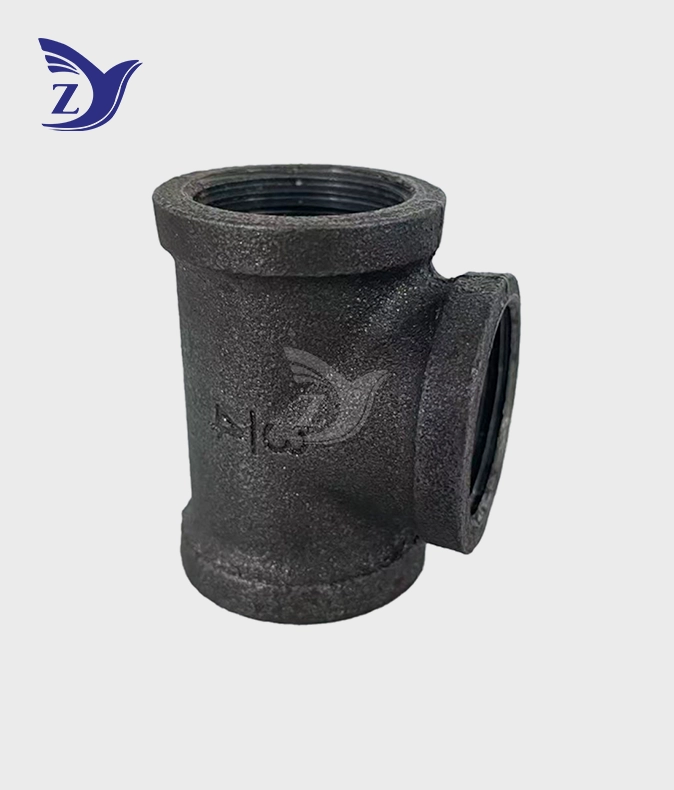
NPT Black Square Face Straight Tee Pipe Fittings
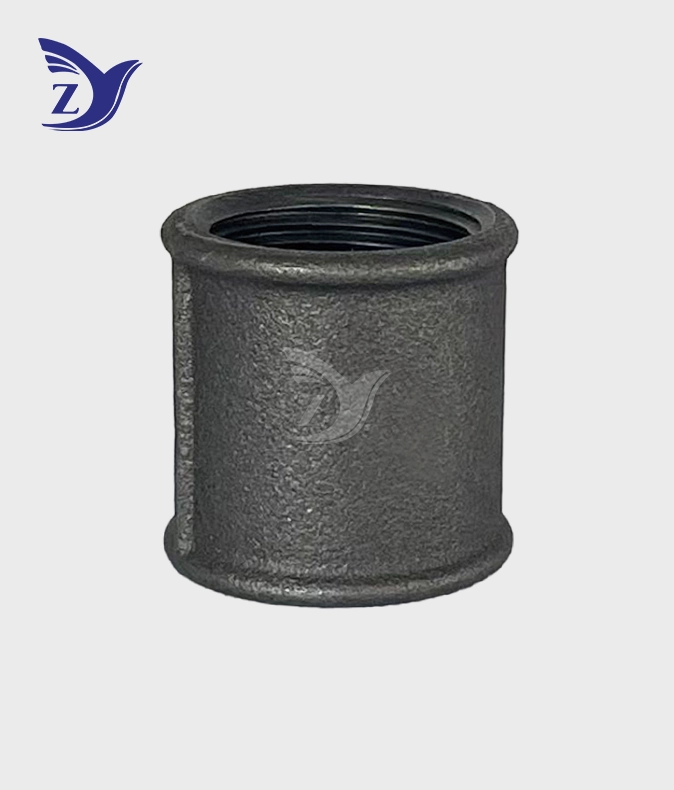
NPT Black Round Face Coupling Pipe Fittings
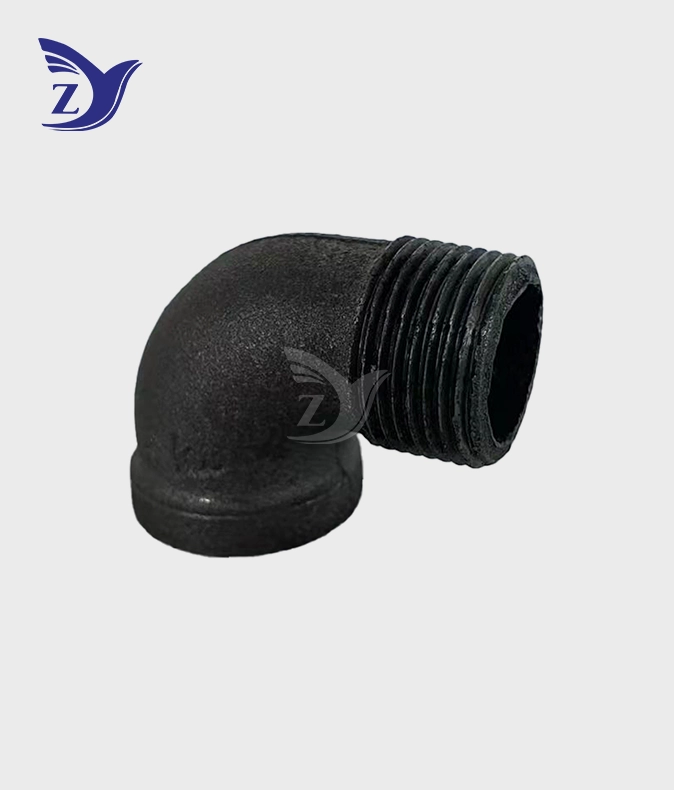
NPT Black Square Face Male-Female 90° Elbow Pipe Fittings
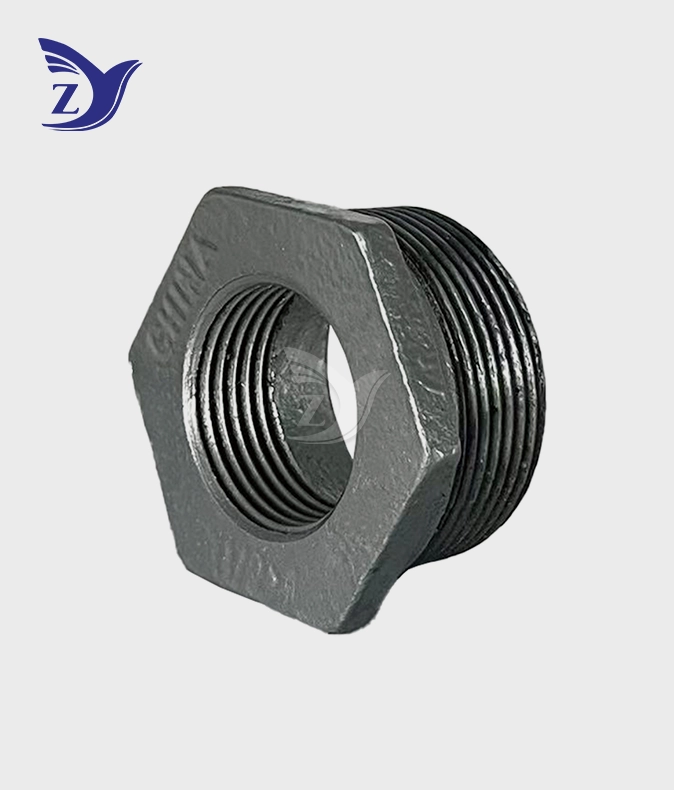
NPT Galvanized Bushing Pipe Fittings
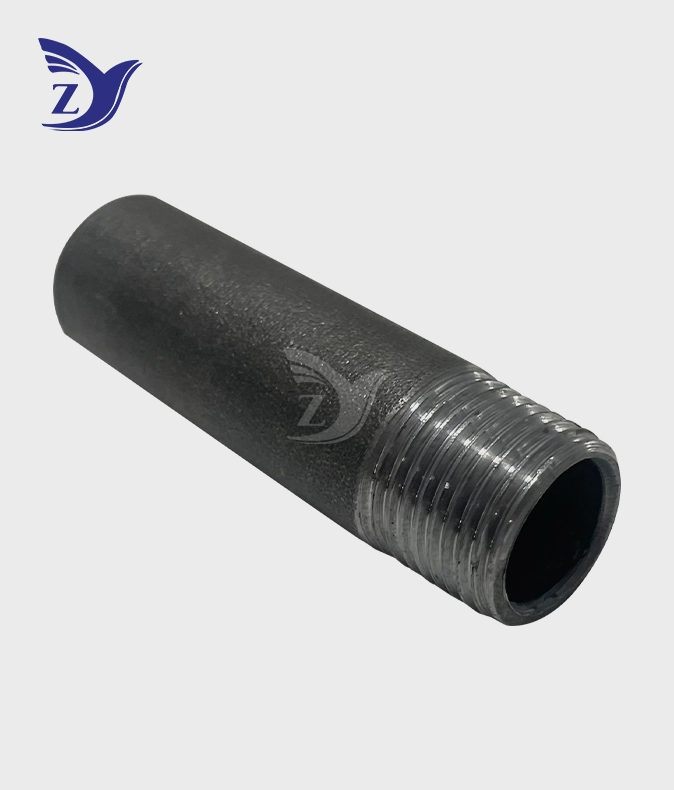
Carbon Steel Pipe Male Threaded Fittings Sand Blasted
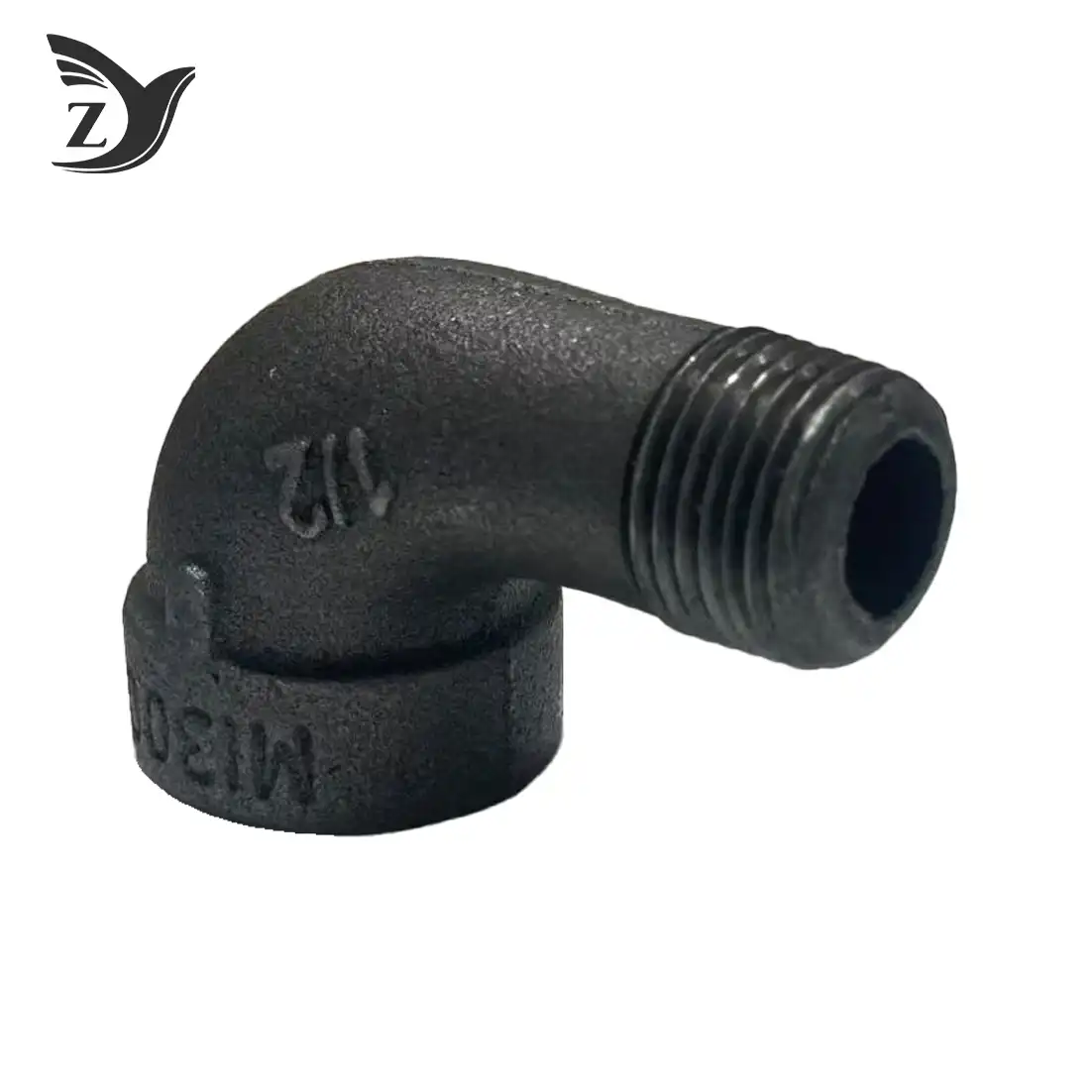
300# Black Threaded 90° Elbow, Male & Female
Carbon Steel Welded Cap Pipe Fitting