
Jun 23, 2026
What size is galvanized 2x1 reducing elbow?
A common question that comes up when upgrading a fire safety system or building a water distribution network for a city is what size a steel 2x1 reducing elbow is. A galvanized reducing elbow marked "2x1" joins a 2-inch pipe on one end to a 1-inch pipe on the other, changing the direction of flow by 90 degrees while also making the width smaller. This two-threaded, 90° reducing pipe connection is made from hot-dipped galvanized malleable iron, which makes it accurate in size and resistant to rust. Knowing these specs helps engineering buyers avoid mistakes that cost a lot of money during installation and makes sure that the product fits perfectly into industrial water, gas, and HVAC pipeline systems.
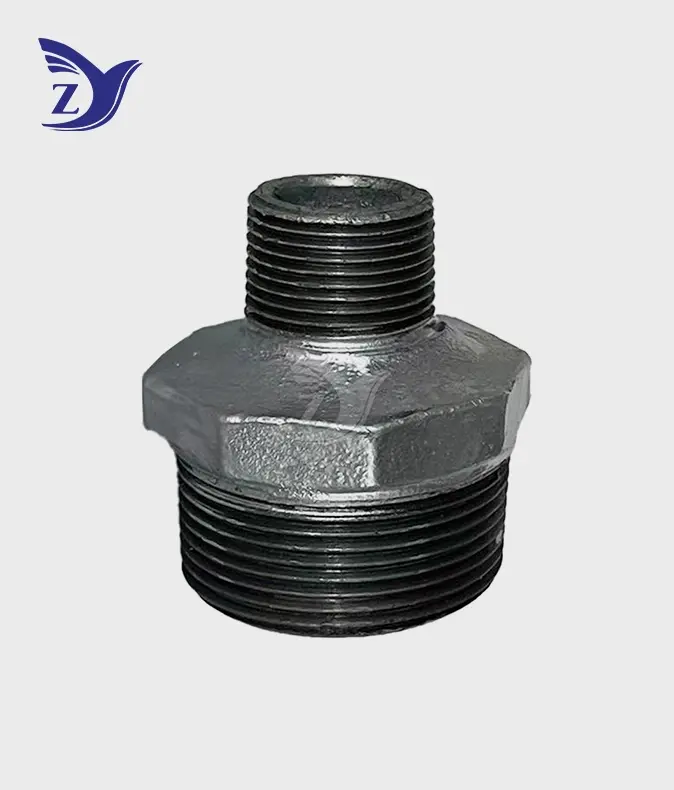
Understanding Galvanized 2x1 Reducing Elbows: Dimensions and Specifications
Nominal Size and Threading Standards
The "2x1" number refers to the pipe's theoretical size, not its true size. The outside diameter of a 2-inch opening is usually about 2.375 inches, and the outside diameter of a 1-inch exit is about 1.315 inches. NPT (National Pipe Taper) or BSPT (British Standard Pipe Taper) threads are used to make these connections. These threads meet ASME B1.20.1 and ISO 7-1 standards, respectively. BSPT has a Whitworth thread angle of 55 degrees, while NPT has a 60-degree thread angle with a 1:16 taper. This precisely threaded design makes a mechanical seal that tightens under pressure, so sealant solutions aren't needed as much.
Center-to-Face Dimensions and Wall Thickness
From the centerline of the galvanized reducing elbow to the face of each threaded end, the center-to-face lengths are different for each maker but are usually between 2.5 and 3.5 inches for the 2-inch side and 1.5 to 2 inches for the 1-inch side. Wall thickness meets Schedule 40 or Schedule 80 standards. For 2-inch fittings, Schedule 40 walls measure about 0.154 inches. These factors have a direct effect on pressure levels, which usually run from 150 PSI (Class 150) for water systems to 300 PSI for gas and steam systems. The goods made by Zhiyuan Malleable Steel meet the ASTM A197 standards for malleable iron casts. This means that they can withstand tensile loads of more than 50,000 PSI and work with industrial-grade setups.
Weight and Material Composition
A normal galvanized 2x1 reducing elbow weighs between 0.8 and 1.2 pounds, based on the width of the wall and the form of the reinforcements. The iron base is easy to shape because it has the right amount of carbon (2.0–2.5%) and silicon (0.9–1.4%). It is heated through an annealing process, which turns brittle white iron into a flexible, shock-resistant material. During the hot-dip galvanization process, a zinc layer of more than 70 microns is applied (tested according to ASTM A153), which protects against rust on a protective level. This layer thickness makes sure that the fitting won't rust too quickly even in damp places, when it comes into touch with soil, or when it's exposed to industrial chemicals.
Types and Variations of Galvanized Reducing Elbows
Long Radius vs. Short Radius Configurations
Depending on the hydraulic performance and space needs, galvanized reducing elbows come in two main types of curve. Long radius elbows have a centerline radius that is 1.5 times the standard pipe diameter. They make flow changes that are smoother and reduce turbulence and pressure drop, which makes them perfect for pump discharge lines and fluid transport systems where flow efficiency is important. When it comes to short radius elbows, the centerline radius is the same as the nominal diameter. This makes for a smaller size that is good for tight equipment connections and machinery rooms with limited space. Choosing one of these designs changes not only the hydraulic formulas, but also the amount of torque needed for fitting and the places where stress could build up.
Material Comparison: Galvanized vs. Black Steel vs. Stainless Steel
The sizes of all three materials are pretty much the same, but their performance is very different. Black steel elbows are cheaper, but they need to be painted or coated right away in above-ground uses to keep the surface from rusting. Stainless steel, usually in types 304 or 316, is better at resisting corrosion in naval or chemical processing settings, but it costs three to five times more than galvanized steel. The best mix is found in galvanized malleable iron, which protects against rust like painted black steel while still having the better impact strength of malleable iron compared to stainless steel, which breaks easily when hit hard. Zhiyuan Malleable Steel's galvanized fittings go through strict bonding tests using the Stout Knife method. This makes sure that the zinc coating stays joined even when the fittings are torqued and heated and cooled many times.
Surface Treatments and Custom Manufacturing
In addition to hot-dip galvanization, there are also treatments that are designed to solve specific environmental problems. For indoor uses that need exact size limits, zinc-electroplating makes coats that are thinner and more uniform. Powder finishing adds color-coding so that pipes in complicated networks can be found quickly. For underground systems in dirt that is easily corroded, some industrial buyers ask for two layers of protection: galvanization and epoxy top coats. Zhiyuan Malleable Steel can do ODM/OEM work with custom thread lengths, reinforced bands, and non-standard size reductions like 2.5x1.25 inches. This can help with retrofit projects and equipment connections that are hard to match with standard fittings.
Practical Applications and Installation Guidelines for 2x1 Galvanized Reducing Elbows
Industrial Sectors and Common Uses
Fire protection companies use galvanized reducing elbows a lot to connect main sprinkler heads to branch lines that feed individual spray zones. The smaller size is in line with hydraulic estimates that show the pipe width shrinks as fewer sprinkler heads stay downstream. They connect big distribution pipes to smaller service laterals that go into business buildings. They are used by municipal water treatment plants. Installers of HVAC systems depend on them for condensate drain lines because gravity flow lets smaller exit sizes work. In petrochemical companies, they are used in process water systems where changing the diameter of the pipes needs to be managed to keep water hammer and erosion from happening.
Step-by-Step Installation Procedure
The first step in a proper fitting is to check the threads for damage, debris, or production flash that could weaken the seal. Only put PTFE tape or approved pipe dope on male threads and wrap them clockwise when you look at the end of the thread. Tighten the fitting onto the pipe by hand until there is more resistance. Then, use pipe wrenches to turn two or three more threads. Quality fittings, like those from Zhiyuan Malleable Steel, have bands reinforcements that make them easier to hold on to with a wrench without breaking the fitting body. Don't tighten too much because it can bend the threads and make stress lifters that cause the threads to crack before they should. During assembly, you should always hold both the elbow and the connected pipe so that the joint doesn't get stressed from being out of place.
Sizing Impact on System Performance
Choosing the right reducing elbow size has a direct effect on how long the system lasts and how well it works. When parts are too small, they cause too much velocity, which speeds up erosion and uses more energy in the pump. Usually, a 2x1 reduction doubles the flow speed, so hydraulic estimates must make sure that the new speed stays below 8 feet per second for water systems to avoid noise and wear. Oversized fittings lose money on materials and can cause areas of still water that are good for bacteria to grow in systems that carry drinkable water. Managing thermal expansion is also affected by the right size. Galvanized fittings expand at a rate of about 0.0000065 inches per inch per degree Fahrenheit, so they need expansion loops or flexible connections in steam and hot water uses above 200°F.
Choosing the Right Galvanized 2x1 Reducing Elbow: Comparison and Decision-Making
Durability Analysis Across Material Types
When comparing galvanized steel to other options, you should look at the total cost over its entire life, not just the price of buying. Galvanized malleable iron elbows from certified makers like Zhiyuan Malleable Steel usually last 25 to 40 years in city water uses. Painted black steel, on the other hand, needs to be repainted every 15 to 25 years. Stainless steel can be used in corrosive settings for more than 50 years, but it needs special tools to be welded and cut, which raises the cost of work. The shock resistance of the pliable iron keeps it from breaking in terrible ways when it's hit by something unexpected or by water hammer. It dents instead of breaking, so the system stays together during freeze-thaw cycles that break brittle cast iron.
Cost-Benefit Evaluation for Procurement
Galvanized 2x1 reducing elbows cost between $3.50 and $7.50 each at wholesale, based on the number of pieces ordered, the thickness of the covering, and the licensing needs. Fittings that are UL and FM-approved cost more (15–25%) but may be needed for insurance purposes in fire protection systems. Most of the time, volume savings start at 500 pieces, with bigger breaks at 2,000 and 10,000 pieces. When figuring out the total cost of ownership, you should include the time between maintenance. For example, galvanized fittings don't need much maintenance after the original installation check, but painted ones do need to be re-coated every 8–12 years. The double-layer cardboard packing from Zhiyuan Malleable Steel keeps items from getting damaged during shipping, which saves money on repair costs that would be about 2-5% higher with poor packaging.
Environmental and Application Suitability
Extreme temperatures have a big effect on the choice of materials. From -20°F to 400°F, galvanized fittings work consistently, which covers most HVAC and hot water uses. Other types of PVC break above 140°F and become weak below freezing. Zinc covering works better than paint systems that chalk and break down after 5 to 7 years when used outside in UV light. But coated steel shouldn't be used in places that are very acidic (pH below 5) or basic (pH above 12), because zinc reacts chemically in those conditions. Marine-grade stainless steel is better for installs within 500 feet of saltwater, even though it costs more, because salt spray speeds up the corrosion process.
Conclusion
It's not enough to just know what size a galvanized 2x1 reducing elbow is; you also need to know about thread standards, material qualities, coating specs, and performance requirements that are specific to the application. These 90° flow turn valves that are compatible with NPT and BSPT are very important for fire protection, city water systems, HVAC networks, and industrial process pipes. Choosing between long radius and short radius setups and using the right installation methods have a direct effect on how well and how long the system works. Procurement workers who check suppliers based on whether they have the right certifications, how much they can make, and how clear their prices are ensure reliable supply lines that help projects succeed. Galvanized reducing elbows are a cost-effective option for demanding B2B uses because they are made of corrosion-proof, industrial-grade malleable iron and can last for decades without needing any maintenance.
FAQ
What are the exact dimensions of a 2x1 galvanized reducing elbow?
Nominal sizes, not real lengths, are shown by the "2x1" designation. The 2-inch end fits pipes with an outside diameter of about 2.375 inches, and the 1-inch end fits pipes with an outside diameter of 1.315 inches. The bigger side's center-to-face lengths are usually between 2.5 and 3.5 inches, while the smaller side's are usually between 1.5 and 2 inches. A galvanized 2x1 reducing elbow provides a reliable transition between these two standard pipe sizes.
Can I mix NPT and BSPT threads on the same fitting?
Because they have different thread angles (60° vs. 55°) and root setups, NPT and BSPT threads cannot be used together. When you force threads that don't fit, spiral leak paths and stripped threads are made. You need to use conversion tools or make sure that all of your systems use the same thread standards.
How do I verify the zinc coating quality on galvanized elbows?
As required by ASTM A153, good makers provide magnetic thickness gauge readings that show a layer that is at least 70 microns thick. The finish should be shiny and smooth, with no bare spots or cracking. Adhesion tests are done by reputable sources like Zhiyuan Malleable Steel to make sure the zinc joins properly under installation stress.
What pressure ratings apply to 2x1 reducing elbows?
Standard Schedule 40 fittings can handle 150 PSI of working pressure at room temperature and can be used in HVAC and public water systems. Versions on Schedule 80 can handle 300 PSI and are good for use with steam, compressed air, and industrial processes. Always make sure that the ratings meet the maximum working pressure of your system with the necessary safety factors.
Partner with Zhiyuan Malleable Steel for Reliable Galvanized Reducing Elbow Solutions
Zhiyuan Malleable Steel can meet your needs for galvanized reducing elbows with their 26 years of casting experience and 30,000-ton production capacity per year. Our building has eight 3-ton medium frequency electric heaters and is certified by ISO 9001, CE, UL, and FM to make sure that all of its fittings meet foreign standards. As a trusted galvanized reducing elbow manufacturer, we offer full OEM/ODM customization for non-standard sizes and thread setups. We also ship standard goods the same day from our large inventory. Our double-layer cardboard package keeps your investment safe while it's in transit, and our policy for replacing broken products shows that we care about your happiness. You can email our technical team at q1236800000@gmail.com or visit zymalleablepipefitting.com to get bulk quotes and discuss how our high-strength, anti-rust elbows can make your next project more reliable and last longer.
References
1. American Society of Mechanical Engineers. (2020). ASME B1.20.1: Pipe Threads, General Purpose (Inch). New York: ASME Press.
2. ASTM International. (2019). ASTM A197: Standard Specification for Cupola Malleable Iron. West Conshohocken: ASTM International.
3. ASTM International. (2021). ASTM A153: Standard Specification for Zinc Coating (Hot-Dip) on Iron and Steel Hardware. West Conshohocken: ASTM International.
4. International Organization for Standardization. (2018). ISO 7-1: Pipe Threads Where Pressure-Tight Joints Are Made on the Threads. Geneva: ISO Publishing.
5. National Fire Protection Association. (2022). NFPA 13: Standard for the Installation of Sprinkler Systems. Quincy: NFPA Publications.
6. McAllister, E.W. (Ed.). (2013). Pipeline Rules of Thumb Handbook: A Manual of Quick, Accurate Solutions to Everyday Pipeline Engineering Problems (8th ed.). Houston: Gulf Professional Publishing.
Online Message
YOU MAY LIKE
High quality furniture manufacturer
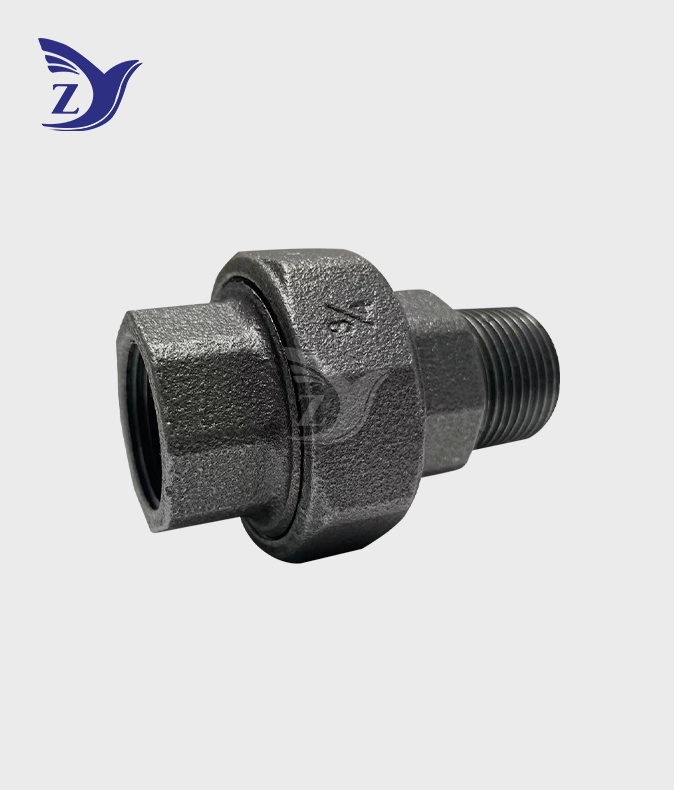
NPT Black Male-Female Union 341 Pipe Fittings
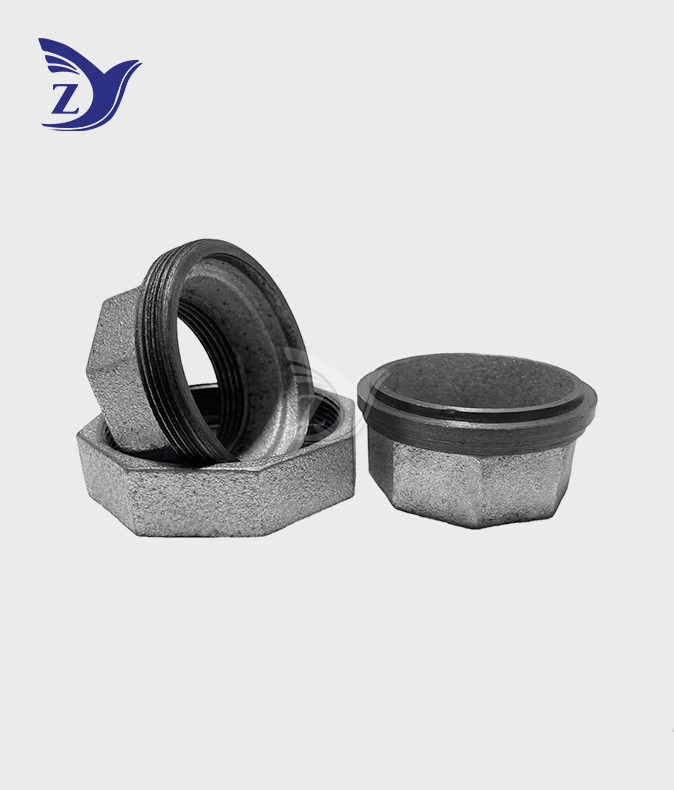
NPT Galvanized Union 330 Pipe Fittings
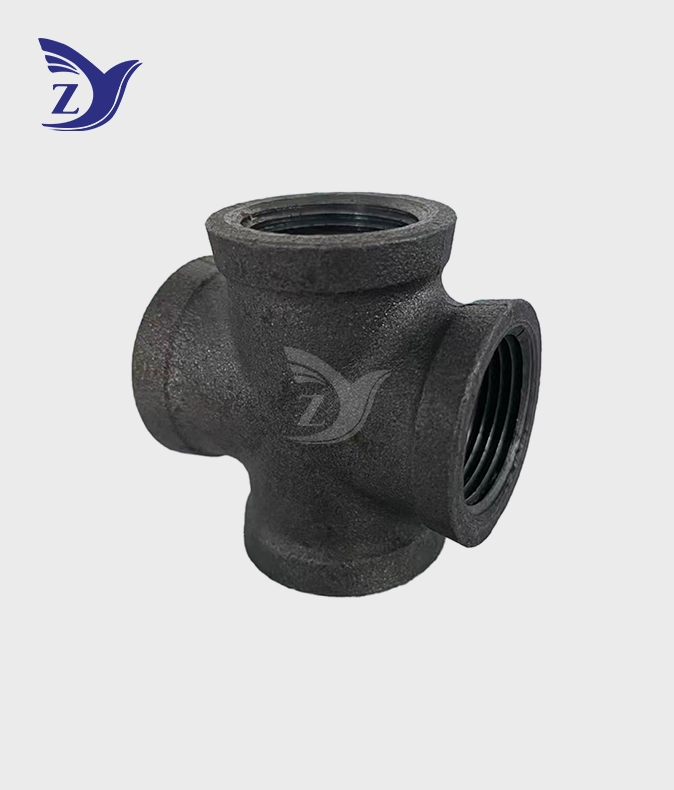
NPT Black Square Face Cross Pipe Fittings
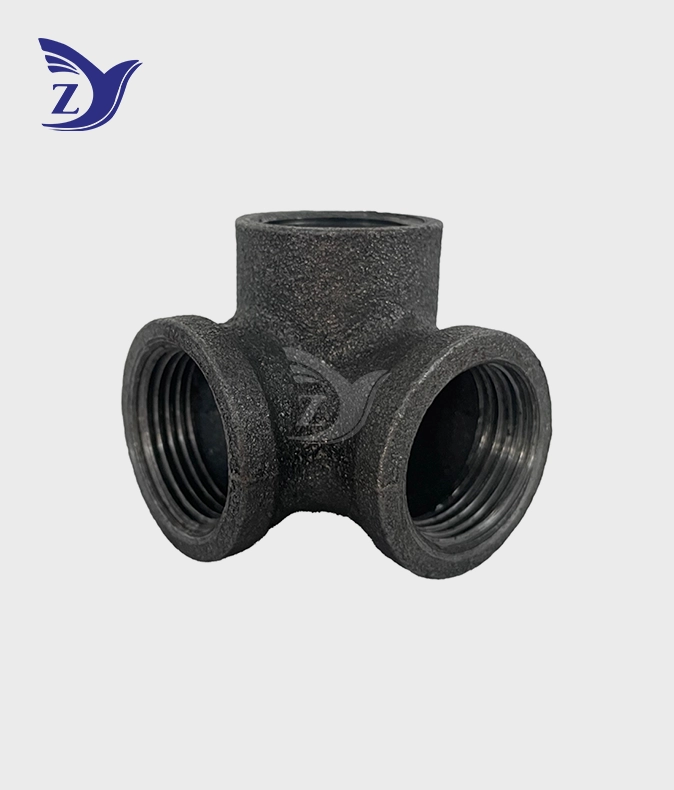
NPT Black Malleable Iron Tee Pipe Fittings
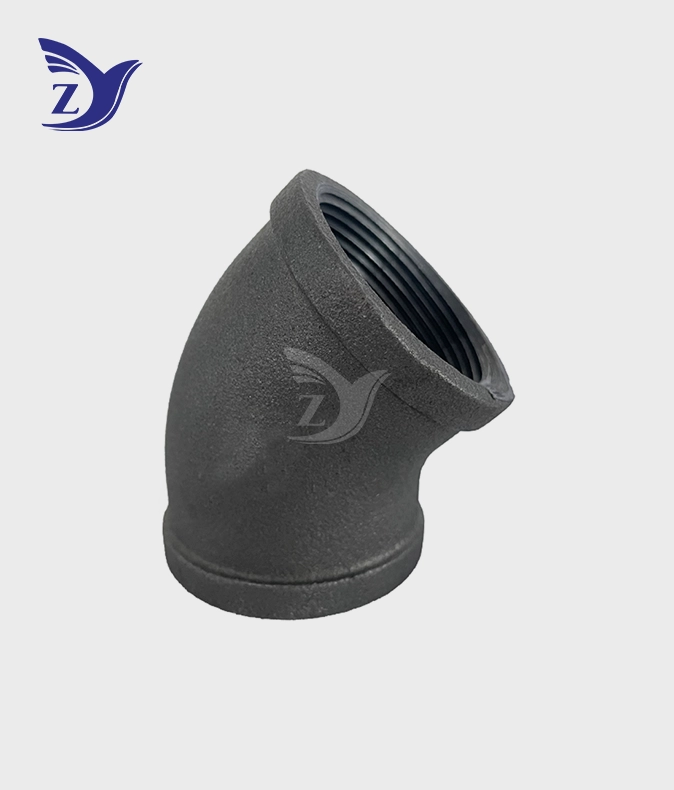
NPT Black Square Face 45° Elbow Pipe Fittings
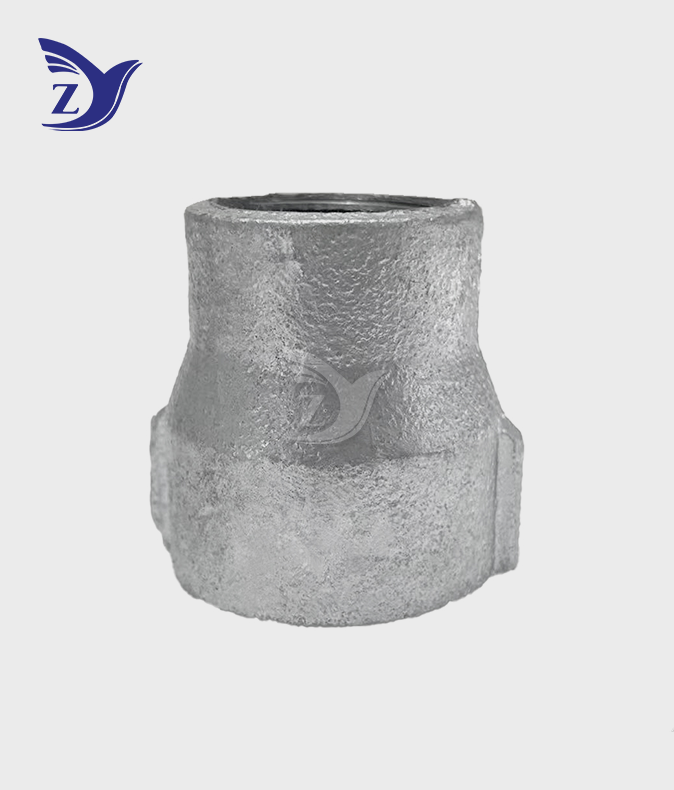
No Hub Electro Galvanized Reducing Coupling Pipe Fitting
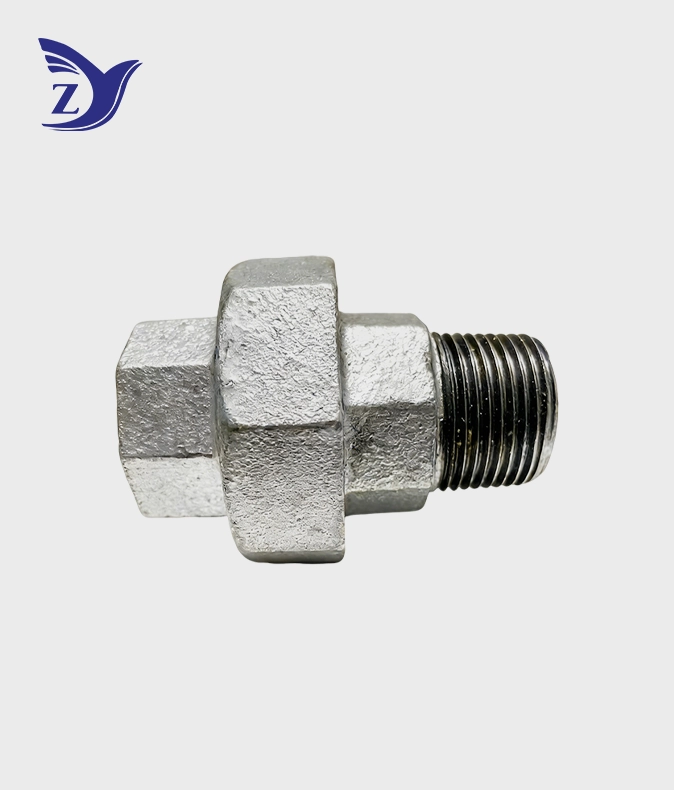
NPT Galvanized Male Female Threaded Union 341 Pipe Fittings
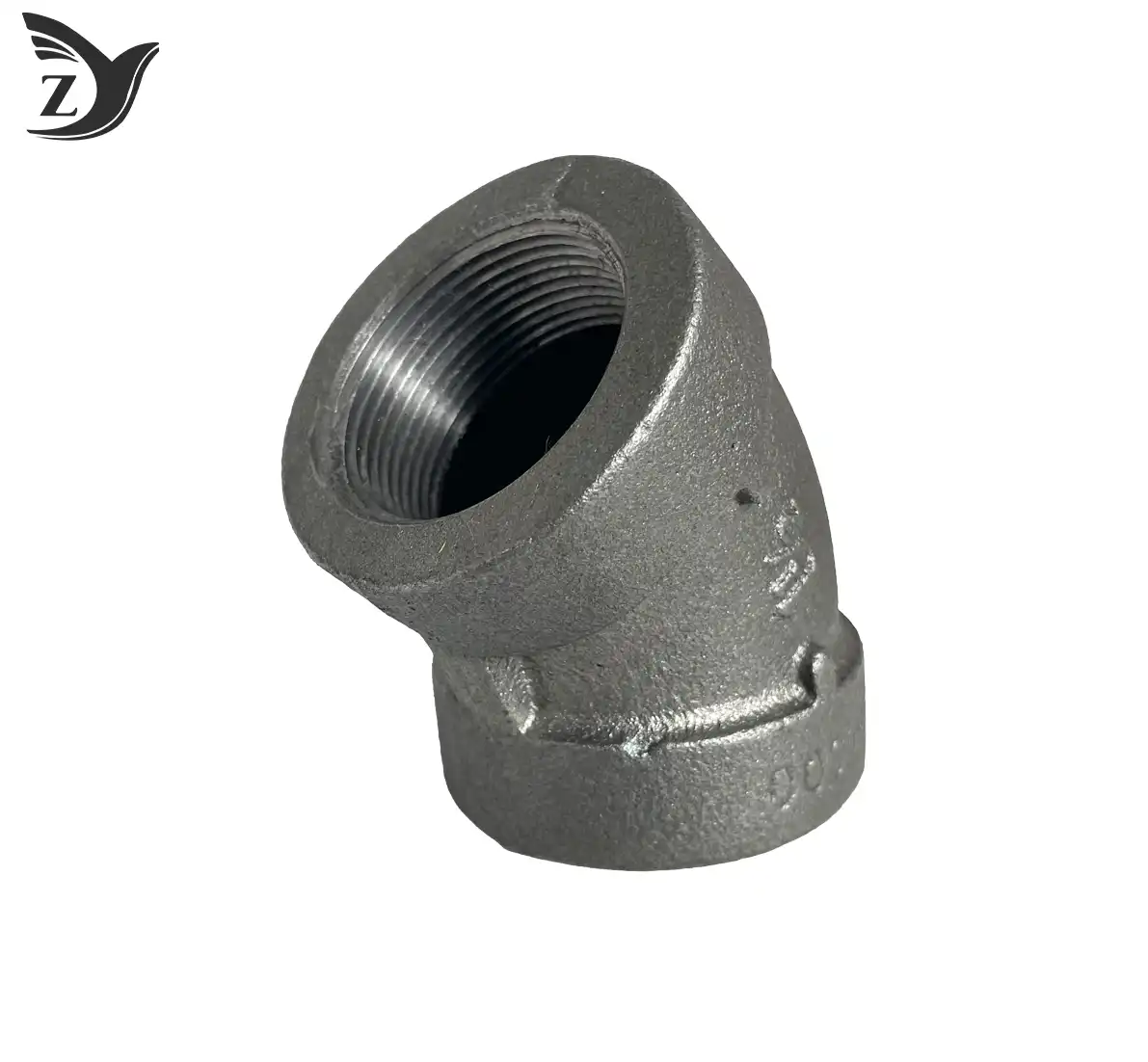
300LB Black Malleable Iron 45 Degree Threaded Elbow Pipe Fittings