
May 30, 2026
What size is a black malleable iron bushing?
When looking for pipe parts for industrial systems, it's important to know the exact sizes. Based on the internal female thread diameter, black malleable iron bushings usually have a standard pipe size that is between 1/8 inch and 6 inches. The external male threads on these reduction fittings are a different size than the internal female threads. This lets pipes of different widths join. Standard sizes are based on NPT (National Pipe Taper) or BSPT (British Standard Pipe Taper) fitting standards. For example, 1/2" x 1/4" or 2" x 1" size refers to the bigger outer thread and the smaller inner thread. Knowing these measurements is important for making sure that things fit correctly and work properly in industry, gas transportation, and heating uses.
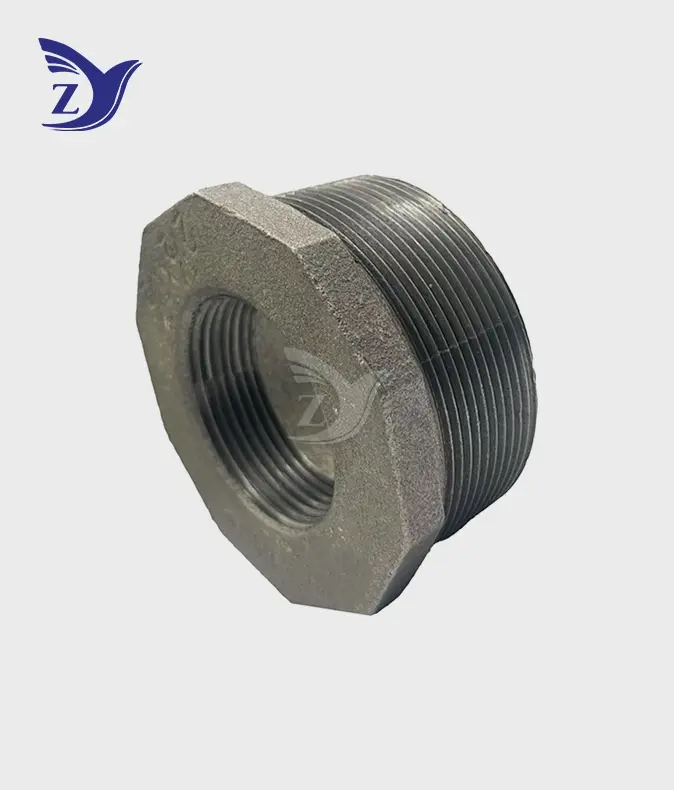
Black Malleable Iron Bushings: Properties and Sizing Basics
Black malleable iron bushings are essential parts in a huge range of industry settings. In contrast to regular gray cast iron, these parts go through a special annealing process that turns brittle white cast iron into a material that can be bent and can withstand pressure. This heat process turns iron carbides into small balls of graphite. This makes a microstructure that can survive shaking, changing temperatures, and mechanical stress without breaking.
Manufacturing Process and Material Composition
The process of making something starts with casting white cast iron, and then it is heated for a long time at controlled temperatures. The annealing process usually takes 50 to 70 hours. During that time, the carbon content of the material moves around in the ferrite core. ASTM A197 guidelines say that the finished product has a minimum tensile strength of 330 MPa and a stretch of about 8%, which is much better than cast iron that hasn't been treated. The word "black" refers to the treatment on the surface, which is a protected layer of anti-rust oil or black oxide that stops oxidation while in storage or transport and can still be used in high-temperature situations where galvanized coats would flake or react chemically.
Mechanical Properties That Influence Sizing
How black malleable iron bushings are made and defined is directly affected by the properties of the material. Because malleable iron is flexible, it can be made with tighter tolerances than hard options. This makes precision threading possible that keeps the seal intact under pressure. Even though the corrosion protection isn't great, it's good enough for oil, gas, and steam systems as long as they are kept up. Malleable iron has a thermal expansion rate of about 11 x 10⁻⁶ per °C that stays the same across working temperature ranges. This keeps the metal's dimensions from changing in ways that could damage threaded connections. Because of these factors, some size groups are more popular than others, and others need to be made to order.
Common Size Ranges and International Standards
Standard bushings in the industry usually fit pipes with a nominal size of 1/8" to 6", but sometimes bigger sizes are needed for unique uses. The bigger (male thread) size is always listed first, followed by the smaller (female thread) dimension. For example, a 1" x 1/2" bushing can fit a 1-inch pipe on the outside and a 1/2-inch pipe on the inside. Standards like ASTM A197, EN 10242, ISO 7-1, and BS 21 make sure that the dimensions are the same across makers and markets. There are certain limits for thread engagement length, wall thickness, and hex measurements that procurement workers must check when evaluating suppliers.
Dimensional Analysis for Choosing the Right Bushing Size
To choose the right bushing size, you need to look at three important measurements that work together to make sure the system works. If you get any one measurement wrong, it can lead to problems with fitting, pressure loss, or early component failure.
Inner Diameter, Outer Diameter, and Length Relationships
The female thread size is equal to the inner diameter (ID), and it must match exactly with the male thread of the connected pipe or fitting. The male thread on the outside of the bushing is called the outer diameter (OD), and it is the right size to fit the female port on the other end. Length measures include both the total fitting height and the thread engagement depth. Not enough engagement lowers the seal's reliability, and too much length may get in the way of other parts. The outer thread on a normal 1" x 3/4" bushing is about 1.315 inches (33.4 mm) in diameter, and the inner threads are about 1.050 inches (26.7 mm) in diameter. However, the exact sizes change between NPT and BSPT standards.
Tolerance Ranges and Acceptable Deviations
Tolerances for making threaded parts must follow strict rules. NPT threads have a 60-degree angle and a 1:16 taper, while BSPT threads have a 55-degree angle and the same taper. Thread pitch changes based on standard size. From 1/8" to 1/2", fittings have 27 threads per inch (TPI), and from 3/4" to 2", they have 14 TPI. Class A threads (standard) allow differences of ±0.005 inches for outside threads and ±0.010 inches for inside threads. Even though these differences may not seem important, going beyond what is allowed can damage the mechanical seal that is created when the threads distort during fitting.
Application-Specific Sizing Strategies
When installing heavy industrial gear, the black malleable iron bushing size needs to be different from when installing business plumbing. When compared to low-pressure natural gas lines, high-pressure steam systems that work at 150 PSI need bushings with thicker walls and greater thread contact. For reactor feed lines, a petrochemical company might ask for 2" x 1-1/4" Schedule 80 similar bushings, putting burst resistance over weight savings. On the other hand, a building's HVAC system could use 3/4" x 1/2" bushings for branch links since 30 PSI is a very low pressure. Size is also affected by how much vibration there is. For example, equipment that is subject to mechanical oscillation should use bushings that are one size class larger to keep the thread roots from stress cracking.
How to Source the Correct Size of Black Malleable Iron Bushings?
A good procurement process combines technical requirements with the dependability of the provider, the checking of certifications, and the total cost of ownership. To get around in the global supply chain, you need review systems that are well-organized and reduce risk while increasing value.
Evaluating Supplier Certifications and Quality Standards
Manufacturers with a good reputation keep certifications like ISO 9001 for quality management, ISO 14001 for environmental compliance, and product-specific certifications like ASTM A197 approval. For each output lot, you should ask for certified material test records (CMTRs) that show the chemical composition analysis and mechanical property testing. Third-party inspection licenses from companies like TÜV or Bureau Veritas give you extra peace of mind, especially when it comes to important uses like fire safety or pressure vessels. Make sure that thread gauging according to ASME B1.20.1 standards is part of the physical checks, not just caliper measures. Concerns about quality control in manufacturing should be raised right away if a supplier refuses to provide full paperwork.
Understanding Pricing Dynamics and Order Volumes
The price per unit of black malleable iron bushings depends on their size and the number of them that are ordered. Common sizes like 1" x 3/4" or 1/2" x 3/8" are cheaper to make, so they usually cost between $1.50 and $4.00 per unit for orders of more than 100. Due to the need for more materials and fewer production runs, bigger sizes (3" x 2") or custom designs cost 40–80% more. At 500, 1000, and 5000 units, volume prices start to make a difference, with savings of 15 to 25 percent possible at each level. For stock items, lead times for normal sizes are between 2 and 4 weeks. For special orders, they are between 8 and 12 weeks. Sending goods from Asia by water takes an extra 3 to 6 weeks, but sending them by air can cut down on the time it takes, but it costs 2-3 times as much.
Specifying Exact Dimensions to Avoid Ordering Errors
Not knowing basic details can cost a lot of money. Always write down the thread standard (NPT or BSPT), the minimum sizes for both male and female threads, and any other needs, like hex size or length limits. List the standards that apply (ASTM A197, EN 10242) and the pressure class numbers that are needed (Class 150 or 300). Include information about the installation setting, such as the working temperature range, the highest pressure, and the type of media (steam, gas, or oil). This will help providers suggest the right materials and designs. Before production starts, make sure you have the measurement plans you need. This is especially important for orders over 500 units, as the cost of the tools used can add up quickly. Set up checking procedures that spell out the acceptable quality levels (AQL) for thread integrity, surface finish, and conformity to dimensions so that standards are in line with what the contract says.
Conclusion
Finding the right size for black malleable iron bushings means combining exact measurements with the performance needs of the application. These fittings work well in industrial, commercial, and petrochemical systems as long as they are properly specified based on threading standards, pressure ratings, and environmental conditions. To get the best results, procurement professionals should check the certifications of suppliers, understand the material property trade-offs, and set up maintenance protocols that are in line with size-dependent stress factors. The size range from 1/8" to 6" meets a variety of reduction needs, and standard manufacturing ensures global availability and competitive prices. Spending time on a thorough review of specifications and evaluating suppliers will pay off in the long run by lowering failure rates and increasing the lifecycle of components.
FAQs
What determines the price difference between bushing sizes?
Larger black malleable iron bushings use more raw materials and need heavier casting equipment, which raises the base production costs. Smaller sizes benefit from higher production volumes that spread fixed costs across more units. Specialty dimensions outside of standard ranges require custom mold creation, which adds $2,000 to $5,000 in tooling costs that must be amortized across order quantities. Thread machining precision also affects pricing; tighter tolerances require more quality control steps and slower production rates, which usually adds 15-20% to standard pricing for critical applications.
Can I substitute BSPT bushings for NPT specifications?
Even though they look the same, threads that aren't compatible can cause big problems. For example, NPT threads use a 60-degree angle, while BSPT threads use a 55-degree angle. Trying to force incompatible threads to engage and form a seal damages both parts and creates leak paths when pressure is applied. Some suppliers offer dual-certified bushings that meet both standards, but they cost 25–40% more than single-standard equivalents. When thread standard transitions are needed, they should use adapter fittings that are specifically made for that purpose instead of improvising with incompatible bushings.
How do I measure existing bushings for replacement orders?
Instead of using calipers to measure actual diameters, use thread pitch gauges to find out how many threads are per inch. To find the thread taper, compare the diameter measurements at the thread start to those three threads inward—a consistent 1:16 taper confirms standard compliance. Measure the overall length from the sealing face to the end of the male threads. Then, compare these measurements to standard dimension tables (found in ASME B1.20.1 or ISO 7-1 specifications) to find the exact size designation. If you're not sure, send sample parts to potential suppliers to confirm before placing large orders.
Partner With Zhiyuan Malleable Steel for Precision Black Malleable Iron Bushing Supply
Zhiyuan Malleable Steel delivers certified black malleable iron bushings manufactured to exacting ASTM A197 and EN 10242 standards, serving procurement professionals across industrial, petrochemical, and commercial construction sectors. Our comprehensive inventory spans standard NPT and BSPT configurations from 1/8" through 6", maintained at climate-controlled facilities ensuring immediate availability for urgent project requirements. Each production lot undergoes rigorous dimensional inspection and mechanical property testing, with certified material test reports provided for traceability and compliance documentation. Our engineering support team assists with application-specific sizing recommendations, helping you balance performance requirements against budget constraints. As a trusted black malleable iron bushings supplier, we offer competitive volume pricing with transparent quotations and flexible minimum order quantities accommodating both large-scale installations and maintenance stock replenishment. Contact our procurement specialists at q1236800000@gmail.com to discuss your dimensional specifications, delivery timelines, and quality assurance requirements. Visit zymalleablepipefitting.com to explore our complete product catalog and request technical documentation supporting your next sourcing decision.
References
- American Society for Testing and Materials. (2019). ASTM A197: Standard Specification for Cupola Malleable Iron. West Conshohocken: ASTM International.
- British Standards Institution. (2016). BS 21: Specification for Pipe Threads for Tubes and Fittings Where Pressure-Tight Joints Are Made on the Threads. London: BSI Standards Publication.
- International Organization for Standardization. (2018). ISO 7-1: Pipe Threads Where Pressure-Tight Joints Are Made on the Threads – Part 1: Dimensions, Tolerances and Designation. Geneva: ISO Publications.
- American Society of Mechanical Engineers. (2020). ASME B1.20.1: Pipe Threads, General Purpose (Inch). New York: ASME Standards Committee.
- European Committee for Standardization. (2017). EN 10242: Threaded Pipe Fittings in Malleable Cast Iron. Brussels: CEN Technical Standards.
- Metals Handbook Editorial Committee. (2021). Properties and Selection: Irons, Steels, and High-Performance Alloys. Materials Park: ASM International Handbook Series.
Online Message
YOU MAY LIKE
High quality furniture manufacturer
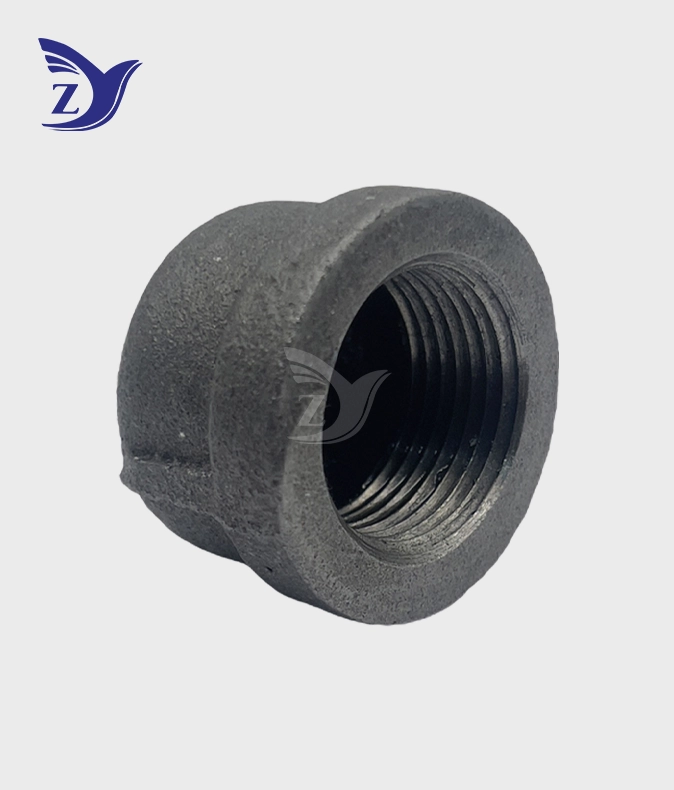
NPT Black Cap Pipe Fittings
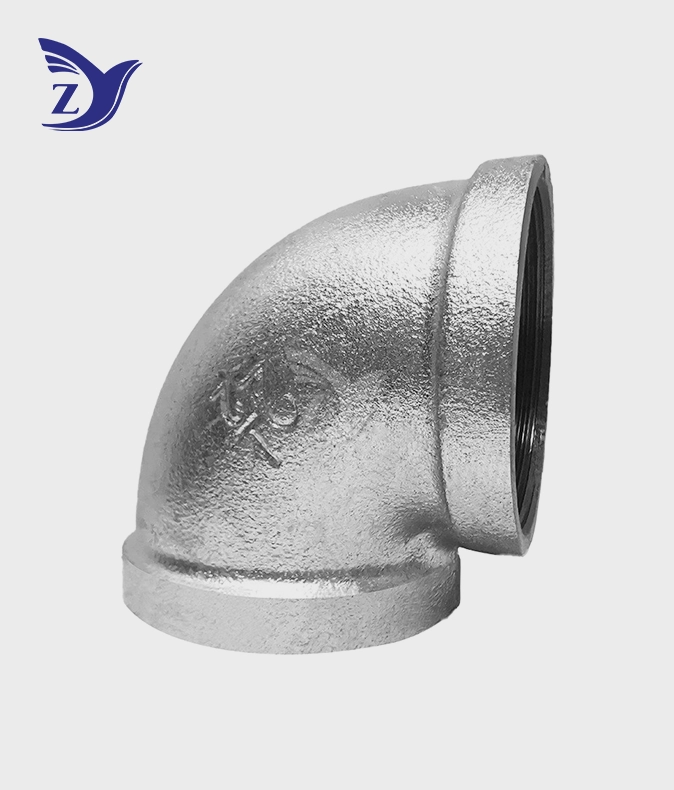
NPT Square Face Galvanized 90° Square Edge Elbow Pipe Fittings
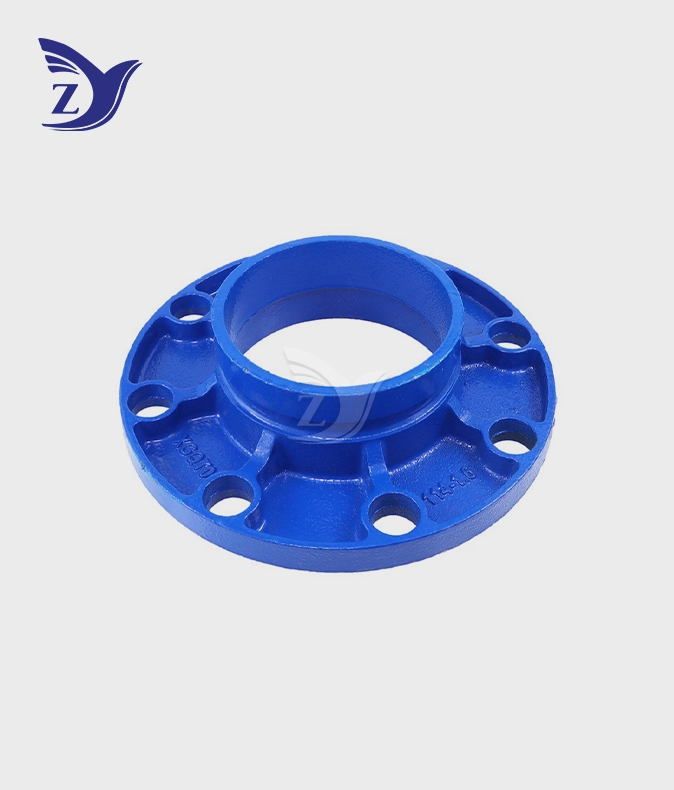
Water Grooved Flange
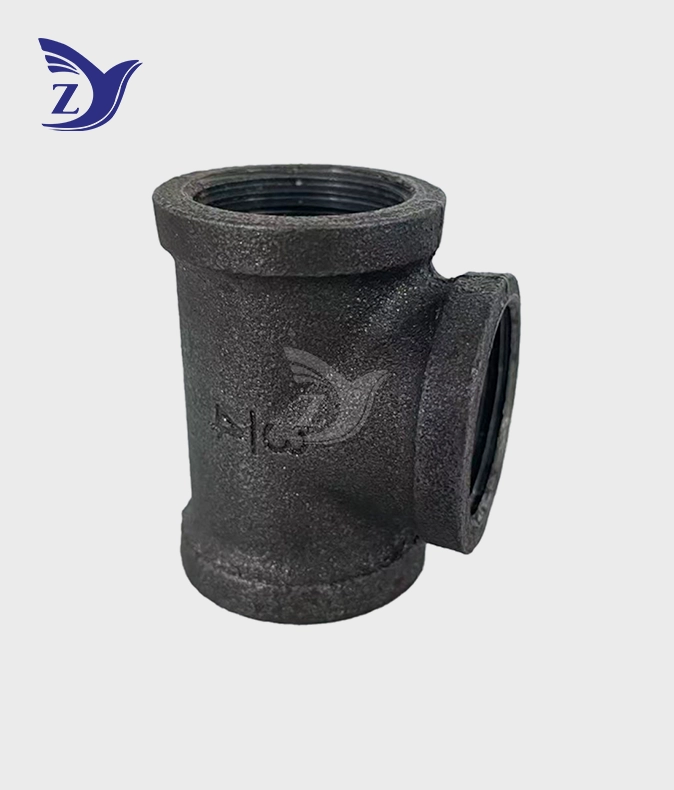
NPT Black Square Face Straight Tee Pipe Fittings
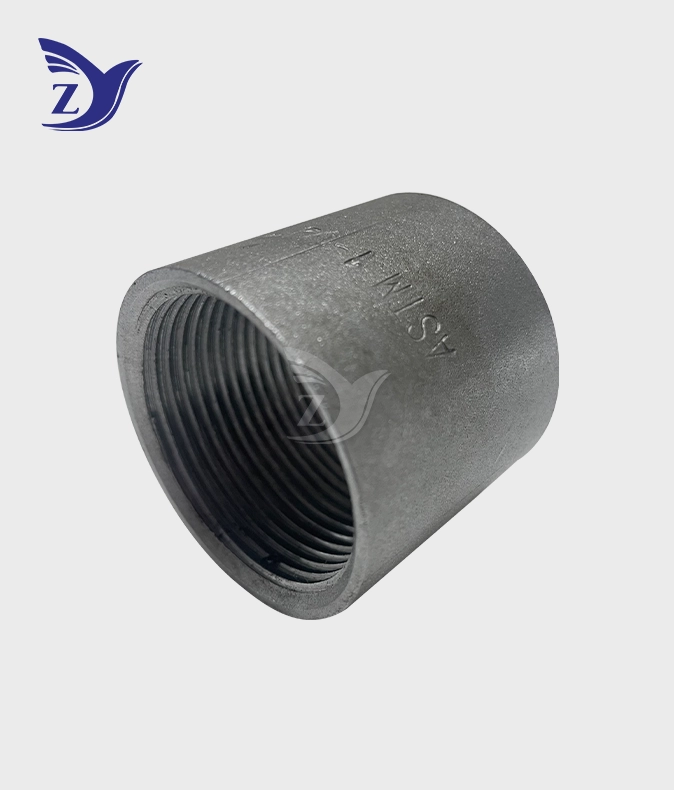
Carbon Steel Full Threaded Coupling Fittings Sand Blasted
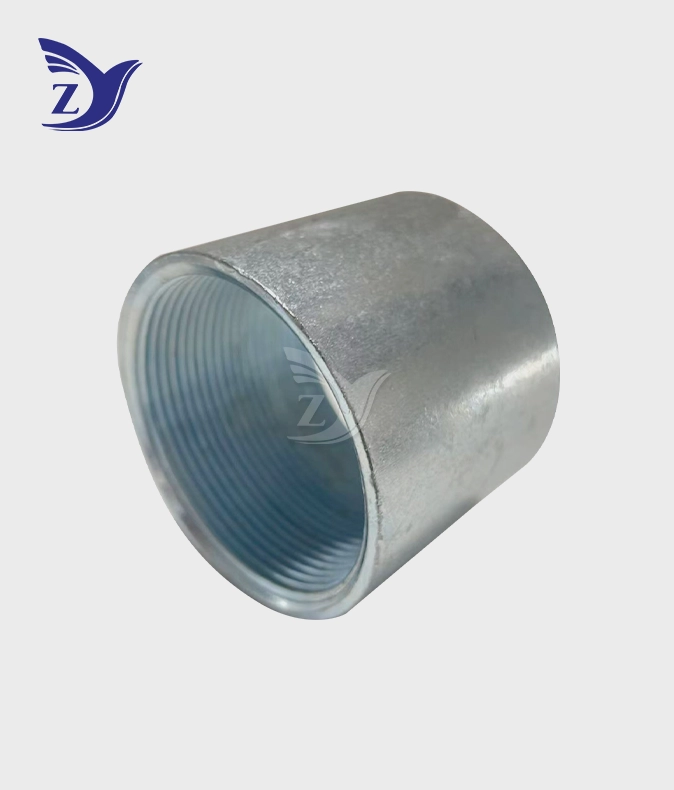
Electro-galvanized full-thread pipe coupling
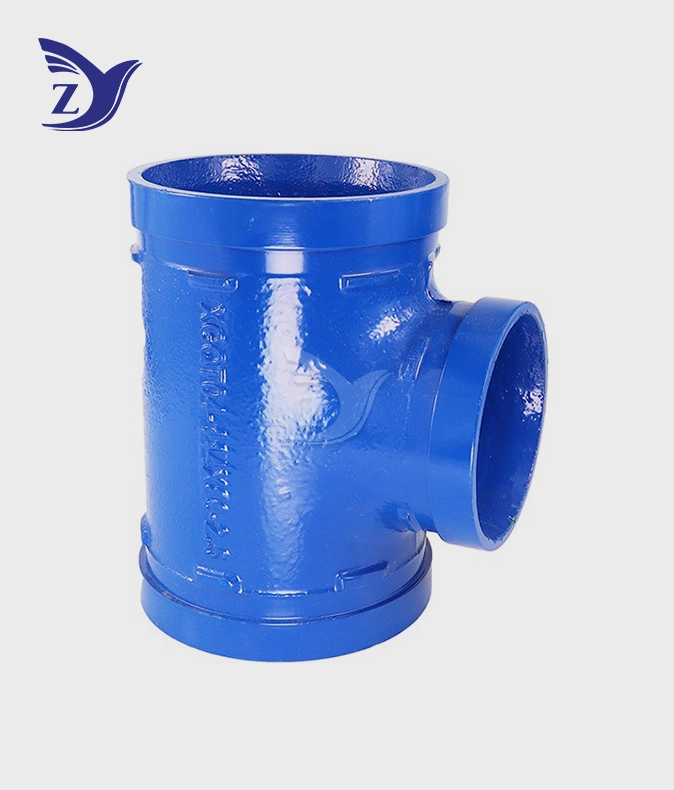
Water Grooved Straight Tee
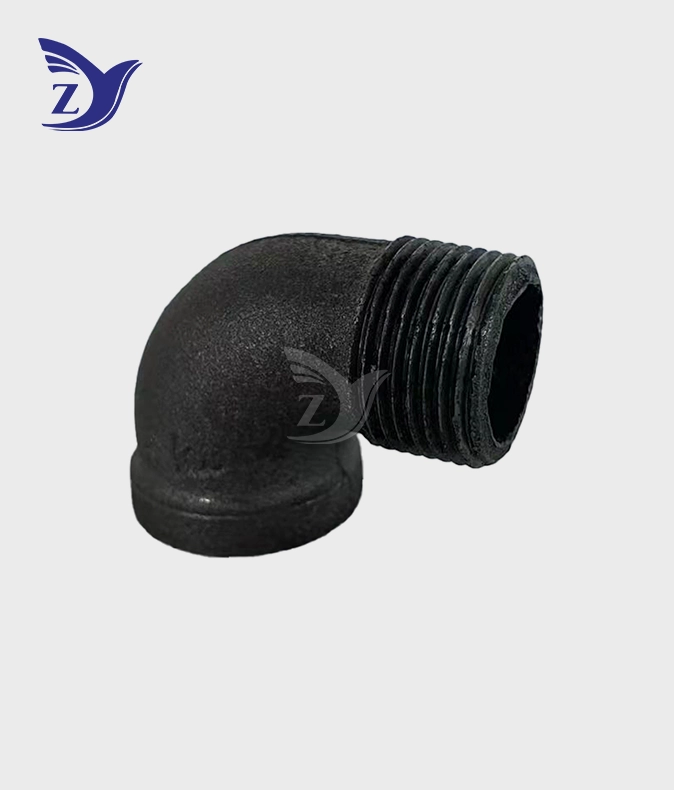
NPT Black Square Face Male-Female 90° Elbow Pipe Fittings