
Jun 8, 2026
What is union in pipe fittings?
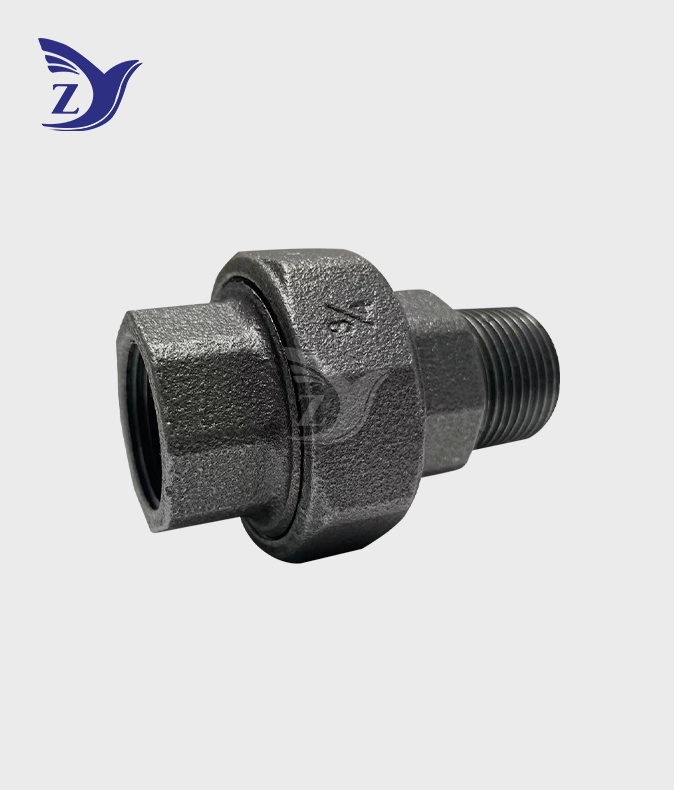
In pipe fittings, a union is a mechanical connector that can be taken off and put back on to join two pieces of pipe. This makes it easy to do maintenance, repairs, or equipment replacements without cutting or hurting the pipeline. Unions are different from fixed joints because they are made up of three parts: two end pieces (one male and one female) and a nut in the middle that holds them together. The galvanized male female threaded union 343 pipe fittings are a certain type in this group. They have a flat seat shape and use NPT or BSPT threading standards. Because they are made of high-strength, malleable iron and are protected by hot-dip galvanization, these fittings are essential in industrial water systems, fire protection networks, and gas pipes where dependability and resistance to rust are key.
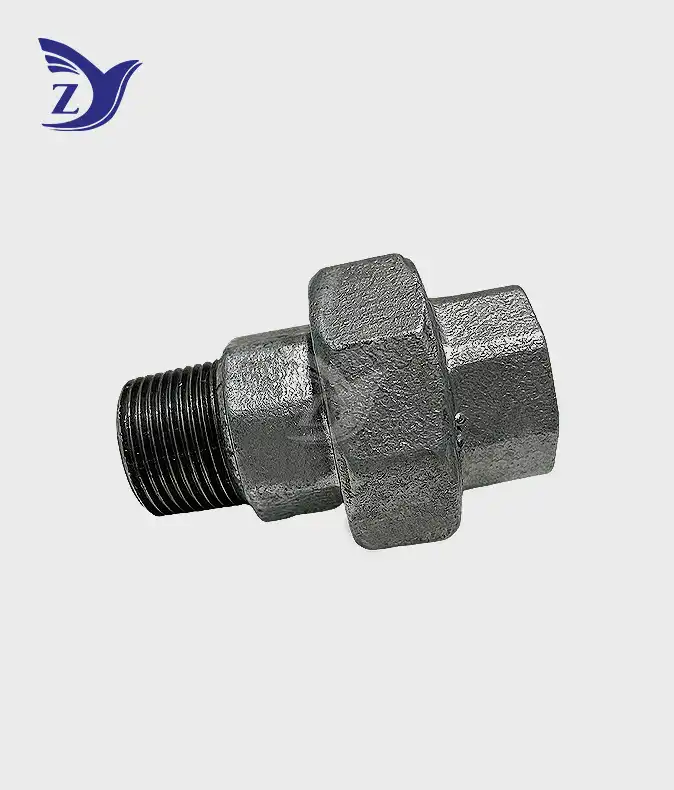
Understanding Unions in Pipe Fittings
Unions solve an important problem in pipeline engineering: how to make links that are safe, don't leak, and can be taken apart without special tools or damaging the pipe. This skill is very important in places where pumps, valves, or meters need to be serviced on a regular basis.
The Three-Component Architecture
There are three separate parts to a traditional union that all work together. One end of the tail piece has male threads, and the other end has a closing surface. The female lining on the body piece is paired with its own closing surface. The tail piece slides over the union nut, which threads onto the body. This pulls the two sealing surfaces together while the pressure is kept low. Because of this mechanical benefit, techs can use the right amount of sealing pressure without damaging the threads, which can happen with straight threaded pipe connections.
Male Female Configuration Benefits
Because galvanized male female threaded union 343 pipe fitting is male-female, you don't need any extra barrel nipples to connect it to tools with female ports. In places with limited space, like pump houses or machinery rooms, this arrangement cuts the total length of the unit by two to three inches at each connection point. For a job with 100 connections, this means big saves in space and materials. The design also cuts down on possible leak paths; fewer threaded joints mean that the seal has fewer chances to fail when the temperature changes or when the part moves.
Figure 343 Specification Standards
The number 343 refers to a flat seat union with male-female threading, which is different from the types shown in Figure 340 (female-female conical) or 341 (male-female conical). Flat seat designs need gaskets, which are usually made of EPDM or PTFE and make a seal that can be compressed to fit small surface imperfections. Because of this, they work great in situations where changes in temperature could cause small changes in size, since the gasket material can adapt within its stretchy range. The fittings are made to meet ISO 5922 standards for malleable iron properties and ISO 7-1 standards for BSPT thread profiles. This makes sure that tools from different makers can work together around the world.
Benefits and Advantages of Galvanized Male Female Threaded Unions
The zinc layer on malleable iron makes a galvanized male female threaded union 343 pipe fittings that is both strong and long-lasting in the environment. This is important for buying managers who are looking at the total cost of ownership.
Corrosion Protection Through Galvanization
In hot-dip galvanization, the finished casting is put into liquid zinc that is about 450°C. This forms a mechanical bond that creates several layers of protection. The thinnest layer of pure zinc acts as a sacrifice for defense, corroding faster than the iron below it. Below this, layers of zinc-iron metal make a wall that doesn't fall apart even if the top layer is scratched. According to ASTM A153 testing, the layer is thicker than 70 microns, and it will cover the surface for 20 to 30 years in normal weather. This is much better than dark iron, whose surface starts to rust within months of being outside.
Galvanized malleable iron fittings are stronger and lighter than brass fittings, and they also cost less to make—often 30 to 40 percent less for the same pressure values. Stainless steel is the most resistant to rust, but it costs 200–300% more than other metals, so it can only be used in chemical conditions that are very corrosive. In city water, HVAC, and fire protection uses where budgets are tight and performance needs to be carefully matched, the galvanized choice works best.
Mechanical Advantages of Threaded Connections
Galvanized male female threaded union 343 pipe fittings have a number of operational benefits that engineering teams that are in charge of handling complicated systems will appreciate. Standard pipe tools are all that are needed for installation—no hot work permits, welding equipment, or qualified welders are needed. This cuts the time it takes to make each link from 20 to 30 minutes (for welded joints) to 5 to 7 minutes. On big projects, this saves a lot of money on labor costs. The threads make a mechanical link that keeps the connection together during pressure spikes or water hammer events. This is different from push-fit connections, which can come apart.
Another big benefit is that it can be used again and again. Technicians can open unions, move parts around, and reassemble with new seals while making changes to a system or upgrading equipment without having to replace the joints themselves. This is very different from compression fittings, which usually need to be replaced completely after being taken apart because the ferrule deforms.
Pressure and Temperature Performance
At room temperature, galvanized male female threaded union 343 pipe fittings can handle pressures between PN16 (232 psi) and PN25 (363 psi), which is enough for most business and light industrial uses. The ASTM A197-compliant malleable iron base material has a tensile strength of more than 350 MPa and a stretch of at least 10%. This gives it the flexibility to handle shock loads without breaking into brittle pieces. This flexibility is very important in systems that are heated up or cooled down, or that experience changes in pressure or earthquakes, because stiff cast iron would crack under these conditions.
How to Properly Install Galvanized Male Female Threaded Unions?
Correct installation methods directly affect long-term system stability and reduce the need for callback service. This is important information for both installation workers and maintenance staff.
Pre-Installation Preparation
Check both ends of the pipes for straight cuts and use a reamer or file to get rid of any burrs before starting to put them together. When thread crests are being put together, burrs can damage them or create stress concentration points that cause cracks to form when pressure is applied. Check to see if the pipe threads are clean and not damaged. Any galvanized male female threaded union 343 pipe fittings that are chipped or cross-threaded should be cut back to reveal new threading or removed completely. Thread gauges can make sure that the pitch and diameter are correct, which stops links between NPT and BSPT standards from not matching up. This is a common mistake that leads to joints that leak even when the right amount of force is applied.
Sealing Techniques and Best Practices
The type of thread sealer used depends on the medium being sent and the temperature at which it will be used. PTFE tape is still the most popular choice for cold water systems. To keep the tape from bunching up during assembly, make three to four wraps around the threads in the direction they rotate (clockwise when looking at the pipe end). Dope, a paste-like filler, is better than tape for gas lines and high-temperature steam lines because it fills in thread flaws more fully. Do not mix tape and dope; the lubrication action can cause the threads to become too tight and break.
Tighten the joint parts by hand until you feel resistance, then use a wrench to apply pressure. For 1-inch fits, the male end usually needs an extra 1 to 1.5 turns after being hand-tightened. For 2-inch sizes, this number goes up to 1.5 to 2 turns. As you slowly tighten the union nut, try switching sides if you can, until the seal is compressed evenly around the outside. A visual check should show that the gaskets are touching evenly and not sticking out past the sealing surfaces.
Maintenance and Inspection Protocols
Visual checks should be done on important systems every 6 to 12 months to look for signs of zinc coating wear, such as weeping at the union nut or white corrosion products that show galvanic action. In seaside or industrial areas with a lot of sulfur, inspections should happen every three months instead of every six months. Any signs of active corrosion mean that the seal needs to be replaced and the union nut needs to be re-torqued. Even small leaks speed up the breakdown process through mechanisms called crevice corrosion.
Write down everything you do for upkeep, like the torque numbers and gasket materials you use. Keeping records sets a standard for performance and helps find unions that aren't working right and may need to be replaced because of changes in size caused by rust or mechanical wear.
Procurement Guide: How to Choose and Buy Galvanized Threaded Unions
When you do strategic sourcing, you have to look at more than just the unit price to make sure that the parts you choose meet business needs and keep the total project costs as low as possible.
Technical Specification Matching
Start by writing down the system's working pressure, temperature range, fluid type, and exposure conditions in the environment. Compare these to the galvanized male female threaded union 343 pipe fittings manufacturer's datasheets to make sure that the pressure class numbers give you enough safety margin, which is usually 2:1 for static uses or 3:1 for situations where water hammer is likely to happen. Make sure that the thread standards match what you already have in place. Putting NPT fittings into equipment that has BSPT threads will cause interference fits that may look tight at first but will fail when pressure is applied and removed.
When choosing a size, you should think about the maximum flow speed. Water lines that go faster than 8 to 10 feet per second cause damage and noise problems no matter how well the fittings are made. Make sure that the fitting sizes you choose keep speeds within acceptable ranges for the expected flow conditions by using hydraulic calculation tools or reference lists.
Supplier Evaluation Criteria
Quality standards are concrete proof of the ability to make things and keep an eye on the whole process. Product-specific approvals, such as UL listing for fire protection parts or FM approval for industrial uses, show that strict performance standards have been met. ISO 9001 certification proves that quality management systems have been documented. Ask for test records that show the accuracy of the dimensions, the results of the pressure tests, and the coating thickness readings for production batches that match your order.
When looking at possible suppliers, manufacturing ability is important. Businesses that make more than 20,000 tons of goods a year usually keep their inventories deeper and can handle big orders with faster lead times. The 30,000-ton annual capacity of Zhiyuan Malleable Steel makes sure that more than 1,000 product specs are always available. This keeps project delays from being caused by backorders to a minimum. The company has four production shops that do casting, annealing, galvanizing, and cutting. These shops give the company full control over the whole process, which is something that vertically integrated producers can use to make sure quality is always high.
Conclusion
These days, unions are an important part of modern pipe systems because they make upkeep easier than permanent links. The galvanized male female threaded union 343 pipe fittings are made of tried-and-true materials, have protective coats, and are designed with useful features that make them easy to install and use in real life. By learning about how they are made, how to install them correctly, and their relative benefits, buying workers and engineers can make decisions that save money on projects now and in the long run. As the need for infrastructure grows and the need for efficient upkeep grows, choosing the right union fittings from qualified makers will make sure that piping systems last for decades without any problems.
FAQs
What distinguishes Figure 343 unions from other union types?
Figure 343 shows a flat seat joint with male and female threads that needs a gasket to seal. This is different from the conical seat designs shown in Figure 341 that make metal-to-metal seals without gaskets. This means that 343 shapes are better for uses where the temperature range is modest and the gasket material stays stable.
Can galvanized unions be reused after disassembly?
Yes, galvanized male female threaded union 343 pipe fittings can be taken apart and put back together more than once as long as the threads are not destroyed and a new gasket is put in. Before using again, check the thread surfaces for any cross-threading or warping. If damage is clear, replace the fitting to avoid the risk of a leak.
How do I verify thread standard compatibility?
NPT (National Pipe Taper) and BSPT (British Standard Pipe Taper) threads look the same, but their pitch and angle requirements are different. The thread angle for NPT is 60 degrees, while the thread angle for BSPT is 55 degrees. Thread gauges make sure that the labeling is correct, which stops connections that don't match up, which can cause leaks.
What pressure ratings apply to these fittings?
At room temperature, standard galvanized malleable iron unions have values of PN16 (232 psi) or PN25 (363 psi). With the right safety factors, the actual working pressure should stay below these maximums. Check the manufacturer's instructions for temperature derating charts that show how the allowed pressure drops as temperature rises.
Partner with Zhiyuan Malleable Steel for Superior Pipe Fitting Solutions
Zhiyuan Malleable Steel is a reliable company that makes galvanized male female threaded union 343 pipe fittings. They have been in the business for 26 years and have a history of helping fire protection workers, local engineering firms, and industrial businesses around the world. Our 50,000-square-meter factory in Shanxi Province has four specialized workshops for casting, melting, galvanizing, and precise machining. These workshops make sure that quality control is done at every step of the manufacturing process. Our goods meet the strictest worldwide standards because they are certified by ISO 9001, CE, UL, and FM.
One of our competitive benefits directly affects your buying priorities: our 30,000-ton annual capacity lets us handle both large orders and quick fulfillment of standard sizes within 48 hours from our large inventory. Double-layer cardboard packing keeps your investment safe while it's in transit, and our ODM/OEM services let you make custom specs for each project. We stand behind our goods with full policies for replacing any problems and technical help from our 38-person engineering team.
Contact our team at q1236800000@gmail.com to discuss your unique fitting needs, get full quotes, or set up visits to the factory. Find out how working with a reputable company that sells galvanized male female threaded union 343 pipe fittings can make your buying process easier and give your projects the dependability they need. Visit zymalleablepipefitting.com to explore our complete product catalog and capabilities.
References
- American Society for Testing and Materials. ASTM A197: Standard Specification for Cupola Malleable Iron. West Conshohocken: ASTM International, 2019.
- International Organization for Standardization. ISO 7-1: Pipe Threads Where Pressure-Tight Joints Are Made on the Threads – Part 1: Dimensions, Tolerances and Designation. Geneva: ISO, 2020.
- Fitzgerald, James R. Industrial Piping Systems: Selection and Installation Standards. Boston: Technical Publishing Group, 2021.
- British Standards Institution. BS EN 10242: Threaded Pipe Fittings in Malleable Cast Iron. London: BSI, 2018.
- National Fire Protection Association. NFPA 13: Standard for the Installation of Sprinkler Systems. Quincy: NFPA, 2022.
- Chen, Wei and Robertson, David. Corrosion Protection in Pipeline Infrastructure: Materials and Coatings. Singapore: Engineering Materials Press, 2020.
Online Message
YOU MAY LIKE
High quality furniture manufacturer
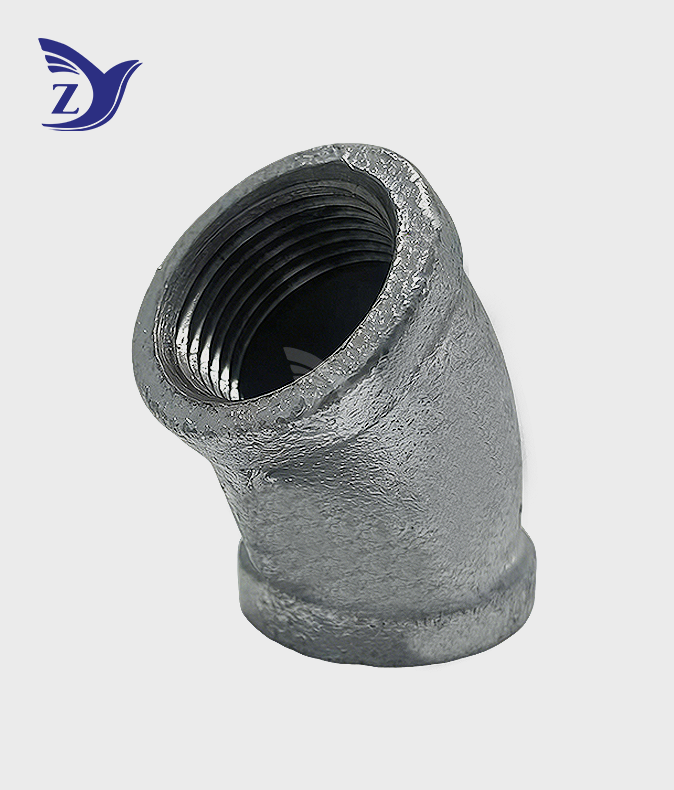
NPT Square Face Galvanized 45° Square Edge Elbow Pipe Fittings
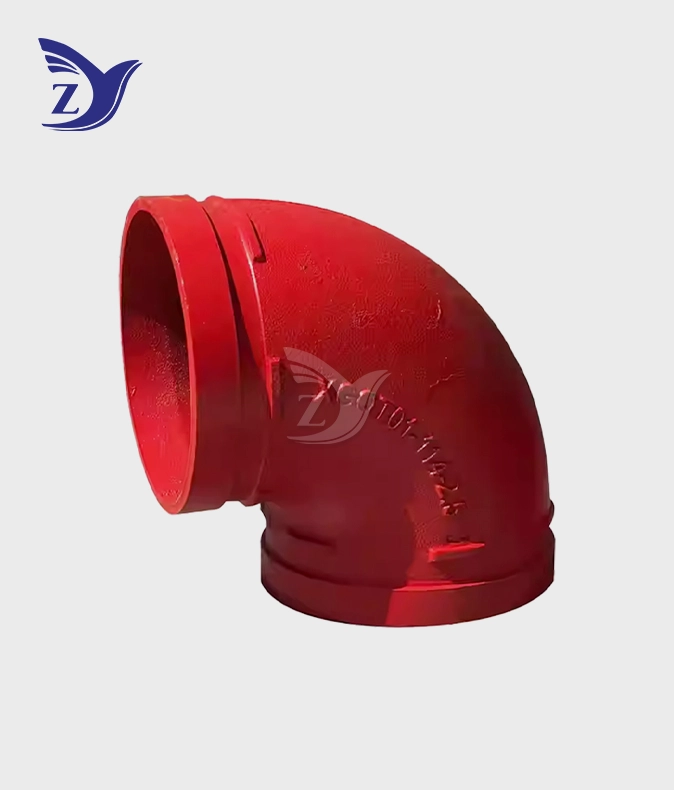
Fire Grooved 90° Elbow
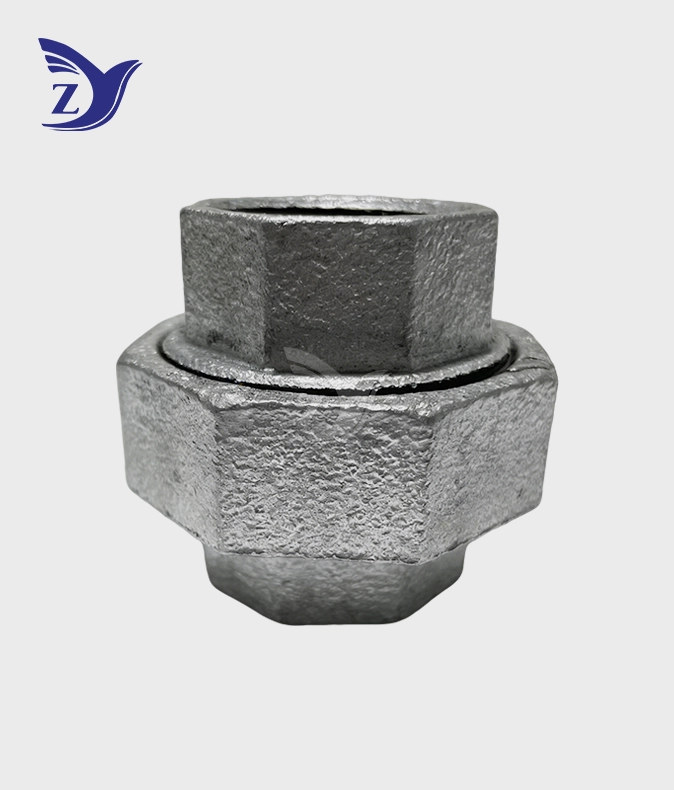
NPT Galvanized Union 342 Pipe Fittings
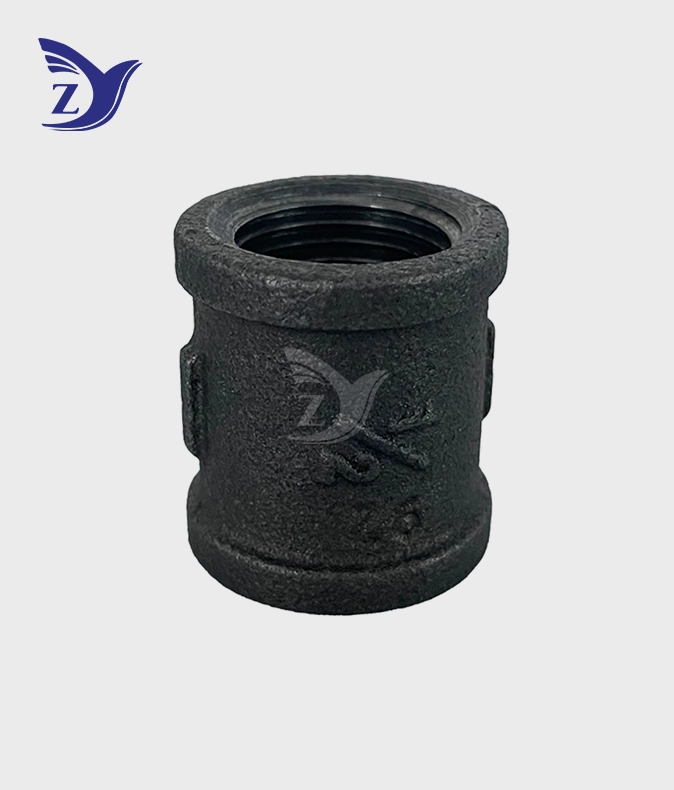
NPT Black Square Face Coupling Pipe Fittings
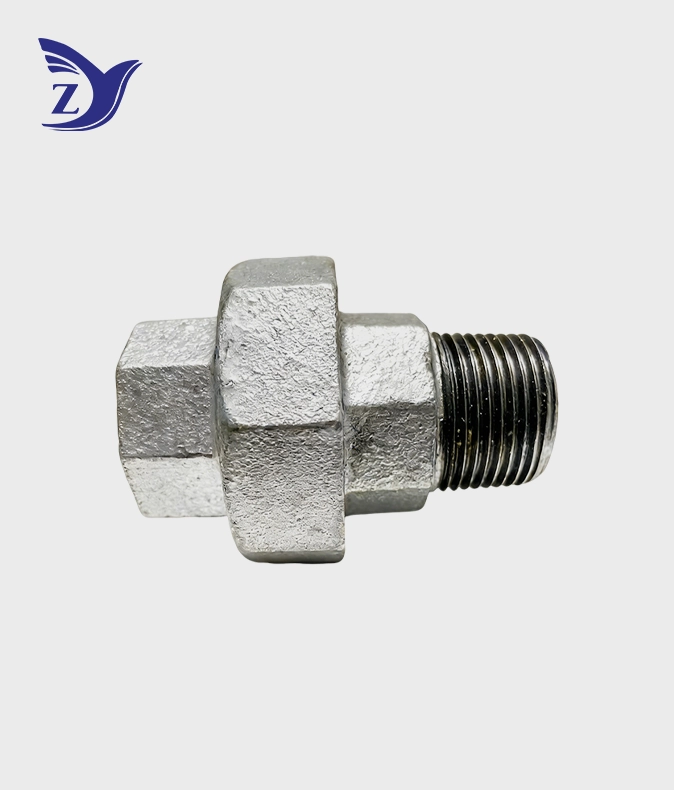
NPT Galvanized Male Female Threaded Union 341 Pipe Fittings
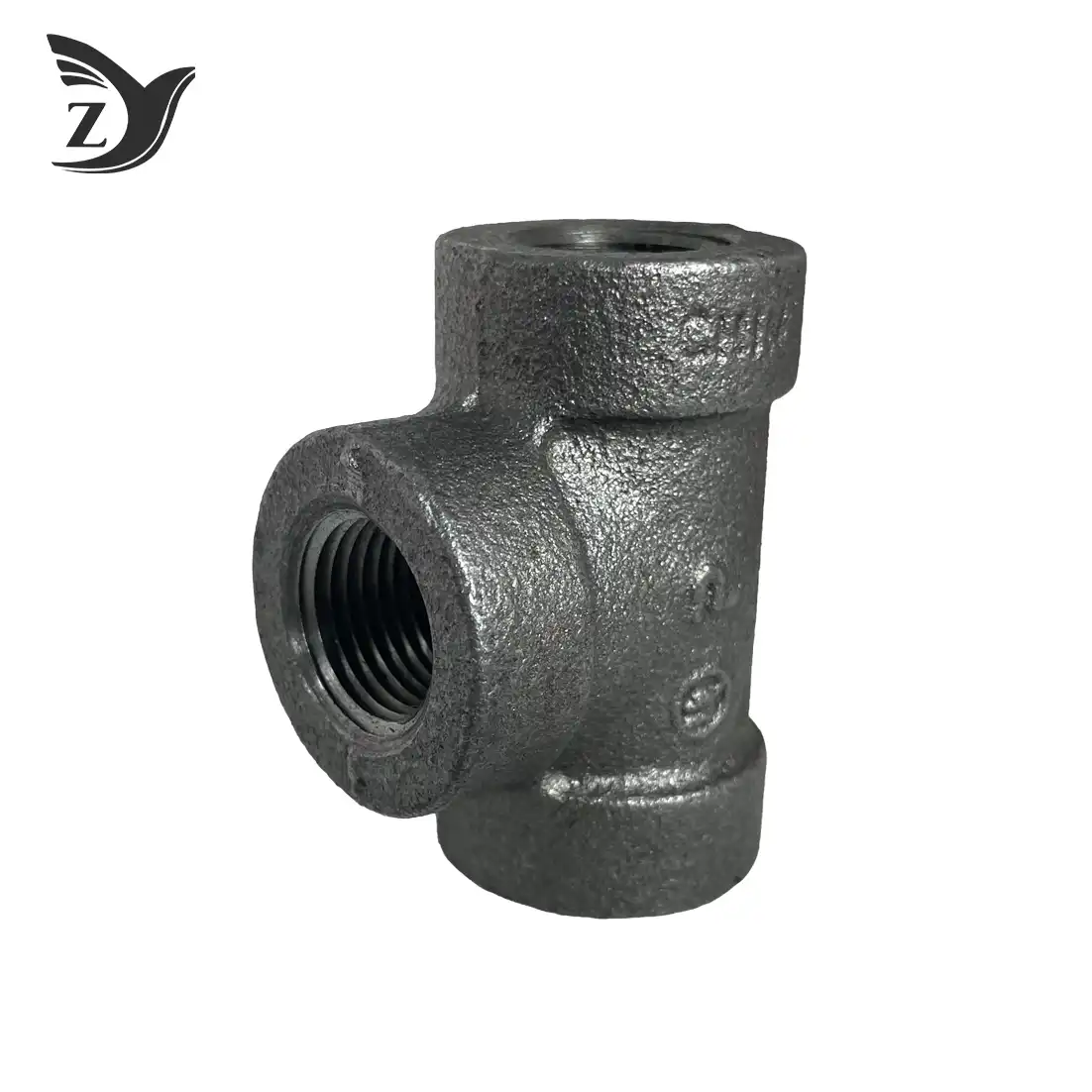
Black 300# Malleable Cast Iron Tee Pipe Fitting
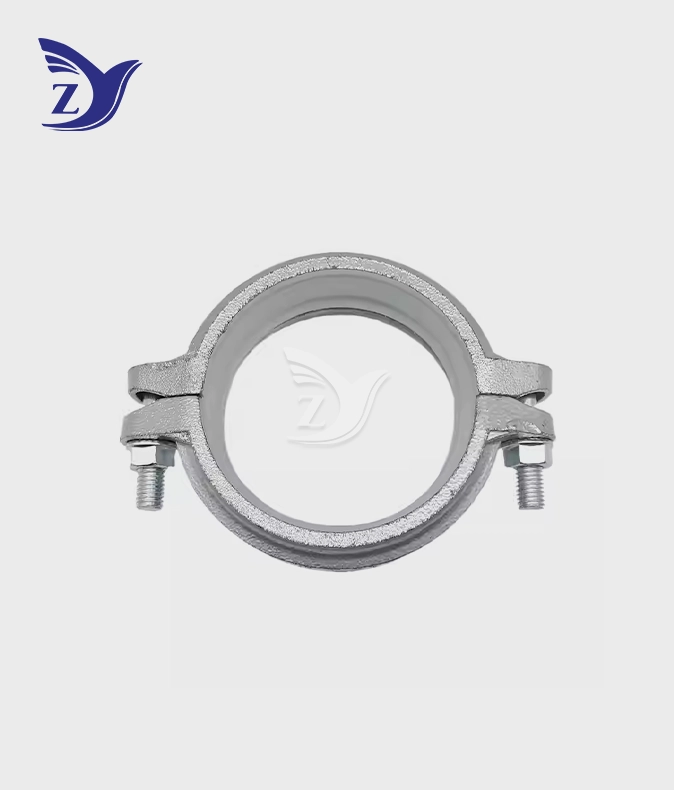
Water Grooved Clamp
NPT Black Male-Female Union 341 Pipe Fittings