
May 14, 2026
What is the function of black round face coupling pipe fitting?
Choosing reliable connections for big industrial pipe projects has a direct effect on the safety, integrity, and operating efficiency of the system. Black round face coupling pipe fittings are important threaded joints that join two straight pipe sections of the same diameter. They make safe, leak-proof assemblies in systems that feed water and gas, protect against fire, provide HVAC and petrochemicals. These bendable iron joiners use precise NPT or BSPT threading to create interference-fit seals. This gets rid of the need for welding while keeping the structure strong and flexible. Their round-faced shape evenly spreads stress across joints, lowering the chance of failure during thermal expansion or vibration. This makes them essential in harsh settings where system downtime costs a lot of money.
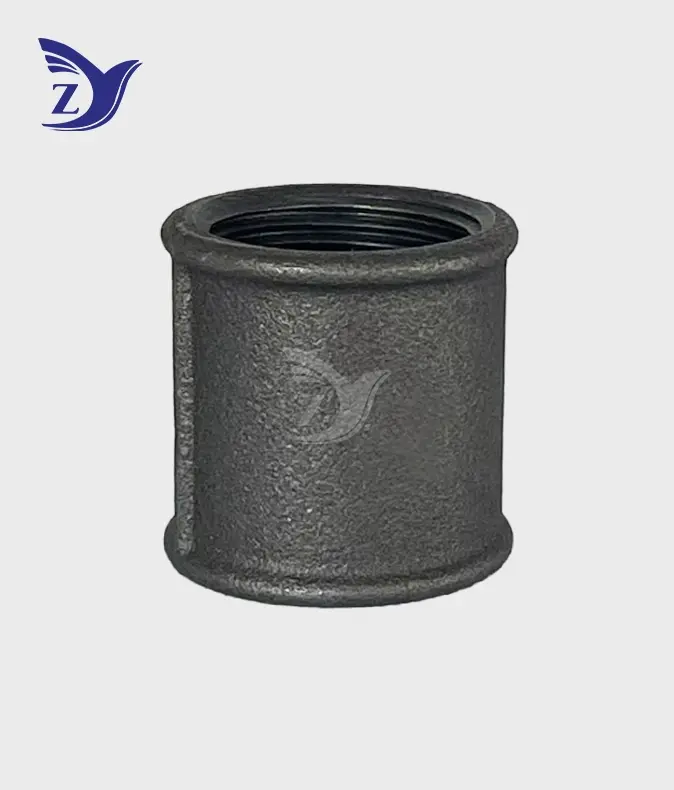
Key Functions and Benefits of Black Round Face Coupling Pipe Fittings
Connectors for industrial piping systems need to be both easy to install and reliable over time. It is possible to meet these needs with durable black round face coupling pipe fittings that can do more than just join pipes together.
Facilitating System Assembly and Modifications
Industrial pipeline connections for water and gas allow quick assembly in the field without the need for special welding tools or hot work permits. Standard pipe wrenches make it easy for maintenance workers to separate and reconnect pipeline pieces. This makes repairs, equipment upgrades, and yearly system changes easier. This modularity is especially useful in city water supply networks where service interruptions need to be kept to a minimum or in chemical processing plants where equipment needs to be rearranged often to keep up with changes in production schedules.
Ensuring Leak-Proof Connections Under Variable Conditions
The strong, corrosion-proof link design keeps the seal strong at temperatures ranging from -20°F to 350°F, so it can be used for both cold and saturated steam services. Pressure levels usually hit 300 psi for water, oil, and gas at room temperature, or 150 psi for steam at 366°F, which meets the requirements of ASME B16.3 Class 150 standards. The round face shape spreads the internal pressure forces widely around the coupling's diameter. This keeps stress levels low, which could lead to cracks spreading. Field tests show that threaded pipe joiners that are placed correctly keep their seals intact through thousands of thermal cycles. This means that they work better than compression fittings or push-to-connect options in situations where temperatures change often.
Reducing Long-Term Maintenance Costs
Because threaded connections are naturally simple, they have lower lifetime costs than welded or flanged systems. Inspection procedures stay simple: looking for surface rust visually, trying joints by hand to make sure they are tight, and retorquing parts on a regular basis in areas with a lot of vibration. When leaks happen, replacement doesn't require as much downtime and doesn't require the cutting, grinding, and welding that are needed for fixed parts. Industrial facilities say that using threaded fittings in visible pipeline sections cuts upkeep costs by 30 to 45 percent. This is especially true in situations where chemical exposure requires regular component replacement.
Types and Specifications of Black Round Face Coupling Pipe Fittings
Professionals in procurement deal with a variety of connection designs that are made to fit the needs of specific applications. Understanding these differences is important for making sure that the system works well and follows the rules in each area. This often involves specifying standard or reducing black round face coupling pipe fittings.
Standard and Reducing Configurations
Standard fittings connect lines with the same standard diameter. They come in sizes from 1/8 inch to 6 inches to fit most industrial needs. Each end of a reducing coupling has a different thread size. This means that you don't need two separate reducer fits, which makes pipeline transfers easier. The internal bore shape keeps the flow smooth, which reduces noise and pressure drop at the connection points. Manufacturers keep tight limits on sizes—usually ±0.005 inches on thread pitch diameter—so that their products can be used with lines that are made to ANSI, BSP, or ISO standards.
Material Variations and Coatings
Black malleable iron is most often used in normal situations, but in some places, better defense may be needed. Some makers make versions that are epoxy-coated, which makes them more resistant to corrosion in underground installations or marine settings, but these changes make the unit cost 15–25% more. Carbon steel connections are used in high-pressure situations where the strength limits of malleable iron become too low. However, because they are less flexible, they need to be installed carefully so that they don't get damaged by overtorquing. Buyers should make sure that the certifications of the materials they are buying match the project requirements. This is especially important when local building rules require certain metal qualities or tests by a third party.
Pressure Rating Classifications
Most industrial-grade black malleable joiners meet the requirements for Class 150 or Class 300 pressure. Class 150 fittings are used in light industrial and standard business settings. Class 300 fittings are used in high-pressure steam systems, hydraulic circuits, or petrochemical installations abroad. The pressure grade is related to the thickness of the wall. For example, Class 300 couplings have walls that are about 40% thicker than Class 150 couplings with the same stated diameters. Procurement teams have to weigh the weight of the pipeline against the pressure that it needs to hold. This is especially important for high-altitude pipeline runs where structural loads affect the space between supports and the cost of installation.
Procurement Guide for Black Round Face Coupling Pipe Fittings
These choices affect how long a project takes, how well it meets legal requirements, and how well the system works in the long run. Structured assessment factors make it easier to choose a source and describe a product like black round face coupling pipe fittings.
Certification and Quality Verification
Manufacturers of black round face coupling pipe fittings with a good reputation keep their ISO 9001 quality management certifications up to date, which shows that they consistently control production. For fire safety purposes, products sold in North America should have FM approval, and for gas distribution systems, they should have UL rating. In Europe, systems need to have a CE mark that says they meet the standards of the Pressure Equipment Directive. Ask for material test results that show the chemical makeup, tensile strength, and hardness values; trustworthy providers will gladly give you these documents. Third-party inspection services can make sure that big orders are compliant. This adds 2 to 4 percent to the cost of buying but gets rid of the risk of fakes.
Bulk Purchasing Considerations
Discounts for buying in bulk usually start at 500 units, and prices drop by 15 to 25 percent at 5,000 units. When buyers specify non-standard sizes, they should weigh the saves on unit costs against the costs of keeping supplies and the risk of items becoming obsolete. Different manufacturers have different minimum order amounts, which can be anywhere from 100 pieces for standard designs to 1,000 units for custom reducing couplings. Lead times range from two to three weeks for things that are in stock to eight to twelve weeks for unique orders that need to be made with a pattern or special finishes. Set up blanket purchase deals with different delivery dates to get better prices on large orders and better control your working capital.
Supplier Evaluation Criteria
Capacity to produce shows dependability in fulfillment; sites that process 30,000 tons of material every year show that they are big enough to handle large building projects without allocation delays. Shipping costs and emergency restocking times depend on how close two suppliers are to each other. For example, domestic suppliers offer 2- to 5-day delivery, while foreign suppliers require 6 to 8 weeks. However, international prices may make up for higher freight costs on planned purchases. Customization is important for projects that need non-standard thread types, special finishes, or changes to the size. Warranty terms show how confident the maker is in the product; normal coverage replaces castings that are found to be defective within 12 months, while longer programs show that the company has better quality control.
Conclusion
Black round face coupling pipe fittings are necessary for connecting pipes in industrial settings where dependability, ease of maintenance, and low cost all come together. Their carefully crafted threaded design makes joints that don't leak and can handle high pressure, temperature, and shaking in fire protection, process pipes, water supply, and gas distribution. The building of malleable iron strikes a balance between strength and flexibility, taking shock loads that would break more brittle materials while staying the same size for decades of use. Procurement workers who know about threading standards, pressure ratings, and installation needs can choose the best options that keep costs low over time and make the system work at its best. This is made possible by sellers who offer guaranteed quality, flexible ordering, and technical support.
FAQ
What factors should guide black round face coupling selection for my project?
Thread standard compatibility is very important. Check to see if your pipes use NPT or BSPT profiles, because mixing standards makes systems that are more likely to leak. The pressure number must be 25–50% higher than the maximum system pressure to account for short-term spikes that happen when the pump starts up or a valve closes. For standard couplings, the size you choose should exactly match the normal pipe diameter. For reducing versions, you need to pay close attention to the flow needs and pressure drop estimates. Specifications for materials rely on what they are being used for. For example, black round face coupling pipe fittings made of malleable iron work well in most water, gas, and steam uses. But chemicals that break down metal may need special coatings or a different type of metalworking.
How does sealing efficiency compare with compression fittings?
Threaded couplings create seals between metals by carefully deforming them. This makes joins that tighten under pressure instead of opening, which is a big benefit in systems with changing pressures. Elastomeric gaskets are used in compression joints, but they break down over time, especially in high-temperature applications above 200°F, where rubber materials lose their flexibility. Field tests show that threaded connections keep their tightness after more than 50,000 pressure cycles, while compression joints usually need to be tightened again after 10,000 to 15,000 cycles. Both technologies can fail during installation, but threaded parts help avoid undertorquing by giving physical feedback as they are tightened.
Can manufacturers provide customized fittings for non-standard requirements?
Well-known companies that offer ODM/OEM services can meet specific needs like thread types that aren't standard, longer body lengths to allow for insulation space, or strengthened wall sections for high-pressure uses. Customization usually needs a minimum order quantity of 500 to 1,000 pieces to cover the cost of the tools, and the development process takes 4 to 8 weeks for engineering review and sample approval. To speed up the quote process and make sure products meet expectations, buyers should include thorough specs such as dimensional drawings, material needs, and relevant standards.
Partner with Zhiyuan Malleable Steel for Reliable Industrial Connections
Zhiyuan Malleable Steel has been making precision-engineered pipe fittings for 26 years, meeting the exact needs of B2B buying workers all over the world. Our yearly production capacity of 30,000 tons makes sure that NPT/BSPT round-edge black malleable joints are always available in more than 1,000 specs. Our ISO 9001, CE, UL, and FM certifications ensure that we meet international quality standards. We know that project deadlines can't be missed, so our strong inventory system makes sure that standard products are delivered within two hours to customers in the area, and our four integrated production workshops give you the freedom to make solutions that fit your specific needs.
As a reliable provider of black round face coupling pipe fittings, we mix cutting-edge production with service that puts the needs of the customer first. Our double-layer cardboard packing keeps items safe while they're shipped around the world, and our strict quality control procedures make sure that every part meets certain standards before it leaves our 50,000-square-meter factory in Shanxi Province. Our technical team is ready to help you with your procurement needs by communicating quickly and offering competitive prices, whether you need big amounts for large-scale infrastructure projects or OEM parts for your own systems. You can email us at q1236800000@gmail.com or visit zymalleablepipefitting.com to talk about how our knowledge of high-strength, corrosion-resistant couplings can help your project succeed and make your supply chain run more smoothly.
References
- American Society of Mechanical Engineers. (2022). "ASME B16.3: Malleable Iron Threaded Fittings - Classes 150 and 300." New York: ASME Standards Publications.
- British Standards Institution. (2021). "BS EN 1562: Founding - Malleable Cast Irons - Material and Performance Specifications." London: BSI Group.
- ASTM International. (2023). "ASTM A197/A197M: Standard Specification for Cupola Malleable Iron." West Conshohocken: ASTM Technical Standards.
- National Fire Protection Association. (2022). "NFPA 13: Installation of Sprinkler Systems - Pipe and Fitting Requirements." Quincy: NFPA Publications.
- McAllister, Eugene W. (2020). "Pipeline Rules of Thumb Handbook: Threaded Connection Design and Installation." Houston: Gulf Professional Publishing.
- Smith, Peter R. and Zappe, R.W. (2021). "Valve Selection Handbook: Engineering Fundamentals for Pipeline Fittings and Connections." Cambridge: Elsevier Technical Press.
Online Message
YOU MAY LIKE
High quality furniture manufacturer
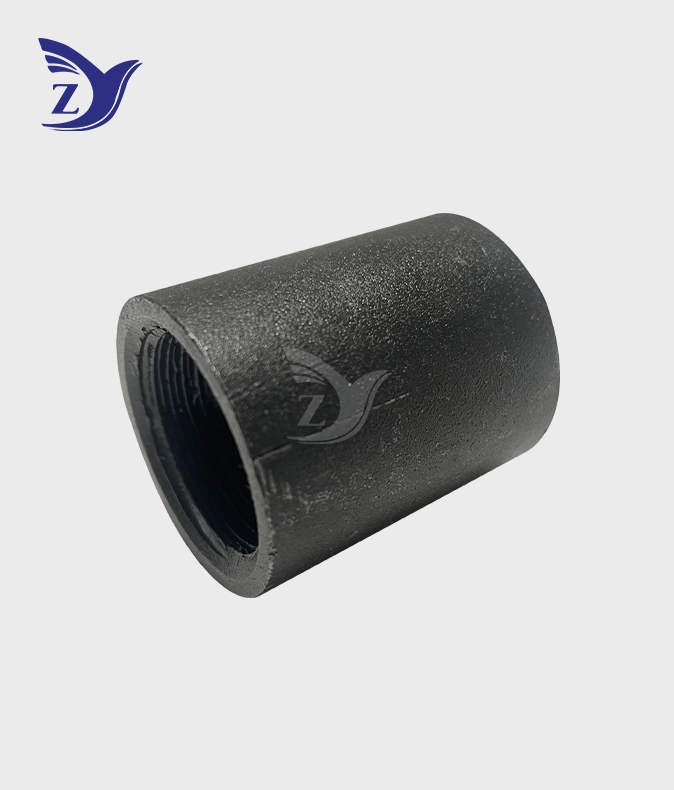
Carbon Steel Full Threaded Coupling Fittings Black Oxide Treated
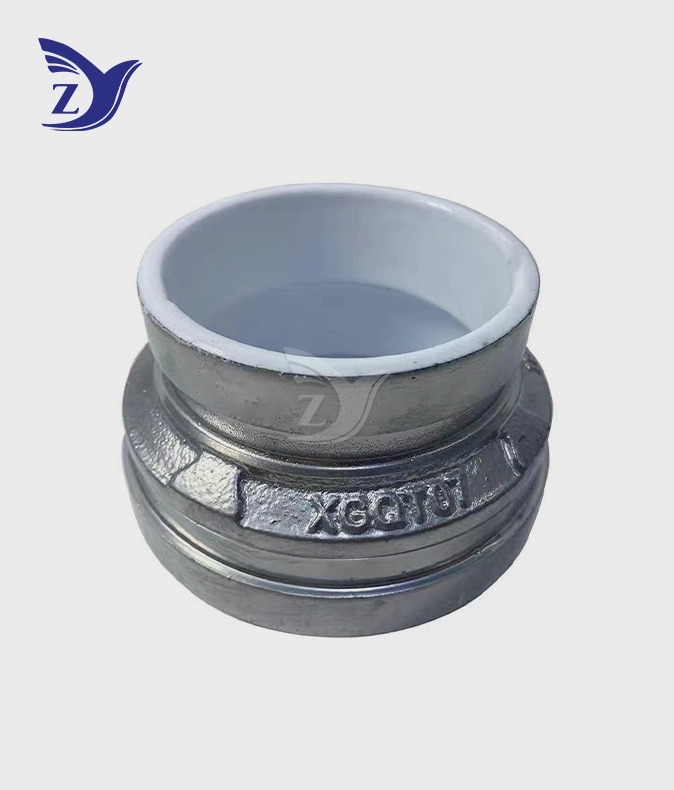
Water Grooved Reducer
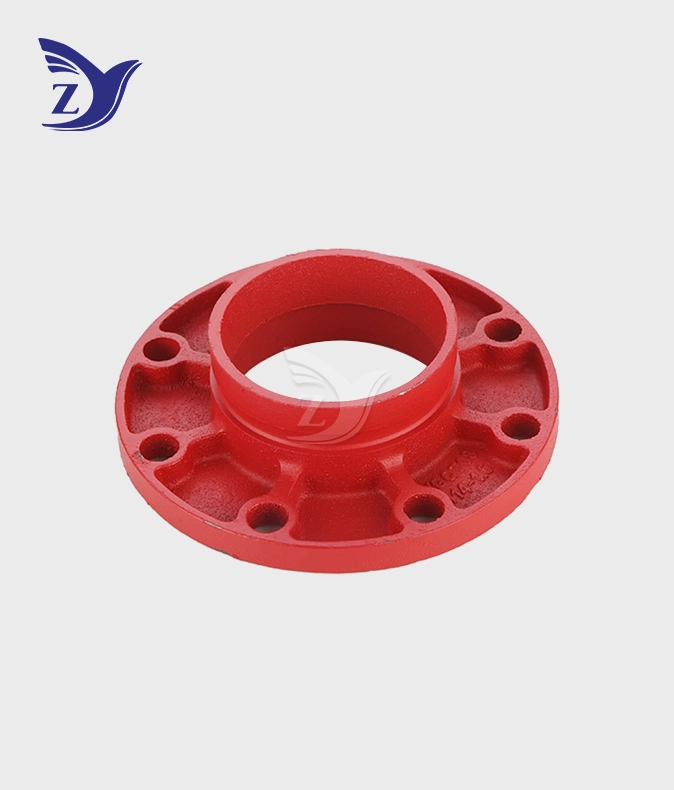
Fire Grooved Flange
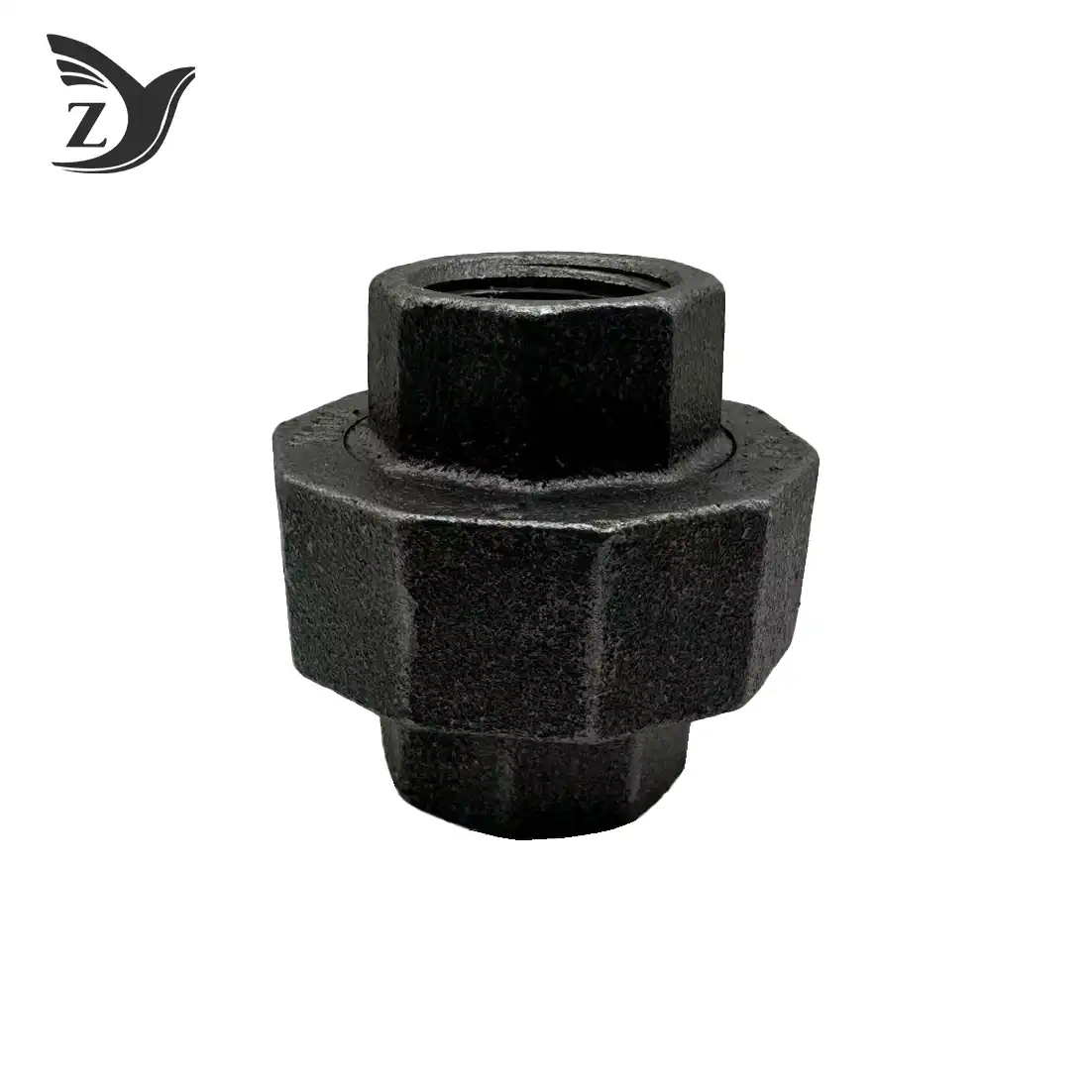
NPT Black Union Class 300 Pipe Fittings
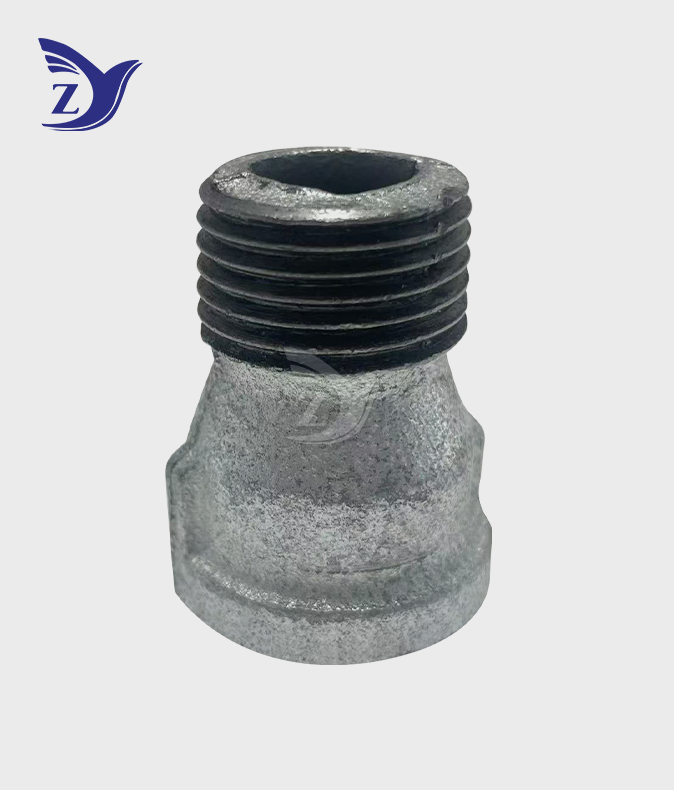
NPT Thread Square Edge Reducing Street Coupling Pipe Fittings
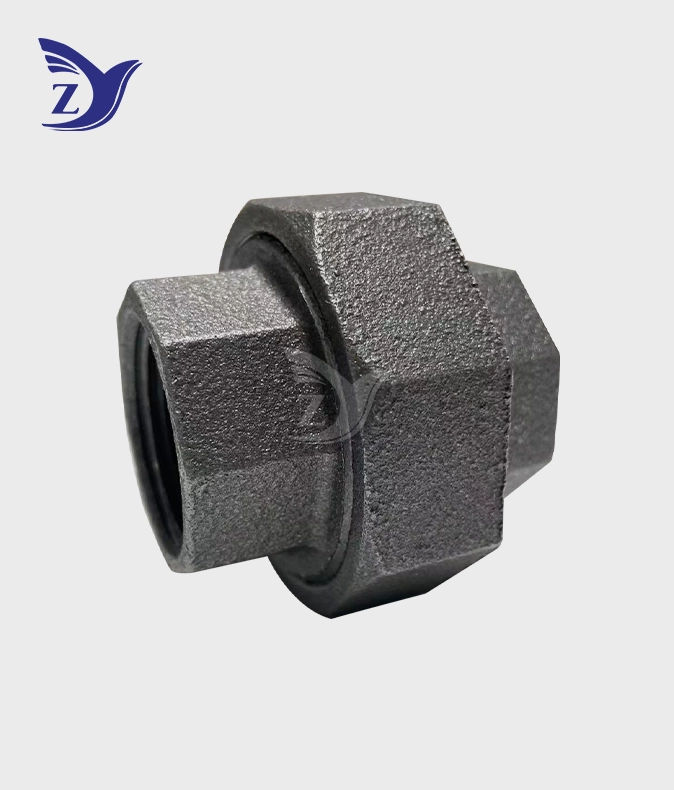
NPT Black Union 340 Pipe Fittings
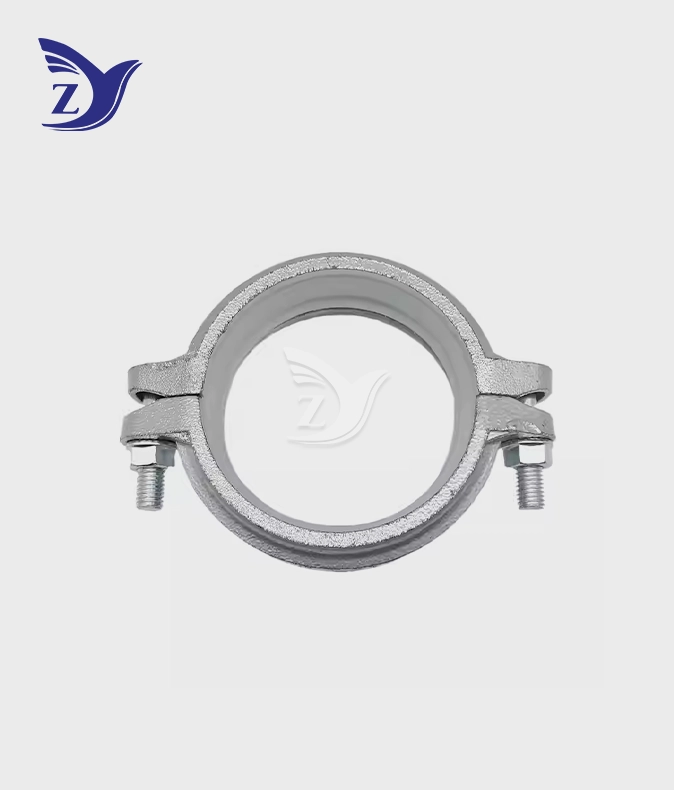
Water Grooved Clamp
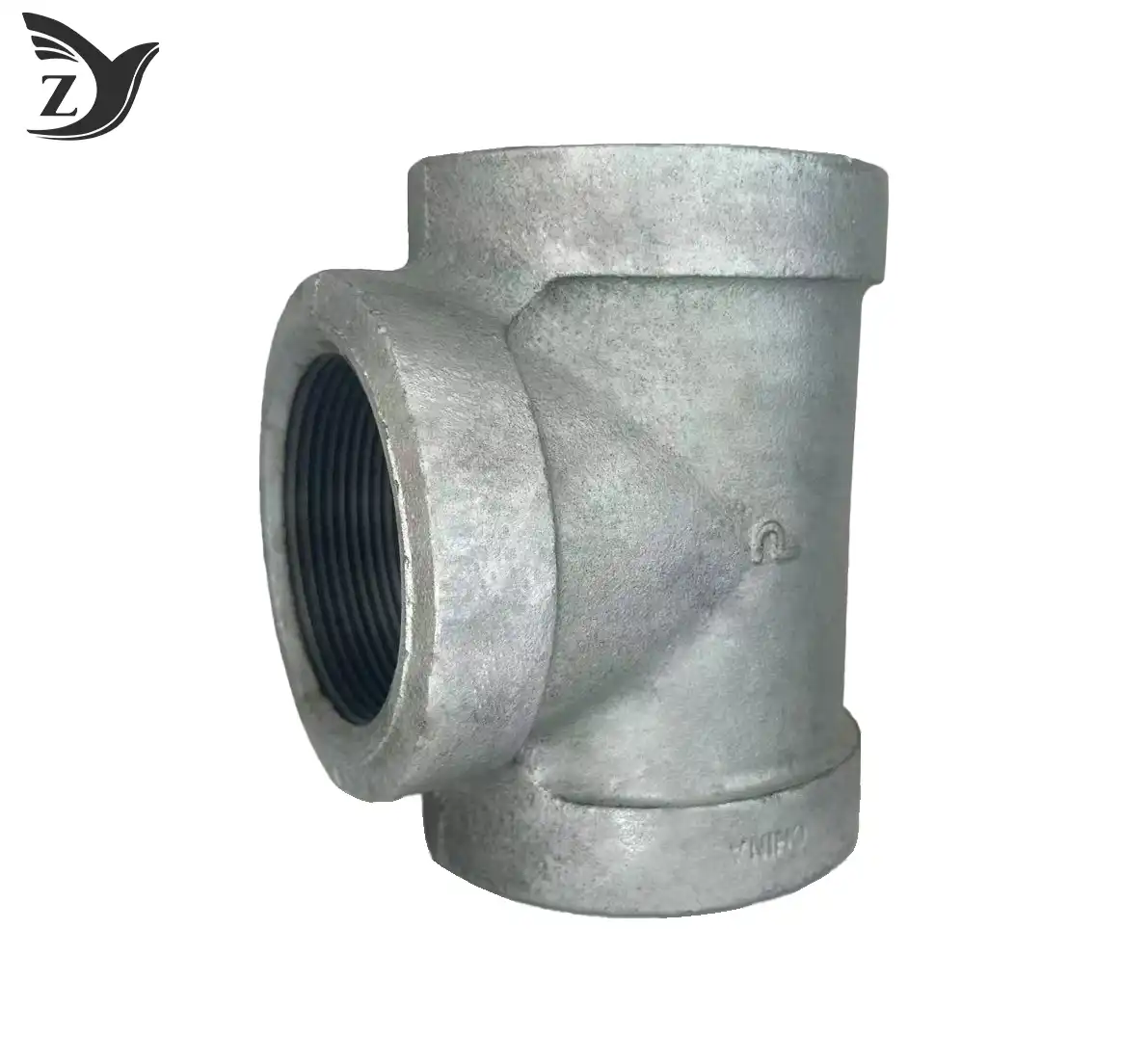
Class 300 Hot Dipped Galvanized Malleable Iron Equal Tee