
May 25, 2026
What is the difference between coupling and beaded galvanized round edge male-female reducing coupling?
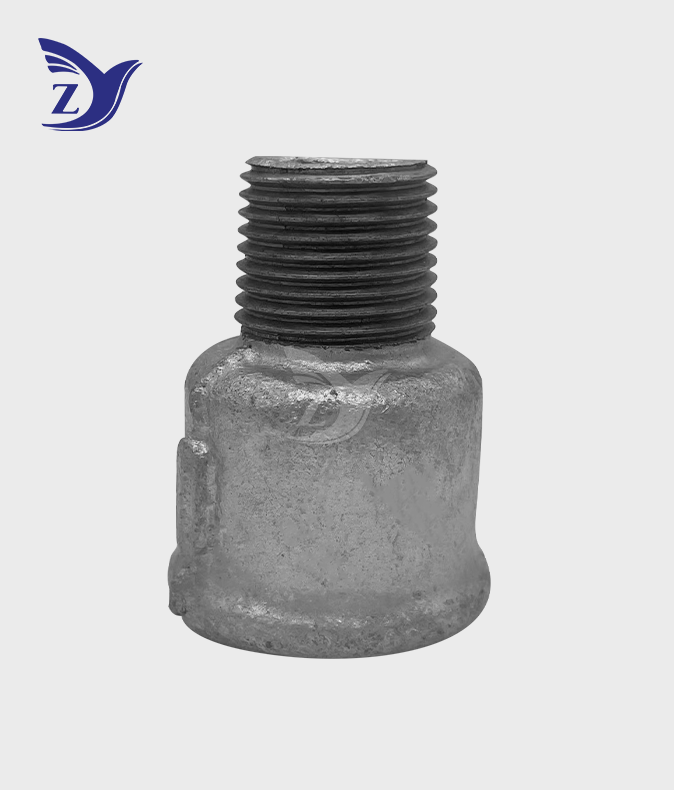
A normal coupling and a beaded galvanized round edge male-female reducing coupling are mostly different in how they work and how well they are designed. Standard couplings are simple joiners that connect pipes with the same width and bolt type. The beaded galvanized roundmale-female reducing coupling, on the other hand, does two things: it changes between pipe sizes and fits male and female threaded interfaces. The beaded reinforcement collar makes the structure stronger under pressure, the round edge keeps installation harm to a minimum, and the hot-dip galvanized finish stops corrosion. These features make it an essential part of many complex industrial uses.
It is very important for plumbing and industrial systems to have galvanized connections because they firmly connect pipes and keep them from rusting. Knowing the differences between the different types of connection is important for making smart buying choices that protect system stability and save money. This guide talks about the differences between general couplings and specialized reducing couplings. It focuses on their specific structural features, applications, and performance benefits to help fire protection contractors, municipal engineers, and industrial procurement teams make the best supply chain decisions.
Understanding Couplings: Basics and Types
Couplings are basic parts that are used to connect pipes so that fluid can flow smoothly through different plumbing systems. There are different kinds and materials of them, like galvanized steel, stainless steel, and brass, and each one is made for a different kind of industrial setting. Most standard connections have the same threading on both ends and can connect pipes of the same diameter without changing the thread types or sizes.
What Makes Reducing Couplings Different
The beaded galvanized round edge male-female reducing coupling has a special design that makes it easy to reduce the size of lines, which makes systems more compatible with a wider range of infrastructure requirements. This dual-threaded reducer lets lines with different nominal sizes (usually between ½" and 4" in industrial settings) connect directly to each other without the need for multiple adapters. These water and gas pipeline diameter transition fittings cut down on possible leak points and make installation easier. They are especially useful for repair projects where the current infrastructure has different specifications.
The Beaded Design Advantage
The "beaded" part is a raised bump on the connection surface close to each threaded end that makes it easier to grip and more stable during installation. This reinforcement collar spreads the torque more evenly when the wrench is tightened. This keeps the threads from distorting or breaking, which can happen in plain connections when workers use too much force. The higher bead also helps you see and feel where to put the wrench, which is especially helpful in tight areas like pump houses and mechanical rooms where mistakes are common during installation.
Key Differences Between Standard Couplings and Beaded Galvanized Round Edge Male-Female Reducing Couplings
The main changes are in the surface texturing, edge design, and way of fitting each gender. When procurement teams know these differences, they can choose parts that meet strict operating standards while also lowering both initial costs and long-term upkeep costs.
Structural Design Elements
Standard connections usually have the same type of female threading on both sides, so they need to be connected to male-threaded nipples or pipes. This beaded galvanized round edge male-female reducing coupling is made for industrial use and has male threads on one end and female threading on the other. It can be used as a corrosion-proof male-female diameter converter. With this setup, you don't need separate bushings and nipples to connect pipes of different sizes or to extend threaded pipe runs that are already in place. The construction of malleable iron, which usually meets ASTM A197 standards, gives it flexibility that keeps it from breaking when temperatures change, which is a problem that often happens with cast iron alternatives in steam and HVAC applications.
Surface Treatment and Protection
For these precision-threaded iron fittings, the hot-dip galvanization process includes submerging the base iron in liquid zinc at a temperature of about 840°F. This forms a coating that is mechanically bonded and about 70–80 microns thick. This high-strength, anti-rust, and moldable adapter layer offers cathodic protection, which means that the zinc corrodes first, protecting the iron underneath. Standard black iron connections don't have this kind of protection, and they need to be painted or coated on a frequent basis if they are used outside or in humid places. This adds costs over time that often outweigh the initial savings.
Thread Compatibility and Sealing
Depending on the manufacturing requirements, NPT/BSPT suitable dual-thread reducers can fit both American National Pipe Taper (NPT) and British Standard Pipe Taper (BSPT) fitting standards. The 1:16 taper ratio makes an interference fit that gets tighter as the parts are put together. This makes a mechanical seal that can be improved with thread sealer or PTFE tape. Precision machining tolerances—usually within 0.002" for thread pitch diameter—ensure uniform sealing performance across production runs. This is very important for fire protection systems that must have leak-proof connections.
Measurement Best Practices for Beaded Galvanized Male-Female Reducing Couplings
The right size and installation of the beaded galvanized round edge male-female reducing coupling are very important for keeping the system's integrity and performance. According to records kept by the industry, installation mistakes cause about 60% of premature fitting failures in industrial pipe systems.
Accurate Measurement Techniques
To measure pipe threads, you need to know the difference between nominal size and actual dimensions. For example, a pipe labeled "1 inch" refers to the approximate inside diameter, not the outside thread diameter. When ordering reducing couplings, you need to know both the larger and smaller nominal sizes that are needed. This is usually written as "1" x ¾"," where the first dimension is the female threaded end. Using thread pitch gauges to check whether existing pipes use NPT or BSPT standards before placing an order can save you a lot of money on mistakes. Digital calipers measuring the thread's outer diameter at the fourth or fifth thread from the pipe end can confirm this. NPT threads measure slightly larger than their BSPT counterparts at equivalent nominal sizes.
Maintenance Considerations
Regular maintenance includes gentle cleaning methods that protect the galvanized coating and the beaded structure's functionality. Do not use wire wheels or rough abrasives that can damage the zinc layer. Visual inspections once a year to look for zinc coating deterioration—indicated by white oxidation products or exposed gray iron—allow early intervention before leaks happen. In chemical processing environments, inspections may need to happen every three months, depending on the exposure conditions.
Choosing the Right Galvanized Reducing Coupling for Your Procurement Needs
When choosing the right beaded galvanized round edge male-female reducing coupling, you have to balance things like cost, longevity, and the needs of your unique application. Procurement teams need to look at more than just unit price to get the best total cost of ownership.
Performance Versus Cost Analysis
If you look at the long-term cost-effectiveness of beaded vs. smooth couplings, you'll see that the higher initial cost of the beaded design is more than made up for by its longer service life and fewer maintenance tasks. This is especially true in situations where replacing the coupling requires system shutdowns, access to scaffolding, or hot work permits, which add to the cost of labor above and beyond the fitting's price. When you calculate lifecycle costs, you should include installation labor, expected service life, maintenance frequency, and failure consequences.
Supplier Evaluation Criteria
When evaluating suppliers, it's important to check their certifications and manufacturing standards to make sure the products are real and consistent. You should ask for proof of their ISO 9001 quality management system certification as well as material test reports that confirm they meet ASTM A197 requirements for malleable iron composition and mechanical properties. Galvanization certificates should also show that the coating thickness meets ASTM A153 requirements. Reputable manufacturers keep track of their products by stamping heat lot numbers on fittings, which lets you check the material properties if any questions come up during the project or inspection.
When planning big projects, production capacity is important. Manufacturers whose annual capacity is more than 30,000 tons can usually handle bulk orders without having to extend lead times or rush production, which could hurt quality. Facility inspection reports or third-party audits show how process controls, testing equipment calibration, and quality assurance procedures make sure that consistency from batch to batch.
Bulk Ordering Considerations
Bulk ordering strategies should account for pricing models, delivery schedules, and customization capabilities. Volume discounts typically become available at threshold quantities—often 500-1,000 pieces for standard sizes—with tiered pricing structures rewarding larger commitments. Inventory stocking programs offered by distributors can provide just-in-time delivery for ongoing projects while securing volume pricing.
For projects to stay on schedule, reliable delivery is important. Top suppliers keep extra stock of common configurations and offer fast production for standard items. Custom specifications, like different thread forms, coatings, or non-standard size combinations, require longer lead times, usually 4 to 8 weeks depending on how complicated the manufacturing process is. OEM and ODM services let distributors serving niche markets change specifications and add their own labels.
Conclusion
Standard couplings can't handle the complicated piping problems that the beaded galvanized round edge male-female reducing coupling can. These couplings' dual functionality—combining size reduction with male-female thread adaptation—eliminates multiple fittings, cutting down on leak points and installation time. The beaded reinforcement, round edge geometry, and hot-dip galvanization provide superior durability in corrosive environments and pressure applications. Knowing these differences helps procurement professionals choose the right parts that balance upfront costs with lifecycle performance, especially in fire protection, municipal infrastructure, and industrial process systems where reliability directly affects safety and operational continuity.
FAQ
What practical benefits do beaded couplings offer compared to non-beaded versions?
The reinforced collar design of beaded couplings improves structural integrity and better distributes installation torque to prevent thread damage. The raised bead acts as a gripping surface for pipe wrenches, lowering the risk of tool slippage that could damage nearby components or hurt installers. This design feature is especially helpful for installations that are done in tight spaces or overhead, where precise tool control is hard to achieve.
Are these fittings compatible with various piping systems beyond steel?
These adapters are mostly made for connecting threaded steel pipes, but they can also work with brass, copper, and other threaded materials if the right transition techniques are used. To stop galvanic corrosion, dielectric unions should be used to separate different metals in buried or permanently wet situations. Always check the thread compatibility—NPT threading is standard in North American systems, while BSPT threading is more common in European and Asian markets.
How do I verify correct sizing and pressure ratings for my application?
To make sure the fittings are the right size, you need to find the inlet and outlet nominal pipe sizes. These sizes are usually marked on the fitting body or written down in the manufacturer's specifications. Pressure ratings depend on the material grade, wall thickness, and temperature. For example, standard malleable iron fittings can handle working pressures up to PN25 (365 PSI) at room temperature. For applications that need to go higher, check the manufacturer's pressure-temperature charts, since the material's strength decreases as the temperature rises.
Partner with Zhiyuan Malleable Steel for Premium Pipe Fitting Solutions
Zhiyuan Malleable Steel delivers precision-engineered beaded galvanized round edge male-female reducing coupling products manufactured to international standards at our 50,000-square-meter facility in Shanxi Province. Our 30,000-ton annual production capacity ensures reliable supply for projects of any scale, with standard products shipping within two hours from our substantial inventory. As a certified manufacturer holding ISO 9001, CE, UL, and FM certifications, we guarantee material traceability and consistent quality through rigorous testing protocols. Our technical team provides ODM/OEM customization services, adapting specifications to meet unique project requirements across fire protection, municipal infrastructure, and industrial applications. Contact our procurement specialists at q1236800000@gmail.com to discuss your beaded galvanized round edge male-female reducing coupling supplier needs, request material test reports, or obtain volume pricing for your upcoming projects. Visit zymalleablepipefitting.com to explore our complete product range and access technical documentation.
References
- American Society for Testing and Materials. (2019). ASTM A197: Standard Specification for Cupola Malleable Iron. West Conshohocken, PA: ASTM International.
- American Society of Mechanical Engineers. (2018). ASME B1.20.1: Pipe Threads, General Purpose (Inch). New York: ASME Standards Committee.
- International Organization for Standardization. (2017). ISO 49: Malleable Cast Iron Fittings Threaded to ISO 7-1. Geneva: ISO Technical Committee.
- National Fire Protection Association. (2020). NFPA 13: Standard for the Installation of Sprinkler Systems. Quincy, MA: NFPA Publications.
- British Standards Institution. (2016). BS EN 10242: Threaded Pipe Fittings in Malleable Cast Iron. London: BSI Standards Publication.
- Manufacturers Standardization Society. (2021). MSS SP-83: Class 150 Malleable Iron Threaded Fittings. Vienna, VA: MSS Technical Committee.
Online Message
YOU MAY LIKE
High quality furniture manufacturer
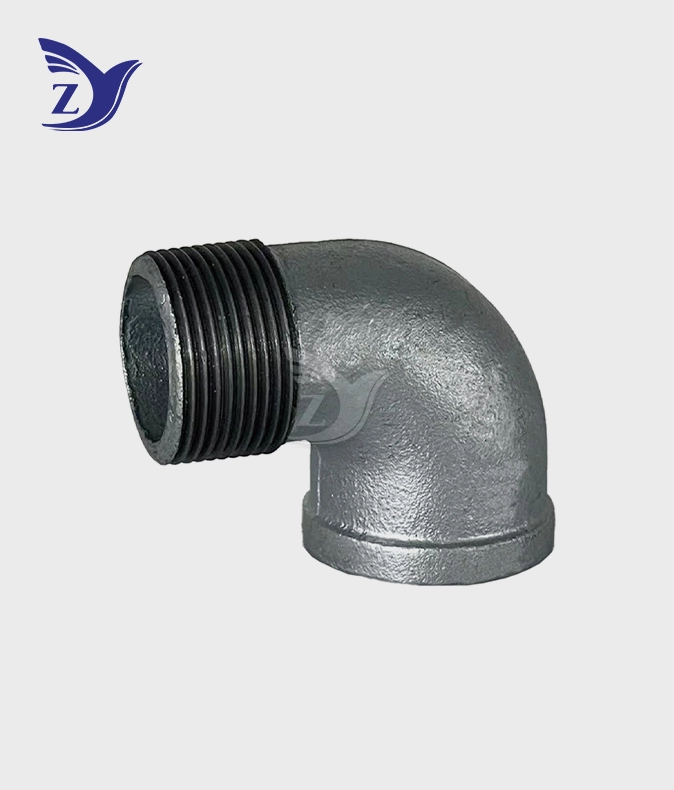
NPT Square Face Galvanized 90° Male Female Threaded Elbow Pipe Fittings
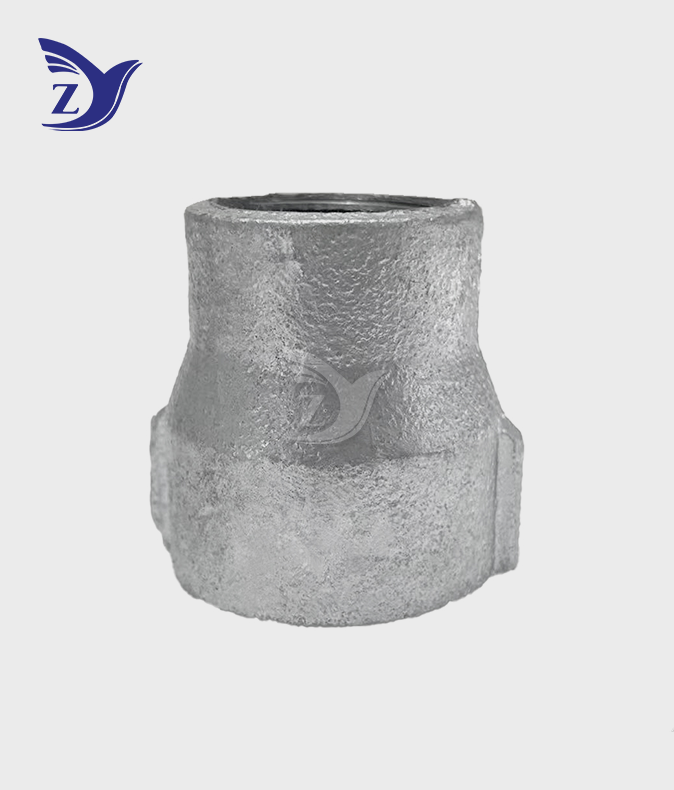
No Hub Electro Galvanized Reducing Coupling Pipe Fitting
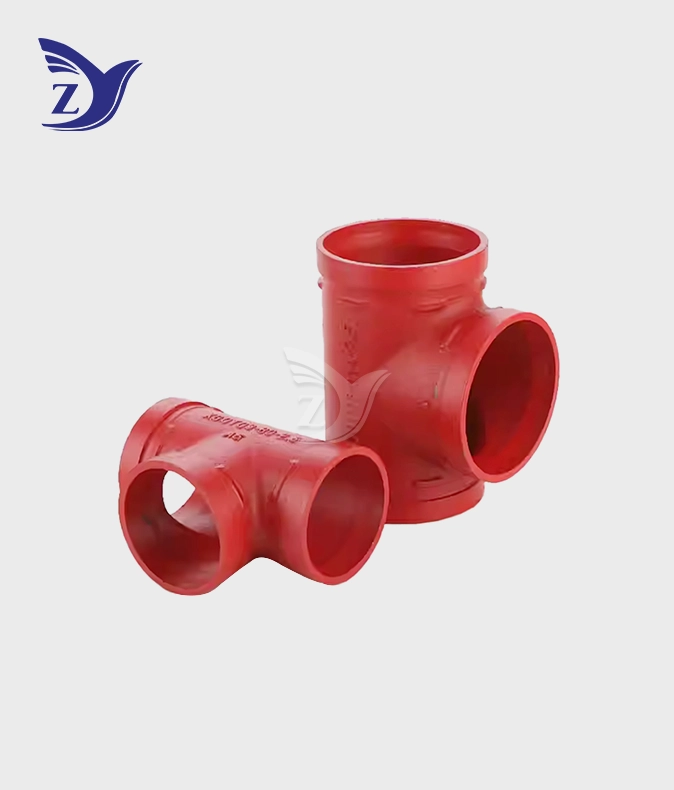
Fire Grooved Straight Tee
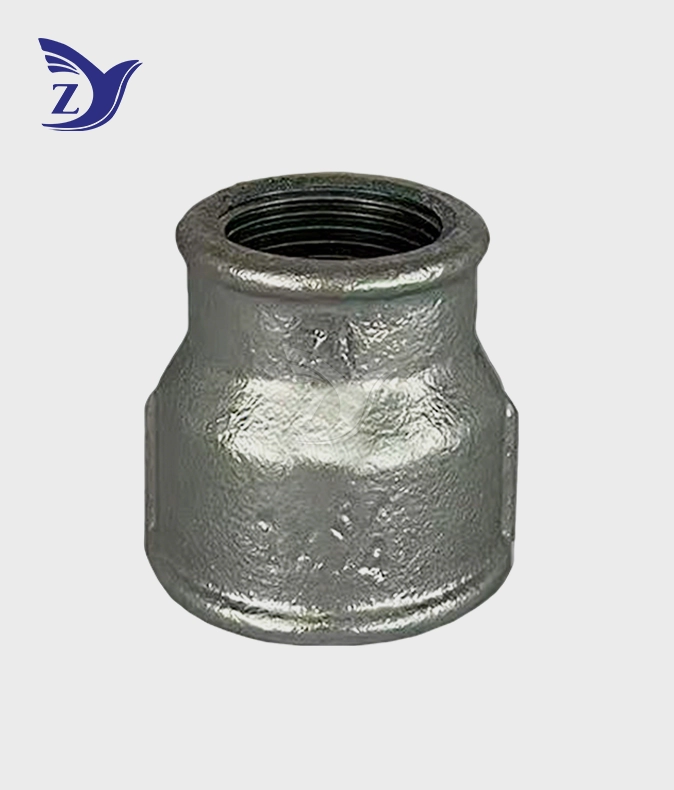
BSPT Round Face Galvanized Round Edge Reducing Coupling Pipe Fittings
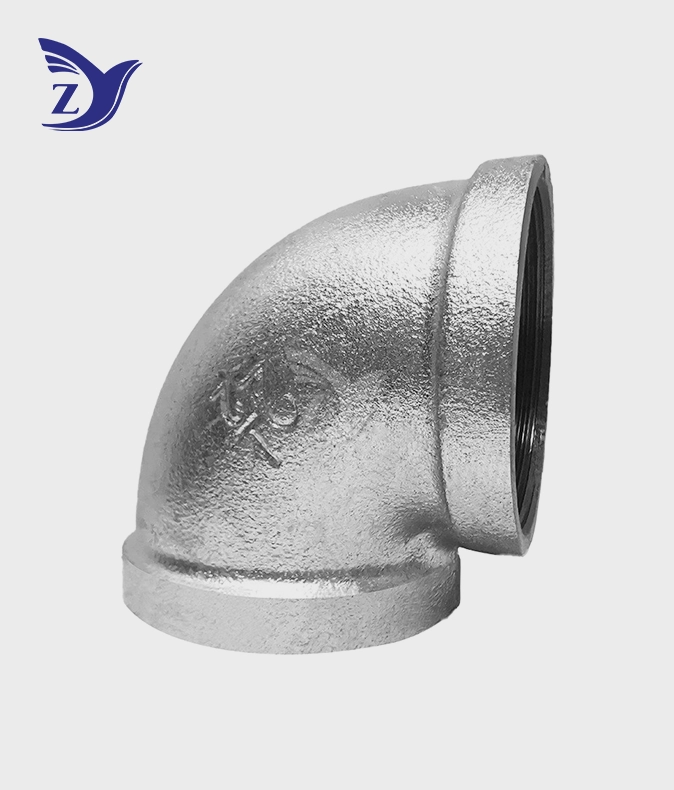
NPT Square Face Galvanized 90° Square Edge Elbow Pipe Fittings
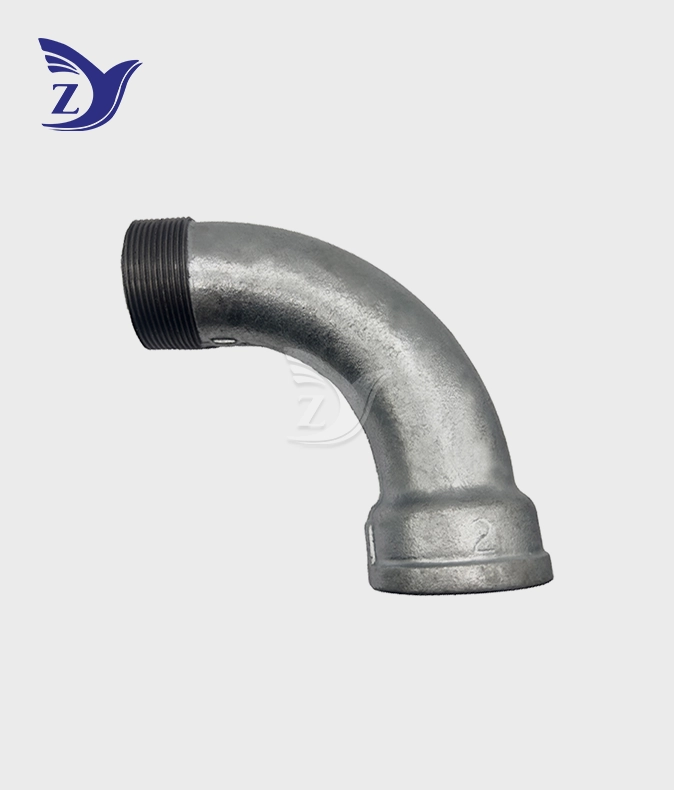
NPT Galvanized Male Female 90° Long Radius Elbow Pipe Fittings
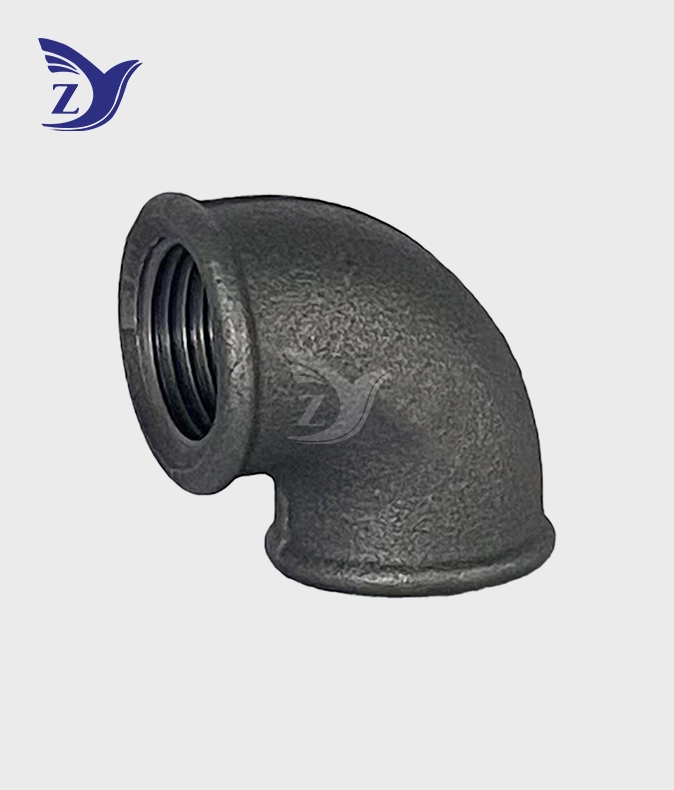
NPT Black Round Face 90° Elbow Pipe Fittings
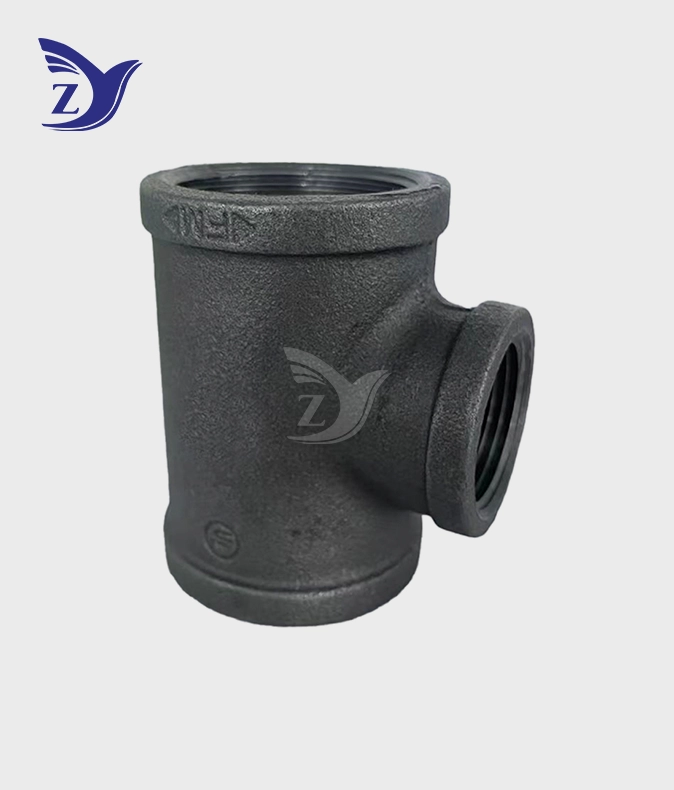
NPT Black Square Face Reducing Tee Pipe Fittings