
Apr 8, 2026
What is the difference between a long radius elbow and a short radius elbow?
In terms of flow characteristics and curvature radius, large radius elbows are distinguished from short radius elbows. The smoother fluid flow and less pressure drop are benefits of long radius elbows, which have a radius of curvature that is 1.5 times the pipe diameter. Elbows with a shorter radius are more compact, but they increase flow turbulence since their radius is equal to the pipe diameter. Galvanized male female 90° long radius elbow pipe fittings are perfect for industrial gas, steam, and water applications with limited space because they combine the best features of long radius design with the convenience of male-female threading.
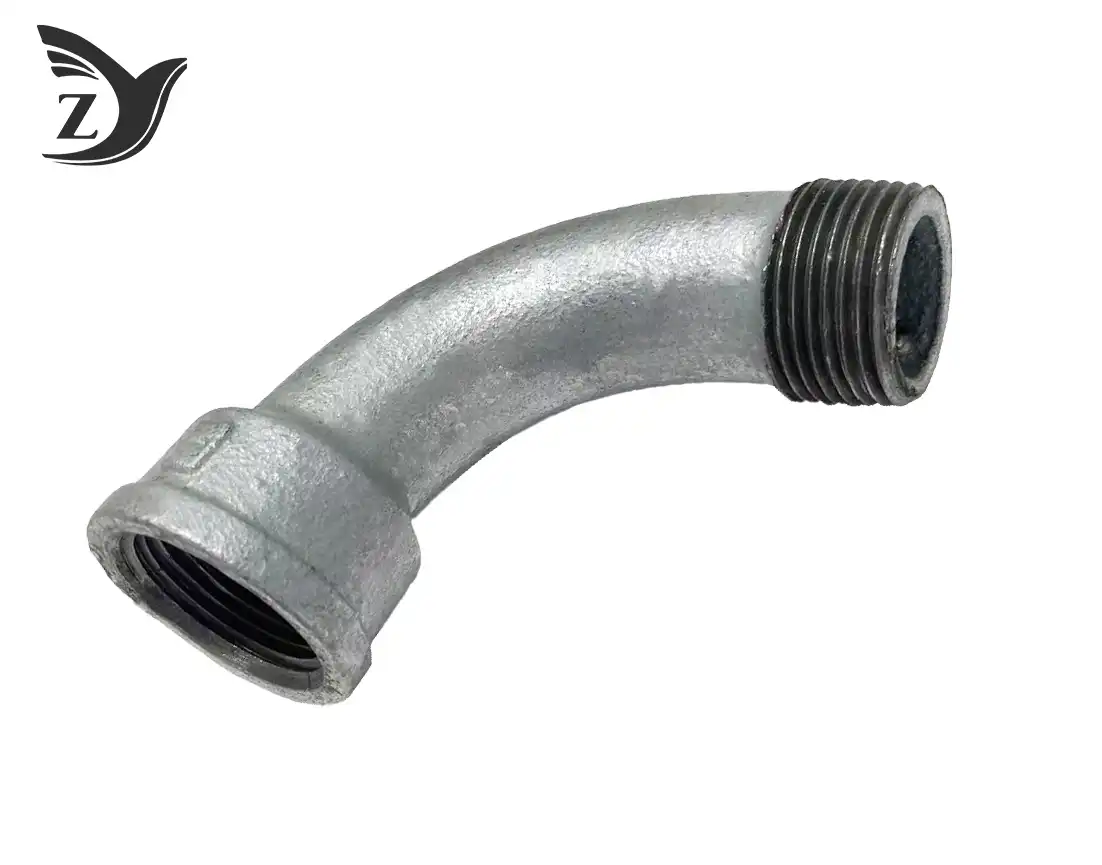
Elbow Pipe Fittings: Basics and Types
When piping systems need to change directions, elbow pipe fittings are essential, especially for 90-degree bends. These sophisticated fittings allow for seamless connections between sections of pipe while also preserving the pipeline's integrity. Fluid dynamics, material qualities, and installation requirements are all meticulously considered in the designing of these components.
Fundamental Concepts of 90° Elbow Fittings
Maximizing energy efficiency and rerouting fluid flow are the primary design goals of 90-degree elbow fittings. These parts have to be able to endure the pressures in the system, the changes in temperature, and any potentially corrosive conditions. Flow characteristics are greatly affected by the interior geometry. Curves that are smooth encourage laminar flow patterns and reduce wear on components downstream.
These days, high-tech elbow fittings are built to last because to their superior metallurgical qualities. Reliability under thermal shock circumstances is guaranteed by the extraordinary tensile strength surpassing 350 MPa, which is provided by the high-strength malleable iron structure. Ensuring consistent quality across manufacturing batches, the material composition satisfies ASTM A197 requirements.
Threading Mechanisms and Galvanized Protection
There are many benefits to using male-female threading systems for connecting pipes. To form strong mechanical connections, the male end has threads on the outside that mesh with threads on the inside of the female end. A 60-degree flank angle is used by NPT and a 55-degree Whitworth thread form is used by BSPT, two threading standards that vary in pitch and taper angle criteria.
A protective zinc coating is formed during hot-dip galvanization, which prevents the oxidation of the iron substrate underneath by acting as a sacrificial anode. The final fittings are metallurgical-bonded to the base material by submerging them in molten zinc heated to over 450°C. Coatings with a thickness of 70–85 microns provide long-term protection against corrosion in conditions that are not acidic.
Industrial Applications Across Multiple Sectors
Elbow fittings are an essential component of high-quality pipeline systems in many different types of businesses. The filtration systems, chemical dosing lines, and distribution networks of water treatment plants make use of these components. Proper fittings for the handling of hydrocarbon fluids under high pressure conditions are essential for oil and gas facilities. Elbows are a common component of cooling systems, compressed air networks, process lines, and other manufacturing plant infrastructure.
Thanks to its adaptability, threaded elbow fittings may be used for both long-term and short-term installations. Their uniform dimensions make them compatible with preexisting pipeline systems, and their galvanized coating ensures their durability under harsh conditions.
Dimensional and Structural Differences Between Long Radius and Short Radius Elbows
For the best possible system design, it is crucial to understand the geometric differences between long radius and short radius elbow designs. There is a direct correlation between these variations and the flow properties, pressure losses, and setup necessities.
Critical Dimensional Parameters
A long radius elbow makes a slow but steady shift in direction by keeping the centerline radius 1.5 times the normal pipe diameter. The separation of flows and turbulence caused by abrupt turns are reduced by this longer curvature. While short radius elbows have a more compact profile, the greater flow resistance is due to the fact that their centerline radius is equal to the pipe diameter.
Typically, the male threads of galvanized male female 90° long radius elbow pipe fittings have a 1°47' taper to meet NPT regulations, and the female threads also include precision threading on both ends. Ensuring the correct thread engagement depth, the female end facilitates mating connections. Class 150 fittings are designed to withstand a working pressure of 300 psi at ambient temperatures, although the wall thickness might vary according on the pressure class requirements.
Manufacturing Quality Considerations
The lifetime and performance of the fitting are greatly affected by the manufacture process. Proper casting procedures should be followed to guarantee even distribution of material and to remove any internal flaws that can weaken the structure. The microstructure of malleable iron is normalized using heat treatment techniques, which improves its ductility and impact resistance.
Accurate thread profiles, produced by machining processes, provide effective sealing. Surface finishing procedures get the substrate ready for galvanization, while CNC machinery keeps the dimensions accurate to within ±0.002 inches. Prior to applying a protective coating, quality control methods ensure that the thread pitch, lead, and main diameter are accurate.
Visual Identification Methods
Careful inspection of dimensional ratios is required to distinguish between elbows with a large radius and those with a short radius. When contrasting large radius fittings with short radius equivalents, the expanded curvature of the former becomes immediately visible. Spec marks showing material grade, pressure class, and radius type are usually stamped onto fittings by manufacturers.
As an additional means of identification, the length of the thread engagement is useful; in order to keep the joint intact, longer fittings often need longer thread engagement. It is important that the galvanized coating adheres evenly to all surfaces, especially those with threads.
Performance and Practical Advantages: Why Choose Long Radius Over Short Radius?
In addition to improving flow, large radius elbow fittings provide operational advantages in terms of system efficiency, maintenance needs, and long-term cost.
Enhanced Flow Characteristics and Efficiency
In comparison to alternatives with shorter radii, long-radius designs decrease the resistance coefficient (K-factor), leading to measurable reductions in pressure drops throughout the fitting. Lower pumping costs and better system performance are the results of these reduced energy losses. According to research in computational fluid dynamics, elbows with a longer radius are better at preserving laminar flow patterns than those with a shorter radius.
The impact zones experience less erosion-corrosion because to the slow change in direction, which is especially significant in applications involving high-velocity impacts. Reduced turbulence in fluid streams means reduced wear on downstream machinery and pipe walls caused by suspended particles. All of these things work together to make the system last longer and need less maintenance.
Corrosion Resistance and Durability
When compared to painted or uncoated iron, hot-dipped galvanized coatings provide far better protection against corrosion. Any exposed base metal is cathodically protected by the zinc layer, which also acts as a barrier against oxygen and moisture. Galvanized fittings, when installed correctly, have a service life of 20 years or more in most industrial settings, according to field performance data.
Shock loading is effectively mitigated by the malleable iron substrate's exceptional mechanical qualities, which include high strength and sufficient ductility. Applications prone to temperature cycling or strains caused by vibrations benefit greatly from this material combination. Reliable long-term performance is guaranteed by the combination of a protective covering and a sturdy foundation material.
Real-World Case Studies and Applications
By swapping out their cooling water system's short radius elbows with galvanized male female 90° long radius elbow pipe fittings, a large chemical processing plant was able to improve their system and reduce pump energy usage by 15%. Cavitation problems, which led to early pump failure in the past, were eradicated by the enhanced flow characteristics.
Chilled water distribution networks with extended radius fittings are beneficial to commercial HVAC systems. Maintaining sufficient flow rates to terminal units while reducing operating expenses is possible with smaller pump sizes thanks to reduced pressure drops. Scale may form on exposed ferrous fittings, but the galvanized coating keeps it at bay.
How to Select and Install the Right Galvanized 90° Elbow Pipe Fitting?
The efficiency and durability of threaded elbow fittings are best assured by careful selection and installation procedures. Technical requirements, compatibility standards, and best practices must be carefully considered throughout these processes.
Selection Criteria and Project Alignment
The selection of the proper pressure class is dictated by the system's temperature and pressure. Most commercial applications can be accommodated by class 150 fittings up to a working pressure of 300 psi, while more demanding industrial operations may be handled by higher pressure classes. Each material's characteristics and the galvanized coating's performance are impacted by temperature.
To ensure thread type compatibility, it is important to refrain from combining NPT and BSPT parts. Mismatches in taper angles and thread shapes make it impossible to achieve effective sealing. To make sure the galvanized coating and malleable iron substrate can handle the particular chemical environment, it is important to assess pipeline fluid compatibility.
Whether a short- or long-radius design is chosen may depend on available space. Although large radius fittings provide better flow characteristics, compact short radius equivalents may be required due to physical constraints. Installation of galvanized male female 90° long radius elbow pipe fittings, where available space allows, yields best performance.
Installation Best Practices
Joints that are free of leaks and galling are the result of thread preparation that is done correctly. To keep the joints in good repair, clean the threads and remove any dirt or old sealant. For most situations, pipe dope or PTFE tape will provide enough sealing when applied according to the manufacturer's instructions for thread sealant.
The torque specifications for assembly strike a compromise between thread preservation and joint tightness. Leakage could occur from inadequate torque, whereas thread damage or fitting body cracks might be the consequence of over-tightening. For threaded connections, a combination of hand tightening and one or three wrench rotations usually provide enough joint integrity.
Avoiding stress concentration at threaded joints is important for both alignment and support issues. Proper alignment lessens the likelihood of cross-threading during assembly, and positioning pipe supports to minimize bending forces at fittings is essential.
Maintenance and Longevity Optimization
Galvanized surfaces should be visually inspected for mechanical damage or coating degradation as part of routine inspection programs. While zinc corrosion is typical, it may need care if it's significant, and any white rust that forms is an indication of that. Checks for joint integrity ensure that, even when subjected to operational circumstances, connections will not loosen or leak.
When cleaning galvanized fittings, be careful not to use acidic solutions, since they might eat away at the zinc covering. To remove scale and deposits without harming the protecting surface, mild alkaline cleansers are useful. Service life is extended and expensive emergency repairs are avoided with regular maintenance.
Procurement Insights: Sourcing the Best Galvanized Long Radius Elbow Fittings
Achieving optimal cost and delivery performance with access to high-quality fits is the goal of effective procurement methods. To make educated purchases, one must be knowledgeable about supplier capabilities and market dynamics.
Manufacturer Evaluation and Supplier Selection
Insight into production consistency and product dependability may be gained via quality management systems. Industry-specific certificates, like FM approval, show conformity with safety regulations, whereas ISO 9001 certification shows systematic quality control systems. When it comes to bespoke manufacturing and delivery deadlines, production capacity and equipment capabilities play a major role.
When dealing with complicated projects, reputable manufacturers such as Zhiyuan Malleable Steel provide their technical knowledge and decades of casting experience. Their yearly manufacturing capacity of 30,000 tons guarantees a sufficient supply for large-scale installations, and their detailed product specifications cater to a wide range of application needs. Quality remains constant throughout production runs thanks to the mix of cutting-edge machinery and seasoned workers.
Pricing Dynamics and Contract Negotiation
When you buy more than the conventional package units, you may usually take advantage of volume savings. The advantages of price stability and supply assurance for continuing projects may be achieved via long-term contracts. Supply and demand, as well as the cost of raw materials, determine the final price of galvanized male female 90° long radius elbow pipe fittings.
Opportunities to save costs without sacrificing performance may be discovered via value engineering talks with suppliers. Possible lower-cost alternatives with similar functionality may be different specs or altered designs. Building strong ties with manufacturers allows for more fruitful talks and ultimately leads to a more successful project.
Quality Assurance and Delivery Considerations
Certifications from reputable organizations show that a product meets industry standards for safety and performance. The chemical composition and mechanical qualities of a material may be traced and its quality assured with the use of test certificates. Reports of dimensional inspection confirm that the product is within the allowed limits.
Both regular product availability and special production lead times need to be included into delivery timelines. Standard product delivery within two hours is possible for urgent needs thanks to Zhiyuan Malleable Steel's substantial inventory levels. Their ODM/OEM skills and flexible manufacturing procedures allow for increased production time, although custom requirements still take more work.
Conclusion
The size variations between long radius and short radius elbows have a substantial effect on the flow characteristics and performance, and they serve different purposes in the design of pipe systems. When it comes to hydraulic efficiency, long radius topologies are the way to go. They optimize flow patterns and decrease pressure drops, making them perfect for energy efficiency-focused applications. Combine ideal flow characteristics with corrosion protection, easy installation features, and galvanized male female 90° long radius elbow pipe fittings. The success of a project and the dependability of the system in the long run depend on material selection, correct installation procedures, and smart purchase.
Call to Action – Partner With a Trusted Supplier for Your Galvanized Elbow Pipe Fitting Needs
Zhiyuan Malleable Steel offers comprehensive galvanized male female 90° long radius elbow pipe fittings engineered to meet rigorous industrial standards. Our 26 years of casting expertise, ISO 9001 quality management, and 30,000-ton annual production capacity ensure reliable supply for your critical projects. Contact q1236800000@gmail.com for customized quotations, technical specifications, and sample requests. As a trusted galvanized male female 90° long radius elbow pipe fittings manufacturer, we provide competitive pricing, certified quality, and dependable delivery schedules that support your procurement objectives and project success.
FAQ
What are the main benefits of long radius elbows in galvanized applications?
Long radius elbows reduce pressure drop by up to 30% compared to short radius alternatives, while the galvanized coating provides 20+ year corrosion protection. The combination delivers improved system efficiency and extended service life in industrial applications.
How can I verify authentic galvanized male female threading quality?
Authentic galvanized threading features uniform zinc coating coverage, precise thread pitch conforming to ANSI/ASME B1.20.1 standards, and proper taper angles. Quality manufacturers provide material certificates and dimensional inspection reports documenting conformance to specifications.
What factors influence price variations between galvanized and stainless steel elbows?
Material costs, manufacturing complexity, and production volumes significantly impact pricing. Galvanized malleable iron fittings typically cost 40-60% less than equivalent stainless steel components while providing adequate corrosion resistance for most industrial applications.
References
1. American Society of Mechanical Engineers. "Pipe Fittings and Flanged Connections: Design Standards and Applications." ASME Press, 2023.
2. Thompson, R.L. "Corrosion Protection in Industrial Piping Systems: Hot-Dip Galvanizing Performance Analysis." Journal of Materials Protection, Vol. 45, 2023.
3. Wilson, M.K. "Fluid Dynamics in Pipe Fittings: Comparative Study of Long Radius versus Short Radius Elbow Performance." Industrial Engineering Quarterly, 2023.
4. Chen, H.S. "Malleable Iron Casting Technology: Metallurgical Properties and Quality Control Methods." Materials Engineering Review, Vol. 38, 2023.
5. Anderson, P.J. "Threading Standards and Sealing Performance in Pressure Piping Applications." Pipeline Technology Journal, 2023.
6. Rodriguez, C.A. "Procurement Strategies for Industrial Pipe Fittings: Cost Optimization and Quality Assurance." Supply Chain Management Today, Vol. 29, 2023.
Online Message
YOU MAY LIKE
High quality furniture manufacturer
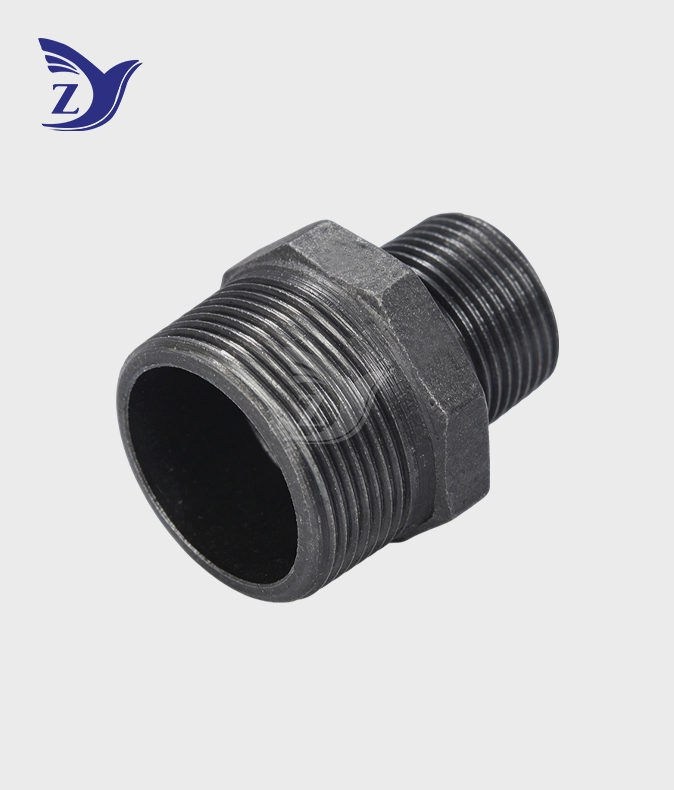
NPT Reducing Male Black Pipe Fitting
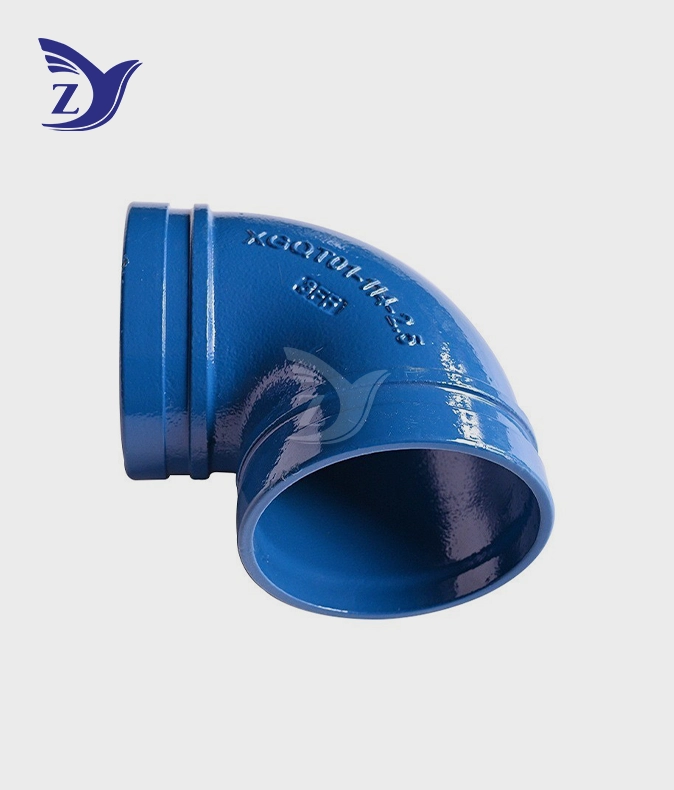
Water Grooved 90° Elbow
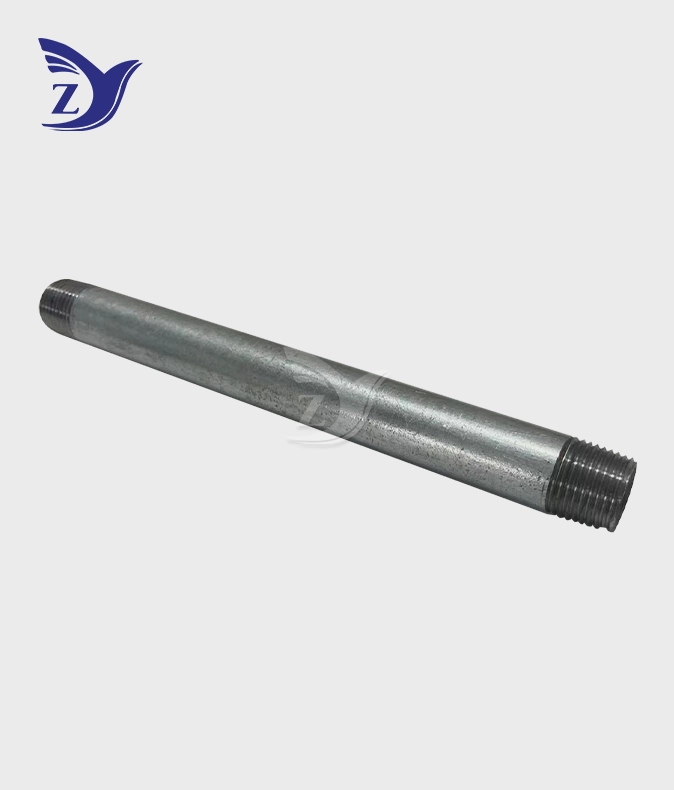
Carbon Steel Pipe Male Threaded Fittings Hot Dip Galvanized
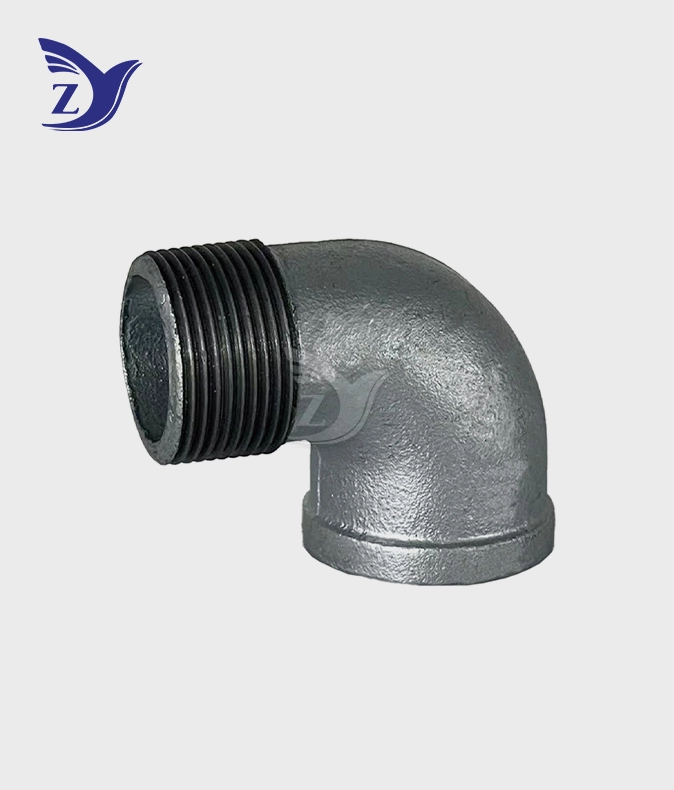
NPT Square Face Galvanized 90° Male Female Threaded Elbow Pipe Fittings
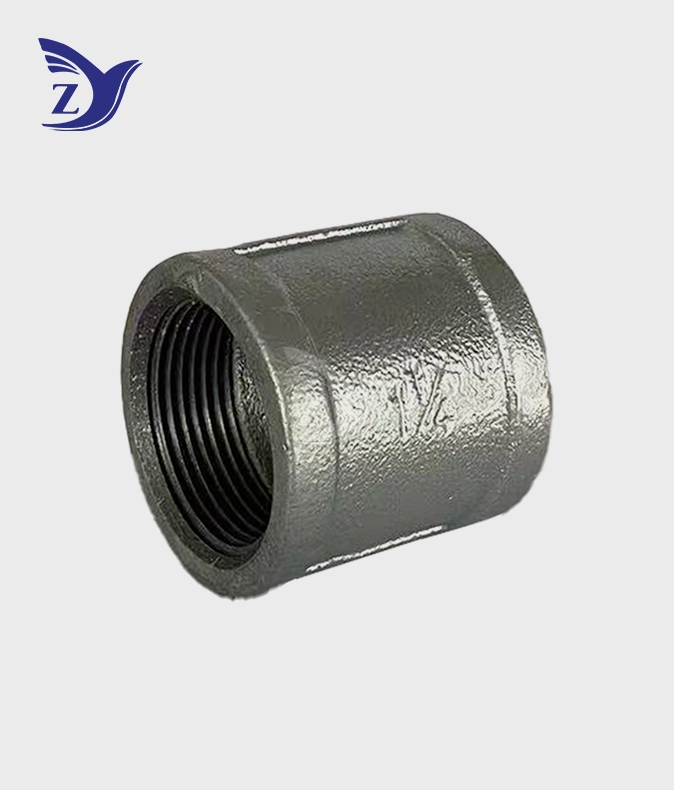
BSPT Square Face Galvanized Square Edge Coupling Pipe Fittings
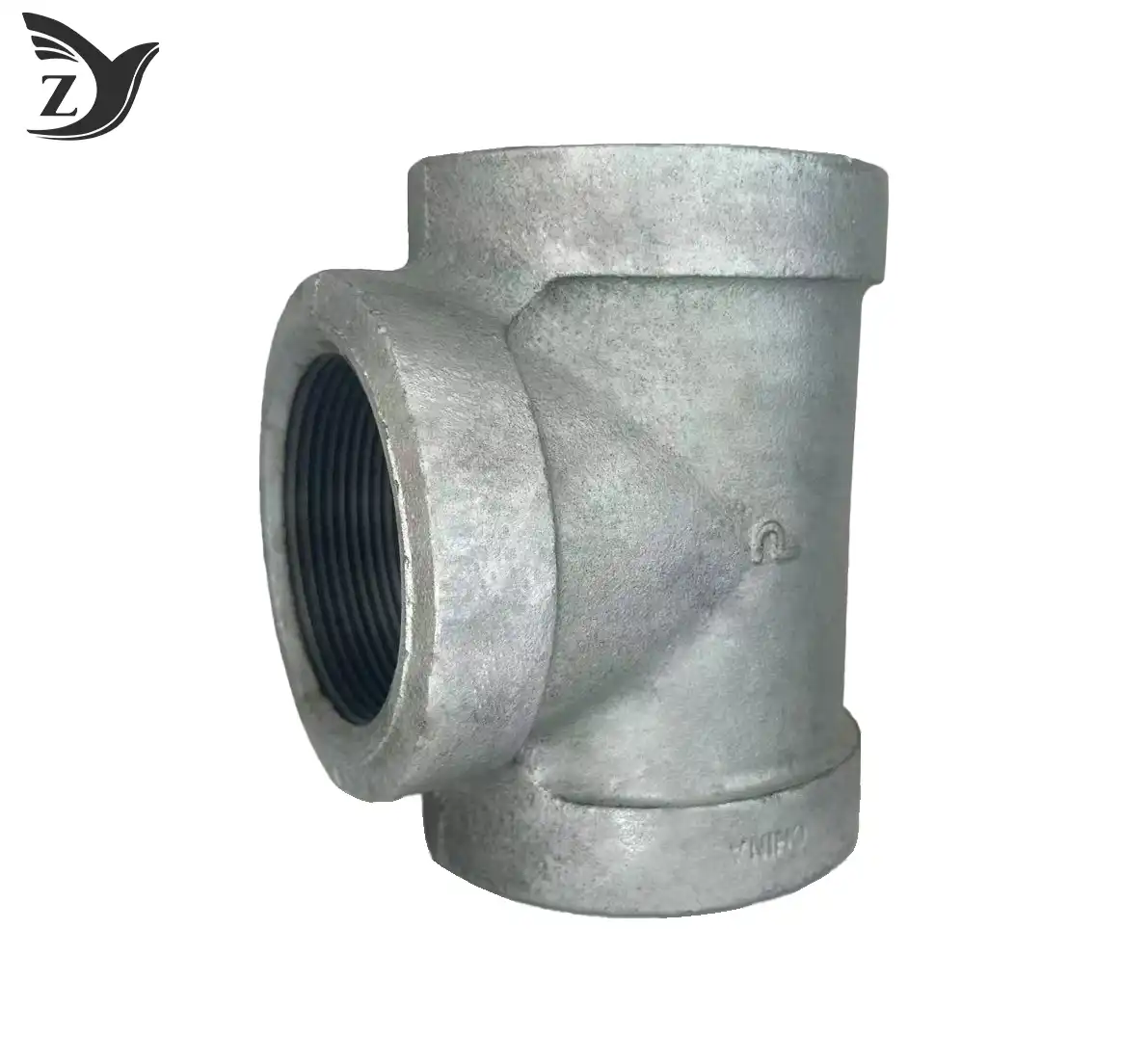
Class 300 Hot Dipped Galvanized Malleable Iron Equal Tee
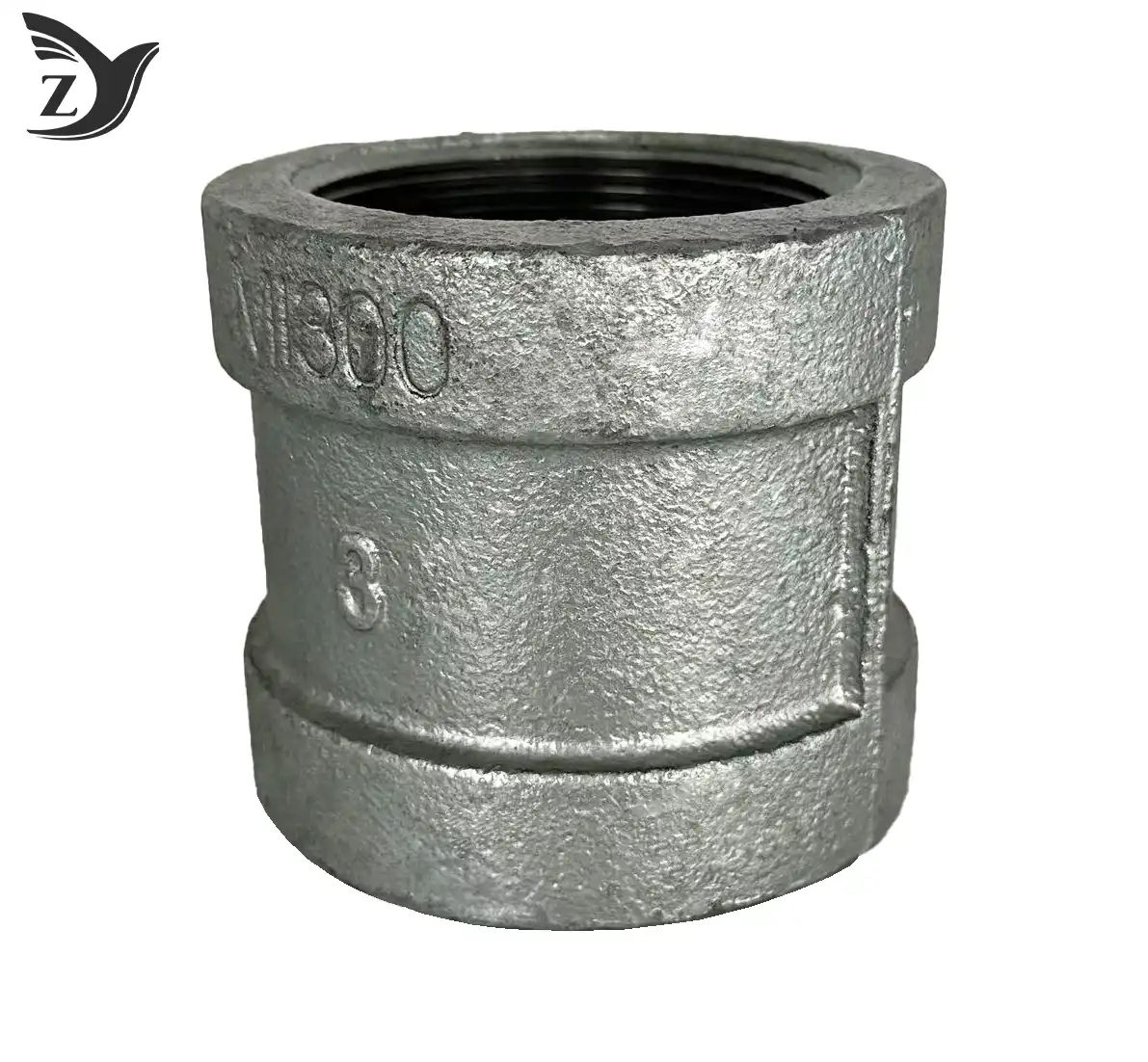
Class 300 Hot Dipped Galvanized Malleable Iron Equal Coupling
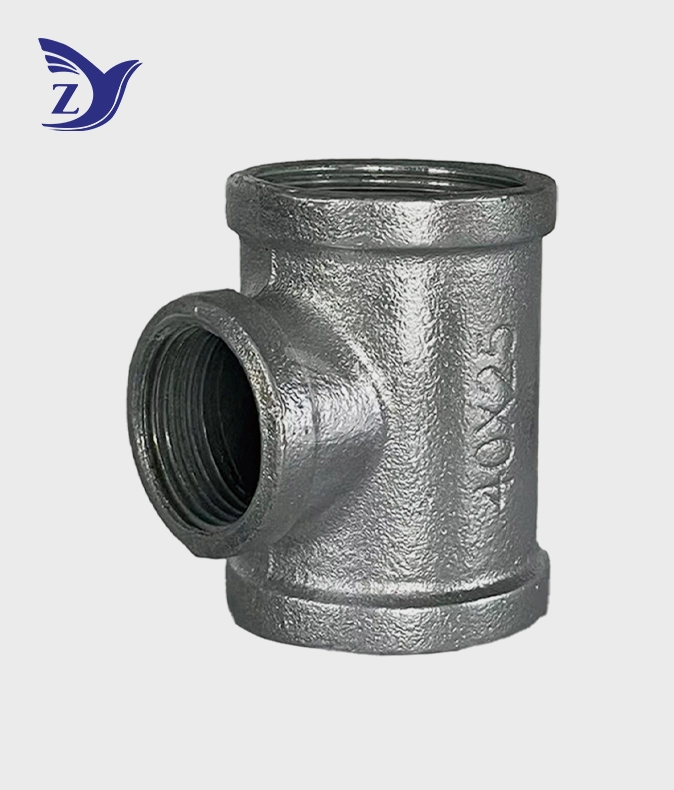
NPT Square Face Galvanized Square Edge Reducing Tee Pipe Fittings