
Apr 10, 2026
What is the difference between a coupling and a bushing?
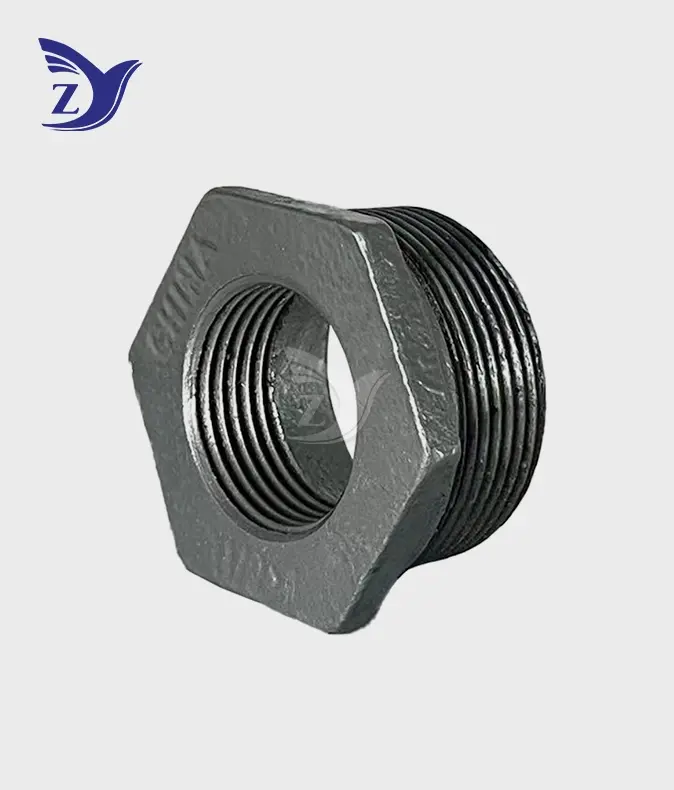
Their respective roles within pipe systems are the primary differentiator between bushings and couplings. A coupling is a device that maintains a constant flow diameter by connecting two pipes with the same or a comparable diameter. In contrast, bushings are reduction fittings that join pipes of varying diameters; they have larger male threads on the outside and smaller female threads on the inside. Galvanized bushing pipe fittings are perfect for industrial gas, water, and fire protection systems that need diameter transitions because of their high corrosion resistance, which is achieved by hot-dip zinc coating.
Understanding Pipe Fittings: Couplings vs Bushings
Knowing the difference between bushings and couplings is essential for designing and maintaining industrial pipe systems. Pipeline configurations provide distinct issues that these fittings aim to address.
Primary Functions and Design Differences
The female threads on each end of a coupling allow it to join pipes of the same diameter, ensuring that the connection remains consistent. They let the flow to continue unimpeded and unaltered in diameter. Maintaining a constant interior diameter guarantees optimum fluid dynamics with little pressure decrease.
Threaded pipe reducers, galvanized bushing pipe fittings have smaller internal female threads and larger exterior male threads. This design allows for seamless changes in diameter inside pipe networks, which helps to accommodate limited space without compromising the integrity of the system. Compared to eccentric reducers, the concentric design reduces turbulence by ensuring focused flow patterns.
Thread Compatibility and Standards
To accommodate a wide variety of pipe systems around the globe, bushings are supplied with either the National Pipe Taper (NPT) or the British Standard Pipe Taper (BSPT) thread types. BSPT threads have 55-degree Whitworth angles, while NPT threads have a 1:16 taper ratio with a flank angle of 60 degrees. Thread interference and metal-to-metal contact are two ways these standards guarantee good sealing.
Application Scenarios
When it comes to expansions of pipelines, repairs, and connections that need detachable joints, couplings are the way to go. Couplings are widely used in fire prevention systems for connecting sprinkler lines and installing hydrants. When pipes of different diameters meet in HVAC systems, process piping, or industrial water treatment plants, bushings are a must-have component.
Galvanized Bushing Pipe Fittings: Features and Benefits
Galvanization is a technique that takes ordinary malleable iron bushings and turns them into components that are resistant to corrosion. These components are perfect for use in harsh industrial situations. Acquiring knowledge of these improved qualities enables procurement professionals to make well-informed judgments according to their own needs.
Superior Material Properties
The durability and resilience of malleable iron are enhanced with the added protection of a zinc coating in hot-dipped galvanized bushings. The ductility under stress is outstanding since the base material usually has a tensile strength more than 350 MPa and a minimum elongation of 5%. Thanks to its malleable iron composition, threading may be done precisely without worrying about breaking or distortion.
By metallurgically bonding zinc and iron, the galvanization process forms intermetallic layers that make it difficult to separate the coating. Coating thicknesses ranging from 70 to 85 microns provide durable protection against corrosion caused by the elements. The underlying iron is protected from surface scratches by this layer, which functions as a sacrificial anode.
Enhanced Durability and Performance
When it comes to extreme weather, galvanized bushing pipe fittings are unrivaled. Their resilience to salt spray tests, which lasted more than 500 hours without any corrosion, makes them ideal for use in coastal and marine settings. The zinc coating is designed to withstand a wide range of temperatures, from -29°C to 177°C, so it can withstand a variety of climates.
Water, natural gas, compressed air, and low-pressure steam are just a few of the fluids that may be used thanks to its chemical resistance capabilities. One important benefit in complicated industrial systems is that the coating minimizes galvanic corrosion when joining various kinds of metal.
Cost-Effectiveness and Standardization
The main financial benefits of galvanized bushings compared to other materials are as follows:
- Protection for 20-30 years in most industrial settings is what galvanized coatings are known for, which means less frequent replacement and lower maintenance expenses
- System Uptime Decreased: Lessens Need for Unanticipated Repairs Due to Superior Corrosion Resistance
- The dimensions are standardized to meet the requirements of ASME B16.14, which guarantees compatibility with other systems and components
- Advantages of Buying in Bulk: Because of standardization, large-scale projects can take advantage of volume discounts.
Because of these monetary benefits, galvanized bushings are a good choice for projects that are trying to save money without sacrificing quality.
Installation and Maintenance of Galvanized Bushing Pipe Fittings
The operational lifetime of galvanized bushing pipe fittings is maximized with proper installation procedures and maintenance practices. Maintaining system dependability and avoiding premature failure are both achieved by strictly adhering to specified protocols.
Step-by-Step Installation Guidelines
The first step of installation is to examine and prepare the threads. Remove any dirt, old sealant, or corrosion products from the threads and clean them completely. Make sure the male threads are completely covered with thread sealant or PTFE tape so that no additional material may enter the system.
You should be able to hand-tighten the threads and add extra twists using the right wrenches. The internal threads can be precisely torqued thanks to the hexagonal shape. Be careful not to overtighten, since this could distort the threads or harm the coating. For most applications, the standard approach is to use hand-tightening torque plus two or three wrench rotations.
Routine Inspection and Maintenance
It is important to visually check the coating integrity, thread quality, and connection tightness as part of routine inspection schedules. Zinc weathering, which manifests as white rust, is quite typical and poses no threat to protection. On the other hand, coating failure necessitating prompt action is indicated by the red rust look.
Periodically retightening connections is part of maintenance practices. This is particularly important during the initial system operation, when heat cycling might cause a little loosening. The state of the coating, the strength of the connections, and the presence of galvanic corrosion at junctions between different metals should all be recorded during the annual inspection.
Real-World Performance Case Study
In an outdoor chlorine injection system that was subjected to high humidity and chemical vapors, galvanized bushings were installed at a water treatment plant in the southeast United States. There was little coating deterioration and no leakage concerns discovered during the examination, which took place after five years of continuous operation. In spite of being subjected to chlorine chemicals and experiencing temperature fluctuations between -10°C and 45°C, the bushings retained their structural integrity. Quality galvanized coatings can withstand harsh industrial conditions, as shown by this performance.
Procurement Guide for Galvanized Bushing Pipe Fittings
Gaining a grasp of supplier skills, quality standards, and market dynamics is crucial for successful procurement. Industrial purchasers will find this thorough guide helpful since it covers all the important aspects that go into making a purchase.
Pricing Trends and Market Factors
Zinc price volatility is impacting galvanizing prices in the current market circumstances. Galvanizing charges change with zinc commodities markets, while raw material costs for malleable iron stay very constant. Buyers may better schedule purchases and negotiate better price deals if they understand these dynamics.
Economies of scale provide for substantial savings when buying in bulk. Typically, manufacturers have tiered pricing that is determined on the quantity of your purchase. You should expect to see significant discounts starting at 1,000 pieces. It is common practice to negotiate further savings and guarantee constant availability via annual supply agreements.
Supplier Selection Criteria
Fundamental factors for evaluating suppliers are quality certificates. Product dependability and process consistency are hallmarks of quality management systems that adhere to ISO 9001 standards. Additional certifications, including the UL, FM, and CE insignia, attest to the product's conformity with certain regulations and industry standards.
Delivery dates and customisation possibilities are directly affected by manufacturing capability. For projects that span many years, it's important to work with suppliers that have sufficient manufacturing capacity, inventory management systems, and quality control methods. With the ability to provide technical assistance, issues can be resolved and application help can be provided all the way through the procurement process.
Shipping and Logistics Considerations
To ensure that coatings do not be damaged when shipping internationally, special packing is required. Custom crating may be required for big orders or delicate applications, although double-layer cardboard packing is sufficient for routine shipments. Ensuring product quality upon delivery and minimizing handling damage are both achieved via proper packing.
The intricacy of the order, the needs for customisation, and the volume of demand at any given moment all affect the lead times. Products with standard dimensions usually take a few days to ship, while those with special requests may take several weeks. To avoid expensive setbacks and guarantee on-time installation, project timeframes should be used to plan procurement schedules.
It is possible to tailor the product to meet the needs of a particular area or for a particular application thanks to the availability of ODM/OEM services. To suit unique project requirements, suppliers that provide technical assistance might adjust thread standards, coating requirements, or dimensional properties.
Conclusion
In order to choose the right fittings for the job, industrial workers need to know the basic distinctions between bushings and couplings. In contrast to bushings, which allow size changes via their reduction design, couplings keep pipe diameters constant. The combination of reduced diameter and improved corrosion protection makes galvanized bushing pipe fittings perfect for harsh industrial settings. Regardless of the application, the hot-dip galvanizing method will deliver dependable performance, low costs, and long-term durability. Industrial plumbing projects may achieve their full ROI potential with careful planning, regular maintenance, and knowledgeable supplier selection.
Contact Zhiyuan Malleable Steel for Premium Galvanized Bushing Solutions
Zhiyuan Malleable Steel stands as your trusted galvanized bushing pipe fittings manufacturer with over 26 years of casting expertise and innovation. Our state-of-the-art facility in Shanxi Province produces 30,000 tons annually, featuring precision-threaded NPT/BSPT bushings with superior hot-dip galvanizing for maximum corrosion resistance. We maintain extensive inventory for rapid delivery within two hours for standard products, while our ODM/OEM capabilities accommodate custom specifications for international projects. Quality certifications including ISO 9001, CE, UL, and FM ensure compliance with global standards. Contact our engineering team at q1236800000@gmail.com to discuss your project requirements and experience our comprehensive service guarantee including defective product replacement and technical support throughout your procurement process.
FAQ
What thread standards are available for galvanized bushings?
Both NPT (National Pipe Taper) and BSPT (British Standard Pipe Taper) configurations are available. NPT threads feature 60-degree angles with 1:16 taper ratios, while BSPT threads utilize 55-degree Whitworth profiles. Thread selection depends on regional standards and existing system compatibility requirements.
How long do galvanized coatings typically last in outdoor environments?
Quality hot-dip galvanized coatings provide 20-30 years of protection in typical atmospheric conditions. Coastal environments with salt exposure may reduce service life to 15-20 years, while indoor installations can exceed 30 years. Regular inspection and maintenance extend coating performance significantly.
Can galvanized bushings be used with stainless steel piping?
Yes, galvanized bushings are compatible with stainless steel systems. The zinc coating prevents galvanic corrosion between dissimilar metals, making them suitable for mixed-metal installations. Proper sealant application ensures leak-proof connections while maintaining corrosion protection.
What pressure ratings apply to standard galvanized bushings?
Class 150 galvanized bushings typically handle working pressures up to 300 PSI (21 bar) for water, oil, and gas applications. Higher pressure ratings are available through Class 300 specifications. Temperature and fluid type affect maximum allowable working pressures.
References
1. American Society of Mechanical Engineers. "ASME B16.14 - Ferrous Pipe Plugs, Bushings, and Locknuts with Pipe Threads." ASME International Standards, 2018.
2. International Organization for Standardization. "ISO 7-1: Pipe Threads Where Pressure-Tight Joints Are Made on the Threads." ISO Standards Catalogue, 2019.
3. ASTM International. "ASTM A153/A153M - Standard Specification for Zinc Coating (Hot-Dip) on Iron and Steel Hardware." ASTM Material Standards, 2020.
4. National Association of Corrosion Engineers. "Galvanic Corrosion Prevention in Industrial Piping Systems." NACE Technical Publication, 2021.
5. American National Standards Institute. "ANSI/ASME B1.20.1 - Pipe Threads, General Purpose (Inch)." ANSI Standard Library, 2017.
6. European Committee for Standardization. "EN 10242: Threaded Pipe Fittings in Malleable Cast Iron." CEN Standards Database, 2019.
Online Message
YOU MAY LIKE
High quality furniture manufacturer
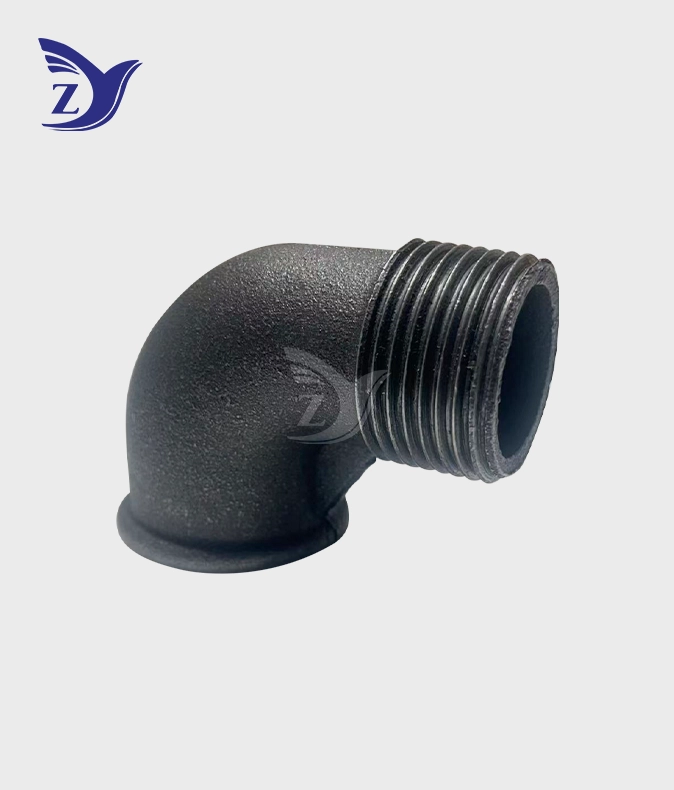
NPT Black Round Face Male-Female 90° Elbow Pipe Fittings
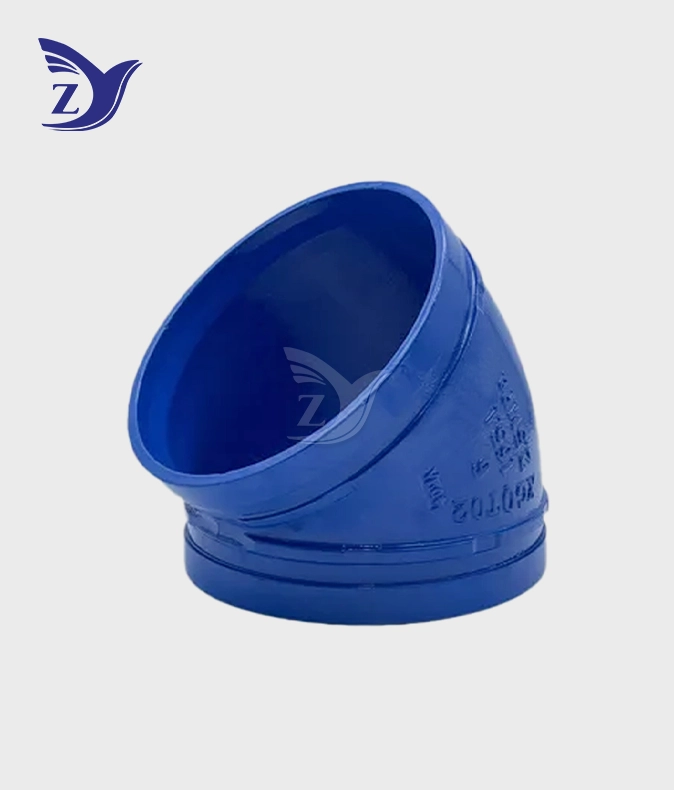
Water Grooved 22.5-degree grooved elbow
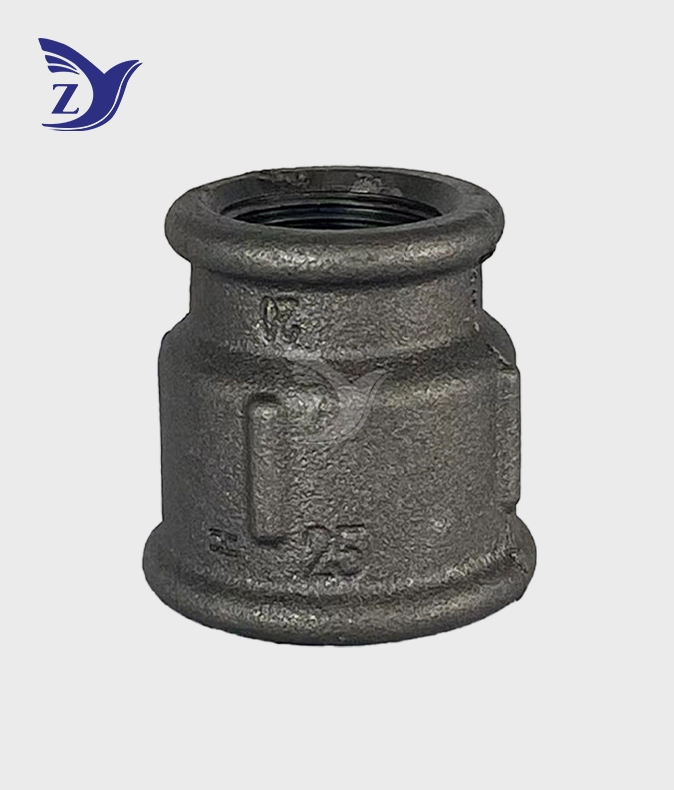
NPT Black Round Face Reducing Coupling Pipe Fittings
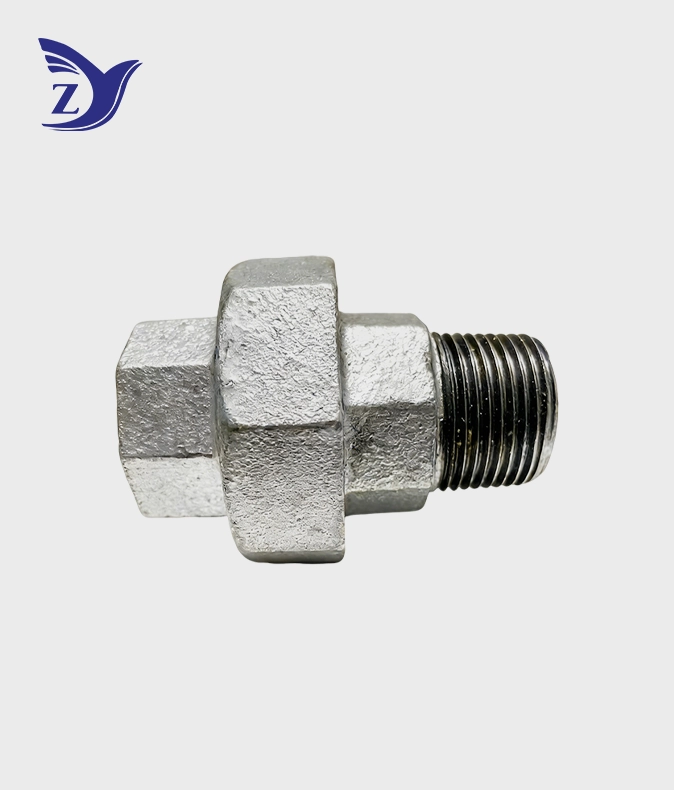
NPT Galvanized Male Female Threaded Union 341 Pipe Fittings
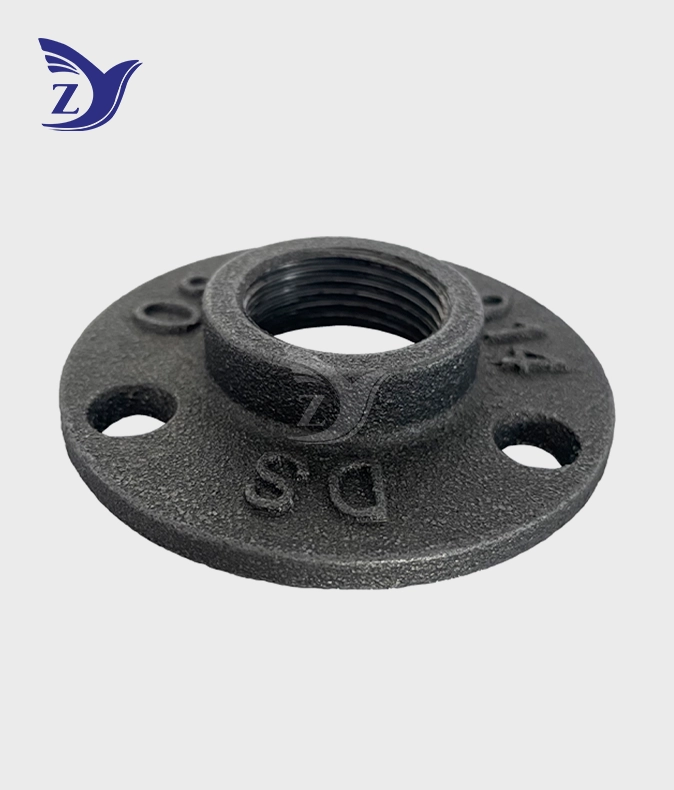
NPT Black Flange Pipe Fittings
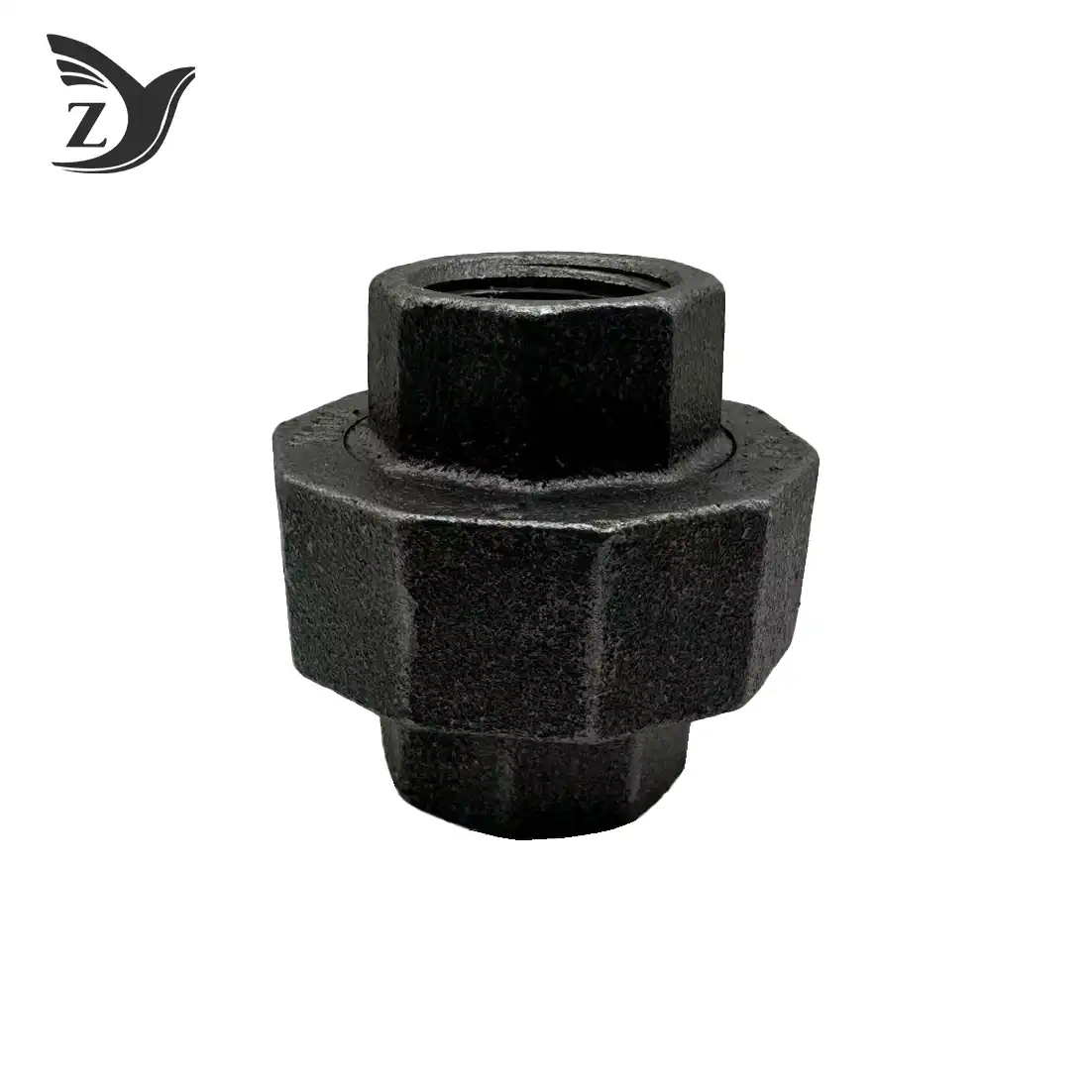
NPT Black Union Class 300 Pipe Fittings
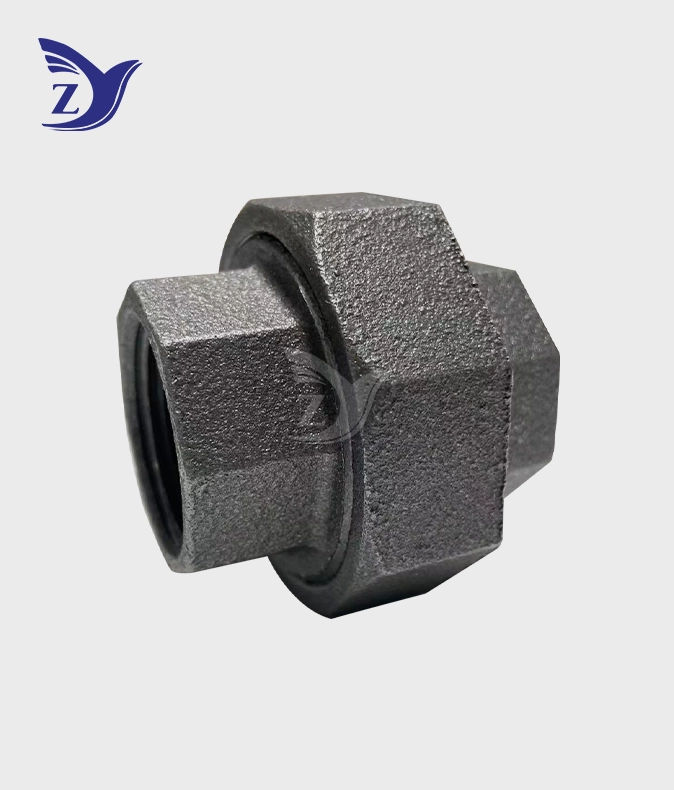
NPT Black Union 340 Pipe Fittings
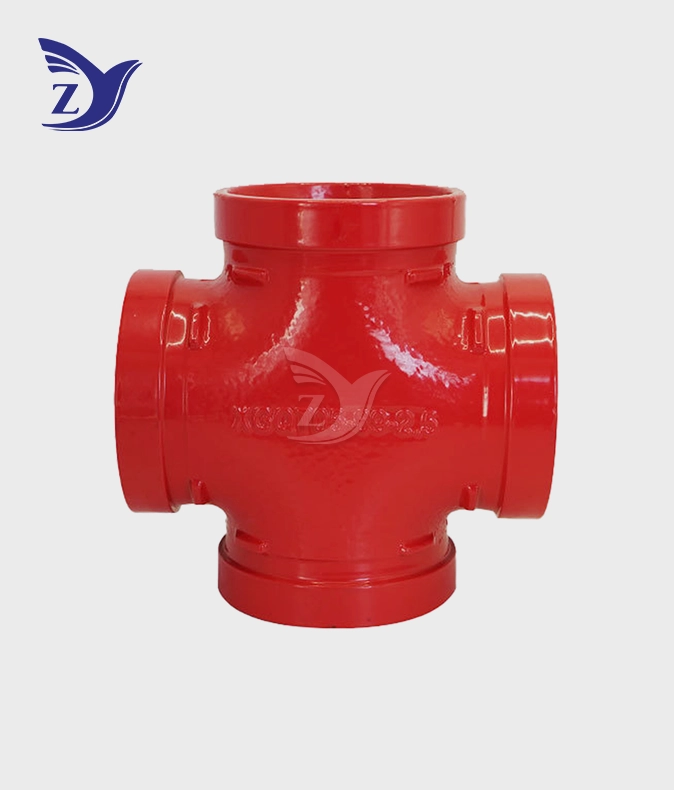
Fire Grooved Cross