
Apr 8, 2026
What is the difference between a coupler and a coupling?
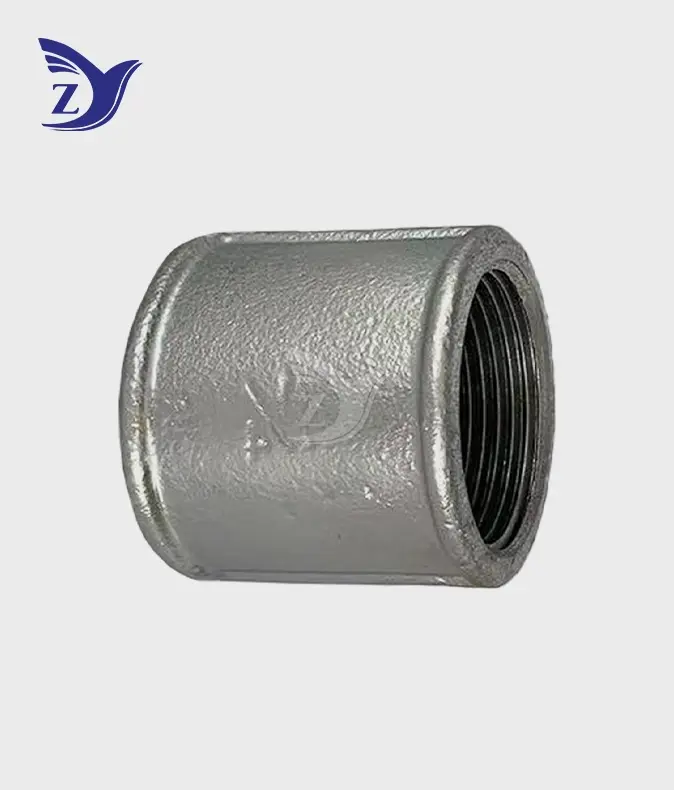
The primary distinction between couplings and couplers is the role they play in plumbing systems. While couplings allow for connecting or mending pipes with little flexibility or modification, couplers mainly expand pipe length without modifying flow characteristics. These differences become critical in the context of round face galvanized round edge coupling pipe fittings to guarantee the best system performance and durability in industrial settings.
Introduction to Couplers and Couplings in Pipe Fittings
It is crucial for engineers and procurement specialists working on industrial pipe systems to know the exact difference between couplings and couplers. Despite the common use of their names interchangeably, these components really perform separate functions in terms of pipeline connection.
A coupler is a simple connection that may increase the length of a pipe without changing the flow patterns or making major changes to the design. These fittings are designed to keep fluids flowing smoothly by keeping the internal diameter constant throughout their length. For hydraulically efficient straight-line extensions, couplers are a standard tool to have on hand.
However, couplings are more often used for more complicated joining situations, such as when pipes need to be repaired, replaced, or slightly moved. These fixtures often include adjustments for thermal expansion or small misalignments built into the design.
Key Applications in Industrial Settings
Since the efficiency of fire prevention systems is dependent on exact flow parameters, the difference takes on further significance in this context. These components are essential for the pressure integrity of municipal water delivery networks' vast pipeline networks.
By understanding these distinctions, you may minimize installation mistakes and maintenance expenses while maximizing system design and compatibility. Strategic sourcing choices are aided by this core knowledge for global B2B customers, which promotes operational dependability and cost-efficiency across many industrial applications.
Structural and Functional Characteristics of Round Face Galvanized Round Edge Coupling Pipe Fittings
Round face galvanized round edge coupling pipe fittings represent a specialized category of malleable iron components engineered for superior performance in demanding industrial environments. These fittings combine advanced metallurgy with protective surface treatments to deliver exceptional durability.
The building is made of blackheart malleable iron that meets ASTM A197 specifications; this kind of iron has a ductility that allows it to accommodate thermal expansion and a high tensile strength that exceeds 350 MPa. This material's composition makes it resistant to brittle failure caused by pressure spikes, which are typical in industrial and municipal systems.
Galvanization Process and Benefits
Zinc coatings that are more than 70 microns thick are produced using the hot-dip galvanization technique. In situations that are humid, salty, or chemically hostile, this coating provides cathodic protection by acting as a sacrificial anode. All batches of the product will be of the same high quality since the procedure follows ASTM A153 guidelines.
The dimensions covered are typical, spanning from 1/8 inch to 6 inches and meeting the requirements for both NPT and BSPT threading. Certifications in this field include conformity with ISO 9001 standards for quality management and approvals from CE, UL, and FM to ensure acceptability in global markets.
Round Edge Design Advantages
The beaded pattern, with its round edges, greatly strengthens the structure at the thread openings. This reinforcement solves a typical problem with traditional fittings by preventing splitting during high-torque installation operations. In addition to increasing durability under cyclic loads, the rounded shape decreases stress concentration.
While the round edge design stands out from flat edge variations in terms of wear resistance and secure fitting, the galvanization process is described in detail to emphasize how it increases durability and service life. Buyers benefit from these technical insights when determining if a material is suitable and meets demanding operating standards.
Practical Comparison: Coupler vs. Coupling in Round Face Galvanized Pipe Systems
Couplers and couplings work well with round face galvanized pipe systems in some real-world situations. The ability to choose the right components for each installation depends on the maintenance team's familiarity with these applications.
Installation Scenarios and Applications
When it is critical to keep the flow characteristics of a water supply system constant, couplers are the way to go for simple pipe additions. Couplers are widely used in municipal water networks to link distribution mains in a way that minimizes pressure dips and turbulence.
When fixing situations that involve replacing or modifying existing pipelines, couplings function better. In order to keep the pressure integrity of the network intact while allowing for sprinkler head placement modifications, couplings are often used in fire prevention systems.
The main performance differentiators in real-world scenarios are as follows:
•Resistance to corrosion: The galvanization methods are the same for both parts, although couplings may be more exposed because of the intricacy of the joints
• Mechanical stress tolerance: couplings are able to accept strains in several directions, whereas couplers are good at handling axial loads
•When it comes to installation, couplers are simple enough to use with a standard wrench, but couplings may need specialist equipment to ensure precise alignment
• When it comes to maintenance, couplers are ideal because they are easy to repair and because they allow for more system customization
Efficiency metrics like these have an effect on operating expenses and system dependability in the long run. Corrosion resistance, mechanical stress tolerance, and simplicity of maintenance are some of the performance parameters compared in the debate.
Step-by-Step Installation Guidelines
Preparing the threads using an appropriate pipe compound or thread tape is the first step in a professional installation. When comparing couplers with couplings, it's important to note that couplers usually need 15-20% greater torque values to attain the same level of seal integrity.
To help procurement managers make functionally sound decisions for their individual operating needs, practical guidelines are provided to show how picking the proper component boosts pipeline life and saves downtime.
Choosing the Right Coupler or Coupling: Decision Support for Procurement Managers
In order to choose the right couplers or couplings for their projects, procurement managers need precise criteria. When it comes to corrosive situations, round face galvanized round edge coupling pipe fittings are the way to go as a material option.
Material Considerations and Specifications
For the majority of industrial uses, galvanized malleable iron strikes the perfect combination of affordability, strength, and resistance to corrosion. Stainless steel is another possibility because to its high chemical resistance; painted alternatives are more suited for interior uses with controlled surroundings.
Integrating smoothly with the current pipeline architecture is guaranteed via thread compatibility. While BSPT specs are more often used for foreign projects, NPT threading is more popular in North American markets. Accurate seal formation is ensured by precision-threaded components, which eliminate the need for excessive installation torque.
Considerations for size matching include more than just nominal diameter; they also involve compliance with wall thickness and alignment with pressure ratings. While greater pressure ratings are useful for specific industrial operations, class 150 ratings are suitable for most commercial and municipal uses.
Cost-Effectiveness and Sourcing Strategy
For projects of a certain magnitude or distributors that keep goods on hand, the benefits of bulk purchase become apparent. Discounts are offered for yearly commitment contracts, and the standard minimum order quantity is 500 pieces.
By assuring compliance and providing warranty guarantees, quality certifications reduce risk. European market approval is guaranteed by CE marking, whereas fire protection standards in North America are met by UL and FM listings. These certificates help to lessen the risk of legal action and speed up the approval process for projects.
B2B customers are empowered with practical counsel to optimize supply chain choices, successfully managing budget, delivery timeframes, and quality via this organized method.
Conclusion
Pipeline system performance and procurement choices are greatly affected by the difference between couplers and couplings. When it is absolutely necessary to keep the flow characteristics constant, couplers really shine in simple extension applications. When it comes to complicated installations that need positioning alterations or maintenance circumstances, couplings provide enhanced flexibility. Enhanced durability via protective coating methods and improved metallurgy makes round face galvanized round edge coupling pipe fittings appropriate for severe industrial situations. Having a grasp of these distinctions is advantageous for procurement managers when it comes to choosing components for applications such as industrial processes, municipal water supply, and fire prevention.
Addressing Common Questions and Misconceptions About Pipe Couplings and Couplers
When purchasing components for a pipeline, it's easy to get them mixed up since they seem similar but really serve different functions. In order to avoid expensive procurement mistakes and strengthen buyer trust, this extensive FAQ covers common queries.
Are couplers and couplings interchangeable in all applications?
Contrary to popular belief, couplings and couplers are not synonymous. In order to achieve the best possible flow characteristics, couplers keep their internal geometry constant, while couplings might include design elements that slightly change the flow patterns. In mission-critical scenarios, these variations should be included into system hydraulic calculations.
How do I verify compatibility when ordering customized sizes?
In order to ensure compatibility, it is necessary to compare the thread specs, pressure ratings, and material grades with the components already present in the system. Standard threading on round face galvanized round edge connection pipe fittings guarantees wide manufacturer compatibility. To avoid specification discrepancies, it is necessary to get technical drawings in addition to material certificates.
What makes round edge fittings superior to standard alternatives?
Round edge reinforcement significantly increases radial strength at thread entrances, preventing splitting during installation. This design feature addresses the primary failure mode in conventional fittings subjected to high installation torque. The reinforcement extends service life under cyclic loading conditions common in industrial applications.
Are galvanized fittings suitable for marine environments?
Hot-dip galvanized coatings provide excellent corrosion resistance in marine applications, though regular inspection remains advisable. The zinc coating acts as sacrificial protection, gradually depleting while preserving underlying iron. Replacement intervals depend on exposure severity and local environmental conditions.
Clarifying these points helps prevent costly procurement errors and reinforces buyer confidence. This practical resource fosters transparency and supports informed discussions between buyers and suppliers, facilitating smoother project execution and minimizing technical disputes.
Partner with Zhiyuan Malleable Steel for Superior Round Face Galvanized Round Edge Coupling Pipe Fittings
Zhiyuan Malleable Steel brings 26 years of specialized expertise in manufacturing premium round face galvanized round edge coupling pipe fittings for global industrial applications. Our Taigu facility operates with ISO 9001 certification, ensuring consistent quality across our comprehensive product range of NPT and BSPT threaded components.
Our manufacturing capabilities include 30,000-ton annual production capacity with over 1,000 product specifications, supported by advanced medium frequency furnaces and precision machining equipment. Quality certifications encompass CE, UL, and FM approvals, meeting international procurement standards for fire protection and municipal infrastructure projects.
Key advantages include rapid delivery with standard products shipped within two hours, ODM/OEM customization services, and comprehensive warranty protection with defective product replacement guarantees. Our double-layer cardboard packaging ensures product integrity during international shipping.
Whether you need high-volume orders for distribution networks or customized solutions for specialized applications, our engineering team provides technical consultation and competitive pricing. Contact our round face galvanized round edge coupling pipe fittings supplier team at q1236800000@gmail.com to discuss your project requirements and receive detailed quotations.
References
1. American Society of Mechanical Engineers. "ASME B1.20.1 Standard for Pipe Threads, General Purpose (Inch)." New York: ASME Press, 2019.
2. ASTM International. "ASTM A197 Standard Specification for Cupola Malleable Iron." West Conshohocken: ASTM International, 2020.
3. British Standards Institution. "BS EN 10242 Threaded Pipe Fittings in Malleable Cast Iron." London: BSI Group, 2018.
4. International Organization for Standardization. "ISO 49 Malleable Cast Iron Fittings Threaded to ISO 7-1." Geneva: ISO Publications, 2017.
5. National Fire Protection Association. "NFPA 13 Standard for the Installation of Sprinkler Systems." Quincy: NFPA Press, 2022.
6. Smith, Robert J. and Johnson, Michael K. "Corrosion Protection in Industrial Piping Systems: Galvanization Effectiveness and Longevity." Industrial Materials Journal, vol. 45, no. 3, 2021, pp. 127-142.
Online Message
YOU MAY LIKE
High quality furniture manufacturer
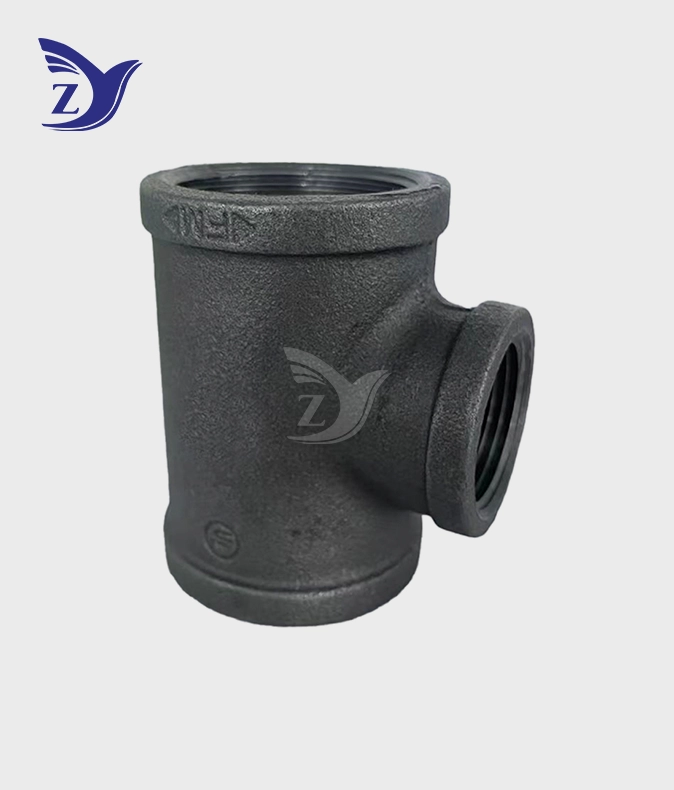
NPT Black Square Face Reducing Tee Pipe Fittings
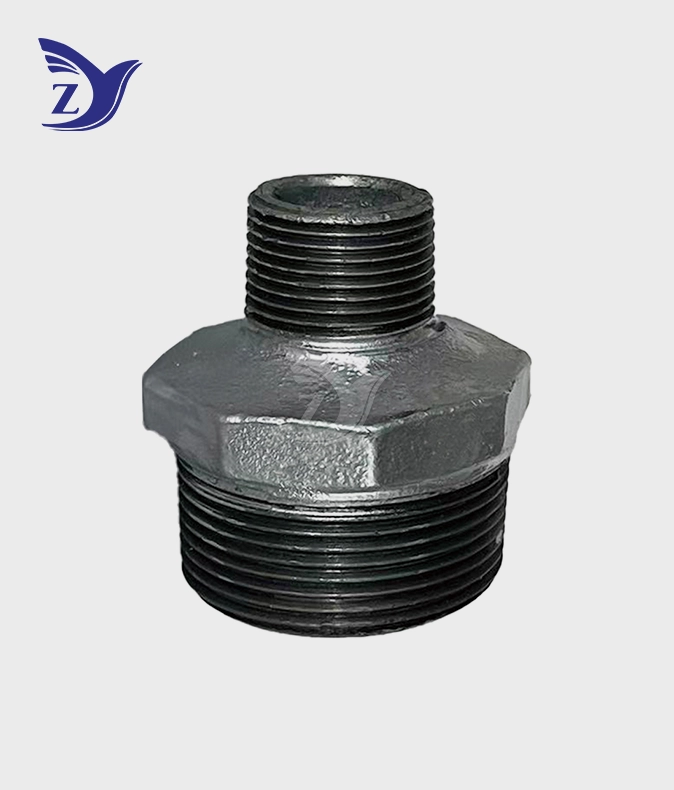
NPT Galvanized Reducing Male Nipple Pipe Fittings
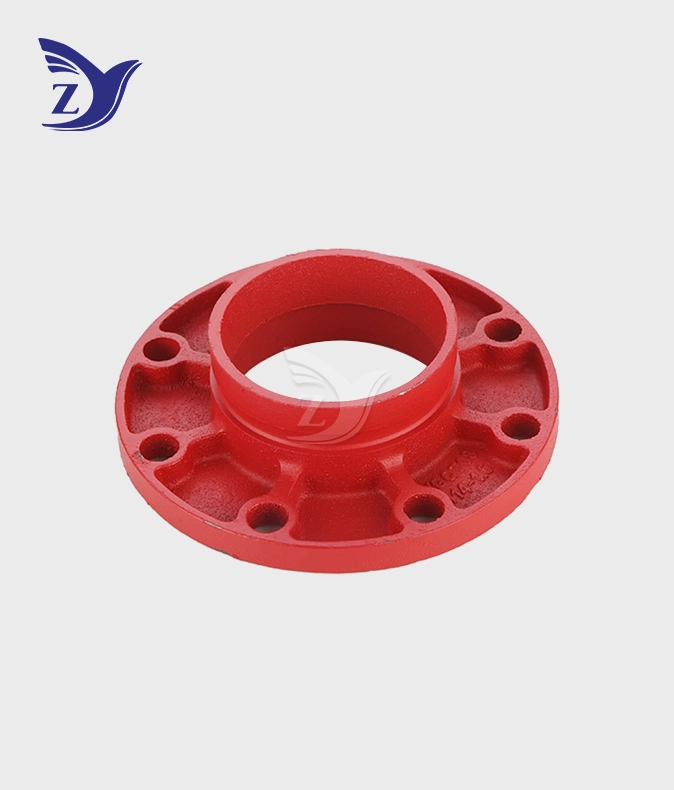
Fire Grooved Flange
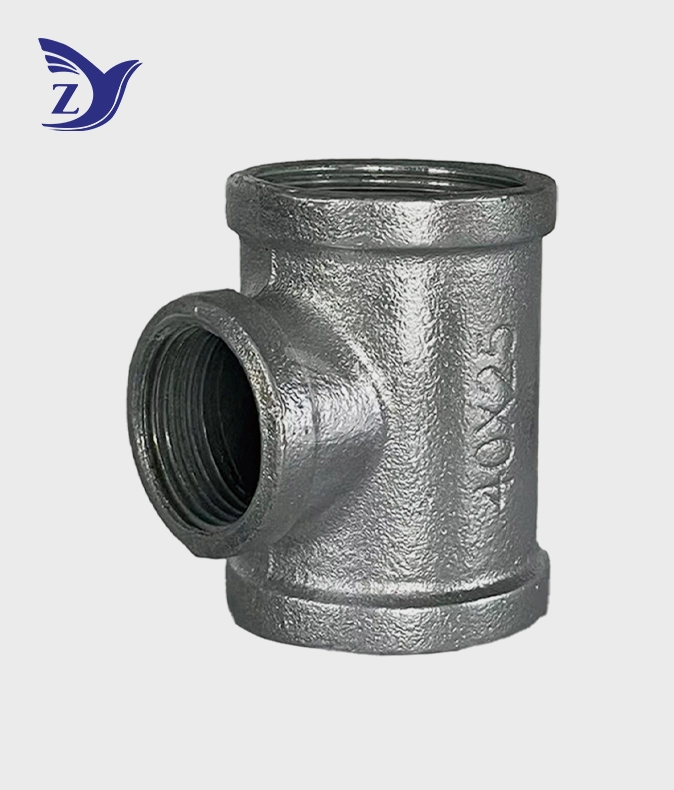
NPT Square Face Galvanized Square Edge Reducing Tee Pipe Fittings
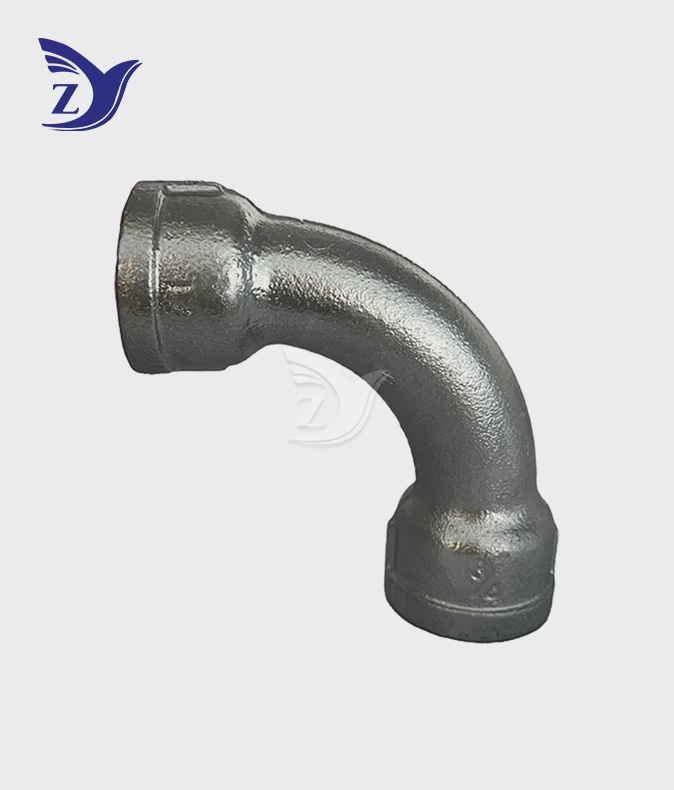
NPT Galvanized Female-Female 90° Long Radius Elbow Pipe Fittings
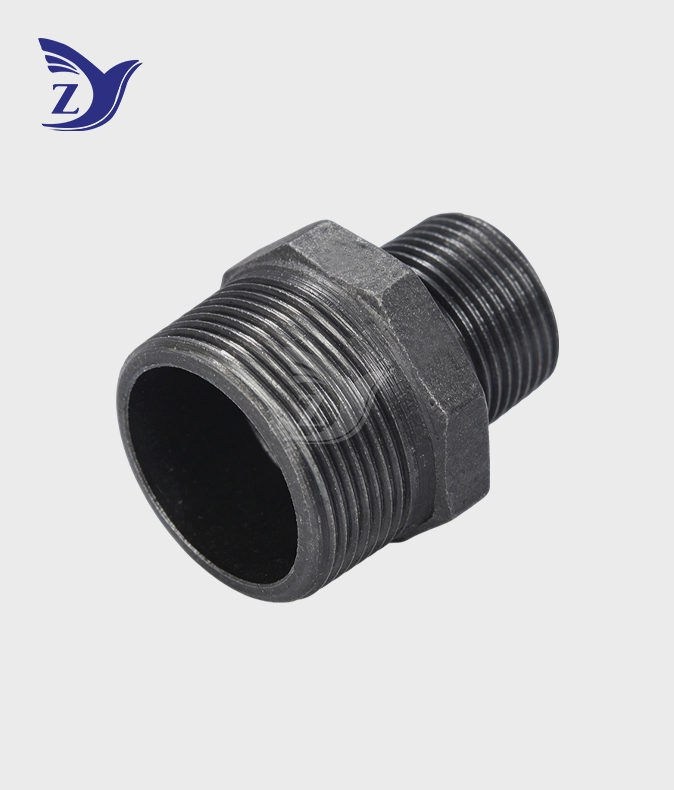
NPT Reducing Male Black Pipe Fitting
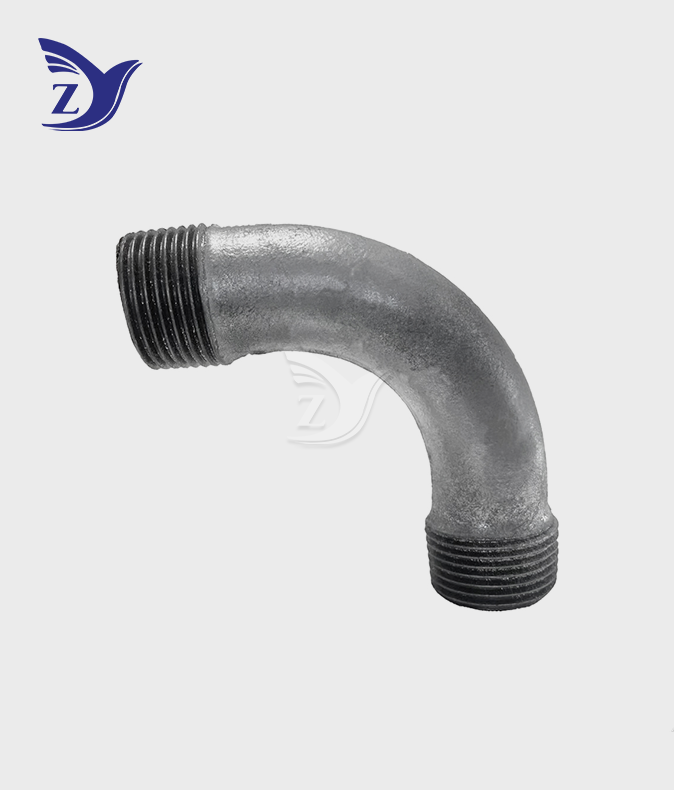
BSPT Round Face Galvanized Round Edge 90° Elbow Pipe Fittings
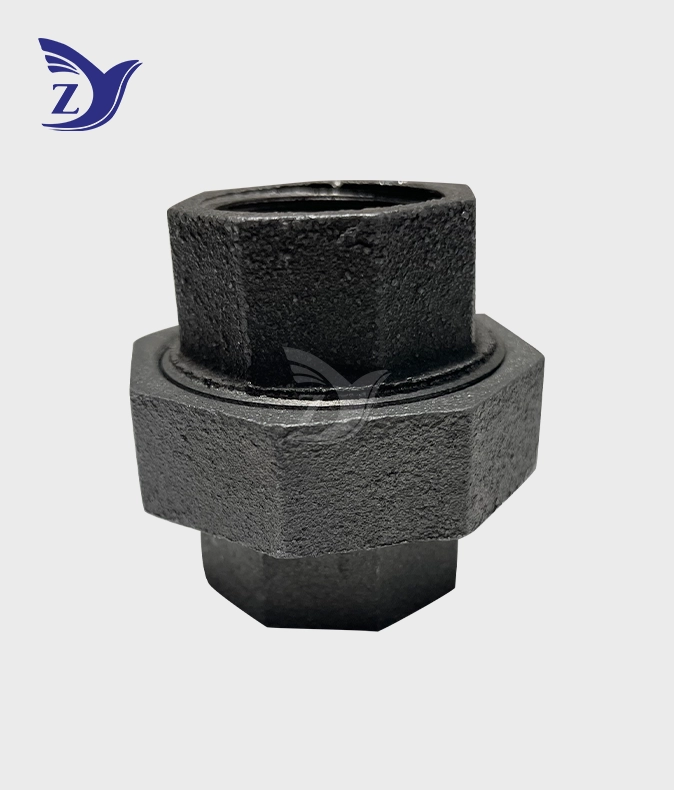
NPT Black Union 330 Pipe Fittings