
Jun 4, 2026
What is the difference between a 90 elbow and a 90 pulling elbow?
The main difference between a regular 90° elbow and a 90° pulled elbow is how they were made and what they can be used for. A standard 90° elbow guides gas or fluid flow through a pipe system's right-angle turn. A 90° pulling elbow, on the other hand, has a cover plate that can be removed, which lets workers pull cables or wires through conduit runs without hurting the insulation. Among the different types of standard elbows, the galvanized 90° reducing elbow stands out for its ability to connect lines with different diameters while also offering excellent corrosion resistance thanks to hot-dip galvanization. This special fitting gets rid of the need for different reducers and elbows, making installation easier in places like fire protection systems, municipal water networks, and industrial process lines where room is limited and materials must work well together.
This guide looks at the changes in structure, function, and material between pulling elbows and 90° elbows. It also talks about the important role of galvanized 90° reducing elbow in modern industrial settings. We want to give procurement teams and design engineers the information they need to make smart buying decisions that improve pipeline performance in the petrochemical, plumbing, fire protection, and HVAC industries by giving them useful information about pressure ratings, thread compatibility, and coating performance.
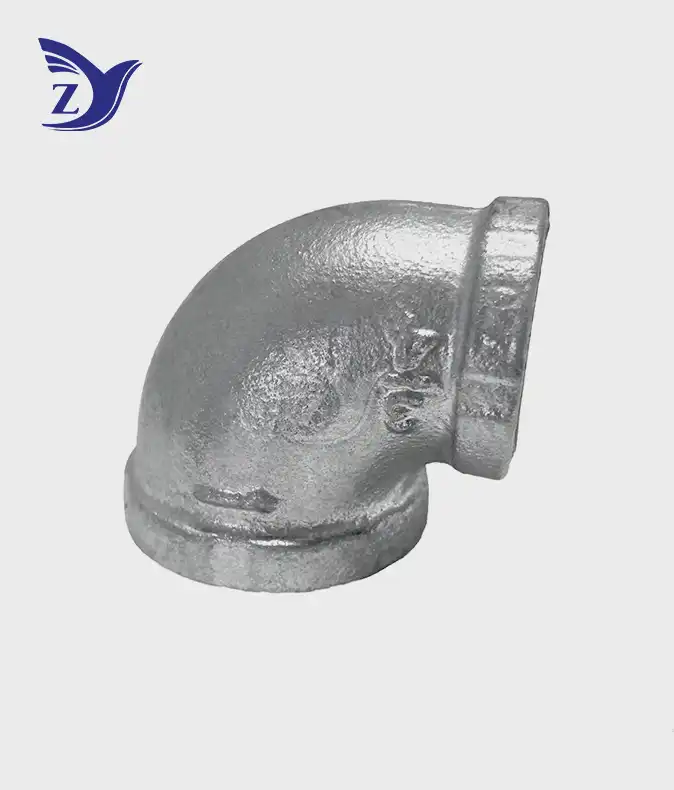
Basics of 90° Elbows
Core Function and Design Principles
Standard 90° bends change the flow of a pipeline through a perpendicular angle. This works around building limitations without lowering the hydraulic efficiency. When compared to sharp mitered joints, these fittings make changes that are smooth and reduce noise and pressure drop. Long-radius elbows with a centerline radius that is 1.5 times the pipe diameter cause less friction loss than short-radius elbows with a 1.0 multiplier. The internal radius of curve has a direct effect on the flow properties. When engineers build a system, they choose the elbow geometry based on the installation room they have access to and the amount of pressure loss that is appropriate.
Material Considerations for Industrial Environments
When it comes to industrial threaded 90° elbows, malleable iron, carbon steel, and stainless steel are the most common materials used. It is easy to shape malleable iron molds into precise NPT and BSPT threads, and they still have enough tensile strength for Class 150 pressure ratings. Forgings made of carbon steel are better at resisting impact in places with a lot of shaking, like pump discharge lines. Chemical rusting doesn't happen in places that make food and medicines made of stainless steel. The decision between galvanized and non-galvanized surfaces relies on how they will be exposed. For example, outdoor installations near the coast need hot-dip zinc coatings that are more than 85 microns thick to keep threads from breaking due to oxidation.
The way surfaces are treated has a big effect on how long they last in harmful environments. When hot-dip galvanization is done, a layer of metallurgically joined zinc-iron alloy is added. This layer works as a sacrificial anode, protecting the base metal even if the coating gets slightly scratched during installation. Electroplated zinc coats, on the other hand, offer less security and stick to things less well when they are stressed mechanically. Manufacturing standards like ASTM A197 for malleable iron and ASTM A153 for galvanizing methods make sure that all batches of the same product have the same dimensions and covering quality.
Reducing Elbow Variants and Size Adaptation
When room is limited, reducing elbows can change both the direction of flow and the width of the pipe. This means that different reducer fittings are not needed. An NPT/BSPT reducing male-female 90° galvanized 90° reducing elbow can connect to a smaller exit while accepting a larger diameter pipe on the entrance. This saves money on materials and cuts down on possible leak points. This two-threaded setup is especially useful for repair projects that need to combine old infrastructure with new equipment that works with pipes of different sizes. The precisely-threaded malleable iron construction keeps the line while tightening, which stops cross-threading that could damage the seal.
Thread compatibility is an important part of the criteria that buying teams must check before placing an order. NPT threads have a 60-degree taper angle that meets ASME B1.20.1 standards. When paired with the right torque values, they form a mechanical wedge seal. ISO 7-1 rules say that BSPT threads should have a similar taper shape but different pitch measures. When you mix thread types that aren't compatible, you get instant leakage under pressure. This is why you need to carefully record current system specs during the purchase phase.
What is a 90° Pulling Elbow?
Specialized Design for Electrical Conduit Systems
Pulling elbows are made for conduit runs that hold power lines or communication wiring and are used by electrical builders instead of fluid system engineers. These fittings have a cover plate that can be taken off and put back on with threaded bolts. This gives technicians entry points where they can place cable-pulling tools without taking whole conduit sections apart. The inside chamber has smooth, rounded edges that keep the insulation from getting damaged as the wires go around the 90-degree turn while they are under stress. This design is very useful for business building electrical systems that run through multiple floors and need to improve cables from time to time without having to tear down the building.
Operational Differences from Standard Flow Elbows
The main difference in how they work is that pulling elbows house wires instead of moving fluids, so you don't have to worry about internal flow turbulence or pressure ratings. The shape of the cover plate creates possible leak points that aren't needed for electricity uses but aren't good for systems with pressurized pipes. Standard 90° elbows have bodies that are continuous and sealed. They are made by casting or forging, and they can withstand hydraulic tests at 1.5 times working pressure. Because of this structural difference, the two types of fittings can't be switched out, even though they have the same thread standards and outside measurements.
Comparative Analysis: 90° Elbow vs 90° Pulling Elbow
Structural Design Comparison
Standard 90° elbows are made of a single piece and don't have any parts that can be taken off. This makes them ideal for keeping pressure in fluid or gas pipes and stopping leaks. The continuous wall width can handle pressures inside that range from 300 to 600 psi, based on the type of material and the temperature. It is usually classified from Schedule 40 to Schedule 80. Pulling elbows have a bolted access plate that makes a permanent structural break. This means that they can't be used for pressure purposes but are great for managing cables. Some types of pulling elbows have square exterior shape that lets you use wrench flats to apply torque during installation in tight areas where round fittings would need special tools.
Thread design changes depending on the purpose. For example, fluid-handling elbows use curved NPT or BSPT threads that make interference fits when tightened, creating metal-to-metal seals that can be strengthened with PTFE tape or pipe dope. Straight threads and locknuts may be used on electrical pulling elbows so that they are easier to take apart than to keep leaks out. Because straight-threaded electrical fittings won't close properly in tapered-thread pipe systems, this difference in threading keeps people from accidentally using the wrong ones.
Functional Performance in Target Applications
Calculations of friction loss show that the flow dynamics inside typical bends have a direct effect on how well the system works. When going from a bigger to a smaller pipe diameter, a galvanized 90° reducing elbow adds more turbulence as the flow speed rises. This causes a pressure drop that needs to be taken into account when figuring out the size of the pump. Engineers use equivalent length tables to show elbow friction loss in terms of straight pipe footage. For example, a short-radius 90° elbow usually means 16 diameters of straight pipe resistance. Reducing elbows add 20–30% more loss based on the diameter ratio. Pulling elbows don't have any of these hydraulic issues because their only job is to carry cables, which doesn't involve fluid mechanics.
Material Performance and Corrosion Resistance
Hot-dip galvanization is good for both types of fittings when they are used outside or in corrosive settings, but the protective system works the same way no matter what the purpose is. The service life in salt-spray coastal sites or chemical plant atmospheres depends on the thickness of the zinc coating, which is measured in microns by magnetic gauge tools. Pulling elbows don't have to deal with as much damage as pressurized steam lines do, but they still need to be protected from rust when they're hidden or out in the weather. The metal surface keeps the electricity flowing in conduit systems and stops rust from getting into the cables and wearing down the insulation while they are being pulled.
In certain places, like pharmaceutical clean rooms or food processing plants, where zinc particles could affect the quality of the food, stainless steel is a better choice because it is more resistant to chemicals. When compared to coated malleable iron, 316-grade stainless steel elbows cost 300–400% more. Because of this, they can only be used in places where strict regulations or extreme rust conditions make the cost worth it.
Procurement Considerations and Supplier Availability
Standard 90° elbows, especially reducing versions, are easier to get through industrial distribution routes because they are used in all fields, including irrigation, HVAC, fire protection, and process. Pulling elbows are a specialty item that are mostly sold by electrical supply wholesalers. This can cause delays in the sourcing of materials for mixed-trade projects. When it comes to normal elbows, general pipe fitting wholesalers can usually handle orders for just one piece. But when it comes to specialty electrical fittings, case numbers can range from 25 to 100 units, based on the size and manufacturer production runs.
The way prices are set depends on how complicated the product is and how the market wants to buy it. Due to the extra work needed for dual threading, a galvanized 90° reducing elbow in popular sizes like 1-1/4" x 1" NPT costs 30–50% more than a normal non-reducing elbow. Pulling elbows cost more than basic conduit fittings, and the access cover assembly costs more in both materials and work. When buying things for big projects, procurement teams should ask vendors for prices that include volume savings and combined shipping to lower the cost of moving each item.
Conclusion
Standard 90° elbows and pulling elbows are different because they are used for different things (moving fluids versus managing cables), so their design features are designed for those different needs. Pulling elbows are useful for electricians because they have access covers that can be taken off. Standard elbows, on the other hand, let plumbing, HVAC, and industrial process systems change the flow direction in a way that is protected and pressure-tight. Within the standard elbow group, galvanized 90° reducing elbow units offer two functions: they can change the direction of flow and the diameter of the pipe, and they protect against rust, which is important for both outdoor and underwater installs. To make sure that fittings meet the needs of each project, procurement teams must check thread specs, pressure ratings, and coating standards. This is important for fire protection, public infrastructure, and industry uses. In competitive building markets, the best project results come from choosing suppliers strategically by weighing quality certifications, delivery skills, and the total cost of ownership.
FAQs
What structural differences distinguish 90° elbows from pulling elbows?
Pulling elbows have cover plates that can be taken off to allow access to electrical cables, while standard 90° elbows are made of a single piece that is sealed and continuous for systems that use pressure fluids. Depending on the material grade, the one-piece form of flow-directing elbows can handle internal pressures of up to 600 psi. On the other hand, pulling elbow covers make holes that aren't suitable for pressured service.
Can galvanized reducing elbows handle high-pressure applications?
When made to ASTM A197 standards, a galvanized 90° reducing elbow with Class 150 grades can safely handle pressures up to 300 psi at room temperature. Fittings that are properly fitted and have PTFE-sealed NPT threads stay leak-tight when tested at 450 psi. When the temperature goes up, the pressure capacity goes down. For derating factors above 150°F, check the manufacturer's instructions.
How do I ensure thread compatibility with existing piping systems?
Check to see if the threading on your current machine is NPT or BSPT by measuring it or looking at the paperwork. Most setups in North America use NPT threads, while devices that follow British standards use BSPT threads. By using thread gauges or looking at the original installation instructions, you can avoid buying parts that don't work with each other. When you mix thread types, there is instant leaking, even though the threads seem to be engaged at first.
What maintenance do galvanized elbows require?
Galvanized parts don't need much care other than being looked at every so often for damage to the covering. The zinc surface naturally gets a safe gray layer that shows it has been weathered properly. Any scratches on the base metal that are showing should be fixed with zinc-rich paint. Cathodic protection tracking is useful for underground systems because it finds stray electrical currents that speed up corrosion.
Partner with Zhiyuan Malleable Steel for Reliable Galvanized 90° Reducing Elbow Solutions
Zhiyuan Malleable Steel makes industrial-grade pipe fittings that are designed to work in difficult environments like fire safety, public works, and process plumbing. Our hot-dipped galvanized 90° reducing elbow products have precise NPT/BSPT threading and coats that are more corrosion-resistant than ASTM A153 standards. This means they will last for a long time in both outdoor and underwater installs. We can produce 30,000 tons of goods every year and have quality controls that are ISO 9001-certified. We keep a lot of stock on hand so that we can meet standard setups within two hours and offer ODM/OEM customization for unique project needs. Our low prices and flexible minimum order sizes make it easy for both big building projects and distributors to restock their shelves. Get full quotes on galvanized 90° reducing elbows by emailing our buying team at q1236800000@gmail.com. We offer complete technical support, material certifications, and transportation planning to ensure on-time delivery to your project sites as a reputable manufacturer serving foreign markets. You can look through our whole product line at zymalleablepipefitting.com.
References
- American Society of Mechanical Engineers. (2021). ASME B16.3: Malleable Iron Threaded Fittings - Classes 150 and 300. New York: ASME Press.
- ASTM International. (2022). ASTM A197: Standard Specification for Cupola Malleable Iron. West Conshohocken, PA: ASTM International Standards.
- National Fire Protection Association. (2023). NFPA 13: Standard for the Installation of Sprinkler Systems. Quincy, MA: NFPA Publications.
- Hydraulic Institute. (2020). Pipe Friction Loss Calculations for Industrial Piping Systems. Parsippany, NJ: Hydraulic Institute Technical Standards.
- Galvanizers Association. (2022). Hot-Dip Galvanizing for Corrosion Protection of Steel Pipe Fittings: Performance Guidelines. London: Galvanizers Association Publications.
- International Code Council. (2021). International Plumbing Code: Provisions for Threaded Pipe Fittings in Potable Water Systems. Washington, DC: ICC Publications.
Online Message
YOU MAY LIKE
High quality furniture manufacturer
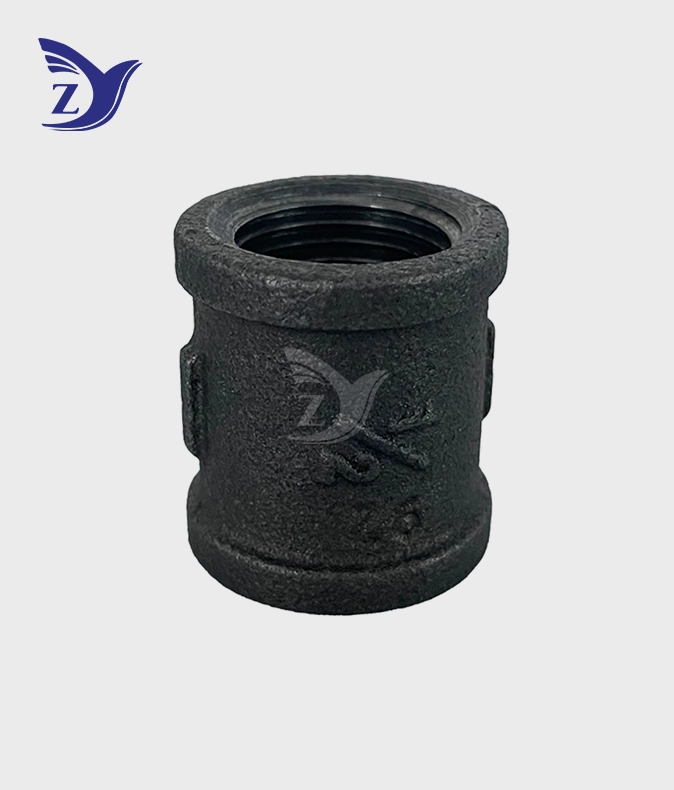
NPT Black Square Face Coupling Pipe Fittings
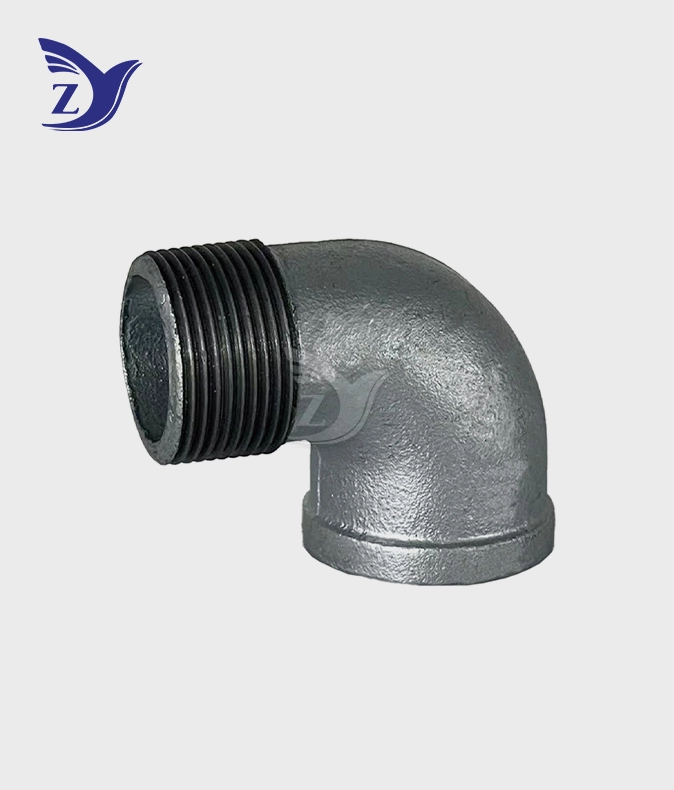
NPT Square Face Galvanized 90° Male Female Threaded Elbow Pipe Fittings
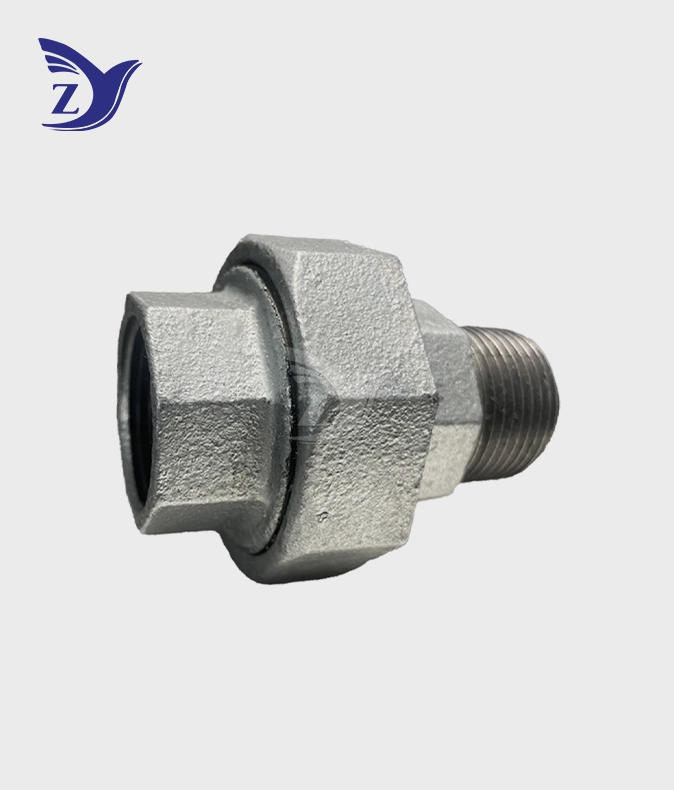
NPT Galvanized Male Female Threaded Union 331 Pipe Fittings
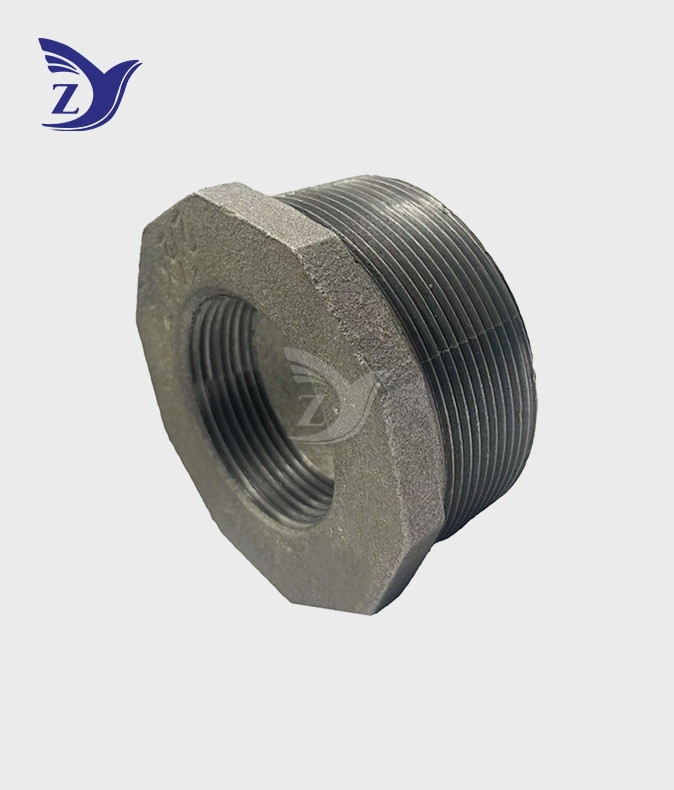
BSPT Black Malleable Iron Bushing
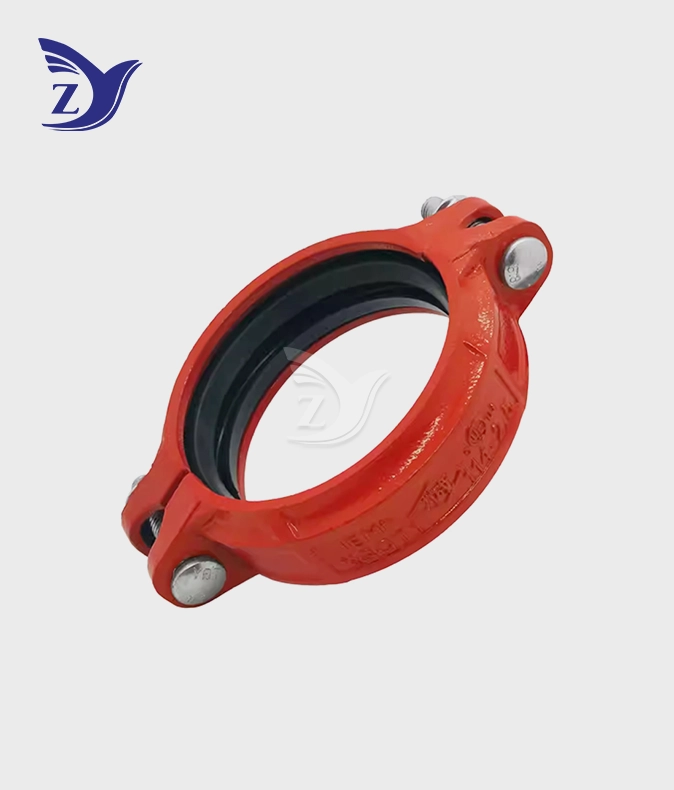
Fire Grooved Clamp
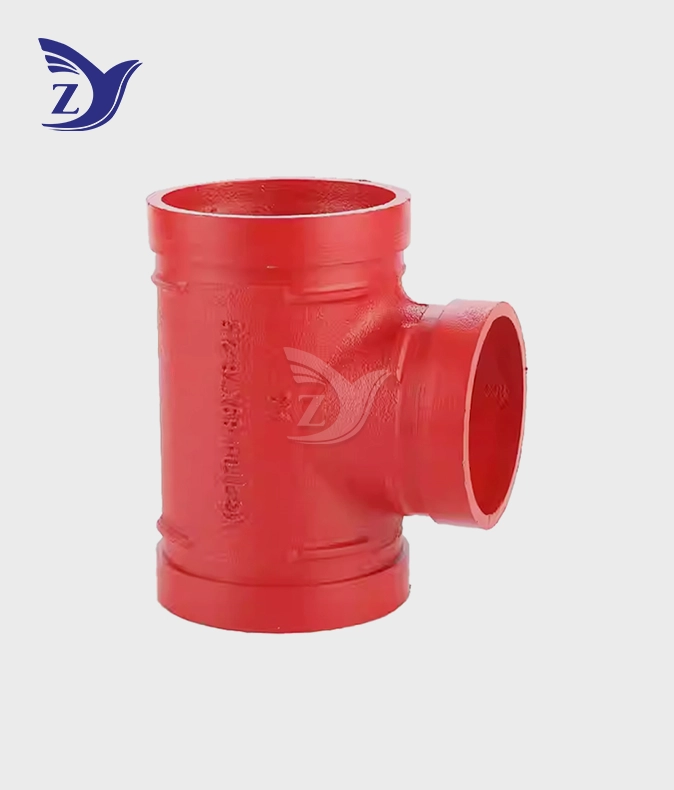
Fire Grooved Reducing Tee
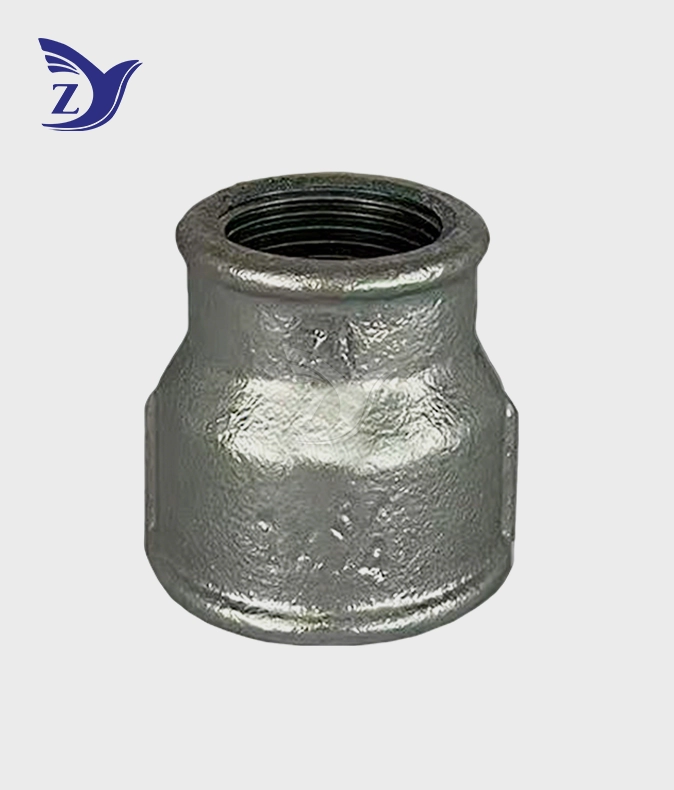
BSPT Round Face Galvanized Round Edge Reducing Coupling Pipe Fittings
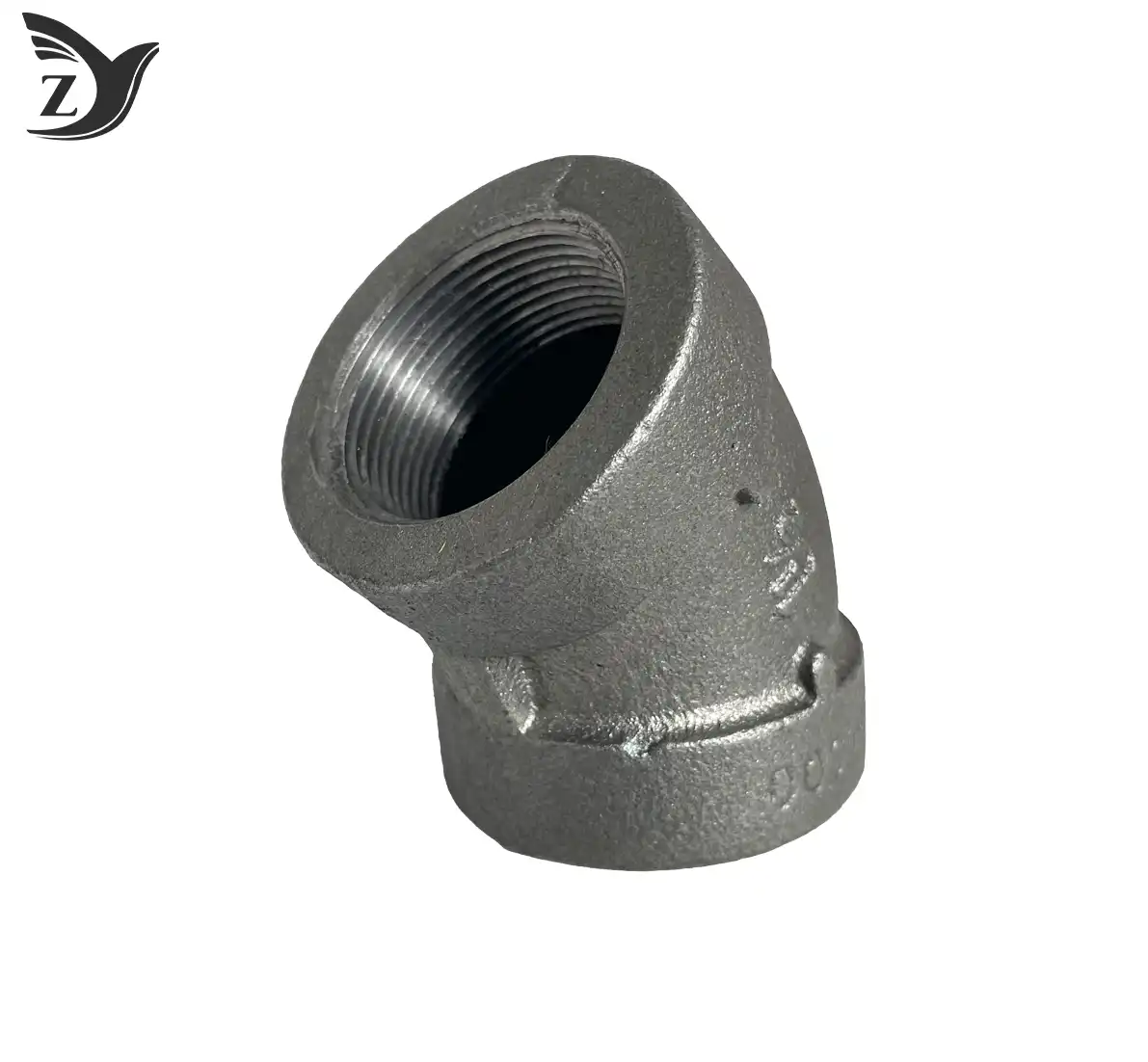
300LB Black Malleable Iron 45 Degree Threaded Elbow Pipe Fittings