
May 25, 2026
What is male and female coupling?
Male and female couplings are important threaded pipe parts that can connect two pipes of different sizes or join two pipes that are the same diameter. A male coupling has threads on the outside that screw into the internal threads of a female coupling. This makes a strong link that won't leak. The beaded galvanized round edge male-female reducing coupling is a special type. It has male and female threads on opposite ends to make diameter changes easier. It also has a reinforced beaded collar for extra strength and hot-dip galvanization to protect against corrosion. This two-threaded reducer is very useful in industrial water, gas, and HVAC systems that need to reliably change the diameter and last a long time.
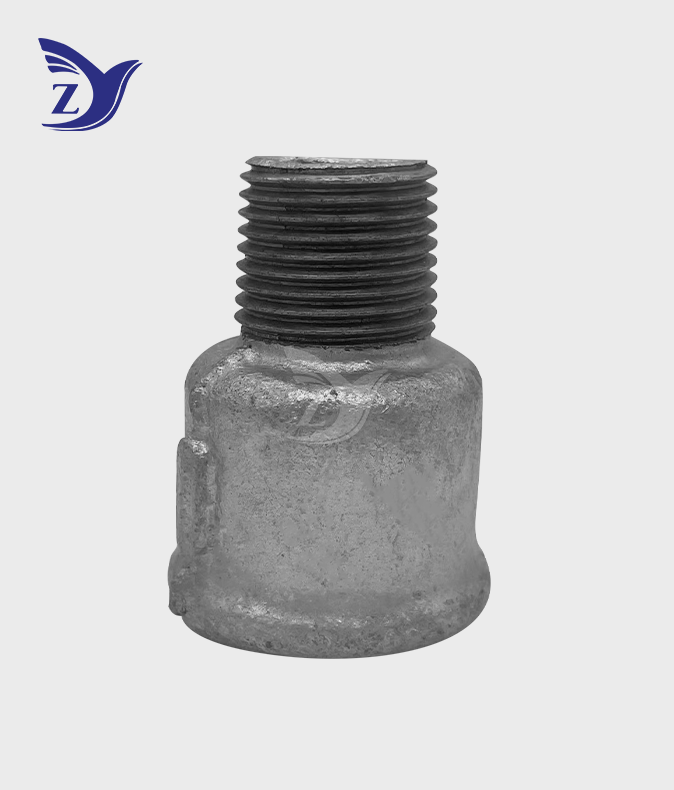
Understanding Male and Female Couplings
Basic Coupling Functions and Thread Types
Beaded galvanized round edge male-female reducing coupling work on a simple but effective idea: threads on the outside connect to threads on the inside to make a mechanical seal. Male threads (external) get a little thinner near the end, and female threads (internal) fill in the space left by the male threads. When the two parts are pulled together, the tapered shape creates interference that pushes down on the thread surfaces, making a pressure-resistant seal that often doesn't need any extra sealants.
The reducing function solves a common engineering problem: how to connect lines with different nominal sizes without having to make a lot of different fittings or special parts? A water supply header might be 2 inches long, but branch lines that lead to individual outlets only need to be 3/4-inch wide. Using the old way, you would need a bushing, a nipple, and a normal coupling, which means there are three places where the seal could break. These extras are taken care of by a single male-female reducing coupling, which speeds up installation and makes it more reliable.
Material Composition and Galvanization Process
Blackheart malleable iron that meets ASTM A197 or a foreign standard like EN 10242 is usually used for these parts. An annealing heat process turns brittle white cast iron into a malleable iron that can be bent and can handle shocks. This process makes tensile strengths higher than 300 MPa and elongation rates of about 6%. This means that fittings can handle mounting pressure and changes in temperature without cracking.
When it comes to protecting pipe parts from rust, hot-dip galvanization is the best. During the process, cleaned iron parts are put into melted zinc that is about 450°C. Zinc metallurgically joins with the iron base, making several protected layers, such as an interface made of zinc and iron alloy and a pure zinc coating on the outside. ASTM A153 says that this layer should be 70–80 microns thick, which is about 500g/m². It should provide decades of cathodic protection even in settings that are corrosive. When the zinc layer on the outside gets a little damage, it corrodes before the iron underneath, so the structure stays strong for a lot longer than painted or raw options.
Features and Benefits of Beaded Galvanized Round Edge Male-Female Reducing Couplings
The Beaded Reinforcement Advantage
The word "beaded" refers to a raised, strengthened collar that goes around each threaded end of the connection. This part of the structure is used for several technical tasks that have a direct effect on how well the field works. The bead makes the wall thicker where pipe tools grip the fitting during installation. This spreads the rotational stress over a larger area and stops the fitting from deforming or cracking when there is a lot of torque on it during installation.
Beaded galvanized round edge male-female reducing couplings have hoop stress because of internal pressure, and the bead works as a reinforcement ring to stop axial expansion. This is very important for high-pressure uses like fire control systems that work at 175 psi or industrial steam lines that go from normal pressure to high pressure. Test results show that beaded fittings keep their structural integrity at pressure levels that are 15 to 20 percent higher than similar designs that don't have beads.
The bead also makes the bond stronger. As the threads engage during assembly, the bead adds extra material that pushes against the pipe end, making a second mechanical seal in addition to the first thread seal. This extra safety feature lowers the chance of a leak happening in places where there may be vibrations, changes in temperature, or small installation flaws.
Round Edge Design Considerations
Premium fittings are different from cheaper ones because they have round edge shapes. Because the bead and coupling body don't meet at sharp corners, there aren't any sharp edges that could catch on safety gear or cause small injuries while being handled. This small detail shows how precise the manufacturing process is—to get round ends every time, you need to control the machining settings and use good tools.
Although square edge joints are cheaper to make, they have a number of problems. When there are sharp changes, stress builds up in certain places, which can lead to wear cracks when the load is cycled. Because these parts are angular, the covering is more likely to get damaged during handling and installation, which lowers their long-term resistance to rust. When procurement funds allow it, round edge designs are a good way to save money because they require less upkeep and last longer.
Galvanized Coating Performance in Harsh Environments
When compared to other treatments, hot-dip galvanization is the most resistant to rust. According to ASTM B117, galvanized fittings can withstand over 500 hours of constant exposure to salt spray before showing major red rust. Painted or electroplated alternatives fail within 48 to 72 hours of the same circumstances.
These lab results are supported by performance in the real world. In coastal industrial sites, city water treatment plants, and farm irrigation systems, pipes are exposed to high and low temperatures, chlorides, and sulfates. We have proof that galvanized malleable iron fittings keep their structural integrity after 25 years or more of constant outdoor service, while fittings that aren't covered need to be replaced every 3 to 5 years. When you think about replacement work, system downtime, and possible water damage from premature breakdowns, it's easy to see why the lifetime cost is better.
The self-healing qualities of the zinc layer help explain why it lasts so long. Small cuts or abrasions during installation don't affect security because the zinc around the iron keeps cathodically protecting it. This kind of forgiveness during installation in the field is very helpful when working with contractor teams that are pressed for time.
Typical Applications
Key Industrial Applications
Water and gas pipeline width change fittings are used a lot in many different fields. Beaded galvanized round edge male-female reducing couplings are used by municipal water utilities to connect transmission mains to distribution branches. They make flow control easier while keeping pressure zones the same. Corrosion resistance is very important for fresh water uses because minerals that dissolve and changing pH levels make metals break down faster if they are not protected.
When adding modern sprinkler systems to old buildings, fire protection workers use these high-strength, anti-rust, bendable connections. In older buildings, the supply pipes are often too big, but in newer buildings, sprinkler systems use smaller branch lines to get the best hydraulic estimates. A single reducing coupling makes these changes easier and meets the listing standards for FM Global and UL. It also cuts down on installation time and possible leak spots.
Chemical processing plants and factories like how strong the building is for connecting instruments to process lines. Most of the time, smaller connection sizes are needed for pressure gauges, temperature monitors, and sampling ports than for major process pipes. The beaded design can handle the pressure needed for proper sealing without breaking, and the galvanization can handle the harsh chemicals, high humidity, and temperature changes that are common in these tough settings.
HVAC workers who work on business buildings like how these industrial pipe connections handle systems that distribute hot water, cold water, and steam. The flexible iron construction can handle changes in temperature better than weak cast iron options. The galvanized finish also keeps ceiling tiles and finished walls from getting rust stains from painting fittings.
Quality Indicators and Compliance Standards
To find high-quality parts, you need to pay attention to certain quality marks. The galvanized surface should be a uniform silver-gray color, with no bare spots, too much roughness, or zinc drips that show bad temperature control in the bath. A slightly rough surface is normal and helps the covering stick, but deep pits or lumps are a sign of contaminated zinc or poor surface preparation.
Thread quality has a direct effect on how well a seal works. Precision-threaded parts have thread crests that are clean and sharp, with no broken metal, chatter marks, or pitches that aren't the same. You shouldn't find any metal slivers or burrs when you run a clean cloth along the threads. The taper should stay the same. The threads shouldn't look like they are straight or have sudden changes in width, which could mean that the cutting tools are old or not lined up right.
Fittings made by reputable companies are marked with the country where they were made, the size, and often the material grade or standard compliance code. These marks, which can be cast into the body or stamped on the bead, make it possible to find the item and make sure it is of good quality. Concerns about factory responsibility and material verification are raised by missing marks.
When looking for things for controlled uses, certifications are important. Fire safety parts in North America must have UL rating and FM approval. When something has a CE mark on it, it means that it meets European safety and performance standards. ISO 9001 approval shows that the company keeps quality control systems that are written down. When reviewing suppliers, asking for proof of certification early on weeds out those who don't have the right qualifications.
Conclusion
Some of the most important parts of an effective pipe system are the male and female connections. For width changes in harsh settings, the beaded galvanized round edge male-female reducing coupling is especially useful. Procurement experts can perfectly match parts to the needs of an application if they know the detailed differences between coupling types, material choices, and thread standards.
Quality indicators like uniform galvanization, precision threading, proper certifications, and structural reinforcement separate premium fittings from economy alternatives. While initial cost differences exist, lifecycle analysis constantly shows that better components have lower total ownership costs because they last longer, need less maintenance, and have lower failure risks.
Strategic relationships with well-known makers not only provide goods, but also technical know-how, the ability to make changes, and the dependability of the supply chain, all of which are important for a project's success. The time and money spent on evaluating suppliers, checking their quality, and building relationships pays off with reliable parts that work well and quick help when problems happen.
FAQs
How can I verify galvanization quality on delivered fittings?
Check the covering to make sure it has a uniform silver-gray color and no bare spots, too much roughness, or zinc runs that could mean poor process control. The surface of good galvanization has a little roughness, but it's still smooth enough that your hand can slide across it without getting caught. Ask for measurements of the coating's thickness using a magnetic gauge. Readings below 50 microns mean the security isn't good enough. Reliable providers give mill test results that show coating weights and compliance with ASTM A153 standards. If an eye check raises concerns, ASTM B117 salt spray testing gives clear performance data, though the 500+ hour test length makes it impractical for regular verification.
Are these couplings compatible with non-metallic pipe systems?
Because of different temperature expansion rates and thread forms that don't work well together, it's not a good idea to directly thread galvanized malleable iron connections onto plastic pipes. For PVC, CPVC, and other similar plastic systems, you need transition fittings with compression seals, solvent-weld adapters, or threaded plastic plugs that are made to connect metal to plastic. These special adapters work with the different qualities of the materials while keeping the system's structure. It is better to define the right transition components when building mixed-material systems than to make connections on the spot, which could lead to leaks and failures before they're supposed to.
What are typical lead times for custom reducing coupling orders?
Standard catalog items ship within one to two weeks from stock in the United States or six to eight weeks from production in other countries. Custom specs that need technical review, special tools, or materials that aren't common make the time between approval of the order and delivery 8 to 12 weeks. It could take 14 to 16 weeks for complex changes that involve testing and approval processes for prototypes. Early involvement of suppliers in the planning stages of a project keeps schedules from being affected. For example, giving preliminary specifications three to six months before delivery dates lets makers plan production capacity and material purchases. Sometimes, rush orders can be made to fit tight plans at a higher cost, but good makers don't like deadlines that mess up the right way to make things.
Partner with Zhiyuan Malleable Steel for Reliable Pipe Fitting Solutions
Zhiyuan Malleable Steel can help you with your next project by making high-quality beaded galvanized round edge male-female reducing coupling that meet all the necessary standards. Our facility in Shanxi Province blends modern manufacturing with helpful customer service. We have been casting for 18 years and can make 30,000 tons of products each year. Our product line includes more than 1,000 specs, so we can either quickly make or stock the exact parts your system needs.
We know that people who work in buying need providers who can consistently provide high quality goods at reasonable prices and on time. Our CE, UL, and FM certifications and ISO 9001 quality control system make sure that every coupling meets the highest performance standards around the world. Our defect refund policy gives you peace of mind, and double-layer cardboard wrapping keeps your investment safe during shipping. When projects need to be customized, our 38-person expert team works with your engineers to come up with solutions that meet all of your needs.
As an experienced company that sells beaded galvanized round edge male-female reducing coupling, we are happy to answer questions about our standard products or work with you on unique projects. To get full specs, competitive quotes, or product samples, email our team at q1236800000@gmail.com or visit zymalleablepipefitting.com. Zhiyuan Malleable Steel has the quality, volume, and technical know-how that your projects need, whether they're looking for parts for fire safety systems, city structures, or industrial process pipes.
References
- American Society for Testing and Materials. (2020). "ASTM A197: Standard Specification for Cupola Malleable Iron." ASTM International Standards Worldwide.
- American National Standards Institute. (2019). "ANSI/ASME B1.20.1: Pipe Threads, General Purpose (Inch)." American Society of Mechanical Engineers.
- International Organization for Standardization. (2018). "ISO 49: Malleable Cast Iron Fittings Threaded to ISO 7-1." ISO Standards Catalogue.
- American Society for Testing and Materials. (2021). "ASTM A153: Standard Specification for Zinc Coating (Hot-Dip) on Iron and Steel Hardware." ASTM International.
- Factory Mutual Research Corporation. (2022). "FM Approval Guide: Pipe Fittings and Couplings for Fire Protection Service." FM Global Standards Compendium.
- European Committee for Standardization. (2017). "EN 10242: Threaded Pipe Fittings in Malleable Cast Iron." CEN European Standards Publications.
Online Message
YOU MAY LIKE
High quality furniture manufacturer
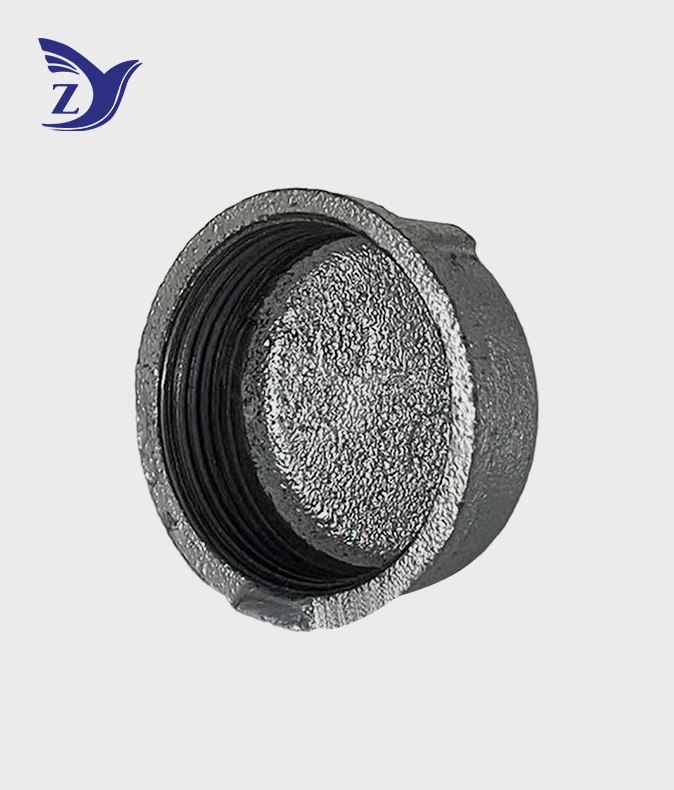
NPT Galvanized Pipe Cap Pipe Fittings
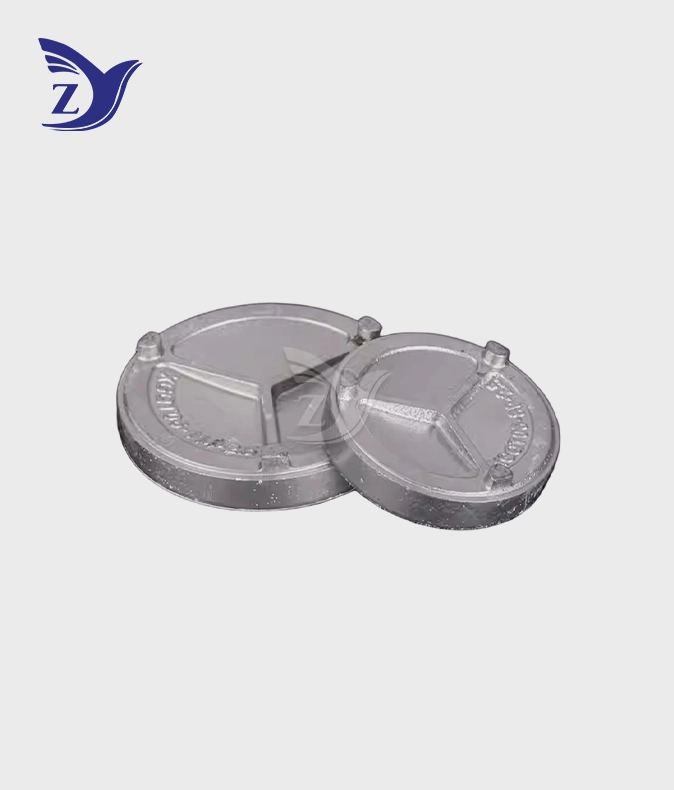
Water Grooved Blind Flange
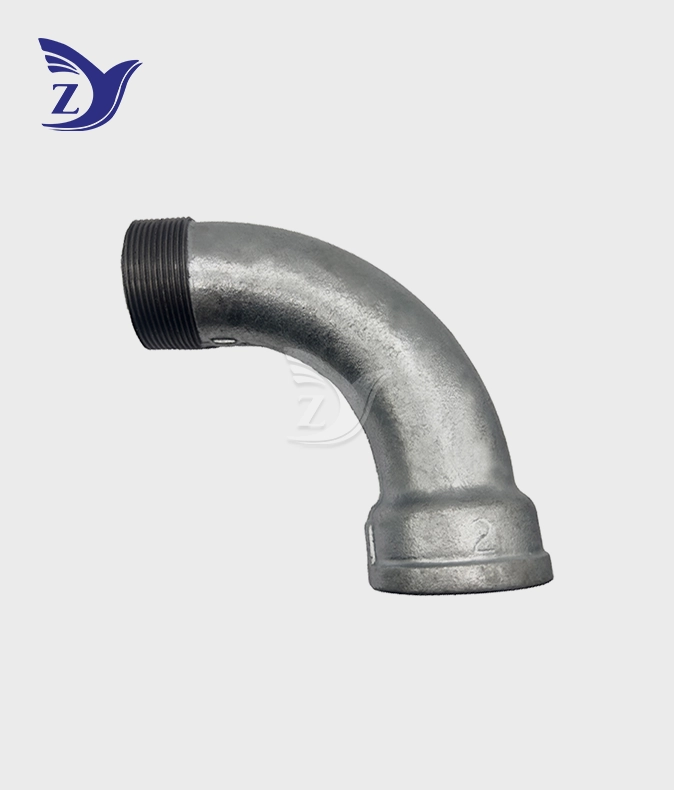
NPT Galvanized Male Female 90° Long Radius Elbow Pipe Fittings
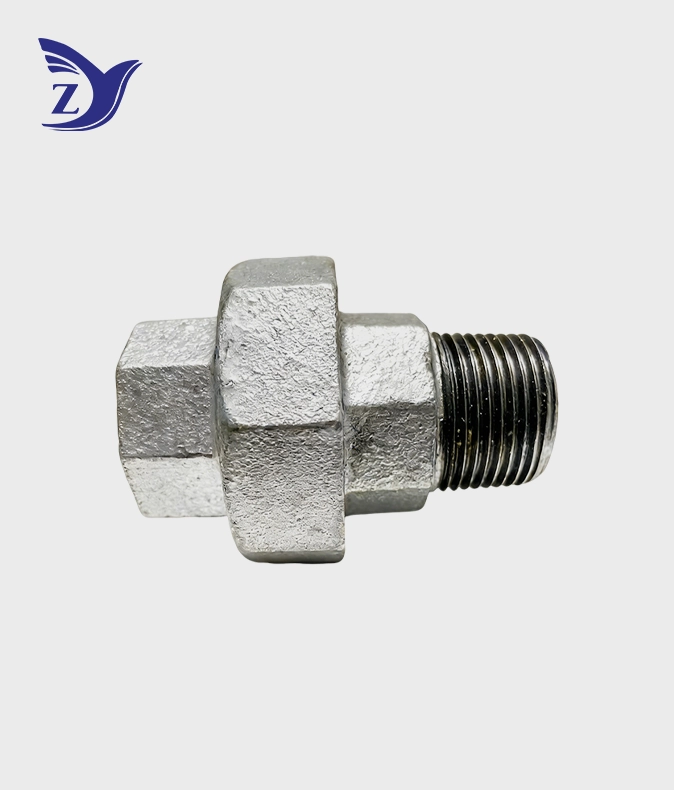
NPT Galvanized Male Female Threaded Union 341 Pipe Fittings
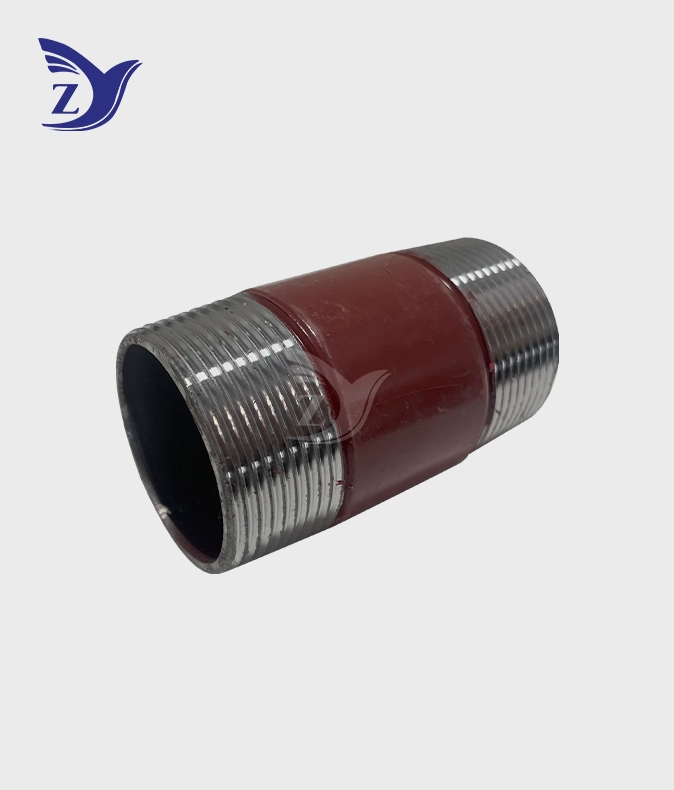
Carbon Steel Pipe Male Threaded Fittings Red Coated
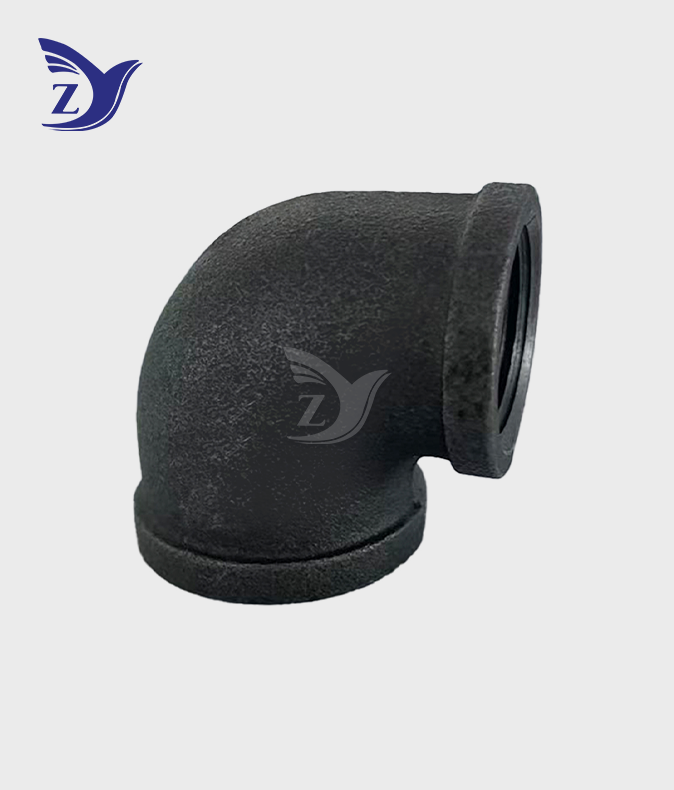
NPT Black Square Edge Reducing 90° Elbow
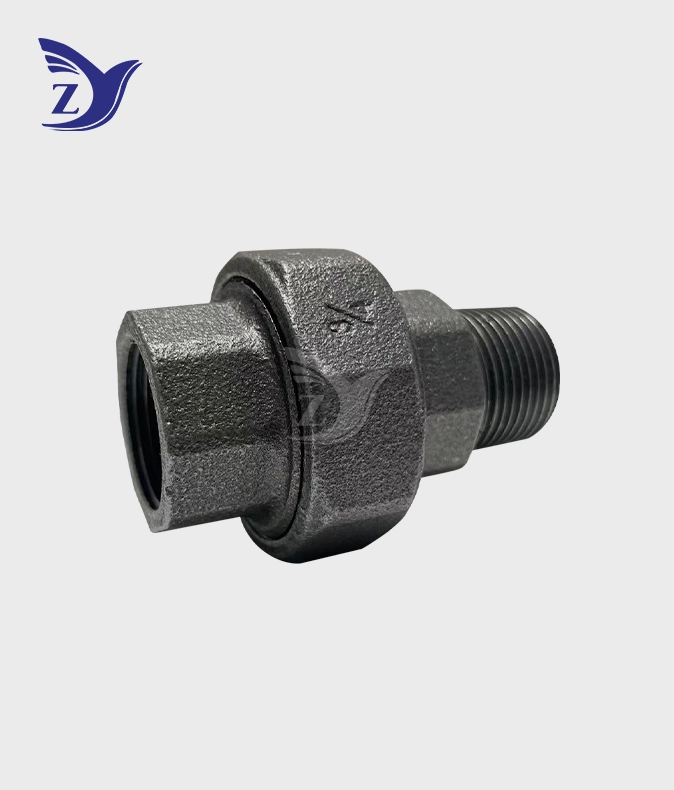
NPT Black Male-Female Union 343 Pipe Fittings
Fire Grooved 45° Elbow