
Jun 4, 2026
What is galvanized 90° reducing elbow material?
A very important question that procurement managers often have to answer when planning fire safety systems or city water supply networks is: what exactly is a galvanized 90° reducing elbow made of, and why does the make-up of the material mean so much? A hot-dip galvanized 90° reducing elbow is a precision-threaded pipe fitting made mainly of pliable iron or carbon steel and protected by a zinc layer. This two-threaded connection lets you easily change the flow direction by 90 degrees and connect lines with different diameters, like going from a 1-inch inlet to a ¾-inch outlet. The hot-dipped zinc coating, which is usually more than 85 microns thick according to ASTM A153 standards, protects against oxidation and chemical corrosion. It does this by providing a sacrifice barrier that stops problems like premature rust failure in outdoor settings or galvanic reactions in mixed-metal systems.
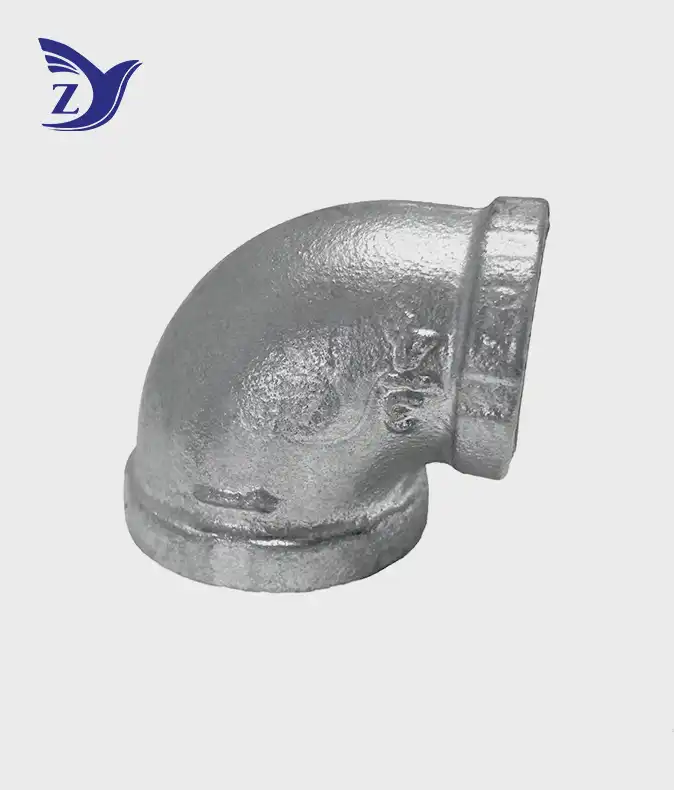
Galvanized 90° Reducing Elbow Materials
Choosing parts with proven material stability is the first step in building a reliable industrial pipe system. We've spent 26 years improving our casting methods at Zhiyuan Malleable Steel so that we can make a galvanized 90° reducing elbow that can handle the toughest work conditions. Our two 100-ton natural gas kilns do controlled annealing on the base material, which is pliable iron that meets ASTM A197 standards. This turns brittle white cast iron into flexible, shock-resistant gray iron. This heat treatment makes sure that the fitting can handle the pressure of installation without cracking, which is a frequent place where cheaper options fail.
Base Material Composition and Metallurgy
It is different from regular cast iron because of the way its composition is set up. During production, carbon precipitates form clusters instead of flakes. This gives the steel a higher tensile strength—about 50,000 psi compared to 30,000 psi for gray iron. This mechanical benefit is very important when threaded links have to deal with heating and cooling cycles or vibrations from pumps. Carbon steel types made according to ASTM A105 standards are even stronger for high-pressure uses that go beyond 300 psi working pressure. The chemical makeup keeps the carbon amounts exact, ranging from 0.25 to 0.30%. This keeps the weldability and stiffness in balance.
Our eight sets of 3-ton medium frequency electric ovens let us change the amounts of alloys in real time while they are melting. We make sure the silicon content stays between 1.2% and 1.8% to improve flow during casting and make sure the threads fill completely without any holes. Impurities of sulfur and phosphorus stay below 0.05%, which keeps the metal from becoming weak and causing threads to break when it's loaded. Industrial-grade parts are different from hardware store items that might say "malleable" but don't actually meet any standards that can be checked.
Hot-Dip Galvanization Process and Coating Protection
The process of hot-dip galvanizing and coating protection at our plant involves parts that have been cleaned and pickled in acid being immersed in molten zinc baths that are kept at 840°F to 860°F. This makes an intermetallic bond between the base iron and the zinc covering, which is a metal bond. Electroplating puts on thin sheets on the surface, but hot-dip galvanization makes coats that are between 3.0 and 5.0 mils (76 and 127 microns) thick and physically join with the base. When the iron underneath is scratched or abraded during installation, the zinc around the damage protects it from corrosion by giving up its own life.
The natural benefits make things last a lot longer. Independent tests show that galvanized 90° reducing elbows placed in coastal marine settings keep their structural integrity for more than 50 years, while painted steel only lasts for 8 to 12 years. Our electric heating environmental protection galvanizing furnace gets rid of harmful fumes while keeping the consistency of the coating, which is a benefit for quality control that can be seen during magnetic thickness gauge checks. Random samples are taken from every batch to make sure they meet ASTM A153 Class B standards. This makes sure that procurement managers get parts that won't break down too soon in chemical processing companies or city water systems that are acidic.
Benefits and Applications of Galvanized 90° Reducing Elbows
Buying choices are based on how much something costs, but saves up front don't mean much if the galvanized 90° reducing elbow breaks soon after purchase. Lifecycle value is provided by galvanized bendable elbows that are resistant to rust, strong, and easy to install. Instead of stainless steel, which costs three to four times as much per unit, coated iron protects against rust 80% better for thirty percent of the cost. Even though plastic parts might seem like a good deal, they can't be used outside or in high temperatures because they can only handle temperatures up to 140°F and break down in UV light. For potable water systems, copper elbows work great, but you need to know how to braze them properly, and they can be stolen from easily available setups.
Corrosion Resistance in Harsh Environments
The electrochemical qualities of the zinc covering make a barrier that protects and fixes small cuts. Zinc oxidizes before iron when it comes into contact with water, creating a stable zinc carbonate coating that stops further rusting. Because of this "sacrificial anode" effect, even coatings that are broken keep protecting the main metal. Field studies in city water systems show that galvanized fittings that were put in place in the 1970s are still working consistently, while replacements made of uncoated steel from the 1990s have a lot of rust holes in them.
Our hot-dip process makes sure that all of the surfaces are covered, even the interior threads that spray coating methods often miss. Our production area has 156 sets of cutting equipment, and some of them are post-galvanization thread-chasing tools that get rid of extra zinc buildup while keeping thread standards and not showing any bare metal. This careful attention to detail stops the "zinc dross" from getting into the system and blocking flow or hurting pressure controls further downstream. Irrigation systems used in agriculture benefit the most because chemical leftovers and standing water are very corrosive. The anti-rust features work even in coastal settings, where salt spray speeds up the rusting process ten times more than in inland settings.
Industrial Applications and Case Studies
Our biggest customers are fire protection workers, who ask for galvanized 90° reducing elbows for sprinkler drops that join main lines to individual head connections. A recent job in Ohio by a city fire department needed 2,400 bends to connect 2-inch main lines to 1-inch branch lines. The UL and FM approval standards were met by our Class 150 NPT fittings, which were also 40% cheaper than stainless steel. A two-year review of the work showed that there was no corrosion or leakage, which proved that the choice of materials was good.
Integrators of HVAC systems use our elbows for water drain setups where size reduction is needed to make room in mechanical rooms. The male-female threaded design lets you go from vertical to horizontal without using extra connections. This makes fitting 25% faster than with welded options. One business property management company said that moving from PVC to galvanized iron fittings stopped 90% of drain line leaks because the stronger metal prevented cracking from thermal cycling. Our high-strength versions are used in secondary cooling water systems at petrochemical companies. These systems are subject to chemical contact and physical vibration, so they need strong materials.
Water utility companies like how accurate the measurements are that allow trenchless replacement methods to work. Crews use our elbows to move new lines around obstacles without having to do a lot of digging when replacing corroded parts in underground mains. Soil chemistry changes that would kill steel in months are no match for the corrosion-proof protection. Municipal gas distribution networks also use zinc fittings for meter set units because the tight safety rules require leak-proof NPT threads. These real-life uses show that galvanized malleable iron is reliable enough for industrial use, which is why it should be chosen over cheaper options. The yearly production capacity of 30,000 tons makes sure that large orders are shipped within two-hour inventory rounds, which keeps projects on schedule.
How to Choose and Procure Galvanized 90° Reducing Elbows for Your Project?
The quality of the product, the dependability of shipping, and the total cost of the job depend on the supplier chosen for your galvanized 90° reducing elbow needs. Our ISO 9001 approval at Zhiyuan Malleable Steel shows that we have a method for controlling quality from the time we buy the raw materials to the time we package them. The CE, UL, and FM approvals show that the product meets foreign standards. This is important proof for projects that need to be checked by a third party. Because fake marks are common on cheap imports, procurement managers should ask for certification copies before placing buy orders.
Supplier Evaluation Criteria and Certifications
The manufacturing potential shows how many big orders can be filled without lowering the quality. Every year, our eight electric furnaces and 156 cutting stations handle 30,000 tons of work, ranging from small batches of prototypes to full container loads. Smaller providers often send extra orders to facilities that aren't approved, which can cause quality differences. Our 50,000-square-meter plant in Taigu District, Shanxi Province, is open for customer surveys and can show you how we make things. The clear production area, which is only 40 kilometers from Taiyuan Wusu International Airport, makes it easier for foreign buyers to get their goods.
Support after the sale is what sets trustworthy partners apart from transactional sellers. We repair broken items without needing complicated return authorizations because we know that delays in projects cost a lot more than new parts. Technical advice helps with choosing specifications. For example, our engineering team looks at pipe diagrams to find the best fitting sizes and pressure classes. This advice service keeps things from being too specific, which wastes money on capacity that isn't needed, or too general, which increases the chance of fails. Out of the 500 employees, 38 are committed technical staff who offer help in multiple languages and time zones.
Customization Options and OEM Services
Standard libraries cover common uses, but custom projects need solutions that are made just for them. We can do research and development on non-standard sizes, unique thread forms, and special finishes. A recent petroleum job needed reducing elbows that were 1¼ inches by ⅞ inches, which is an unusual size that isn't usually kept in stock. It takes three weeks to make the tools and get approval for the prototype, and five weeks to ship the first batch of products. Private labeling and customized packages are part of OEM services, which are helpful for sellers building their brand identities.
There is a balance between industrial efficiency and customer freedom in minimum order amounts. Standard specs can be shipped in as few as 100 pieces, but special variations usually need at least 500 units to cover the cost of the tools. When you buy more than 20,000 units, you get a 15% discount, and at 5,000 pieces, you get a 5% discount. Our large selection of standard sizes lets us use mixed-load containers that combine different specs, which lowers the cost of freight. With a two-hour delivery guarantee on available items, emergency supplies can be sent out the same day via fast carriers, keeping projects from having to be put on hold, which can be very expensive. To compare options, you need to look at the total cost of ownership. Black steel parts cost 20% less at first, but they need to be painted or coated in the field, which adds to the cost of work and the risk of quality issues. There are no soldered parts in seamless designs, but they cost 50% more because they are harder to make. Hot-dipped galvanized malleable iron is the best choice for most municipal, business, and light industry uses. Because they are resistant to corrosion, strong, and not too expensive, these fittings are always chosen by fire protection workers, HVAC installers, and plumbing wholesalers. People who work in procurement benefit from working with well-known companies that offer clear price, certified quality, and quick expert help.
Conclusion
The lifespan, working safety, and lifecycle costs of a system are immediately impacted by the galvanized 90° reducing elbow material choice. Hot-dip zinc coatings on iron or carbon steel frames that are easy to shape have been shown to work well in a wide range of situations, from fire protection networks to industrial process lines. Engineers and procurement managers can choose parts that perfectly meet the needs of a project when they know about the material's qualities, dimensions, and pressure ratings. The installation instructions and seller assessment factors in this document lower the risks that come with getting parts. As regulations get stricter and manufacturing processes get more complicated, it becomes necessary to work with certified makers. Quality fittings only cost a small part of the total project budget, but they keep fails from causing too much damage and loss.
FAQs
What distinguishes galvanized from stainless steel reducing elbows?
Galvanized 90° reducing elbow options utilize malleable iron coated with zinc, offering excellent corrosion resistance at moderate cost. Stainless steel provides superior chemical resistance and tolerates higher temperatures but costs 3-4 times more. The galvanized option suits most water, gas, and low-pressure steam applications, while stainless becomes necessary for acidic chemicals or temperatures exceeding 480°F.
Can galvanized reducing elbows handle high-pressure applications?
Class 150 versions with a 300-psi rating are used for normal business systems, and Class 300 versions with a 600-psi rating are used for industrial processes. Pressure capability is based on the depth of the thread engagement and the width of the wall. Always make sure that the pressure values match how the system works, including any safety limits for surge pressure events.
How do I verify compliance with industry standards?
Ask for proof that the materials meet the requirements of ASTM A197 and ASTM A153 galvanization standards. Reliable providers give mill test results that show the chemistry of the materials and the thickness of the coatings. UL, FM, and CE certifications are examples of third-party certifications that show independent proof instead of self-certification.
What causes premature failure in galvanized fittings?
Most failures are caused by bad installation. Fittings crack when they are over-tightened, and leaks happen when they are under-tightened. Mixed metals cause galvanic rust, which speeds up the breakdown process. Service life is also shortened by choosing the wrong pressure classes or putting parts in contact with chemicals that don't work well with them. These problems can be avoided by following the manufacturer's fitting instructions.
Partner with Zhiyuan Malleable Steel for Reliable Galvanized Reducing Elbow Solutions
If you need factory-direct galvanized 90° reducing elbow for your industrial pipe projects, Zhiyuan Malleable Steel is ready to help. Their prices are cheap, and they offer guaranteed quality. We have been making NPT and BSPT threaded fittings for 26 years, so we know that every one of them meets foreign standards like ISO 9001, CE, UL, and FM. The yearly production capacity of 30,000 tons allows for large purchases and two-hour delivery windows for standard specs. Technical advice helps with choosing specifications, and OEM customization options take care of needs that aren't standard. Our guarantee to replace broken goods takes away the risk of buying, and our clear pricing and low minimum order numbers make it possible for projects of all sizes. We have the right solutions for everyone, from fire protection contractors looking for Class 150 fittings for sprinkler systems to municipal engineers looking for corrosion-proof parts for water mains and international galvanized 90° reducing elbow suppliers looking for a reliable manufacturing partner. You can email our team at q1236800000@gmail.com or visit zymalleablepipefitting.com to talk about the details of your job and get thorough quotes. We are committed to quality, on-time delivery, and technical excellence.
References
- American Society for Testing and Materials. "ASTM A197 Standard Specification for Cupola Malleable Iron." ASTM International, West Conshohocken, PA.
- American Society for Testing and Materials. "ASTM A153 Standard Specification for Zinc Coating (Hot-Dip) on Iron and Steel Hardware." ASTM International, West Conshohocken, PA.
- American Society of Mechanical Engineers. "ASME B1.20.1 Pipe Threads, General Purpose (Inch)." ASME Standards Committee, New York, NY.
- National Fire Protection Association. "NFPA 13 Standard for the Installation of Sprinkler Systems." NFPA Publications, Quincy, MA.
- International Organization for Standardization. "ISO 9001 Quality Management Systems—Requirements." ISO Central Secretariat, Geneva, Switzerland.
- American Water Works Association. "AWWA Manual M11 Steel Pipe—A Guide for Design and Installation." AWWA Publications, Denver, CO.
Online Message
YOU MAY LIKE
High quality furniture manufacturer
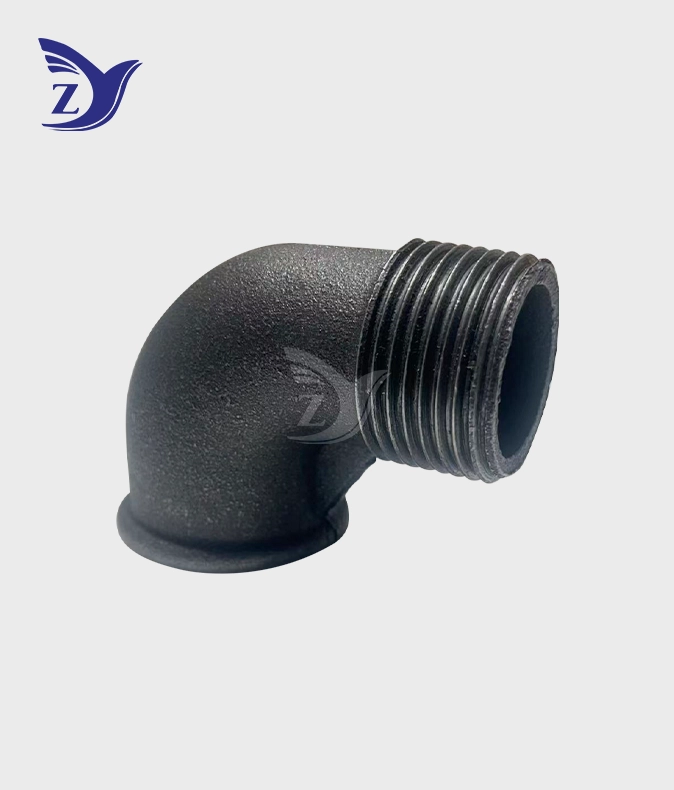
NPT Black Round Face Male-Female 90° Elbow Pipe Fittings
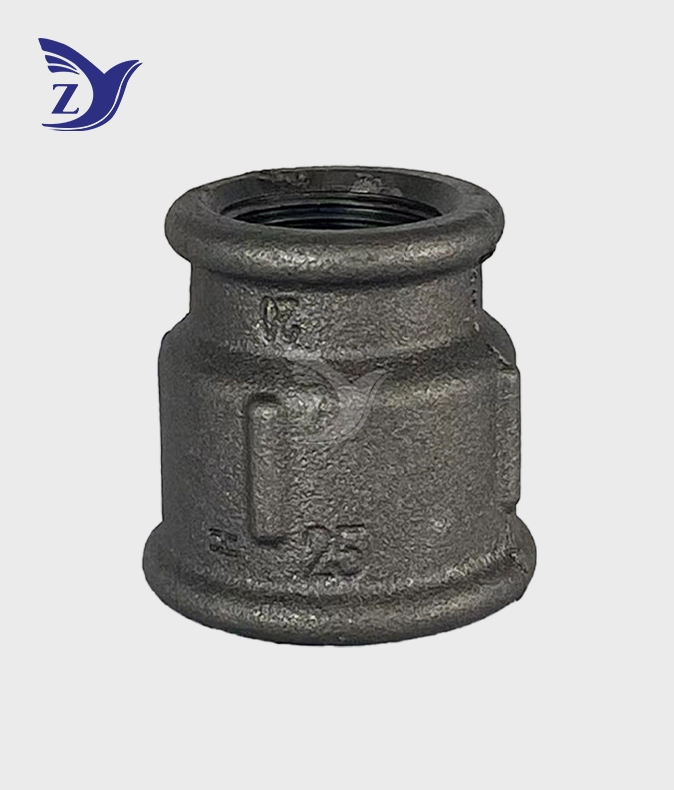
NPT Black Round Face Reducing Coupling Pipe Fittings
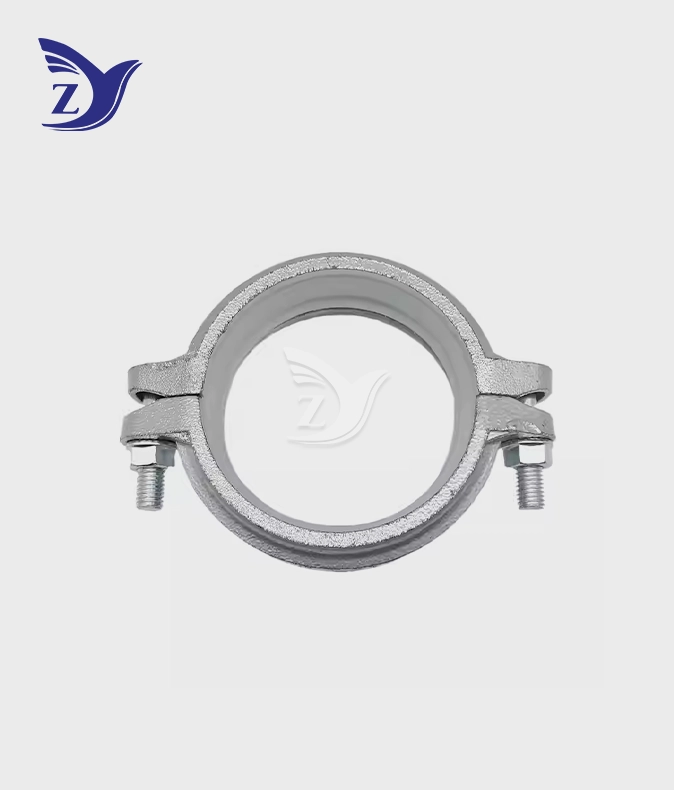
Water Grooved Clamp
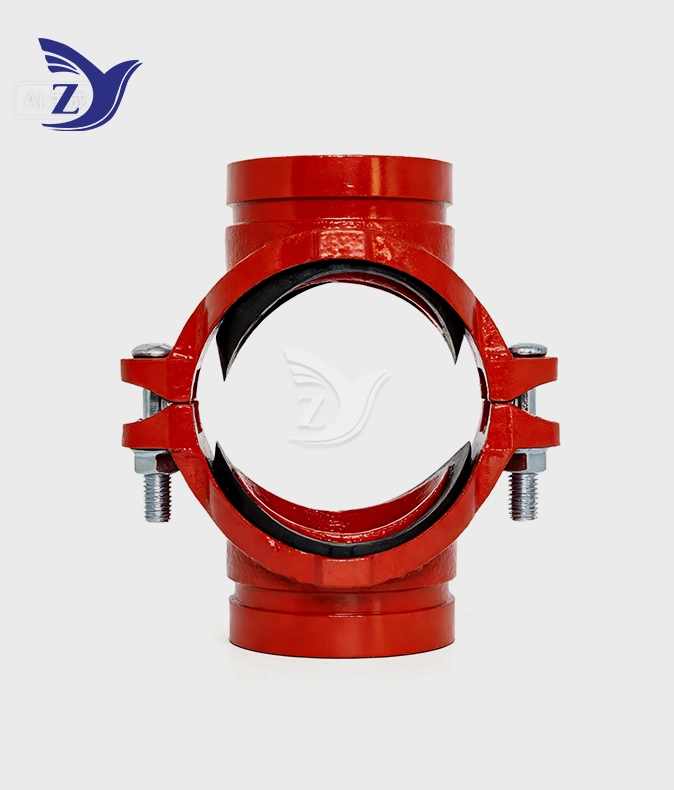
Threaded Mechanical Cross
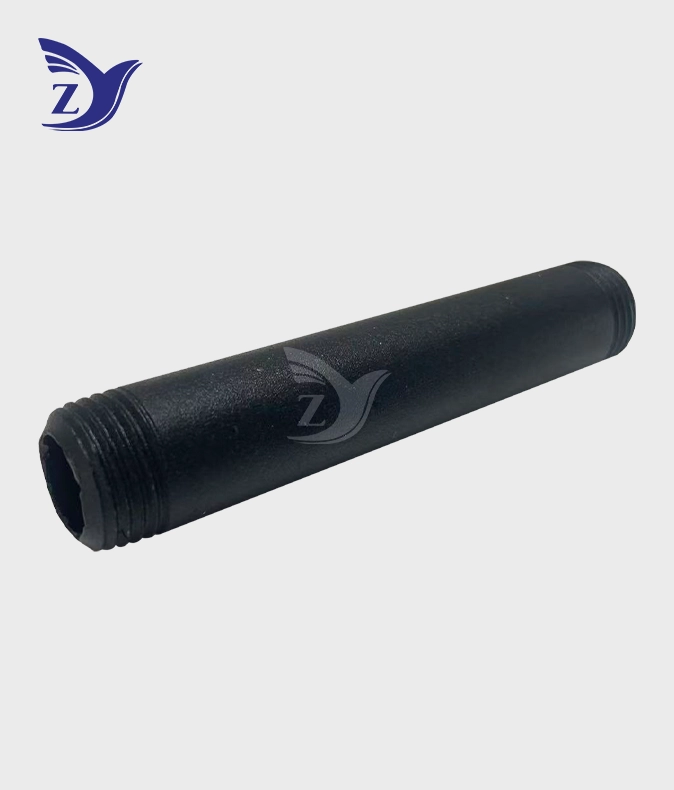
Carbon Steel Pipe Male Threaded Fittings Black Oxide Treated
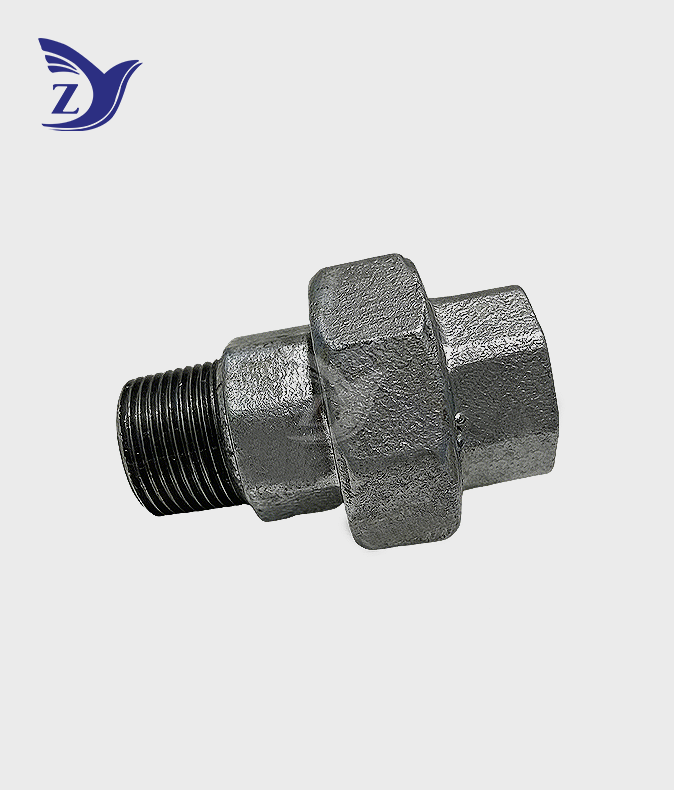
NPT Galvanized Male Female Threaded Union 343 Pipe Fittings
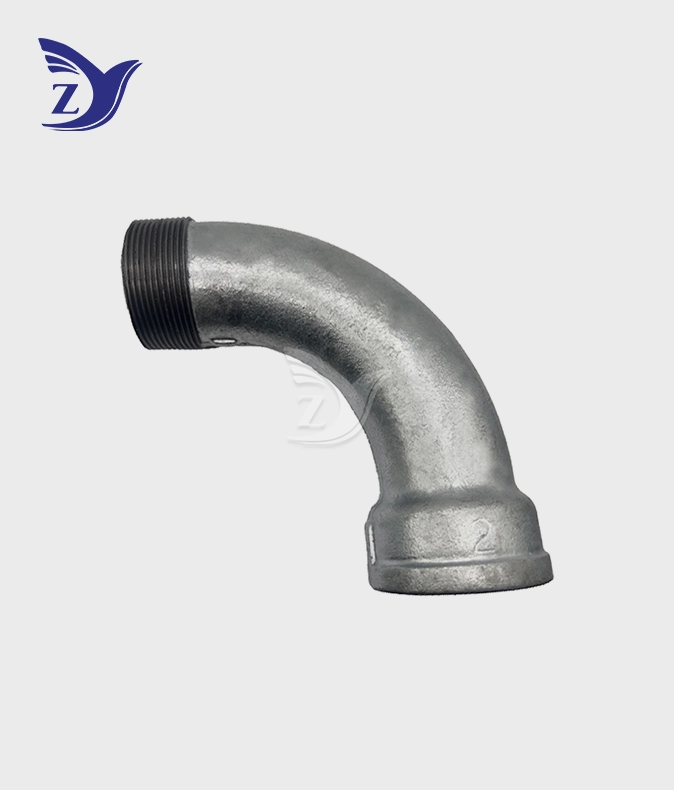
BSPT Galvanized Male Female 90° Long Radius Elbow Pipe Fittings
NPT Galvanized Union 330 Pipe Fittings