
May 30, 2026
What is a reducing elbow?
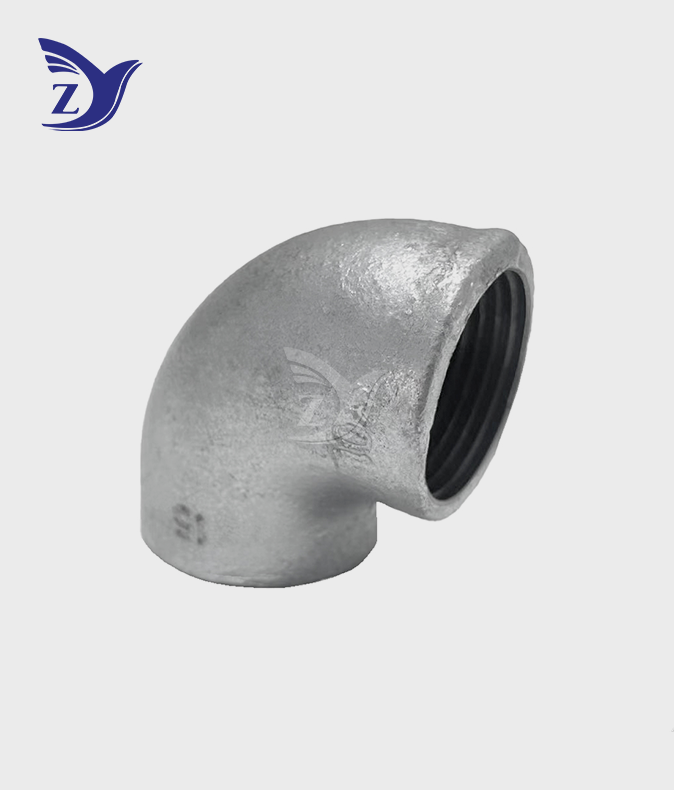
One question comes up over and over again when I visit factories or look at plumbing diagrams with engineering teams: what is a reducing elbow, and why is it so important in current pipe design? A lowering elbow is a special kind of pipe fitting that changes the direction of flow and goes from one pipe width to the other all in one piece. From the different kinds that are out there, the black square edge reducing 90° elbow stands out as a very good choice for industrial uses that need to change direction and reduce size. This fitting can do two things at once, so you don't need separate reducers and elbows. This saves time during installation, cuts down on possible leak points, and makes the best use of space in tight pipe plans where every inch counts.
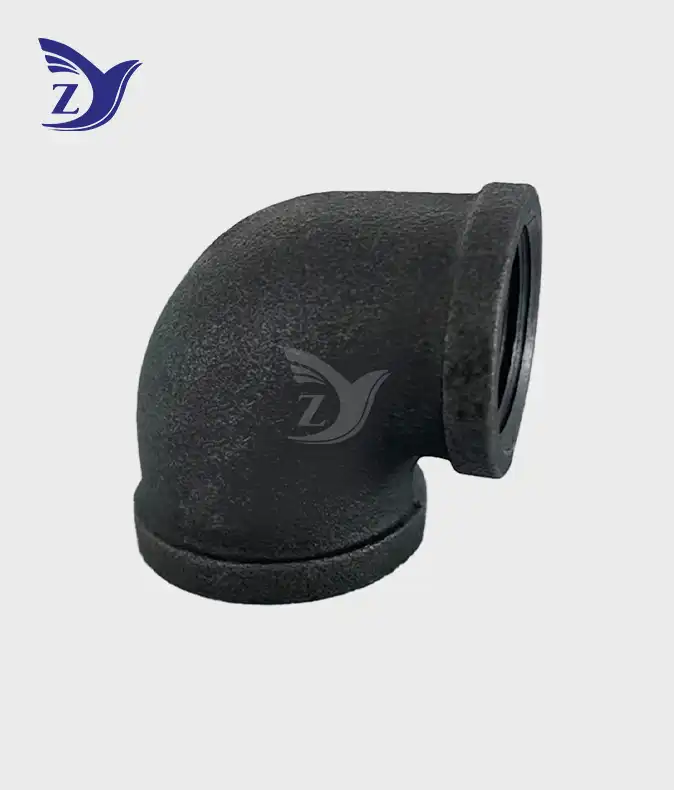
Reducing Elbows Functionality
When room is limited, flow needs to be optimized, or pressure needs to be managed, reducing elbows are very important parts of pipe systems. Standard elbows keep the diameter the same all the way through, but these special joints build the diameter change right into the direction change.
How Reducing Elbows Work in Piping Systems
Reducing bends work by having carefully planned inside shapes that help fluids or gases move through a smooth change. When fluid comes in through the bigger hole, the internal shape gradually makes the flow path narrower while also turning it 90 degrees. When compared to using different parts, this design reduces noise and pressure drop the most. In order to provide better structural stability during high-torque installation and prevent deformation under pressure cycles, the black square edge reducing 90° elbow has a strengthened square bead around its connection points.
Types and Design Variations
There are different shapes and sizes of reducing elbows based on thread standards and material requirements. The British Standard Pipe Taper (BSPT) and National Pipe Thread (NPT) forms are used in different parts of the world and for different types of connections. The square edge form is better than round-bead options because it has better areas for engaging wrenches and about 15 to 20 percent more mass where stress is most concentrated. This extra support is very useful in places where vibrations or changes in temperature happen often, as regular fittings could become loose over time.
Why Square Edge Design Matters
The rounded edge of the beads isn't just for looks. When tapered threads are tightened, this physical feature better spreads the stress on the hoop, which stops the micro-cracks that can form in plain or round-edge fittings. During installation, the sharp edge makes it easier to hold on to the wrench, which lowers the chance that the tool will slip and damage the threads or seal.
Key Features and Specifications of Black Square Edge Reducing 90° Elbows
Choosing the right material is the first step in making sure the fitting works well, and knowing the technical specs helps procurement pros make choices that meet their operational needs.
Material Composition and Properties
To make sure they are of high quality, black square edge reducing 90° elbows made from malleable iron must meet strict standards like ASTM A197 and EN-GJMB-350-10. These rules make sure that the minimum tensile strength is 40,000 psi (276 MPa) and the minimum yield strength is 30,000 psi (207 MPa). This makes the material very strong against heat expansion stress and pipeline shaking. The black finish is made up of a protective paint or oil covering that keeps the metal from rusting while it's being stored or shipped. It can also be used with gas, oil, and steam up to 350°F (176°C).
Different kinds of products are useful in certain settings. For chemical handling, stainless steel versions are better at resisting rust, while galvanized versions work better with water systems that aren't too hot or too cold. PVC lowering elbows work well for sewage systems that aren't under pressure, but they can't handle high temperatures or pressures like metal elbows can.
Dimensional Standards and Pressure Ratings
In pipe systems, precision in measurements is very important. Most black square edge reducing 90° elbows meet the requirements of ASME B16.3 Class 150 (rated at 300 PSI for water, oil, and gas at room temperature; 150 PSI for saturated steam) or Class 300 for higher-pressure uses. To keep turbulence and pressure drop across the fitting to a minimum, the reduction shape must keep the internal changes smooth. Either BSPT (ISO 7-1 with 55° thread angle and 1:16 taper) or NPT (ASME B1.20.1) standards are followed for the threads. This makes sure that the metals seal well with each other, and the sealing gets better as the fitting force goes up.
Comparative Performance Analysis
Compared to options with a round edge or a plain bead, the square edge shape has clear benefits. The strengthened bead structure doesn't bend during installation, so the threads stay in place and don't cross-thread. This function is especially useful when working in small areas where the installer can't easily get to the fittings and carefully line up the parts. The extra mass at the link points also makes them less likely to vibrate, which is very important in systems that use pumps, compressors, or flow conditions that change often.
Applications and Benefits of Black Square Edge Reducing 90° Elbows
When these specialized parts are used in industry, they show how useful they are in many areas where dependability directly affects safety and efficiency.
Industrial Sector Applications
Cutting down on bends is very helpful for district heating and industrial steam systems. In complicated networks for distributing steam, shrinking line sizes when directions change keeps the right pressure velocity, and the black iron material can handle thermal cycles that would break down plastic options. For steam-tight seals, the square edge makes it easier to use high pressure to put the fittings together. This keeps the zinc from flaking, which can happen with galvanized fittings at high temperatures and block downstream nozzles or control valves.
Fittings for commercial gas distribution systems need to be able to withstand vibrations without coming loose. Installers can make lasting connections that don't break when they use tapered BSPT threads and rigid square bead shape together. The reducing feature handles pressure changes from main supply lines to individual pieces of business equipment efficiently, so there's no need for separate reducer fittings that add more places for leaks to happen.
Retrofitting a fire sprinkler system comes with its own set of problems that the black square edge reducing 90° elbow solves perfectly. When older suppression systems in industrial buildings are upgraded, changes in flow direction and pipe size often happen in tight ceiling areas. This fitting is a key junction point that can survive hydrostatic test pressures of up to 25 bar while taking up less space than setups that use standard elbows and separate reducers.
Performance Benefits and Cost Advantages
Knowing the real benefits helps you explain the initial cost of buying good parts. Here are the main benefits this part provides:
Superior Leak Resistance: The tapered thread design makes a metal-to-metal seal that tightens under pressure instead of breaking, which is different from parallel thread fits that only use gaskets. This mechanical benefit lowers the need for long-term upkeep and lowers the chance that dangerous materials will leak out of chemical or gas systems.
Enhanced Structural Strength: The square edge reinforcement spreads stress over a bigger surface area, which stops the fails that happen in thin-walled fittings thread roots. This structural stability makes the product last longer, especially in systems that are subject to pressure spikes or water hammer effects.
Extended Service Life: Because malleable iron is flexible, the fitting can take pressure and bend a little under stress without breaking, unlike cast iron options that are more brittle. If you do it right during production, annealing changes the microstructure inside, making graphite lumps that stop cracks from spreading.
Space Optimization: reducing the width and changing the direction of flow in the same part shortens the overall length of pipe structures. This small design comes in very handy for retrofit jobs where changes to the current structure are limited.
All of these benefits add up to lower running costs because they mean less upkeep, fewer emergency repairs, and longer periods between replacements. Often, the total savings over the life of a building are greater than the difference in cost between normal and strengthened fittings at the start.
Conclusion
Reducing elbows, especially the black square edge reducing 90° elbow design, is very important in current pipe systems where saving room and being reliable are important. The reinforced square bead shape is better than normal options in terms of how easy it is to install, how well it resists vibrations, and how long it lasts. Knowing the qualities of a material, its size standards, and its use requirements lets you make smart purchasing choices that balance the cost at first with the value over its lifetime. Choosing quality fittings from reliable makers is important for both new setups and retrofitting existing systems. This will ensure that the systems work reliably and reduce the amount of upkeep that needs to be done over time. The technical complexity of these seemingly simple parts comes from decades of progress in metalworking and engineering, which is why they are essential to the system of industrial pipes.
FAQ
What distinguishes a reducing elbow from a standard elbow?
One part of a reducing elbow changes direction and width, while the diameter of a normal elbow stays the same all the way through. This integration gets rid of the need for different reducer connections, which cuts down on installation time, possible leak points, and the length of the whole system. The internal shape of the reducing elbow makes the flow change smooth, which reduces turbulence and pressure drop compared to using multiple parts.
Can black square edge reducing 90° elbows connect round pipes?
Yes, these fittings do connect round pipes, even though they are called "square edge." The "square edge" name refers to the shape of the fitting's strengthened bead, not the type of pipe connection. The threads can fit normal round pipe pieces that meet NPT or BSPT standards. Instead of controlling the pipe cross-section, the square bead offers better wrench areas and structural support.
What factors influence pricing for reducing elbows?
Cost is greatly affected by the type of material used. For example, pliable iron is usually more expensive than cast iron but less expensive than stainless steel. Pressure class grades and precision standards make manufacturing more difficult. Size also affects price, since tools that can work with unusual sizes are needed. Order number leads to economies of scale, which means that when you buy a lot of something, you get a better price per unit.
Partner with Zhiyuan Malleable Steel for Premium Piping Solutions
Precision-engineered pipe fittings, like the black square edge reducing 90° elbow that industry workers trust for important jobs, are made by Zhiyuan Malleable Steel. Our manufacturing methods are in line with international standards like ASTM A197 and ASME B16.3. This makes sure that the quality of every batch of products is the same. All of our parts are thoroughly checked for quality before they are shipped. This includes hydrostatic testing, thread gauge checking, and metallographic examination. As a black square edge reducing 90° elbow maker with a lot of experience working with customers around the world, we can make solutions that are unique to your project needs. If you need help choosing the best specs for your needs, our professional team is here to help. You can email us at q1236800000@gmail.com to talk about your purchasing needs, get technical documentation, or get prices that are fair for your next job. You can look at our full line of products at zymalleablepipefitting.com and learn how our dedication to quality and customer service can help you reach your piping system goals.
References
- American Society of Mechanical Engineers. (2016). Pipe Threads, General Purpose (Inch). ASME B1.20.1 Standard.
- ASTM International. (2018). Standard Specification for Cupola Malleable Iron. ASTM A197-18.
- British Standards Institution. (2000). Pipe Threads Where Pressure-Tight Joints Are Made on the Threads. ISO 7-1:2000.
- Nayyar, M. L. (2019). Piping Handbook (8th ed.). McGraw-Hill Education.
- American Society of Mechanical Engineers. (2020). Malleable Iron Threaded Fittings: Classes 150 and 300. ASME B16.3-2020.
- Smith, P. R., & Zappe, R. W. (2021). Valve Selection Handbook: Engineering Fundamentals for Selecting the Right Valve Design (6th ed.). Gulf Professional Publishing.
Online Message
YOU MAY LIKE
High quality furniture manufacturer
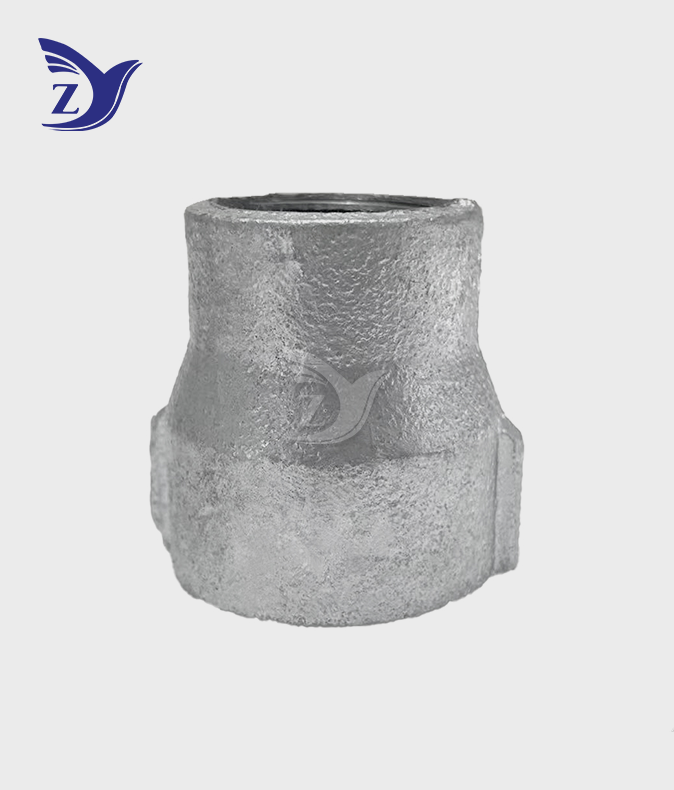
No Hub Electro Galvanized Reducing Coupling Pipe Fitting
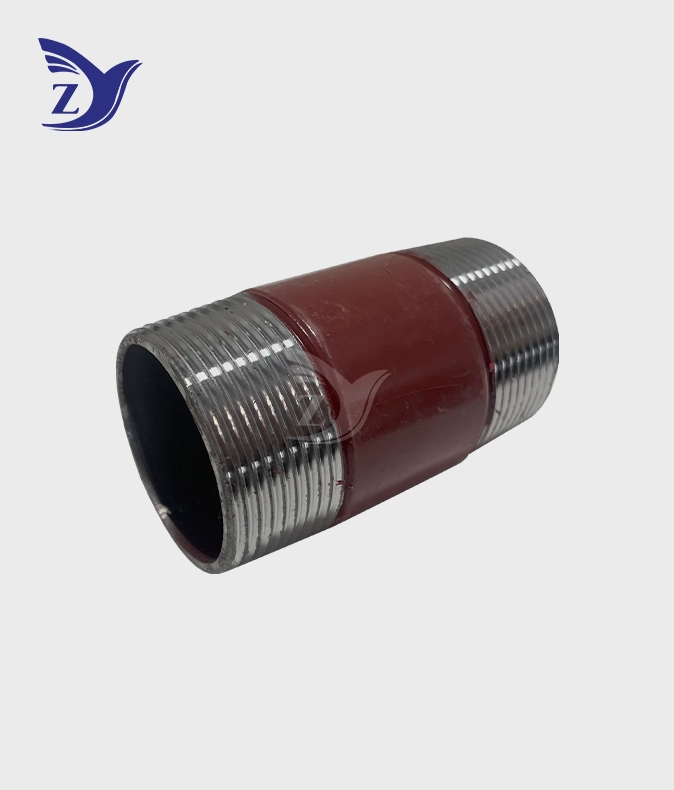
Carbon Steel Pipe Male Threaded Fittings Red Coated
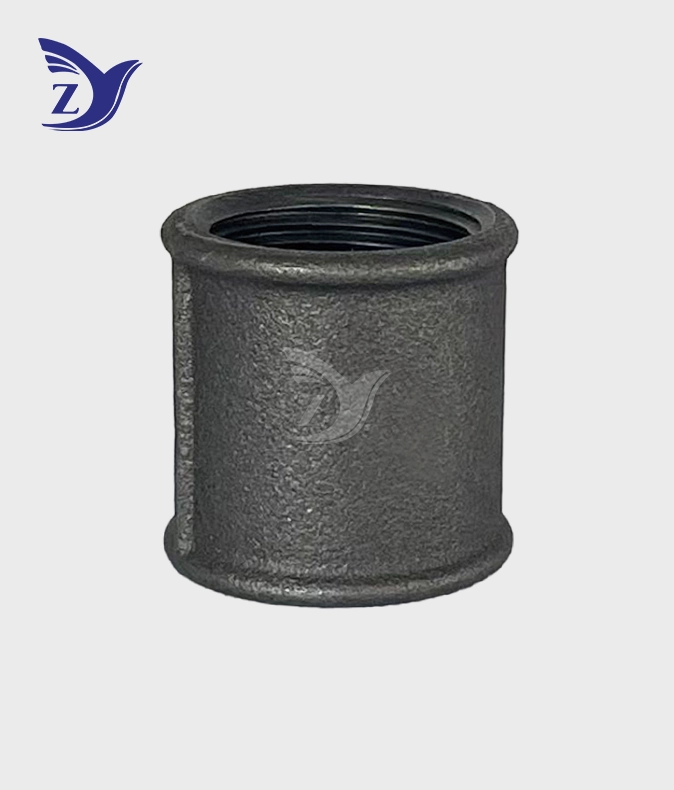
NPT Black Round Face Coupling Pipe Fittings
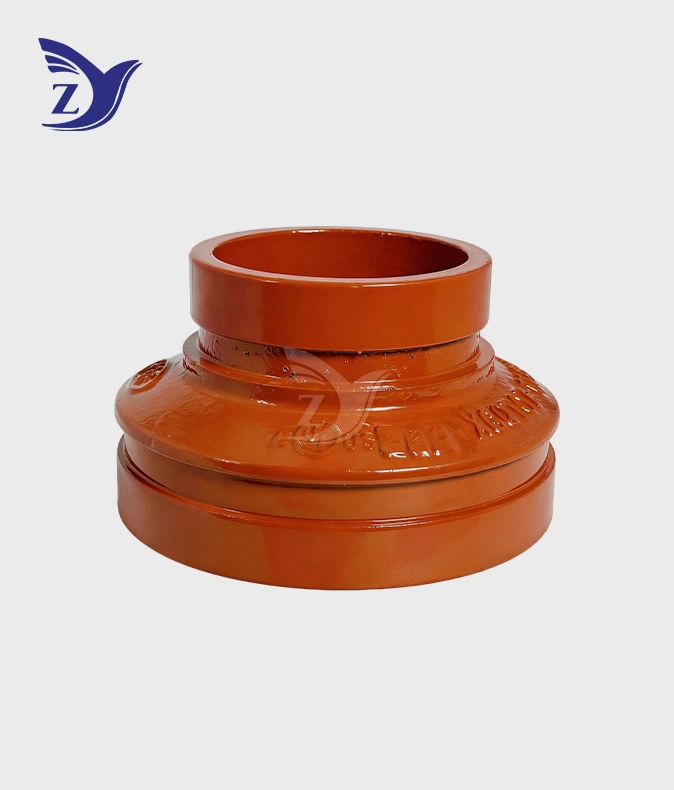
Fire Grooved Reducer
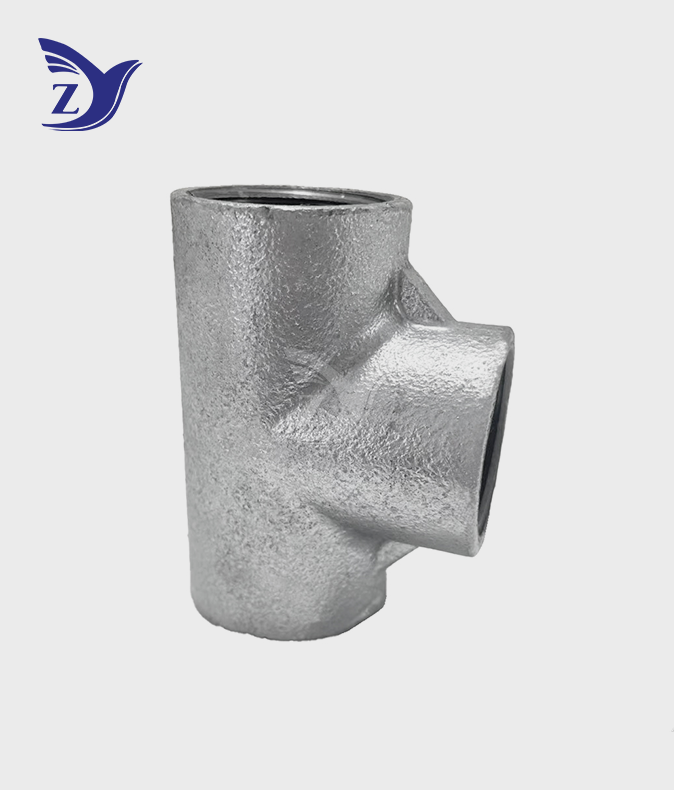
No Hub Hot Dip Galvanized Straight Tee Pipe Fitting
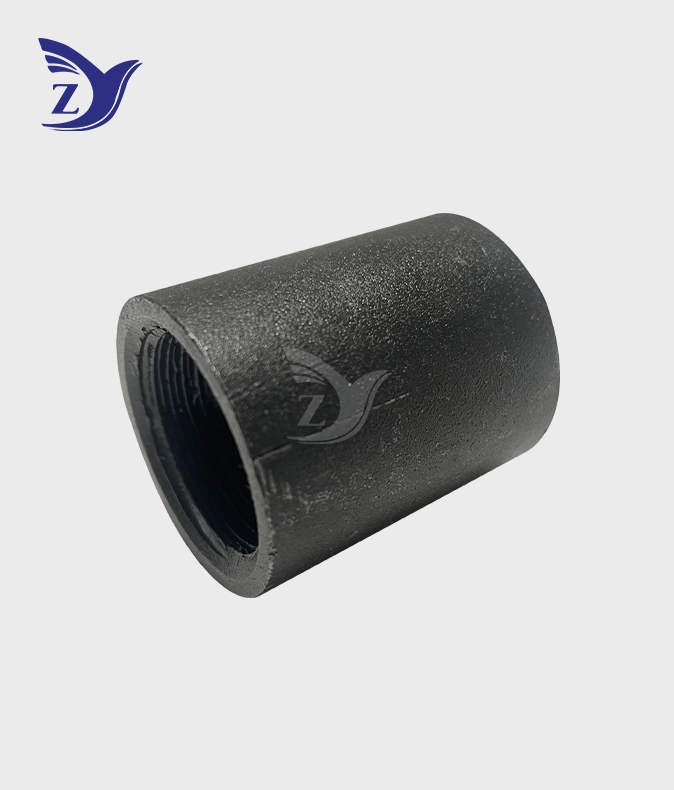
Carbon Steel Full Threaded Coupling Fittings Black Oxide Treated
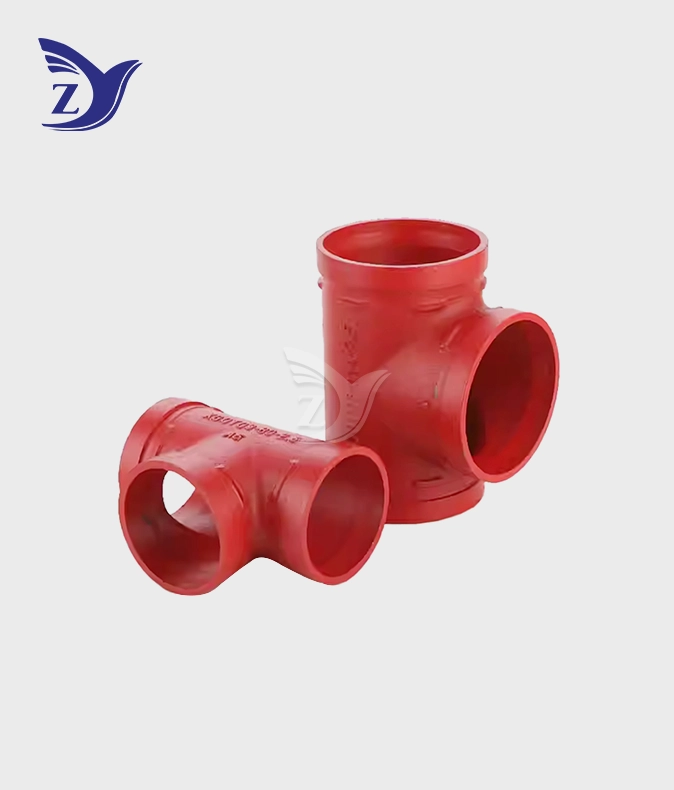
Fire Grooved Straight Tee
No Hub Hot Dip Galvanized 90° Elbow Pipe Fitting