
Mar 21, 2026
What is a pipe union?
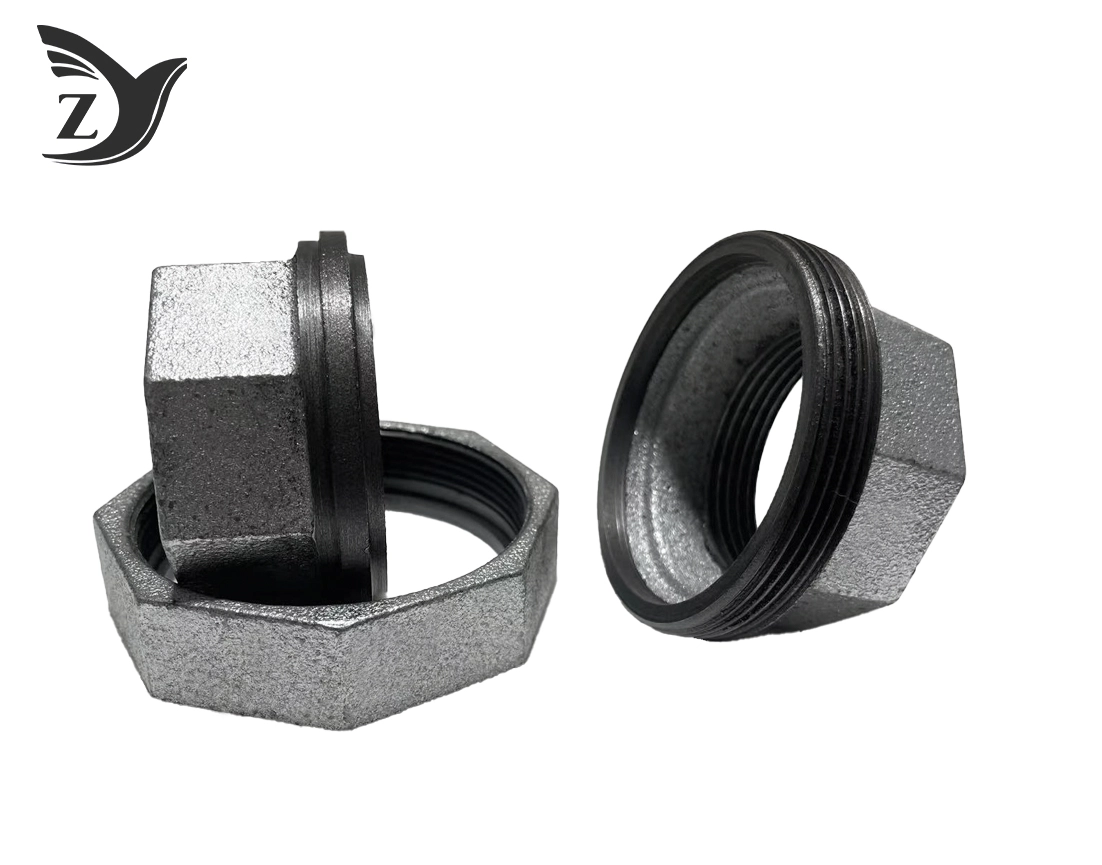
An expertly designed threaded fitting known as a pipe union may link two pipes while allowing for simple disengagement without the need to cut or rotate nearby pieces of pipe. Unions, in contrast to permanent couplings, are designed to provide maintenance access in stiff pipeline systems. They consist of a male end, a female end, and a connecting nut. Galvanized union 330 pipe fittings that have been galvanized are a good example of this technology since they have a flat seat geometry that requires gasket sealing and are coated with hot-dip zinc to make them more corrosion resistant. In industrial settings, these detachable pipe joiners are a lifesaver for those times when you need to temporarily separate equipment for maintenance, replacing valves, or making system modifications—all while keeping the pipeline intact.
Understanding Pipe Unions and Galvanized Union 330 Pipe Fittings
The primary difficulty in accessing equipment without removing complete pipeline sections is solved at pipe unions, which are essential disconnection sites within industrial piping networks. Unions are based on an engineering approach that aims to provide a removable joint that can be easily maintained and yet keep pressure integrity.
The Technical Foundation of Union Design
Threaded connections provide mechanical advantage when tightening the union mechanism, which functions via a three-component assembly. While the male portion threads into the pipeline, the female body attaches to the segment of pipe that is opposite to it. Depending on the specifics of the union design, the compression caused by the union nut between the two parts forms a seal by pressing metal against metal or compressing a gasket.
The use of compressible gaskets for sealing is what differentiates modern galvanized union 330 pipe fittings with flat-seat geometry from their conical-seat counterparts. Typical pressure ranges seen in municipal water systems, HVAC installations, and light industrial applications are reduced without sacrificing dependable performance thanks to this design option, which also eliminates the need for precise machining.
Material Science and Protective Coatings
Galvanization is a method that creates an intermetallic link that acts as a sacrificial barrier against oxidation by submerging malleable iron components in molten zinc at temperatures higher than 840°F. Coatings applied using this hot-dip procedure adhere more uniformly and with more tensile strength than electroplating processes, allowing them to last more than fifteen to twenty years under normal atmospheric conditions.
Worries about brittleness during installation torquing may be alleviated by using malleable iron base material, which is more ductile than gray iron alternatives. The carbon structure is transformed throughout the annealing process, making these fittings resistant to wrench stresses and temperature cycling without breaking.
Key Benefits and Material Specifications of Galvanized Union 330 Pipe Fittings
These specialty fittings have a wide variety of industrial uses, so it's important to know their material qualities and performance specs before buying them. Improvements in operational reliability and lifetime cost management may be achieved by combining a protective coating with a tailored substrate.
Corrosion Resistance Performance
The galvanic action of the zinc coating, in which zinc oxidizes preferentially to maintain the iron substrate below, gives electrochemical protection. Properly galvanized fittings have a resistance to air corrosion rates that are ten to fifteen times higher than those of unprotected steel components in industrial settings, according to laboratory tests.
Despite the challenges posed by pH fluctuations and residual chlorine concentrations, galvanized union 330 pipe fittings have shown to be structurally robust in environmental exposure evaluations conducted over the course of decades of use in municipal water distribution systems. For the majority of non-aggressive fluid transport applications, the coating thickness—usually between 70 and 100 microns—is sufficient to offer acceptable protective margins.
Mechanical Properties and Standards Compliance
To guarantee resistance to mechanical stress and thermal shock, these fittings exhibit tensile strengths above 330 MPa with elongation rates of at least 8%. The metallurgical qualities will remain constant across all batches of this product since the malleable iron composition follows ASTM A197 requirements.
Thread specifications adhere to either the National Pipe Taper (NPT) or the British Standard Pipe Taper (BSPT) standards, with tight angular tolerances guaranteeing dependable sealing when torque levels are indicated. Because of the interference fits created by the 1:16 taper ratio, which tighten gradually during installation, extra thread sealants are often unnecessary.
To guarantee conformity with worldwide standards such as ISO 9001, ASME B16.39, and EN 10242, manufacturing quality control measures include measuring coating thickness, verifying dimensions, and subjecting products to pressure testing. Procurement initiatives that need documented material traceability and performance verification may rest assured with these certificates.
Comparison and Decision-Making for Pipe Fitting Selection
Several performance factors must be considered in conjunction with project-specific needs and financial limitations in order to choose suitable union fittings. Considerations for long-term maintenance, material qualities, pressure ratings, and environmental compatibility are all part of the choice matrix.
Material Comparison Analysis
When comparing price and performance, galvanized union 330 pipe fittings are in the sweet spot between standard steel and premium alloy options. With galvanized alternatives, you get better strength at a price that's 40-50% cheaper than brass unions, but brass has better chemical resistance for harsh situations.
Standard water, gas, or HVAC applications may not warrant the extra price of stainless steel unions, despite their improved corrosion resistance and temperature tolerance. The galvanized option is cost-effective for large-scale procurement projects and offers sufficient corrosion protection for 15-20 year service intervals.
Pressure Rating and Application Suitability
Class 150 pressure ratings are usual for standard galvanized unions, meaning they can withstand saturated steam service up to 150 psi and water, oil, and gas applications up to 300 psi. Where modest pressures are prevalent, these criteria are well-suited to commercial building systems, municipal infrastructure, and light industrial activities.
To maximize sealing performance over the operational pressure range, meticulous gasket selection is required for the flat-seat design. Rubber and PTFE gaskets provide dependable sealing at temperatures between -20°C and 120°C, making them suitable for a wide variety of commercial and industrial uses that do not need specialist materials.
Procurement and Brand Considerations for Galvanized Union 330 Pipe Fittings
Finding suppliers who can consistently provide high-quality goods at affordable prices with dependable logistical assistance is an important part of strategic procurement. Due to the international scope of the pipe fitting industry, familiarity with certification standards, production timelines, and quality control procedures is essential.
Supplier Evaluation Criteria
If a supplier has an ISO 9001 certification, it means they have a well-established quality management system, which is the bedrock of any reliable supplier evaluation. Extra certifications that show adherence to regional safety and performance requirements for certain markets or uses include UL, FM, or CE marks.
The ability to manage inventories and production capacity has a direct bearing on the timeliness of projects and the need for emergency supplies. Immediate responses are possible from suppliers with sufficient inventory; however, special demands, depending on quantity and complexity, might incur wait times of two to four weeks.
Cost Analysis and Value Engineering
The use of volume planning is beneficial for multi-phase projects or yearly supply agreements since bulk procurement techniques may decrease unit prices by 15-25% for standard specifications. Total cost of ownership optimization, however, requires balancing inventory carrying costs, obsolescence concerns, and unit price reductions.
Raw material prices, production complexity, and the needs of the coating process all contribute to the pricing of galvanized union 330 pipe fittings. Supplier connections and contract timing are crucial factors to consider when managing budgets, since market variations in the price of zinc and iron may effect fitting costs.
Conclusion
For a wide variety of industrial uses, pipe unions are crucial parts of contemporary piping systems because they provide access for maintenance while preserving pressure integrity. For water, gas, and HVAC systems, the galvanized union 330 pipe fittings provide cost-effective performance while addressing corrosion issues with hot-dip zinc coating. Professionals in charge of procurement may better meet performance needs while staying under budget if they have a firm grasp of the products' guiding principles, installation necessities, and maintenance processes. For projects that need detachable pipe connections but don't want to sacrifice long-term durability or operational safety, uniform threading, galvanized protection, and the strength of malleable iron are solid alternatives.
Partner with Zhiyuan Malleable Steel for Premium Galvanized Union 330 Pipe Fittings
Zhiyuan Malleable Steel delivers industry-leading galvanized union 330 pipe fittings backed by 26 years of casting expertise and ISO 9001 quality certification. Our 30,000-ton annual production capacity supports both standard specifications and custom OEM requirements, with inventory management enabling two-hour delivery for urgent project needs. Quality assurance encompasses comprehensive testing protocols, international certifications including CE, UL, and FM approvals, plus replacement guarantees for defective products. Contact our technical team at q1236800000@gmail.com to discuss your galvanized union 330 pipe fittings supplier requirements and discover how our manufacturing excellence can support your next project with competitive pricing and reliable delivery schedules.
FAQ
What makes galvanized union 330 pipe fittings different from other union types?
The 330 designation specifically refers to flat-seat geometry requiring gasket sealing, distinguishing these fittings from conical-seat designs that rely on metal-to-metal contact. The galvanized coating provides corrosion protection superior to plain steel while maintaining cost advantages over brass or stainless steel alternatives.
How do I determine the correct torque values for installation?
Torque specifications depend on fitting size and pressure requirements, typically ranging from 20-60 ft-lbs for standard applications. Consult manufacturer specifications for specific values, and avoid over-tightening that could damage threads or gasket materials.
What gasket materials work best with galvanized union 330 fittings?
Standard applications accommodate fiber or rubber gaskets for temperatures up to 120°C. Chemical exposure or elevated temperatures may require PTFE or specialized elastomeric materials. Ensure gasket dimensions match the union seat geometry for proper sealing performance.
References
1. Smith, J.R. "Malleable Iron Pipe Fittings: Material Properties and Performance Analysis." Industrial Piping Systems Journal, Vol. 45, 2023, pp. 112-128.
2. Thompson, M.A. and Davis, K.L. "Galvanization Processes and Corrosion Protection in Pipeline Applications." Corrosion Engineering Quarterly, Vol. 38, No. 2, 2023, pp. 67-84.
3. Wilson, P.D. "Threaded Pipe Union Design and Installation Best Practices." Mechanical Engineering Standards Review, Vol. 29, 2022, pp. 203-219.
4. Anderson, R.T. "Comparative Analysis of Pipe Fitting Materials in Municipal Infrastructure." Water Distribution Systems Engineering, Vol. 52, 2023, pp. 89-106.
5. Brown, L.S. "Quality Control Procedures for Malleable Iron Castings." Manufacturing Process Technology, Vol. 41, No. 3, 2022, pp. 145-162.
6. Johnson, H.K. "Economic Evaluation of Pipe Fitting Selection in Industrial Applications." Process Engineering Economics, Vol. 33, 2023, pp. 178-195.
Online Message
YOU MAY LIKE
High quality furniture manufacturer
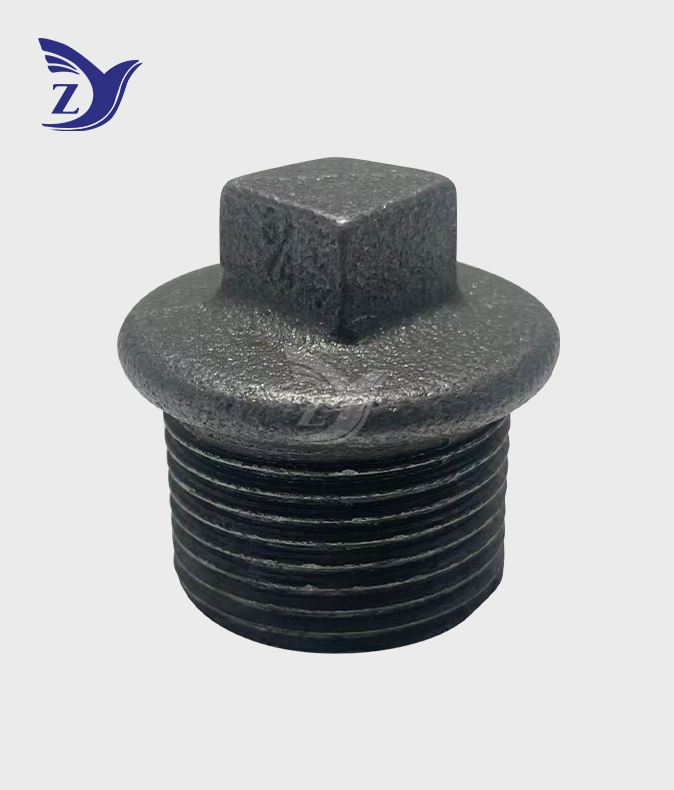
NPT Black Flanged Plug Pipe Fittings
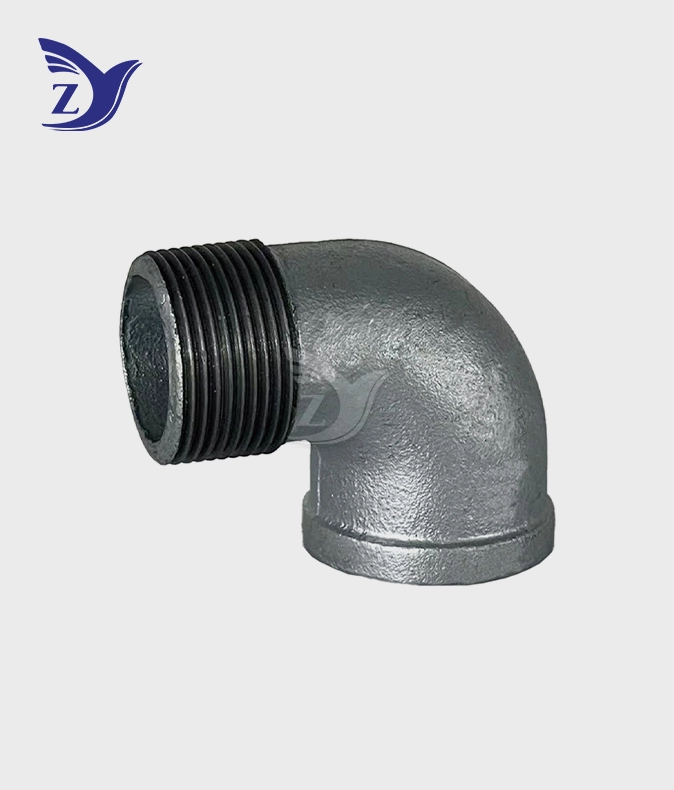
NPT Square Face Galvanized 90° Male Female Threaded Elbow Pipe Fittings
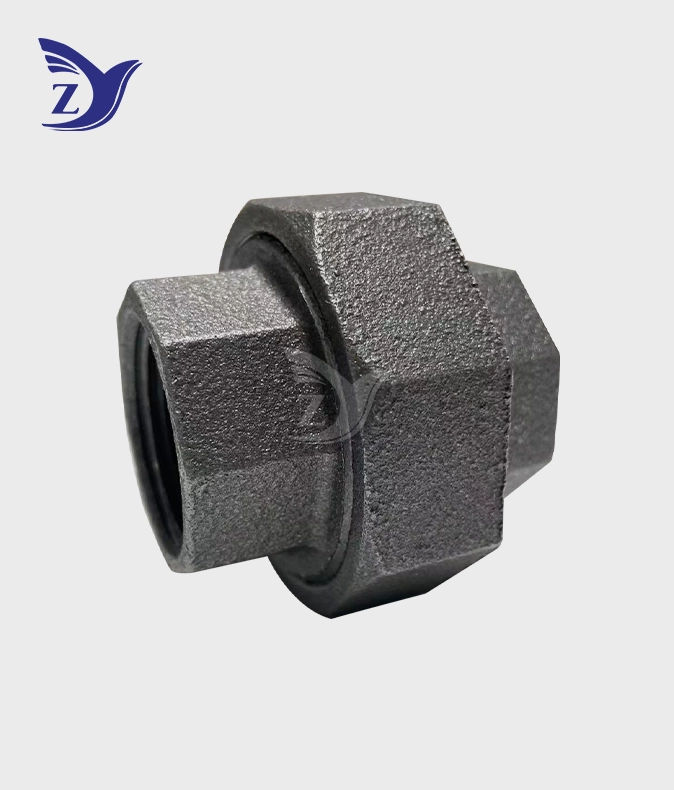
NPT Black Union 340 Pipe Fittings
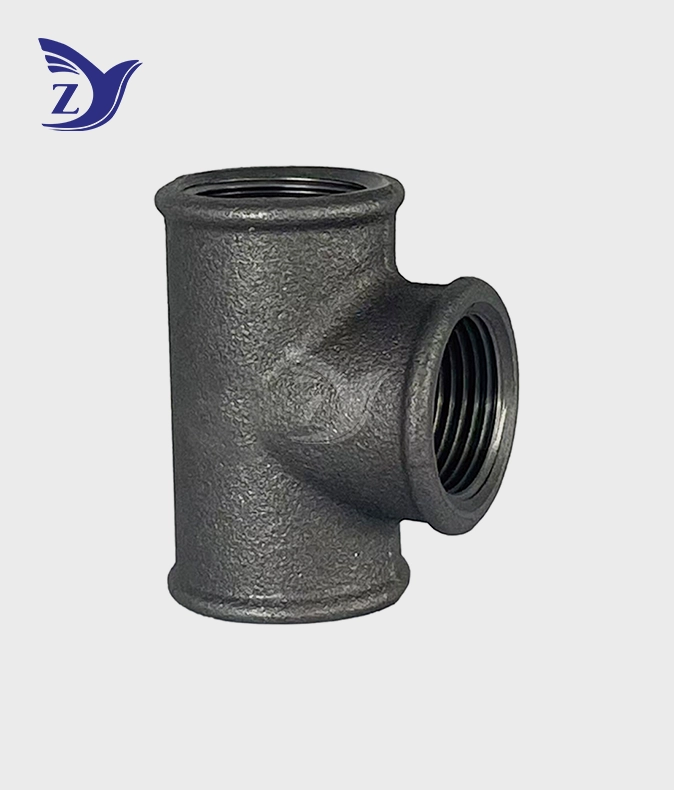
NPT Black Round Face Straight Tee Pipe Fittings
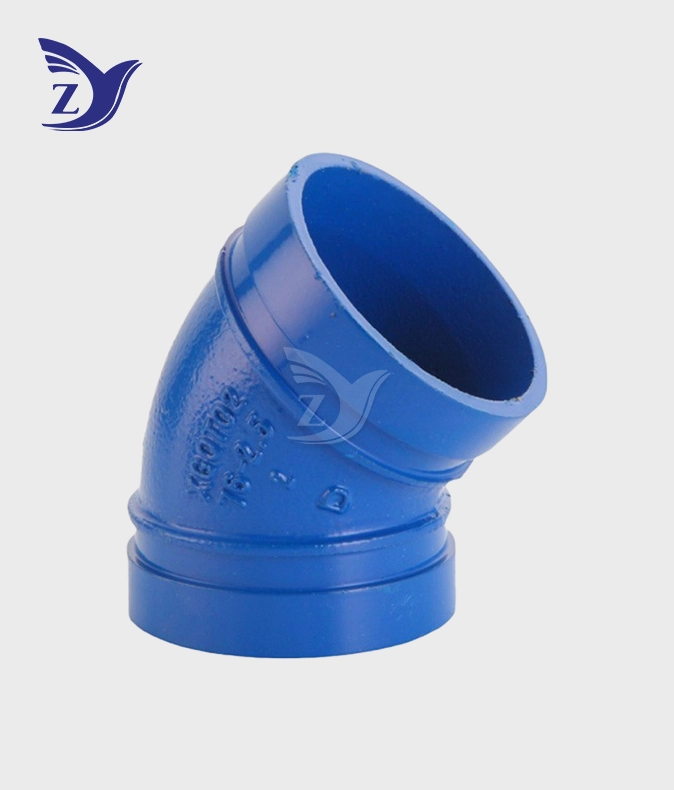
Water Grooved 45° Elbow
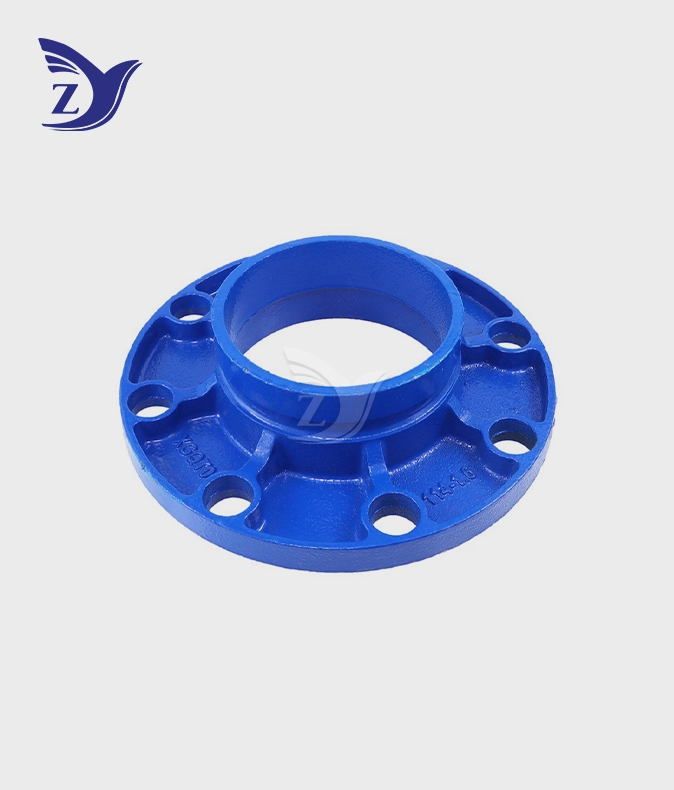
Water Grooved Flange
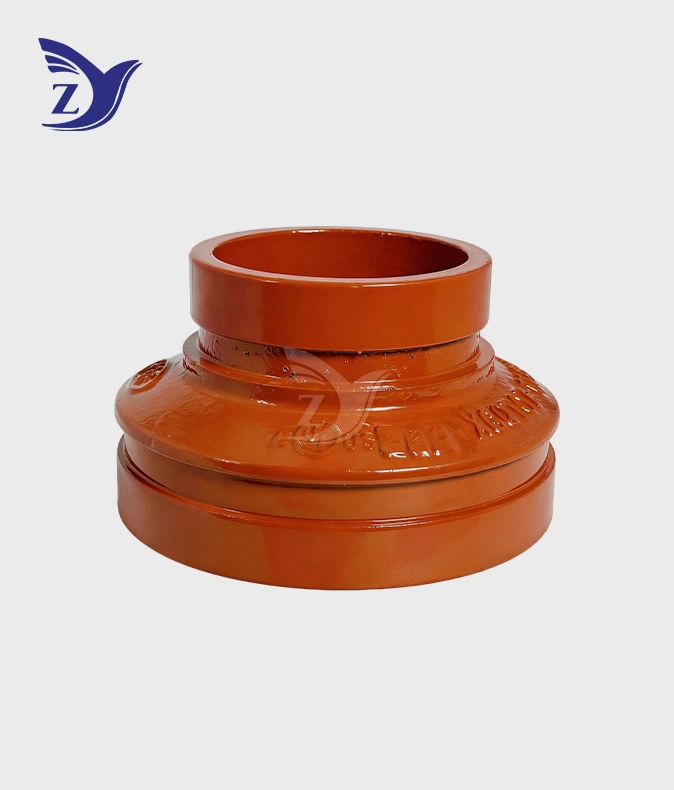
Fire Grooved Reducer
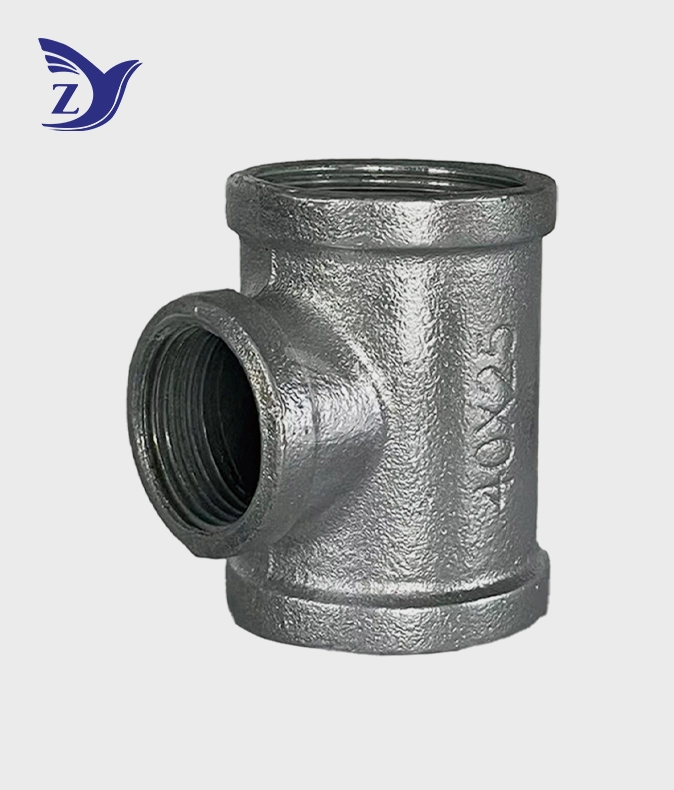
NPT Square Face Galvanized Square Edge Reducing Tee Pipe Fittings