
Jun 24, 2026
What is a GI elbow used for?
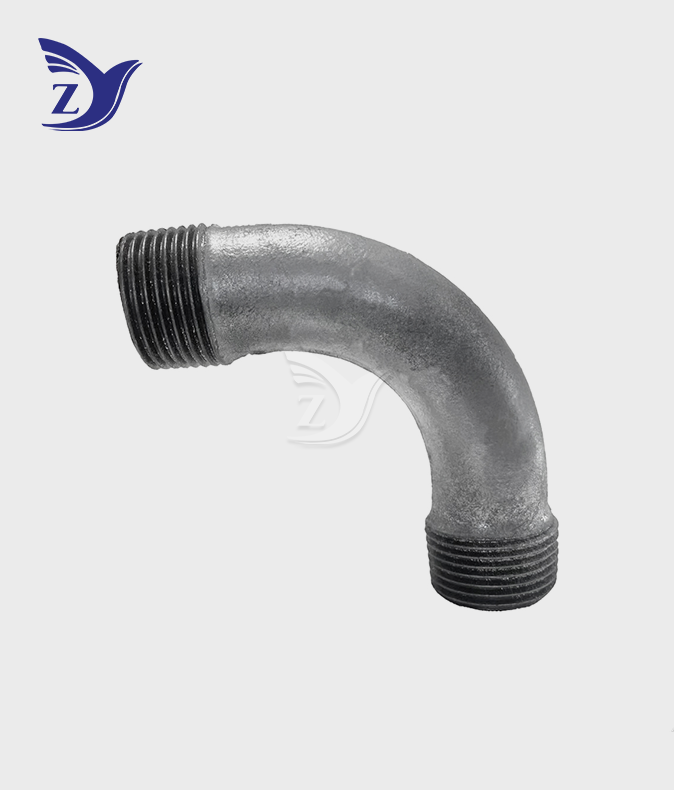
If you've ever built or maintained an industrial piping system, you've probably had to change the direction of pipes while also dealing with different pipe sizes. A GI (Galvanized Iron) elbow is a basic joint used in water, gas, and HVAC systems to change the flow of fluid at certain angles, most often 90 or 45 degrees. The galvanized reducing elbow stands out because it can change the direction of flow and join pipes with different sizes. This rust-proof, malleable iron part stops leaks at transition points and keeps the system pressure stable in places like fire protection installations, municipal water networks, and industrial process lines.
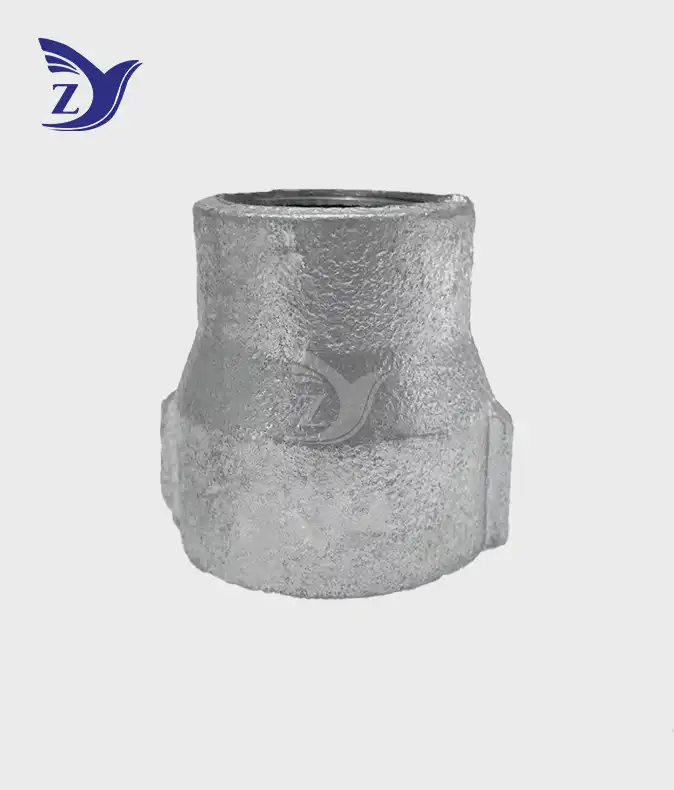
Understanding GI Elbows and Galvanized Reducing Elbows
What Makes GI Elbows Essential in Modern Piping?
GI elbows are directional links in pipe systems that let engineers get around problems like obstacles, equipment, and building restrictions without affecting the flow. The galvanized finish, which is a zinc layer put on using hot-dip immersion, protects against rust and oxidation and extends the product's useful life in wet places like pump houses and outdoor installations. These fittings, unlike rigid straight lines, take up installation stress at bend points, making it less likely that the joint will fail when the temperature rises. The structure is made of malleable iron, which allows it to be mechanically flexible while still being strong enough to withstand pressures of 150 to 300 psi.
How Reducing Elbows Solve Connection Challenges?
A galvanized reducing elbow does three things in one small unit: it changes the width, redirects flow, and protects against rust. This design gets rid of the need for different reducers and standard joints. By combining threaded connections, it also cuts down on installation time and possible leak points. An NPT/BSPT reducing male-female 90° galvanized elbow has a female end that can fit a bigger pipe and a male threaded exit that can connect to a line with a smaller diameter. This two-threaded setup is very helpful for adding new hardware to systems that are already in place or changing main headers that are too big for smaller branch lines.
Key Advantages Over Alternative Materials
When used outside, galvanized joints last up to five times longer than black steel elbows against rust from the air. Alternatives made of stainless steel are better at resisting chemicals, but they are often too expensive for projects that only need normal water and gas systems. Copper elbows work well for plumbing in homes, but they aren't strong enough to withstand hard hits in commercial settings, where tools and repair work are common. The hot-dipped zinc surface is usually more than 70 microns thick, which is what ASTM A153 requires. This zinc barrier reacts with moisture in the air to make a protective patina that keeps the corrosion-resistant features strong over many years of use.
Common Uses and Applications of Galvanized Reducing Elbows in B2B Procurement
Fire Protection Systems and Sprinkler Networks
Precision-threaded, malleable iron elbows are very useful for fire protection workers who need to get into tight places in ceiling plenum areas. The anti-rust, high-strength galvanized reducing elbow links the main pipes to the branch lines that feed each sprinkler head, making sure that the exact flow rates required by NFPA 13 standards are met. Installers recently did a retrofit job in a commercial building using 2" x 1.5" reducing elbows to connect feeder lines to standard sprinkler drops. This method saved 18 inches of vertical room for each connection point, which is important in places with low ceilings and lots of HVAC ducts.
Industrial Water and Gas Pipeline Adaptation
These fittings are used to connect main supply lines to equipment inlets in petrochemical plants and power plants. The 90° flow turn feature that is NPT/BSPT compatible works with both American and British threading standards, making it easier to buy things for foreign projects and setups that use a mix of standards. When splitting service lines from street mains to individual meter sets, municipal gas distribution companies appreciate the size-reducing, easy male-female connection. The square-bodied versions have better wrench grip surfaces that keep the fitting from turning during high-torque installs on buried pipes.
HVAC and Plumbing Distribution
Adapting trunk lines to individual zone supplies is always hard for construction companies that are building multi-story homes and businesses. Industrial-grade, flexible elbows that are resistant to corrosion can handle the changes in temperature that come with heating systems and keep condensation from forming in cold water systems. A mechanical builder recently solved a tricky layout problem by getting rid of needless nipple connections in a small mechanical room by using reducing street elbows. This choice in design cut the number of installation jobs by 30% and the number of possible leak places across the whole building from 240 to 160.
OEM Equipment Integration
These parts are bought in bulk by companies that make valves and whole pipeline equipment assemblies for pre-assembled tank systems. Custom specifications, such as thread lengths that aren't standard and a certain thickness of galvanization, make sure that they work with particular equipment designs and meet the needs of extended guarantee requirements.
Comparing Galvanized Reducing Elbows with Other Elbow Types
Material Performance Analysis
When looking at fitting materials, procurement teams have to weigh the costs up front against the costs over the product's lifetime. Galvanized reducing elbows occupy the middle ground, offering more resistance to rust than black steel but costing 40–60% less than stainless steel versions. The annealed microstructure of the material keeps it from breaking easily when hit, which is a typical problem with grey cast iron options. 304 or 316 grade stainless steel works well in harsh chemical settings like wastewater treatment plants, but it can cause galvanic corrosion if it is connected straight to carbon steel pipes without dielectric unions. Copper metals work great in systems that use drinkable water, but they become soft at high temperatures.
Thread Standard Considerations
The difference between NPT (National Pipe Taper) and BSPT (British Standard Pipe Taper) threads has a big effect on how well the seal works. NPT threads have flat crests and roots and a 60-degree slope, causing mechanical interference that needs thread sealer or tape. The BSPT profile is a 55-degree Whitworth profile with rounded roots that is meant to seal on the thread sides. Cross-threading and circular leak paths happen when these standards are mixed. When working on overseas projects, procurement workers need to make sure that all system parts have the same thread specifications or find the right adapter fittings.
Pressure Rating and Size Selection
At room temperature, standard Class 150 fittings can handle working pressures of up to 300 psi for water, oil, and gas (WOG). This capacity is doubled with Class 300 grades, which allow for high-pressure process systems and steam uses. Because wall thickness is directly related to pressure capability, it is important to check the dimensions during quality testing. Most markets use the "female-first" rule for size designation: a 1" x 3/4" reducing elbow has a 1" female entrance and a 3/4-inch male exit. Differences between regions exist, which is why full specification sheets are so important for foreign purchasing to avoid making mistakes.
How are Galvanized Reducing Elbows made and Installed?
Manufacturing Process and Quality Standards
The first step in production is making malleable iron that meets the requirements of ASTM A197. At temperatures above 1450°C, medium-frequency electric furnaces melt raw iron, which is then poured into precise sand molds that form the galvanized reducing elbow shape. After initial cooling, castings are heated to 900°C in natural gas kilns for set amounts of time to change brittle cementite into nodular graphite structures. NPT or BSPT threads are cut by precise CNC tools to within 0.002 inches of accuracy, verified with measured ring and plug gauges per ASME B1.20.1 standards. Clean fittings are put into molten zinc baths at 450°C for galvanizing, creating a metallurgical bond and a layer of security that gets thicker over time.
Installation Best Practices
Checking the threads is the first step in proper installation. Wire brushes can be used to clean threads of industrial oil and dirt. Apply PTFE tape (3–4 wraps for NPT, 2–3 wraps for BSPT) or an acceptable pipe dope, making sure the sealer stays away from the first two threads. Tighten the fitting by hand until it becomes less flexible, then use a pipe wrench to make it really tight. After hand-tightening, NPT threads need three to four more turns, while BSPT threads only need two to three turns. The street elbow design eliminates the need for a separate nipple during installation in small areas, cutting the total length of the assembly by 1-2 inches.
Maintenance and Inspection Protocols
Every six months, the zinc coating should be visually checked to see if it is wearing away. This is especially important at thread engagement places where mechanical wear reveals the base metal. Zinc oxide, which is white rust, means regular weathering and doesn't mean the protection is compromised. Red rust, on the other hand, means that the coating has broken through and needs quick attention. Testing for leaks at 1.5 times the working pressure is good for hydraulic systems. When tested under 85 psi of air, pinholes and casting porosity are found, which are flaws that sometimes manifest after heat cycling.
Conclusion
In conclusion, GI elbows, especially galvanized reducing elbows, solve important technical problems in modern piping systems by combining the ability to change direction, adapt to different diameters, and prevent corrosion in a single part. Contractors, system programmers, and equipment makers rely on them for fire protection, public infrastructure, and industrial processes. Procurement teams can choose the right fittings that balance cost, performance, and life when they know about material qualities, thread standards, and installation requirements. Working with certified makers guarantees you can get good products backed by knowledgeable staff and dependable supply lines.
FAQ
Can I Mix NPT and BSPT Threaded Fittings?
No, these thread standards can't work together. The 60-degree angle and flat thread roots of NPT don't fit well with the 55-degree Whitworth shape and rounder roots of BSPT. When you force links between threads that don't match, the contact surfaces get worn down. This makes spiral leak paths that get worse when the pressure is changed. There are specialized fittings for changing standards, but for the seal to stay intact, the system should be designed with only one screw standard throughout.
What Distinguishes Banded from Beaded Elbow Designs?
Banded elbows have a flat strengthening ridge around the holes that makes them stronger and gives you a better grip for a wrench than smooth beaded rims. The extra mass of the material keeps it from splitting when there is a lot of installation pressure. This is very important for heavy-duty industry uses where pipe tools have to turn things quickly. Banded designs are also more stable in terms of size, so the threads stay aligned even when they are under a lot of mechanical stress.
How Do I Verify Galvanization Quality?
Ask for readings from a magnetic thickness gauge that show that the zinc coating is at least 70 microns thick, as required by ASTM A153. Check to see if the color is even and there are no bare spots, drips, or too much buildup, which are all signs of bad process control. Suppliers you can trust give you material test records that show the coating weight and bonding test results. During the getting check, hammer strike testing makes sure that the zinc doesn't flake when hit by a hard object.
Are Galvanized Fittings Safe for Drinking Water?
Modern hot-dip galvanization usually meets standards for drinkable water when the zinc has very little lead in it (below 0.25% per NSF/ANSI 61). But proof needs specific certification from the makers. Documented compliance is often required by municipal water systems and building rules. This is why supplier certificates are important for public works and domestic projects that involve human consumption.
Partner with Zhiyuan Malleable Steel for Reliable Pipeline Solutions
When Zhiyuan Malleable Steel makes a galvanized reducing elbow, we use our 26 years of experience in this type of manufacturing. Our ISO 9001-certified factory in Taigu, Shanxi Province, uses cutting-edge casting technology and strict quality control to make sure that more than 1,000 product standards are met in terms of size and covering integrity. We keep a lot of stock on hand so that we can deliver quickly. Standard parts are shipped within two hours, and our custom OEM/ODM services can meet the unique needs of your project. Contact our team at q1236800000@gmail.com to discuss your pipeline fitting needs.
References
1. American Society of Mechanical Engineers (2020). ASME B1.20.1: Pipe Threads, General Purpose (Inch). New York: ASME Press.
2. ASTM International (2019). ASTM A197: Standard Specification for Cupola Malleable Iron. West Conshohocken: ASTM International Standards Organization.
3. National Fire Protection Association (2021). NFPA 13: Standard for the Installation of Sprinkler Systems. Quincy: NFPA Publications.
4. Porter, Frank C. (2018). Corrosion Resistance of Zinc and Zinc Alloys. Boca Raton: CRC Press.
5. British Standards Institution (2017). ISO 7-1: Pipe Threads Where Pressure-Tight Joints Are Made on the Threads. London: BSI Standards.
6. Metals Handbook Committee (2019). ASM Handbook Volume 15: Casting. Materials Park: ASM International.
Online Message
YOU MAY LIKE
High quality furniture manufacturer
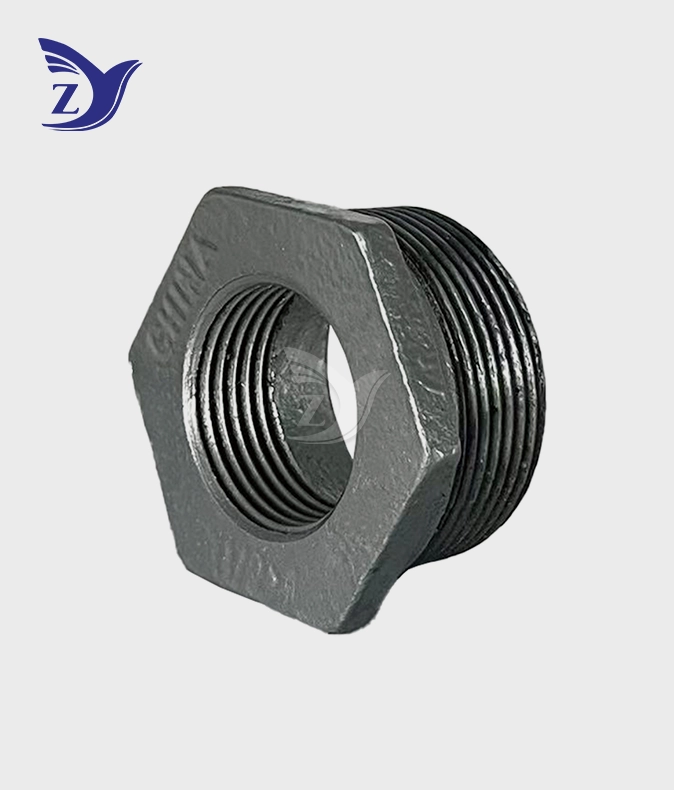
NPT Galvanized Bushing Pipe Fittings
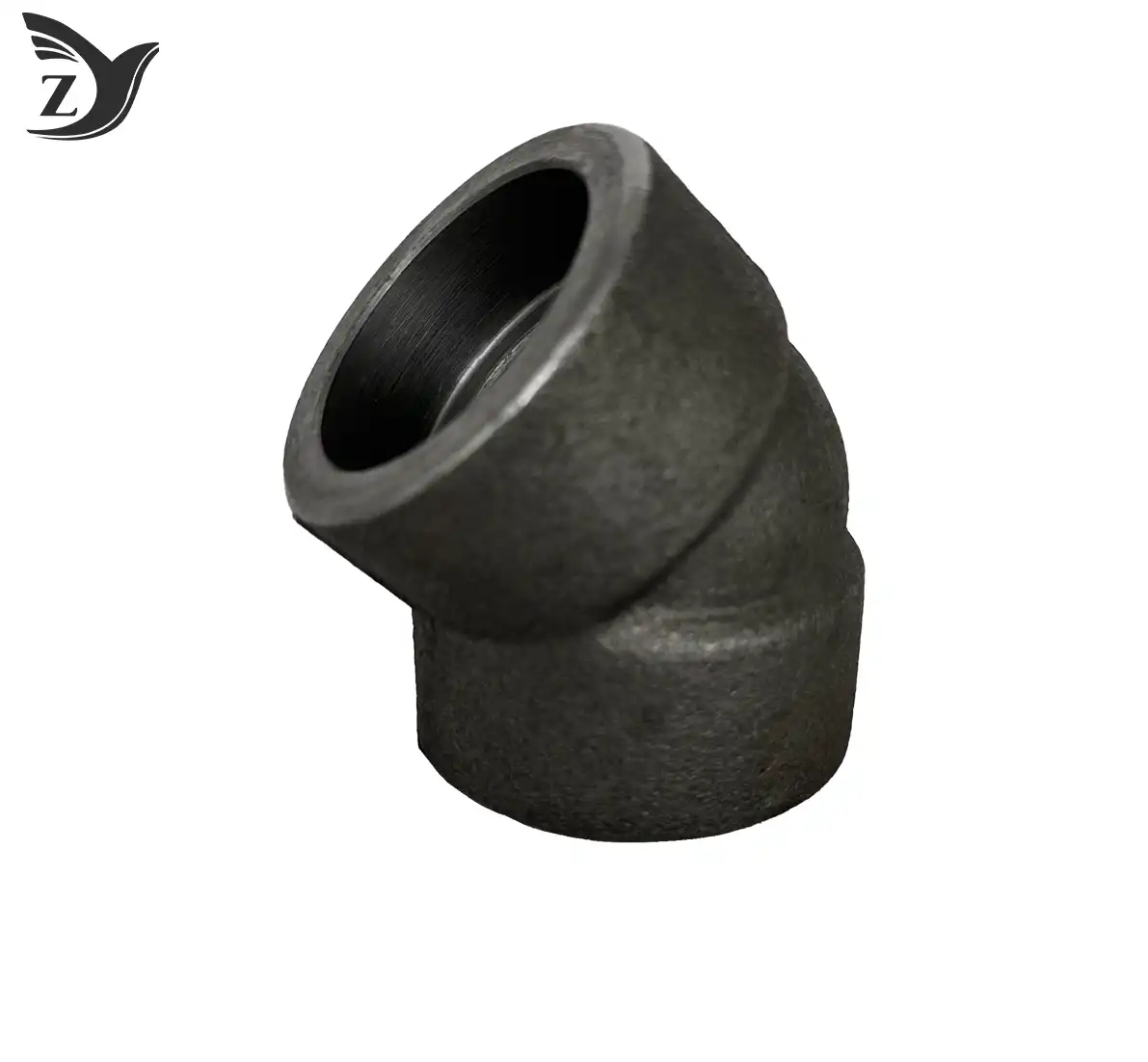
Forged Carbon Steel Socket Weld 45 Degree Elbow High Pressure Pipe Fitting
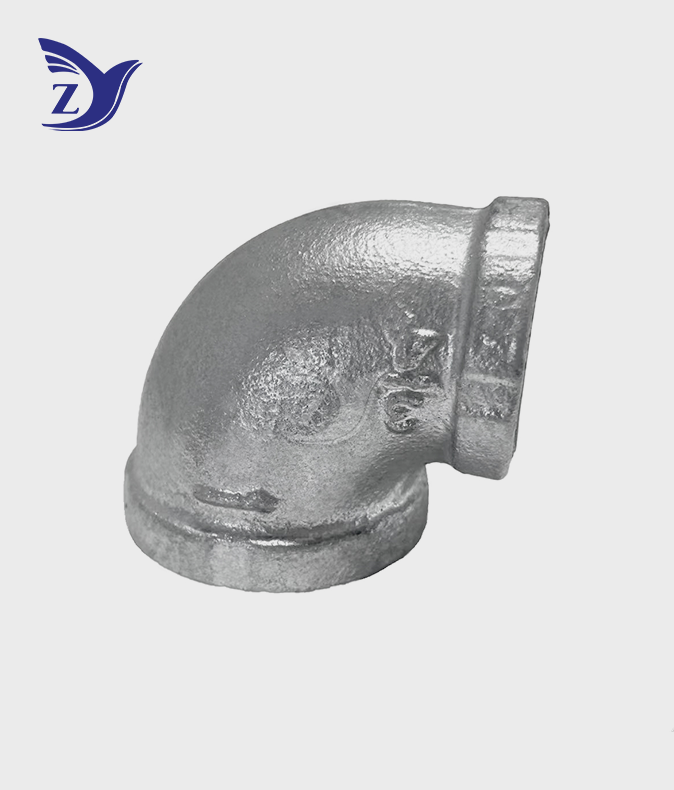
Galvanized NPT 90° Reducing Elbow
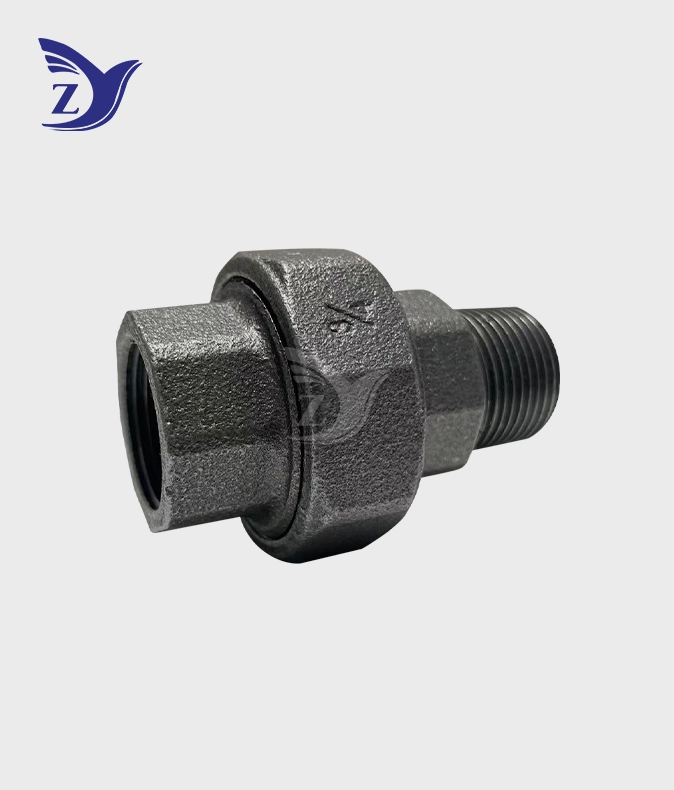
NPT Black Male-Female Union 343 Pipe Fittings
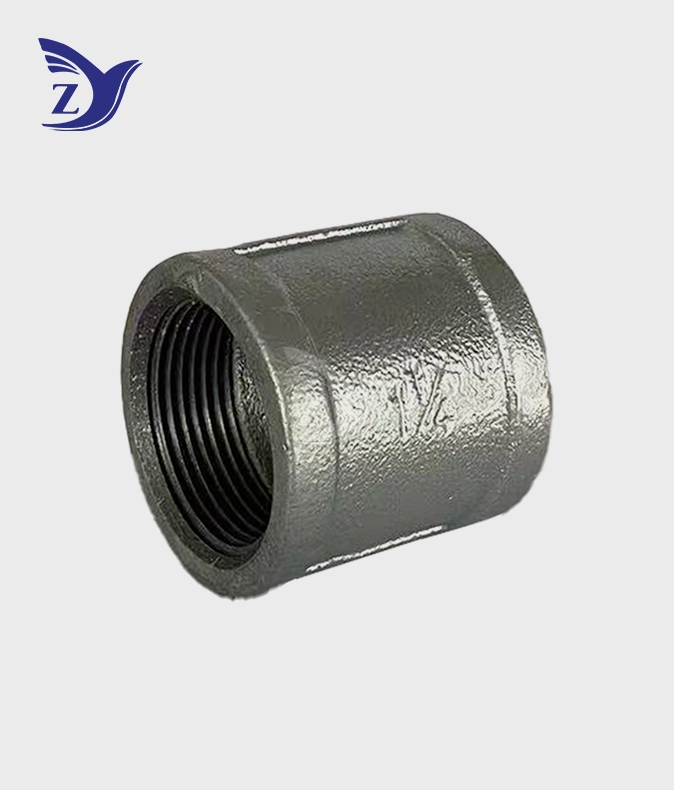
BSPT Square Face Galvanized Square Edge Coupling Pipe Fittings
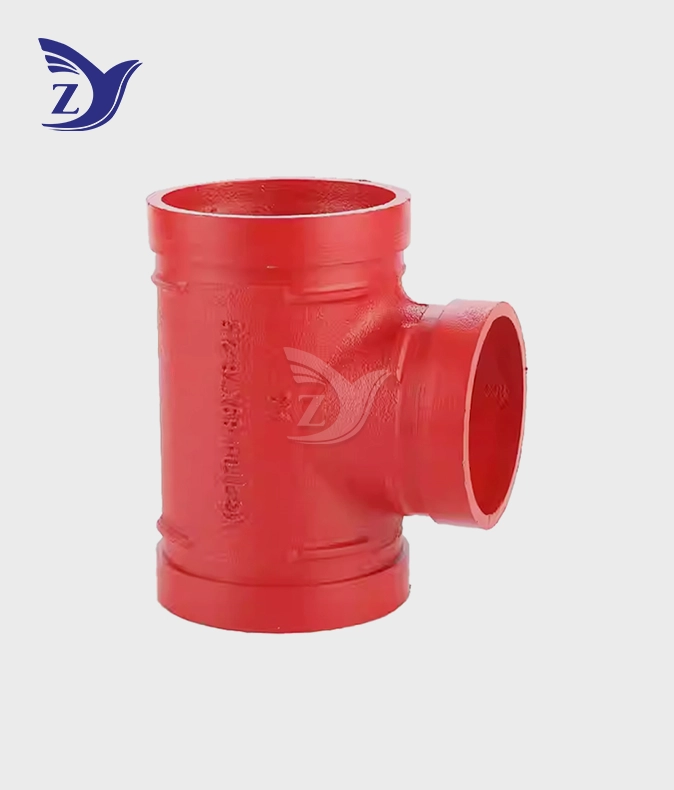
Fire Grooved Reducing Tee
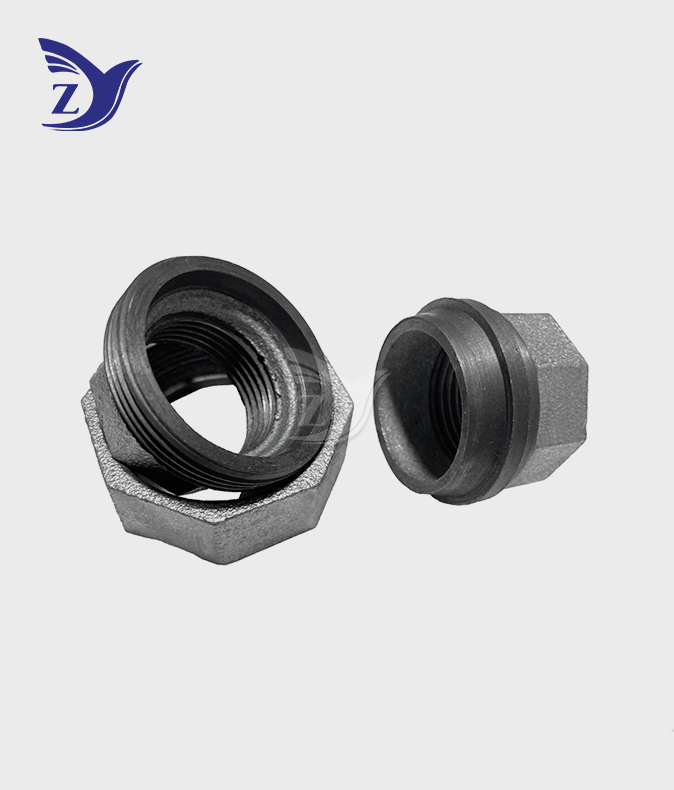
NPT Galvanized Union 340 Pipe Fittings
BSPT Round Face Galvanized Round Edge 90° Elbow Pipe Fittings