
May 26, 2026
What is a galvanized reducer?
When industrial plumbing systems need to switch between pipes with different sizes and change the direction of flow, they use special fittings that do both jobs without any problems. A galvanized reducer is a pipe fitting that lets fluid run smoothly between two pipes of different sizes in systems that are under pressure. The galvanized 90° reducing elbow is one of the most useful types because it can change the size of the pipe and direct flow at a right angle. This two-threaded, 90° reducing pipe connection is made of hot-dipped galvanized malleable iron and has precise NPT or BSPT threading. It can adapt to different pipeline sizes for water and gas applications and is very resistant to rust.
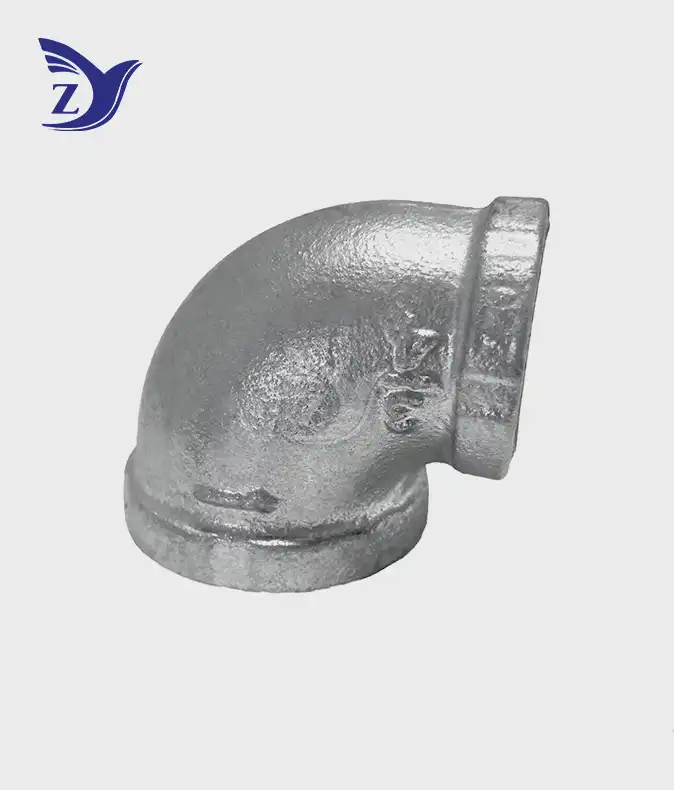
Galvanized Reducers and 90° Reducing Elbows
Industrial pipe systems don't usually keep their sizes the same all the way through their networks. When flow needs change because of things like changing the pressure, split systems, or equipment specs, pipe sizes need to change too. This is where reducers come in, as they are necessary parts for keeping hydraulics working well.
Defining the Core Functionality of Reducers
Reducers do a simple but important job: they make it easier to connect lines of different sizes without causing flow problems or pressure drops that could hurt the system's performance. Keeping flow changes smooth is a big part of keeping water supply networks, HVAC setups, and fire protection systems safe and working well.
The reducer family has a number of different designs. Concentric reducers have symmetrical cone shapes, and both openings share a center axis. This makes them perfect for vertical placements where drainage isn't a big issue. Eccentric reducers have holes that are misaligned, and one side keeps its flat edge. This design keeps air pockets from forming in horizontal pipes, which is important for liquid systems that need to drain completely.
The Unique Design of 90° Reducing Elbows
The galvanized 90° reducing elbow changes both size and direction, while standard reducers only change the width. This high-strength, anti-rust reducing elbow gets rid of the need for different reducer and elbow fittings. This makes setups easier and lowers the number of places where leaks could happen. The male-female threaded link makes assembly easy without the need for welding tools, which is very helpful for upkeep or retrofit jobs.
Many industrial-grade designs have squared-off edges that make them easier to grip with a wrench during installation. This seemingly small detail becomes important when working in tight areas or applying the large amounts of power needed to make connections that won't leak in pressurized systems.
Galvanization Process and Corrosion Protection
During hot-dipped galvanization, the finished iron part is put into liquid zinc that is about 840°F. By using this method, a metallurgical bond is formed between the zinc covering and the base metal. Typical coating widths are greater than 85 microns, which meets ASTM A153 standards. When exposed to air and water, the zinc layer works as a sacrifice anode—it corrodes faster than the iron below, keeping the iron from rusting.
This industrial-grade, malleable elbow design that doesn't rust is important for outdoor installs, seaside areas, and uses that will be exposed to water. The protective layer makes the fitting last a lot longer than non-galvanized options, which lowers the number of replacements needed and the cost of upkeep.
Benefits and Applications of Galvanized 90° Reducing Elbows
Choosing the right pipe parts has a direct effect on how long the system lasts, how much upkeep it needs, and the total cost of ownership. In challenging industrial settings, galvanized 90° reducing elbows are the best choice because they offer real benefits across a number of performance aspects.
Superior Corrosion Resistance Through Galvanization
The main way that piping systems fail is through corrosion, especially ones that are open to weather, dirt, or corrosive chemicals. There are three levels of protection that the zinc coating on galvanized fittings offers: barrier protection, which keeps the base metal from corrosive elements; galvanic protection, in which zinc corrodes as a sacrifice; and the formation of stable zinc oxide compounds that stop rusting even more. Studies done in real-life city water systems show that galvanized fittings keep their structural integrity for 30 to 50 years in normal conditions, which is a lot longer than untreated black iron options.
Material Comparison and Performance Characteristics
Comparing galvanized malleable iron fittings to stainless steel ones shows that it is significantly cheaper (usually 40–60% less at first purchase), and it is also resistant enough to rust for most non-chemical uses. Stainless steel is still better in very acidic or basic settings, but galvanized steel works well in neutral pH water systems, natural gas distribution, and most HVAC uses.
Even though black iron parts are cheap, they don't protect against rusting and rust quickly when they come in contact with water. Because of this, they can't be used outside, in fire sprinkler systems with wet pipe designs, or anywhere else where condensation is likely to happen often.
Key Industrial Applications
We've sold these industrial water/gas pipeline size adaptation fittings in a wide range of fields, where their special features have helped solve specific problems. In fire safety engineering, reducing elbows connect bigger diameter mains to smaller branch lines that feed individual sprinkler heads. The galvanized finish makes them reliable over decades of backup service. They are used by municipal water systems at meter hookups, which are places where major supply lines meet smaller service pipes for homes.
The NPT/BSPT compatible, 90° flow turn design is helpful for HVAC systems that need to route refrigerant lines, condensate drains, or hot water circuits through small mechanical rooms. The lowering function lets you choose the right pipe size based on the flow rate. This keeps pressure drops from being too high and material costs from being too high because of pipes that are too big.
Galvanized 90° reducing elbows are used in chemical processing plants for non-corrosive tasks like cooling water systems, distributing compressed air, and connecting pipes that carry harmless gases. Outdoor pipe networks for things like watering systems, wash-down stations, and garbage collection depend on the corrosion prevention to keep their structure strong even though they are constantly exposed to changes in temperature and wetness.
How to Select the Right Galvanized 90° Reducing Elbow for Your Project?
To choose the right part, you need to match the technical specs to the needs of the product. Specifications that are too vague can cause performance problems like too much pressure drop or failure before its time, while specifications that are too specific can make the project more expensive than it needs to be.
Evaluating Pipe Size Compatibility
The entrance and exit sizes of a galvanized 90° reducing elbow tell you what kind of elbow it is. A 1-inch by 3/4-inch reducing elbow has a female thread on the end that links to a 3/4-inch pipe and a male thread on the end that takes a 1-inch pipe. To get the right size, you need to know the difference between nominal pipe sizes and real measurements. For example, a "1-inch" NPT pipe has an outside diameter of about 1.315 inches, not exactly 1 inch.
Check that the threads on NPT (National Pipe Taper, which is used in North America) and BSPT (British Standard Pipe Taper, which is popular in Europe and Asia) are compatible with each other. Even though they both use similar taper angles, small pitch changes can make the seal less reliable if they are mixed wrong. We make precision-threaded, malleable iron parts that are suitable with both standards. To avoid installation mistakes, we clearly mark each product.
Assessing Pressure and Temperature Requirements
Minimum acceptable pressure values are set by how the system is working. Water supply systems usually have a normal pressure of 40 to 80 psi, but they can have peak pressures of more than 150 psi when the pump starts up or the valve closes. For these uses, choosing Class 150 fittings with a 300-psi limit is a good safety cushion.
Temperature affects both the choice of material and the life of the seal. Standard galvanized malleable iron valves work reliably up to 400°F and can be used in systems that heat water, pressurized air, and low-pressure steam. When using thread sealants in situations with higher temperatures or thermal cycling, it's important to pay extra attention to the specs. For example, regular PTFE tape breaks down at temperatures above 500°F, so you need special high-temperature compounds.
Environmental Factors and Material Suitability
Installation settings have a big effect on the choice of material. When used inside of climate-controlled buildings, where rust stress is low, black iron might be enough. For good service life, hot-dipped galvanization is needed for outdoor systems, underground pipes, or seaside areas where salt air is present.
Chemical compatibility is more than just protection to rust. Galvanized fittings work great with water, natural gas, air, and steam that have a balanced pH. However, they quickly corrode in acidic vapor (pH below 5.5) or alkaline solutions (pH above 9). Chlorinated water systems need to be looked at. High levels of chlorine in city water don't cause any problems, but high levels of chlorine in swimming pool or industrial process water may mean that stainless steel options are needed.
Sourcing from Certified Manufacturers
Quality control starts with choosing the right galvanized 90° reducing elbow supplier. Manufacturers with a good reputation keep their ISO 9001 certification, which shows that they handle quality in an organized way. Third-party product approvals, like UL (Underwriters Laboratories) and FM (Factory Mutual) approval, show that parts meet strict performance standards for fire safety uses.
Both authorized dealers and direct relationships with manufacturers are good. Distributors make it possible to get goods close to home and buy smaller amounts, which is helpful for small jobs and routine upkeep. Directly interacting with the manufacturer is best for large-scale purchases where customization, expert help, and low volume prices are important. Our factory in Shanxi Province does everything from casting and galvanizing to drilling and quality testing. This lets us keep an eye on quality all the time and respond quickly to customer needs.
Conclusion
Galvanized 90° reducing elbows are designed solutions that solve multiple plumbing problems at once: they change the direction of flow, adapt to different pipe sizes, and protect against corrosion with a hot-dipped zinc finish. Fittings made of malleable iron are strong, have precise NPT or BSPT threading, and are protected by galvanization. These fittings can be used in difficult industrial, municipal, and business settings. To make the right choice, you need to look at size compatibility, pressure levels, environmental conditions, and the supplier's qualifications. Systematic steps and the right tools are needed for a successful installation. Preventive repair increases the life of an asset and stops expensive breakdowns. Strategic buying that balances quality, cost, and supply dependability sets up businesses to be the best at what they do.
FAQ
What distinguishes a galvanized reducing elbow from a standard elbow?
A regular elbow changes the flow direction while keeping the pipe width the same. A galvanized 90° reducing elbow connects pipes of different widths in one joint while also changing the direction of the pipe. This gets rid of the need for separate reducer and elbow parts, which speeds up installation and removes possible leak points while keeping flow changes smooth.
Does galvanization effectively prevent rust in all environments?
Hot-dipped galvanization is a great way to protect against corrosion in neutral pH settings, such as those that are exposed to the elements, underground systems, and water service. The zinc layer acts as a sacrifice by rusting away before the base metal. Strongly acidic (pH below 5) or strongly alkaline (pH above 9) conditions, on the other hand, make zinc dissolve faster, so you might need to use different materials like stainless steel to make it last longer.
Can galvanized reducing elbows handle high-pressure applications?
Class 150 galvanized 90° reducing elbows with a 300 psi service rating are good for most business and light industrial uses, like water supply, HVAC, and low-pressure steam. For certain uses, higher pressure needs of up to Class 300 ratings are possible. Always compare pressure values to actual system conditions, such as possible surge pressures, and make sure you keep the right safety margins as required by the rules that apply.
Partner with Zhiyuan Malleable Steel for Your Piping Solutions
With precision-engineered galvanized 90° reducing elbows made to strict international standards, Zhiyuan Malleable Steel is prepared to assist you with your industrial pipe projects. With 26 years of experience in casting and the ability to produce 30,000 tons of metal each year, we can handle orders ranging from urgent stock needs that need to be provided within two hours to large-scale custom projects that need OEM specs. We keep ISO 9001, CE, UL, and FM certifications as a certified manufacturer, ensuring high stability throughout each production run.
Our precision-threaded, hot-dipped galvanized iron fittings are used by fire protection companies, local engineering firms, HVAC installers, and manufacturing sites in North America and around the world. Whether you need regular NPT/BSPT configurations or variations made just for you, our engineering team can help you find the right goods for your needs.
As a qualified galvanized 90° reducing elbow provider, get in touch with us at q1236800000@gmail.com to talk about your unique needs, get full product brochures, or get affordable bulk prices. We are your trusted partner when you need to buy industrial pipe fittings because we offer fast and helpful customer service, a wide range of products that meet more than 1,000 requirements, and promise delivery without any problems. You can look at our whole product line at zymalleablepipefitting.com and learn how our vertically integrated production gives your projects the quality, dependability, and value they need.
References
American Society for Testing and Materials. "ASTM A197: Standard Specification for Cupola Malleable Iron." ASTM International Standards Worldwide.
American Society of Mechanical Engineers. "ASME B1.20.1: Pipe Threads, General Purpose." ASME Technical Publications.
Factory Mutual Research Corporation. "FM Approval Guide: Pipe Fittings for Fire Protection Service." FM Approvals Standards.
International Organization for Standardization. "ISO 7-1: Pipe Threads Where Pressure-Tight Joints Are Made on the Threads." ISO International Standards.
National Association of Corrosion Engineers. "Corrosion Performance of Hot-Dip Galvanized Steel in Water Distribution Systems." NACE Technical Reports.
Underwriters Laboratories. "UL 1978: Standard for Safety Grease Duct Systems." UL Standards & Engagement Certifications.
Online Message
YOU MAY LIKE
High quality furniture manufacturer
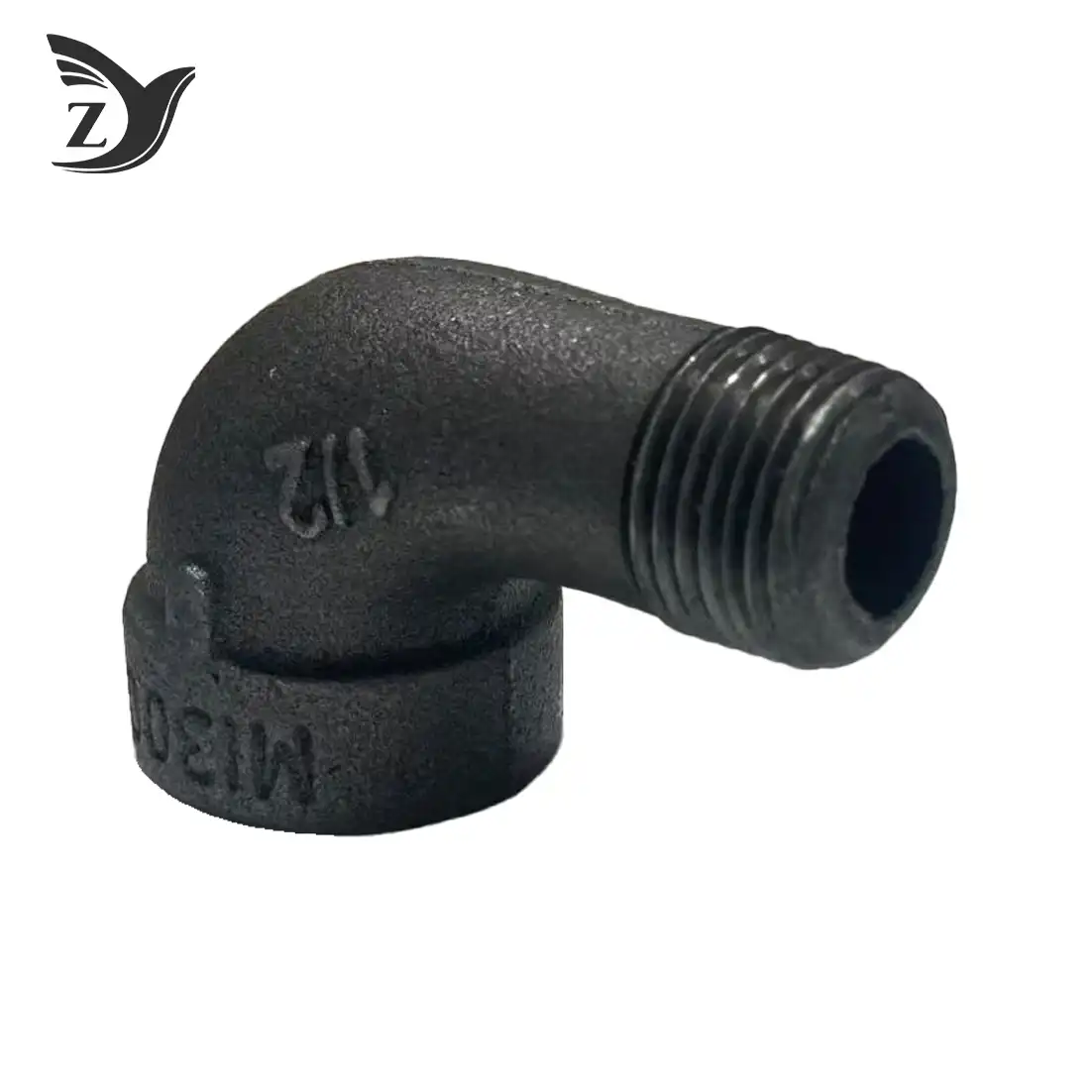
300# Black Threaded 90° Elbow, Male & Female
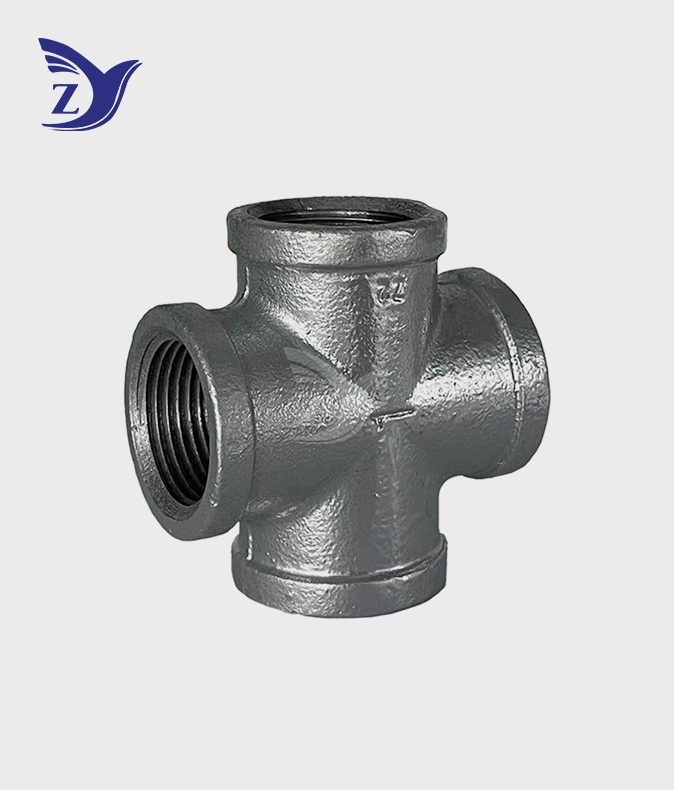
NPT Square Face Galvanized Square Edge Cross Pipe Fittings
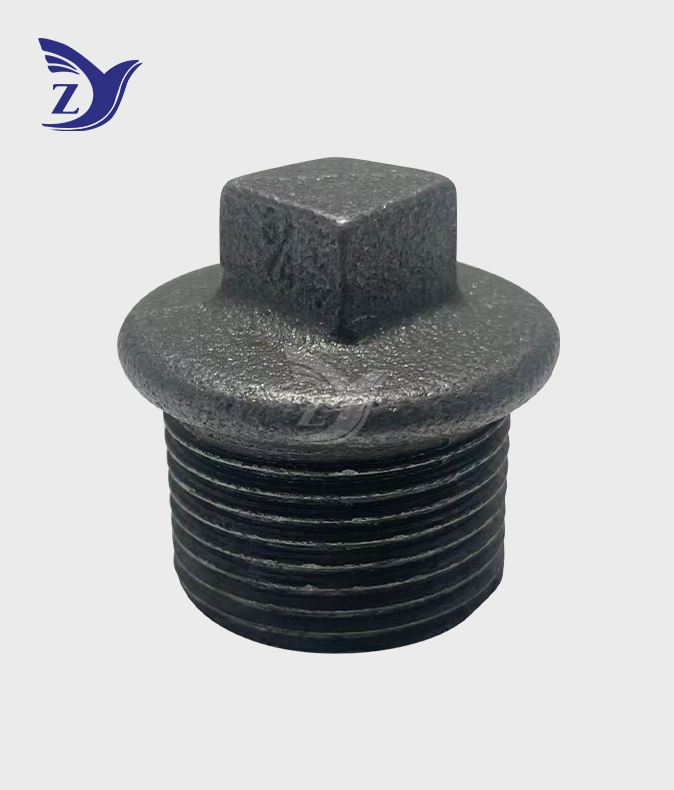
NPT Black Flanged Plug Pipe Fittings
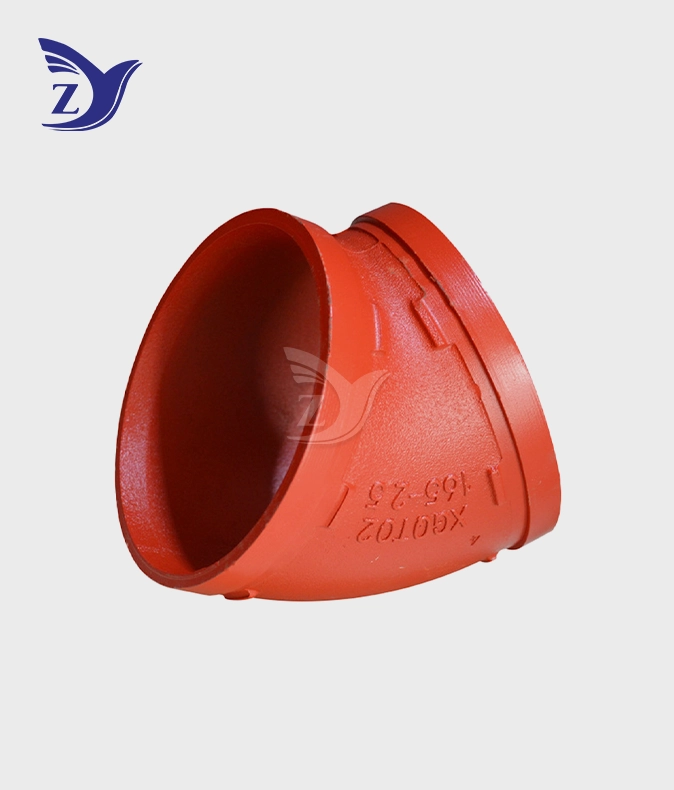
Fire Grooved 45° Elbow
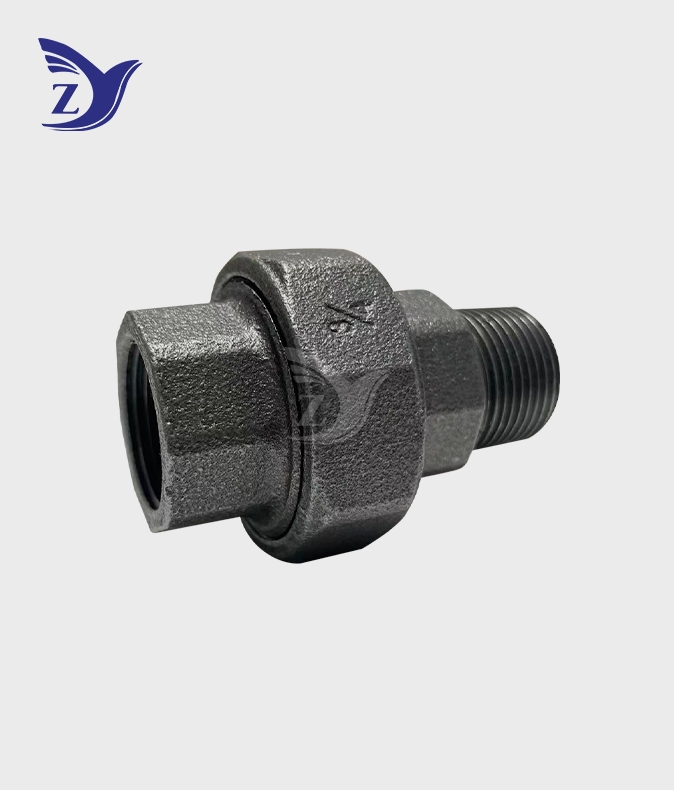
NPT Black Male-Female Union 331 Pipe Fittings
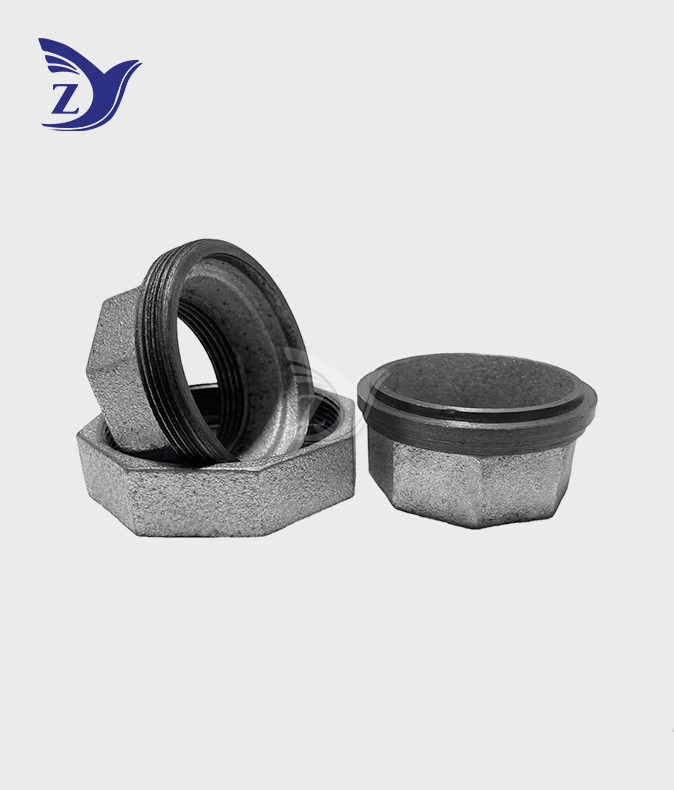
NPT Galvanized Union 330 Pipe Fittings
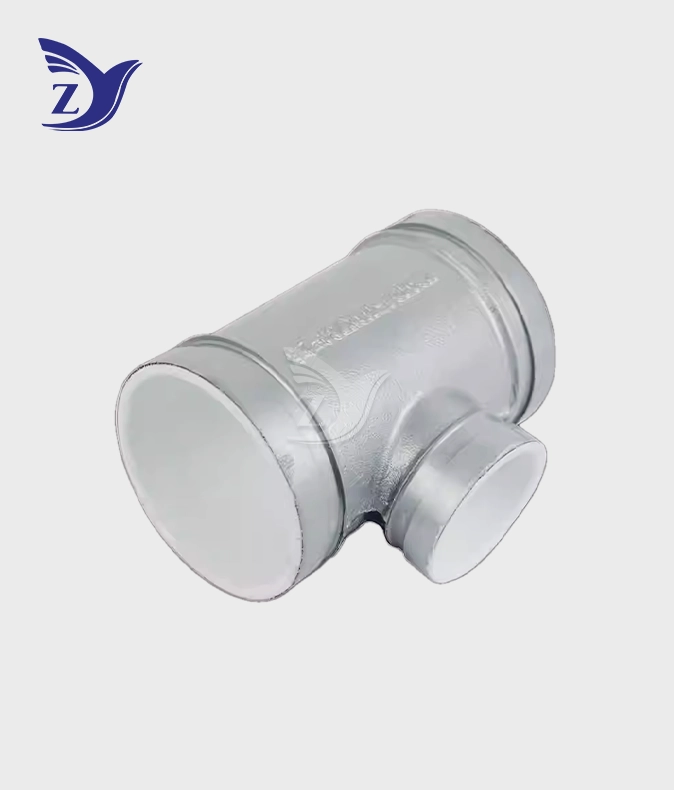
Water Grooved Reducing Tee
Carbon Steel Pipe Male Threaded Fittings Red Coated