
May 28, 2026
What is a 90 degree elbow used for?
A 90-degree elbow is an important pipe fitting that changes the direction of fluid or gas flow by 90 degrees. This solves one of the most common problems in pipe systems: getting around walls and other objects without stopping the flow. The black square edge reducing 90° elbow is a must-have for systems that need to change the direction of flow and reduce the width of the pipe at the same time. This special fitting joins pipes of different sizes while keeping the pressure intact. It is needed in many places, from petrochemical plants to local water distribution networks, where limited room and the need to optimize flow directly affect how efficiently operations run.
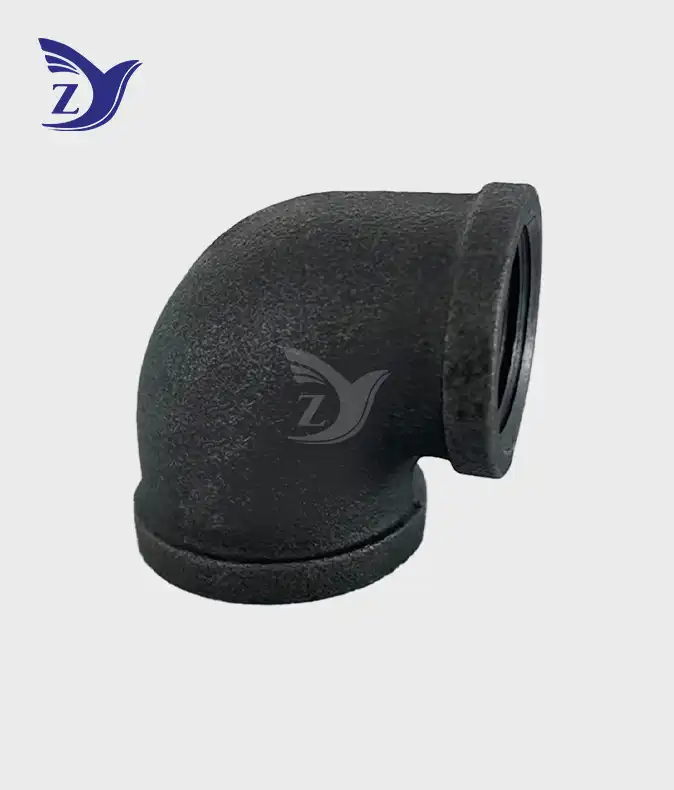
Common Uses and Applications of 90 Degree Reducing Square Edge Elbows
Industrial Process Systems
These fittings are very important in oil and gas production sites where strong connections are needed because of high wellhead pressures and limited room means that routing solutions need to be small. In offshore platforms, black square edge reducing 90° elbows handle the flow changes from high-pressure extraction lines to processing equipment. This gets rid of the need for separate reducers and standard elbows, which would have added more places where leaks could happen and put more weight on the platforms' structures.
In reactor feed systems where toxic materials move at different speeds, chemical processing plants use black square edge reducing 90° elbows made of stainless steel a lot. The smooth internal shape shift reduces erosion caused by turbulence, which increases service life in situations where fluids are sludgy or full of particles. Electropolished stainless steels that meet FDA 3-A clean standards are good for pharmaceutical manufacturing because they keep germs from hiding in cracks during sterile production runs.
HVAC and Building Systems
In commercial HVAC systems, these fittings are used in networks that distribute cool water and have major supply lines that branch off to individual air handling units. Being able to change the flow direction while decreasing the pipe width in small mechanical rooms improves plan efficiency and cuts down on installation time by getting rid of multiple connection points. Carbon steel black square edge reducing 90° elbows rated for steam service up to 150 psi are used in district heating systems that serve multiple buildings. The black oxide finish on these elbows keeps zinc from flaking at high temperatures, which can happen with galvanized options.
In water treatment plants, these parts are used in chemical dosing lines and backwash systems, where precise flow control depends on keeping predicted pressure drops across changes in pipe size. They are added to municipal water distribution networks at service line links. They go from major distribution pipes to private supply lines, going around existing underground utilities.
Specialized Industrial Applications
In power plants, alloy steel black square edge reducing 90° elbows are used in boiler feed systems and superheated steam lines. These are made of materials like P91 chromium-molybdenum steel, which can handle temperatures above 1,100°F without deforming over time. In slurry transport systems used in mining, abrasion-resistant versions are used because the hardened interior surfaces stop wear from mineral bits in the slurry. In Clean-In-Place (CIP) systems, food processing plants use 316L stainless steel black square-edge reducing 90° elbows with Ra 15 microinch surface finishes to keep things clean during automatic cleaning processes.
These different uses show how the basic design solves a problem that engineers all over the world face: keeping the system's integrity while changing to space limitations and flow needs. When purchasing these fittings, people in charge have to make sure that the material qualities and size requirements match the needs of the operation. They also have to make sure that the fittings will work with the current infrastructure and meet safety code requirements.
How to Properly Install a Black Square Edge Reducing 90 Degree Elbow
Pre-Installation Preparation and Safety Protocols
A careful preparation of the pipe ends is the first step to a successful fitting. Installers need to use wire brushes or motorized grinders to get rid of scale, rust, oil, and moisture from both the fitting and connecting lines. For welding installs, the ends of the pipes need to be squared to within 1 degree of straight to make sure they are in the right place. The material certification review makes sure that the black square edge reducing 90° elbow and the current pipes are metallurgically compatible. This stops galvanic corrosion in metal parts that are not the same.
Setting up hot work permits in places that deal with flammable materials, making sure there is enough air flow during welding, and making sure pressure separation through lock-out/tag-out processes are all safety concerns. Welders must be qualified according to ASME Section IX or a similar standard, showing that they are skilled in the particular welding methods and material combinations needed for the job.
Welding Techniques and Quality Assurance
The square edge profile works with a number of different welding methods, but Gas Tungsten Arc Welding (GTAW) is the best for important uses because it allows for the best root pass penetration. Welding factors must match the Welding Procedure Specification (WPS), which controls things like amperage, trip speed, and interpass temperature to keep join flaws from happening. For stainless steel systems, the internal weld area needs to be purged with argon to keep it from oxidizing and keep its corrosion resistance.
Visually checking for surface flaws is part of the post-weld inspection process. Next, Non-Destructive Testing (NDT) methods that are right for the service criticality are used. Radiographic testing finds internal porosity or lack of fusion in code-required situations, and ultrasonic testing is movable and can be used for setups in the field. As required by ASME B31.3 standards, pressure testing at 1.5 times the design pressure for hydrostatic tests or using measured pneumatic methods when adding water causes practical issues checks the integrity of the joint.
Procurement Considerations for Black Square Edge Reducing 90 Degree Elbows
Supplier Qualification and Certification Requirements
To find good sources, you need to check manufacturing certifications like ISO 9001 quality management systems and industry-specific standards like API Specification Q1 for oil and gas uses. Reliable sellers give Material Test Reports (MTRs) that can be linked to heat numbers and show the chemical make-up and mechanical qualities of the product through testing by a third-party lab. This paperwork is very important for projects that need to be able to track materials according to ASME code rules or owner requirements.
How well a supplier can make things affects how consistent the products are and how reliable the deliveries are. Automated forming tools and computerized numerical control (CNC) machining are used to make black square edge reducing 90° elbows that have tighter tolerances for size than those made by hand. Third-party certification groups like Lloyd's Register or Bureau Veritas do site checks to make sure that suppliers' quality systems are working. This gives buyers trust in big projects where a failed fitting could have terrible results.
Cost Optimization Strategies
The price of black square edge reducing 90° elbows changes based on the markets for raw materials, especially steel scrap and alloying elements in stainless grades, such as nickel and chromium. When purchasing managers keep an eye on these indices, they can place big orders when the market drops, which saves them 15 to 25 percent compared to buying on the spot during times when prices are highest. Annual deals that set volume promises keep prices stable and make sure that suppliers can meet demand during times of high demand.
Managing lead times is an important part of planning a project schedule. Standard sizes can usually be found in stock at distributors, but custom sizes take 6 to 12 weeks to make, based on how busy the seller is. There are choices for faster production, but they cost more. Usually, the extra 20 to 35 percent on top of the normal price covers faster delivery. Keeping common sizes in stock in a smart way lowers project risk and keeps capital efficient by delivering specialty fits just in time.
Customization and Technical Support
Large industrial projects often need measurement changes that aren't available in normal catalogs. Customization includes non-standard size combinations, different materials, and specialty coatings such as fusion-bonded epoxy for underground service or thermal spray coatings for resistance to wear. Suppliers who offer technical support can help you choose the best black square edge reducing 90° elbows by using flow models, stress analysis, and lifetime cost estimates that take into account the costs of repairs and replacements.
Equipment makers who put parts into packaged systems can use OEM relationships to create their own labels and specifications. Technical teamwork during the design phase makes sure that the fitting specs match the assembly processes and performance needs. This keeps the production steps from having to make expensive changes during the redesign phase. In controlled industries, quality assurance standards are met by documentation packages that include reports on dimensional inspections, pressure test certifications, and the ability to track materials.
Conclusion
The 90-degree elbow, especially the black square edge reducing 90° elbow, is an important part of current pipe infrastructure. It can change the flow direction and switch between pipe sizes, which helps many different businesses with their difficult space and flow problems. Engineers and procurement workers can choose solutions that improve system performance while keeping costs low by knowing the technical differences between fitting types, material properties, and the right way to put them. By certifying suppliers, testing materials, and checking installations, quality assurance keeps things from breaking down too soon, which could threaten safety and the continuation of operations in important situations.
FAQs
What pressure ratings apply to black square edge reducing elbows?
Ratings for pressure rely on the type of material, the plan for wall thickness, and the temperature. Schedule 40 fittings made of carbon steel can usually handle 300 to 600 psi at room temperature, while Schedule 160 fittings can handle forces higher than 3,000 psi. When heated up, stainless steel valves keep their higher grades longer than carbon steel ones, which need to be lowered according to ASME B31.3 rules. Always look at the pressure-temperature charts that the maker makes for your individual grade of material and size to make sure that you can safely operate within the limits of the design.
Can reducing elbows be used in sanitary applications?
Black square edge reducing 90° elbows made of stainless steel that meet 3-A hygiene standards work well in systems for food, drinks, and drugs. For these connections to work, the insides must be electropolished to a surface finish of 15 microinch or higher. This keeps bacteria from hiding in surface imperfections. Tri-clamp or orbital welded links have smooth, clean joints that don't have threads or cracks. Material approval that says it has a low carbon content (316L grade) stops carbide from forming during welding, which could weaken the corrosion protection of Clean-In-Place (CIP) systems.
How do I determine the correct size combination for my application?
For sizing, you need to look at the flow rate, the pressure drop, and the limitations of the system layout. In liquid systems, hydraulic engineers usually keep speeds between 5 and 10 feet per second to balance pressure loss with erosion issues. Using resistance coefficients (K-factors) from fluid mechanics books, we can figure out that black square edge reducing 90° elbows cause an extra drop in pressure above and beyond straight pipe sections. Fittings that are too big reduce pressure loss but cost more in materials, while fittings that are too small risk too much velocity, which speeds up wear and makes noise in pipe systems.
Partner with Zhiyuan Malleable Steel for Superior Pipe Fitting Solutions
Zhiyuan Malleable Steel makes pipe fittings that are precisely designed to meet the exact needs of industry uses around the world. As a well-known supplier of black square edge reducing 90° elbows, we keep strict quality control systems in place to make sure that every fitting meets international standards like ASME, ASTM, and DIN. Advanced metallurgical processes and automatic inspection tools are used in our factory to make sure that all of the output batches are the same in terms of size and material qualities. Our technical support team is ready to help procurement professionals find reliable sources for both standard store items and custom-engineered solutions. They can help with developing specifications, choosing materials, and coordinating shipping. Get in touch with us at q1236800000@gmail.com to talk about your project needs and find out how our knowledge of shapeable steel parts can improve the performance and dependability of your system.
References
American Society of Mechanical Engineers. (2020). ASME B16.9: Factory-Made Wrought Buttwelding Fittings. New York: ASME Press.
American Society of Mechanical Engineers. (2018). ASME B31.3: Process Piping Code. New York: ASME Press.
ASTM International. (2019). ASTM A234: Standard Specification for Piping Fittings of Wrought Carbon Steel and Alloy Steel for Moderate and High Temperature Service. West Conshohocken: ASTM International.
Nayyar, M. L. (2015). Piping Handbook, Eighth Edition. New York: McGraw-Hill Education.
Crane Company. (2017). Flow of Fluids Through Valves, Fittings, and Pipe: Technical Paper No. 410. Stamford: Crane Co.
Becht, C., & Sims, J. R. (2017). An Evaluation of ASME Section VIII Div. 2 Design-by-Analysis Methods for Piping Components. Journal of Pressure Vessel Technology, 139(4), 041401.
Online Message
YOU MAY LIKE
High quality furniture manufacturer
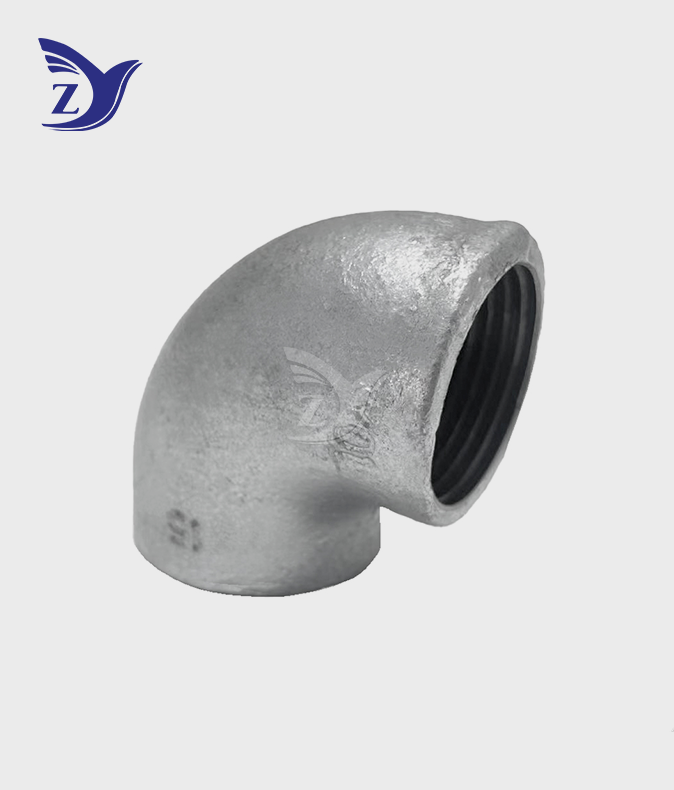
No Hub Electro Galvanized 90° Elbow Pipe Fitting
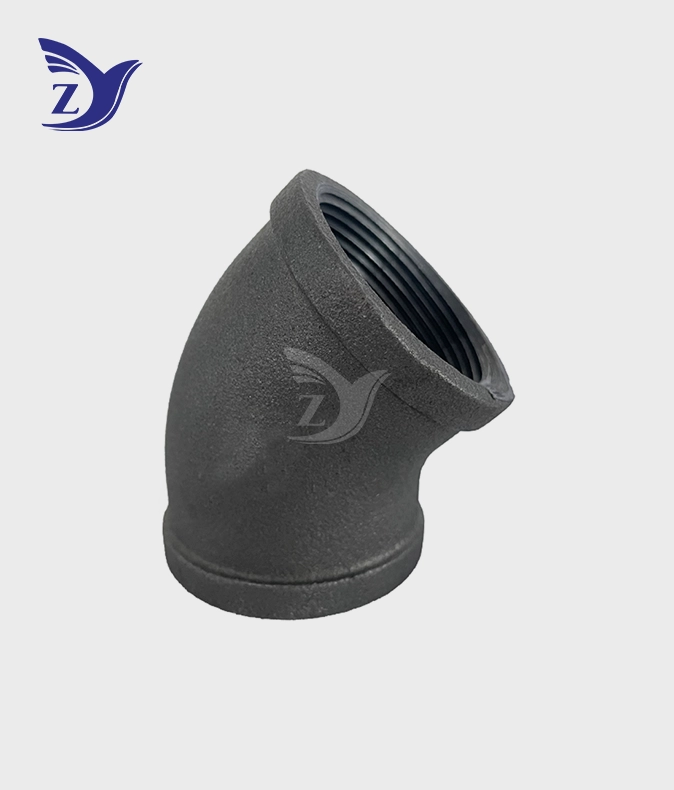
NPT Black Square Face 45° Elbow Pipe Fittings
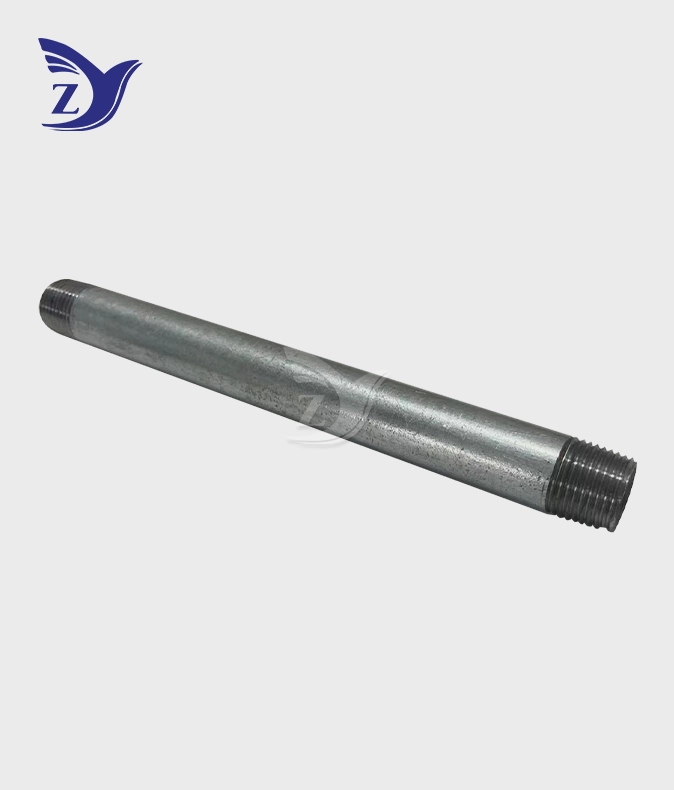
Carbon Steel Pipe Male Threaded Fittings Hot Dip Galvanized
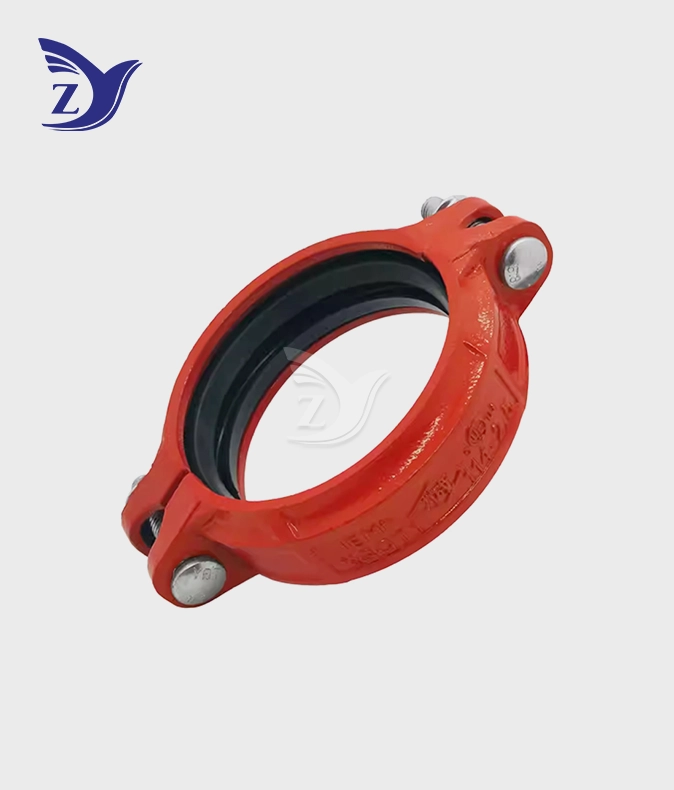
Fire Grooved Clamp
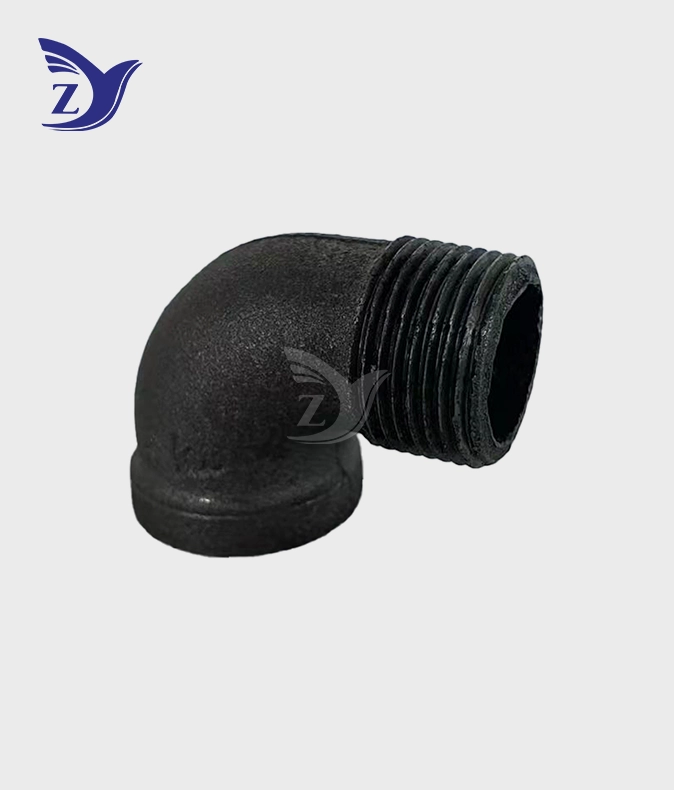
NPT Black Square Face Male-Female 90° Elbow Pipe Fittings
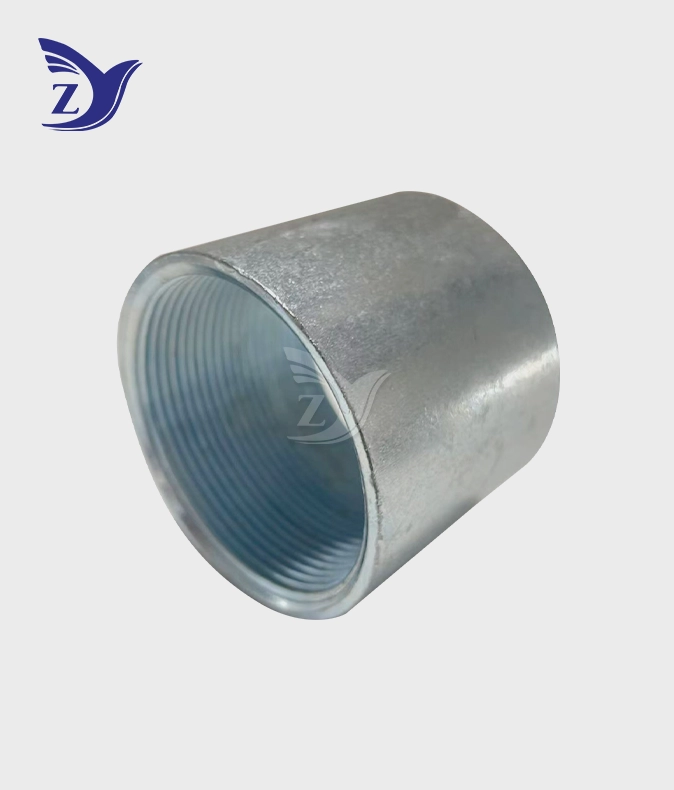
Electro-galvanized full-thread pipe coupling
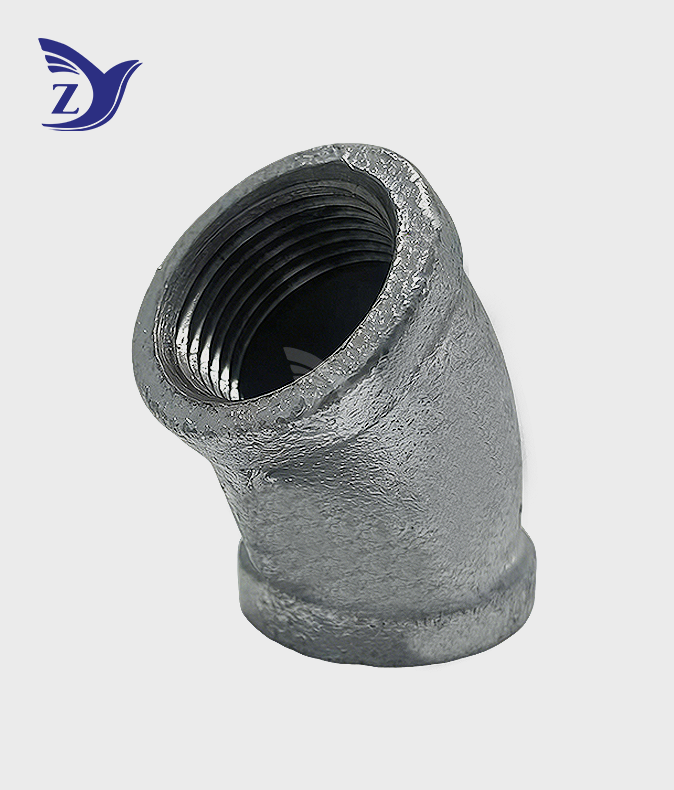
NPT Square Face Galvanized 45° Square Edge Elbow Pipe Fittings
NPT Galvanized Union 340 Pipe Fittings