
May 23, 2026
What does a reducer coupling look like?
When you're tasked with connecting pipes of different diameters in a high-stakes industrial setting, understanding what you're looking at can save both time and costly mistakes. A reducer coupling is a specialized fitting designed to bridge the gap between two pipes of unequal sizes, creating a secure, leak-proof transition. Visually, a beaded galvanized round edge male-female reducing coupling features a cylindrical body with threaded ends of differing internal diameters—one end accepts a smaller pipe (male thread), while the opposite end connects to a larger pipe (female thread). The "beaded" designation refers to a reinforced, raised collar encircling each end, which strengthens the fitting against internal pressure and offers a solid grip point during installation. The "round edge" finish ensures smooth, safe handling without sharp protrusions, while the galvanized coating gives it a distinctive silver-gray metallic appearance that signals corrosion protection.
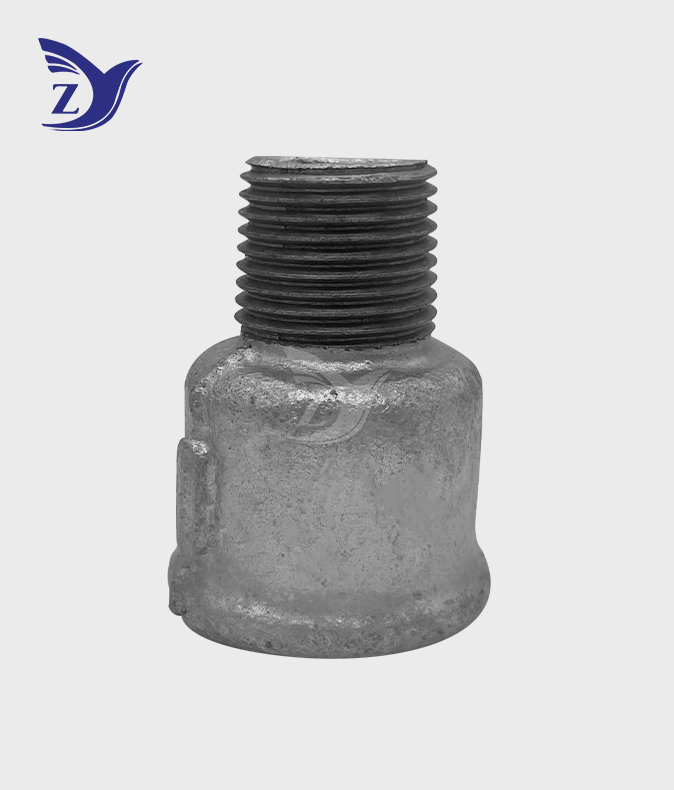
Reducer Couplings Appearance
Reducer joints are very important for connecting pipes with different diameters in networks that are very complicated. The main thing that makes them stand out is that one of the threaded holes is noticeably smaller than the other. This dual-threaded reducer lets lines with diameters ranging from 0.5 inches to several inches fit together smoothly, based on the needs of the system.
Defining Features of Beaded Galvanized Round Edge Male-Female Reducing Couplings
These fittings are different from plain or banded ones because they have a beaded design. There is a rising ring or bead at each connected end that makes the structure stronger. This bead keeps the pipe from deforming when workers use torque to fix it. This is especially important in systems that carry high-pressure gas or water. The round edge finishing gets rid of the sharp corners, making it safer to put in tight areas and easier to use a wrench.
The male-female arrangement is also very important. This industrial-grade beaded galvanized round edge male-female reducing coupling can connect one externally threaded pipe (male) and one internally threaded pipe (female). Most couplings can only connect two female or two male pipes. This flexibility gets rid of the need for multiple adapters, which lowers the number of possible leak spots and makes it easier for plumbing and hardware wholesalers to keep track of their stock.
Visual Distinctions Between Beaded and Plain Edge Couplings
Visual inspection is the first step in finding the right size. Beaded connections have a clear ridge that is about 3–5 mm high around each hole. This edge really stands out in bright light, which makes it easy to find in large packages. This isn't there on plain connections, so the surface from the body to the thread is smooth and continuous.
Galvanization adds one more thing that can be seen. Hot-dipped galvanized fittings have a zinc covering that is slightly rough and crystalline, with designs that look like splatters. This male-female width converter won't rust, which is very different from black malleable iron or painted steel options. When procurement professionals check packages, they can make sure the galvanization quality by seeing if the coating thickness is the same all over and there are no bare spots, which are a sign of poor processing.
Material and Dimensional Specifications of Galvanized Reducing Couplings
The choice of material affects how long a fitting will last in harsh conditions. Due to its unique mix of strength, ductility, and resistance to rust, galvanized malleable iron has become the standard for reducer connections.
Material Composition and Protective Coatings
High-strength, anti-rust, and pliable adapters start out as blackheart malleable iron, which usually meets ASTM A197 or a foreign standard that is similar. Heat treatment at temperatures above 900°C changes this material from brittle white cast iron to ductile iron that can be shaped. The end result has a tensile strength of more than 300 MPa and stretch characteristics that keep it from breaking in a very bad way.
After casting and drilling, hot-dip galvanization is done. Fittings are put into liquid zinc that is about 450°C hot. This makes a metal link between the iron base and the zinc cover. A zinc layer about 70 to 80 microns thick, or about 500 grams per square meter, is put down using this method, which is controlled by ASTM A153 and ISO 1461 standards. This coating protects against cathodic corrosion, which means that the zinc corrodes before the iron underneath. This makes the coating last for decades, even in harsh settings like chemical processing plants or sites near the coast.
At Zhiyuan Malleable Steel, we use medium-frequency electric furnaces to make precision-threaded iron parts that have uniform metallurgical qualities. Our two natural gas heating kilns can handle 100-ton batches, which makes sure that the material properties are the same from one production run to the next. This is very important for big city engineering projects.
Dimensional Standards and Weight Considerations
Dual-thread reducers that are compatible with both NPT and BSPT must meet strict size standards. NPT (National Pipe Taper) threads have a 60-degree thread angle and a 1-in-16 taper. They are defined by ANSI/ASME B1.20.1. BSPT (British Standard Pipe Taper) threads have the same 55-degree angle and taper as ISO 7-1 threads. These rules make sure that any 1-inch to 3/4-inch reducer, from any maker, will fit standard lines around the world.
The weight changes based on the size decrease ratio. A normal 1-inch x 1/2-inch beaded steel coupling weighs between 150 and 180 grams. A 2-inch x 1-inch version may weigh more than 500 grams. When purchasing containerized packages, procurement managers need to keep these weights in mind. For example, a box of 500 mixed-size reducers can weigh more than 200 kilograms, which changes how freight is calculated and how the warehouse is handled.
Verifying Authenticity Through Physical Inspection
It is always a problem in global supply lines when fake parts show up. There are several indicators that a beaded galvanized round edge male-female reducing coupling is genuine. The precision of the thread is very important. Standard thread gauges should be able to measure real NPT threads exactly. The bead should be the same height and diameter all the way around; beading that isn't even is a sign of bad casting quality.
The level of galvanization shows how well the product was made. When hot-dip galvanizing is done right, the layer doesn't flake off when you scrape it with a coin. Poor electrogalvanization or spray covering fall off easily, leaving the metal bare. Also, trustworthy companies like Zhiyuan Malleable Steel make it easy to track their products by stamping batch codes on fittings or packing. These codes connect the products to quality standards like ISO 9001, CE, UL, and FM approvals.
Comparing Beaded Galvanized Round Edge Couplings with Other Types
To choose the best fits, you need to know how the different options affect performance. Direct comparisons help engineers and procurement specialists figure out when beaded steel reducers are the best value.
Beaded Galvanized Versus Threaded Couplings
Standard threaded connections that don't have beads cost 10 to 15 percent less, but they don't last as long. Because they don't have any supporting beads, they can be damaged by over-torquing. If you use too much wrench force, the threads can come apart or the body of the fitting can crack. The strengthened collar in beaded models takes up this stress, which keeps expensive field failures from happening.
Beaded galvanized round edge male-female reducing couplings are easier to install. Cross-threading, which can damage expensive valve systems, is less likely to happen because the raised collar helps with alignment and gives physical feedback when threading starts. For big projects with hundreds of links every day, this small benefit adds up to a lot of additional work saves.
Male-Female Versus Female-Female Reducer Couplings
For female-female reducers to work, both ends of the pipes or nipples must have male threads. This set-up works well when two fixed pipes need to connect with a width change. It does, however, raise the number of parts and possible leak spots.
The male-female reducer is a single part that handles both shift and adaptation. This water/gas pipeline diameter transition fitting gets rid of the need for an adapter and nipple assembly when connecting a female-threaded valve outlet to a smaller male-threaded pipe. Manufacturers of valves and full pipeline equipment define male-female reducers in pre-assembled manifolds to make assembly easier and improve quality control.
Galvanized Versus Stainless Steel Reducers
Stainless steel reducers are more resistant to rust and look better, but they cost 300–400% more than other materials. Stainless is still needed in places where chemical protection is worth the extra cost, like pharmaceutical processes or food-grade systems.
But for a lot less money, hot-dipped galvanized reducers meet the rust standards for 90% of industry uses. A company that delivers gas to cities would spend $150,000 on zinc fittings instead of $600,000 on stainless steel ones when putting 10,000 reducers in a network. When placed correctly, the galvanized parts have similar 50-year service lives in normal soil and weather situations.
Cost analysis must also consider availability. Distributors keep a large stock of galvanized malleable iron reducers, which makes them easy to get quickly. Special sizes made of stainless steel usually need to be made to order, which takes 6 to 12 weeks and slows the job.
Conclusion
Reducer couplings represent far more than simple connectors—they're engineered solutions to critical piping challenges across industries from fire protection to petrochemical processing. The beaded galvanized round edge male-female reducing coupling is well-thought-out in its design and made from tested materials, so it works reliably in tough conditions. Procurement pros can make choices that balance cost, quality, and project timelines when they know how they look, what they're made of, and how to use them correctly. Whether you're buying parts for a city's water system, fire sprinkler network, or industrial maintenance supplies, it's important to choose approved, correctly made reducers from well-known providers to protect the integrity of the system and its long-term value.
FAQ
What makes beaded galvanized reducers better than plain alternatives?
The beaded galvanized round edge male-female reducing coupling design has stronger grip points that keep the fitting from deforming during installation and improve the structure's strength when the system is under pressure. Galvanization makes fittings more resistant to rust, so they last longer than fittings that aren't covered. While still meeting all performance standards, the round tip makes handling safer.
How do I verify thread compatibility before ordering?
The tapers of NPT and BSPT threads are similar, but the thread angles are different (60° vs. 55°). Check the thread standard of your current system by looking at the equipment's manual or using thread testers to test it. Reliable providers can offer dual-thread reducers that are compatible with both NPT and BSPT, or they can make models that fit the needs of your system.
Can these fittings be used in both water and gas systems?
Both jobs can be done well with good malleable iron reducers and the right thread glue. According to local rules, gas systems need yellow PTFE tape that is approved for fuel gases and more leak tests. Always make sure that the parts you are using meet the standards that are needed for the job (ANSI/ASME B1.20.1 for NPT, ISO 7-1 for BSPT).
Partner with Zhiyuan Malleable Steel for Reliable Reducer Coupling Solutions
Choosing the right beaded galvanized round edge male-female reducing coupling supplier will keep your projects from failing and taking too long, which can cost a lot of money. Zhiyuan Malleable Steel has been casting for 26 years and can make up to 30,000 tons of steel each year. They serve fire protection companies, local engineering firms, and industry distributors all over the world. Our ISO 9001, CE, UL, and FM certifications show that we follow international quality standards. Our OEM/ODM services help with special needs that can't be met by off-the-shelf products.
We stand behind our goods with guarantees that will fix any that are broken, and we keep enough in stock so that standard fitting delivery can happen within two hours. Procurement managers like our double-layer cardboard packing because it makes sure that parts arrive undamaged and ready to be installed right away. You can email our team at q1236800000@gmail.com to talk about the details of your project, get detailed datasheets, or set up tours of our Shanxi offices. As a trusted manufacturer, we can help with projects of any size, from single-site setups to infrastructure programs that last for years. We can give your business the quality, capacity, and service it needs.
References
American Society of Mechanical Engineers. "Pipe Threads, General Purpose (Inch)." ANSI/ASME B1.20.1 Standard, 2013.
ASTM International. "Standard Specification for Cupola Malleable Iron." ASTM A197, 2019.
ASTM International. "Standard Specification for Zinc Coating (Hot-Dip) on Iron and Steel Hardware." ASTM A153, 2016.
International Organization for Standardization. "Malleable Cast Iron Fittings with Compression Ends for Polyethylene (PE) Piping Systems." ISO 49, 2018.
International Organization for Standardization. "Pipe Threads Where Pressure-Tight Joints Are Made on the Threads—Part 1: Dimensions, Tolerances and Designation." ISO 7-1, 2020.
National Fire Protection Association. "Standard for the Installation of Sprinkler Systems." NFPA 13, 2022 Edition.
Online Message
YOU MAY LIKE
High quality furniture manufacturer
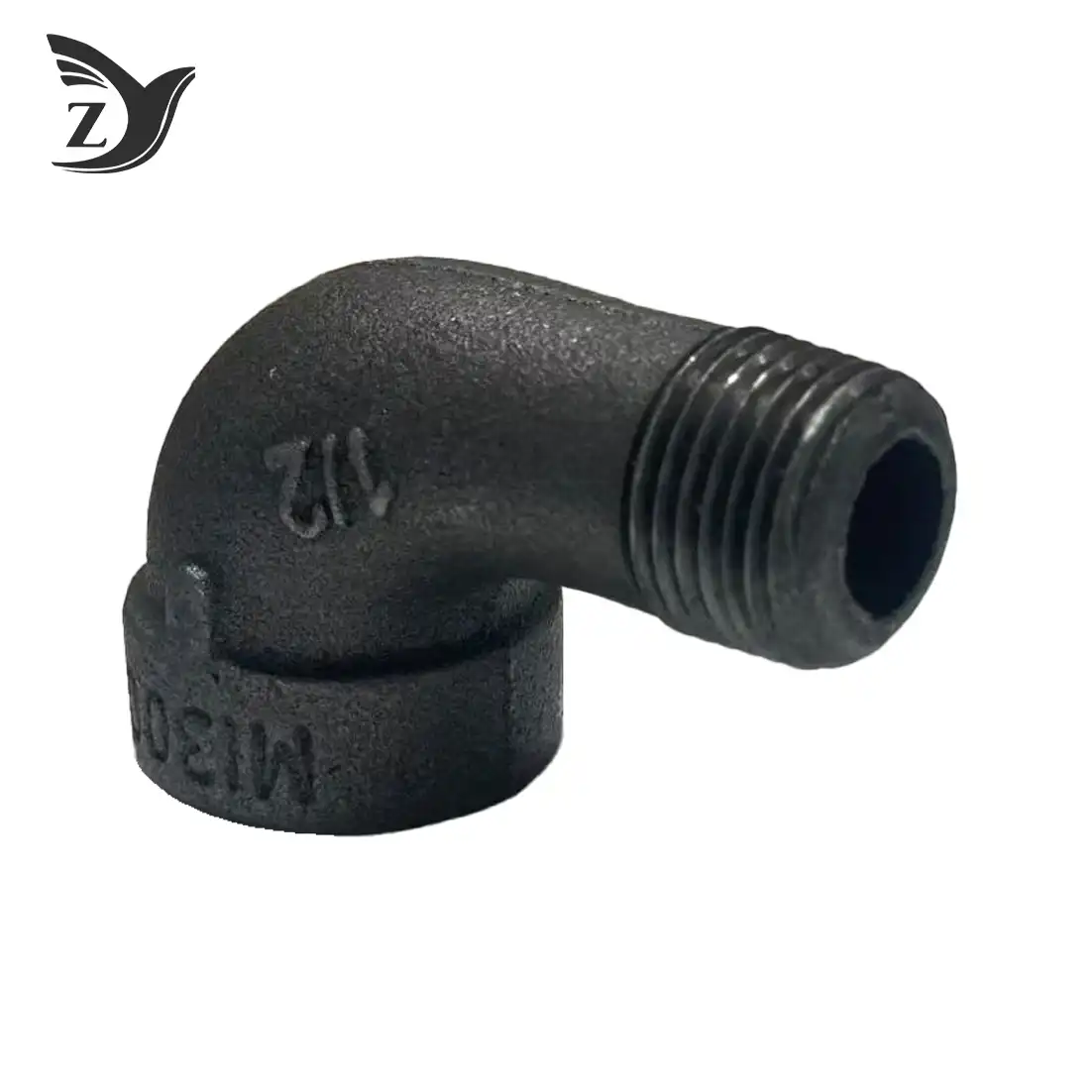
300# Black Threaded 90° Elbow, Male & Female
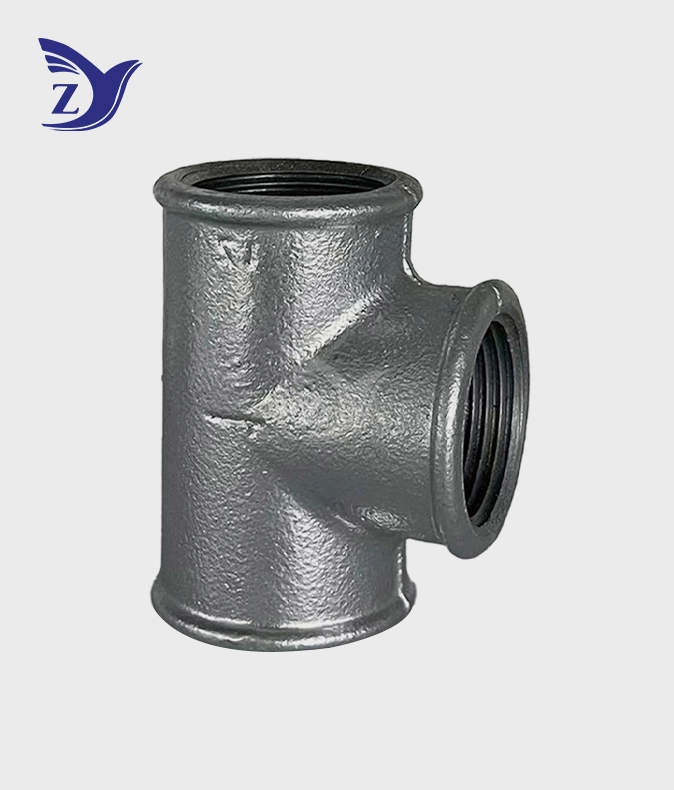
NPT Round Face Galvanized Round Edge Straight Tee Pipe Fittings
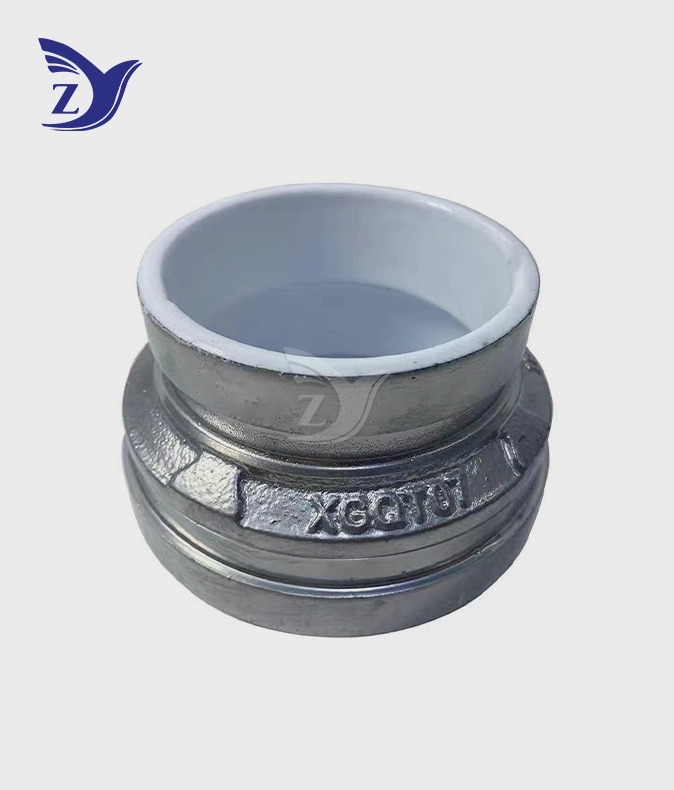
Water Grooved Reducer
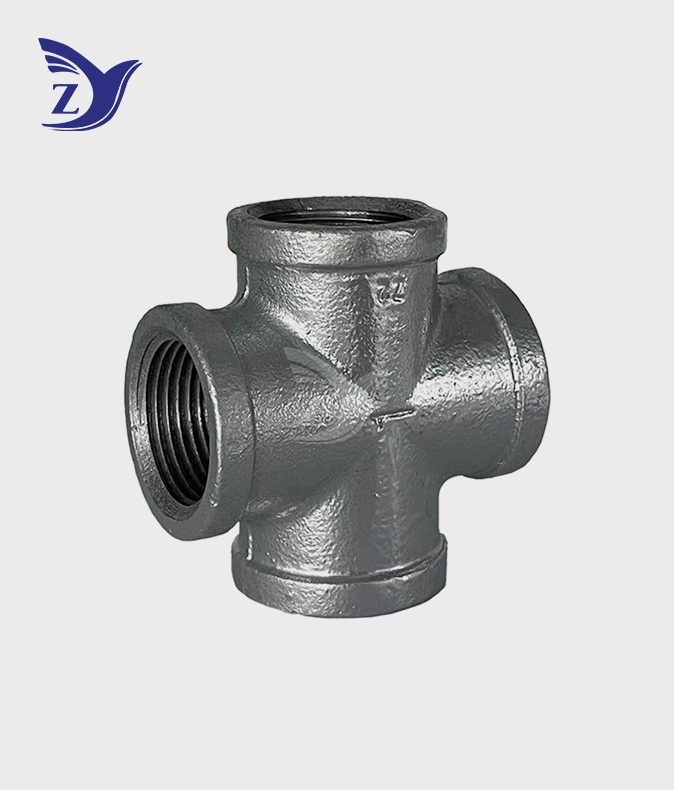
NPT Square Face Galvanized Square Edge Cross Pipe Fittings
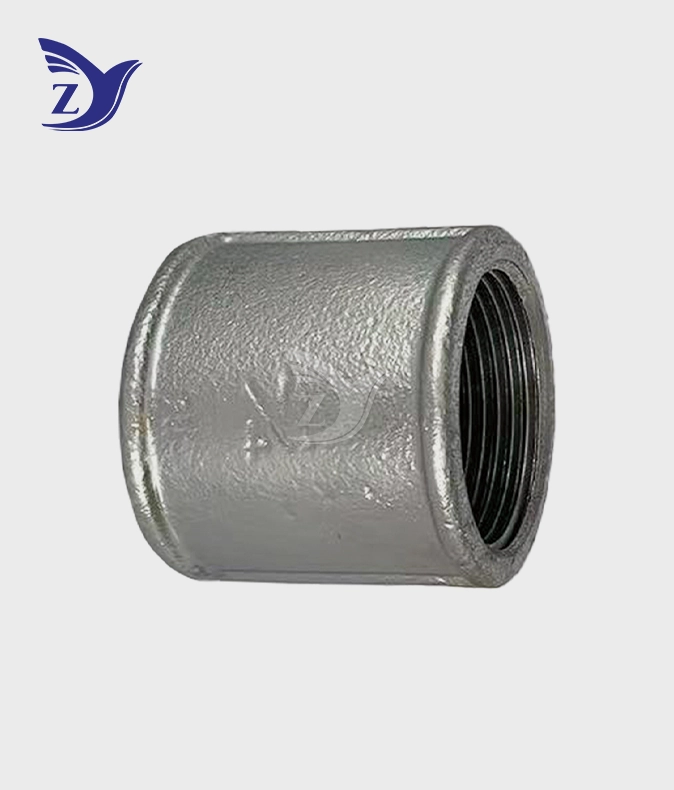
NPT Round Face Galvanized Round Edge Coupling Pipe Fittings
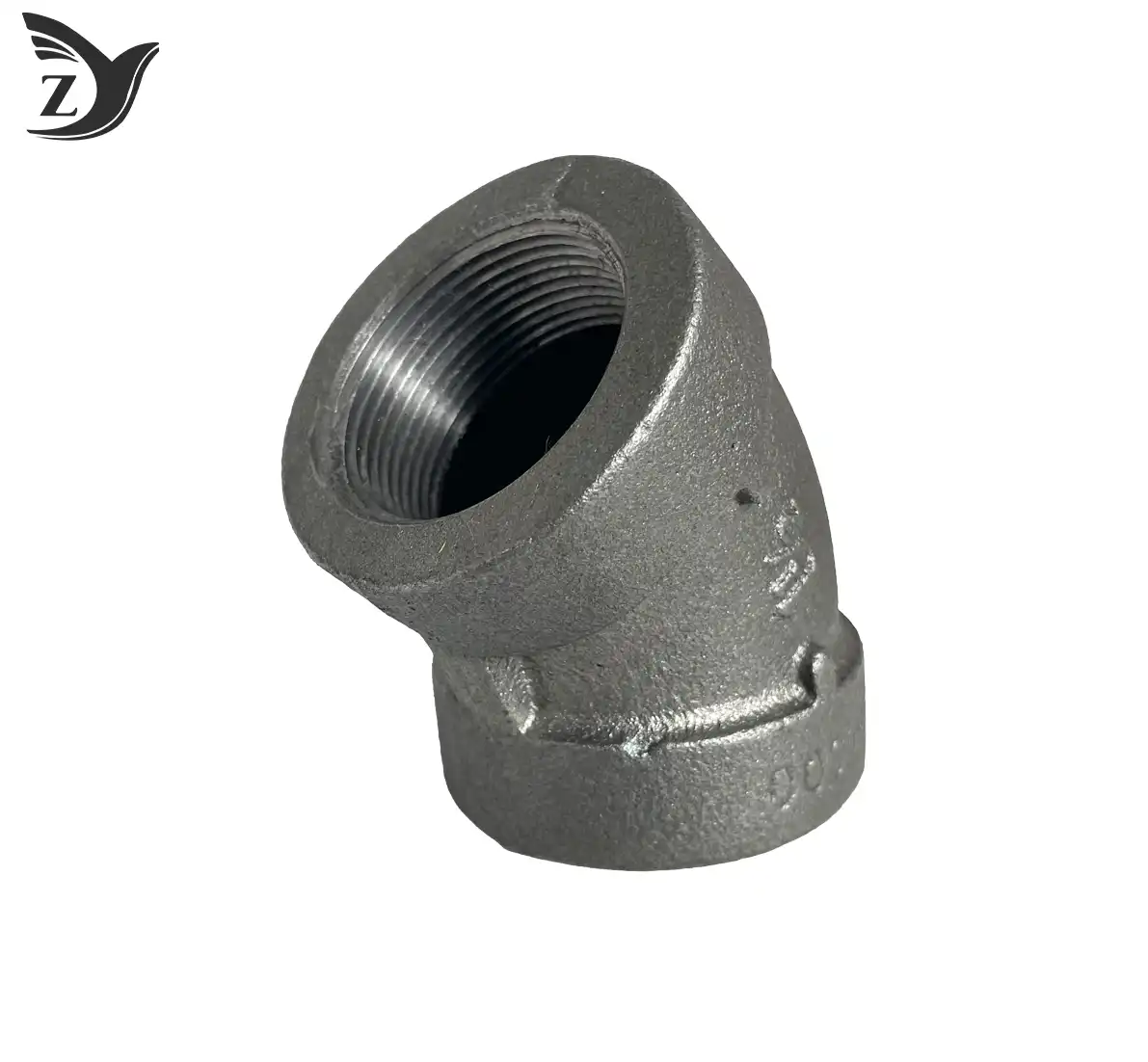
300LB Black Malleable Iron 45 Degree Threaded Elbow Pipe Fittings
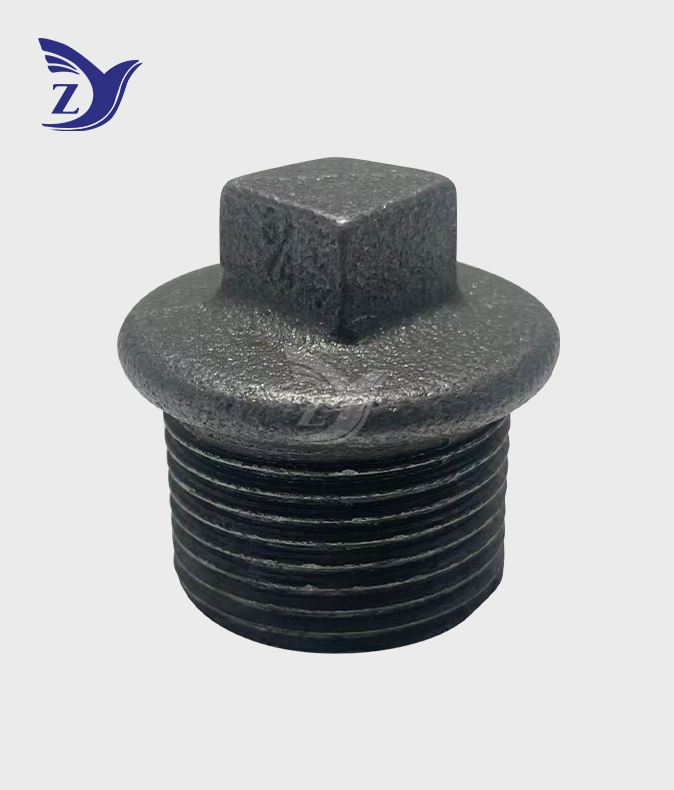
NPT Black Flanged Plug Pipe Fittings
Water Supply Threaded Mechanical Cross Pipe Fitting