
Apr 30, 2026
What are the two main types of tee fittings called?
When choosing pipe fittings for industrial systems, knowing the basic differences between tee setups can have a big effect on how well the system works and how long it lasts. Round edge (round face) tees and square edge (square face) tees are the two main types of tee caps. These square face galvanized square edge straight tee pipe fittings have a flat, strengthened band at each exit that makes them stronger and easier to install with a wrench. This makes them perfect for high-pressure systems that distribute water, gas, and chemicals. Round edge tees, on the other hand, have smooth, rounded beaded shapes at the ends. This makes them flexible in some fluid dynamics situations while still being able to close well.
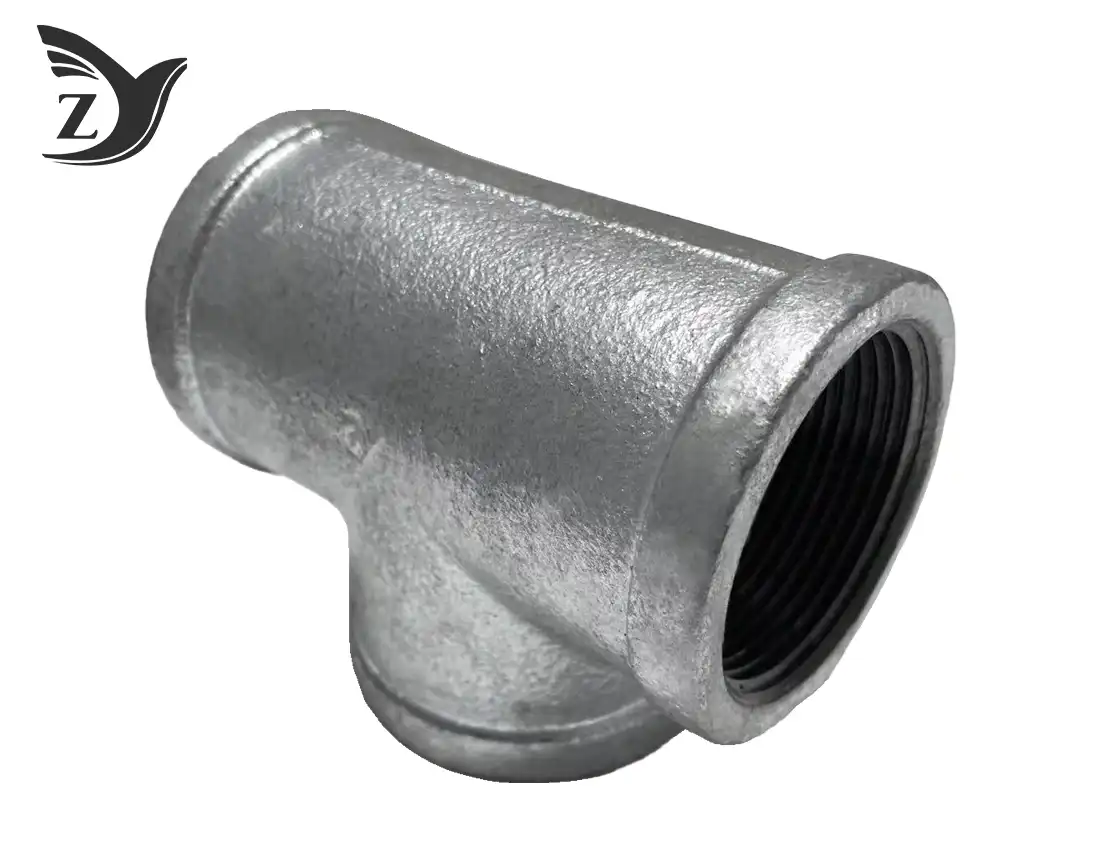
Two Main Types of Tee Fittings
The Galvanization Process and Its Industrial Benefits
Hot-dip galvanization changes iron pipe fittings that are easy to shape into parts that are immune to corrosion and can handle harsh circumstances. In this method, parts are submerged in molten zinc that is around 450°C. This forms a metallurgical link that usually results in layers that are more than 70 microns thick. This zinc layer works as a sacrifice anode, keeping the iron below from oxidizing even when the surface gets small scratches or wears down. Galvanized fittings that meet ASTM A153 standards last a very long time in outdoor settings, seaside areas, and situations where they will be exposed to water or chemical fumes.
Defining Square Edge Tee Fittings
Square face galvanized square edge straight tee pipe fittings, which are also known as square face or banded tees, have a unique flat support band that goes around each threaded outlet. This external ring that looks like a block makes the wall thicker at connection places. This makes the structure much stronger when installing with a lot of torque and when there are pressure loads inside. These bolts are made from blackheart malleable iron that meets ASTM A197 standards. They have a tensile strength of more than 350 MPa and elongation qualities that keep them from breaking when they get too stiff. The square band shape also makes it easy for pipe wrenches to grip, which lowers the chance that the tool will slip during assembly and speeds up the installation process on big jobs.
Characteristics of Round Edge Tee Fittings
When compared to square edge versions, round edge tee fittings look more sleek because their outlets have smooth, curved beaded outlines. The rounded shape spreads stress in different ways, which is helpful in systems that are vibrating or going through temperature cycles. While keeping the same pressure ratings when properly stated, round edge designs may need slightly different installation methods and are often chosen in situations where component choice is affected by how the part looks or how it flows. It is possible to get both NPT and BSPT thread standards with round edges, which makes them compatible with a wide range of foreign pipe standards.
Key Differences Between Square Edge and Round Edge Tee Fittings
Structural Design and Dimensional Standards
The exit shape makes the difference stand out the most right away. Square face galvanized square edge straight tee pipe fittings have a flat band that is usually 3–5 mm thicker around the edges than the fitting body. This makes the joint stronger so it doesn't bend when it's overtightened. This feature of the design is especially useful when workers have to make leak-proof seals in tough field circumstances. With a rolled bead that acts as a stop collar during assembly, round edge tees keep the wall thickness the same. Both designs follow the dimensions set by ASME B16.3 Class 150. Sizes range from 1/8" to 6" nominal pipe sizes, so they can be used for a wide range of applications, from home plumbing branches to industrial process headers.
Material Composition and Coating Performance
Both types of tees are made from high-grade, malleable iron, but the quality of the surface treatment changes a lot from one maker to the next. Premium hot-dipped galvanized coats should have zinc weights of 500 to 600 g/m², which means they will last 30 to 50 years in most commercial settings. When you look at square edge galvanized fittings next to other options like black steel, PVC, or stainless steel (ASTM A403/A182), malleable iron has the best mix of strength, flexibility, and low cost. Stainless steel is better at resisting chemicals, but it costs three to four times as much. For rust protection, black steel needs extra coatings, and PVC doesn't have the temperature tolerance and mechanical strength needed for high-pressure or high-temperature uses.
Performance Metrics in Demanding Environments
Durability tests show that square edge designs can handle 15-20% more installation pressure than round edge designs without thread galling or outlet warping. Because of this higher resilience, there are fewer failures in the field and fewer calls for workers. When properly galvanized, both types have great wear resistance. However, square face fittings work much better in systems that experience water hammer or pressure spikes because their structure is stronger. The environmental flexibility of both designs is still very good. Galvanized surfaces don't break down in pH ranges from 6.5 to 12.5 and working temperatures from -40°C to 150°C.
Applications and Advantages of Square Edge Galvanized Straight Tee Pipe Fittings
Primary Industrial Applications
NPT and BSPT square-edge steel flexible tees are used a lot in municipal water distribution networks to make branch connections at service lines and distribution mains that work well. The precision-threaded exits make sure that the joints don't leak and keep the system pressure and water quality levels at the levels required by regulators. Gas pipeline systems are made of high-strength, anti-rust, pliable iron that meets strict safety standards for distributing flammable fuels. These threaded pipe splitters are used by chemical processing plants to branch off aggressive fluid lines. The hot-dipped galvanized finish protects the metal from weak acids, alkalis, and industrial solvents better than exposed ferrous materials.
Fire protection system installers choose square face galvanized square edge straight tee pipe fittings because they are mechanically stable. This is because the strengthened band keeps the joint from coming loose during system testing when the temperature changes. HVAC workers like how well the fluids are distributed and how the industrial-grade construction means that building mechanical systems won't need any repairs for decades. The 3-way pipe connection design that works with both NPT and BSPT threading standards is useful for repair projects and setups that take place in different countries.
Core Advantages Driving Specification Decisions
Because of these main advantages, square edge zinc tees are the best choice for tough industrial uses:
- Superior Mechanical Integrity: The strengthened square band makes the hoop stronger at the exit. This spreads the stresses of the joint over a bigger surface area, making it almost impossible for cracks to form during installation. This design feature is very helpful for workers who need to get the tightness right in small areas or awkward positions where it's hard to apply controlled pressure.
- Enhanced Installation Efficiency: The flat surface grips standard pipe wrenches firmly, which cuts down on tool movement and the work needed to tighten the joint properly. Installation crews say that the fittings can be put together 20–30% faster than round edge fittings, which directly cuts down on the cost of work on big projects.
- Simplified Maintenance Access: If you need to remove a fitting in the future to make changes to the system, the positive wrench contact of square bands keeps the fitting body from getting damaged, so you can often use the part again. This trait lowers the need for extra parts inventory and encourages long-term upkeep methods.
These benefits make square edge steel fittings the best choice for procurement managers who want to ensure long-term performance. They also make systems more reliable and lower the total cost of ownership.
Practical Installation Guidelines
The right way to put things together starts with checking the threads on both the fittings and the pipe ends carefully and cleaning off any dirt, old sealant, or rust products that might weaken the joint. Use a thread glue that is rated for the job. For example, PTFE tape works well for gas and water, while anaerobic pipe dope is better for chemical jobs. Tighten the threads by hand before using the tools, making sure they are in the right place to avoid cross-threading. Tighten square edge fittings until the band of the fitting firmly touches the shoulder of the pipe. Depending on the width of the pipe, this may take 1.5 to 2.5 turns beyond hand-tight. Don't tighten too much; too much pressure can bend the threads and make the seal less effective.
Conclusion
When buying workers know the difference between square edge and round edge tee fittings, they can choose parts that meet their exact business needs. It is clear that square face galvanized square edge straight tee pipe fittings are the best choice for tough industrial uses because they are stronger, easier to install, and more reliable over time. Hot-dipped galvanized corrosion protection, accurate threading to NPT or BSPT standards, and a strengthened exit design all work together to solve the main problems that water, gas, fire protection, and HVAC systems face. By working with qualified makers who uphold strict quality standards and offer full expert support, buyers can get the best system performance while keeping the total cost of ownership low over many years of use.
Partner with Zhiyuan Malleable Steel for Superior Square Edge Galvanized Fittings
With 26 years of experience casting square face galvanized square edge straight tee pipe fittings and an annual production capacity of 30,000 tons, Zhiyuan Malleable Steel is a reliable supplier. Our factory in Taigu District, Shanxi Province, follows strict ISO 9001 quality management protocols and makes over 1,000 product specifications that meet international standards. We offer full OEM/ODM customization services for non-standard sizes and special applications, and our team of 38 professional engineers is here to help you through the whole procurement process.
Our hot-dipped galvanized malleable iron tees are perfect for fire protection systems, municipal infrastructure, and industrial process piping. Contact our team at q1236800000@gmail.com to talk about your specific needs and get a quote that fits your volume and delivery needs. Standard inventory items ship within two hours, and custom orders benefit from optimized production cycles that keep your project timelines. Fittings arrive in perfect condition thanks to our double-layer cardboard packaging, and our policy for replacing broken products without any questions.
FAQs
What specific advantages do square edge tees offer over round edge configurations?
There are three main benefits of square edge tee fittings: better structural reinforcement at outlets that keeps them from deforming under high installation torque; better wrench engagement surfaces that make it easier to use tools and cut down on assembly time; and increased hoop strength that keeps it from cracking in high-pressure situations. Because of these features, square edge designs work best for water systems in cities, gas distribution networks, and industrial process pipes that need to be reliable.
Can galvanized fittings be welded, and what precautions are necessary?
It is certainly possible to weld galvanized malleable iron parts, but it needs to be done carefully to keep everyone safe. Zinc coats evaporate at welding temperatures, releasing poisonous fumes that need to be ventilated well and workers must wear masks to protect their lungs. When heat hits a zone, it loses its rust protection and needs to be fixed with zinc and the right coats after the welding process. For most uses, threaded connections work better than welding. Welding should only be used in rare cases where mechanical parts aren't realistic.
How do I accurately measure and specify square edge tee fittings?
Tee fittings are described by the standard pipe size of each exit, which is usually given as "Run x Run x Branch" measurements. The inside diameter of existing pipes or pipe schedules can be used to find the right size for a 1" x 1" x 3/4" tee. Always specify the thread type (NPT or BSPT) and coating requirements (galvanized, black, etc.) to make sure the new pipe will work with the old system parts.
References
- American Society of Mechanical Engineers. ASME B16.3: Malleable Iron Threaded Fittings – Classes 150 and 300. New York: ASME Press, 2021.
- ASTM International. ASTM A197: Standard Specification for Cupola Malleable Iron. West Conshohocken: ASTM International, 2020.
- British Standards Institution. BS EN 10242: Threaded Pipe Fittings in Malleable Cast Iron. London: BSI Standards Publication, 2019.
- American Water Works Association. AWWA Manual M11: Steel Pipe—A Guide for Design and Installation. Denver: AWWA Press, 2018.
- National Fire Protection Association. NFPA 13: Standard for the Installation of Sprinkler Systems. Quincy: NFPA Publications, 2022.
- Zinc Coating Manufacturers Association. Hot-Dip Galvanizing for Corrosion Protection of Steel Products. Technical Manual Series, 2020.
Online Message
YOU MAY LIKE
High quality furniture manufacturer
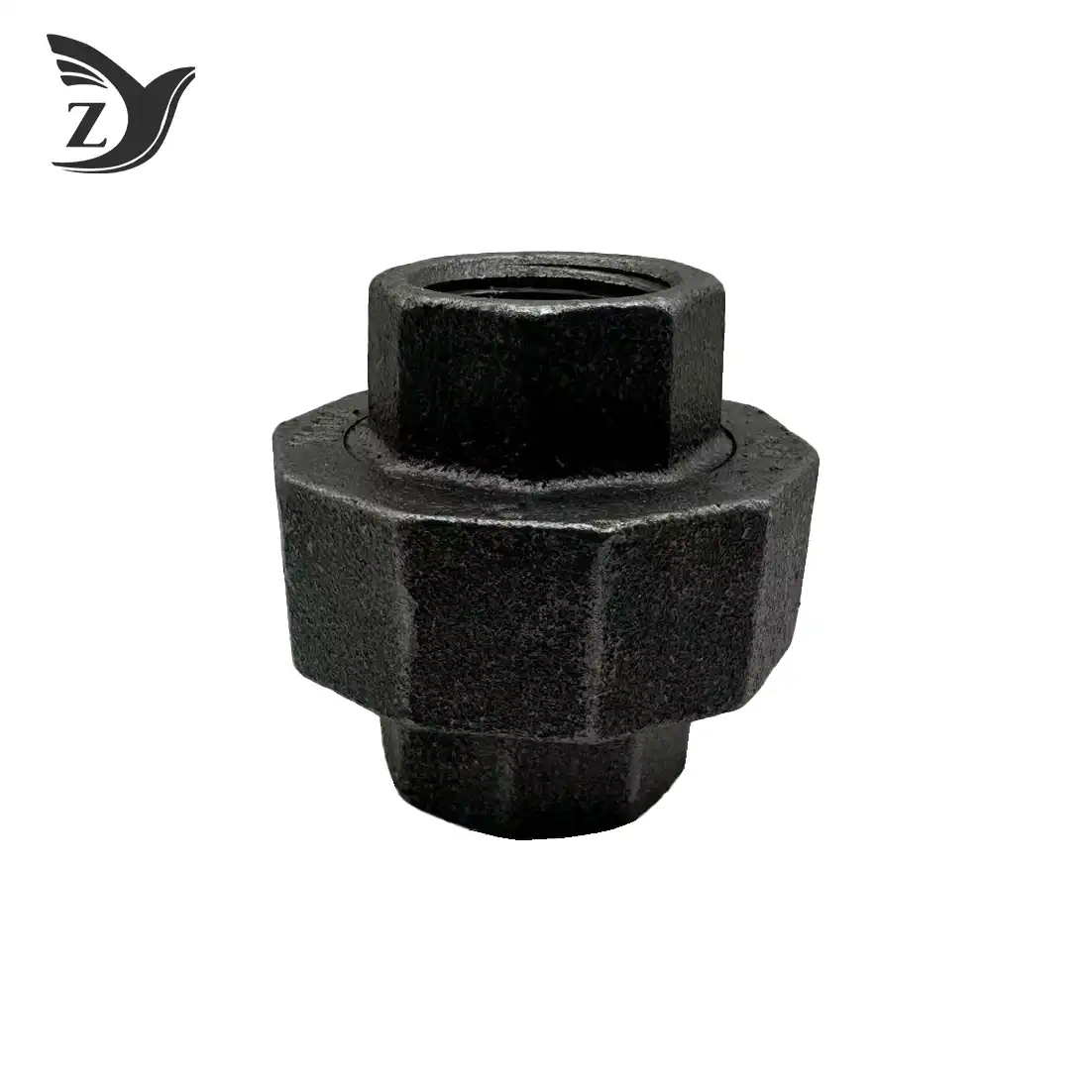
NPT Black Union Class 300 Pipe Fittings
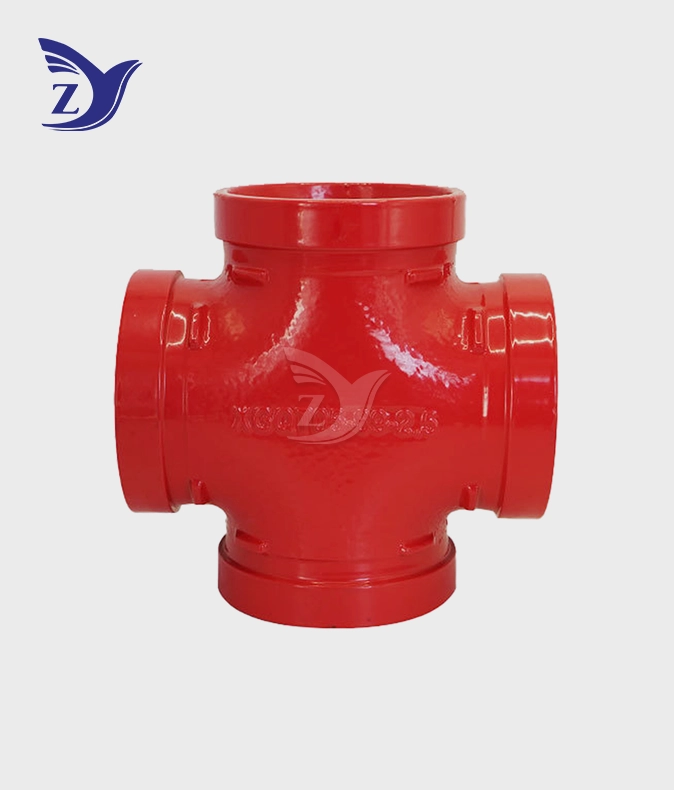
Fire Grooved Cross
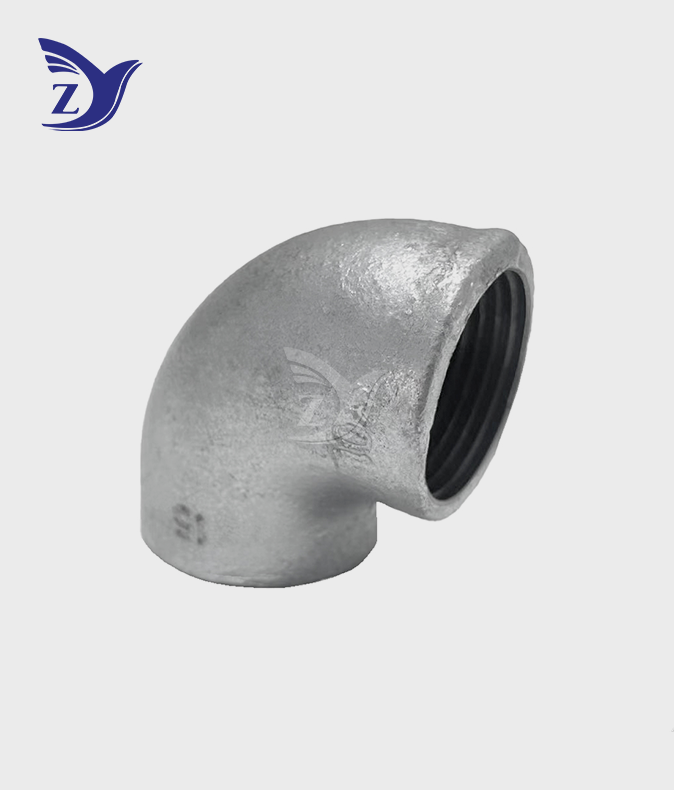
No Hub Hot Dip Galvanized 90° Elbow Pipe Fitting
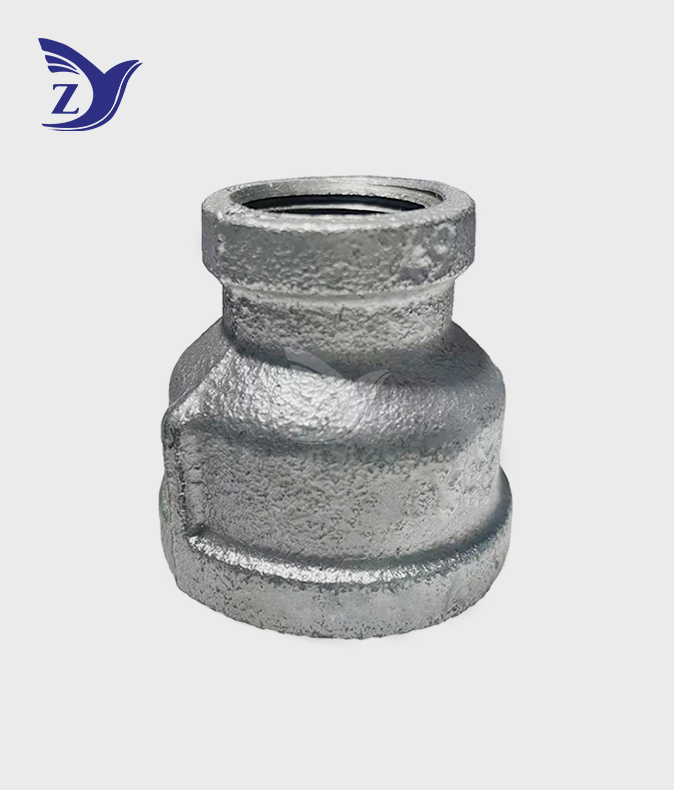
BSPT Square Face Galvanized Square Edge Reducing Coupling Pipe Fittings
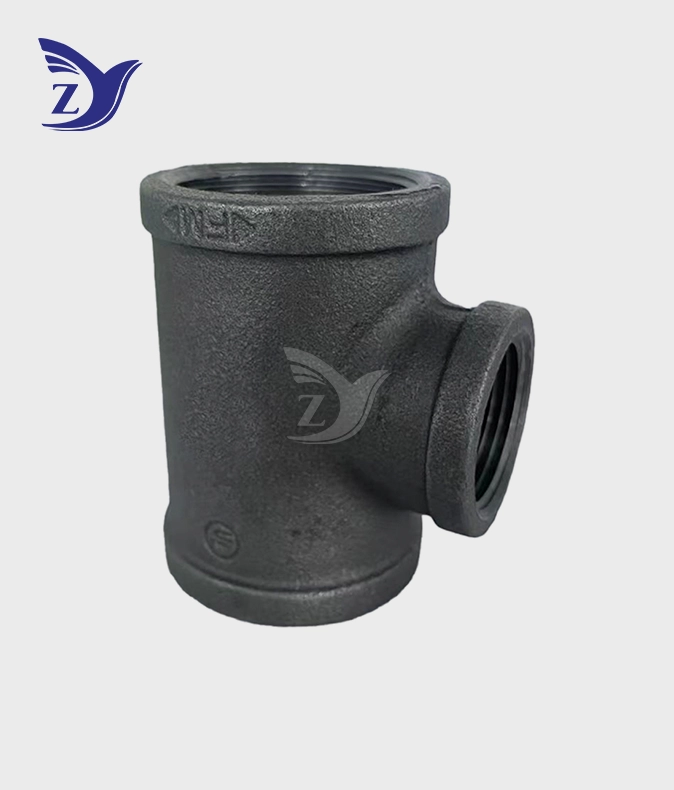
NPT Black Square Face Reducing Tee Pipe Fittings
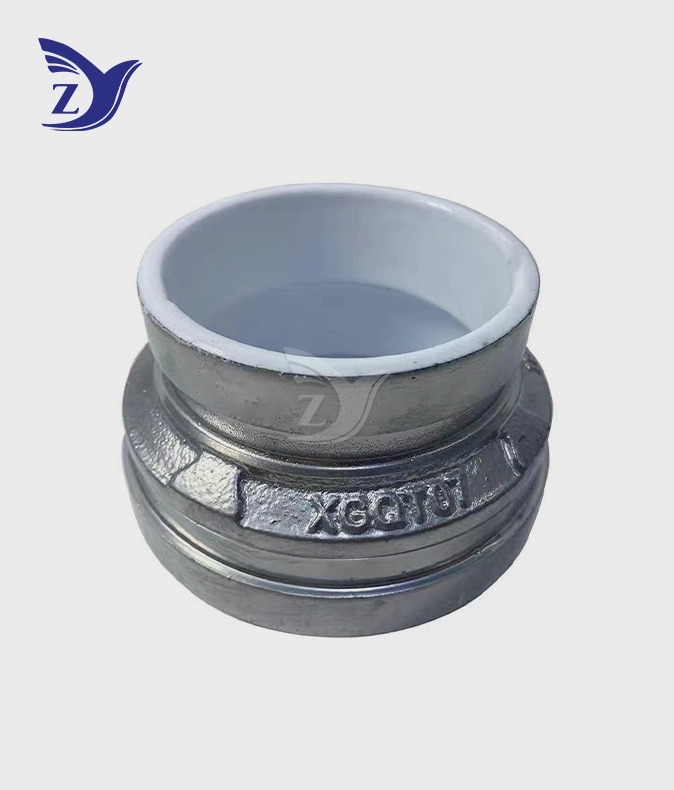
Water Grooved Reducer
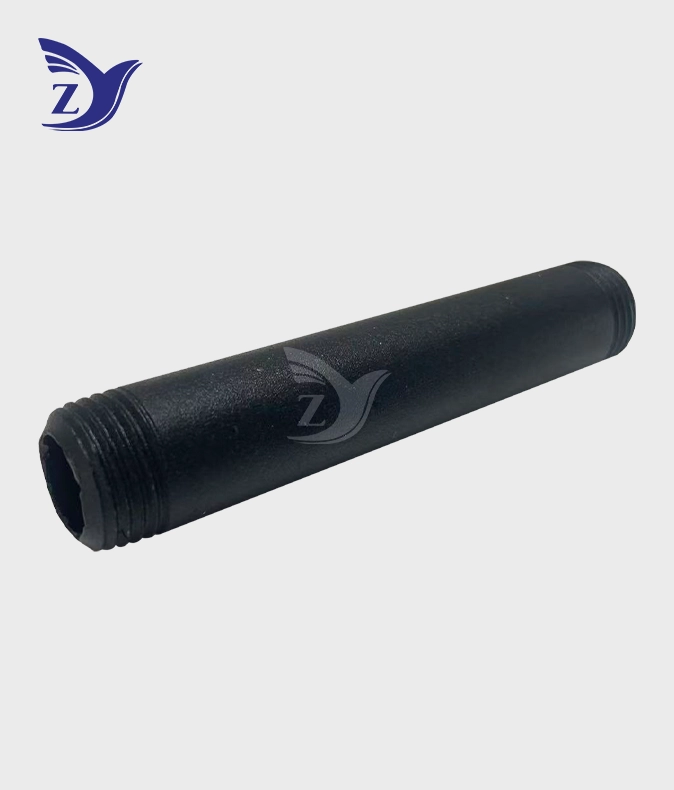
Carbon Steel Pipe Male Threaded Fittings Black Oxide Treated
Fire Grooved 90° Elbow