
Apr 16, 2026
What are the main features of square face galvanized square edge reducing coupling pipe fittings?
Square face galvanized square edge reducing coupling pipe fittings are precision-engineered iron parts that can be shaped to connect pipes with different sizes in both commercial and public systems. These fittings have strengthened socket ends with square edges that make it easier to use a wrench during high-torque installation and keep the fittings from deforming under stress. The finish is hot-dip galvanized, which makes it very resistant to rust. The reducing design lets the width change without using multiple connections. These couplings work with both NPT and BSPT threading standards and provide solid, pressure-resistant seals in difficult settings for HVAC, fire protection, water supply, and gas distribution.
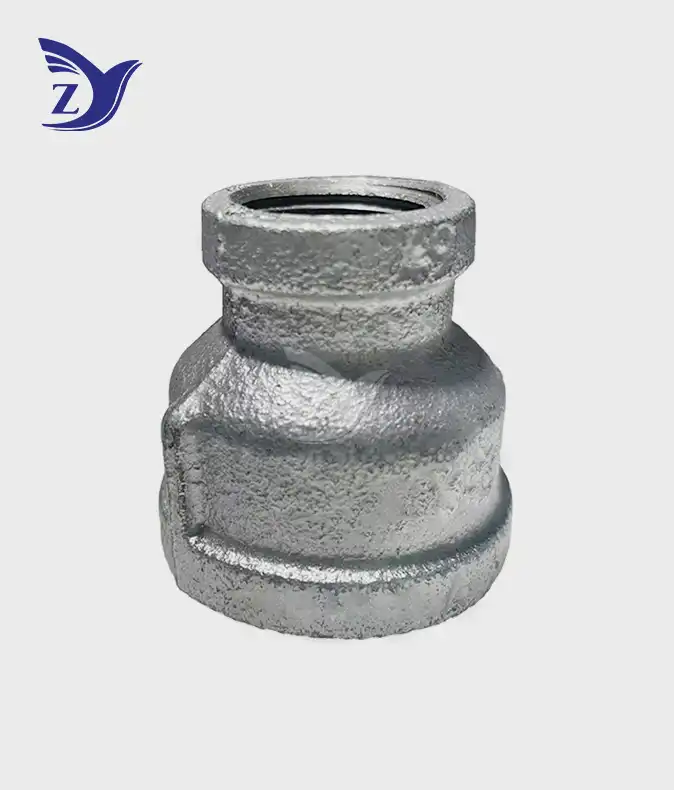
Introduction to Square Face Galvanized Square Edge Reducing Couplings
When engineers and procurement professionals are in charge of complicated pipe systems, they have to connect pipes with different sizes while keeping the structure strong and stopping leaks. In this case, square face galvanized square edge reducing coupling pipe fittings are a must. Unlike regular fittings, these specialized parts solve more than one issue at the same time: they adapt to different pipe sizes, don't rust in the environment, and can handle the mechanical stresses of installation and use.
Design Philosophy
"Square face" or "square edge" refers to the flat band of support that goes around the socket holes. Traditional fittings with beaded or round edges look very different from this one. The flat surface gives pipe wrenches more surface area to grip, so techs can apply more force without breaking or crushing the fitting body. This is especially helpful when working in small areas or with frozen links that need extra force.
The reducing function meets one of the most important needs in pipeline building, which is to change the flow rates and pressure levels between system sections. A single reducing connection makes it easy to change the width without having to use multiple adapters or make special transitions. This makes work easier, cuts down on places where water could leak, and lowers the cost of the materials.
The Galvanization Advantage in Harsh Environments
In hot-dip galvanization, the finished iron part is put into liquid zinc that is about 450°C hot. The process makes a strong metal link between the iron base and the zinc coating, which is usually more than 70 microns thick. The zinc layer acts as a substitute anode, which means it corrodes more quickly to protect the iron below from oxidation. To put this into practice, this greatly increases the service life in outdoor settings, basement uses, and places with a lot of moisture or chemicals.
We make these parts to meet strict international standards, such as ISO 5922 for the quality of the malleable cast iron and EN 10242 for the accuracy of the measurements. The galvanized surface resists rust from the air much better than painted or raw surfaces. It keeps its shape even after decades of being exposed to rain, soil moisture, or industrial atmospheres.
Key Features and Specifications of Square Face Galvanized Square Edge Reducing Couplings
Technical specs help procurement teams choose square face galvanized square edge reducing coupling pipe fittings that are perfect for the needs of the project. Material science, precise production, and protective finishing are all used together in these joints to make sure they work well in a wide range of situations.
Material Composition and Mechanical Strength
The main ingredient is blackheart malleable iron that can be shaped and meets standards such as ASTM A197 or grades that are similar. An annealing method is used on this material to turn weak white cast iron into a structure that is flexible and resistant to shock. As a result, the joint has a minimum tensile strength of 350–400 MPa, which means it stays together even when it's under pressure, when it expands and contracts due to temperature changes, and when it's loaded mechanically from the outside.
This flexibility is very important in situations where there is shaking, water hammer, or temperature changes. In contrast to fragile materials that break quickly when stressed, malleable iron deforms slightly before breaking, which can be seen during regular checks. The material is also easy to make and cuts threads precisely, making sure that joints don't leak.
Thread Geometry and Sealing Mechanism
Both NPT (National Pipe Taper) and BSPT (British Standard Pipe Taper) threading systems can be used with our lowering connections. When you put the male pipe into the female hole, the BSPT threads have a 55-degree Whitworth angle and a 1:16 taper ratio, which makes an interference fit. This curve naturally gets tighter when torque is applied, creating a metal-to-metal seal that often gets rid of the need for thread sealant tape in low-pressure situations.
The precise threading we get from computer-controlled cutting keeps the two socket holes lined up along the same axis. This alignment reduces turbulence at the point where the diameters change, which lowers the risk of cavitation and pressure drops across the fitting. Tolerances for thread depth and pitch stay within ±0.1mm, which means they can be used with pipes made by different companies.
Dimensional Specifications and Pressure Ratings
Most of the time, square face galvanized square edge reducing coupling pipe fittings can handle Class 150 pressure ratings, which is around 300 psi at room temperature and is good for most city and light commercial uses. Over 1,000 different specification options are offered through our production lines. Size pairs run from small transitions like 1/2" x 3/8" to bigger ones like 2" x 1-1/2".
Compared to round-edge designs, square-edge strengthening makes the wall thicker at key stress points by about 15 to 20 percent. This targeted strengthening stops hoop stress from internal pressure and adds more material to handle installation force without giving way.
Comparison with Other Reducing Couplings on the Market
To choose the right square face galvanized square edge reducing coupling pipe fittings type, you need to know how differences in design affect the system's performance, cost, and upkeep over time. There are different types of couplings, and each has its own benefits that depend on the needs of the application.
Square Edge Versus Round Edge Design
Round-edge or beaded fits have a smooth, rounded band of support that slowly fades into the socket body. This plan looks better, but it puts most of the stress at the edge where the radius hits the socket wall. When pressure is high, tools can slip or press down on the rounded surface, which could damage the threads.
Designs with square edges spread the force of the wrench over a larger, flatter area. This shape doesn't change easily and gives better grip, especially when giving the first breaking force to joints that have seized. Maintenance teams that work on old infrastructure always say that square-edge fittings make it easier to take things apart, which saves money on labor costs during upgrade projects.
Galvanized Steel Versus Stainless Steel Options
Stainless steel parts are better at resisting corrosion in harsh settings, like chemical plants on the coast or food processing plants. On the other hand, they cost 200–400% more than coated malleable iron. In most water supply, HVAC, and normal industry settings, hot-dip galvanized fittings are more than enough to protect against rust at a much lower cost.
When you think about system size, the economic math becomes more clear. Galvanized connections could save a local water project that needs 10,000 fittings hundreds of thousands of dollars without lowering the expected 50-year service life. Procurement teams that are careful with their budgets like this mix between value and effectiveness.
Installation Complexity and Long-Term Maintenance
Compression fittings or grooved mechanical joints are used in some modern connection devices instead of threading at all. There are more parts that could fail with these, like seals, clamps, or gripping rings, but they make fitting faster. Threaded reducing couplings make solid links with few parts, which means they need less upkeep over time.
Because threaded connections are so simple, service workers don't need any special training or tools to do their jobs. These systems can be serviced by any plumber who knows how to use a pipe wrench. This is helpful in rural areas or emergencies where special tools might not be available.
Conclusion
In conclusion, square face galvanized square edge reducing coupling pipe fittings work well in a wide range of business, industrial, and city settings. Their strengthened square-edge design makes fitting safer, and hot-dip galvanization protects them from corrosion for decades. These bendable iron valves are easy to change between pipe sizes and work with both NPT and BSPT threading standards. This makes the system simpler and reduces the number of possible leak points. When you choose certified suppliers, you can be sure of quality compliance, regular access, and expert help that lasts the entire lifecycle of a project. Whether you need parts for fire safety systems, water transport networks, or industrial process pipes, these fittings are a cost-effective option that is backed by a history of excellent engineering and manufacturing.
Partner with Zhiyuan Malleable Steel for Superior Pipe Fitting Solutions
Every square face galvanized square edge reducing coupling pipe fittings that Zhiyuan Malleable Steel makes is based on our 26 years of experience in casting. Our ISO 9001-certified factory in Shanxi Province makes more than 30,000 tons of steel every year, so projects of any size can count on a steady supply. Our parts meet the high standards needed by fire protection companies, city planners, and factories around the world because they are CE, UL, and FM certified. We offer full technical help throughout the lifetime of your project, fast shipping from a large inventory, and a lot of customization options through ODM/OEM services. As a reliable company that makes square face galvanized square edge reducing coupling pipe fittings, you can email our team at q1236800000@gmail.com to talk about your specific needs and get quotes that are suited to your buying needs.
FAQs
What advantages do square edge designs provide over round edge fittings?
Square edge supports provide better wrench grip surfaces by spreading installation torque over larger, flatter areas that don't bend. This shape is especially helpful when taking apart old connections or when using a lot of force in a small area. The better support at the socket ends also makes the hoop less likely to buckle under internal pressure, which extends its useful life in tough situations.
How does hot-dip galvanization protect against corrosion?
The zinc layer acts as a sacrifice anode, corroding more quickly to protect the iron below. Even if the layer gets small scratches, this electrochemical protection still works because zinc keeps covering any open areas. A typical layer is more than 70 microns thick, protecting fittings for decades in wet, outdoor, and underground settings where untreated fittings would break quickly.
What factors should procurement teams prioritize when sourcing reducing couplings?
The most important things are material approval that confirms the grade of malleable iron, thread precision that ensures leak-free connections, galvanization thickness that ensures enough corrosion protection, and pressure ratings that meet system standards. Supplier dependability in terms of delivery times, quality stability, and expert help also has a big effect on the success of a project and its long-term costs.
References
- American Society of Mechanical Engineers. (2019). ASME B1.20.1: Pipe Threads, General Purpose (Inch). New York: ASME Standards.
- British Standards Institution. (2015). BS EN 10242: Threaded Pipe Fittings in Malleable Cast Iron. London: BSI Group.
- International Organization for Standardization. (2017). ISO 5922: Malleable Cast Iron. Geneva: ISO Publications.
- American Society for Testing and Materials. (2018). ASTM A197: Standard Specification for Cupola Malleable Iron. West Conshohocken: ASTM International.
- Factory Mutual Research Corporation. (2020). FM Approval Guide: Pipe Fittings for Fire Protection Service. Johnston: FM Global.
- Underwriters Laboratories. (2021). UL 213: Standard for Rubber Gasketed Fittings for Fire-Protection Service. Northbrook: UL Standards.
Online Message
YOU MAY LIKE
High quality furniture manufacturer
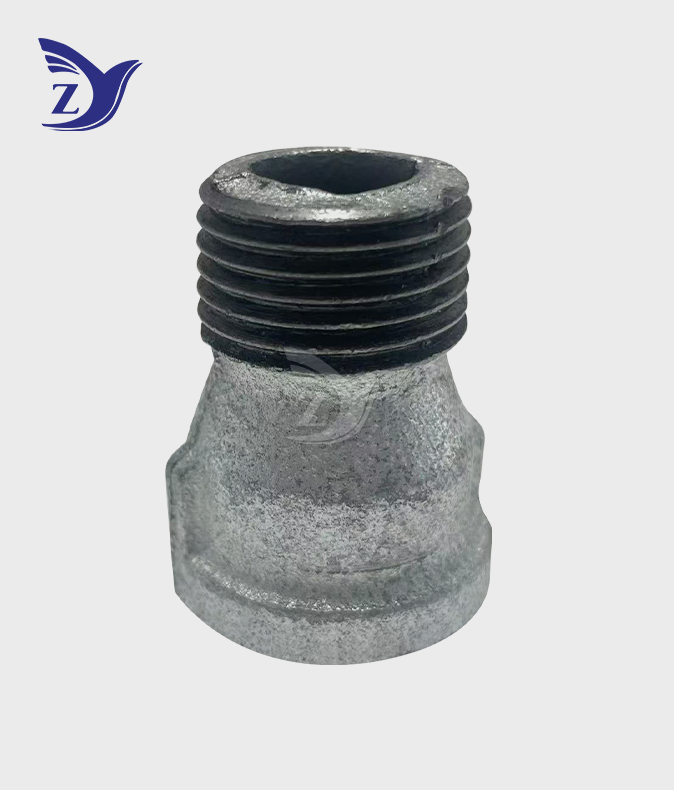
NPT Thread Square Edge Reducing Street Coupling Pipe Fittings
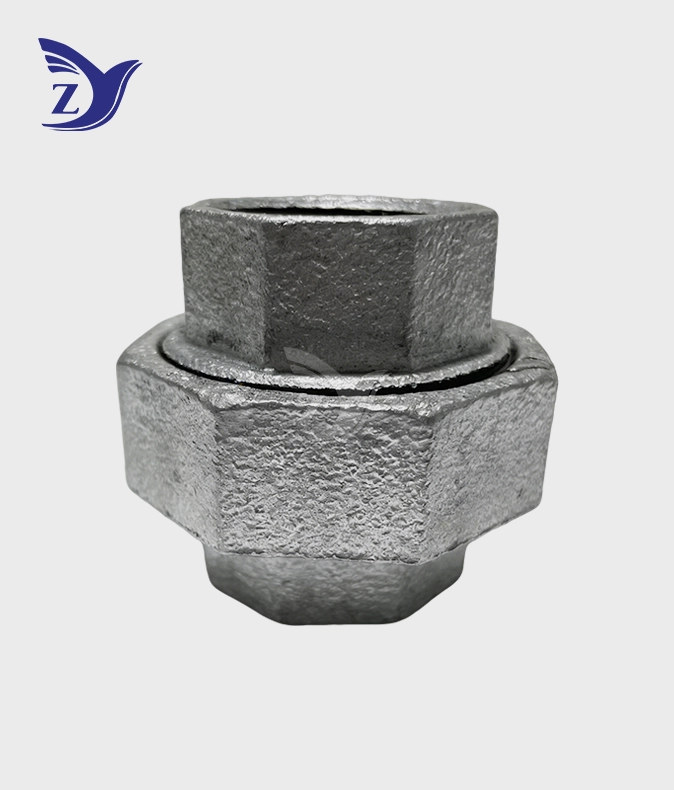
NPT Galvanized Union 342 Pipe Fittings
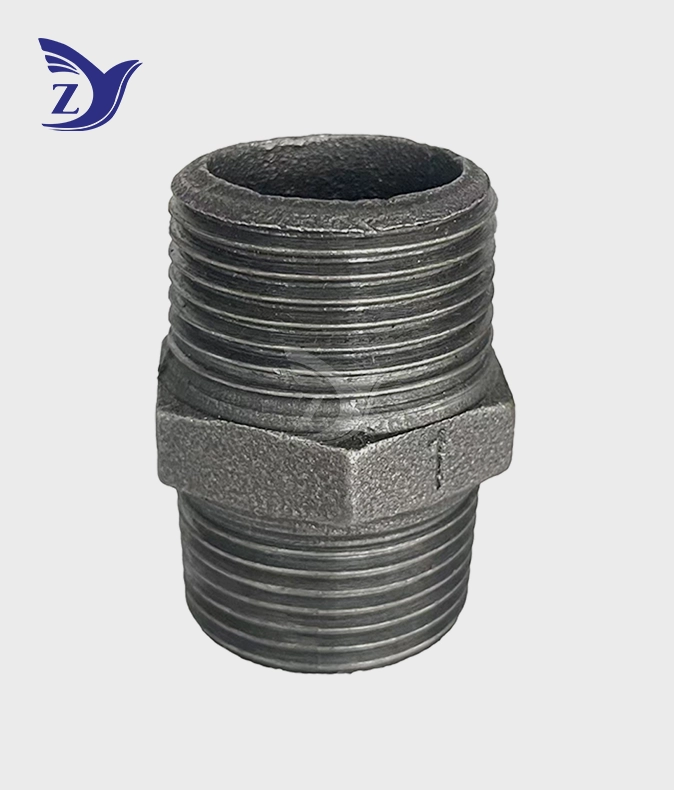
BSPT Black Male Nipple Pipe Fittings
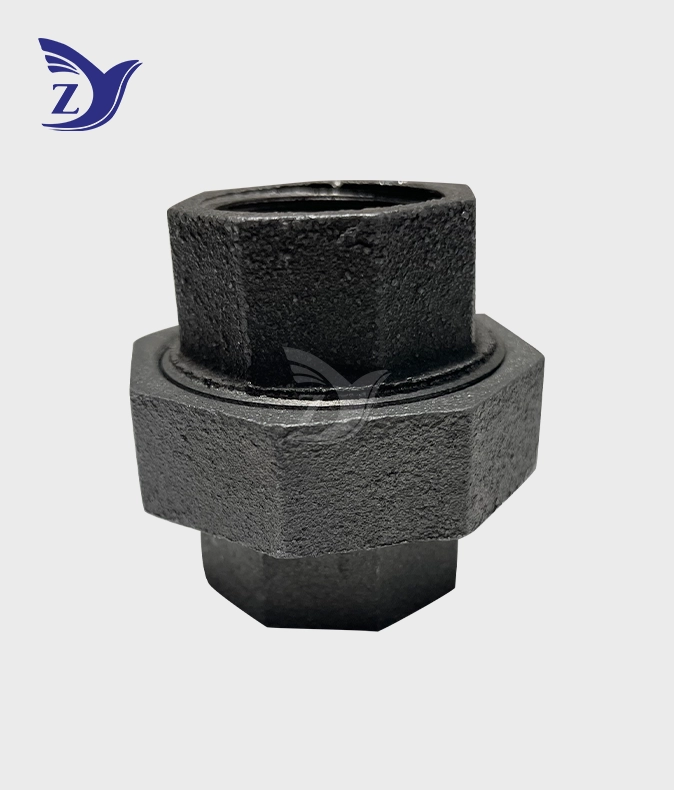
NPT Black Union 330 Pipe Fittings
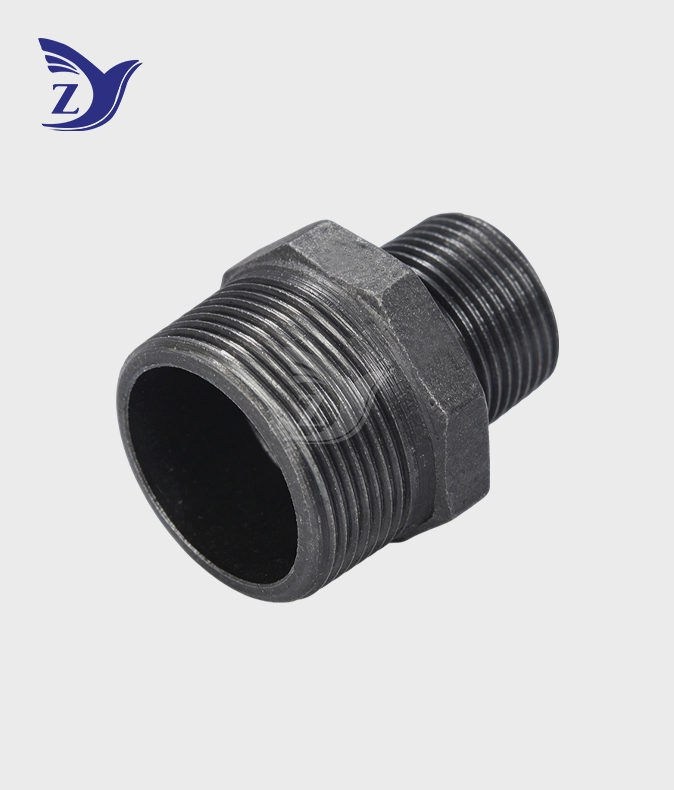
NPT Reducing Male Black Pipe Fitting
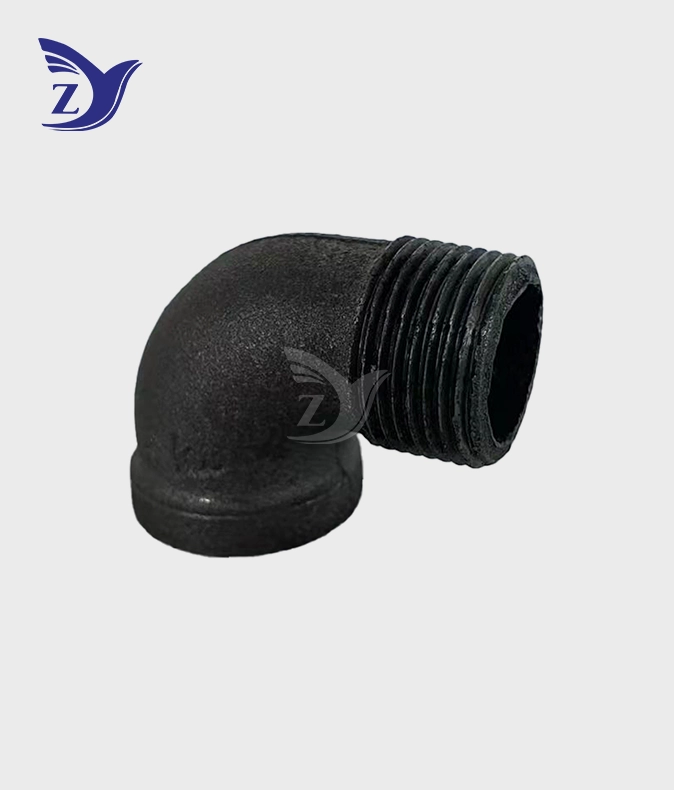
NPT Black Square Face Male-Female 90° Elbow Pipe Fittings
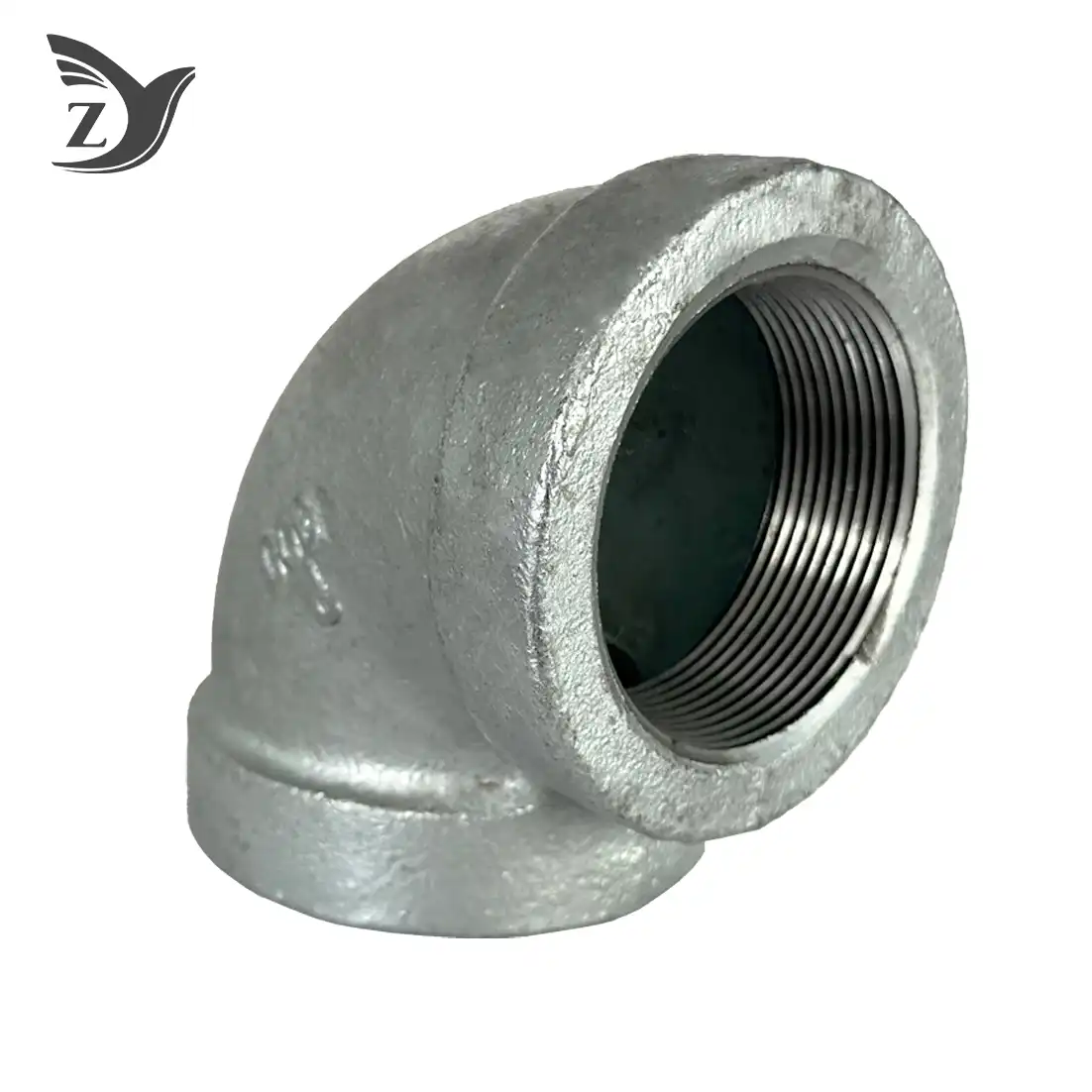
Class 300 Galvanized 90 Degree Malleable Iron Elbow
Fire Grooved Blind Flange