
Mar 27, 2026
What are the different types of nipple fittings?
Industrial piping systems rely on nipple fittings, which are meant to expand pipeline lengths or combine two female threaded fittings. These little bits of pipe are available in a variety of configurations, such as close nipples, short nipples, and long nipples, and they have external (male) threads on each end. Galvanized male nipple pipe fittings are very long-lasting and resistant to corrosion, making them one of the most dependable choices you can find. Specialty varieties, such as barrel and swage nipples, are also prevalent, as are hex nipples, which provide access to wrenches, and reduction nipples, which facilitate size transitions.

Understanding Nipple Fittings: Types and Applications
One basic kind of pipe connection that connects female-threaded parts in fluid transfer systems is the nozzle fitting. Threaded connections like this make it easy to combine industrial pipes for a wide range of uses, from home plumbing to large-scale manufacturing.
Standard Nipple Types and Their Distinct Functions
A wide variety of nipple designs are required to meet the diverse range of connection needs in the industrial pipe environment. Perfect for tight connections with limited space, close nipples have continuous threading and no unthreaded gap between ends. With nipples that are only an inch or two long, you may get creative with the spacing between them without sacrificing their structural soundness.
Long nipples are longer than average, allowing for more space between fits and more installation flexibility. When working in tight quarters, where regular pipe wrenches have trouble reaching the threaded ends, hex nipples' hexagonal central piece comes in handy for a wrench grip during installation.
With reducing nipples, you can easily switch between pipes of various diameters without buying extra adapters since they have different thread sizes on both ends. These specialty fittings are lifesavers in intricate systems where different pipe diameters meet.
Material Excellence in Galvanized Fittings
Fittings that are both leak-proof and resistant to severe environmental conditions are a need in today's industrial applications. In order to prevent corrosion, hot-dipped galvanized fittings are coated with zinc in a multi-layer process. By submerging the pliable iron fitting in molten zinc, an intermetallic connection is formed, which serves as a protective barrier, in the galvanization process.
Premium fittings are built upon a base of high-strength, anti-rust malleable iron. When it comes to threaded applications, malleable iron is the way to go since it combines the castability of cast iron with improved ductility and impact resistance. Thanks to its molecular structure, the material can be precisely threaded without sacrificing strength.
Critical Applications Across Industries
The main areas where galvanized male nipple pipe fittings shine are in the installation of gas and water pipelines. Connecting meters, valves, and distribution components, galvanized nipples are essential in municipal water systems. In order to keep water supplies clean and avoid system failures caused by internal corrosion, the zinc coating is applied.
These fittings are widely used in gas distribution networks because they can keep seals tight even when pressure changes. For mission-critical safety applications, the threaded design's mechanical interference that tightens under load guarantees long-term dependability.
The galvanized fittings of fire prevention systems ensure that the system will remain intact for many years of operation. These fittings are mechanically strong and resistant to corrosion, making them ideal for use in sprinkler networks, standpipe systems, and pump connections.
Key Specifications and Sizes of Galvanized Male Nipple Pipe Fittings
Appropriate fitting selection and system performance are built upon technical criteria. The capacity to specify components that fulfill project requirements while assuring long-term dependability is a skill that procurement professionals acquire by understanding dimensional standards, pressure ratings, and material qualities.
Threading Standards and Compatibility
Threading with a 60-degree thread angle and a 1:16 taper ratio is often used in North American applications and is known as NPT (National Pipe Taper). In many cases, thread sealants are unnecessary since this design produces an interference fit that becomes tighter with increasing installation torque, resulting in a mechanical seal. International projects sometimes specify BSPT threading, which follows identical principles but contains a 55-degree thread angle.
Pipes with diameters between 1/8 and 6 inches may be fitted with galvanized male nipple pipe fittings made to NPT specifications. To guarantee compatibility with conventional female fittings, each size maintains precise thread pitch criteria. Tolerances defined by ASTM A733 requirements are ensured by the precision-threaded production process.
The size of the fitting and the pressure rating determine the thread engagement requirements. In order to provide good sealing and mechanical strength, fittings with smaller diameters usually ask for engagement depths of three or four threads, whilst larger sizes could stipulate six threads or more.
Pressure Ratings and Performance Parameters
Depending on the size, temperature, and installation arrangement, industrial-grade male-thread pipe fittings may handle operating pressures that vary. Schedule 40 fittings typically have a rating that decreases with increasing diameter and can withstand pressures up to 1000 PSI in lesser diameters. Schedule 80 heavy-wall variants can withstand greater pressures, and under ideal circumstances, they can even surpass 2000 PSI.
Thread sealant qualities, not fitting material capabilities, are the primary source of temperature limits. The structural integrity of galvanized male nipple pipe fittings made of malleable iron is maintained at temperatures considerably above those seen in most industrial settings; however, organic sealants could be rendered useless at temperatures over 300°F.
A 500-hour exposure to salt spray does not significantly degrade correctly galvanized fittings, according to corrosion resistance tests. This degree of performance goes above and above what is needed in the majority of industrial settings, including those along the shore and those that handle chemicals.
Maintenance and Inspection Protocols
Preventing expensive system breakdowns and extending the life of fittings are both achieved via proactive maintenance. Monthly visual inspections of exposed fittings should be included to check for thread damage or deterioration of the zinc coating. Coating failure necessitates rapid action if there are any white corrosion products; active zinc protection is indicated by red rust.
To evaluate the thread's condition, one must look for mechanical damage, galling, or cross-threading, all of which might jeopardize the seal's integrity. When installing components, be careful not to use too much torque, since this might damage the threads.
Thread preparation using the right cutting fluids and strictly following the torque values recommended before installation are preventative measures. Galvanized coatings are vulnerable to over-tightening, which causes stress concentrations and eventual collapse.
Procurement Guide for Galvanized Male Nipple Pipe Fittings
Careful assessment of suppliers, verification of specifications, and quality assurance methods are necessary for successful purchase. Making well-informed purchase choices that include delivery needs, quality, and pricing requires knowledge of market dynamics and supplier capabilities.
Supplier Evaluation Criteria
Important signs of production competence and process control are quality certificates. Systematic quality management is shown by ISO 9001 certification, and compliance with applicable safety requirements is indicated by product certifications like UL, FM, or CE labels. When it comes to applications requiring life safety systems or regulated sectors, these certifications take on an even greater significance.
To make sure galvanized male nipple pipe fittings suppliers can handle project timelines and volumes, it's a good idea to examine their manufacturing capability. Distributors that source from a variety of vendors can have less control over quality and delivery performance when compared to established manufacturers with specialized malleable iron foundries.
A professional supplier differs from a commodity vendor in terms of their technical assistance skills. Throughout a project's lifespan, knowledgeable technical professionals may provide assistance with developing specifications, guiding applications, and troubleshooting.
Bulk Ordering and Customization Options
Large projects can benefit greatly from volume pricing arrangements in terms of cost. Tiered pricing based on yearly volume commitments is offered by several manufacturers. For significant purchases, possible savings might approach 15-25%. Delivery timing is also given priority during times of high demand according to these agreements.
The ability to choose non-standard dimensions, unusual materials, or unique packaging needs is made possible via customization services. With the use of ODM and OEM capabilities, projects may have customized designs and private labeling made to suit their demands. Custom options, on the other hand, usually have higher minimum order quantities and longer lead times.
Delivery expenses and efficiency in handling are impacted by packaging characteristics. Improved transportation protection and easier inventory management are two benefits of double-layer cardboard packing. When dealing with big volumes, bulk packaging alternatives help keep handling costs down.
Quality Assurance and Compliance
Application and jurisdiction determine certification requirements. Components used in fire alarm systems must be UL or FM listed, but NSF certification is sometimes necessary for municipal water applications. Projects with a global scope often need for CE marking to ensure conformity with European regulations or other regional standards.
Coating thickness measurement, pressure testing, and dimensional verification should all be part of the testing methodology. Verified test certifications attest to a supplier's adherence to quality standards and performance benchmarks. Warranty claims and verification of regulatory compliance become crucial with these papers.
Prior to installation, quality concerns might be detected using incoming inspection processes. Problems with installation or system failures caused by manufacturing faults may be detected by visual inspection, dimensional sampling, and thread gauge verification.
Conclusion
When it comes to industrial pipes, nipple fittings are the way to go since they cover a wide variety of threaded connections. For water, gas, and fire protection applications, galvanized male nipple pipe fittings provide the perfect combination of durability, affordability, and resistance to corrosion. When you know the differences between close, short, long, hex, and decreasing nipple kinds, you can specify them correctly for any job. When comparing galvanized choices to their plastic, stainless steel, or brass counterparts, it becomes clear that galvanized solutions often provide the greatest value proposition. Evaluation of suppliers, attention to quality certifications, and definition of suitable technical requirements are the three pillars upon which a successful purchase rests. Critical infrastructure applications rely on these components, which, when installed correctly, provide dependable service for decades.
Partner with Zhiyuan Malleable Steel for Superior Galvanized Male Nipple Pipe Fittings
Zhiyuan Malleable Steel combines 26 years of casting expertise with state-of-the-art manufacturing capabilities to deliver industry-leading galvanized male nipple pipe fittings that meet the most demanding industrial applications. Our ISO 9001 certified facility in Shanxi Province operates 8 medium frequency electric furnaces and advanced galvanizing equipment to ensure consistent quality across our 1,000+ product specifications. With 30,000 tons annual production capacity and comprehensive certifications including CE, UL, and FM approvals, we serve as a trusted galvanized male nipple pipe fittings supplier for customers worldwide. Contact our technical team at q1236800000@gmail.com to discuss your specific requirements and experience our commitment to quality, competitive pricing, and reliable delivery performance.
FAQ
What pressure ratings can galvanized male nipple pipe fittings handle?
Pressure ratings vary by size and wall thickness, with Schedule 40 fittings typically handling 1000 PSI in smaller sizes and Schedule 80 versions supporting over 2000 PSI. Actual ratings depend on temperature, installation configuration, and specific application requirements.
How do NPT and BSPT threading differ in practical applications?
NPT threading features a 60-degree angle and dominates North American markets, while BSPT uses a 55-degree angle common in international applications. Both create tapered interference fits, but they are not interchangeable due to different thread geometries and pitch specifications.
What maintenance protocols extend galvanized fitting service life?
Regular visual inspections identify coating degradation early, while proper installation techniques prevent thread damage. Monthly examinations should check for white corrosion products indicating active zinc protection, with immediate replacement required when red rust appears.
Can galvanized fittings be used in potable water systems?
Yes, galvanized malleable iron fittings comply with potable water standards when properly manufactured and certified. The zinc coating provides corrosion protection without contaminating water supplies, making them suitable for municipal and residential applications.
What factors determine the choice between close and long nipples?
Space constraints and installation requirements drive nipple length selection. Close nipples minimize connection footprint where space is limited, while long nipples provide adjustment flexibility and accommodate greater distances between female fittings.
References
1. American Society of Mechanical Engineers. "ASME B1.20.1 - Pipe Threads, General Purpose (Inch)." ASME Standards Collection, 2019.
2. ASTM International. "ASTM A733 - Standard Specification for Welded and Seamless Carbon Steel and Austenitic Stainless Steel Pipe Nipples." Annual Book of ASTM Standards, 2021.
3. National Fire Protection Association. "NFPA 13 - Standard for the Installation of Sprinkler Systems." NFPA Codes and Standards, 2022.
4. American Water Works Association. "AWWA C115 - Standard for Flanged Ductile-Iron Pipe with Ductile-Iron or Gray-Iron Threaded Flanges." AWWA Standards, 2020.
5. International Organization for Standardization. "ISO 7-1 - Pipe Threads Where Pressure-Tight Joints are Made on the Threads." ISO Standards Catalogue, 2018.
6. American Society for Testing and Materials. "ASTM A153 - Standard Specification for Zinc Coating (Hot-Dip) on Iron and Steel Hardware." ASTM Materials Standards, 2023.
Online Message
YOU MAY LIKE
High quality furniture manufacturer
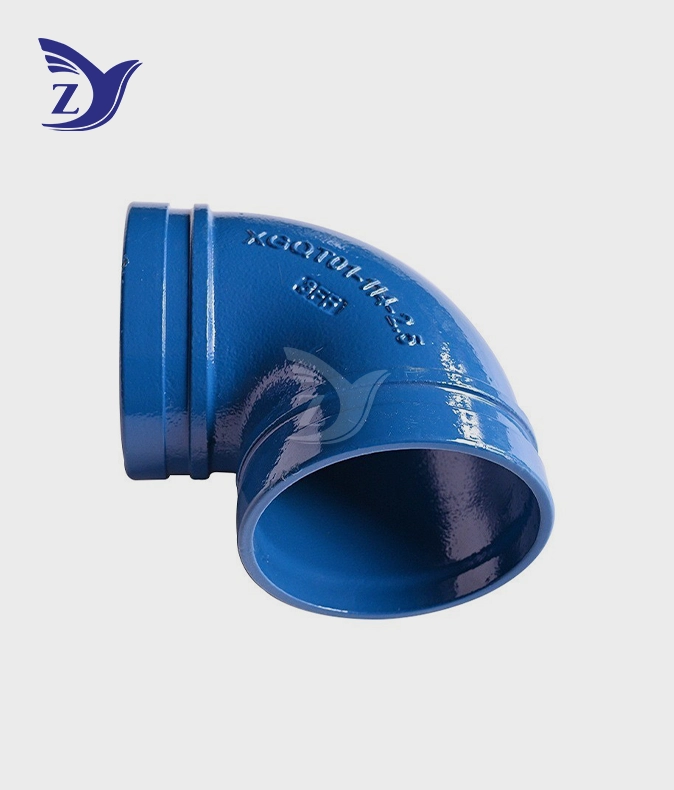
Water Grooved 90° Elbow
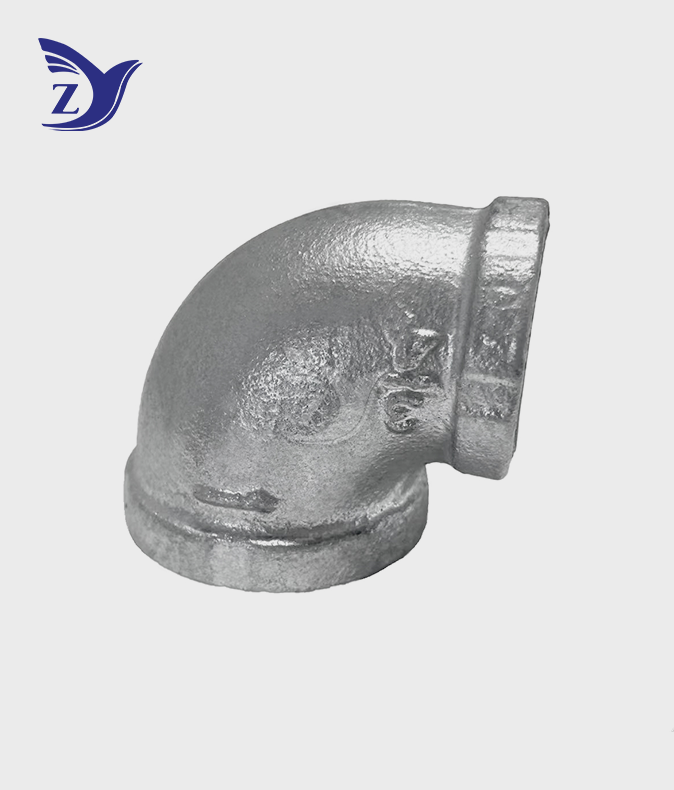
Galvanized NPT 90° Reducing Elbow
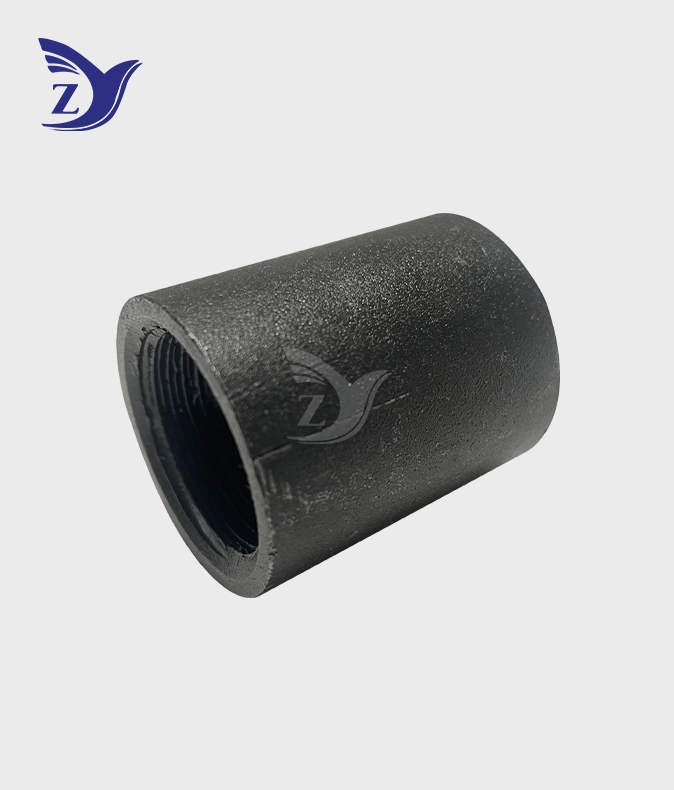
Carbon Steel Full Threaded Coupling Fittings Black Oxide Treated
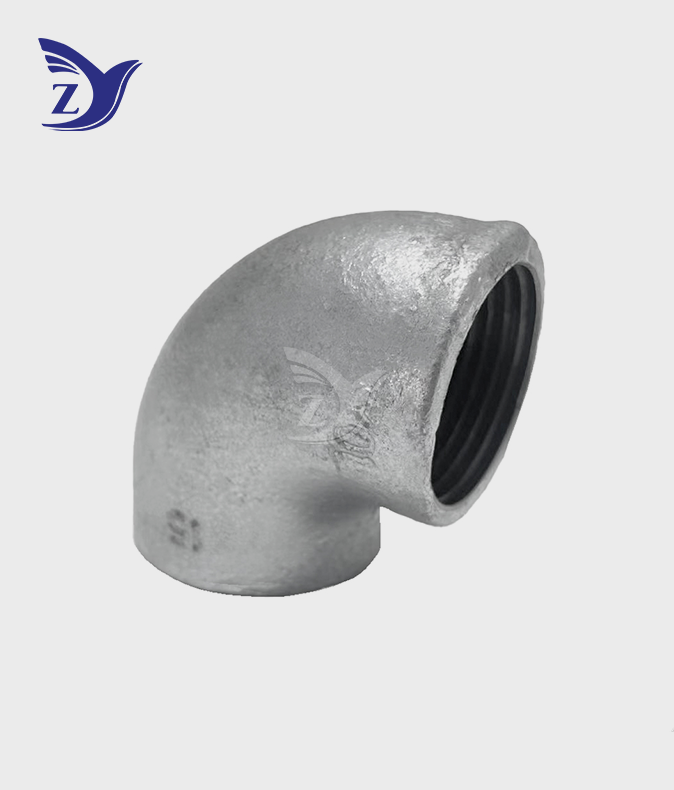
No Hub Electro Galvanized 90° Elbow Pipe Fitting
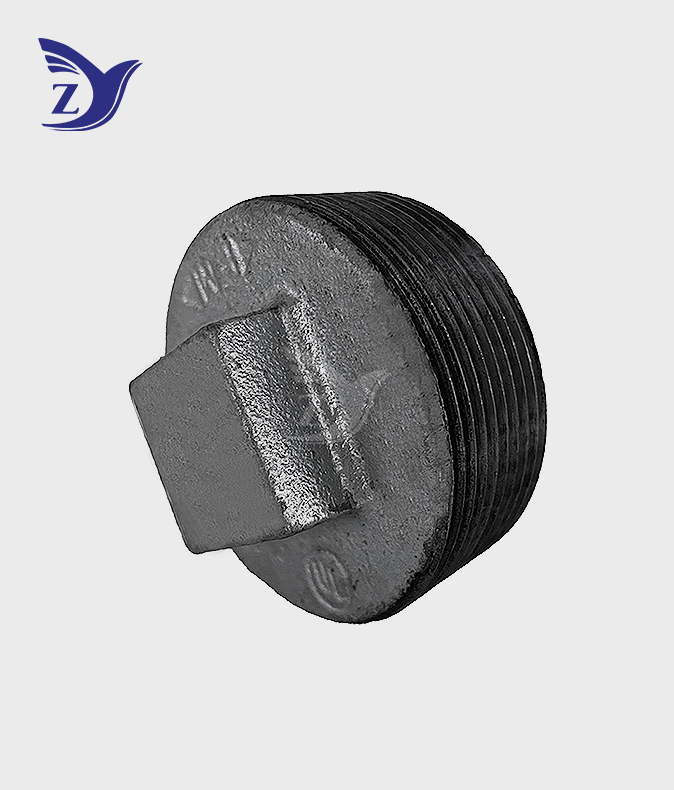
NPT Galvanized Non-Flanged Pipe Plug Pipe Fittings
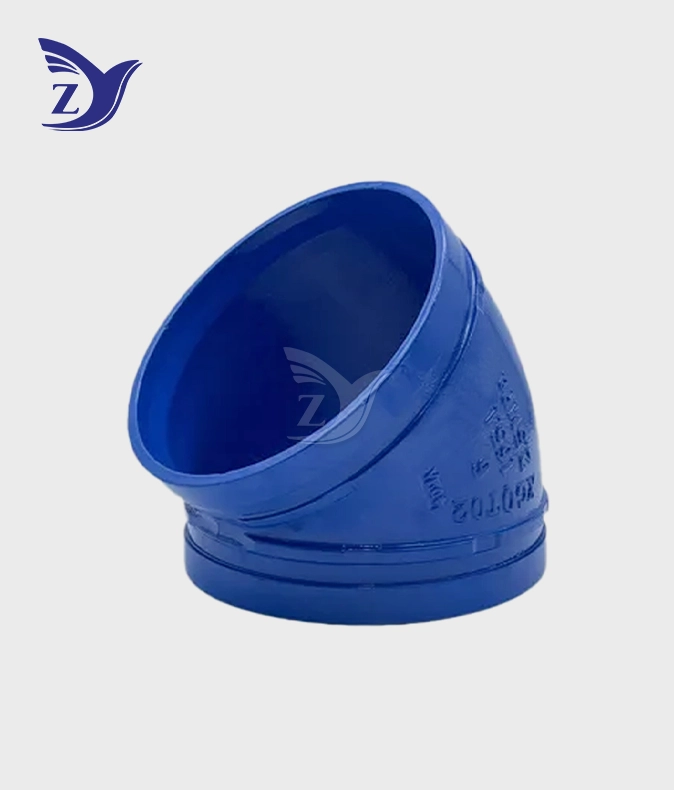
Water Grooved 22.5-degree grooved elbow
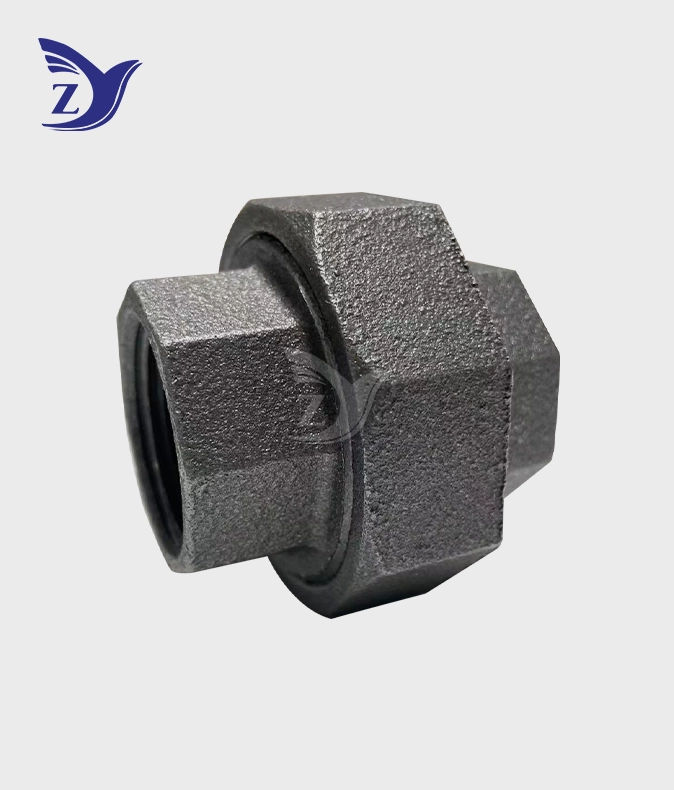
NPT Black Union 340 Pipe Fittings
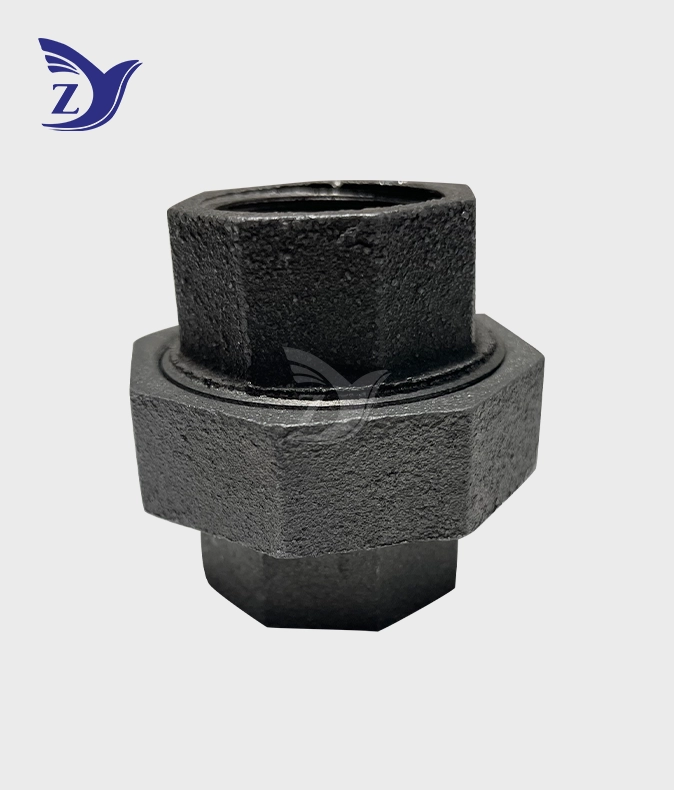
NPT Black Union 330 Pipe Fittings