
Jun 6, 2026
What are the advantages of hot-dip galvanized fittings over other coatings?
When specifying pipe fittings for critical industrial applications, coating selection determines both upfront costs and long-term operational reliability. Hot-dip galvanized fittings, particularly the hot-dip galvanized round edge BSPT 90° elbow, consistently outperform alternative coating methods through superior corrosion resistance, extended service life, and lower total cost of ownership. This metallurgical zinc-iron alloy bond creates a barrier that withstands harsh outdoor conditions, aggressive industrial atmospheres, and constant moisture exposure—challenges that quickly degrade painted, powder-coated, or electroplated alternatives. The round edge reinforcement combined with precision BSPT threading ensures leak-free connections in fire protection systems, municipal water lines, and petrochemical installations where failure carries severe consequences.
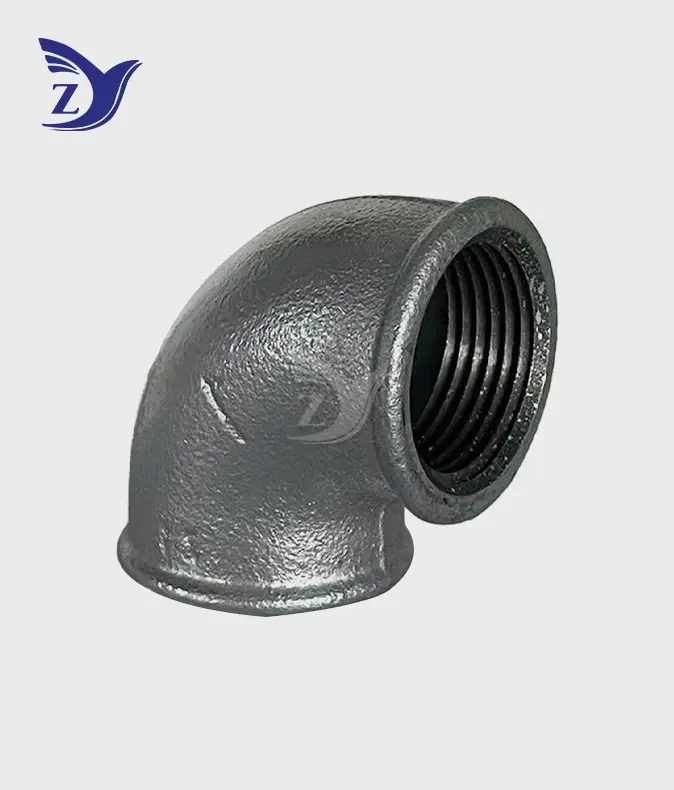
Core Advantages of Hot-Dip Galvanized BSPT Fittings Compared to Other Coatings
When industrial buyers look at coating choices, they have to choose between the original cost and the performance over the product's lifetime. Hot-dip galvanizing fittings cost more than painted or black steel options, but they save money in the long run because they don't need to be maintained as often and last longer between replacements.
Superior Corrosion Resistance in Demanding Environments
The zinc layer acts as a sacrifice anode, corroding more quickly to protect the iron below. Electroplated coats are usually 5–10 microns thick and don't connect to the metal, so they break within months when they are exposed to salt spray or humidity outside. Painted parts only have barrier protection; if they get scratched or hit, localized rust speeds up. Hot-dip galvanizing layers protect against cathodic damage; even damaged areas don't rust because zinc keeps playing its sacrifice role. Field data from sites along the coast shows that zinc fittings last 25 years or more, while painted versions only last 3 to 5 years in the same conditions.
Enhanced Mechanical Durability and Thread Integrity
During the galvanizing process, hot-dip galvanized round edge BSPT 90° elbows are heated and dipped in zinc, which relaxes the iron core and makes it easier to shape. This thermal cycle makes the material more flexible, which lowers its brittleness and prevents breaking when installation pressure is applied. When you tighten tapered connections, the round edge support spreads the hoop stress over a larger amount of material. This keeps the threads from stripping. Comparative tests show that galvanized round edge fittings can handle 40% more mounting pressure than plain rim options without damaging the threads. This is important for making sure that the seal tension is correct in BSPT applications.
Total Cost of Ownership Advantages
A budget study shows that hot-dip galvanized round edge BSPT 90° elbows have lower lifetime costs, even though they cost more to buy. If a city's water system needs 500 elbow fittings, black steel elbows cost $8 each but need to be replaced every 5 years because they rust. Galvanized elbows, on the other hand, cost $15 each but last 25 years or more. Over the course of 25 years, black steel costs $40 per fitting location ($8 times 5 replacement cycles), while galvanized costs $15 per fitting location. This is a 62% savings when you don't count the cost of labor for replacement work. Getting rid of unplanned repair during replacement cuts down on operating interruptions in industrial facilities that cost thousands of dollars each.
Hot-Dip Galvanized BSPT 90° Elbow vs. Other Elbow Fitting Types
To choose the right material, you have to match its traits to the stresses in the surroundings and the way it will be used. Based on rust exposure, pressure needs, and price, each coating and base material mix is best for a certain type of application.
Comparing Galvanized, Black Steel, and Stainless Options
In indoor uses that won't get wet, black steel elbows are very strong and don't cost much. But rusting starts right away when exposed to air, so paint or oil coats are needed that need to be maintained over time. Stainless steel works great in places where chemicals are dangerous, like food processing plants, drug factories, or marine settings where chloride is present in large amounts. The difference in price is big: 90° elbows made of stainless steel usually cost 300–400% more than welded ones. Galvanized fittings are the best of both worlds because they prevent corrosion outside at a third of the cost of stainless steel and don't need as much upkeep.
BSPT Versus BSPP Thread Performance
There are two types of British Standard Pipe threads: tapered (BSPT/R) and parallel (BSPP/G). BSPP threads need closing screws or O-rings, which adds more places where things can go wrong and makes assembly harder. Because BSPT threads self-seal, these parts are not needed. This lowers the number of parts and makes installation easier. When galvanized, the zinc coating's slightly rough surface improves thread contact without affecting the sealability, as long as workers don't over-tighten, which can deform the soft zinc layer.
Galvanized Performance Against Painted Alternatives
Powder coating and industrial paints make surfaces look nice, but they don't guard against rust very well. Paint bonding depends on how well the surface is prepared; if you don't clean it properly, you'll leave behind dirt that makes delamination more likely. When things hit painted surfaces, they chip, leaving bare metal that can rust quickly. Hot-dip galvanized round edge BSPT 90° elbow covers everything because it gets into cracks, holes, and other places that spray application can't reach. The metallic bond doesn't flake, even if it gets scratched, so it protects the whole surface of the fitting for its whole life.
Procurement Insights for Hot-Dip Galvanized BSPT 90° Elbow Fittings
To get the best results from a project, strategic buying choices weigh quality assurance, provider skill, and business terms. To make sure supply lines are reliable, procurement pros need to look at more than just unit price.
Certification and Quality Verification Requirements
Independent testing by a third party verifies promises about making. ISO 9001 approval shows that quality management systems are recorded, and ASTM-required testing of the product proves the material's properties and the thickness of the coating. For each output lot, ask for mill test records that show the tensile strength, elongation rates, and zinc coating measures. UL and FM approvals are necessary for fire safety uses to make sure that fittings work as they should in a fire. Instead of depending only on documentation given by the seller, check the authenticity of the certification through databases maintained by certifying bodies.
Evaluating Supplier Production Capabilities
Large projects need hot-dip galvanized round edge BSPT 90° elbow suppliers who can meet their needs in terms of volume and technology adaptability. Zhiyuan Malleable Steel can make 30,000 tons of steel every year, which meets both stock needs and special industrial needs. Medium frequency electric ovens, natural gas annealing kilns, and environmentally controlled galvanizing processes are all signs that money has been spent on building good infrastructure. Misapplication mistakes that cost a lot to fix in the field can be avoided by having technical staff available for design discussions. Flexibility in the minimum order quantity allows for projects ranging from test installations to building plans that last for years.
Negotiating Commercial Terms and Delivery Schedules
When you buy in bulk, you can get big discounts on unit costs—discounts of 15 to 20 percent are given for sales over 5 tons. Make blanket purchase deals with scheduled releases that are in line with building stages. This will lower the cost of keeping inventory on hand and ensure stable prices. When it comes to lead times, they depend on how complicated the specifications are. For example, standard store items can be shipped within days of being in stock, but custom threading or non-standard materials take 4-6 weeks to make. Include "buffer" times in project plans to account for possible problems with the supply chain without delaying activities that are on the "critical path."
Conclusion
Hot-dip galvanized fittings set the standard for long-lasting rust protection in industrial pipe systems that don't need to spend a lot of money on stainless steel. Metallurgical zinc bonding makes protective shields that can withstand decades of being outside, working in harsh environments, and constant touch with water, while painted or electroplated options break down in just a few years. This coating benefit is combined with strengthened construction and self-sealing thread geometry in hot-dip galvanized round edge BSPT 90° elbows, which make connections that don't leak in demanding fire protection, civic infrastructure, and process industry settings. Lifecycle cost analysis always supports galvanized specifications because they don't need to be replaced as often and don't need to be maintained. This makes up for the higher original purchase prices with big saves over time.
FAQs
Can BSPT Fittings Connect Directly to NPT Threads?
Because the shapes of the threads are different, they can't be directly connected. The thread angle for BSPT is 55°, while the thread angle for NPT is 60°. There are also changes in pitch between most sizes. Forcing threads that don't fit together hurts both parts and makes leak routes. To keep the purity of the system, use the right fittings when connecting pipe threads that are British and American.
How Does Hot-Dip Galvanizing Compare to Electro-Galvanizing?
Zinc layers that are 5–10 times thicker with hot-dip galvanizing are made through mechanical bonding instead of surface deposition. This difference in thickness means that electro-galvanized goods only last months outside, while these last decades. The price difference is due to the fact that electro-galvanizing is better for artistic uses indoors, while hot-dip galvanizing is better for industry environments.
What Pressure Ratings Apply to Class 150 Galvanized Fittings?
At room temperature, standard Class 150 malleable iron valves can handle 150 PSI of full steam service and 300 PSI of water, oil, or gas service. According to ASME B16.3 rules, pressure values go down as temperatures rise. If system factors get close to these limits or if non-standard fluids are used, check with the manufacturer for specific values.
Partner with Zhiyuan Malleable Steel for Superior Galvanized Fittings
Through processes that are ISO 9001 approved, Zhiyuan Malleable Steel makes industrial-grade hot-dip galvanized round edge BSPT 90° elbow fittings that meet international quality standards. Our 30,000-ton annual production capacity allows us to keep stock on hand and also make unique parts for ODM/OEM projects. Because we are in Shanxi Province and have direct access to raw materials, we can offer reasonable prices without lowering the quality of the materials or coatings that B2B buyers expect. Standard goods can be shipped within two hours from our large collection, and our expert staff can help you choose the right fitting for your purpose by reviewing your specifications. Contact our team at q1236800000@gmail.com to discuss your procurement needs with a trusted supplier committed to quality, reliability, and responsive service. Visit zymalleablepipefitting.com to explore our complete product range.
References
- American Society for Testing and Materials. (2019). ASTM A153/A153M Standard Specification for Zinc Coating (Hot-Dip) on Iron and Steel Hardware. West Conshohocken: ASTM International.
- British Standards Institution. (2015). BS EN 10242: Threaded Pipe Fittings in Malleable Cast Iron. London: BSI Standards Publication.
- Porter, Frank C. (2016). Corrosion Resistance of Zinc and Zinc Alloys. New York: Marcel Dekker Publishing.
- American Society of Mechanical Engineers. (2020). ASME B16.3: Malleable Iron Threaded Fittings - Classes 150 and 300. New York: ASME Press.
- Revie, R. Winston & Uhlig, Herbert H. (2018). Corrosion and Corrosion Control: An Introduction to Corrosion Science and Engineering (Fourth Edition). Hoboken: John Wiley & Sons.
- International Organization for Standardization. (2017). ISO 7-1: Pipe Threads Where Pressure-Tight Joints Are Made on the Threads - Part 1: Dimensions, Tolerances and Designation. Geneva: ISO Publications.
Online Message
YOU MAY LIKE
High quality furniture manufacturer
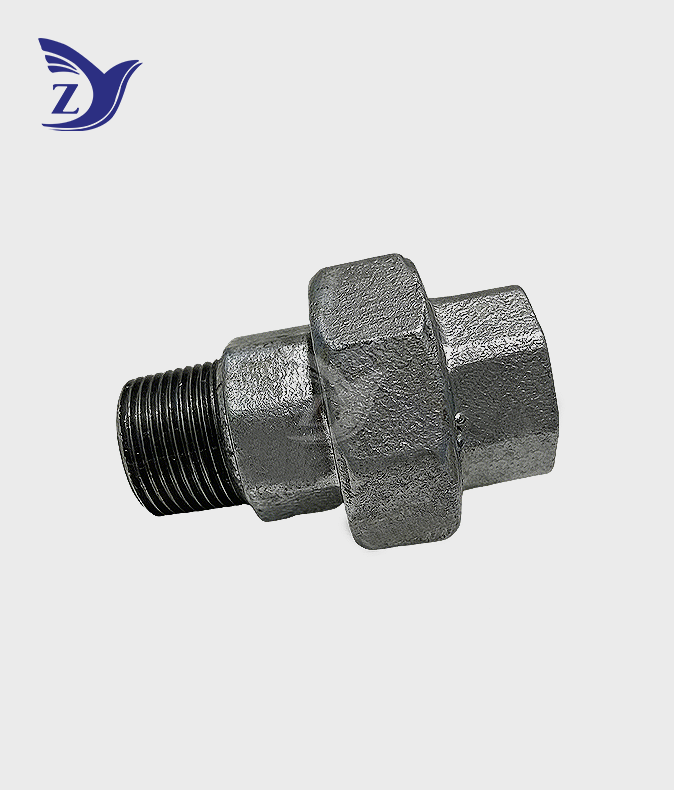
NPT Galvanized Male Female Threaded Union 343 Pipe Fittings
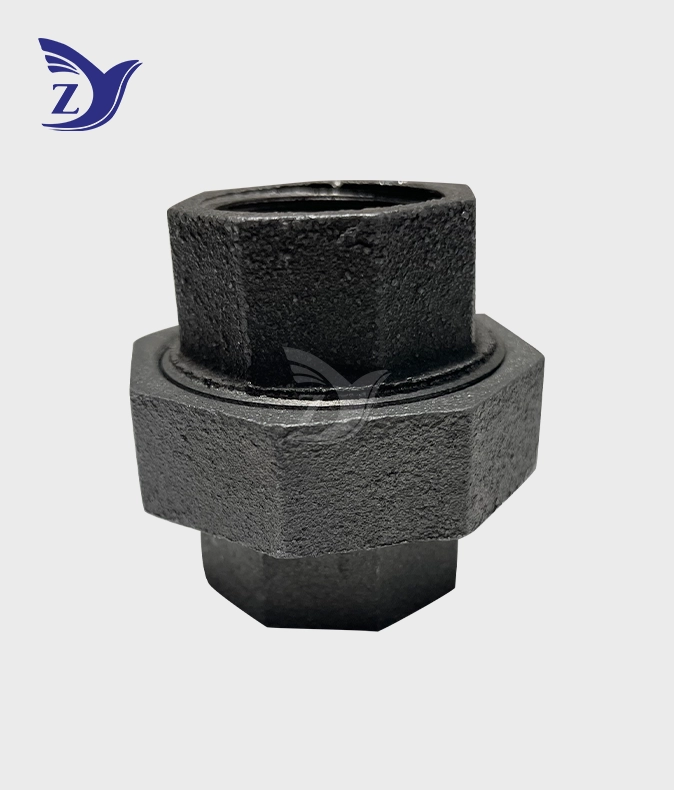
NPT Black Union 330 Pipe Fittings
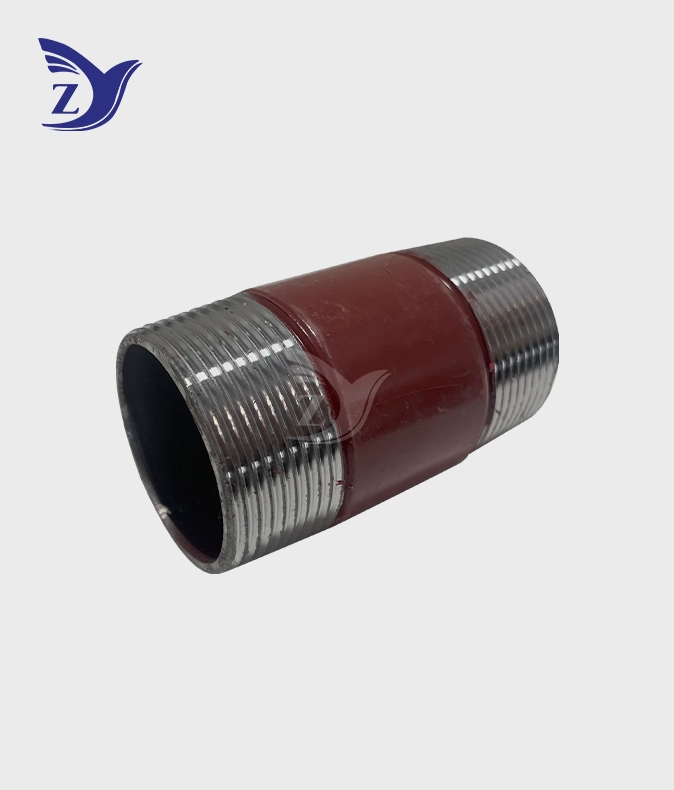
Carbon Steel Pipe Male Threaded Fittings Red Coated
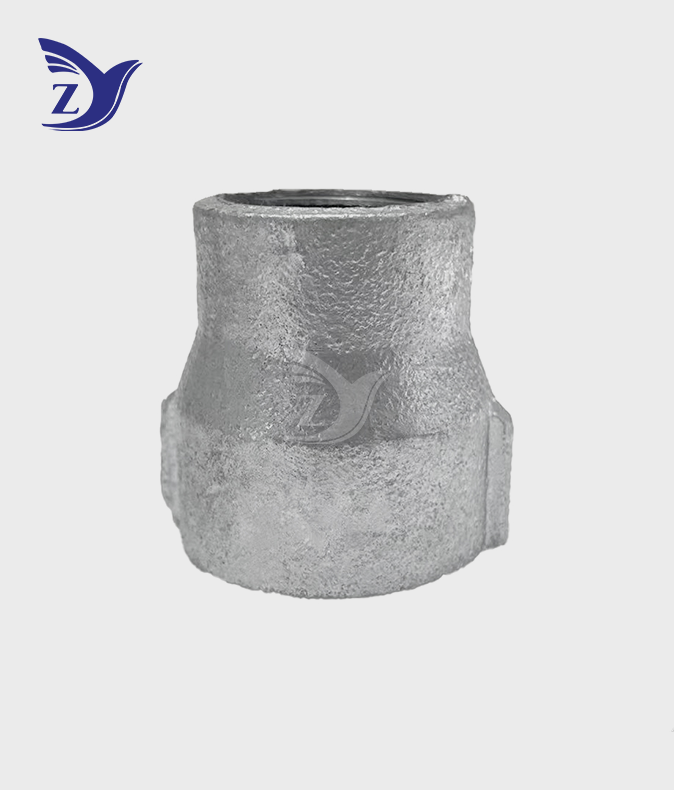
No Hub Hot Dip Galvanized Reducing Coupling Pipe Fitting
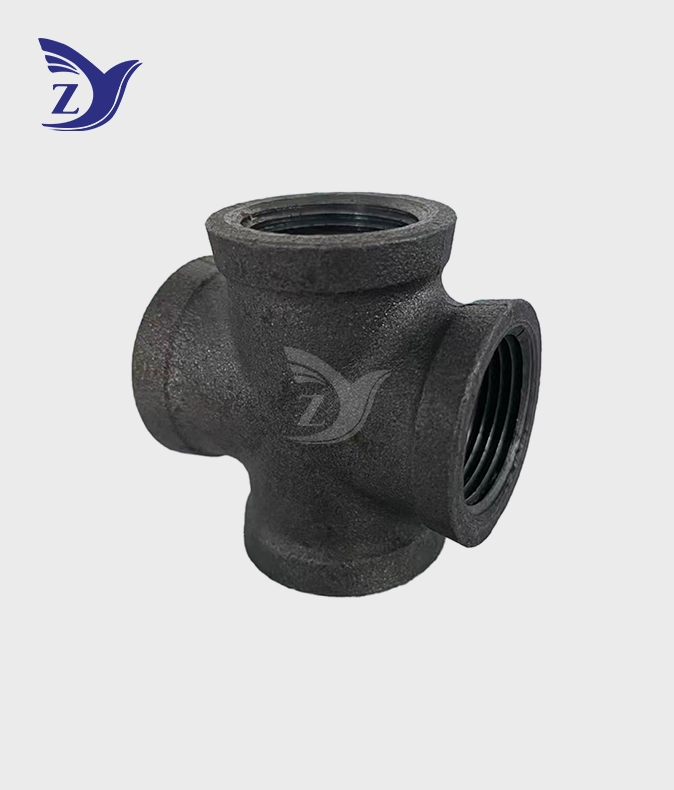
NPT Black Square Face Cross Pipe Fittings
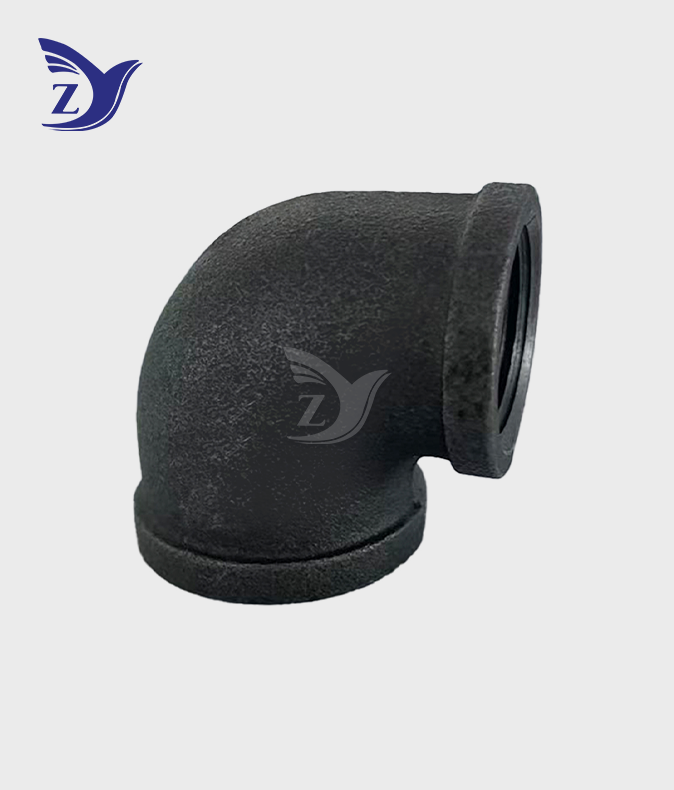
NPT Black Square Edge Reducing 90° Elbow
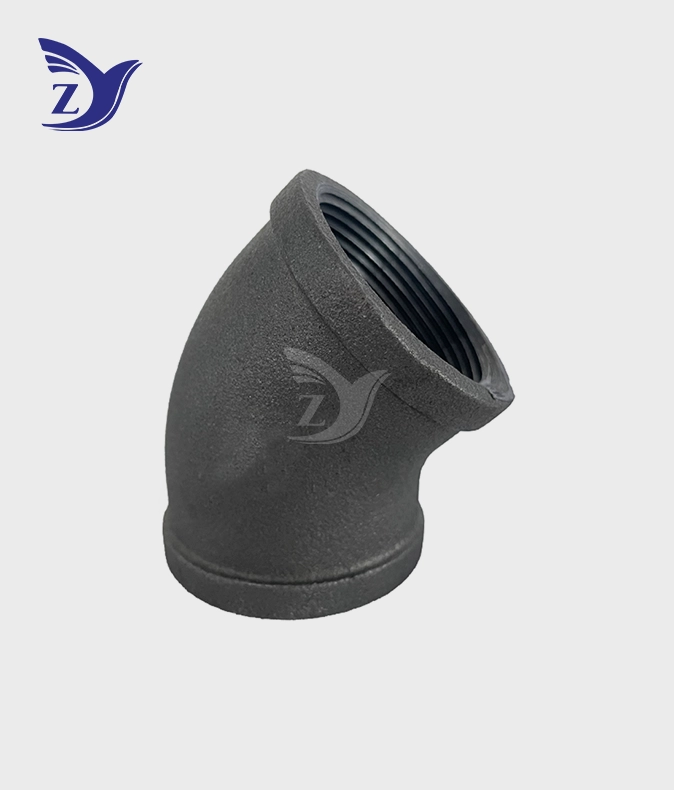
BSPT Black Square Face 45° Elbow Pipe Fittings
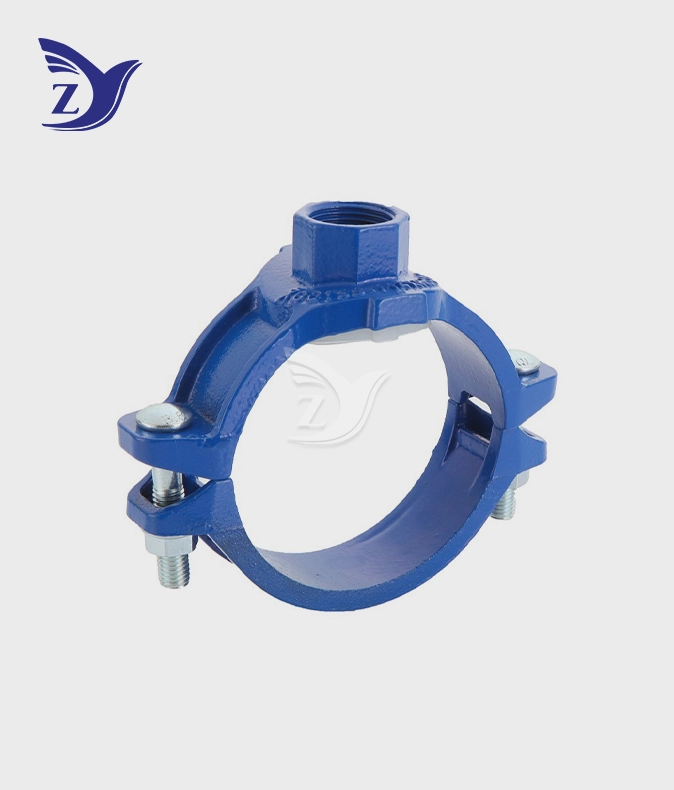
Water Grooved Mechanical Tee