
Apr 2, 2026
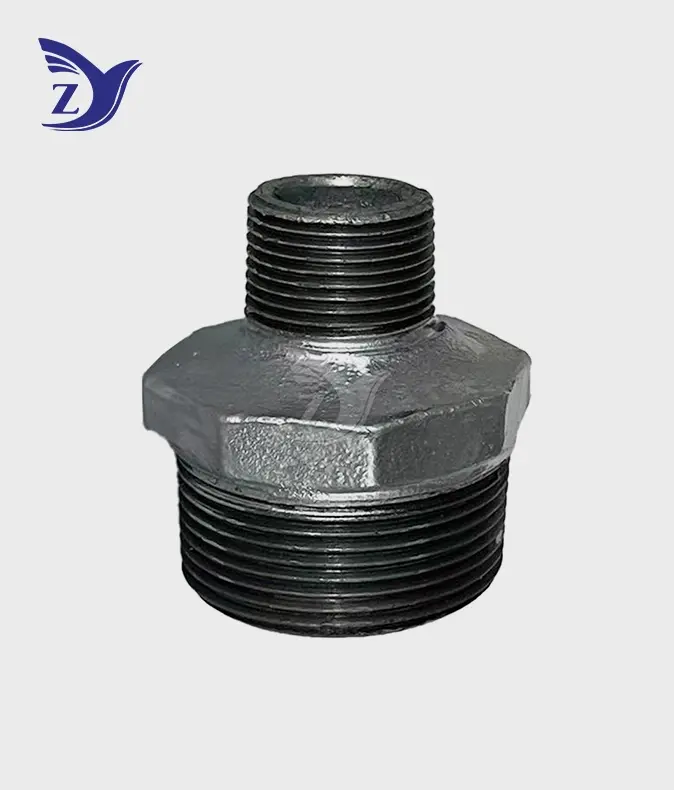
Using galvanized reducing male nipple pipe fittings for pipe transitions
A crucial technical solution in current industrial applications is the use of galvanized reducing male nipple pipe fittings for pipe transitions. The zinc coating on these specialist components makes them very resistant to corrosion, and they allow for smooth couplings between pipes of varying sizes. When it comes to water supply systems, HVAC installations, and gas pipeline networks, hot-dipped galvanization is a must-have because it forms a metallurgical bond that lasts far longer than normal black iron fittings.
Benefits and Applications in Pipe Transitions
Components with low lifespan costs and high performance are a need in today's manufacturing plants. Male-thread components with high strength and anti-rust properties provide significant benefits that solve important practical problems in many fields.
Corrosion Resistance and Longevity
Environmental causes often damage conventional pipe fittings, but the zinc coating offers great protection. The galvanized surface outlasts unprotected alternatives in damp conditions, coastal installations, and subterranean applications in terms of structural integrity. Quality hot-dipped galvanized fittings may outlast 50 years of mild exposure, according to independent testing.
Less maintenance expenses and less downtime for the system are direct results of its increased durability. When it comes to important applications where replacement problems or operational disruptions cost a lot of money, facility managers say they save a lot of money by choosing corrosion-resistant reducers.
Versatile Industrial Applications
Numerous industrial sectors find uses for connectors that modify the size of water and gas pipelines. To provide adequate flow characteristics while preserving system pressure integrity, these components are used by fire protection systems to transition from main distribution lines to sprinkler branch circuits. Depending on the flow rate, municipal water treatment facilities use them to link pumping equipment to distribution networks with adjustable diameters.
The adaptability these fittings provide is invaluable for HVAC setups. Galvanized reducing male nipple pipe fittings remove the need for several components while guaranteeing dependable long-term performance at transitions between equipment connections and distribution pipes, which are common in commercial structures. They are useful for integrated building systems since they may be used with gas and water.
Cost-Effectiveness Compared to Alternatives
Galvanized malleable iron fittings provide equivalent performance to counterparts made of stainless steel or brass, but they are far more cost-effective. For large-scale projects that need several transition points throughout the system design, the initial investment reductions become very substantial.
How to Choose the Right Galvanized Reducing Male Nipple?
Assessing technical specs, supplier capabilities, and project-specific needs is crucial for successful procurement. Procurement experts may maximize performance and financial results by mastering these selection factors.
Size Compatibility and Flow Considerations
Sizing correctly requires more than just making sure the dimensions of the pipes you're connecting are same. In order to avoid problems with high flow velocities or pressure losses, engineering study is necessary due to the hydraulic effects of the reduction configuration's flow limits. Combinations including transitions from one inch to three quarters of an inch or three quarters of an inch to half an inch are frequent, however standard reduction ratios may vary from one eighth of an inch to entirely different nominal sizes.
At the point of diameter decrease, the Venturi effect occurs, and this must be taken into consideration in the flow calculations. System performance may be negatively impacted by turbulence, noise, or cavitation caused by excessive limitation. To make sure there are enough flow capacity margins when designing systems with many transition points, engineering teams should refer to the flow coefficient data provided by the manufacturer.
Material Certifications and Quality Assurance
Credible vendors attest to their products' conformity with applicable international standards by providing thorough material certifications. Pressure rating confirmations, ASTM material requirements, and ISO 9001 quality management verifications are essential certifications. Conforming to the requirements of EN 10204 3.1, the Manufacturing Test Certificate (MTC) serves as a record of the material's characteristics and the outcomes of its tests.
The ASME B16.3 dimensional standards and ASTM A153 galvanizing parameters should be met by high-quality galvanized reduction fittings. These approvals guarantee that the products will consistently function as expected and will be compatible with other brands of machinery.
Supplier Selection and Support Services
In order to build connections with reliable suppliers, it is necessary to assess their production capacity, inventory management skills, and availability of technical assistance. In addition to providing bespoke manufacturing services for unique needs, top suppliers have large inventory levels that allow for speedy delivery of conventional configurations.
When preparing a project, the assistance of technical support professionals is crucial. For the purpose of optimizing system designs, guiding material selections, and verifying compatibility, experienced suppliers provide engineering support. Additional risk reduction for essential applications is provided by post-sale assistance, which includes warranty coverage and replacement guarantee programs.
Installation Guide for Galvanized Reducing Male Nipple Fittings
The effectiveness of the fitting and the dependability of the system are directly affected by the installation methods used. By according to the set protocols, you may avoid typical problems and be sure that you're following all the rules and regulations.
Pre-Installation Preparation and Inspection
Thoroughly inspecting components before installation starts is the first step in quality control. Thread quality, coating integrity, and dimensions must be checked visually. In order to avoid problems with installation or performance, it is necessary to replace any fittings that display thread damage, coating flaws, or dimensional anomalies.
Thread gauging using the right go/no-go gauges verifies the threading accuracy and dimensional compliance. Because of the potential for dimensional discrepancies when dealing with imported fittings or components from various manufacturers, this verification phase becomes even more crucial.
Installation Techniques and Sealing Methods
If you want a good seal without damaging the threads or compromising the fitting's integrity, you need to be cautious while engaging the threads. The conventional method is hand-tightening the fitting until it seats correctly, then turning it a few more turns with the right wrenches to get it fully engaged.
The choice of sealing compound affects the dependability of the joint over time. PTFE tape is compatible with galvanized surfaces and offers excellent sealing for most applications. Proper surface preparation is essential for the successful curing of anaerobic pipe sealants, which provide greater performance for high-pressure applications.
For common pressure applications, the engagement depth should be between three and four full threads. If you overtighten the threads or distort the fittings beyond this range, you run the danger of damaging the seal or creating stress concentrations that might cause the seal to break prematurely.
Post-Installation Testing and Validation
Prior to commissioning, pressure testing ensures the integrity of the system and verifies the quality of the installation. Pressure levels suitable for the planned service circumstances should be used in testing methods in accordance with relevant regulations. Class 300 ratings are suitable for severe industrial duty, whereas Class 150 ratings are suitable for normal applications (300 psi at 150°F) and are usually accommodated by galvanized reducing male nipple pipe fittings.
The system-wide integrity of the joints is guaranteed by leak detection using suitable technologies. While pressure testing might visually expose leaks, soap solution testing can detect smaller seepage that could lead to bigger issues in the future.
Procurement Considerations and Ordering Tips
To maximize efficiency and dependability in the supply chain and to guarantee that technical needs are adequately addressed during sourcing, strategic procurement planning is essential.
Volume Pricing and Supplier Negotiations
Volume pricing solutions, which guarantee appropriate inventory availability while reducing per-unit costs, are very beneficial for large-scale projects. Many suppliers have tiered pricing schemes that provide significant savings for bigger orders compared to buying items individually.
Project cash flow may be improved and supplier relationships can be maintained via the negotiation of acceptable payment arrangements. Instead of demanding full payment in advance, many suppliers provide net payment terms to qualifying clients. This helps project budgets to match up with construction timetables.
Custom Requirements and Lead Time Management
Custom sizes or certifications beyond what is typically seen in commercial grades may be necessary for certain specialized uses. Suppliers' capacities for custom manufacturing vary greatly, and the time it takes to complete a project might range from a few weeks to months, all dependent on the intricacy of the specifications.
Extended delivery times might delay a project, thus it's important to plan procurement timelines around key route tasks. Involving suppliers early on in the design process allows for more precise lead time prediction and the ability to prepare for any interruptions in the supply chain.
In order to guarantee that materials arrive in a coordinated fashion that supports building schedules, it is helpful to communicate with suppliers about project timetables and delivery needs. If you have an emergency, you may ask many providers for expedited processing, but be prepared to pay a premium.
Conclusion
The effective transition of pipes in many industrial applications relies on galvanized reducing male nipple pipe fittings. They are perfect for water supply, HVAC, and gas distribution systems that demand dependability and durability because to their corrosion resistance, mechanical strength, and cost-effectiveness. Optimal performance with minimal lifespan costs and maintenance needs is achieved via proper procurement, installation, and selection methods for industrial facilities.
Contact Zhiyuan Malleable Steel for Premium Galvanized Reducing Fittings
Zhiyuan Malleable Steel delivers industry-leading NPT/BSPT compatible, corrosion-resistant reducer solutions backed by 18 years of manufacturing expertise and ISO 9001 quality certification. Our precision-machined durable reducing fitting for pipeline adaptation meets the demanding requirements of fire protection, municipal engineering, and industrial applications. With an annual production capacity of 30,000 tons and comprehensive inventory management, we ensure reliable delivery schedules for projects of any scale. Contact our engineering team at q1236800000@gmail.com for technical specifications, volume pricing, and custom galvanized reducing male nipple pipe fittings manufacturer solutions tailored to your specific requirements.
FAQ
What pressure ratings do galvanized reducing male nipples typically support?
Standard galvanized reducing male nipple pipe fittings accommodate Class 150 ratings up to 300 psi for water, oil, and gas applications at ambient temperatures. Heavy-duty variants achieve Class 300 ratings suitable for higher pressure industrial applications. Actual pressure limits depend on size, temperature, and specific material grades.
Can NPT and BSPT threaded fittings be used interchangeably?
NPT and BSPT threads feature different angles and pitch specifications that prevent reliable connections. NPT utilizes 60-degree thread angles while BSPT employs 55-degree Whitworth profiles. Forcing incompatible threads together damages the connection and creates leak paths requiring specialized adapters for proper interfacing.
How does galvanized coating thickness affect corrosion resistance?
Hot-dipped galvanizing typically achieves 70-86 micron coating thickness providing superior corrosion protection compared to electro-galvanized alternatives measuring less than 10 microns. Thicker coatings extend service life significantly in harsh environments where moisture, chemicals, or outdoor exposure accelerate corrosion processes.
What maintenance requirements apply to galvanized pipe fittings?
Galvanized fittings require minimal routine maintenance beyond periodic visual inspections for coating damage or corrosion signs. Damaged areas should receive touch-up treatment using zinc-rich primers to maintain protective properties. Avoid using steel wool or abrasive cleaning methods that remove protective coating.
References
1. American Society of Mechanical Engineers. "ASME B1.20.1 - Pipe Threads, General Purpose (Inch)." ASME International Standards, 2019.
2. ASTM International. "ASTM A153/A153M - Standard Specification for Zinc Coating (Hot-Dip) on Iron and Steel Hardware." Annual Book of ASTM Standards, 2020.
3. British Standards Institution. "BS EN 10242:2019 - Threaded Pipe Fittings in Malleable Cast Iron." European Committee for Standardization, 2019.
4. International Organization for Standardization. "ISO 7-1:1994 - Pipe Threads Where Pressure-Tight Joints Are Made on the Threads." ISO Technical Committee, 1994.
5. National Institute of Standards and Technology. "Corrosion Protection of Steel Structures by Zinc and Zinc Alloy Coatings." NIST Special Publication 847, 2018.
6. Tube & Pipe Technology Magazine. "Galvanized Pipe Fittings: Performance Analysis in Industrial Applications." Industrial Media Publications, Vol. 23, Issue 4, 2023.
Online Message
YOU MAY LIKE
High quality furniture manufacturer
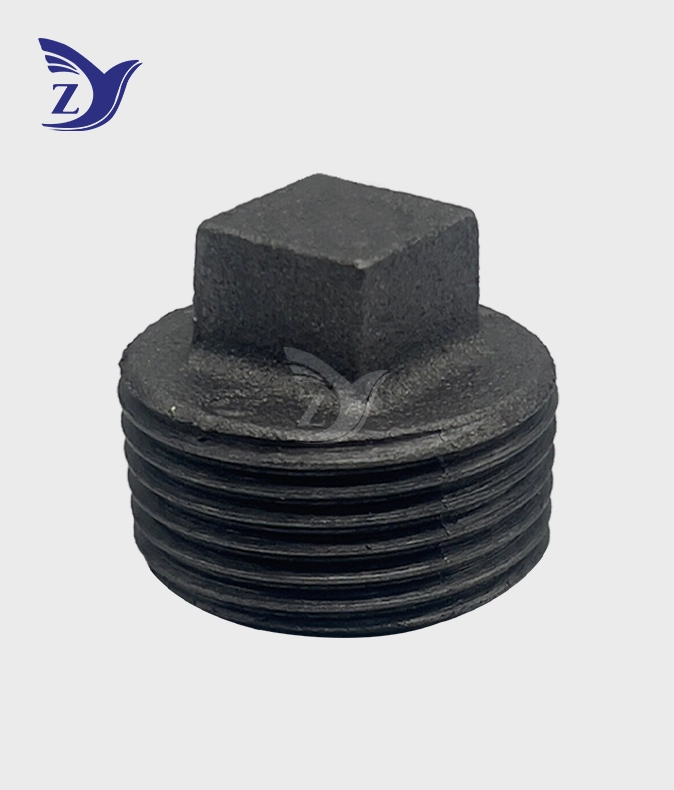
NPT. Black Flangeless Plug Pipe Fittings
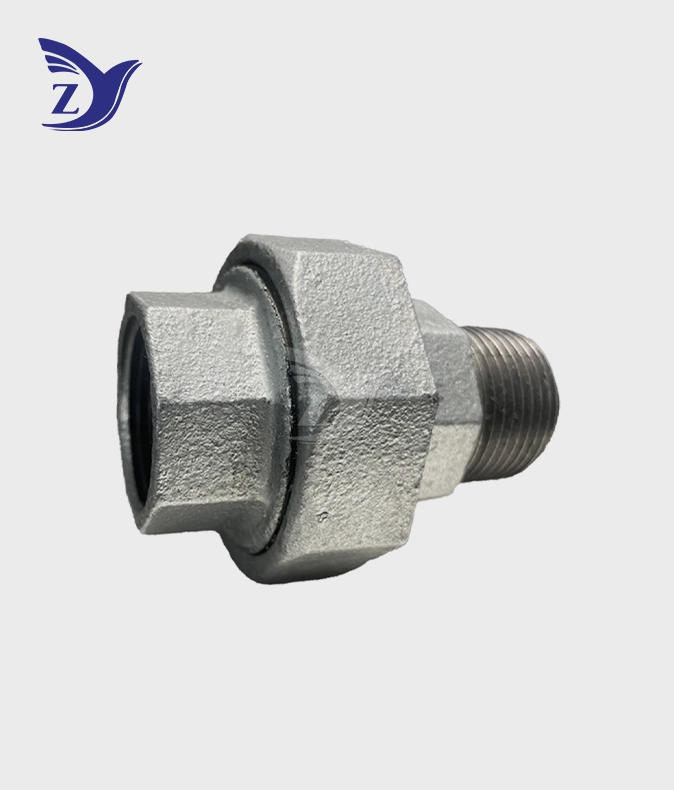
NPT Galvanized Male Female Threaded Union 331 Pipe Fittings
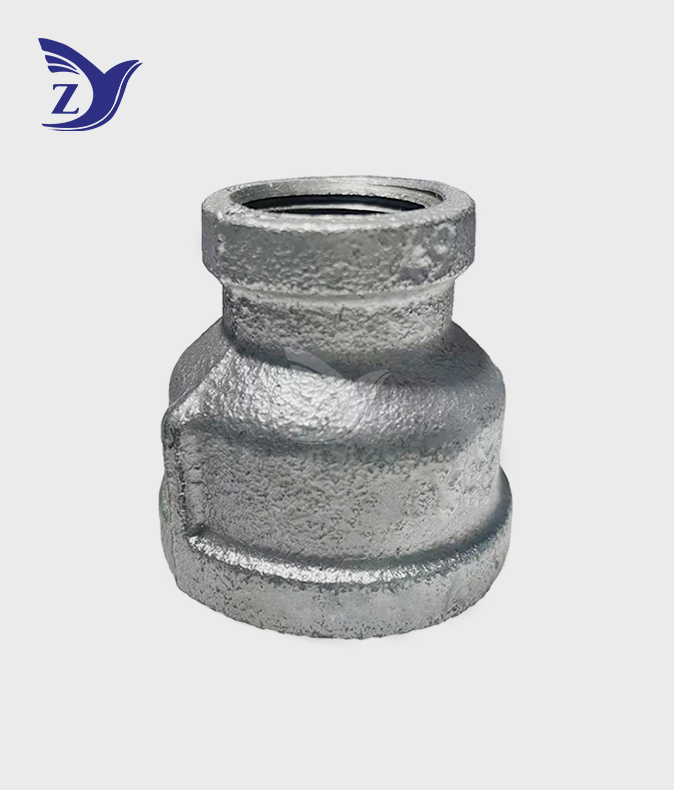
BSPT Square Face Galvanized Square Edge Reducing Coupling Pipe Fittings
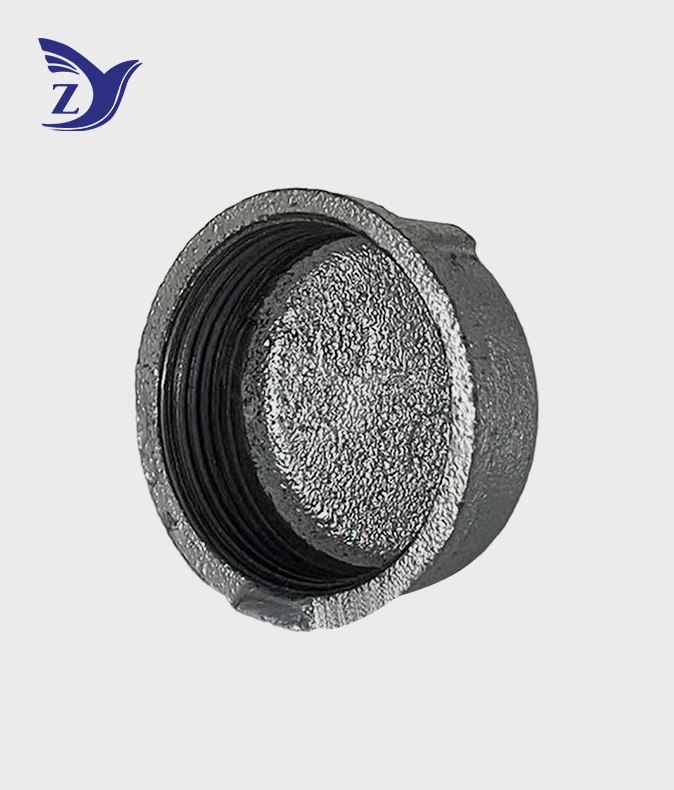
NPT Galvanized Pipe Cap Pipe Fittings
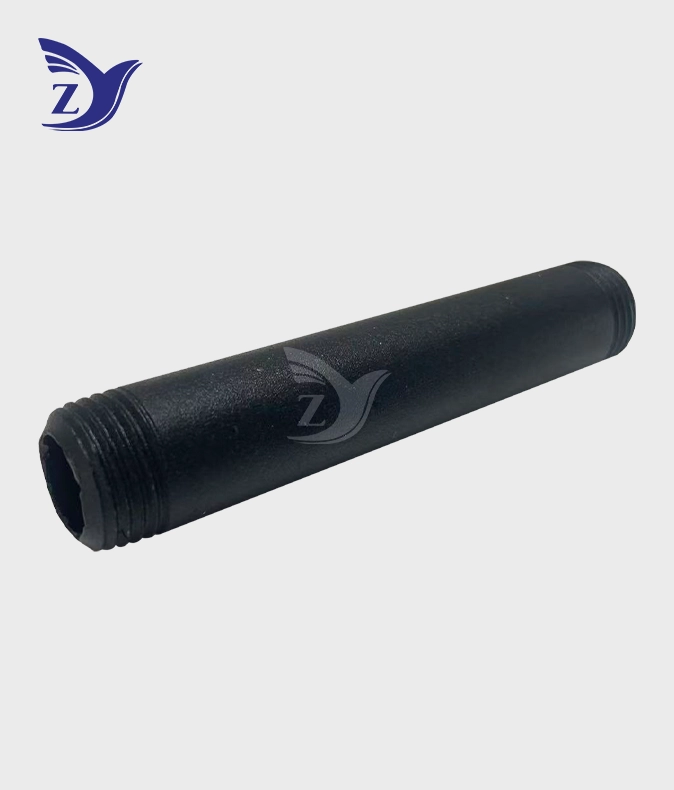
Carbon Steel Pipe Male Threaded Fittings Black Oxide Treated
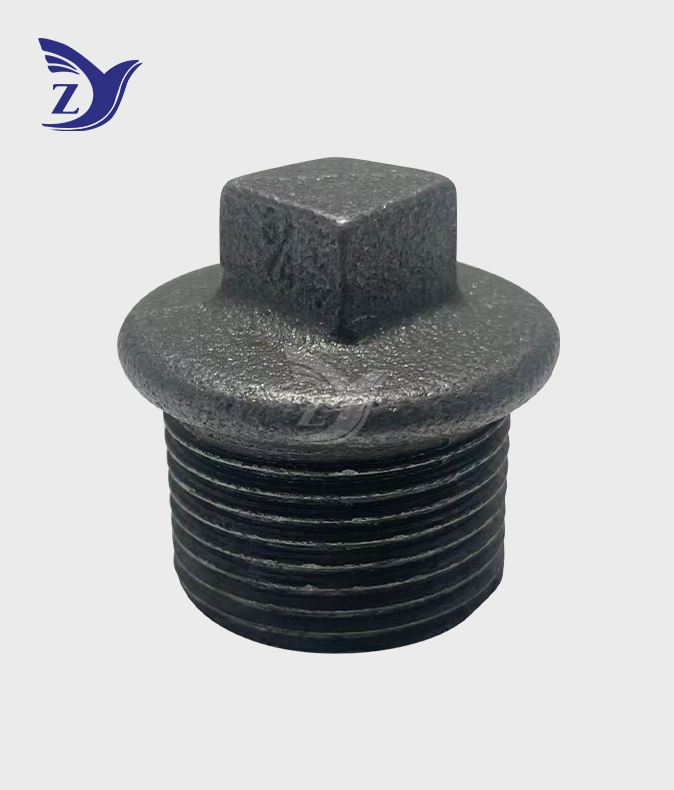
NPT Black Flanged Plug Pipe Fittings
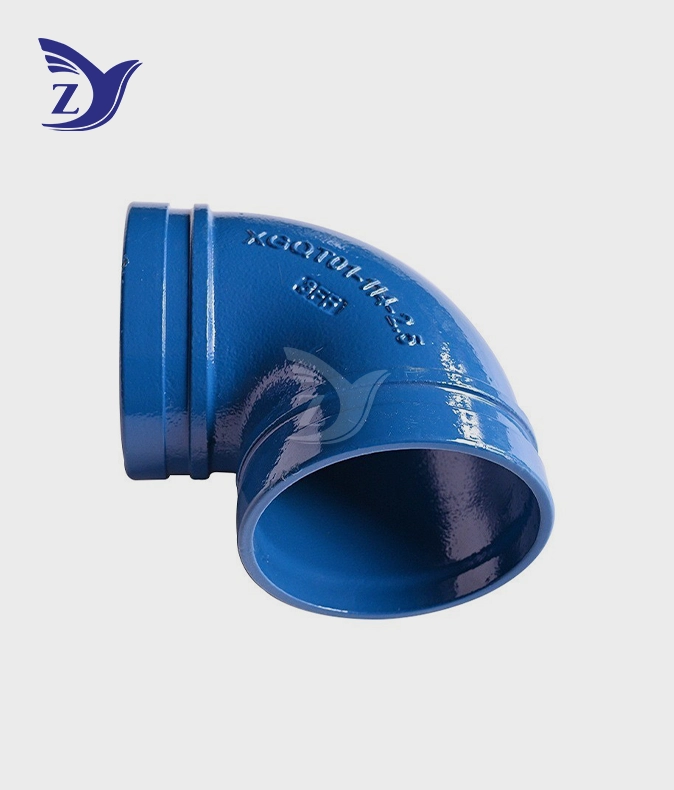
Water Grooved 90° Elbow
No Hub Hot Dip Galvanized Coupling Pipe Fitting