
Jun 16, 2026
The Pros and Cons of Grooved Pipe Fittings
Grooved pipe fittings are a new type of mechanical joining that has changed how plumbing systems are installed in many different businesses. The ends of these pipes are rolled into a grooved shape that is held in place by special connections with rubber gaskets that make leak-proof seals. Grooved mechanical systems are better than standard welded or threaded joints because they are easier to maintain, can be put together faster, and are flexible enough to handle vibration and heat expansion. This link technology works really well in areas like fire safety, HVAC, water distribution, and industrial process pipes, where the success of the project depends on how well the system is installed and how reliable it is. Knowing the pros and cons of a solution helps buying workers make smart choices that meet the needs of their operations.
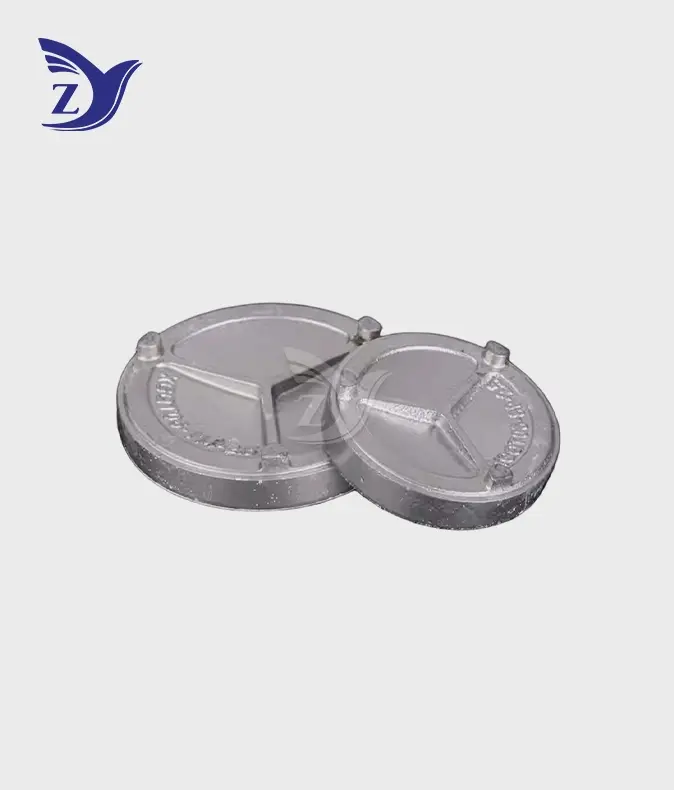
Advantages of Grooved Pipe Fittings
For engineering workers and building managers, mechanical grooved systems offer great operational benefits that save them money and make projects run more smoothly.
Rapid Installation and Labor Savings
Perhaps the most important benefit is how quickly it can be installed. Putting together a grooved pipe connection takes only minutes, while welding joints need a lot of time for preparation, welding, and cooling. Welding is not needed for efficient and safe installation because easy assembly cuts down on building time and stays safe even in small areas or places with flammable materials. When working on big projects with hundreds or thousands of links, this speed edge gets bigger. Less work hours mean lower direct installation costs, and shorter project timelines mean less secondary costs like site overhead and equipment hire.
Flexibility and Vibration Absorption
Grooved pipe fittings with grooved couplings have a rubber gasket that lets them bend slightly at an angle and move freely along an axis. This gives them freedom that hard welded systems don't have. Tight closing, pressure resistance, and leaks prevention are all features of high-performance grooved pipe fittings connections. Flexible connections, on the other hand, can handle pipe deformation and shaking for stable operation. This amount of movement allows for thermal growth and contraction without putting stress on the pipes or equipment that is attached to them. In HVAC uses, this flexibility keeps vibrations from getting to pumps and chillers, which lowers noise transfer and makes equipment last longer. This quality is very important in seismic zones because grooved systems can handle buildings moving during earthquakes without any joints breaking.
Maintenance Efficiency and System Reliability
When fixes or changes need to be made, grooved pipe joints can be taken apart without cutting, so the pipe can still be used. It takes technicians a lot longer to cut out and weld new pipe than it does to remove a coupling, replace a broken piece, and put the system back together again. This makes repair downtime less of a problem, which means that business and industrial buildings lose less money. Good resistance to rusting and rust means that the quality will last for a long time and not need much upkeep over many years of use. When compared to threaded joints, which can come loose over time, the gasket design consistently seals and lowers the risk of leaks.
Cons and Limitations of Grooved Pipe Fittings
Grooved mechanical systems have some problems that need to be carefully thought through when designing the system and choosing the parts that go with it.
Pressure and Temperature Constraints
Grooved connections can only work within certain limits of pressure and temperature, which could make them less useful in harsh circumstances. For water service, standard ductile iron connections can usually handle up to 300 psi of pressure. Some types can handle up to 500 psi. Ratings for temperature run from -20°F to 230°F, which is good enough for most fire safety and HVAC uses but not for high-temperature steam or thermal fluid systems. For uses that go beyond these limits, welded or flanged links often work better. Engineers need to make sure that the rates for coupling pressure take into account the right safety factors for the way the system works, such as possible spike pressures.
Installation Precision Requirements
Grooved joints are easy to put together, but they need to be put together correctly, which takes time and trained workers. Misalignment or leaking problems can happen during installation if the steps are not followed correctly. Grooves need to be the right size—too much depth weakens the pipe structure, and not enough depth stops the connection from engaging properly. It's important to put gaskets in the right place and use measured tools to tighten coupling bolts to the right pressure values. The housing keys need to fully engage the holes that go around the whole pipe. Installation mistakes might not show up right away, but they can still lead to problems before they should. This need for skilled workers is different from the idea that mechanical systems don't need as much skill as welding.
Economic Considerations in Small Projects
Grooved pipe fittings usually cost more per unit at first than standard threaded or socket-welded parts. Small setups with few connections might not save enough on work to make up for higher material costs. In bigger projects, the savings from buying in bulk and over the life of the system usually make up for this initial cost. However, threaded connections may be cheaper for small upkeep jobs or home uses. The real picture of the economy can be seen by doing a detailed cost study that compares total fixed costs instead of just component prices.
Conclusion
Grooved pipe fitting systems are much better for fire protection, HVAC, water distribution, and industrial uses because they are easier to build, more flexible, and more cost-effective over their entire lifecycle. Fast assembly without welding cuts down on labor costs and project time, and the joints are naturally flexible, so they can handle movement and vibration better than hard ones. Maintenance ease and proven dependability keep downtime to a minimum over decades of service. Knowing the limits of pressure and temperature, the accuracy needed for fitting, and the compatibility of materials is important for making sure the right application. Compared to welded, flanged, and threaded options, grooved joints work better in situations where their strengths match the needs of the system. The success of a project is greatly increased by working together with qualified suppliers who offer certified goods, dependable shipping, the ability to make changes, and quick customer service. Grooved mechanical technology keeps getting better to meet the needs of pipe systems that need to be installed more quickly, be more flexible, and last longer.
Partner with Zhiyuan Malleable Steel for Superior Grooved Pipe Fittings
With 26 years of experience in casting study and pipe production, Zhiyuan Malleable Steel is a reliable company that makes grooved pipe fittings. Our ability to produce 30,000 tons of products each year and wide range of products, including elbows, tees, crosses, reducers, clamps, flanges, and threaded fittings, make it easy for fire protection, HVAC, municipal, and industrial projects to get everything they need in one place. We have ISO 9001, CE, UL, and FM certifications that show we meet world quality standards. Our ODM/OEM services allow us to make solutions that are unique and fit the needs of each application. A large stockpile makes fast delivery possible; for urgent needs, basic goods ship within two hours. We are the best place to get grooved pipe fittings because we care about quality, offer low bulk prices, and provide quick expert help. You can talk to our team about your project needs and get a full quote by emailing q1236800000@gmail.com or visiting zymalleablepipefitting.com. We'd love the chance to show you how our goods and services can help your piping projects save time and money while also making the construction process more efficient.
FAQ
Are grooved fittings as durable as welded connections?
Within the limits of their design, grooved mechanical systems are just as durable as welded parts. When grooved connections are put correctly, they keep their seal integrity and structural strength for the whole life of the system, which can be more than 50 years in settings that don't allow corrosion. The mechanical housing guards against damage from the outside, and the gasket seal is better at withstanding pressure cycles than threaded connections. Welded joints are better than grooved joints in situations with high temperatures and pressures. Maintenance access actually makes grooved systems last longer because techs can check and fix links without taking them apart in a way that damages them.
Can grooved pipe fittings handle high-pressure fire protection systems?
Modern grooved connections meet strict fire safety standards and have been approved by UL and FM for use with sprinkler systems. Standard fittings can handle working pressures up to 300 psi, which is enough for most fire prevention uses, even in tall buildings. For special needs, connections with higher ratings can increase the capacity to 500 psi. The quality of the installation has a big impact on how well it works. For example, properly torqued joints with correctly placed gaskets keep the seal intact when the system is working and pressure rises. More and more, fire safety rules see grooved mechanical systems as the same as welded joints. In fact, many places prefer grooved systems because they are safer and more reliable to install.
What maintenance do grooved connections require?
Compared to other types of connections, grooved systems don't need as much regular upkeep. A visible checkup once a year checks the stability of the coupling by looking for signs of gasket wear, housing damage, or bolt loosening. The most common problem can be fixed by tightening bolts to the specified level if they become loose. Seal function is maintained by replacing gaskets when system changes happen or after a long period of use. Since there are no threaded connections, there is no need to worry about the joint coming loose from shaking. Choosing the right materials and treatments to protect against corrosion stops things from breaking down in harsh settings. This low-maintenance design cuts lifetime costs by a large amount.
References
1. American Water Works Association. (2020). ANSI/AWWA C606-20: Grooved and Shouldered Joints. Denver: AWWA Publications.
2. Factory Mutual Research Corporation. (2019). Approval Standard for Grooved Pipe Couplings and Fittings. Class Number 1680. Norwood: FM Approvals.
3. National Fire Protection Association. (2022). NFPA 13: Standard for the Installation of Sprinkler Systems. Quincy: NFPA Publications.
4. Piping Technology & Products, Inc. (2018). Comparison of Pipe Joining Methods: Technical Performance and Economic Analysis. Houston: PTP Engineering White Papers.
5. Smith, J. R., & Williams, K. T. (2021). Mechanical Piping Systems: Design, Installation, and Maintenance Practices. New York: Industrial Press.
6. Victaulic Company. (2023). Engineering Manual: Grooved Mechanical Piping Systems – Design and Installation Guidelines. Easton: Victaulic Technical Publications.
Online Message
YOU MAY LIKE
High quality furniture manufacturer
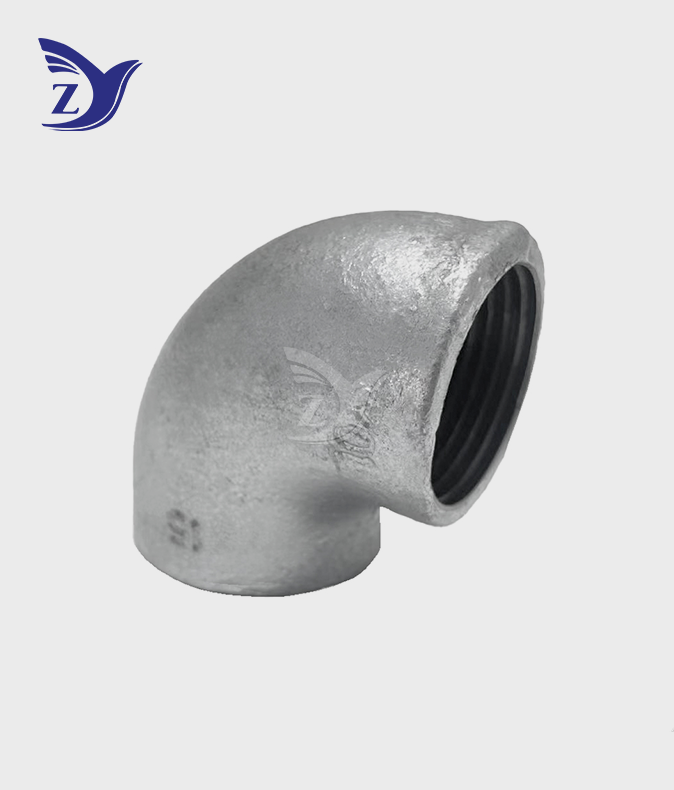
No Hub Electro Galvanized 90° Elbow Pipe Fitting
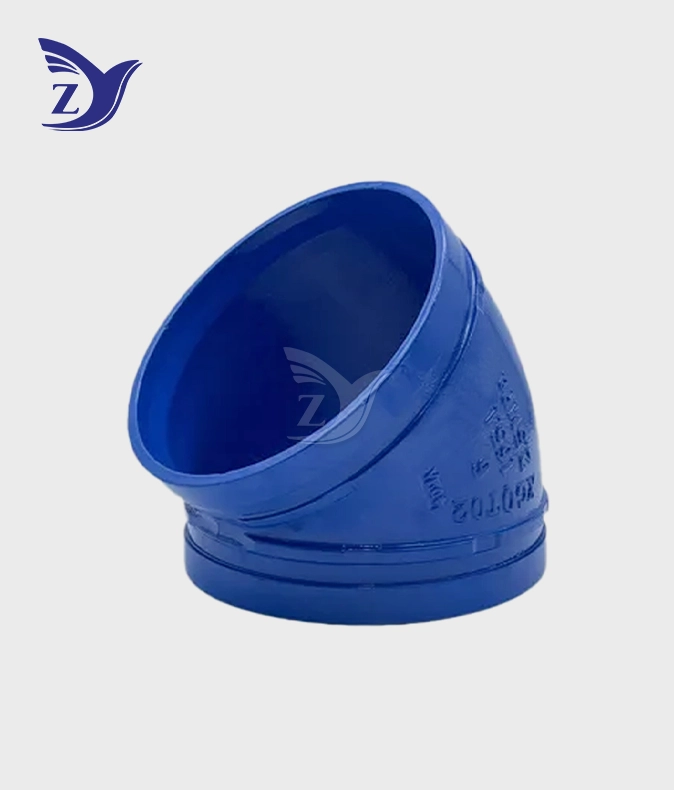
Water Grooved 22.5-degree grooved elbow
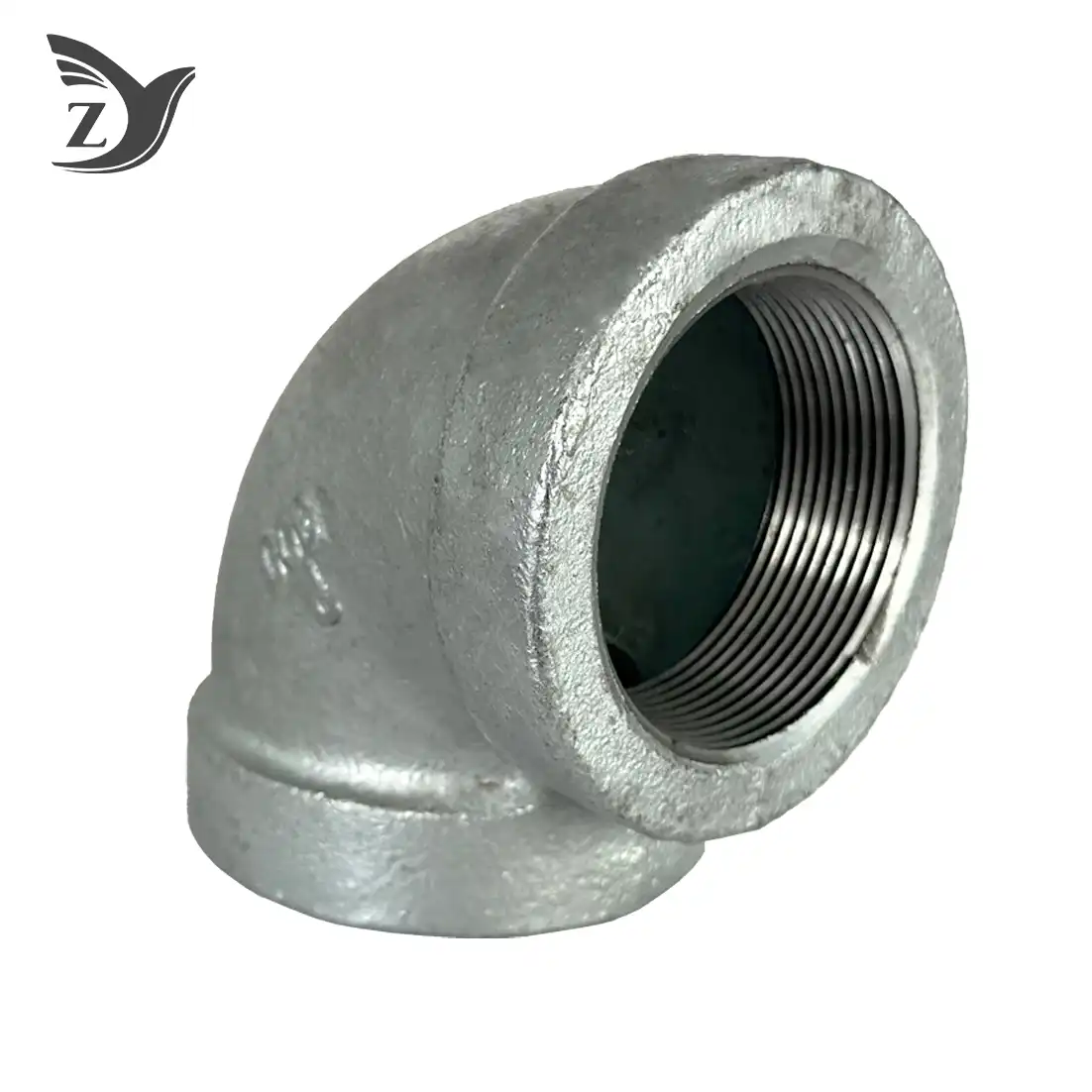
Class 300 Galvanized 90 Degree Malleable Iron Elbow
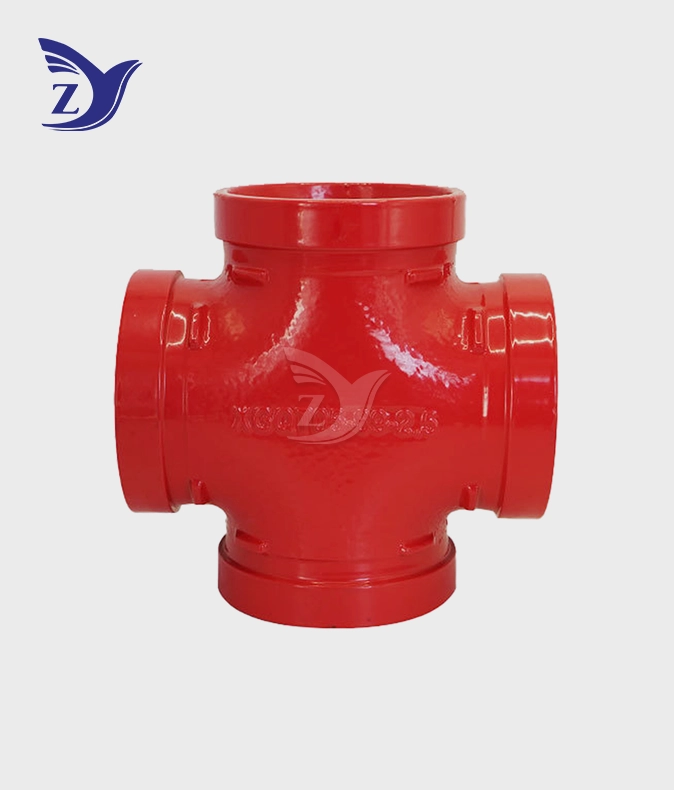
Fire Grooved Cross
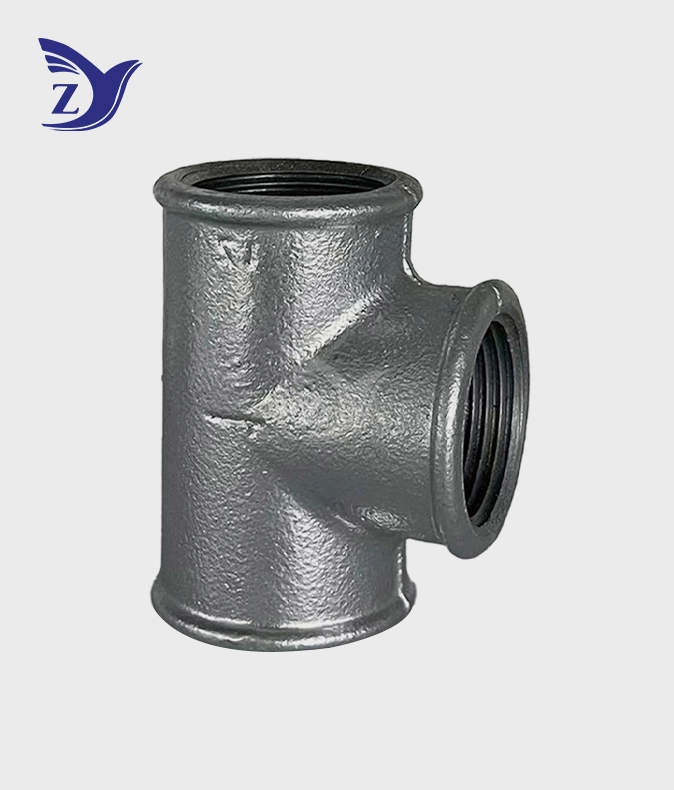
NPT Round Face Galvanized Round Edge Straight Tee Pipe Fittings
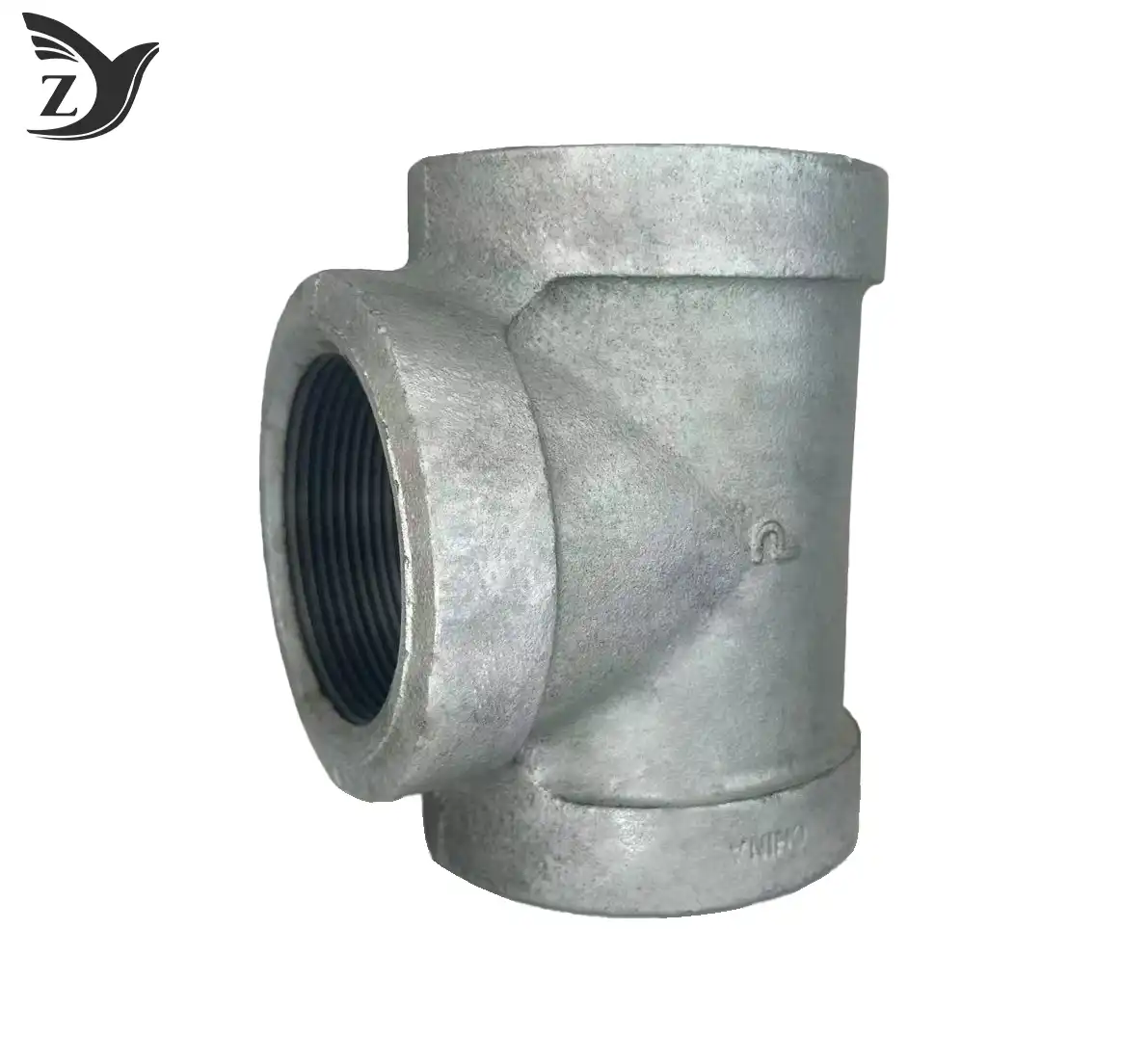
Class 300 Hot Dipped Galvanized Malleable Iron Equal Tee
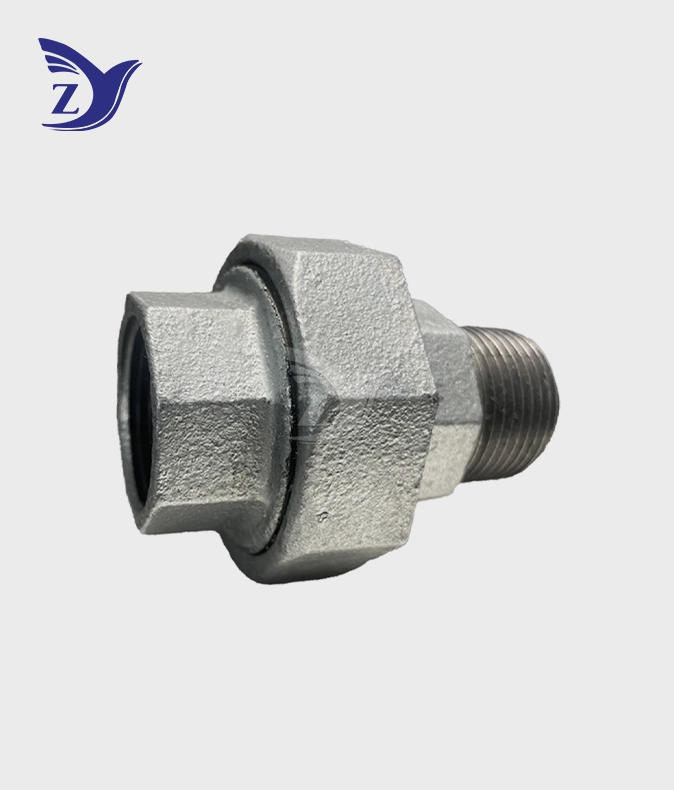
NPT Galvanized Male Female Threaded Union 331 Pipe Fittings
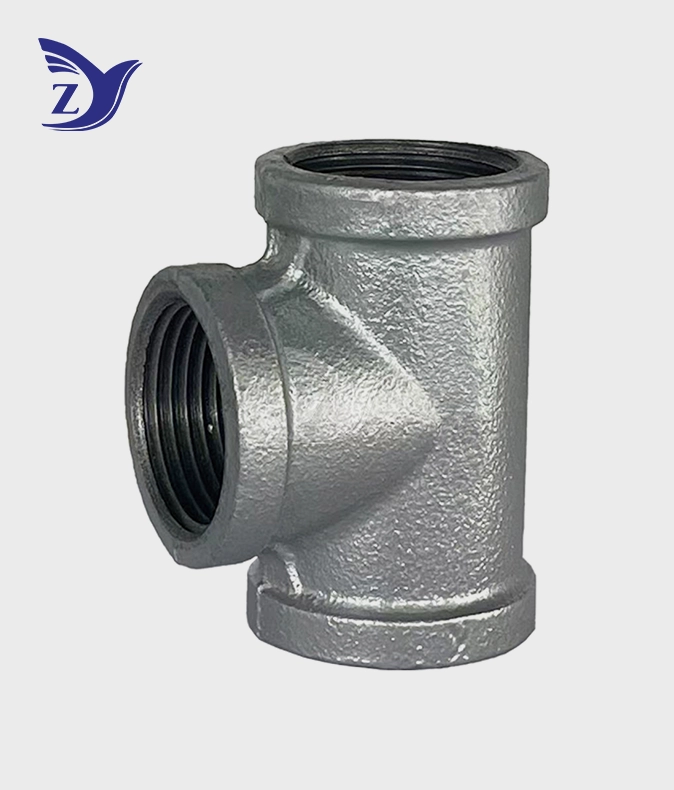
NPT Square Face Galvanized Square Edge Straight Tee Pipe Fittings