
Jun 15, 2026
Stainless Steel VS Carbon Steel Fittings
Whether you use stainless steel or carbon steel pipe fittings has a big effect on how well the system works, how much it costs, and how long it lasts. This is very important when choosing plumbing parts for systems that fight fires, build public buildings, or run business processes. They are very strong and cheap if you get threaded carbon steel pipe fittings with a protective finish like hot-dip galvanizing or electro-galvanizing. You can use them for many things, from setting up HVAC systems to water supply networks. Things made of stainless steel don't rust as easily in places where strong chemicals and food are present. Leaders in engineering and buying can choose materials that meet the needs of specific projects, follow the rules, and support long-term operating goals if they understand the technical differences between these two groups of materials and how they work in the real world.
Understanding Carbon Steel and Stainless Steel Pipe Fittings
Material Composition and Common Fitting Types
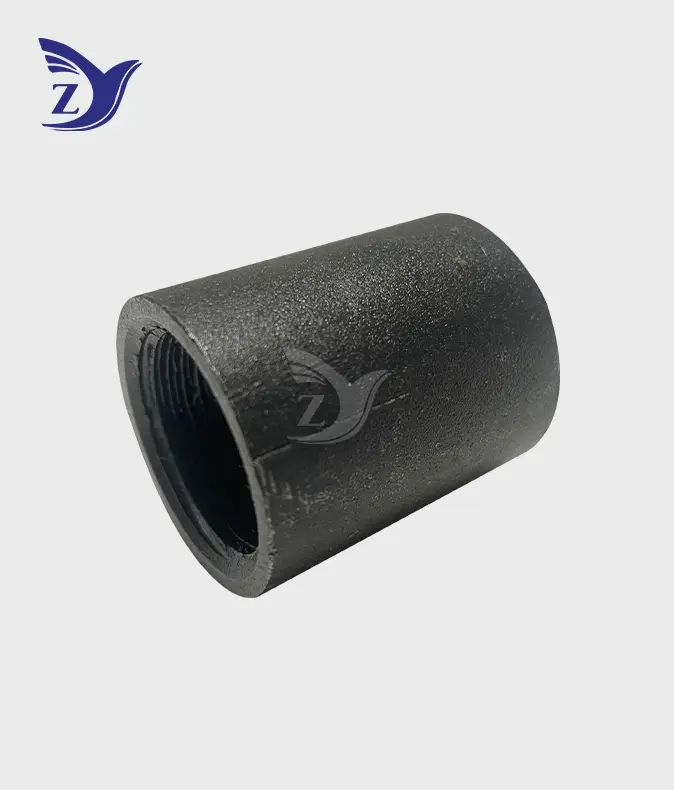
carbon steel pipe fittings are made of iron that has at least 0.05% carbon mixed in. They don't cost much and are good for building. You can split, change the width, change the direction, and end the line with an elbow, a tee, or a cap. Male threaded nipples and full-threaded pipe joints made of threaded carbon steel pipe fittings make it simple to connect systems that don't need a lot of pressure. You don't even need special tools to weld. Fittings made of stainless steel have at least 10.5% chromium and often nickel as well. So, an oxide layer is formed that is not active, which stops the rusting process. In the same way that these parts are made of triangles, they work best in places where carbon steel would rust quickly, like beaches, drug factories, and chemical plants.
Physical and Chemical Properties Affecting Selection
The tensile strength of carbon steel pipe fittings is between 400 and 550 MPa, according to ASTM A234 WPB. This means it can handle up to 20 MPa of pressure, but only if the walls are cold and thick. On the other hand, water and chlorides make the bare carbon steel rust. This problem can be fixed with simple steps. It takes more than 70 microns of zinc to make a hot-dip galvanized coat. This will keep public water sources outside safe for a long time. Electric-galvanized finishes are good for pipes that are used inside because they are less safe. Things look better after being treated with black oxide, but they don't really keep them from rusting. Their best use is in dry places, like where squished air is sent. Stainless steel doesn't rust even when it's not covered. From very cold to 870°C (Grade 316), it can handle it, and it stays strong in both acidic and basic conditions. When the passivation layer of raw carbon steel gets scratched, it heals itself. The steel won't rust because of this.
Comparing Performance and Applications: Stainless Steel VS Carbon Steel Fittings
Corrosion Resistance and Durability Across Environments
It's important to know how safety measures make carbon steel pipe fittings last longer when you figure out how much something costs. This pipe coupler with a full thread has been hot-dip galvanized to meet ASTM A153 standards. For more than 30 years, it won't rust in city water mains that are buried. No-cover carbon steel would break in a few months if the earth stayed the same. To protect the steel below, the zinc layer rusts faster, which makes it less strong. 18% chromium and 8% nickel make up grade 304 stainless steel. This makes it useful in many places and with systems that make drinking water. Adding 2% to 3% molybdenum to Grade 316 makes it much less likely to react with chlorides. Because of this, it works well near the coast, in plants that clean up waste water, and in chemical plants that work with acidic fluids. If you work with high-chloride process lines or sulfuric acid levels above 10%, stainless steel is better than carbon steel because it doesn't need to be kept or changed as often.
Optimal Use Cases by Industry
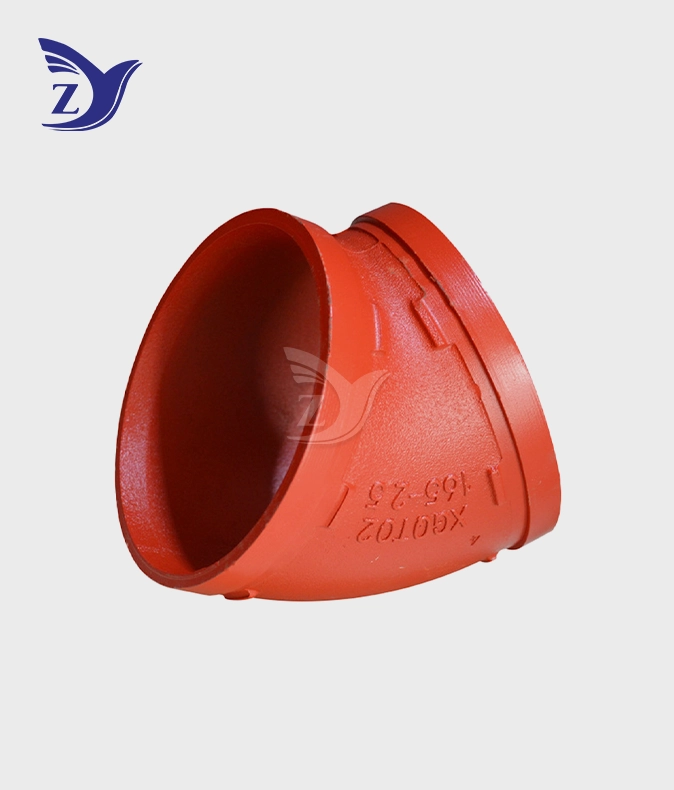
Companies that do work in business buildings for fire safety often need galvanized threaded carbon steel pipe fittings that meet UL and FM approval standards. It doesn't cost much, doesn't rust, and has a strong burst power, so it can be used for projects and still meet building codes. Fire service lines are easy to tell apart because their fittings are made of red-coated carbon steel. This makes it easy to check and fix things. There are electric-galvanized threaded joints for spreading drinkable water, natural gas branch lines, and HVAC hydronic pipe that are kept in stock at tool and plumbing stores that sell to new home builders. I think the price of these parts is fair for how long they should last in a home (15–20 years). For example, amine solutions are used in gas sweetening units and caustic streams are used in refinery alkylation processes. These plants need valves made of stainless steel to keep leaks under control and plants from shutting down without notice. Think about how much it would have cost to clean up the area and make up the work that was lost because of the rust. The extra money for the materials is well spent.
Procurement Considerations for Carbon Steel and Stainless Steel Fittings
Price Comparison and Total Cost Analysis
The cost of the raw materials is the main reason why carbon steel pipe fittings are more expensive than stainless steel parts. The price of carbon steel ranges from $0.80 to $1.20 a kilogram, the price of stainless steel 304 ranges from $3.50 to $5.00 a kilogram, and the price of 316 grade stainless steel ranges from $5.50 to $7.50 a kilogram. Because of this, the cost of fits has gone up by 4 to 6 times. One made of cleaned carbon steel costs $3 to $5, but one made of stainless steel costs $18 to $25. But lifecycle cost analysis shows that stainless steel is sometimes a better choice. For example, every 12 to 15 years, municipal water utilities have to pay for repairs, shut down the system, and lose water while the repairs are made. If they choose stainless steel fittings with a 40-year or longer service life, they won't have to replace them as often, which makes up for the higher initial cost by saving money on maintenance and making the system more reliable. Getting carbon steel parts is faster and there are more suppliers of standard threaded configurations. But making specialty stainless fittings like heavy-wall Schedule 160 components or custom-machined adapters can take 8–12 weeks, while making similar carbon steel parts only takes 2–3 weeks.
Supply Chain Dynamics and Supplier Selection
When looking at possible suppliers, you should find out how much they can make, how well they handle quality, and how much technical support they offer. For example, factories that are ISO 9001-certified show that they are committed to consistent dimensional accuracy and material traceability, which are important when you need fittings for pressure vessels or systems that need ASME compliance documentation. This company, Zhiyuan Malleable Steel, makes 30,000 tons of carbon steel pipe fittings every year. They make male threaded fittings and full-threaded couplings, among other things. The company offers different surface treatments, like electro-galvanized, hot-dip galvanized, sandblasted, and black oxide, so procurement managers can get the best corrosion protection for a wide range of uses from a single source. The factory is in Shanxi Province and is 50,000 square meters of manufacturing space. They do their own casting, heat treatment, galvanizing, and machining, so quality control is maintained throughout the whole process.
Conclusion
When deciding between carbon steel pipe fittings and stainless steel pipe fittings, you should think about your budget, the way the system will be used, the level of technical performance you need, and how much it will cost over its lifetime. For example, hot-dip galvanizing is the best way to treat the surface of carbon steel pipe fittings for fire protection, municipal water, HVAC, and general industrial uses where corrosion isn't a big problem. Stainless steel, on the other hand, works best in harsh chemical environments, high-purity processes, and installations where it will be hard to access for maintenance. It's also important to work with manufacturers who can show they have the production capacity, quality management maturity, and technical support skills to lower project risks and make sure the system works reliably for a long time.
Partner with Zhiyuan Malleable Steel for Reliable Carbon Steel Pipe Fittings Supply
Customers all over the world trust Zhiyuan Malleable Steel to provide them with high-quality carbon steel pipe fittings. We have been making these fittings for 18 years and can produce 30,000 tons of them each year. Our ISO 9001-certified factory in Shanxi Province uses a process that includes casting, annealing, galvanizing, and precise machining to make sure that every part is the same size and surface treatment quality. We keep a lot of stock on hand so we can ship standard products the same day, and we also offer ODM/OEM customization for unique needs.
We can treat the outside of your products with hot-dip galvanizing, electro-galvanizing, red coating, sandblasting, and black oxide finishing. These can be used in a range of places, from corrosive coastal installations to controlled indoor systems. Our products are certified by CE, UL, and FM, which means they meet international standards. This speeds up the project approval and inspection processes. We stand behind our quality with guarantees that any defective products will be replaced. This keeps your project schedules on track even if there are schedule changes.
Send an email to q1236800000@gmail.com or visit zymalleablepipefitting.com to see our full product catalog and learn how our manufacturing skills can help you reach your procurement goals. You can also talk to our engineering team about your specific needs and get quotes for projects.
FAQ
What surface treatment provides the longest corrosion protection for carbon steel pipe fittings?
If you bury or leave things outside, hot-dip galvanizing is better because it protects for 30 years or more with thick zinc layers (usually 70–100 microns) that rust to protect the base steel. The process involves submerging fittings in molten zinc at 450°C, which makes a strong bond between the coating and substrate that keeps them from breaking when you handle or install them.
Can threaded carbon steel fittings be used in natural gas distribution systems?
As long as the fittings meet the requirements of ASTM A105 for material standards and ASME B16.11 for dimensions, they can be used for natural gas service. The maximum operating pressures for these fittings depend on the fitting class and size. Local codes usually require yellow identification markings and don't allow certain thread sealants that break down when exposed to hydrocarbons. For indoor gas piping, black steel (uncoated) fittings are standard, but galvanized fittings may be needed for outdoor meter sets and service entrances.
How do I verify that stainless steel fittings are genuine Grade 316 rather than 304?
If you buy from a reliable supplier, they will give you mill test certificates that use spectrographic analysis to show the chemical composition. These certificates show that Grade 316 has a molybdenum content of 2–3%, which is different from Grade 304. To check this in the field, you can use portable XRF analyzers to measure the elemental composition without damaging the material. It's not possible to tell the difference between the two grades by looking at them, since they both look the same and have similar magnetic properties.
References
1. American Society of Mechanical Engineers. (2020). ASME B16.11: Forged Fittings, Socket-Welding and Threaded. ASME International.
2. ASTM International. (2019). ASTM A234/A234M: Standard Specification for Piping Fittings of Wrought Carbon Steel and Alloy Steel for Moderate and High Temperature Service. ASTM International.
3. Davis, J.R. (2006). Corrosion of Weldments. ASM International Materials Park.
4. Mohitpour, M., Golshan, H., & Murray, A. (2007). Pipeline Design and Construction: A Practical Approach (3rd ed.). American Society of Civil Engineers.
5. Smith, P. & Zappe, R.W. (2004). Valve Selection Handbook: Engineering Fundamentals for Selecting the Right Valve Design for Every Industrial Flow Application (5th ed.). Gulf Professional Publishing.
6. Turton, R., Bailie, R.C., Whiting, W.B., & Shaeiwitz, J.A. (2018). Analysis, Synthesis, and Design of Chemical Processes (5th ed.). Prentice Hall.
Online Message
YOU MAY LIKE
High quality furniture manufacturer
Fire Grooved 45° Elbow
Threaded Mechanical Cross
NPT Black Union Class 300 Pipe Fittings
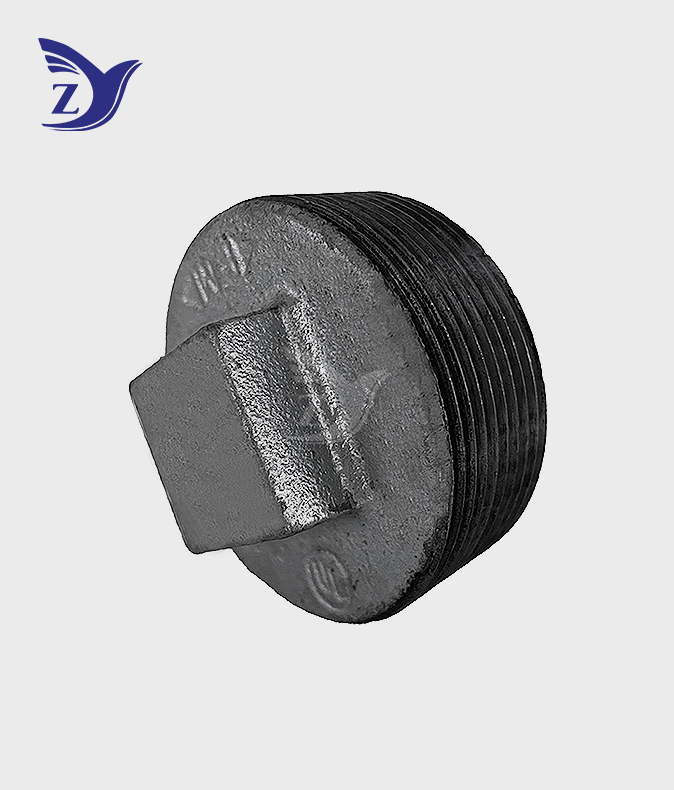
NPT Galvanized Non-Flanged Pipe Plug Pipe Fittings
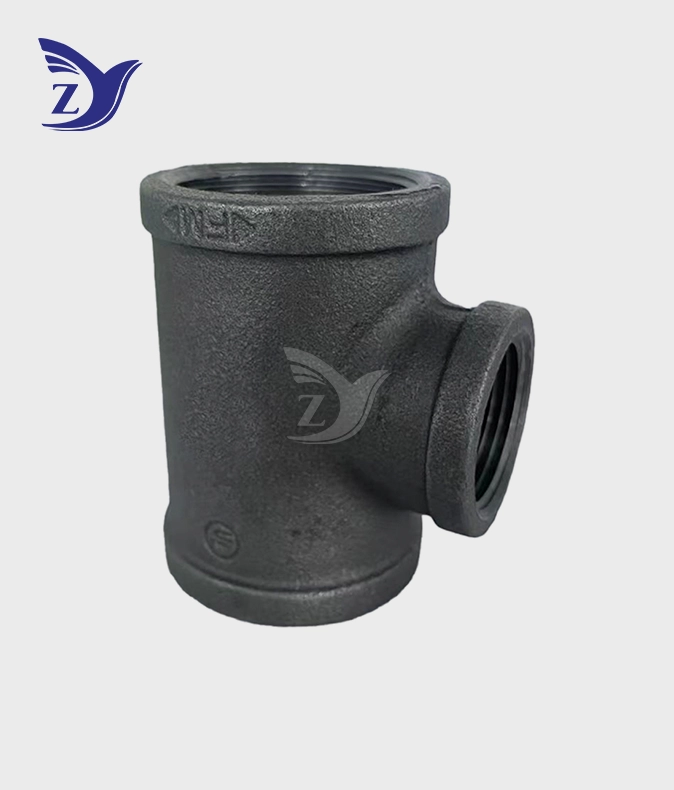
NPT Black Square Face Reducing Tee Pipe Fittings
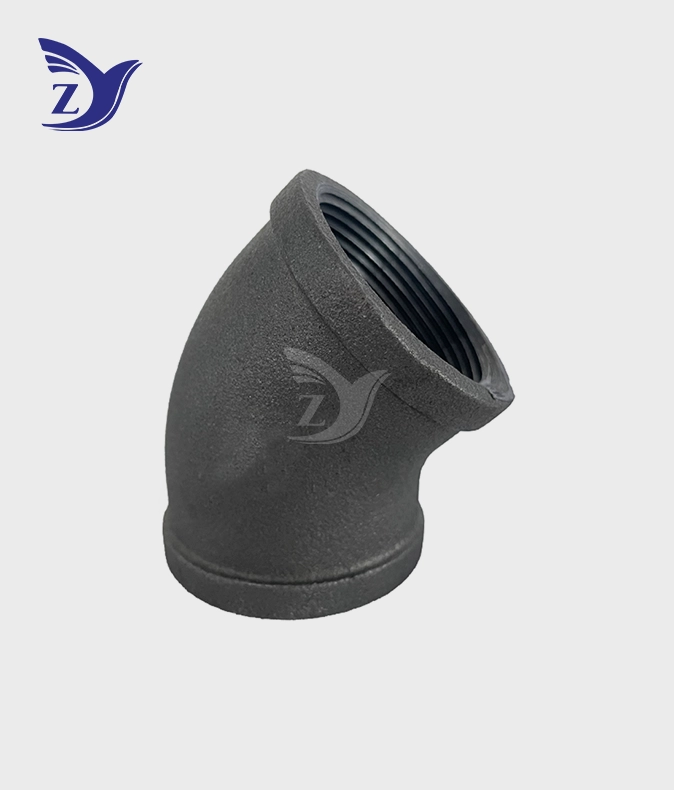
BSPT Black Square Face 45° Elbow Pipe Fittings
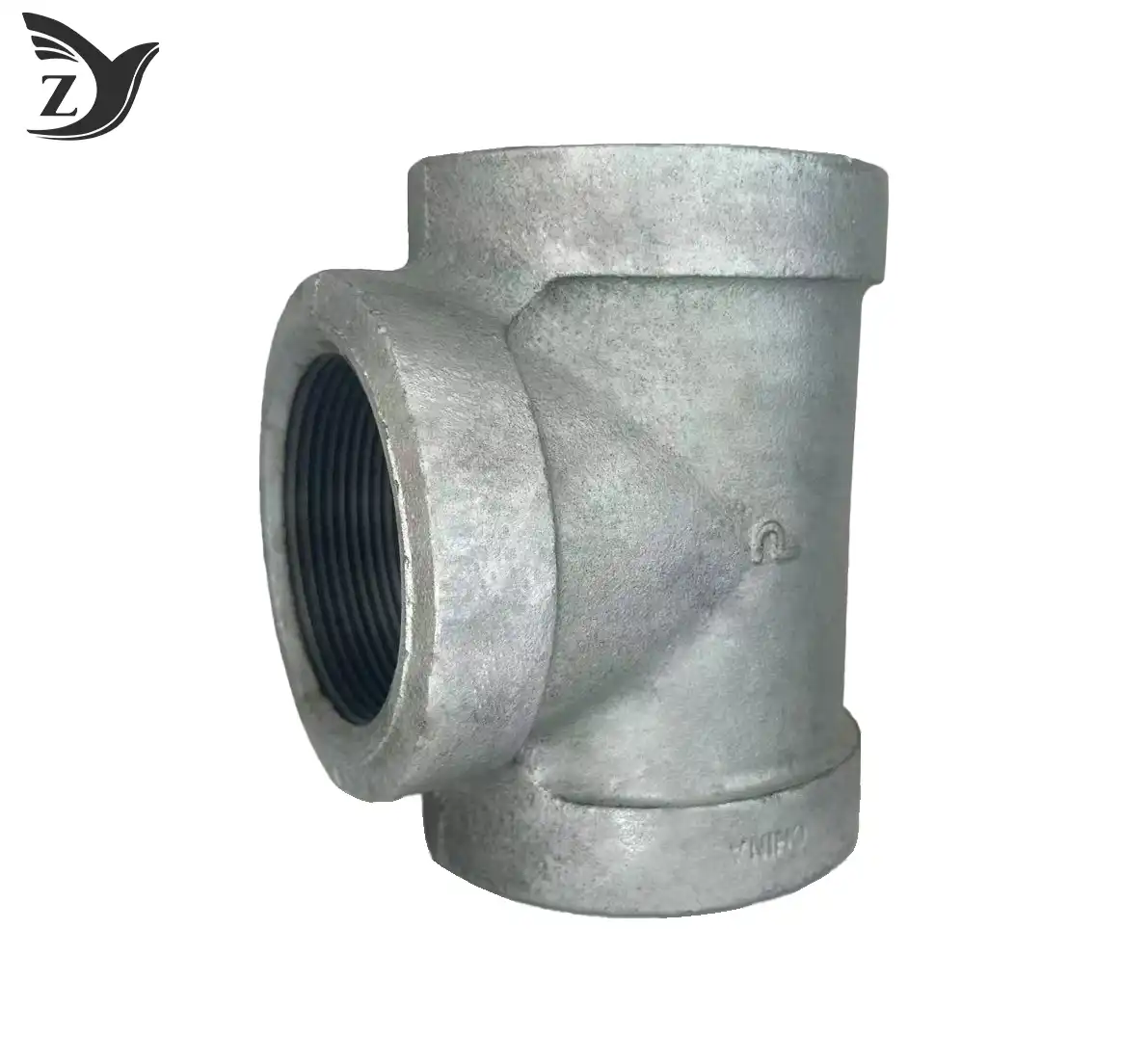
Class 300 Hot Dipped Galvanized Malleable Iron Equal Tee
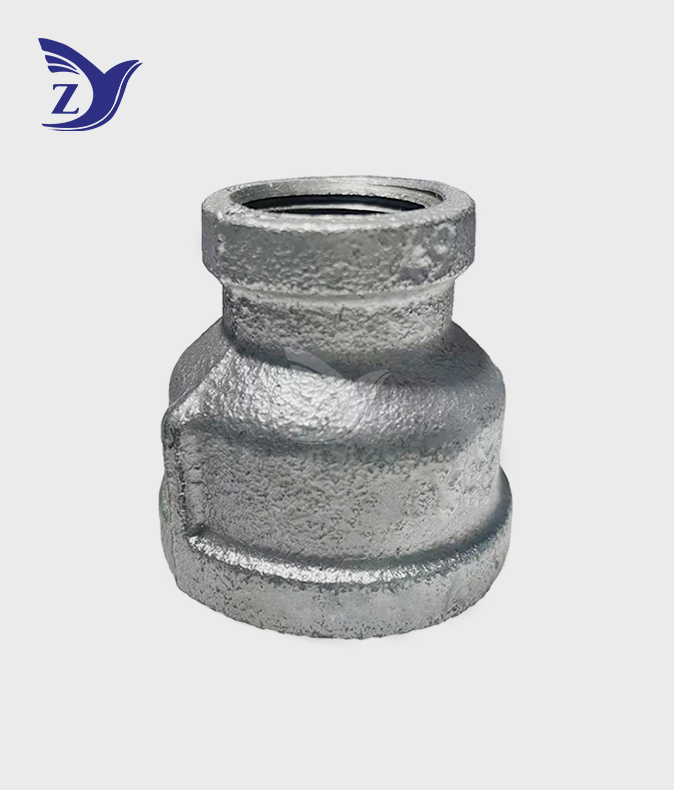
BSPT Square Face Galvanized Square Edge Reducing Coupling Pipe Fittings