
Jun 16, 2026
Malleable Iron Pipe Fittings Dimensions
When choosing malleable iron pipe fittings for industrial pipe jobs, it's important to know how to make sure the measurements are correct. Through long annealing, a malleable iron fitting changes from brittle white cast iron to ductile parts that can handle mechanical stress and temperature cycles. The level of accuracy in measurements affects how deeply threads engage, how well they seal, and how well they work with different supply lines. When buying NPT square face galvanized 90° elbows or BSPT reducing tees, procurement professionals need to check the nominal pipe size, thread pitch per ASME B1.20.1, wall thickness, and outside diameter tolerances to avoid expensive changes in the field and make sure they meet ASTM A197 and ISO standards for pressure ratings and material properties.
Understanding Malleable Iron Pipe Fittings: Types and Specifications
Because they are mechanically flexible, malleable iron pipe fittings are the backbone of industrial pipe networks. They can turn rigid plans into systems that work. When you anneal something, you turn carbon into temper carbon crystals. This gives these fittings shock resistance that is unmatched by gray cast iron options. Because of this change in the way the metal is made, it can absorb vibrations in steam lines and handle thermal growth in HVAC systems without breaking.
Common Fitting Types and Their Dimensional Characteristics
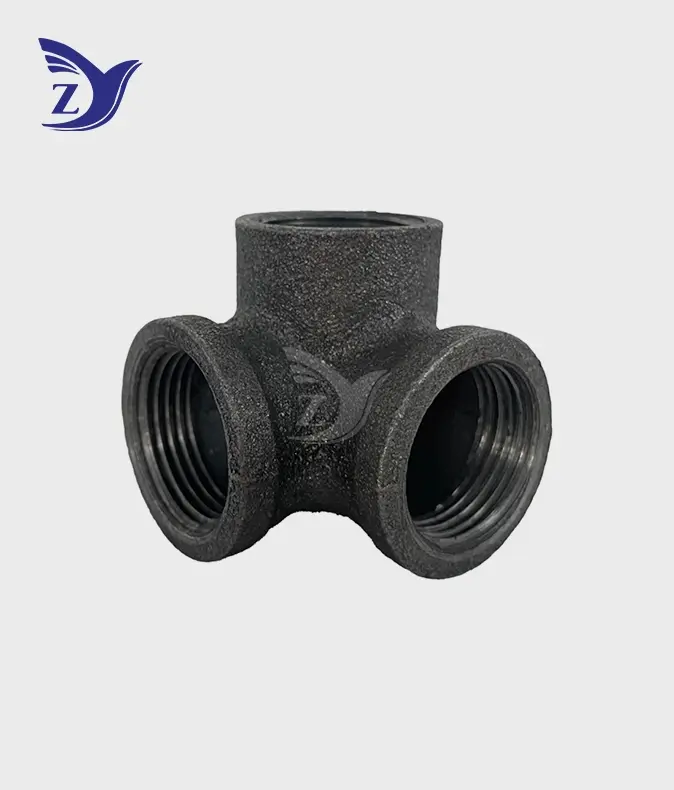
Elbows change the flow at certain points while keeping the pressure the same. The NPT square face galvanized 90° square edge elbow pipe fittings have outlets that are perpendicular to the body. The standard size ranges from 1/8 inch to 6 inches, which is based on the center-to-face measures. The square edges make for a flat bearing surface, which is very important when fixing against bulkheads or frames. Reducing elbows allow changes in size to happen in small spaces. The dimensions of the entry and exit widths make sure that the flow changes slowly and doesn't cause erosion due to turbulence.
Tees are used to connect branches in gas and water networks. The British Standard Pipe Taper threads on BSPT square face galvanized square edge straight tee pipe fittings are at 55-degree angles, which is different from NPT's 60-degree shape. Because these thread standards have different sizes, they can't be used with each other. This means that accurate measurement is very important. One outlet on a reducing tee is smaller than the run. The dimensional ratios affect the velocity patterns and pressure drop estimates across the junction.
Industry Standards Governing Dimensions
The ANSI/ASME B16.3 standard sets the size ranges for threaded fittings made of malleable iron that are sold in North America. It describes the thread contact lengths and face-to-center measures. ISO 49 gives foreign values, but different standards have different measurements. When buying things for international projects, procurement teams need to make sure that they know which standard applies to their requirements so that there are no problems with measurements during installation.
The material name ASTM A197 guarantees a minimum tensile strength of 50,000 psi and a 10% stretch. However, different standards cover how the dimensions must be met. Thread measuring with accurate L1 plug gauges checks the accuracy of the pitch width, and L3 gauges check the thread truncation. These checks on the sizes stop over-tapping, which weakens the thread contact and causes the joint to break under hydraulic pressure.
Dimensional Analysis of Malleable Iron Pipe Fittings
For people who aren't familiar with piping standards, the links between nominal pipe size and real measures can be hard to understand. The term "nominal pipe size" refers to an ancient name rather than a precise measurement. A 1-inch NPS malleable iron pipe fitting is not exactly one inch in any way; its outside width is about 1.315 inches to match the OD of a normal pipe. Standardization makes it possible for parts from different companies to work together without any problems, as long as they all follow the same size rules.
Thread Specifications and Their Impact
NPT threads drop at a 1:16 ratio, which makes an interference fit seal that doesn't use gasket compression but thread distortion instead. How well a seal works depends on how the major diameter, pitch diameter, and minor diameter relate to each other in terms of size. ASME B1.20.1 says that the thread depth, when measured perpendicular to the thread axis, must be within the error values given. In gas uses, a difference of 0.002 inches in pitch width can make the seal less reliable.
When it comes to BSPT threads, pipes have parallel external threads and fittings have curved internal threads, which use a different way to close. How many turns are needed to get the thread to stay in place depends on the thread's height limit. This standard is shown by the banded galvanized reducing street elbow with BSPT threads. One end has male external threads and the other has female internal threads, so precise dimension control is needed to make sure that both ends close properly even though the threads are oriented differently.
Wall Thickness and Pressure Ratings
The pressure capacity is directly related to the thickness of the wall. Class 150 fittings have thinner walls that can handle 150 psi of working pressure, while Class 300 fittings have walls that are twice as thick and can handle 300 psi of pressure. The bigger size changes the wrench flat width and the total weight of the fitting. When you order galvanized square NPT 90° reduction elbows, make sure that the wall thickness at the reduced outlet stays thick enough to handle the working pressure without getting too thin.
Flow capacity and hydraulic resistance are found by measuring the outside width and wall thickness. Changes in OD dimensions affect the depth of pipe entry and the length of thread contact. Shanxi Taigu Zhiyuan Malleable Steel controls these sizes by using 156 sets of precise processing equipment to make sure that each batch is the same across production runs that reach 30,000 tons per year.
How to Choose the Right Malleable Iron Pipe Fittings Dimensions for Your Projects?
Pressure and temperature research are the first steps in matching fitting sizes to system needs. Continuous-duty city water networks at 80 psi need different size requirements than fire protection systems that work at 175 psi and have irregular flow patterns. The first selection filter is the size relationship between the wall thickness and the pressure grade.
Application-Specific Dimensional Considerations
Because it's harder to find leaks in gas distribution networks than in water systems, they need tighter limits on dimensions. When used in natural gas branch lines, NPT square face galvanized 45° square edge elbow pipe fittings must keep their thread pitch accuracy within 0.001 inches to stop leaks and leaky gases. The 45-degree angle gently redirects flow compared to 90-degree elbows, lowering pressure drop by about 30%. However, installation freedom may be limited in small areas due to size restrictions.
When using steam, you need to think about temperature growth. As the pipe heats up and cools down, the fittings must be able to adapt to the changes in size. The flexibility of malleable iron pipe fittings lets them bend slightly without breaking, unlike hard cast iron, which breaks when heated. By choosing parts with the right wall thickness, you can add heat mass that slows down the rate of expansion.
Custom Dimensional Requirements
Dimensional changes that go beyond catalog requirements are sometimes needed for non-standard tasks. Zhiyuan Malleable Steel can do both OEM and ODM, which means they can create custom dimensions. They have 38 professional technical staff who can turn field needs into specs that can be manufactured. Custom sizes usually add 15 to 20 days to the wait time for normal stock items, but sales of more than 5 tons may be worth the cost of investing in tools to get deliveries on time.
Samples of prototypes and dimensional inspection reports that are approved to ISO 9001 standards are used for dimensional proof during customization. Coordinate measuring tools, thread gauges, and calipers with a resolution of 0.001 inch are used to make sure that the dimensions are correct before full production starts. This quality control stops differences in size between runs of production that could make field assembly less reliable.
Conclusion
The dependability of systems in industrial, municipal, and business settings depends on how precisely the dimensions of malleable iron pipe fittings are controlled. Knowing how standard sizes, thread specifications, wall thickness, and pressure ratings relate to each other helps procurement professionals choose parts that fit together well during installation and work reliably for the duration of their service life. Dimensional standards set by ASTM, ANSI, and ISO provide the framework. Actual agreement is determined by quality control at the maker level. By choosing providers with proven dimensional accuracy, international certifications, and thorough inspection routines, you can lower the number of breakdowns in the field and ensure the long-term stability of networks for fire protection, HVAC, water distribution, and industrial pipes.
Partner with Zhiyuan Malleable Steel for Dimensionally Precise Pipe Fittings
Zhiyuan Malleable Steel is ready to help you with your buying needs by providing you with correct dimensional malleable iron pipe fitting solutions. They have been in the business for 18 years and are very good at making things. Our 50,000-square-meter factory in Shanxi Province uses modern casting technology, precise machining, and strict quality control to make fittings that meet the standards for foreign dimensions. Our expert team helps engineers with the whole process of specifying and finding NPT square face galvanized elbows and tees, as well as coming up with custom dimensional requirements for special uses.
We are committed to precise measurements not only when we manufacture, but also when we provide quick customer service and double-layer protective packing. With the ability to produce 30,000 tons per year and more than 1,000 product specs in stock, we can keep stock on hand for quick project deadlines and offer ODM customization for unique needs. Our measurement quality systems are backed up by CE, UL, and FM certifications, which give buying teams the proof they need to make sure they are following the rules.
You can talk to a trusted maker of malleable iron pipe fittings about your size needs by emailing our engineering team at q1236800000@gmail.com or visiting zymalleablepipefitting.com. Ask for detailed drawings, certifications of the materials we use, and cheap quotes that show how much we can save you on fire protection, city infrastructure, industrial processing, and HVAC projects in North America and other countries.
FAQ
What dimensional range does Zhiyuan Malleable Steel supply?
Our factory can make pipes from 1/8 inch to 6 inches in diameter, and we can meet more than 1,000 different product requirements. This includes standard dimensional fittings that meet ANSI B16.3 and ISO 49 standards, as well as unique measures that we create through our OEM services. You can choose from NPT, BSPT, and metric thread types. For important sealing surfaces, the size margins are kept to within 0.002 inches.
Can your fittings dimensionally integrate with existing piping from other manufacturers?
When everyone follows the same rule, there is dimensional compatibility. Our NPT-threaded valves work with any pipe or joint that meets ANSI B16.3 standards, no matter who made it. BSPT threads also meet the requirements of ISO 7-1. When standards are mixed, they don't match up properly, which stops the process from going smoothly. If you ask, we can send you dimensional pictures to make sure they are compatible before you buy.
How do you verify dimensional accuracy during production?
At three steps of production, our quality system uses accurate thread gauges, micrometers, and coordinate measuring tools that are traceable to national standards to check the sizes of the parts. The 156 pieces of equipment in the machining production area keep the dimensions accurate with the help of automatic tracking. Statistical process control lets you know about dimensional shift before it gets too bad. Shipments come with final measurement reports that show they meet the required dimensions.
References
1. American Society of Mechanical Engineers. (2022). ASME B1.20.1: Pipe Threads, General Purpose. ASME Standards Publications.
2. ASTM International. (2021). ASTM A197: Standard Specification for Cupola Malleable Iron. ASTM Volume 01.02 Ferrous Castings.
3. American National Standards Institute. (2020). ANSI/ASME B16.3: Malleable Iron Threaded Fittings - Classes 150 and 300. American National Standards Institute Press.
4. International Organization for Standardization. (2019). ISO 49: Malleable Cast Iron Fittings Threaded to ISO 7-1. ISO Technical Committee Publications.
5. National Fire Protection Association. (2022). NFPA 13: Standard for the Installation of Sprinkler Systems - Pipe and Fitting Specifications. NFPA Codes and Standards.
6. British Standards Institution. (2018). BS EN 10242: Threaded Pipe Fittings in Malleable Cast Iron - Dimensional and Technical Specifications. BSI Standards Publication.
Online Message
YOU MAY LIKE
High quality furniture manufacturer
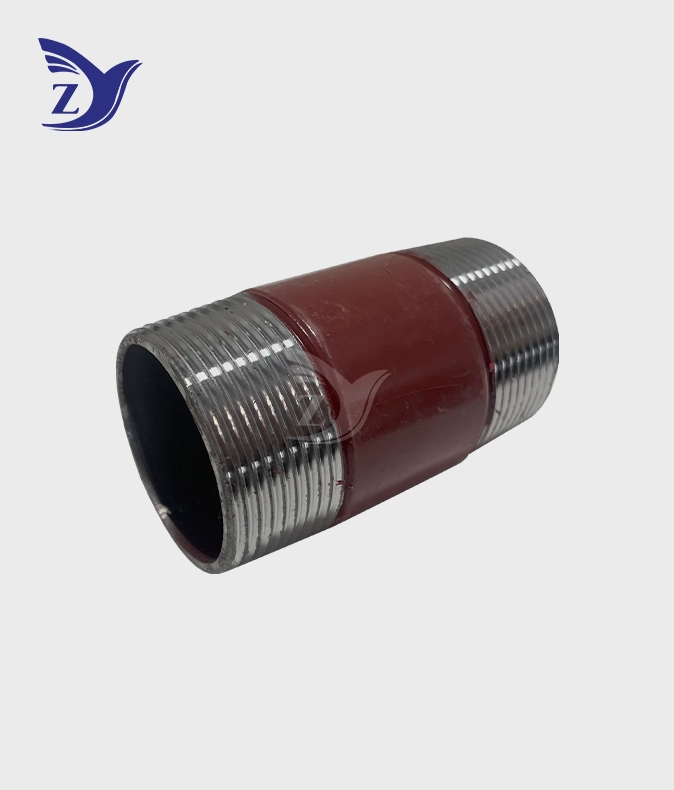
Carbon Steel Pipe Male Threaded Fittings Red Coated
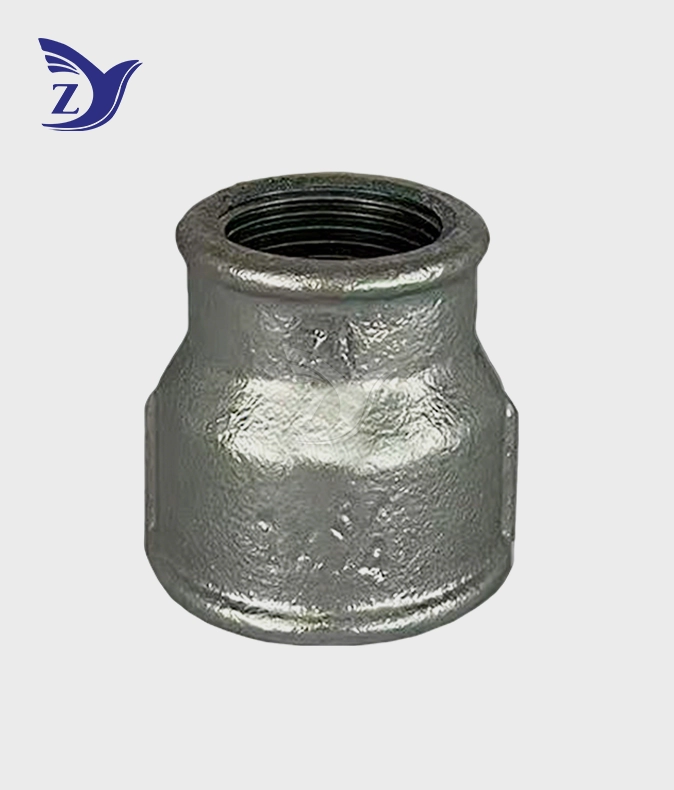
BSPT Round Face Galvanized Round Edge Reducing Coupling Pipe Fittings
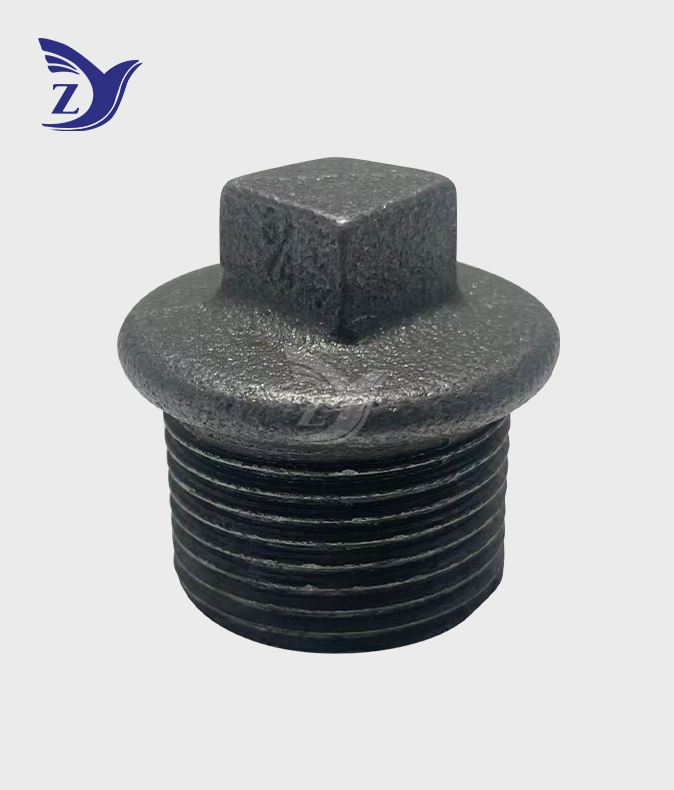
NPT Black Flanged Plug Pipe Fittings
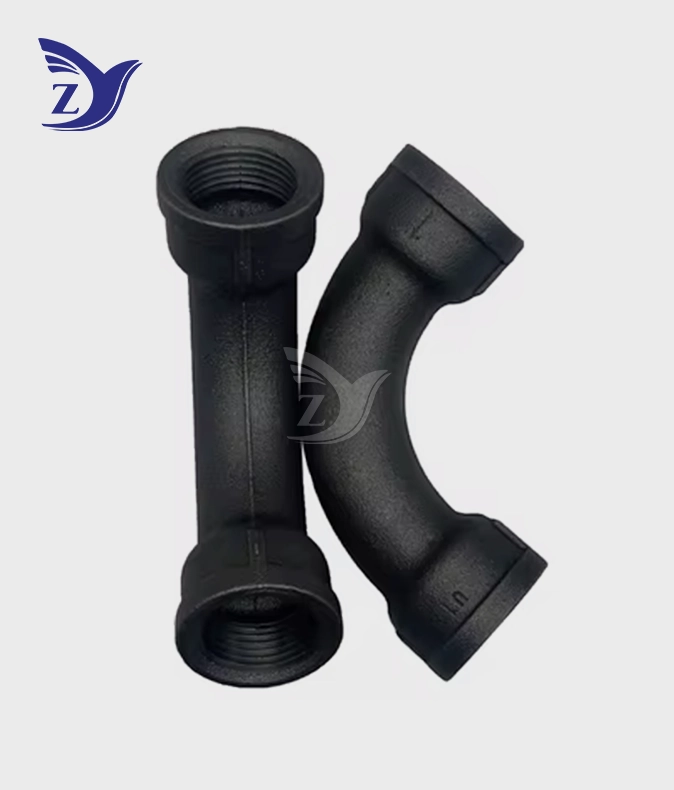
BSPT Black FxF 90° Long Bend Malleable Iron Pipe FittingsFittings
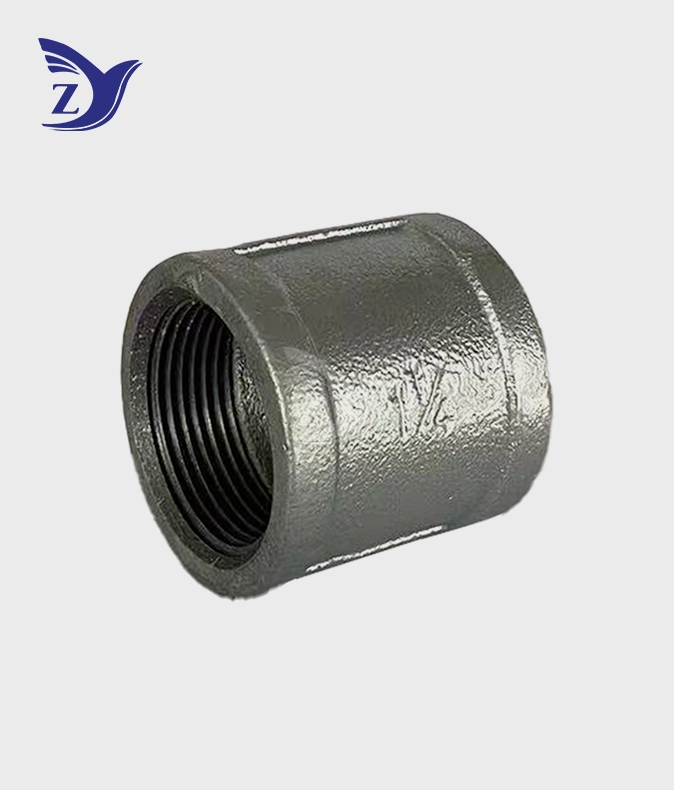
BSPT Square Face Galvanized Square Edge Coupling Pipe Fittings
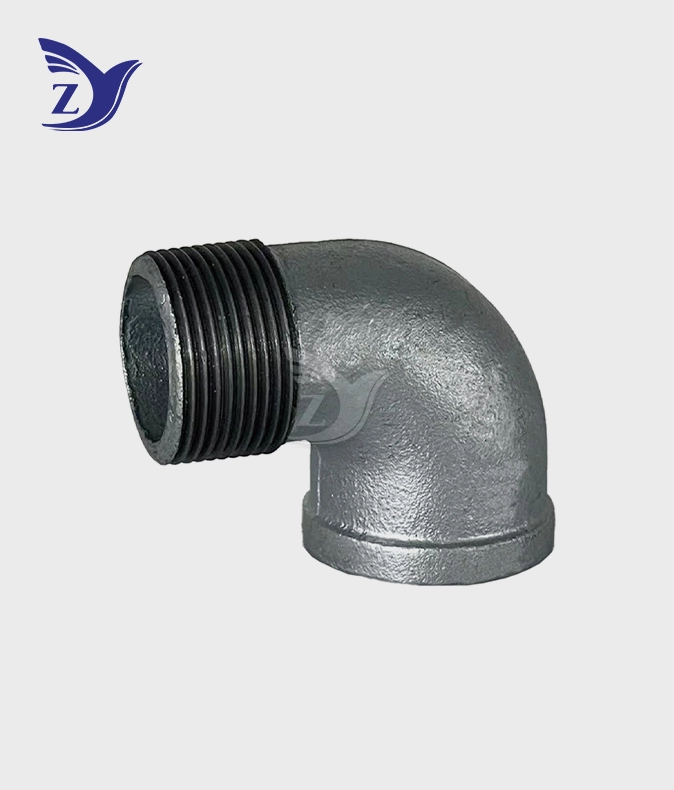
NPT Square Face Galvanized 90° Male Female Threaded Elbow Pipe Fittings
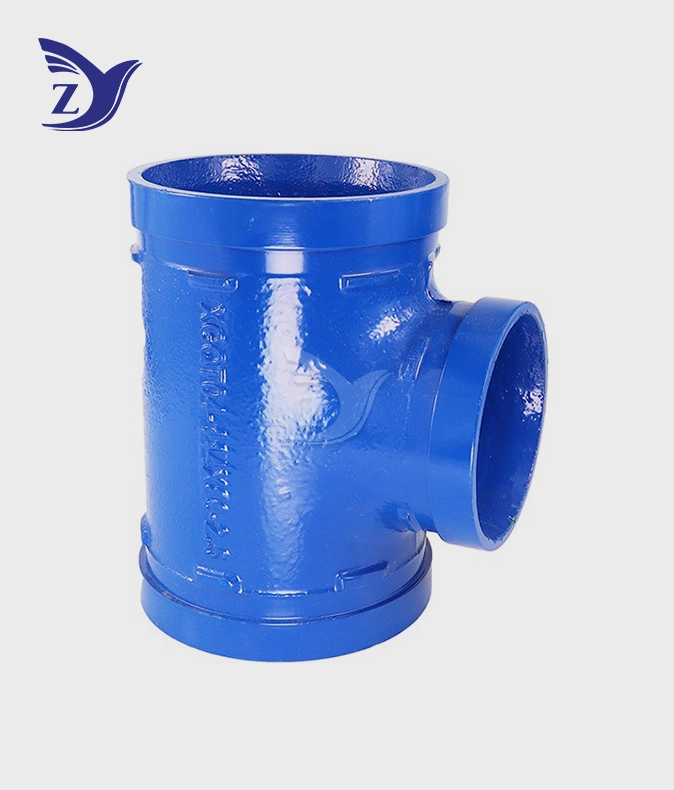
Water Grooved Straight Tee
Fire Grooved 45° Elbow