
Jun 26, 2026
Is Galvanized Live Joint Elbow Rust Resistant For Wet Industrial Environments?
Any project engineer who has to choose pipe fittings for wet industrial settings thinks a lot about how resistant they are to rust. NPT galvanized union elbow threaded pipe fittings with male and female ends offer good rust protection through hot-dip galvanization processes that attach zinc metal-wise to iron bases that are easy to shape. This zinc layer, which is about 86 microns thick on average, works as a protective shield that oxidizes first, so water can't attack the iron below. With its detachable union mechanism, the live joint design makes it possible to take them apart and put them back together without rotating the pipes. This makes them very useful in tight areas where repair access is limited. Even though galvanized union elbows can rust after being exposed to harsh conditions for a long time, they do so much better when they are put correctly and upkeep procedures are followed. These pipes are strong, won't rust, and can be easily serviced. This makes them a good choice for fire sprinkler systems, city water supply, HVAC installs, and industrial process piping in damp buildings.
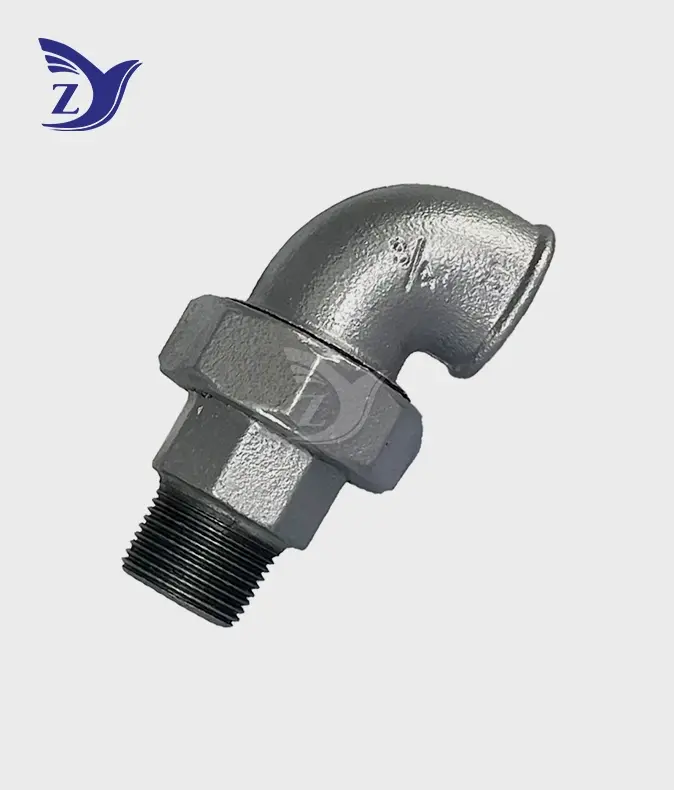
Galvanized Live Joint Elbows in Wet Industrial Settings
What Makes NPT Threaded Union Elbows Different
One thing that makes steel union elbows unique is that they have two threads on each side. In what is often called a "street" arrangement, one end has external (male) threading and the other end has interior (female) threading. When linking directly to equipment ports, this design gets rid of the need for intermediate nipples. This cuts down on possible leak places and installation length. A radial ground joint is built into the union mechanism. This lets the upstream and downstream parts be separated without affecting the connections next to them. This is an important feature for repairing pumps, valves, or instruments in operating systems.
The Galvanization Process and Corrosion Protection
When iron castings are heated to about 450°C and dipped in molten zinc, an intermetallic alloy layer is formed that is linked to the main material. This method, which follows ASTM A153 rules, makes coatings that are much thicker and last much longer than electroplated options. The zinc patina that forms on metal surfaces protects them passively and heals small scratches on its own through galvanic action. This sacrificed protection makes things last longer in wet industrial settings like cooling towers, outdoor plumbing connections, or installations near the coast compared to painted or bare iron treatments.
Material Specifications and Pressure Ratings
NPT galvanized union elbow threaded pipe fittings with male and female ends are made from malleable iron that meets ASTM A197 standards. They have a tensile strength of more than 40,000 psi and can withstand installation stress and heat shock. Most pressure rates are Class 150, which means they can handle 150 psi of full working pressure or 300 psi of service for water, oil, and gas. The ASME B1.20.1-defined NPT taper thread profile creates mechanical binding through thread side interference. This, along with the precision-ground union seat, makes sure that liquids and gases can't get in or out without using sealant compounds.
Here are some of the main material benefits that these pieces bring to tough situations:
High mechanical strength: Unlike brittle gray iron options that break under stress, malleable iron building can handle pressure during installation without breaking. When making ductile iron, the annealing process changes rigid carbon structures into nodular graphite. This makes the iron more resistant to impact, which is important for field assembly where overtightening can happen.
Corrosion-resistant coating: When the zinc layer mixes with water in the air, it forms zinc carbonate, a solid substance that stops oxidation from happening again. If you check galvanized parts on a regular basis and touch up coats where mechanical damage happens, they will last for decades in wet or splash-zone conditions.
Serviceability without system shutdown: The union nut lets you disconnect sections of pipe to repair or check equipment while keeping other parts of the system intact. This feature greatly lowers the costs of downtime in factories that need to keep running all the time for economic reasons.
These material features work together to solve common problems in areas like fire safety, local water distribution, and industrial fluid handling, where total cost of ownership is based on how reliable and easy to keep the system is.
Rust Resistance Challenges in Wet Industrial Environments
Environmental Factors Accelerating Corrosion
Moisture alone does not always cause zinc fittings to break. Conditions that are hostile are those with continuous wetness, high chloride levels, pH changes, and plenty of air. Facilities near the coast have to deal with air that is full of salt that gets into thread holes where water builds up and concentrates toxic salts. Fittings in chemical processing plants may be exposed to acidic vapors below pH 5.0, which quickly wears away zinc coats. Even city water systems with harsh water chemistry (low pH, high dissolved oxygen) can speed up zinc use rates beyond what was planned.
Installation Errors That Compromise Protection
Long-term rust protection is directly affected by how well the NPT galvanized union elbow threaded pipe fittings with male and female ends are put together. When you overtighten male threads, you can damage the zinc coats and crack the pliable iron body, which lets water in. On the other hand, not enough torque leaves holes where crevice rust can start. During assembly, the orientation of the male and female ends must be checked. Installing them backwards causes threads to join in ways that aren't suitable, which stops the seal from working properly and causes stress to build up. Thread seals with reactive chemicals can chemically attack zinc, so it's important to check that they are compatible with the coating's requirements.
Ensuring Long-Term Performance and ROI with Galvanized Union Elbows
Testing Protocols for Rust Resistance Validation
Industry-standard methods scientifically measure corrosion resistance, giving you confidence in your choice of fittings based on data. In ASTM B117 salt spray testing, samples are put through a constant fog of sodium chloride solution, which mimics years of exposure to the coast in a shorter amount of time. Samples should last at least 500 hours without corroding the base metal. Testing coats in a humidity room with 95% relative humidity and high temperatures puts them under a lot of stress when the humidity drops. Pressure testing confirms that the structure is still solid after being exposed to the elements, showing that rust has not damaged the material strength. Reputable makers do these validations on a regular basis and make test results available to buying teams that are looking at competing goods.
Installation Best Practices for Corrosion Mitigation
When you put something correctly, the service life goes well beyond what the maker says it should. Clean the threads of any debris and grease them with suitable PTFE tape or approved pipe dope. Three to four wraps of tape applied in the direction of tightening stop the threads from bunching. Tightening to the torque values stated by the maker with calibrated wrenches keeps coatings and castings from being damaged by too much stress. The union nut needs to be hand-tightened and then snugged up with a wrench until metal-to-metal contact at the ground joint. Too much force will damage the seat, which will make sealing less effective. Supporting pipes properly stops stress from being transferred to fittings from temperature changes, vibrations, or mechanical loads. High stress levels speed up the start of cracks and the failure of coatings. Painting uncovered parts with suitable topcoats in places that are especially corrosive adds an extra layer of protection, but the surface must be properly prepared before the paint can stick.
Emerging Coating Technologies and Market Trends
Advanced galvanization methods that use zinc baths with aluminum and magnesium metals create coats that are more resistant to corrosion in some settings. In return for longer passive barrier performance, these Galfan and Galvalume coatings give up some of the cathodic protection that a standard zinc coating has. When you put powder coating over galvanized surfaces, the zinc acts as a sacrifice for protection, and the polymer walls stop chemical attack and mechanical wear. As the cost of upkeep labor goes up, the NPT galvanized union elbow threaded pipe fittings with male and female end market wants longer service life promises. This is what drives the adoption of premium coating systems, where lifetime cost analysis supports higher starting prices. Purchasing teams that keep an eye on these changes put their companies in a good situation to take advantage of new ideas that lower the total cost of ownership while making systems more reliable.
Conclusion
If you choose, install, and take care of galvanized live joint elbows the right way, they will not rust in wet industrial settings. The hot-dip zinc coating protects against corrosion and stretches the product's useful life compared to options that aren't coated. The detachable union design makes it easier to do repairs in setups with limited room. To make sure long-lasting performance, the application needs to match the material's strength, pressure grade, and thread standard. When you look at galvanized valves next to brass and stainless steel options, you can see that they are more cost-effective and work better for most industrial water, air, and suitable fluid systems. To successfully procure something, you need to make sure that the seller is qualified, that their certifications are valid, and that you know how external factors affect corrosion rates. The way something is installed and how often it is inspected decide whether the expected service life is met or if it fails before its time. Galvanized union elbows are still important parts of fire protection, public infrastructure, and industrial pipe systems in damp places, even as coating technologies change and customers expect higher levels of dependability.
Partner with Zhiyuan Malleable Steel for Reliable Pipeline Solutions
Since 2006, Zhiyuan Malleable Steel has been a leader in manufacturing high-quality precision-engineered galvanized union elbows. They supply industrial-grade pipe fittings to fire protection contractors, local engineering firms, and foreign distributors. Our yearly production capacity of 30,000 tons makes sure that NPT galvanized union elbow threaded pipe fittings with male and female ends are always available. These fittings are backed by ISO 9001, CE, UL, and FM certifications that meet strict project requirements. As a major supplier in the malleable steel business in Shanxi Province, we keep a large stock of common configurations and can deliver them within two hours. For unique needs, we also offer ODM/OEM customization. During the procurement and installation steps, our technical team helps with application support, material compliance paperwork, and spec advice. Our policies for replacing broken products and double-layer protective wrapping show that we care about our customers and the quality of our products. You can talk to our buying specialists at q1236800000@gmail.com about the needs of your project, ask for approved test reports, or get cheap quotes on large orders. Check out our full line of products at zymalleablepipefitting.com and see why engineering teams all over North America trust Zhiyuan Malleable Steel for their most important plumbing systems.
FAQ
Can galvanized union elbows be reused after disassembly?
Standard threaded connections wear out after each tightening cycle, but the union device can be put together and taken apart many times without losing its closing ability. If you handle it the right way, the ground-joint seat will stay in place through multiple connection rounds. After taking the fitting apart, check the threads and seating surfaces. If mechanical damage or major rust is seen, the fitting should be replaced. When putting things back together, use new thread glue to make sure the seal stays strong.
What thread sealant should be used on galvanized fittings?
For NPT holes, PTFE tape or pipe dope made to work with metal surfaces is a reliable choice. Stay away from sealants that have chemicals in them that react with zinc coats and could speed up rusting. When it is properly made and put together, the union ground-joint seat usually doesn't need any sealant. When tightening, put oil on the threads to stop galling and get the right torque values without hurting the coats.
How does the male-female configuration benefit installation?
When attaching to equipment ports, the street design with external male threading on one end and internal female threading on the other gets rid of the need for middle nipples. This shortens the total length of the connection, cuts down on leak spots, and makes it easier to put together in tight areas. For the asymmetric design to work, it needs to be carefully specified to meet system needs. Before you buy, make sure you know which end direction your application needs.
References
- American Society of Mechanical Engineers. (2020). ASME B1.20.1: Pipe Threads, General Purpose (Inch). New York: ASME Standards.
- ASTM International. (2019). ASTM A197: Standard Specification for Cupola Malleable Iron. West Conshohocken: ASTM International.
- ASTM International. (2021). ASTM A153: Standard Specification for Zinc Coating (Hot-Dip) on Iron and Steel Hardware. West Conshohocken: ASTM International.
- National Fire Protection Association. (2022). NFPA 13: Standard for the Installation of Sprinkler Systems. Quincy: NFPA Publications.
- Revie, R. W., & Uhlig, H. H. (2008). Corrosion and Corrosion Control: An Introduction to Corrosion Science and Engineering (4th ed.). Hoboken: John Wiley & Sons.
- Zinc Development Association. (2018). Hot Dip Galvanizing for Corrosion Protection of Steel Products. London: International Zinc Association.
Online Message
YOU MAY LIKE
High quality furniture manufacturer
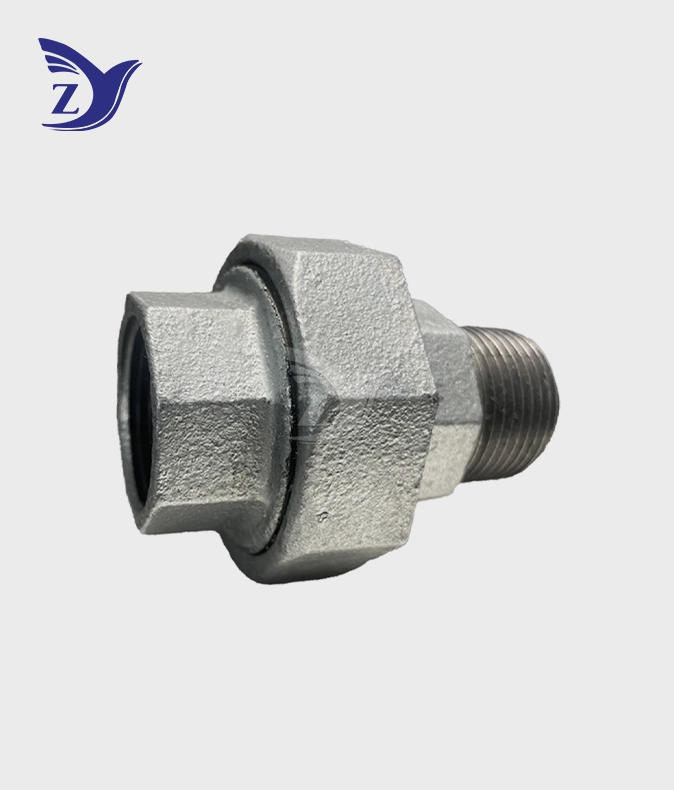
NPT Galvanized Male Female Threaded Union 331 Pipe Fittings
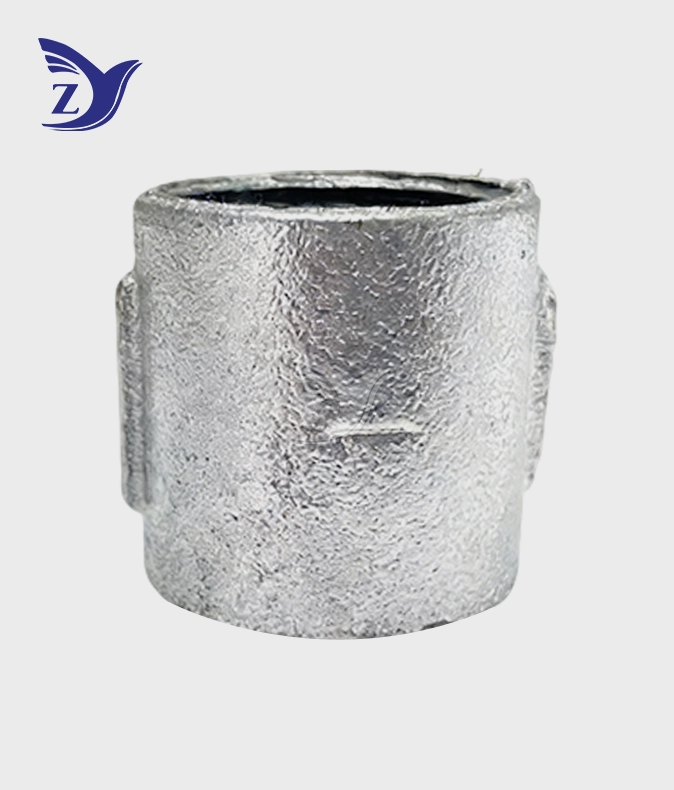
No Hub Hot Dip Galvanized Coupling Pipe Fitting
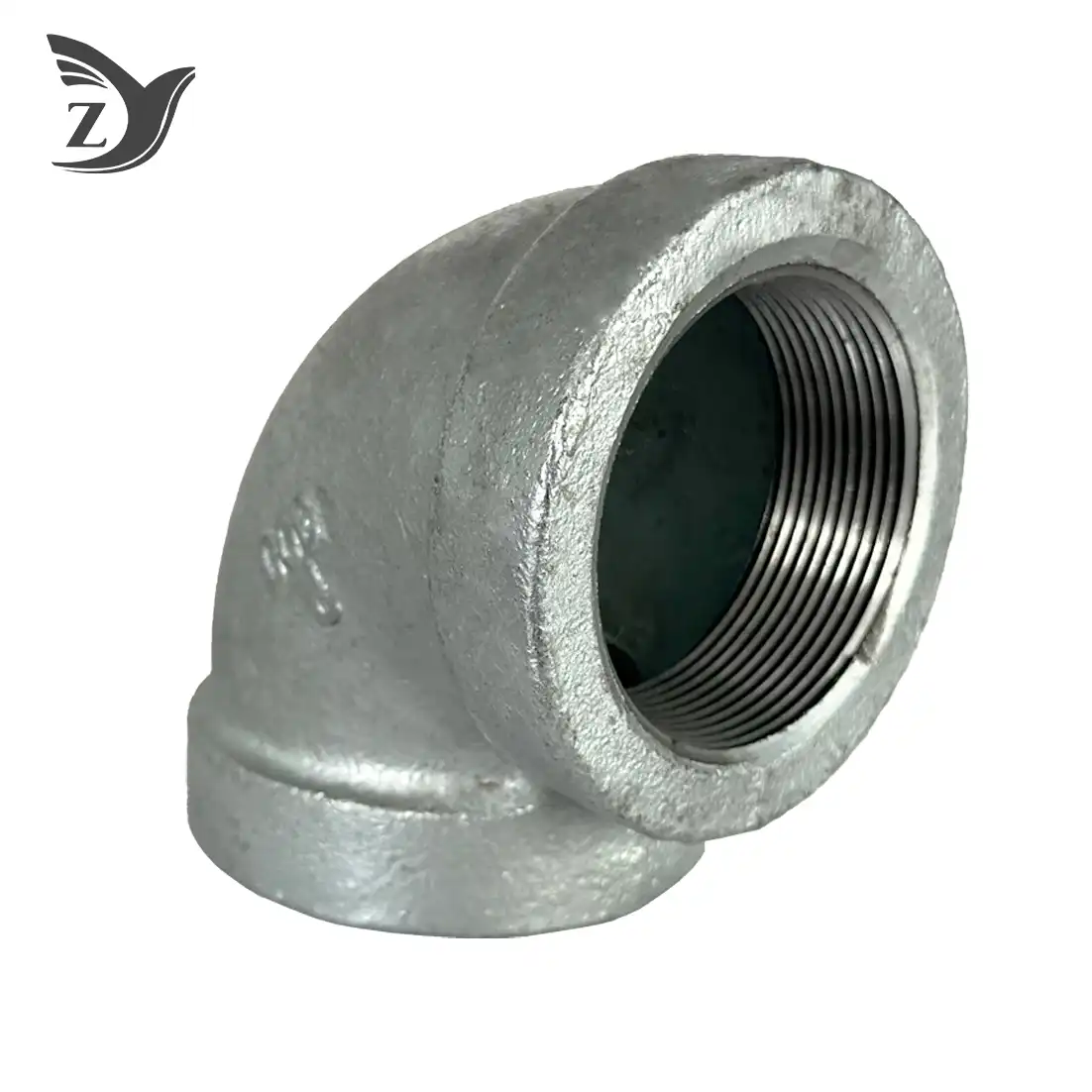
Class 300 Galvanized 90 Degree Malleable Iron Elbow
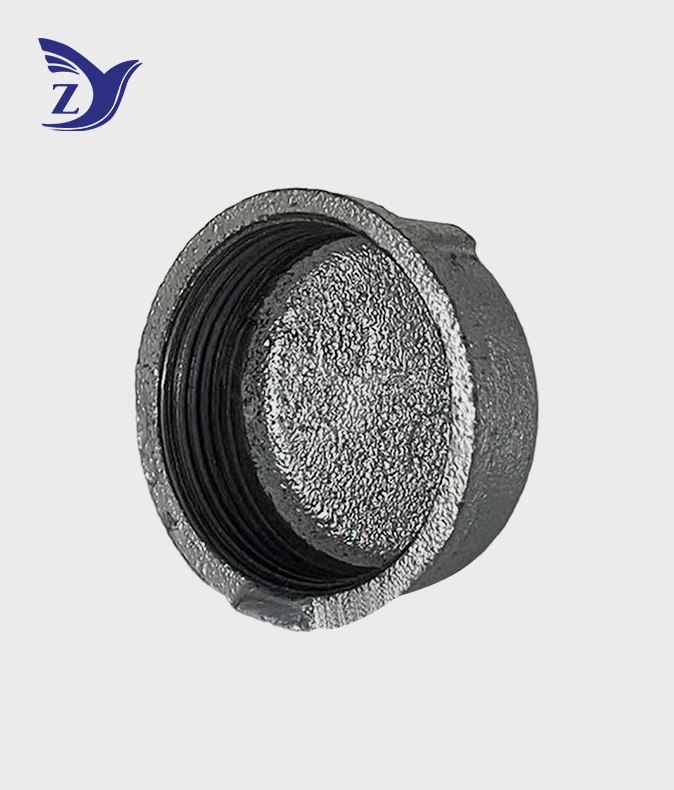
NPT Galvanized Pipe Cap Pipe Fittings
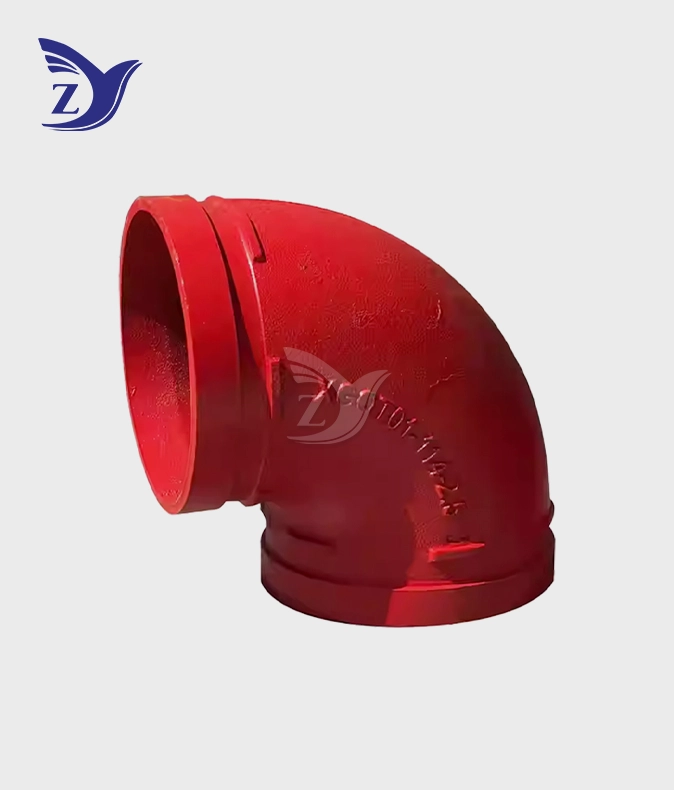
Fire Grooved 90° Elbow
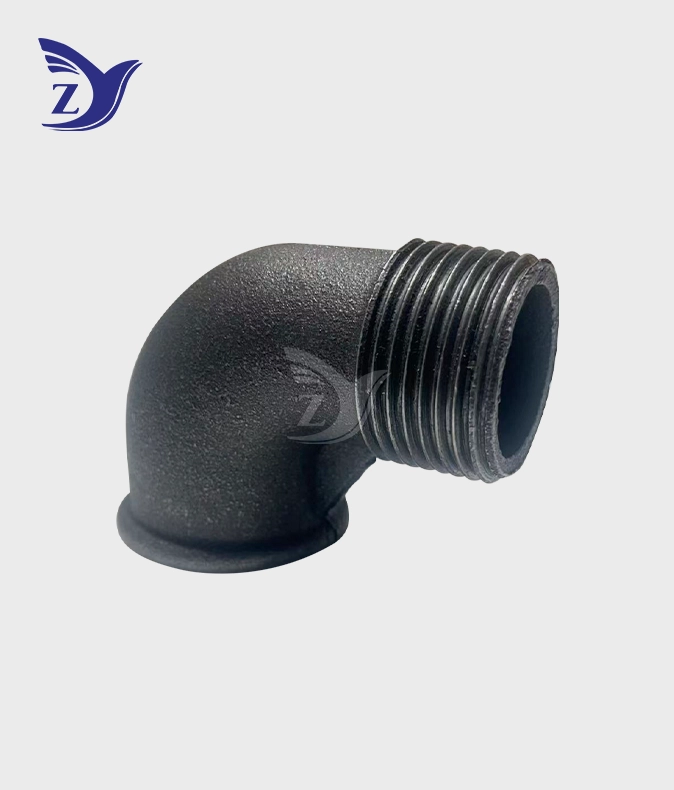
NPT Black Round Face Male-Female 90° Elbow Pipe Fittings
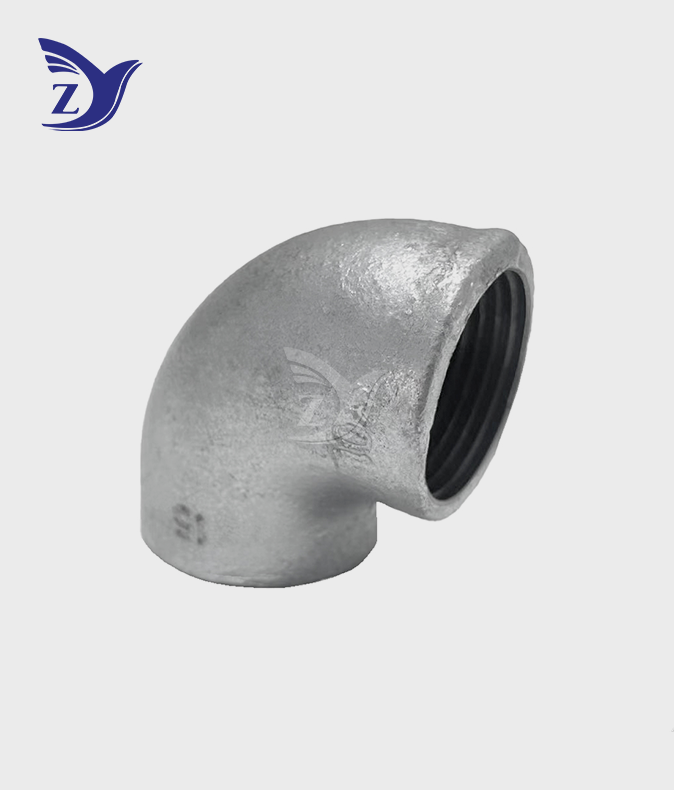
No Hub Hot Dip Galvanized 90° Elbow Pipe Fitting
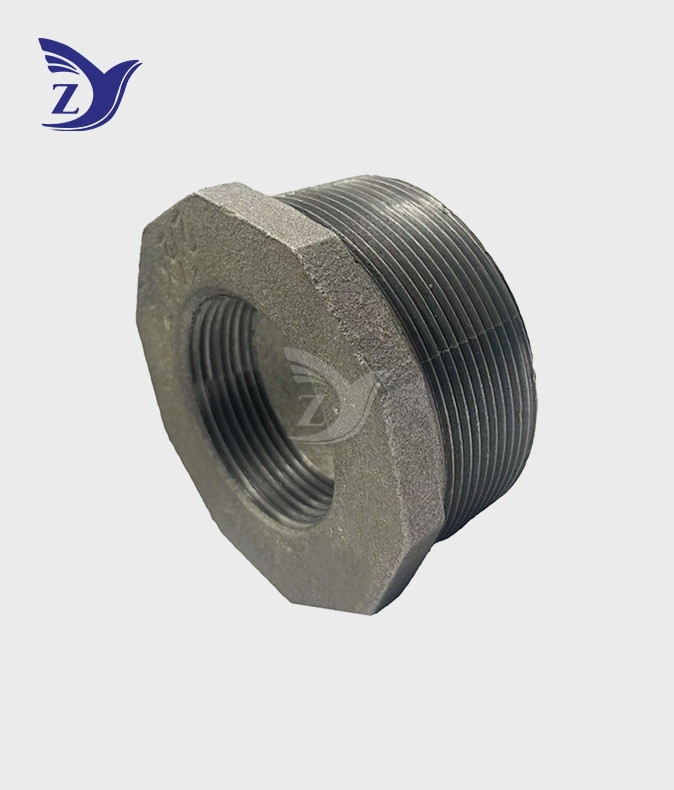
BSPT Black Malleable Iron Bushing