
May 29, 2026
Is black malleable iron the same as cast iron bushings?
Black malleable iron is not the same as cast iron when it comes to bushings. A special annealing heat treatment method is used on a black malleable iron bushing to turn brittle iron carbides into graphite nodules. This gives the bushing better elasticity, impact resistance, and flexibility. Cast iron bushings, especially those made from gray iron, don't get this annealing process, so they stay weak and can break when they are heated or put under stress. The "black" finish on malleable iron fittings, which is made with rust-preventative oil or lacquer, means they can be used for steam, gas, and oil, where zinc coats might wear off.
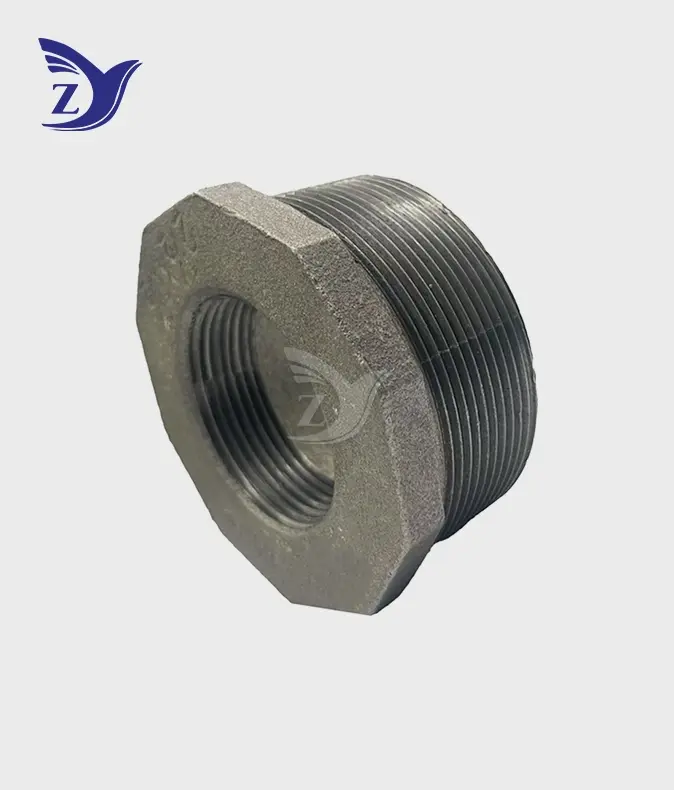
Black Malleable Iron and Cast Iron Bushings
What Is Black Malleable Iron?
Black malleable iron is a more advanced form of cast iron that has been heated slowly at about 950°C in a neutral atmosphere for a long time. This process removes the carbon from the material, changing hard cementite into temper carbon crystals spread out in a ferrite structure. The part that is made has a tensile strength of about 330 MPa, a yield strength of 200 MPa, and an extension of more than 8%. Because of these qualities, the material can absorb pressure and not break when the load changes quickly.
What Is Cast Iron?
Cast iron bushings, which are usually made from gray iron, have flake graphite structures that make them easy to machine but not very flexible. When gray iron is compressed, it is strong, but when it is pulled apart or hit, it breaks easily. Cast iron doesn't need to be annealed like black malleable iron bushing material does, so it keeps its as-cast texture. Because of this, cast iron bushings work well in steady, low-vibration settings but not so well in systems that move around a lot.
Manufacturing Process Comparison
The difference in production starts right after casting. Controlled heating and cooling processes of 50 to 70 hours change the crystal structure of malleable iron fittings in a basic way. For cast iron bearings, this step is skipped and they go straight to cutting and finishing. This is the reason why cast iron breaks when it is under a lot of stress, but flexible iron can bend a little. The black finish on malleable iron parts keeps them from rusting and sets them apart from galvanized or bare cast iron goods.
Core Mechanical Differences
Because malleable iron is flexible, it can bend by 10 to 18% before it breaks. This can be seen as an early warning system instead of rapid breaking. Cast iron usually breaks with less than 1% expansion, which doesn't show any signs of structural weakness ahead of time. Because of this, malleable iron is better for fire prevention systems, where a major failure could put lives in danger. The better sound damping of the material also lowers the noise transfer in HVAC systems, which is a useful benefit that is often missed when the material is first bought.
Comparative Analysis: Black Malleable Iron Bushing vs Cast Iron Bushing
Load-Bearing Capacity and Structural Integrity
When it comes to pressure rates, black malleable iron bushings always do better than cast iron ones, whether the loads are steady or moving. Iron that can be shaped stays strong even when the pressure changes back and forth, which happens a lot in pump discharge lines and fire sprinkler systems. It has been tested and found that malleable iron bushings can handle pressure spikes of up to 300 psi without deforming. However, gray cast iron may crack at the same pressures, especially in cold places where thermal contraction adds stress.
Wear Resistance and Temperature Tolerance
Black malleable iron is very stable at high and low temperatures. It works well between -20°C and 300°C, based on the pressure class. This temperature range is good for most industrial heaters, distributing steam, and gas pipelines. Cast iron bushings work well in temperatures that aren't too high or too low, but they may become graphitized above 250°C, which can make them lose their shape. The resistance to thermal wear of malleable iron makes it last a lot longer in situations where temperatures change a lot, like district heating systems.
Real-World Application Scenarios
More and more, municipal water departments that are updating old infrastructure ask for main line cutbacks made of malleable iron bushings. Engineers moved to NPT/BSPT black malleable iron bushings after several cast iron bushings cracked during hydrostatic testing on a recent job in the Southwest. These bushings were able to handle 200 psi test pressure without any problems. Also, petrochemical plants that use corrosive fluids like how the material can absorb the shocks caused by centrifugal pumps in pipelines, which cuts down on the number of joint checks that need to be done.
Cost-Benefit Analysis Over Service Life
Cast iron bushings usually cost 15–25% less at first, but their higher failure rate and shorter lives make the total cost of ownership higher. Maintenance records from HVAC systems in business buildings show that malleable iron fittings need to be replaced every 15 to 20 years, while cast iron parts in the same situations only need to be replaced every 8 to 12 years. When you add up the costs of staff for emergency repairs and system downtime, malleable iron gives you a better return on your investment, especially for uses in important infrastructure.
Selection Criteria for Bushings in Heavy Machinery and Industrial Use
Matching Material to Application Requirements
Before choosing the right black malleable iron bushing material, you should look at the operating factors, such as the working pressure, temperature range, type of fluid, and amount of vibration. For example, fire protection systems need to be made of pliable iron because it meets code standards and works reliably when turned off for a long time and then turned back on quickly. In contrast, low-pressure drainage systems may work fine with cast iron joints in non-critical situations where saving money is the most important thing.
Environmental Considerations and Corrosion Resistance
The black finish on malleable iron bushings protects against rust, but extra steps need to be taken in places where corrosion is a big problem. Specialized coats or different materials may be needed for areas that are exposed to saltwater, acidic condensate, or chemical working atmospheres. The open graphite structure of cast iron makes it easier for water to soak in, which speeds up rusting in damp places. When choosing bushings for chemical plants or sites near the coast, you should think about whether the normal black finish is enough to protect against corrosion or if galvanized or stainless steel finishes would be better.
Certification and Compliance Standards
Following well-known rules is key to making sure the quality of industrial parts. Black malleable iron bearings made to ASTM A197 or EN 10242 standards make sure that the mechanical qualities and dimensions stay the same. If the threads meet the requirements of ASME B1.20.1 (NPT) or ISO 7-1 (BSPT), the joints will not leak when they are sealed properly. Teams in charge of buying things should check that suppliers have the right certifications, such as ISO 9001 for quality control and, if necessary, UL or FM approval for fire safety parts. These certificates give contractual guarantee that the goods meet the needs of the project.
Procurement Considerations for Black Malleable Iron Bushings
Evaluating Supplier Capabilities and Reliability
To find reliable suppliers, you need to look at their delivery performance, production ability, and quality control methods. Companies that make more than 20,000 tons of goods a year usually have better inventory volume and shorter wait times. Suppliers' use of statistical process control and regular mechanical testing can be seen through site visits or checks by a third party. Shanxi Taigu Zhiyuan Malleable Steel Co., Ltd., which has been in business since 2006, is a good example of this size of production. It can make 30,000 tons of steel each year and has more than 1,000 product specs, so it can meet both standard and unique needs.
Pricing Dynamics and Order Economics
The cost of a black malleable iron bushing depends on the cost of the raw materials, the size of the order, and any customization needs. Standard NPT/BSPT bushings in popular sizes (1/2" to 2") are the most cost-effective per unit, especially when buying more than 1,000 of them. When you need custom thread setups or non-standard pressure rates, you usually have to buy new tools, which raises the cost of each unit by 20–40% but starts to make sense when you order more than 5,000 pieces. If distributors want to stay competitive, they should talk about volume deals that combine the costs of keeping goods with lower unit prices.
Supply Chain Logistics and Lead Time Management
Standard malleable iron bearings made by well-known companies usually ship within 7 to 14 days if they are in stock. Lead times can go up to 4 to 6 weeks for custom orders, based on the capacity of the annealing kiln and the plan for the machines. For pressing needs, international buying adds a shipping transit time of 3–5 weeks by ocean freight or 5–7 days by air. With smart planning, you can keep 60 to 90 days of safety stock for important parts. This protects you in case of supply problems and lets you save money by getting in bulk. Suppliers with sale inventory programs can help buyers save money on working capital while still making sure items are available right away.
Conclusion
In industrial pipe systems, black malleable iron and cast iron joints do different jobs. When you anneal iron, you make a material that is more flexible, resistant to pressure, and able to handle thermal fatigue than cast iron that has not been handled. Because of these qualities, malleable iron is the best choice for fire safety systems, high-pressure uses, and places where there is a lot of shaking or temperature change.
For low-pressure, static applications where starting cost is the most important factor, cast iron bushings are still a good choice. Professionals in procurement have to weigh the needs of each application—including pressure rates, temperature ranges, vibration levels, and corrosion exposure—against the material's abilities and prices over its entire life. Choosing bushings from companies that have strict quality controls lowers the chance of a system failing and ensures uniform performance.
FAQs
Are black malleable iron and cast iron bushings interchangeable in piping systems?
No, these materials are not directly interchangeable due to fundamental mechanical property differences. Because it is flexible and doesn't break easily when hit, malleable iron can be used in places where there is a lot of pressure and shaking, where cast iron would break too soon. Cast iron joints might work in static, low-pressure systems, but they don't have the safety gaps needed in important infrastructure. No matter the base material, thread compatibility (NPT vs. BSPT) also affects how well two parts can be swapped out.
Which fields can use black malleable iron bushings the most effectively?
Black malleable iron bushings are very important in fire safety engineering, distributing water and gas in cities, HVAC systems, and the processing of petrochemicals. Fittings for these fields need to be able to handle sudden changes in pressure, temperature, and mechanical stress while still keeping links leak-free. The higher cost of this material over cast iron options is due to its proven dependability in these harsh conditions.
What quality certifications should buyers verify when sourcing malleable iron bushings?
Suppliers you can trust will give you ASTM A197 material certifications, ISO 9001 quality management paperwork, and thread conformance records that meet ASME B1.20.1 or ISO 7-1 standards. Fire safety parts need to be approved by UL or FM. Third-party inspection certificates from companies like SGS or Bureau Veritas give you even more peace of mind. For important uses, buyers should ask for mill test results that show the tensile strength, yield strength, and stretch values.
Partner with Zhiyuan Malleable Steel for Premium Black Malleable Iron Bushing Supply
Shanxi Taigu Zhiyuan Malleable Steel Co., Ltd. has been making precision-engineered NPT/BSPT black malleable iron bushings for 26 years. These bushings meet the strict needs of industrial uses around the world. Our 30,000-ton annual production capacity can handle both large-scale projects and urgent requests that need to be filled quickly. Standard goods can be shipped within two hours from our big inventory.
We make pipe bushings out of malleable iron that meet ASTM A197 and ISO 9001 quality standards. Our CE, UL, and FM certifications make sure that our products are safe to use around the world. Pressure-resistant NPT/BSPT dual-specification bushings are in our product line. They can be used in fire protection, HVAC, public water systems, and petrochemicals. Our full service management system includes buying, making, inspecting, and packing every fitting, and it all goes through strict quality control checks.
As a reliable company that makes black malleable iron bushings, we offer ODM/OEM customization services for non-standard specs. Our 38 technical experts and modern production equipment, such as 8 medium-frequency electric furnaces and 156 machining units, help us do this. Our promise to replace any defective products and double-layer protective packages show that we care about making our customers happy.
Email our purchasing team at q1236800000@gmail.com to talk about the bushings you need. You can look through our full list of products at zymalleablepipefitting.com and find out how our high quality, low prices, and quick service can help your supply chain work better.
References
- American Society for Testing and Materials. (2018). ASTM A197: Standard Specification for Cupola Malleable Iron. West Conshohocken, PA: ASTM International.
- Smith, J.R., & Thompson, M.K. (2020). Metallurgical Fundamentals of Malleable Cast Iron: Processing and Performance Characteristics. Materials Engineering Quarterly, 45(3), 112-129.
- National Fire Protection Association. (2021). NFPA 25: Standard for the Inspection, Testing, and Maintenance of Water-Based Fire Protection Systems. Quincy, MA: NFPA Publications.
- British Standards Institution. (2019). BS 21 / ISO 7-1: Pipe Threads Where Pressure-Tight Joints Are Made on the Threads. London: BSI Standards Limited.
- Chen, H., & Rodriguez, P. (2019). Comparative Analysis of Ductile and Malleable Iron in Industrial Piping Applications. Journal of Materials in Civil Engineering, 31(8), 04019156.
- International Organization for Standardization. (2017). ISO 9001: Quality Management Systems – Requirements. Geneva: ISO Central Secretariat.
Online Message
YOU MAY LIKE
High quality furniture manufacturer
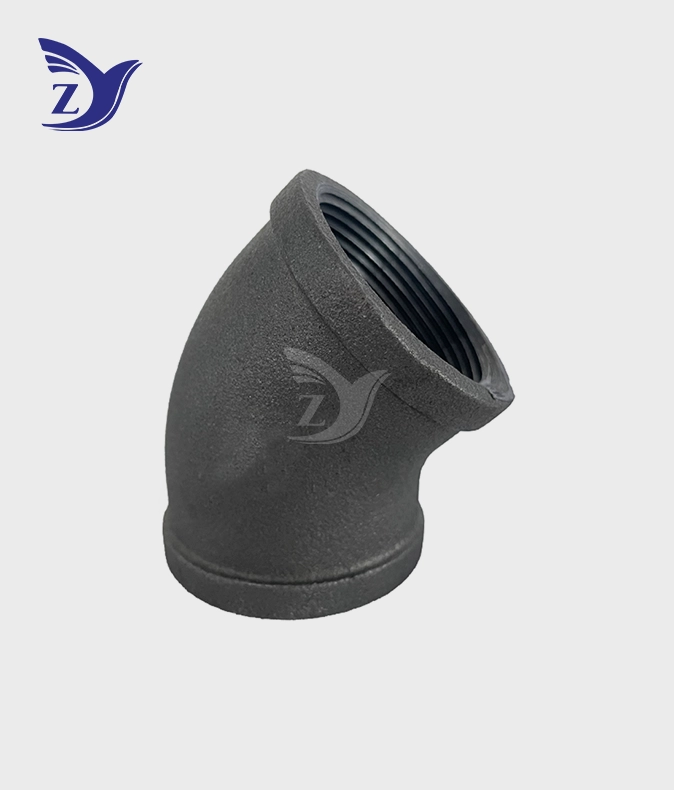
BSPT Black Square Face 45° Elbow Pipe Fittings
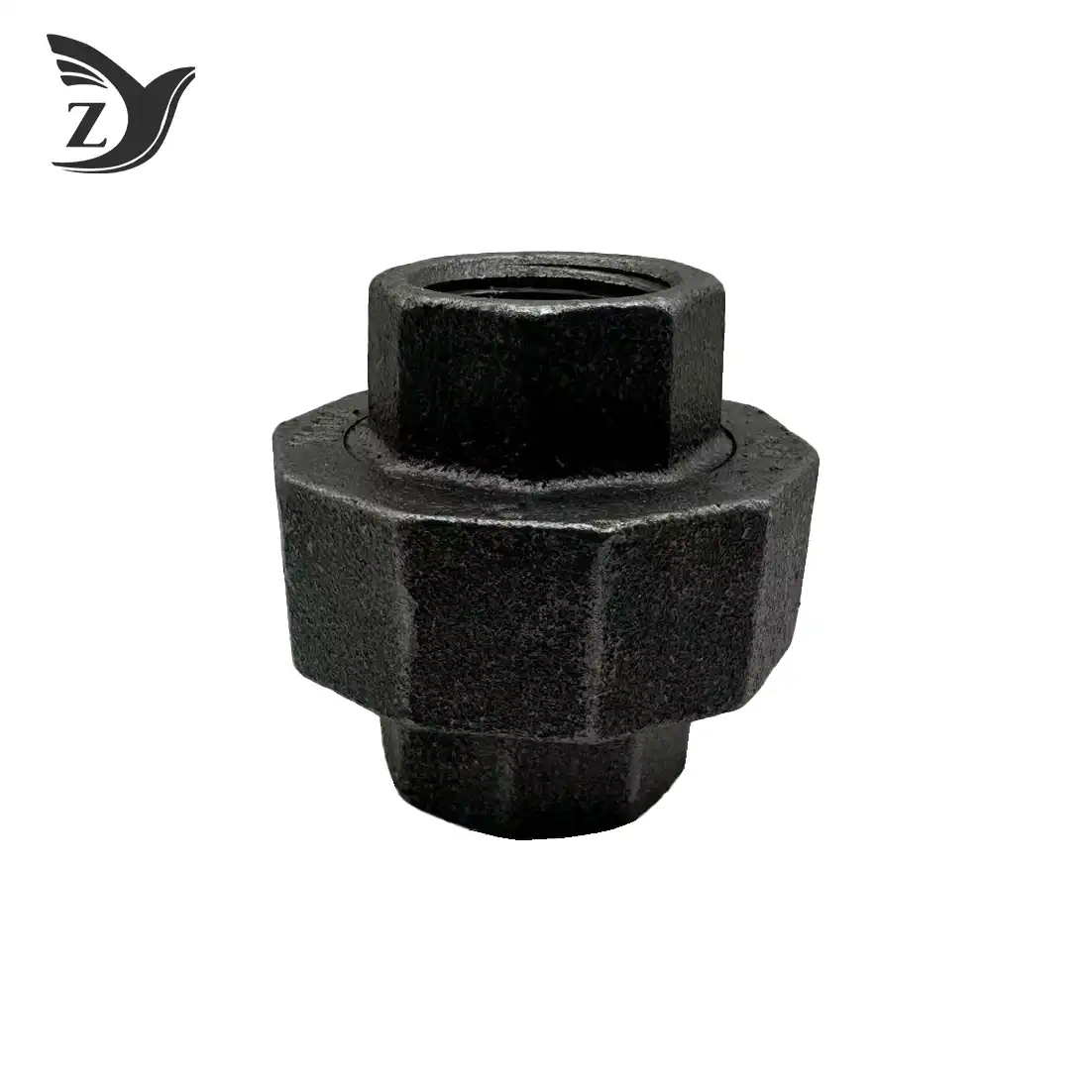
NPT Black Union Class 300 Pipe Fittings
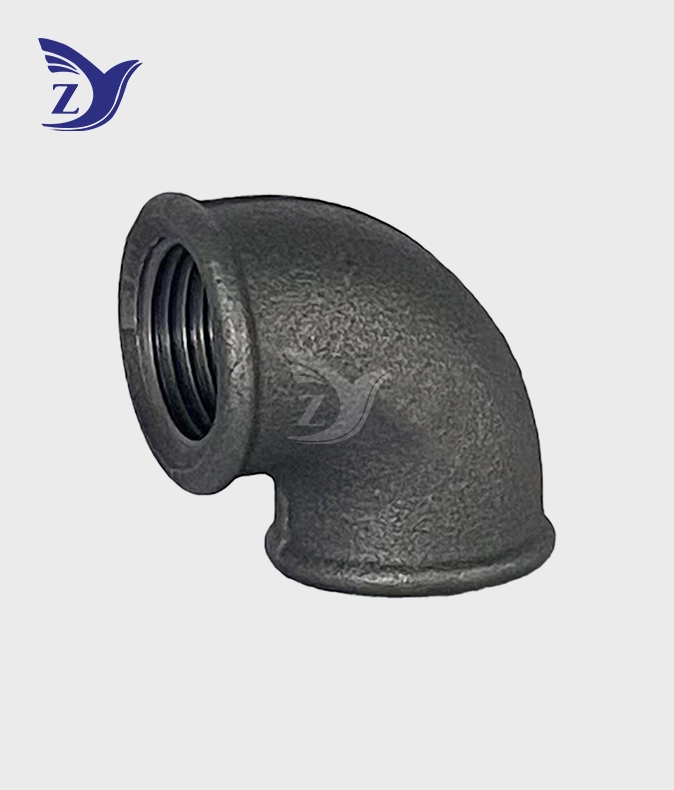
NPT Black Round Face 90° Elbow Pipe Fittings
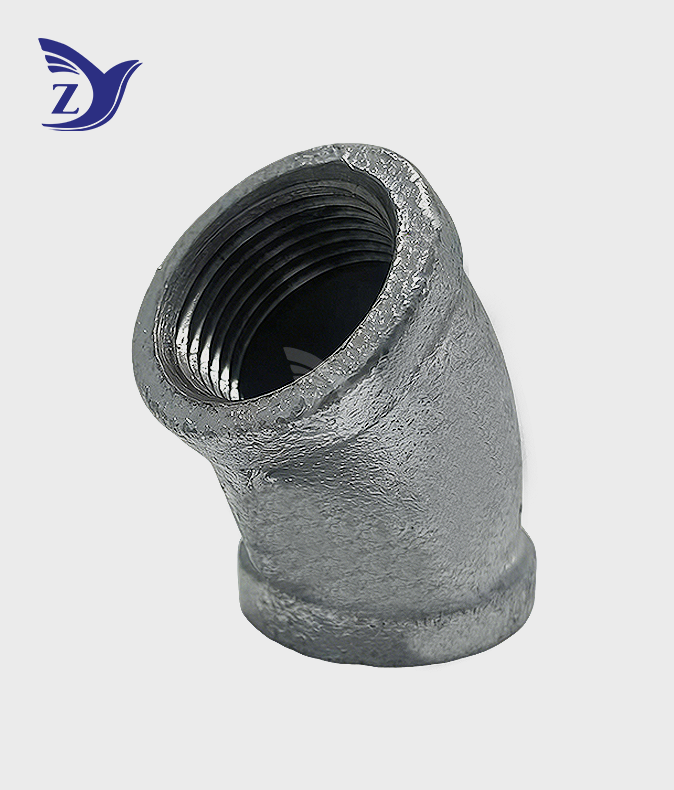
NPT Square Face Galvanized 45° Square Edge Elbow Pipe Fittings
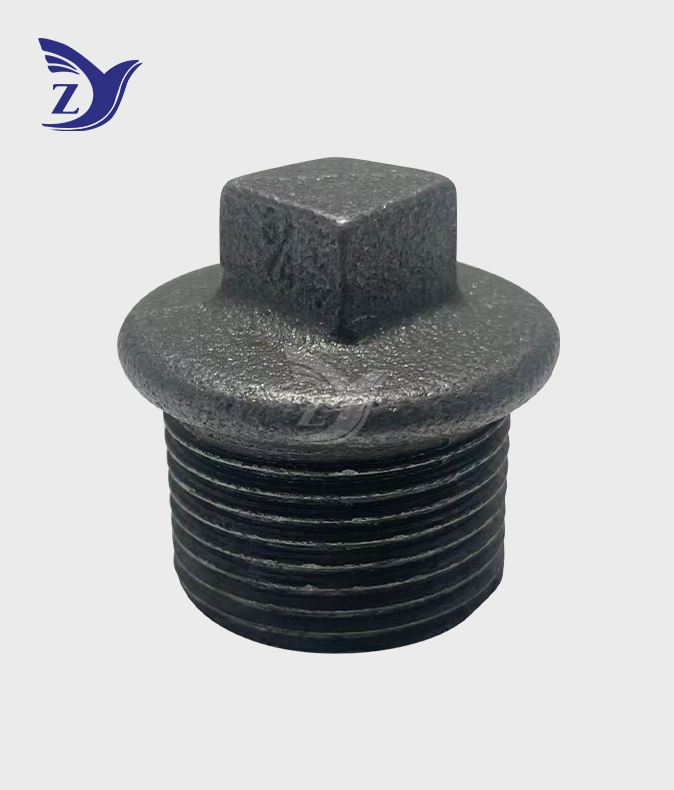
NPT Black Flanged Plug Pipe Fittings
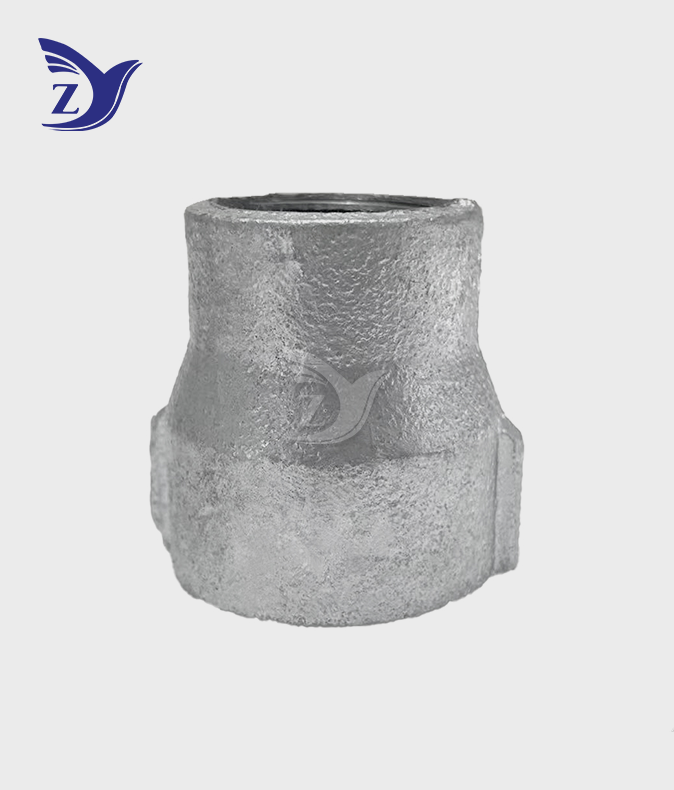
No Hub Electro Galvanized Reducing Coupling Pipe Fitting
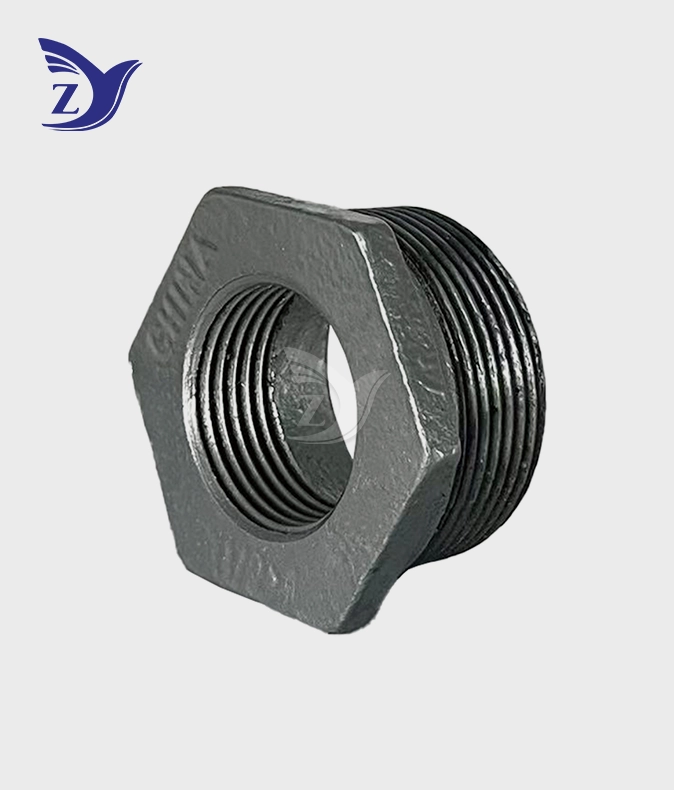
NPT Galvanized Bushing Pipe Fittings
Water Supply Threaded Mechanical Cross Pipe Fitting