
Apr 25, 2026
How to properly seal a thread square edge reducing street coupling pipe fittings to prevent leaks?
It takes a lot of planning and work to properly seal a First, the threads are cleaned and inspected carefully. Next, compatible sealants are chosen. PTFE tape or pipe dope that is right for the pressure and temperature of your system are usually used. Starting with the second thread, evenly apply sealant. Hand-tighten the coupling while making sure it is aligned correctly, and then finish the installation using the recommended torque values. The square edges on these NPT/BSPT fittings make them easy to hold with a wrench. However, choosing the right material, applying it correctly, and testing for leaks regularly after assembly are all important for long-lasting leak prevention.

Understanding Thread Square Edge Reducing Street Couplings
Core Design Characteristics
These thread square edge reducing street coupling pipe fittings are unique engineering solutions that meet multiple functional needs in a single piece. The "street" configuration has one male threaded end and one female threaded end, while standard couplings have female connections at both ends. This setup gets rid of the need for extra nipples when pipe runs need to be extended or shortened. This makes installations easier in tight spaces like mechanical rooms and valve manifolds.
Material Properties and Standards Compliance
Controlled annealing processes turn brittle white cast iron into high-strength malleable iron that can be worked and is good for precision threading. The fittings that were made can work with both NPT (National Pipe Taper) threads according to ANSI/ASME B1.20.1 and BSPT (British Standard Pipe Taper) threads. This means that they can be used everywhere, even in places with different piping standards. The geometry of the thread has a 1:16 taper, which makes interference fits that get tighter as the assembly goes on. This mechanical sealing mechanism works with chemical sealants to make sure there are no leaks.
Application Environments
These long-lasting pipe couplings are used a lot in municipal water treatment plants because they are made to last and can handle being exposed to chlorinated water all the time. They are used in petrochemical plants for process pipes that need to be accessed for maintenance often. The square edge design makes it easy to take them apart and put them back together quickly during turnarounds. When installing sprinkler drops, fire protection contractors depend on them to be reliable. If a leak happens, it could put life safety systems at risk during critical incidents.
Why Leaks Occur in Thread Square Edge Reducing Street Couplings?
Thread Damage and Preparation Failures
Leaks often happen because the integrity of the thread square edge reducing street coupling pipe fittings has been compromised in a way that can't be seen during rushed installations. Cross-threading during initial engagement deforms thread crests, making microscopic pathways for fluid migration that don't depend on the quality of the sealant. When you use a pipe wrench on a threaded end instead of a square wrench flat, you crush the threads, which reduces the contact area that tapered thread designs need to seal. Even small pieces of debris, like metal shavings from cutting or dried jointing compound from previous connections, can stop the threads from fully engaging, leaving gaps where system pressure can cause them to leak.
Sealant Selection and Application Errors
If you choose sealants that don't work well together in certain service conditions, they will eventually fail. When exposed to certain hydrocarbon fluids, PTFE tape that is meant for water service breaks down quickly. Anaerobic pipe dopes, on the other hand, need oxygen-free environments to cure properly, which isn't always possible with connections that are loosely threaded. It might seem like a good idea to use too much sealant, but it actually causes problems because the extra material moves into the pipes and can contaminate process fluids or block flow passages in instrumentation lines.
Installation Torque and Alignment Issues
The most common installation mistake in threaded connections is under-tightening. For interference fits to work properly, tapered threads need to engage to a certain depth; stopping short doesn't leave enough contact area for mechanical sealing. On the other hand, threads get distorted when they are over-tightened, especially when joining iron fittings that are easy to shape to softer materials like brass or aluminum. The damage to the thread may not cause a leak right away, but it does create stress risers where fatigue cracks can start when the pressure is applied and removed over and over again.
Step-by-Step Guide to Properly Seal Thread Square Edge Reducing Street Couplings
Surface Preparation and Inspection
Before starting any installation of thread square edge reducing street coupling pipe fittings, you should check the condition of the threads in good lighting, looking for cross-threading damage, corrosion, or flaws in the way they were made. Run clean fingers along the thread crests to feel for burrs or rough spots that mean the quality isn't good. If you find any of these, throw away the fitting instead of trying to fix it. Solvent-soaked lint-free cloths should be used to clean all threads, getting rid of cutting oils, storage preservatives, and environmental contamination. Wire brushes damage thread surfaces, so you should stay away from them. If you need to clean something mechanically, use nylon brushes.
Sealant Selection and Application Techniques
Pick sealants based on how the system works, such as the highest pressure, the temperature range, and the types of fluids that can be used. PTFE tape works well in both cold and hot water up to 500°F if you use high-density types that are rated for high temperatures. Pipe dope mixtures with PTFE particles work great for sealing in gas service, where tape might come off during installation. Anaerobic sealants work great in places where there is a lot of vibration because they cure into strong bonds that stay together even when there are mechanical disturbances.
Assembly Procedure and Torque Specifications
Thread the coupling onto the pipe by hand, turning it smoothly without pushing until you feel resistance, which means the taper is engaged properly. The connection should move easily for the first few turns before it needs help from a tool. Wrenches should be placed on the square body section instead of across the threads to protect the surfaces that are precisely threaded. Don't make sudden movements that could cross-thread connections. Instead, use steady rotational force.
Verification and Testing Protocols
Check visually after assembly to make sure that the sealant hasn't been completely pushed out of the thread engagement zones. Sealant that can be seen at the fitting shoulder means that the material is being retained well. Check the alignment by looking along the runs of connected pipes to make sure there isn't any angular misalignment that could put stress on the connection. Before pressurizing systems, let anaerobic sealants cure according to the manufacturer's instructions. This usually takes 24 hours for full strength to develop.
Comparison of Sealing Solutions for Thread Square Edge Reducing Street Couplings
Traditional Sealing Methods
Because it is cheap and easy to install, PTFE tape is still the most common sealant used to connect thread square edge reducing street coupling pipe fittings in industry. Because it is chemically inert, the material is compatible with almost all fluids and can handle high and low temperatures that would break down organic sealants. Installation doesn't require a lot of skill development, which makes it perfect for situations in the field where you might not have access to specialized training. Installers are sure that the sealant was applied because they can see it by looking at the white tape at the connection shoulders.
Advanced Sealing Technologies
Anaerobic sealants are a big step forward in the way threaded connections are sealed because they only harden when there is no oxygen in the thread spaces. Once they are hardened, these polymer compounds make bonds that don't come apart when vibrations happen. They also stay flexible enough to handle small differences in thermal expansion. System pressurization can happen faster than methods that need longer cure times, which can shorten the time it takes to finish projects in installations that need to be done quickly.
Maintenance and Long-Term Leak Prevention Strategies
Proactive Inspection Programs
Setting up regular inspection times based on how important the system is keeps small seepage problems from turning into major failures for thread square edge reducing street coupling pipe fittings. Fire protection networks and other high-consequence systems should be checked every three months, while lower-risk systems may only need to be checked once a year. As part of inspection protocols, standard forms should be used to record any moisture, corrosion, or fitting movement that is seen. If thermal imaging cameras see changes in temperature that point to an internal leak before they show up on the outside, they can stop the damage before it happens.
Strategic Supplier Partnerships
When suppliers work with well-known manufacturers and offer full technical support, they go from being commodity sellers to reliable partners. Quality manufacturers offer installation training, help with application engineering, and quick warranty support, which lowers the total cost of ownership even if the unit prices are higher. Certification paperwork like material test reports and dimensional inspection records give procurement teams the traceability they need for regulated industries where the history of a component affects its compliance status.
Emerging Technologies and Regulatory Compliance
As the industry continues to change, better materials and connection methods are being introduced that are better than the old ways of doing things. Smart sensing technologies built into important connections find leaks in real time and send alerts before they cause more damage. Composite materials that are still being developed promise to be more resistant to corrosion in harsh environments where even galvanized steel breaks down. By keeping up with these new developments, businesses can make the most of opportunities to adopt improvements as they become commercially viable.
Conclusion
To keep thread square edge reducing street coupling pipe fittings from leaking, care must be taken at every stage of the installation process, from choosing the right parts at the start to following long-term maintenance guidelines. The square edge design has mechanical benefits that make it easier to apply the right amount of torque. However, to get long-lasting sealing performance, you need to choose a compatible sealant, carefully prepare the surface, and follow the manufacturer's instructions when putting it together. By knowing why failures happen, engineering teams can take steps to stop them from happening in the first place instead of just fixing the symptoms over and over again. Strategic partnerships with manufacturers that care about quality give you access to certified products backed by technical know-how.
Partner with Zhiyuan Malleable Steel for Reliable Piping Solutions
Installing things that don't leak starts with using high-quality parts that are made to exacting standards. Zhiyuan Malleable Steel has been making corrosion-resistant threaded pipe joiners for 26 years. They make thread square edge reducing street coupling pipe fittings that are designed for tough industrial uses. Our ISO 9001-certified factories in Shanxi Province keep a close eye on quality during the casting, annealing, and galvanizing steps to make sure that every coupling meets the exact measurements needed for proper thread engagement and long-lasting sealing performance.
As a top manufacturer, we know how hard it is for procurement managers to meet both quality and cost requirements. Within its 50,000-square-meter production complex, we have dedicated casting workshops equipped with high-tech medium-frequency electric furnaces and environmentally controlled galvanizing processes that create consistent zinc coatings that protect against corrosion. You can email our technical team at q1236800000@gmail.com to talk about your specific application needs, ask for material certifications, or set up tours of our facility.
FAQs
What torque specifications should I follow when installing reducing street couplings?
Most of the time, torque values given by the manufacturer for thread square edge reducing street coupling pipe fittings are the most accurate. These values range from 25 to 60 foot-pounds, depending on the size and material of the fitting. When specs aren't available, hand-tightening followed by one to two more turns with the wrench properly positioned on the square body section usually gets the job done. Do not use too much torque, as this could damage the threads or cause the coupling body to crack at the reducing transition zone.
Can I reuse sealant when disassembling and reassembling connections?
When putting things back together, always use new sealant. Disassembly breaks the mechanical seal that was made during installation, and used sealant stops working because it gets dirty and only partially cures. Before putting on new material, make sure to clean the threads well and get rid of any old sealant residue. Trying to use damaged sealant again almost guarantees leakage.
How do I check the integrity of the seal after it's been installed?
Pressure testing is still the best way to be sure. The system design pressure or 150% of its maximum operating pressure is applied, and drops that mean there is a leak are watched for. When the soap solution is tested, it shows that there are small leaks where bubbles form at connection points. Let chemical sealants cure for the right amount of time before testing them. If you rush this process, you might test material that hasn't fully cured yet.
References
- American Society of Mechanical Engineers. (2020). ASME B1.20.1: Pipe Threads, General Purpose (Inch). New York: ASME Press.
- ASTM International. (2019). ASTM A197: Standard Specification for Cupola Malleable Iron. West Conshohocken: ASTM International.
- Smith, J.R. & Thompson, M.K. (2021). Threaded Connection Integrity in Industrial Piping Systems. Journal of Pressure Vessel Technology, 143(4), 041502.
- National Fire Protection Association. (2022). NFPA 13: Standard for the Installation of Sprinkler Systems. Quincy: NFPA Publications.
- Henderson, P.L. (2018). Pipe Fitting Installation and Maintenance: Best Practices for Industrial Applications. Boston: Technical Publishing Group.
- International Organization for Standardization. (2021). ISO 7-1: Pipe Threads Where Pressure-Tight Joints Are Made on the Threads. Geneva: ISO Standards.
Online Message
YOU MAY LIKE
High quality furniture manufacturer
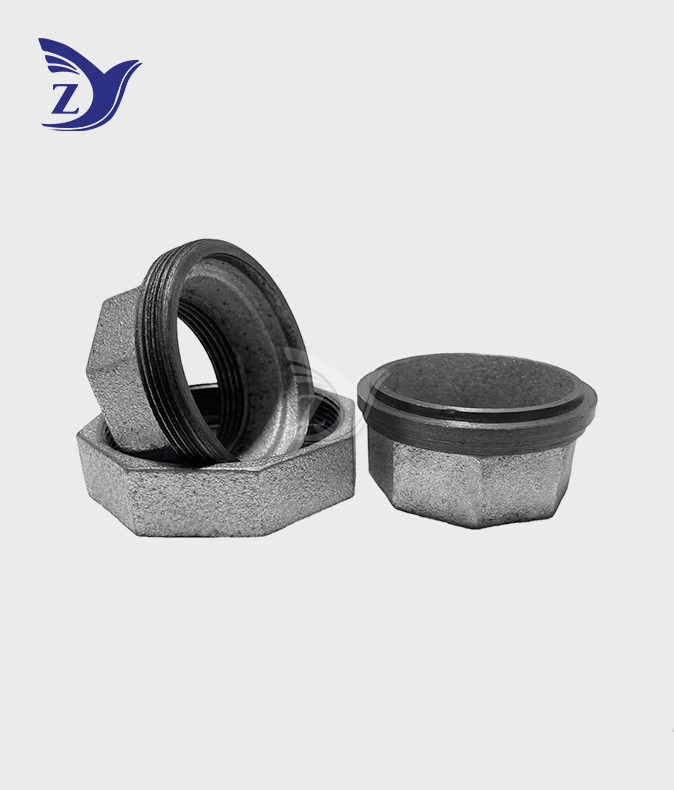
NPT Galvanized Union 330 Pipe Fittings
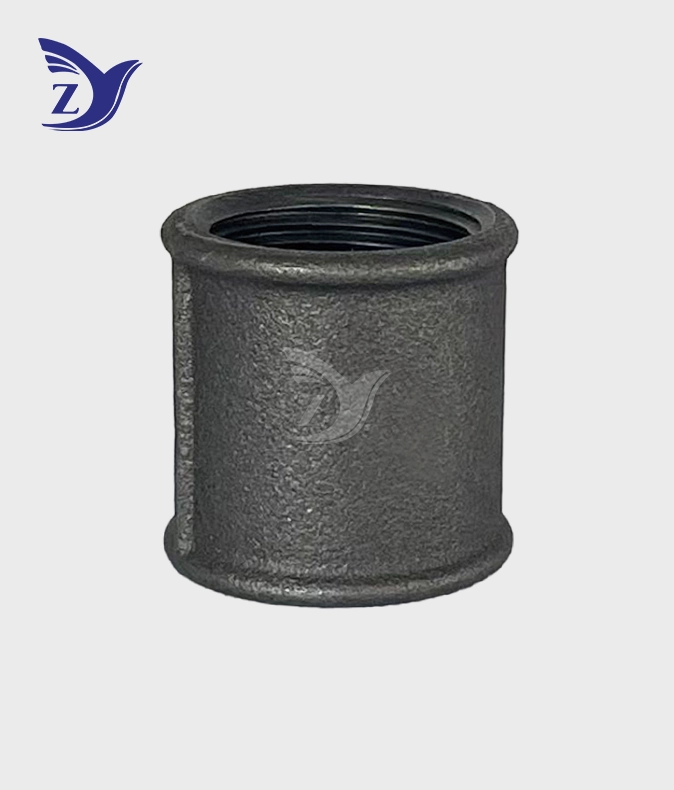
NPT Black Round Face Coupling Pipe Fittings
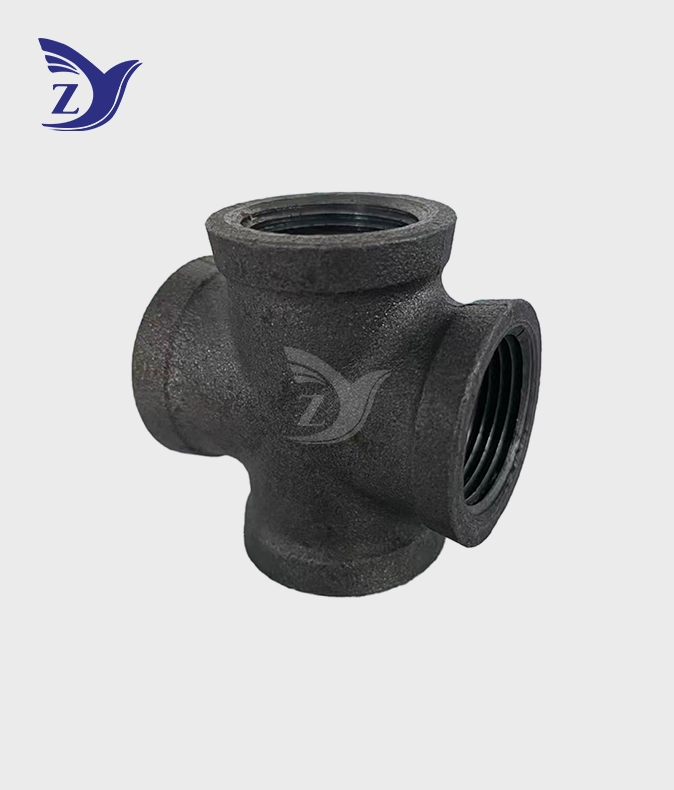
NPT Black Square Face Cross Pipe Fittings
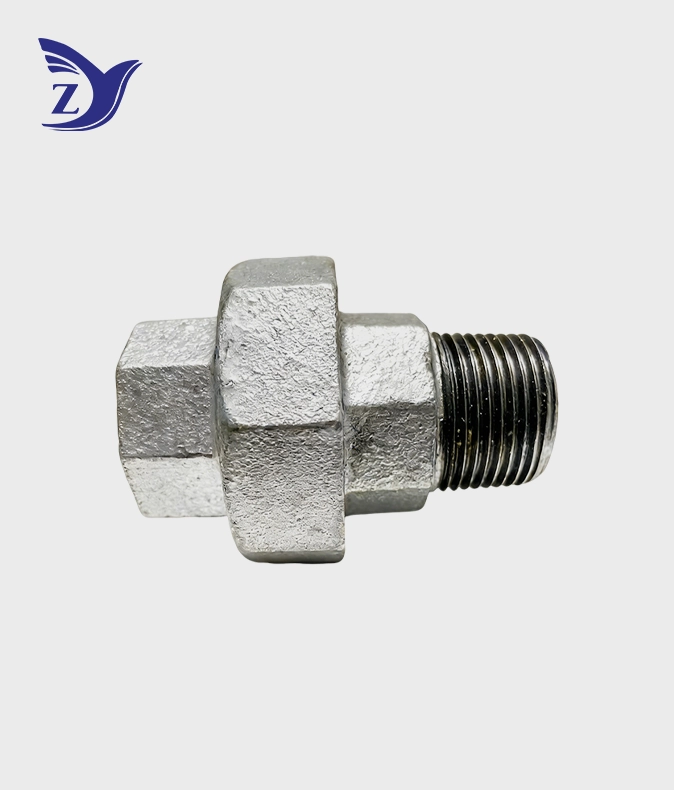
NPT Galvanized Male Female Threaded Union 341 Pipe Fittings
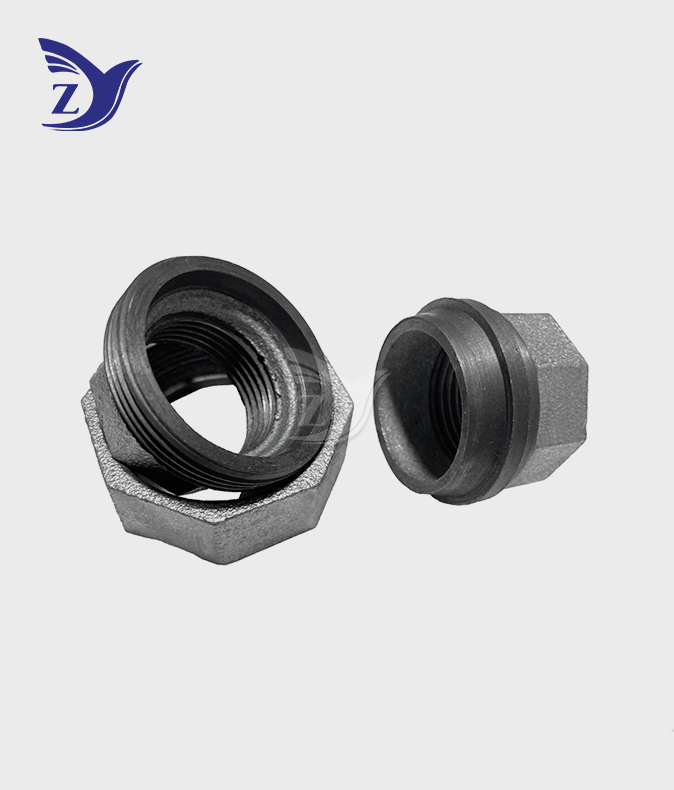
NPT Galvanized Union 340 Pipe Fittings
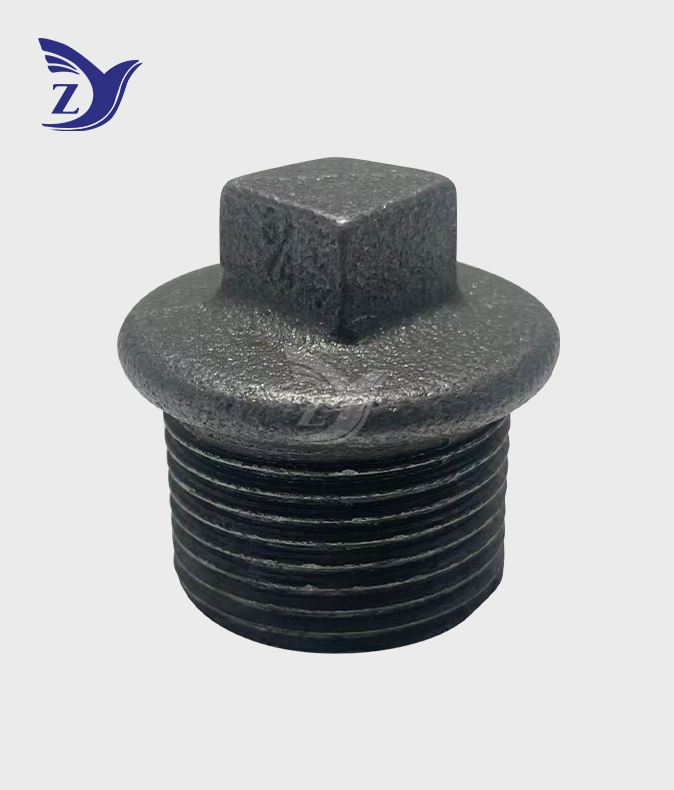
NPT Black Flanged Plug Pipe Fittings
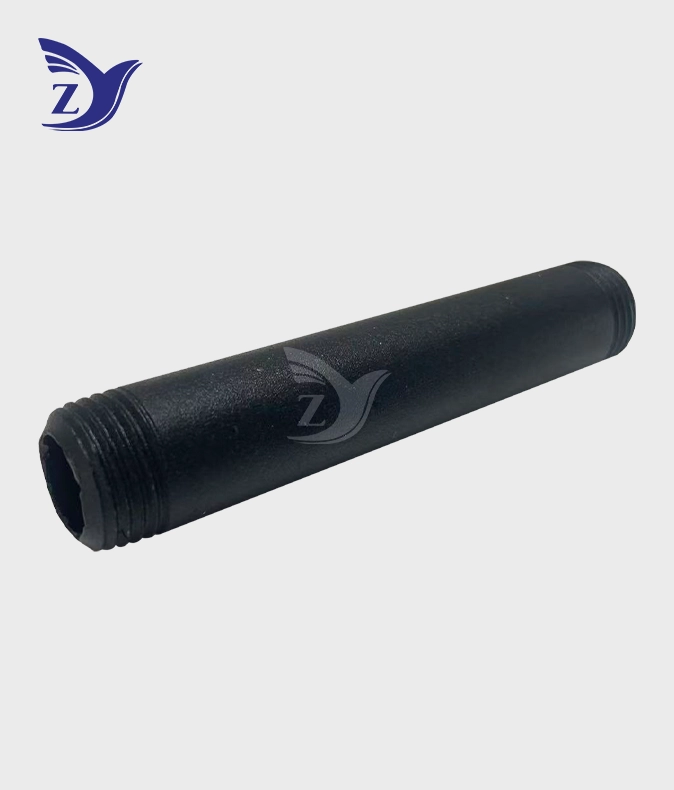
Carbon Steel Pipe Male Threaded Fittings Black Oxide Treated
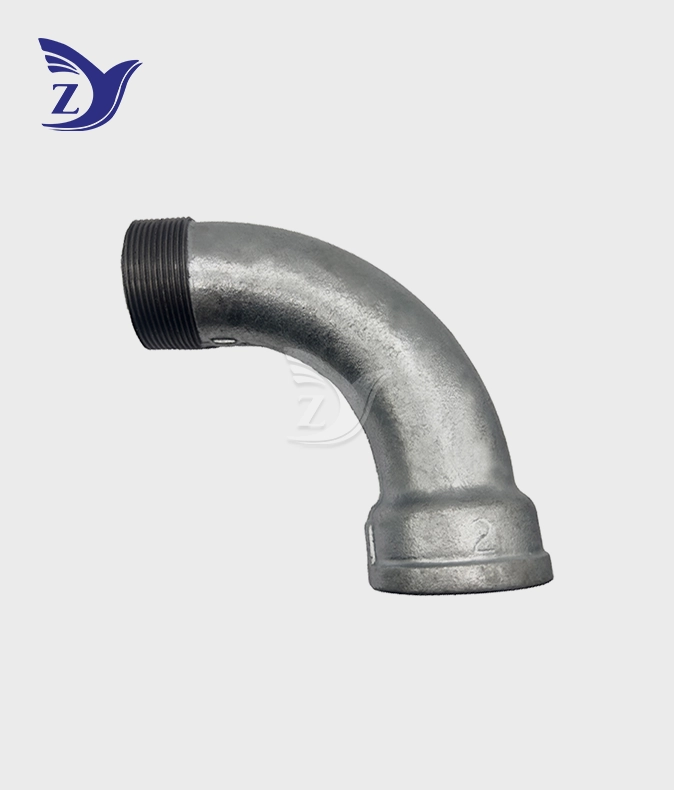
NPT Galvanized Male Female 90° Long Radius Elbow Pipe Fittings