
Jun 17, 2026
How to order reducing tee?
Before you can order the right reducing tee, you need to know what your system needs. When you order NPT square face galvanized square edge reducing tee pipe fittings, you need to give three measurements in the usual way: Run x Run x Branch, which could be 2" x 2" x 1". Tell them what kind of threads you need (NPT or BSPT) and make sure they have the right pressure ratings for your purpose, which are usually Class 150 (300 psi WOG) or Class 300. Suppliers with a good reputation will ask for proof of materials, galvanization standards (ASTM A153), and compliance paperwork like ISO 9001 or FM approvals to make sure the parts meet both performance standards and legal requirements before they are shipped.
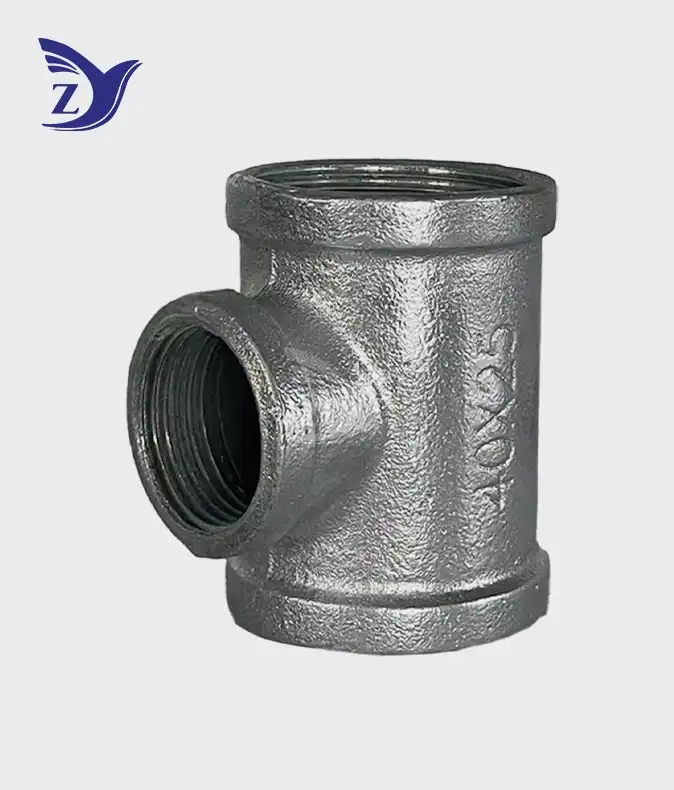
Understanding Reducing Tee Pipe Fittings and Their Types
What Makes Square Edge Design Superior?
The square edge design, which is also sometimes called "banded" design, adds extra material around the thread holes to make them stronger. This makes flat surfaces that pipe wrenches can safely grip. This technical improvement solves one of the most important problems in industrial installations: making sure the seal is tight enough without cracking the body of the NPT square face galvanized square edge reducing tee pipe fittings. The square face is better than round-bead options for looks because it lets workers apply the right amount of torque in tight areas like pump houses and mechanical rooms. The ASTM A197 standards for malleable iron construction give it a tensile strength of more than 40,000 psi while still keeping its flexibility, which keeps it from breaking when heated and cooled or when it is vibrated, which happens a lot in HVAC systems and steam distribution networks.
NPT Versus BSPT Threading Standards
National Pipe Taper (NPT) threads have a 1:16 taper ratio and a 60-degree angle. When properly tightened with PTFE tape or thread sealer, they make interference-fit rings. This American standard is the most common in North America and is the same as ASME B1.20.1. British Standard Pipe Taper (BSPT) threads are similar in idea, but their size and angle are different. Making sure the threads work with current pipes before placing an order saves a lot of money on changes that need to be made in the field. Our NPT/BSPT flexible, size-adapting tee options give you options for international projects with different threading standards. This is especially helpful for foreign trade companies that need to buy things for a lot of different markets.
Galvanized Coating Benefits and Specifications
Hot-dipped galvanization forms a strong metal link between the zinc and the base iron, protecting it from oxidation and chemical contact. ASTM A153 compliance makes sure that the layer is thicker than 85 microns, which protects better than electroplating. This industrial-grade pipe fitting method that doesn't rust is necessary for outdoor setups, places with salty air, and underground city pipeline systems where water will eventually get in. The zinc layer greatly increases the service life compared to black iron options, which lowers the number of replacements needed and the labor costs that come with them. This is important for water, gas, and heating supply companies that are in charge of large distribution networks.
How to Order the Right Reducing Tee: Decision Support for Procurement
Assessing System Requirements and Specifications
A thorough study of the whole system is the first step in effective buying. Depending on the pressure, you will need either Class 150 fittings (rated for 300 psi at room temperature) or Class 300 fittings. Temperature ranges are also important. Standard malleable iron works well from -20°F to 150°F, and it can reach 366°F for full steam uses. When acidic condensate or hydrogen sulfide are present in chemical production settings, corrosion-resistant qualities become very important. Precision-threaded fittings made to tight tolerances cut down on installation time and remove the stress of cross-threading while putting the parts together. This is especially helpful for project-based engineering buyers who have to meet tight deadlines.
Evaluating Supplier Certifications and Capabilities
To tell sellers apart, you need to look at a few important factors. Systematic quality management is shown by ISO 9001 certification, and fit for fire protection uses is proven by UL and FM approvals. This is a must for fire protection engineering companies that install sprinkler systems. When wholesale and delivery buyers need a steady supply across various job sites, production ability is important. We make more than 30,000 tons of products every year and keep enough in stock so that we can send basic products within two hours for urgent project needs. Our building is 50,000 square meters and has 156 sets of processing equipment. It is backed by eight medium-frequency electric furnaces and specialized galvanizing operations that make sure that each batch is the same, which is important for project managers.
Manufacturing transparency builds trust in long-term relationships. Procurement professionals can check claims about heat treatment methods, thread gauging procedures, and galvanization bath quality with the help of suppliers who offer factory trips and process paperwork. These chances to check are especially helpful for customization and OEM buyers who need non-standard sizes or specific material qualities. Our technical team is made up of 38 highly skilled individuals who work together to create custom castings that meet the needs of valve and full pipeline equipment makers looking for unified solutions.
Installation and Maintenance of Galvanized Square Edge Reducing Tee Fittings
Proper Installation Techniques for Leak-Free Joints
Paying attention to planning and skill is needed to get seals that work. Thoroughly clean all threads, getting rid of any dirt or industrial oils that make it harder for glue to stick. Apply PTFE tape in the direction of thread spinning. For NPT connections, this is usually three to four wraps. Make sure the tape covers the threads completely without bunching up, which could cause hydraulic problems. The square edge shape makes it easier to use the right amount of torque: tighten until it's hand-tight, then use a pipe wrench to add 1.5 to 2 more turns. This makes the metal-to-metal contact and sealant compression needed for leak-proof joints without over-torquing, which can damage the threads.
When installing three-way flow patterns, you need to think strategically. Place the lower branch outlet so that it will be easy to do repair in the future, taking into account where the valves will go and how the instruments will join. Support the pipes properly so that stress doesn't build up at the fitting body—threaded connections should never have to carry the weight of connected pipe runs. Extra support frames keep thread engagement points from wearing out in high-vibration areas like industrial water and gas pipeline splitting near pumps or compressors.
Maintenance Protocols and Inspection Schedules
Regular checks keep NPT square face galvanized square edge reducing tee pipe fittings in good shape and extend their useful lives. Visual inspections should show decline in the zinc coating, especially where the coating meets the threads, where installation may have scrapped off protective layers. White rust, which is zinc carbonate, means that the surface is oxidizing but doesn't affect the structure's strength. Red rust, on the other hand, means that the base metal is exposed and needs attention. Inspections once a year are enough for safe locations, while checks every three months are best for harsh industrial settings.
Finding a leak is more than just looking for drips. Seepage that needs to be fixed by retightening or replacing the gasket is shown by staining patterns around the joints. Drops in pressure in certain areas suggest that leaks are starting to form before any obvious signs show up. When replacement is needed, the efficient diameter transition design of reducing tees makes it easier to do: stop the flow, drain the damaged section, and use the square face of the fitting to take it off the threads. The same steps are used to install new units, and the threads are checked to make sure that the pipe ends are still in good shape.
Benefits and Performance Optimization of Galvanized Square Edge Reducing Tee
Mechanical Strength and Durability Advantages
High-strength, anti-rust, and malleable iron structure gives it mechanical qualities that last longer than other materials in tough work. The material of NPT square face galvanized square edge reducing tee pipe fittings can stretch about 5 to 7 percent before it breaks, which makes it resistant to water hammer and pressure spikes that break weak cast iron. This toughness is very important for city engineering projects where system dynamics change throughout the day as demand changes. Galvanized protection makes things last even longer, and parts that are well taken care of can last for 40 years or more in moderate settings.
When materials science and mechanical design are put together, they work better together. Square edge reinforcement spreads installation torque over a larger area than thin-walled options because it focuses mass at stress points. When this is built into fire sprinkler systems, it makes sure that the fittings stay in place during earthquakes or building settlements that could damage weaker junction points. Facilities that make petrochemicals and electricity value this dependability because unplanned downtime costs a lot of money and puts people's safety at risk.
Cost Efficiency Through Extended Service Life
The costs of buying something are only a small part of the total costs of owning. Frequency of replacements, maintenance intervals, and work needs are what lifecycle estimates are mostly based on. When compared to painting or bare iron fittings that need to be serviced often, corrosion-resistant zinc fittings save a lot on these ongoing costs. Precision-threaded manufacturing gets rid of the need for rework in the field that often happens with badly machined parts. This saves labor hours during installation, which building and city engineering firms can use to speed up projects or take on more work.
Performance improvement includes making hydraulics work better. When reducing tees have smooth internal surfaces and accurate hole alignment, noise and pressure drop at branch points are kept to a minimum. This can be measured in big systems; a 2% improvement in efficiency across hundreds of fittings means big energy saves in pumped distribution networks that serve business parks or industrial campuses. When you use the right-sized reducing tees, you don't need to keep separate reducer bushings, which cuts down on the number of parts you need to keep on hand and the number of places where leaks could happen.
Conclusion
To buy reducing tee fits successfully, you need to find a mix between technical requirements, the supplier's skills, and the total cost. The square edge galvanized malleable iron construction has been used for years in challenging industrial, business, and public settings where dependability cannot be compromised. By knowing about thread standards, pressure rates, and the properties of materials, you can make smart choices that keep you from having expensive problems in the field or premature fails. As piping systems get more complicated and performance standards rise, it becomes more important to work with makers who can consistently provide high quality products, enough production capacity, and quick expert support. This will help you stay ahead of the competition and make sure your projects are successful.
FAQ
What distinguishes square edge from round edge reducing tees functionally?
Square edge fittings have strengthened bands of material at the thread holes that make flat surfaces that are easy for a wrench to engage. Because of this, they can handle more installation force without cracking, which makes them better for high-pressure industrial uses than ornamental round-bead options that care more about looks than strength.
How should I interpret reducing tee size specifications when ordering?
As a general rule, the measurements are written as Run x Run x Branch. A 2" x 2" x 1" fitting has two-inch main run openings and a one-inch branch exit. Always check with sources to make sure you get the right configurations and don't have to wait for installation to be done.
Are galvanized malleable iron fittings suitable for potable water systems?
Lead-free certification (usually less than 0.25% lead content) is needed for modern drinking water rules. Galvanized malleable iron has been used for potable purposes in the past, but before specifying these fittings for human consumption systems, make sure your supplier has material certifications that meet Safe Drinking Water Act standards.
Why do properly installed NPT threaded connections sometimes leak?
NPT threads seal through metal interference and sealant compression, but machining leaves spiral leak paths that need the right PTFE tape or pipe dope. Leaks usually happen because the fitting isn't tightened enough (for fear of breaking it) or too much torque (for fear of thread distortion). The square face design helps get the right tightness without the risk of breaking it.
Partner with Zhiyuan Malleable Steel for Your Reducing Tee Requirements
Zhiyuan Malleable Steel stands ready to support your piping projects with industrial-grade reducing tees manufactured to exacting standards. As an established NPT square face galvanized square edge reducing tee pipe fittings supplier, we combine 26 years of casting expertise with modern production facilities producing over 1,000 product specifications annually. Our ISO 9001, CE, UL, and FM certifications provide the quality assurance project-based engineering buyers require, while our two-hour delivery capability for standard inventory serves urgent construction schedules. Whether you need bulk quantities for distribution, custom OEM configurations, or technical consultation on challenging applications, our team delivers solutions backed by comprehensive testing and defective product replacement guarantees. Contact us at q1236800000@gmail.com or explore our complete product range at zymalleablepipefitting.com to discuss how our manufacturing capabilities align with your procurement needs and timeline requirements.
References
1. American Society of Mechanical Engineers. (2020). ASME B16.3: Malleable Iron Threaded Fittings - Classes 150 and 300. New York: ASME Press.
2. American Society for Testing and Materials. (2019). ASTM A197: Standard Specification for Cupola Malleable Iron. West Conshohocken: ASTM International.
3. American Society for Testing and Materials. (2021). ASTM A153: Standard Specification for Zinc Coating (Hot-Dip) on Iron and Steel Hardware. West Conshohocken: ASTM International.
4. Nayyar, M. L. (2018). Piping Handbook (8th ed.). New York: McGraw-Hill Education.
5. Stewart, H. L., & Mohitpour, M. (2017). Pipeline Design and Construction: A Practical Approach (3rd ed.). New York: American Society of Civil Engineers.
6. Whitman, B., Johnson, B., Tomczyk, J., & Silberstein, E. (2020). Refrigeration and Air Conditioning Technology (9th ed.). Boston: Cengage Learning.
Online Message
YOU MAY LIKE
High quality furniture manufacturer
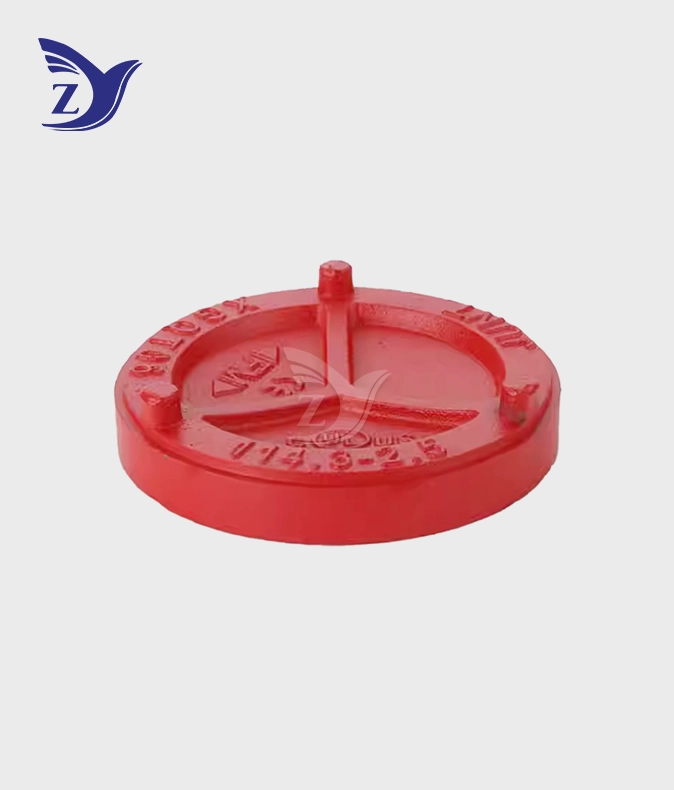
Fire Grooved Blind Flange
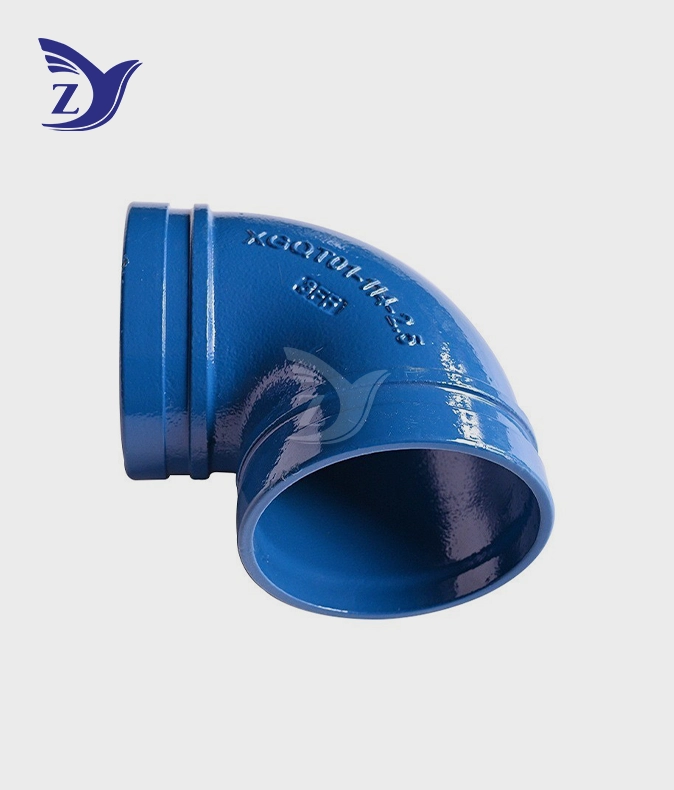
Water Grooved 90° Elbow
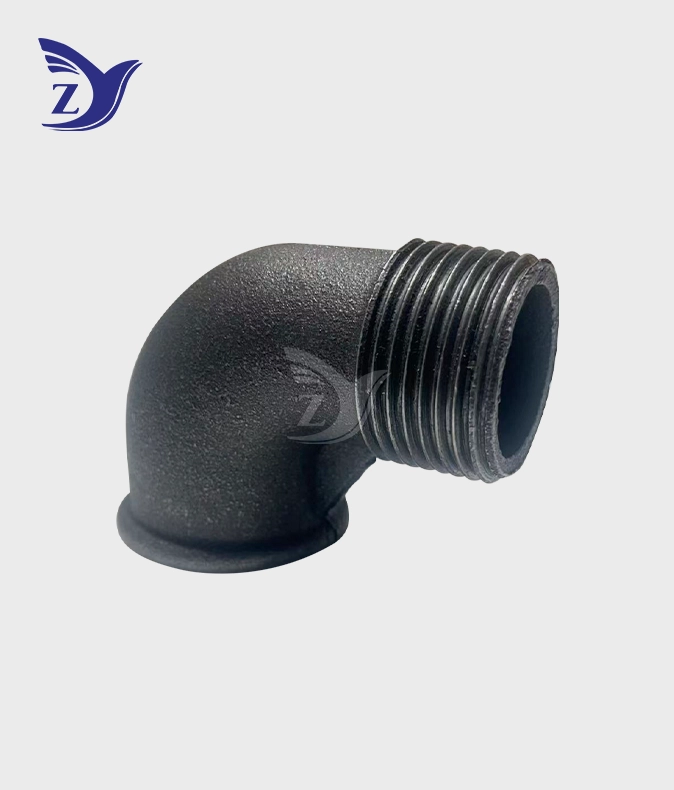
NPT Black Round Face Male-Female 90° Elbow Pipe Fittings
Fire Grooved Flange
NPT Round Face Galvanized Round Edge Straight Tee Pipe Fittings
Class 300 Hot Dipped Galvanized Malleable Iron Equal Coupling
NPT Black Malleable Iron Tee Pipe Fittings
NPT Reducing Male Black Pipe Fitting