
May 11, 2026
How to install beaded galvanized round edge male female reducing couplings?
There are easy steps to follow to install a beaded galvanized round edge male-female reducing coupling that makes sure joints in pipe systems don't leak. The end with the male thread screws into a pipe hole for females, and the end with the female thread fits a male pipe thread. First, clean both ends of the pipe well. Then, put thread sealant or PTFE tape on the male threads and hand-tighten the coupling onto the pipes. Next, use two wrenches—one to hold the coupling steady and the other to tighten the pipe—about one to one-and-a-half turns beyond hand-tight to make a secure, pressure-resistant seal without over-torquing.
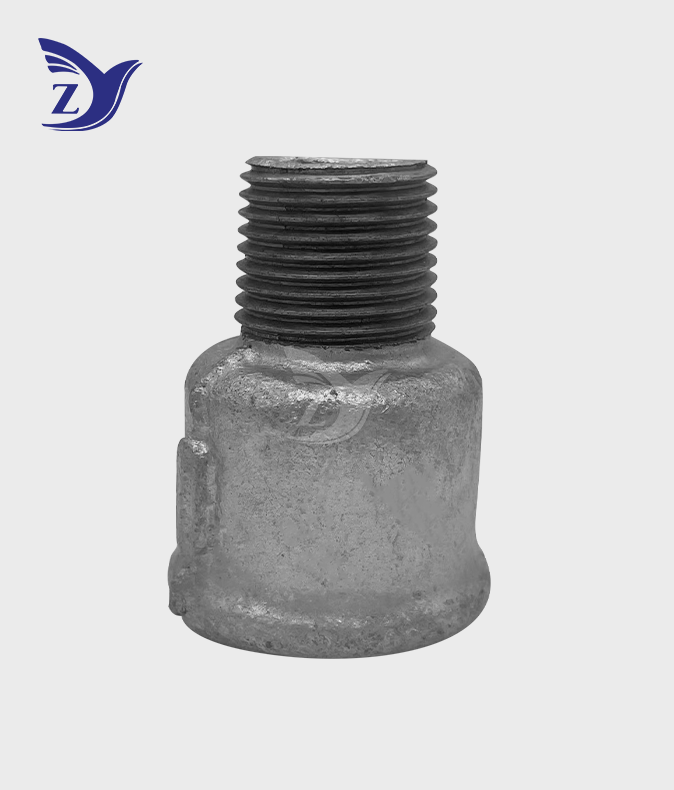
Preparing for Installation: Tools, Safety, and Preliminary Checks
Essential Tools and Materials
Before you start, you'll need a few important things. There must be two adjustable wrenches or pipe wrenches of the right size. One must hold the joint in place while the other turns the pipe. If you only use one screw, you could damage the threads or bend the body of the fitting. Which thread sealer you use varies on what you need to do. Poison-proof PTFE tape, which is also known as Teflon tape, works well for water lines. Gas lines need yellow PTFE tape that is made for natural gas or propane. Liquid pipe dope seals are better for systems that are likely to shake, but they need more time to cure. Check your area rules to see if certain sealants are allowed in potable water lines. A lot of installers don't understand how important cleaning tools are. A wire brush can get rid of scale and old thread glue. Clean rags get rid of the oils that make it hard for sealant to stick. To keep drinking water systems clean, only use clothes that don't have lint on them. Rough cuts in pipes that could damage threads or make turbulence places where deposits build up can be smoothed out with a deburring tool or fine file.
Pre-Installation Inspection and Compatibility Verification
Before you make any link, you should carefully check the beaded galvanized round edge male-female reducing coupling. Check the threads for damage, cross-threading, or mistakes in the way they were made. Feel the threads with your finger. They should feel smooth and even, with no bumps or missing pieces. If the fitting has been dropped while you're handling the beaded collar, look for cracks. Make sure that the lines and the connection are the right size for each other. Instead of using fixed sizes, carefully measure the widths of pipes with calipers. A pipe that says "1-inch" is actually about 1.315 inches across at the widest point. This is exactly what the coupling's thread size needs to be. Make sure that all of your system's thread standards are the same. When you mix NPT and BSPT parts, you get joints that aren't stable and are likely to leak. If you're not sure, look at the product's marks or paperwork from the maker. Bring a sample to your provider to make sure they can identify the new fittings you need for systems that are already in place. Check that the ends of the pipes are straight. When pipes are cut at an angle, the threads don't connect all the way, which leads to leaks. If you can, use a pipe cutter instead of a knife. Cutters make cuts that are cleaner and more straight. If you have to use a saw, hold the pipe in a vise and be careful to keep the angle at 90 degrees.
Step-by-Step Installation Process of Beaded Galvanized Round Edge Male Female Reducing Couplings
Pipe End Preparation and Cleaning
First, cut the pipes to the length you need plus the depth of the thread contact. Depending on the size of the pipe, NPT threads usually need ½ to ¾ inch of contact. If there isn't enough interaction, the threads don't touch enough, which breaks the seal. If the pipe is too long, the fitting can't thread at all. Cut the ends of the pipes and get rid of any burrs or sharp edges. Internal burrs cause turbulence that speeds up weathering and gives scale a place to start building up. Outside burrs can damage the internal threads of the fitting or cut through PTFE tape while drilling. It only takes seconds to use a deburring tool, but it will save you hours of trouble in the future. Use a wire brush to clean pipe threads well, making sure to work in the direction that tightens the threads (clockwise for right-hand threads). This gets rid of mill scale, rust, old sealants, and oils that make it harder for new sealants to work. If you are cleaning galvanized pipe, make sure you don't damage the zinc layer by brushing too hard, as this can reveal bare iron that will rust. Use a flashlight to check the coupling's internal threads. New parts can be damaged by manufacturing waste, packing materials, or damage from handling. It's best to run a tap through the female threads to make sure they're clean and properly made, but this step is usually not needed for high-quality goods from well-known companies like Zhiyuan Malleable Steel, whose precision-threaded iron goes through strict quality control.
Thread Sealant Application Techniques
For PTFE tape to work as a cover, it must be applied according to certain rules. When looking at the end of the pipe, wrap the tape clockwise so that the threading action makes the tape tighter instead of looser. Starting two threads back from the end of the pipe, wrap it with mild tension—tight enough to fit the shape of the threads but not so tight that the tape gets too thin or breaks. To do most things, use three to four wraps. If you don't use enough tape, it can cause leaks, and if you use too much, it can split the female threads when you tighten them. The tape should go all the way around the threads and not cross too much at the edges. Use your finger to smooth out the last wrap to make sure it sticks. Different methods are needed for liquid coatings. To keep the sealer from getting into the pipe system, only fill the male threads with a thin, even layer. Don't touch the first two threads. To get even covering, use the brush or applicator that the maker suggests. In sensitive areas like hospital gas systems or food processing lines, too much sealant can lead to contamination problems. Some workers use PTFE tape and liquid sealer together to get the best leak protection in high-pressure situations. Stick down some tape, and then put a small layer of liquid glue on top of it. This two-step process effectively fills tiny holes, but it needs careful technique to avoid adding too much material.
Alignment and Threading Procedure
Attach the beaded galvanized round edge male-female reducing coupling to the pipe by hand until the resistance rises to a level that you can see. This should take between three and five full turns, based on the size of the pipe. The part should thread easily, without getting stuck or requiring too much force. If the threading feels rough or stops too soon, pull it all the way out and look for cross-threading or other debris. When aligned correctly, thread damage is avoided. During the first contact, make sure that the pipe and coupling shaft are perfectly lined up. When you cross-thread parts with cked or curved starts, you damage both the fitting and the pipe by pulling the threads. Take your time during this important phase; rushing leads to mistakes that cost a lot of money. Once it's hand-tight, put your wrenches in the right place. Put one wrench on the hexagonal body of the joint close to the link you want to tighten. Put the second wrench on the pipe itself or on a fitting or joint that is farther away from where the work is being done. Use only one wrench on each end of the coupling; using both on either end will twist the fitting body instead of tightening the joint. Tighten slowly with both wrenches; one stays still while the other turns. For most home and light business uses, tighten one to one and a half turns more than hand-tight. For larger pipe sizes or higher pressure uses, the maker may specify that the pipe needs to be tightened even more. The collar with beads helps you see where to put the fitting or pipe shoulder next to it. If the collar meets the shoulder, that means it's properly engaged.
Comparing Beaded vs. Non-Beaded and Round Edge vs. Square Edge Couplings
Structural Performance: Beaded Design Advantages
The beaded galvanized round edge male-female reducing coupling reinforcement collar makes the coupler much more resistant to pressure than options that don't have beads. Testing has shown that beaded designs can handle 15-20% higher burst pressures. This gives you extra safety in situations where pressure surges happen, like when water hammering or heat expansion is present. This strengthened structure also keeps the threads from deforming while they are being installed. When workers use too much torque on non-beaded joints, they can bend, which can cause stress risers that lead to cracks. The bead spreads the tightening forces more evenly around the diameter, so the thread geometry stays the same even when there is a lot of fitting pressure. With threaded structure, vibration resistance goes up. Vibrations caused by pumps, compressors, or vehicle traffic in industrial settings slowly weaken threaded connections. The added mass of the bead reduces the transfer of vibration, and the improved thread quality keeps the sealing force longer between maintenance visits.
Round Edge vs. Square Edge: Installation and Durability
Round edge shapes, like those made by Zhiyuan Malleable Steel, are much easier to work with. The smooth shift between the bead and the fitting body gets rid of any sharp edges that could catch on clothes, cut hands when handling without gloves, or damage nearby parts when installing them tightly. When hundreds of parts are handled every day on big jobs, safety issues become more important. Round edges make installation go more smoothly. When wrenches sit more firmly against smooth collars, they don't slip around as much, which protects zinc coats and speeds up work. Fittings with square edges can catch wrench teeth in odd ways, requiring multiple adjustments. These seconds add up to big time saves over the course of a big job. Round-edge design makes things last longer. Stress builds up at the corners where square edges meet, making them easy for cracks to start when temperatures or pressures change. Round transitions spread stress out slowly, which greatly increases service life in tough situations like steam systems or outdoor sites that are exposed to high temperatures.
Conclusion
To install beaded galvanized round edge male-female reducing couplings correctly, you need to know their unique design benefits, make sure you have the right tools and safety measures, follow systematic installation procedures, and buy quality products from well-known manufacturers. The beaded support and round edge design make this coupler style stronger, more resistant to rust, and easier to install than others. The right way to prepare the threads, use sealant, and line them will result in links that don't leak and stay strong in tough situations. When buying these important parts, it's best to look at the supplier's certifications, production skills, and overall value instead of just the unit price. High-quality materials, precise manufacturing, and strict quality control work together to make fire protection, civic infrastructure, HVAC, and industrial pipe systems that work reliably.
FAQ
What thread standards are compatible with beaded galvanized reducing couplings?
These NPT/BSPT dual-thread reducers work with either National Pipe Taper (NPT) threads that meet ANSI/ASME B1.20.1 standards or British Standard Pipe Taper (BSPT) threads that meet ISO 7-1 standards. Check to see what standard your current pipe system uses, because these thread types can't be switched out even though they look the same. Both have a 1:16 taper ratio, which makes mechanical seals when tightened. However, if they are mixed, the different pitch sizes will stop the seals from working right. What kinds of threads work with beaded galvanized round edge male-female reducing couplings?
How does the beaded design improve corrosion resistance?
This collar with beads doesn't directly protect against rust; the hot-dipped galvanized zinc finish does that. But the bead's support keeps the structure strong for longer by stopping thread distortion and micro-cracks, which are common places where rust starts. When compared to square edges, round edges have fewer places where moisture can gather, which makes the coating work better in damp places for longer.
Can these couplings be used in potable water systems?
When made correctly, NSF/ANSI 61 guidelines say that fittings made of malleable iron that have been galvanized properly can come into touch with potable water. Make sure that your provider gives you compliant goods and the paperwork to back them up. Only use thread sealants that are approved for use with water. Some commercial sealants contain chemicals that are not safe for drinking water. When asked, Zhiyuan Malleable Steel makes fittings that meet foreign quality standards and can be used for public water supply.
What maintenance do installed couplings require?
When placed correctly, galvanized connections that are not in a corrosive climate usually don't need any upkeep for decades. Visual checks once a year to look for covering wear, fluid leaks, or physical damage are enough for most uses. Systems that are vibrating may need to be re-tightened from time to time in the first few months after installation while the parts settle. If you see rust or damage in a fitting, it's better to replace it than to try to fix it, since broken fittings can't safely bring back the original performance.
Partner with Zhiyuan Malleable Steel for Premium Industrial Pipe Fittings
Zhiyuan Malleable Steel can help you with your pipe projects by making beaded galvanized round edge male-female reducing couplings that meet strict international standards. Our Jinzhong facility blends 26 years of experience with modern production tools. It has 156 sets of processing equipment and advanced galvanizing systems that make sure the quality is the same for over 1,000 product specs. Our 30,000-ton annual capacity can handle projects of any size, whether you're a fire protection provider looking for FM-approved fittings, a local engineering company looking for reliable water system components, or a wholesale distributor needing a full inventory.
We know the problems that engineers and building workers face when they need to buy things. Certified quality that meets ISO 9001, CE, UL, and FM standards takes away any doubts about compliance. Our large inventory lets us fill orders quickly—standard standards ship within two hours in the United States, and foreign orders benefit from better logistics. Our OEM/ODM services let us make custom solutions for applications that need them but can't be met by standard goods. When you buy directly from a beaded galvanized round edge male-female reducing coupling supplier, you cut out the middleman and keep track of who is responsible.
Email our expert team at q1236800000@gmail.com to talk about your unique needs. We'll give you expert advice on which products to buy, low prices for the amount you need, and delivery times that work with your project's plan. You can look at our whole product line at zymalleablepipefitting.com and learn why top builders and wholesalers around the world trust Zhiyuan for their important piping infrastructure. Reach out today to change your buying experience from one of transactions to one of partnerships.
References
- American Society of Mechanical Engineers. (2020). ASME B1.20.1: Pipe Threads, General Purpose (Inch). New York: ASME International.
- ASTM International. (2019). ASTM A197: Standard Specification for Cupola Malleable Iron. West Conshohocken: ASTM International Standards Organization.
- ASTM International. (2021). ASTM A153: Standard Specification for Zinc Coating (Hot-Dip) on Iron and Steel Hardware. West Conshohocken: ASTM International Standards Organization.
- National Fire Protection Association. (2022). NFPA 13: Standard for the Installation of Sprinkler Systems. Quincy: NFPA Publications.
- Nayyar, M.L. (2019). Piping Handbook, Eighth Edition. New York: McGraw-Hill Professional Publishing.
- Smith, P.R. & Zappe, R.W. (2018). Valve Selection Handbook: Engineering Fundamentals for Selecting the Right Valve Design for Every Industrial Flow Application, Sixth Edition. Houston: Gulf Professional Publishing.
Online Message
YOU MAY LIKE
High quality furniture manufacturer
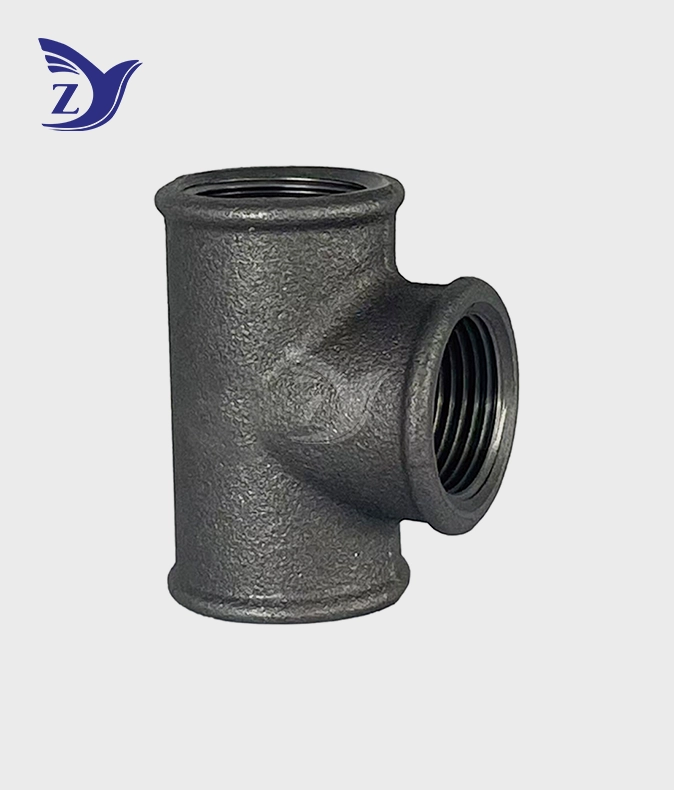
NPT Black Round Face Straight Tee Pipe Fittings
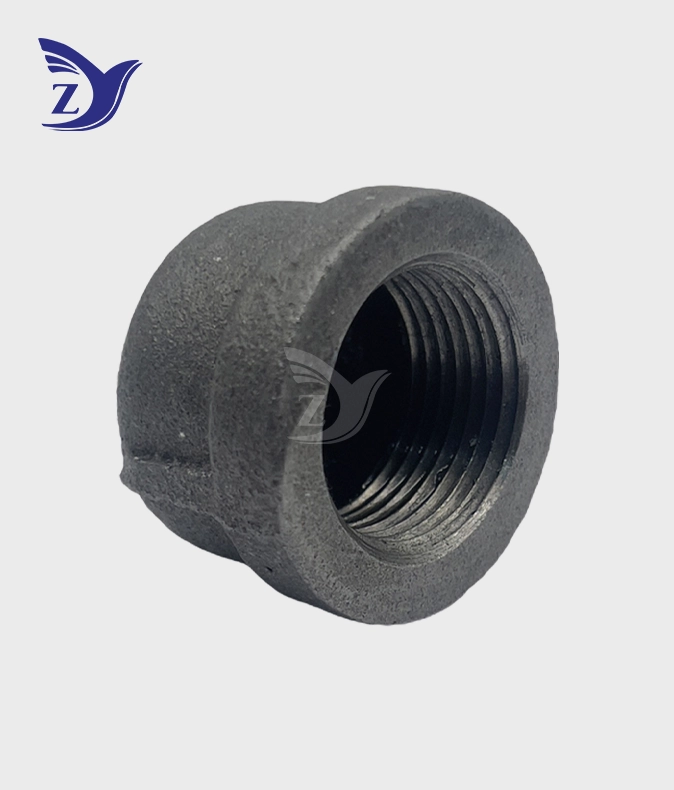
NPT Black Cap Pipe Fittings
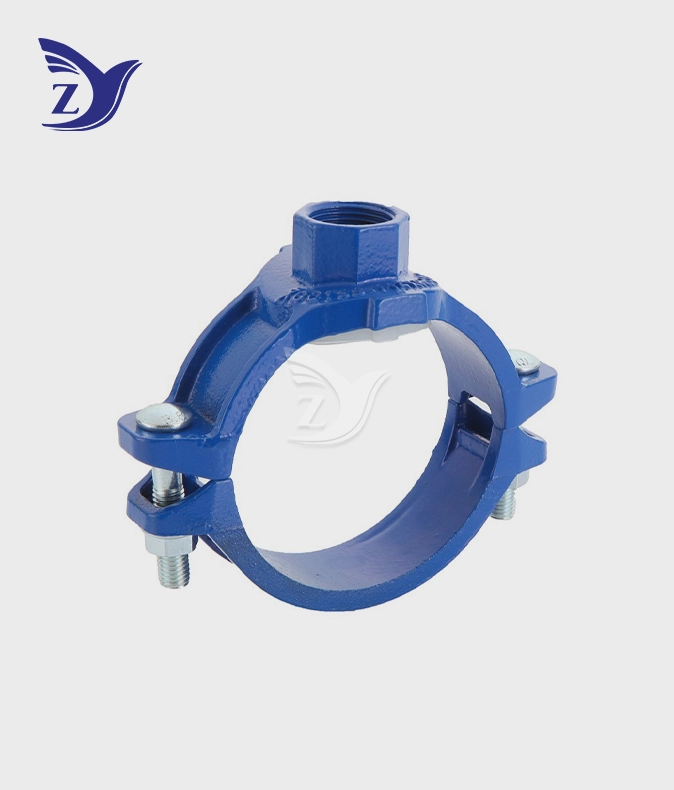
Water Grooved Mechanical Tee
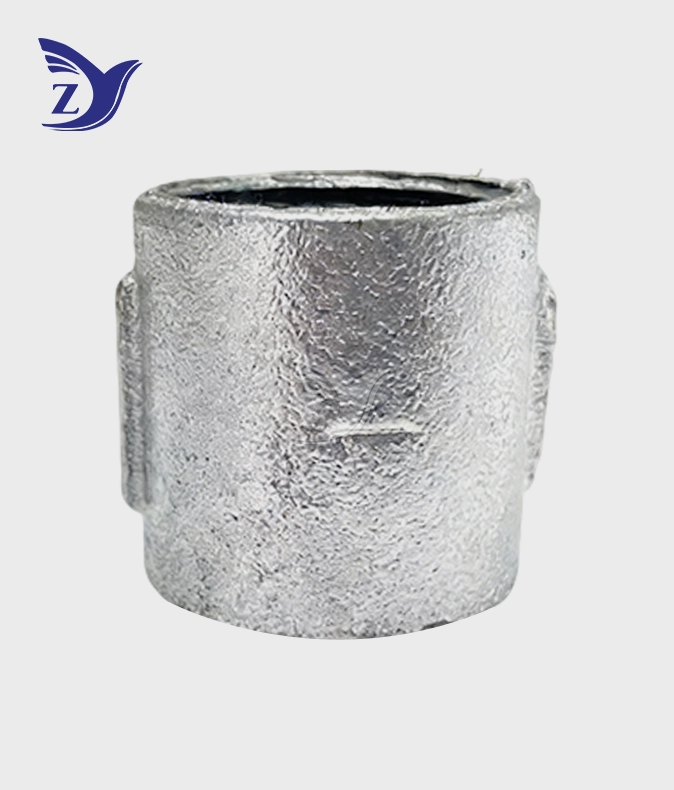
No Hub Hot Dip Galvanized Coupling Pipe Fitting
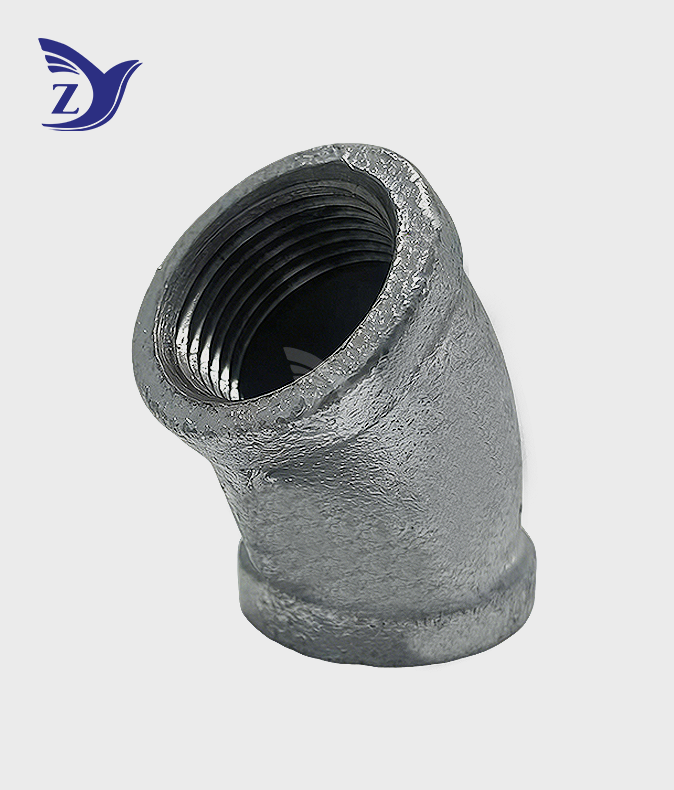
NPT Square Face Galvanized 45° Square Edge Elbow Pipe Fittings
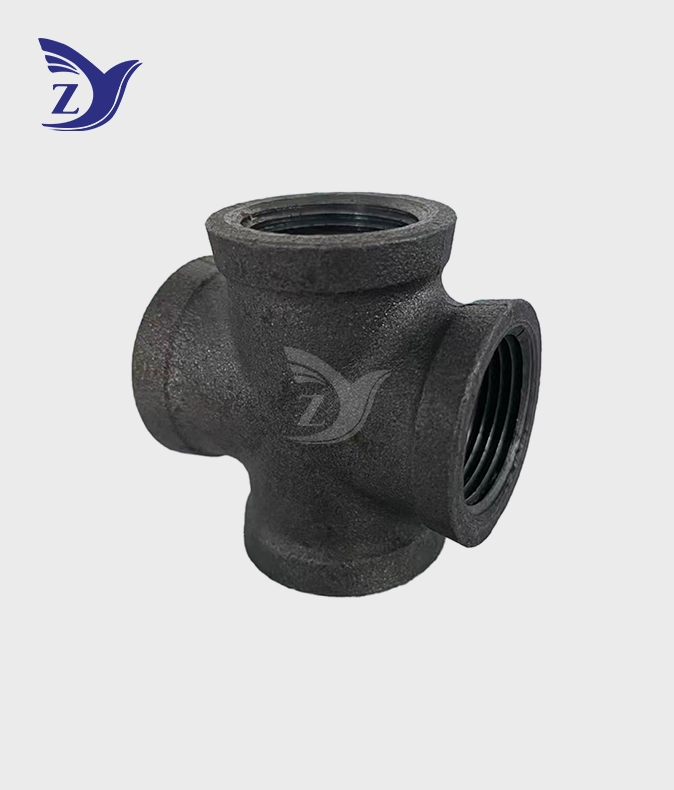
NPT Black Square Face Cross Pipe Fittings
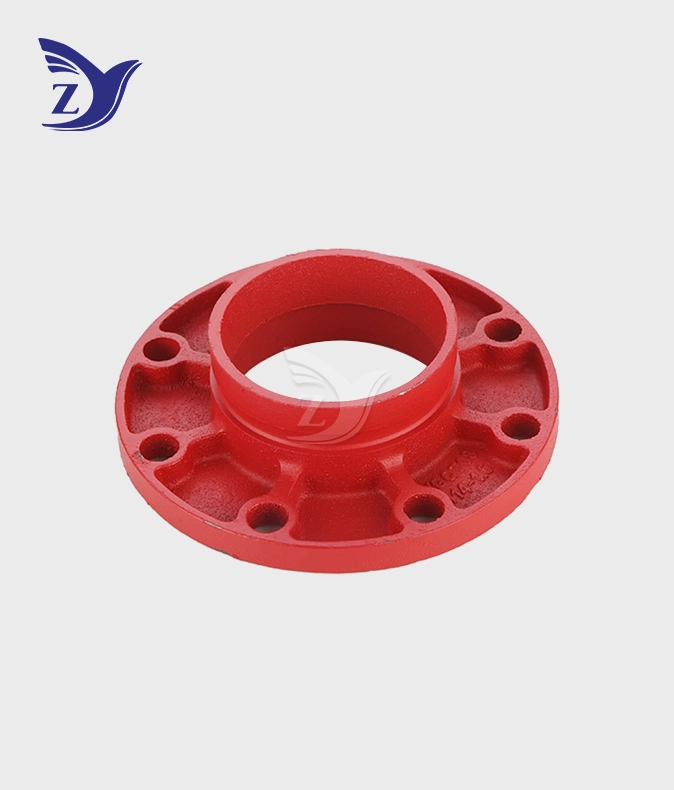
Fire Grooved Flange
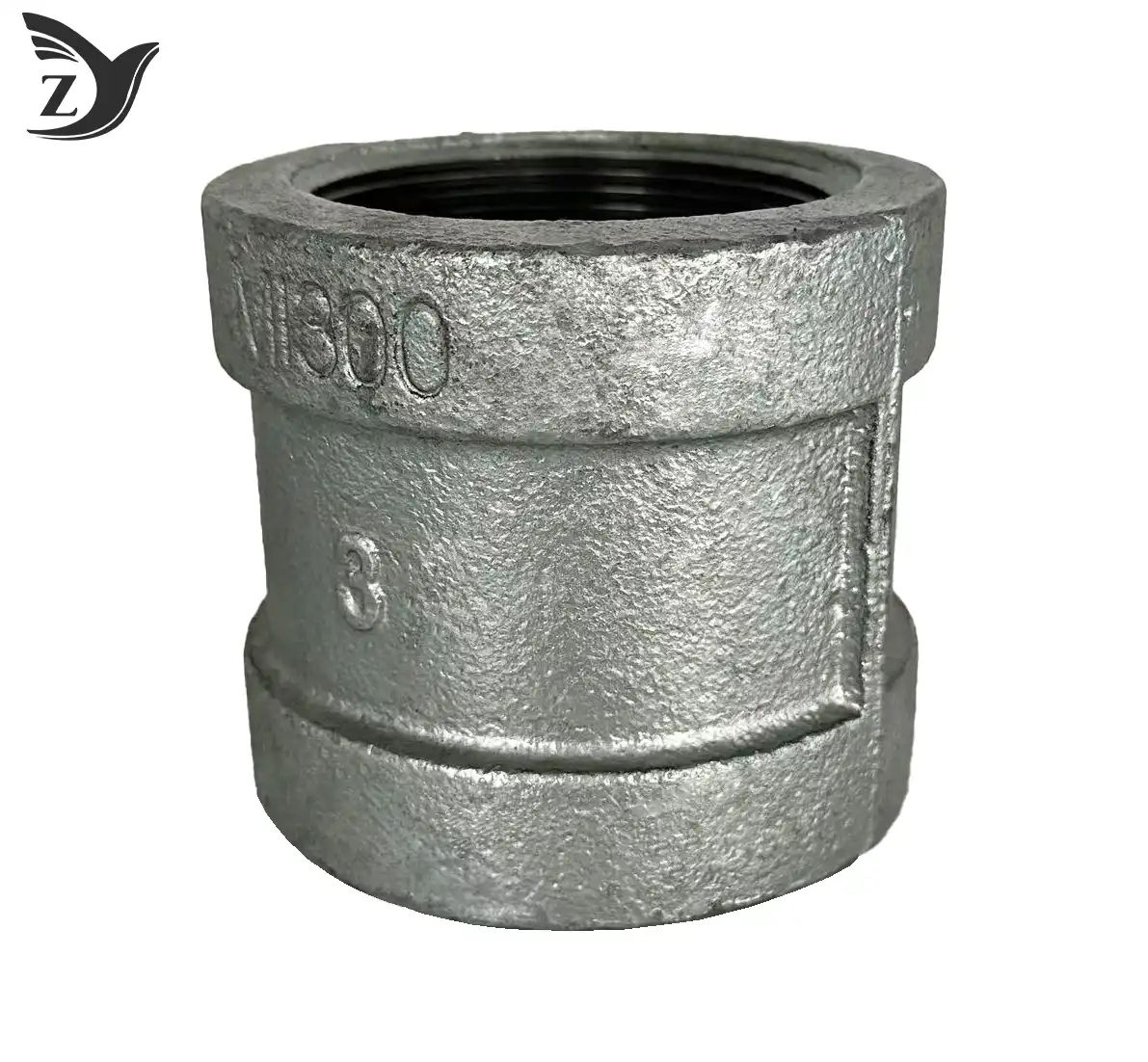
Class 300 Hot Dipped Galvanized Malleable Iron Equal Coupling