
Jun 1, 2026
How to install a black square edge reducing 90° elbow in piping?
It is important to follow industry standards and carefully prepare before installing a black square edge reducing 90° elbow in pipe systems. This special fitting does two things at once: it changes the flow direction by 90 degrees and goes from one pipe width to another in a single piece. Preparing the surface, engaging the threads or welding methods (depending on the type of connection), applying power according to the manufacturer's instructions, and strict pressure testing to make sure the system works without leaks are all parts of a proper installation. The square edge bead design improves structural integrity and wrench grip during assembly. This makes it essential for use in steam systems, gas distribution networks, and industrial fluid handling, where dependability directly affects safety at work and the life of the system.
This full guide covers all aspects of working with these parts, from understanding their technical benefits to following the right installation steps and setting up reliable channels for buying them. This article gives you useful information that you can use right away to get the best results, whether you're fixing up old equipment or planning brand-new setups.
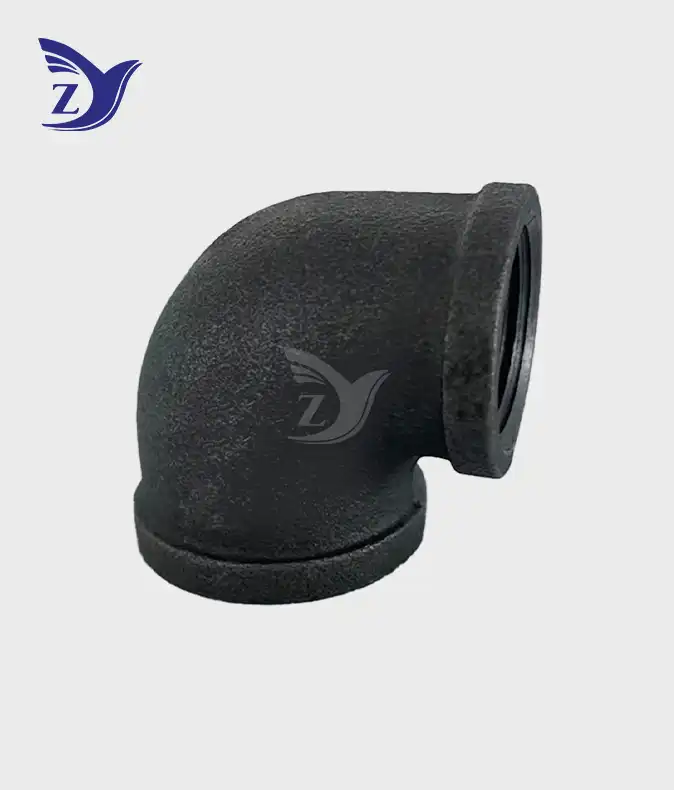
Step-by-Step Installation Process for Black Square Edge Reducing 90° Elbow
Pre-Installation Preparation
Installing something correctly starts long before the screws touch the threads. Carefully check the fitting for flaws in the casting, damage to the threads, or wear and tear on the protected coating. Check that the reducing elbow's inlet and exit sizes are compatible with the pipe plan that is already in place. When wall thickness or diameter standards don't match, stress builds up and threatens the long-term stability of the structure.
Get the right tools for the linking method. For threaded setups, you need pipe wrenches that are measured and the right size for the biggest connection, thread sealant that is rated for the job (Teflon tape, anaerobic compounds, or pipe dope that works with your fluid media), and torque reference guidelines. For welded connections to work, you need qualified welding tools, filler materials that match the makeup of the base metal, and safety gear that meets OSHA standards.
Thoroughly clean all areas that touch. Use wire brushes or gritty pads to get rid of mill scale, rust, oil, and other waste. When contamination gets stuck between threads or weld surfaces, it makes leak paths and makes joins weaker. To make sure the pipes fit together correctly, the ends should be cut straight and smoothed out.
Threaded Installation Procedure
Threaded connections are most common in places where the parts may need to be taken apart later or where welding could start a fire. Starting with the second thread and going all the way to the end, evenly apply thread sealer to male threads only. To keep the system clean, don't put sealer on the main threads. Hand-thread the fitting until it feels resistance, which means it's engaged. You can usually do this without any tools.
Using pipe tools of the right size, move the fitting forward while keeping an eye on the line. As metal surfaces touch, the curved thread form makes the resistance go up. Refer to industry standards for thread engagement. For example, NPT connections usually need 3–5 turns beyond hand-tight, but the exact requirements rely on the size of the pipe and the pressure grade. The direction of the black square edge reducing 90° elbow is very important. Before final fitting, make sure that the exit direction lines up with the downstream pipes.
Around this point, the square edge shape becomes very useful. The strengthened bead keeps the fitting body from warping when the wrench is tightened, which keeps the threads straight. Don't tighten too much, because that can break the joint or put too much stress on the parts that are linked. Some setups work better with backup wrenches on fittings next to each other to keep already-installed parts from turning without reason.
Welded Installation Method
For important services where leaks can have bad effects, welded joints offer permanent, high-integrity links. For proper entry and fusion, pipe ends must be beveled according to the welding process. After using a square and level to make sure the black square edge reducing 90° elbow is in the right place and that the 90-degree orientation and exit size meet design standards, it should be tack-welded in place.
To weld parts made of carbon steel or malleable iron, you need to use methods that reduce heat stress. Depending on the thickness of the material and the temperature outside, preheating is usually suggested between 200°F and 400°F for pliable iron to keep it from cracking when it cools. Choose filler materials that work well with the base metals. For example, E6010 or E7018 electrodes are good for many carbon steel uses.
Weld in several passes instead of one heavy bead, and let the metal cool between passes to lessen any remaining stress. To get even entry and reduce pores, keep the travel speed and electrode angle the same. Visually checking for cracks, undercutting, or partial fusion should be part of the post-weld screening process. For more serious cases, radiographic or ultrasound testing may be needed.
Quality Assurance and Testing
Finishing an installation does not mean it is ready for service. Before putting process fluids into a joint, pressure testing makes sure it is solid. In hydrostatic testing, water that is 1.5 times the system's highest allowed working pressure is held for a certain amount of time while leaks or pressure loss are watched. Another option is pneumatic testing with compressed air, but it needs extra safety measures because of risks related to saved energy.
Visual checks should be done to make sure the alignment is correct and that the black square edge reducing 90° elbow easily changes between pipe sizes without any sharp shifts that would cause flow turbulence. Look for signs that the joint has been distorted by being too tight or not welded properly. Thread contact should be the same all the way around the fitting's edge, which means it was installed correctly without cross-threading.
In the workplace, documentation is important. When you write down installation factors like torque values, weld processes, and test pressures, you have a record that you can use for future maintenance and troubleshooting. If there are questions later, photos that show the right fitting before insulation or burying are very helpful.
Applications and Industry Use Cases
Petrochemical and Refining Operations
In petrochemical plants, lowering elbows are used in process plumbing networks where there isn't enough room for pipe size changes. A Gulf Coast refinery recently reported that using integrated black square edge reducing 90° elbows instead of the more common elbow-plus-reducer setups cut installation time by 23% during a catalytic cracker upgrade project. Threaded connections were cut by 40% in the simpler design, which cut down on possible leak sources and upkeep work.
Most of the time, these systems work with moderately high and low temperatures and pressures for crude oil, middle process streams, and refined products. The black finish is better at resisting damage from hydrocarbons than painting finishes, where the failure of the layer can let contaminants into processes that need to be kept clean.
Power Generation Facilities
Reducing elbows are used in fuel supply networks, ash handling systems, and cooling water loops in coal, natural gas, and biomass power plants. A 500 MW combined-cycle plant recently upgraded its boiler feedwater system. To get around crowded pipe paths between pumps and economizers, black square edge reducing 90° elbows were used. The stronger design didn't loosen when nearby spinning equipment vibrated, which was a common problem with older round-edge installs.
Black malleable iron lowering elbows are perfect for use in plants where steam is distributed within the borders of the plant. The temperature expansion properties of the material are the same as those of linked pipes, so there is no differential movement that causes stress. In auxiliary steam systems, the operating temps usually stay within the range of what malleable iron can handle. This saves money over using alloy steel options.
Manufacturing and Industrial Processing
Automobile factories use compressed air distribution networks that go through the whole building. In areas where the pressure drops, the networks need to change the diameters of the pipes. Using black square edge reducing 90° elbows makes header design easier in places where branch circuits connect to bigger mains. The square edge shape works with rigid pipe support systems that keep the pipes in place even when the temperature changes during production shifts.
Black square-edge reducing 90° elbows are used in chemical production for more than just strong corrosive services. They are used to move solvents, move cooling water, and move harmless gases. A company that makes medicinal ingredients saved 30% on costs compared to stainless steel by carefully mapping out the accepted service range for cleaning solutions and non-corrosive formulation ingredients.
Corrosion Management Strategies
Even though black square edge reducing 90° elbows aren't meant to be used in highly corrosive settings, they can be used in relatively corrosive ones with the right safety gear. In buried devices, cathodic protection methods make them last longer. After fitting, coating with epoxy or polyurethane makes it harder for atmospheric rusting to happen in damp places.
It is very important to know the difference between the protection black lacquer and real rust resistance. The factory finish keeps the item from breaking down while it's being stored, but it doesn't offer much long-term protection if it gets wet or exposed to process fluids. Planning the right extra safety during the planning phase of a project keeps it from failing too soon and costing more than planned to fix.
Procurement Tips for B2B Buyers
Supplier Evaluation Criteria
Finding solid black square edge reducing 90° elbows takes more work than just comparing prices. Check to see if your providers have quality control systems that are certified to ISO 9001 or a similar standard. Ask for material test results that include chemical makeup analysis and mechanical property testing to show that the material meets ASTM standards. Manufacturers with a good reputation give dimensional test records that show they meet ASME B16.3 tolerances.
When planning big projects or making long-term supply ties, supplier production ability is important. Find out how long it takes to make something normally and how much extra capacity is available for urgent needs. Having standard sizes in stock cuts down on project delays, and being able to make custom sizes helps with special uses.
Certification and Compliance Documentation
In industrial settings, certain licenses are often needed to show that the product is suitable for the job. Pressure equipment instructions, material tracking, and third-party inspection reports meet the needs of regulators in industries like power generation and oil and gas. Set standards for documentation early on in the buying process to avoid delays caused by sellers rushing to make certificates after an order has been placed.
Thread verification turns out to be very important. Ask for proof that the shape of the threads meets the standards (ASME B1.20.1 for NPT and ISO 7-1 for BSPT) and that the inspection tools are calibrated correctly. Problems with fitting and field leaks are most often caused by thread flaws.
Cost Optimization Strategies
Buying in bulk usually gets you savings, but it takes some careful math to figure out how to balance the costs of keeping supplies with lower unit prices. Keeping popular sizes on hand that are used in more than one facility increases buying power and keeps inventory levels at a fair level. Custom sizes that aren't used very often might be worth charging more for in small quantities so that you don't have too many of these unique things on hand.
Planning ahead of time saves you a lot of money on processing fees. If you're in the United States, standard black square edge reducing 90° elbows usually ship within two to four weeks. If you need them in a different size or from another country, the shipping time could be eight to twelve weeks. Adding lead time buffers to project schedules keeps costs low and makes sure that the supply of materials fits the progress of the building.
Customization choices, such as special coatings, testing standards, or marking specs, come with extra costs that are worth it for certain uses. By making it clear which features are "must-haves" and which are "nice-to-haves," you can avoid paying for customizations that aren't needed and make sure that important requirements are met.
Conclusion
The stability and life of an industrial pipe system are directly affected by how well a black square edge reducing 90° elbow is installed. The unique design that changes the direction of the flow and reduces the width solves problems that come up in setups with limited room, and the reinforced square edge construction makes it last under tough service conditions. To apply something successfully, you need to know how the materials work, how to put them correctly, and where to get quality parts from suppliers you can trust. This guide gives you the information you need to make smart decisions about your pipe projects that improve their performance and cost-effectiveness, whether you're in charge of a complicated petrochemical plant, keeping power generation infrastructure, or building manufacturing systems.
FAQ
What distinguishes a square edge reducing elbow from standard reducing elbows?
The black square edge reducing 90° elbow design has a strengthened bead shape on the outside of the fitting, which adds 15 to 20 percent more material where stress is most likely to build up. This makes it easier to use a wrench during installation, doesn't bend when torqued up, and can handle hoop stress better than designs with a round edge or a plain surface. Standard reduction elbows that don't have this support may bend while being installed or break too soon in places with a lot of shaking.
Can black reducing elbows be used in outdoor installations?
If the right extra rust protection is used, black malleable iron parts can be used outside. The black lacquer that was applied at the factory stops oxidation during storage, but it doesn't give much long-term weather protection. For underground installations, extra protective coats (epoxy, polyurethane) or cathodic protection systems work well for outdoor installations. Even though they cost more at first, galvanized or stainless steel options may be better in places where air rust is strong.
Are custom sizes available for specialized applications?
Manufacturers with a good reputation offer customization choices such as non-standard size pairs, custom thread configurations, and higher pressure ratings. When compared to standard catalog items, custom production usually has lower minimum order numbers and longer wait times. Suppliers can come up with good solutions if you give them thorough specs, such as the types of connections you need, the pressure levels you need, and the size limits you have. When choosing between standard and custom choices, you should weigh the benefits of personalization against the higher costs and longer delivery times.
Partner with Zhiyuan Malleable Steel for Your Reducing Elbow Requirements
As a reliable black square edge reducing 90° elbow manufacturer, Zhiyuan Malleable Steel makes piping parts that are precisely designed and meet strict international standards. We use advanced metalworking methods and strict quality control systems to make sure that every part meets the requirements of ASTM A197 for materials and ASME B16.3 for limits in size. We know that industrial buyers need more than just low prices. They also need reliable shipping schedules, quick expert support, and consistent product quality that keeps installation problems to a minimum and lowers long-term maintenance costs.
Our product line includes both standard and special black square edge reducing 90° elbows, with thread choices like NPT and BSPT to meet the needs of all piping standards around the world. Our team gives you personalized service that meets your exact needs, whether you're looking for parts for a single job or want to build a long-term supply relationship. You can email our engineering sales specialists at q1236800000@gmail.com to talk about the details of your application, ask for technical paperwork, or get quotes on projects. You can look through our full catalog of products at zymalleablepipefitting.com and learn how our dedication to manufacturing excellence can help you reach your business goals.
References
- American Society of Mechanical Engineers. ASME B16.3-2020: Malleable Iron Threaded Fittings - Classes 150 and 300. New York: ASME Press, 2020.
- ASTM International. ASTM A197/A197M-15: Standard Specification for Cupola Malleable Iron. West Conshohocken: ASTM International, 2015.
- Nayyar, Mohinder L. Piping Handbook, 8th Edition. New York: McGraw-Hill Education, 2019.
- American Society of Mechanical Engineers. ASME B1.20.1-2013: Pipe Threads, General Purpose (Inch). New York: ASME Press, 2013.
- International Organization for Standardization. ISO 7-1:1994: Pipe Threads Where Pressure-Tight Joints Are Made on the Threads - Part 1: Dimensions, Tolerances and Designation. Geneva: ISO, 1994.
- Ellenberger, J. Paul and Chuse, Robert. Pressure Vessels: The ASME Code Simplified, 9th Edition. New York: McGraw-Hill Education, 2013.
Online Message
YOU MAY LIKE
High quality furniture manufacturer
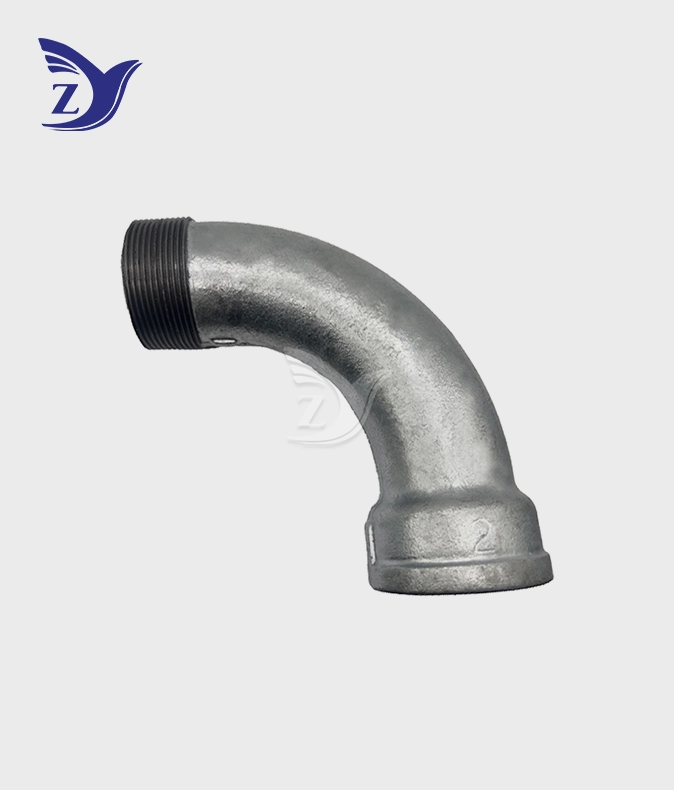
BSPT Galvanized Male Female 90° Long Radius Elbow Pipe Fittings
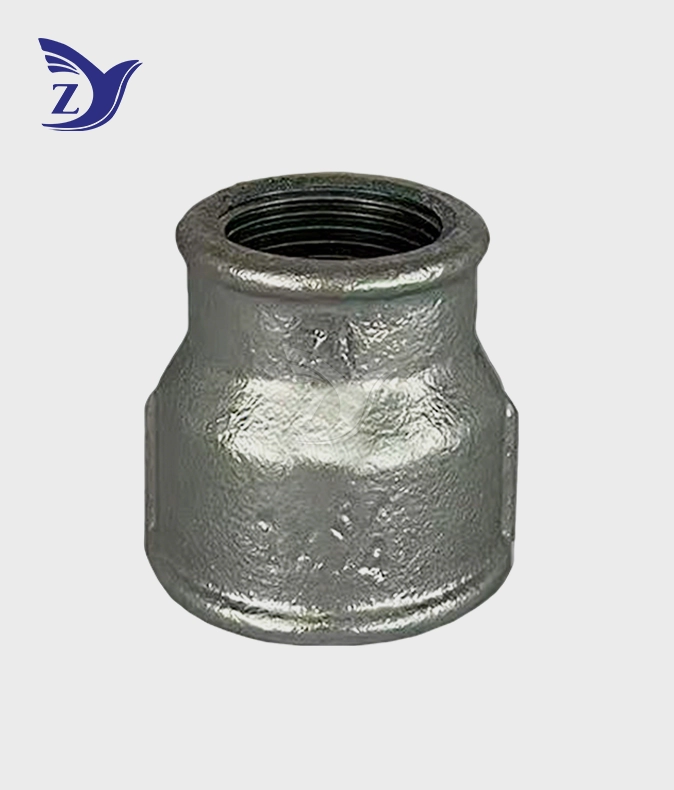
BSPT Round Face Galvanized Round Edge Reducing Coupling Pipe Fittings
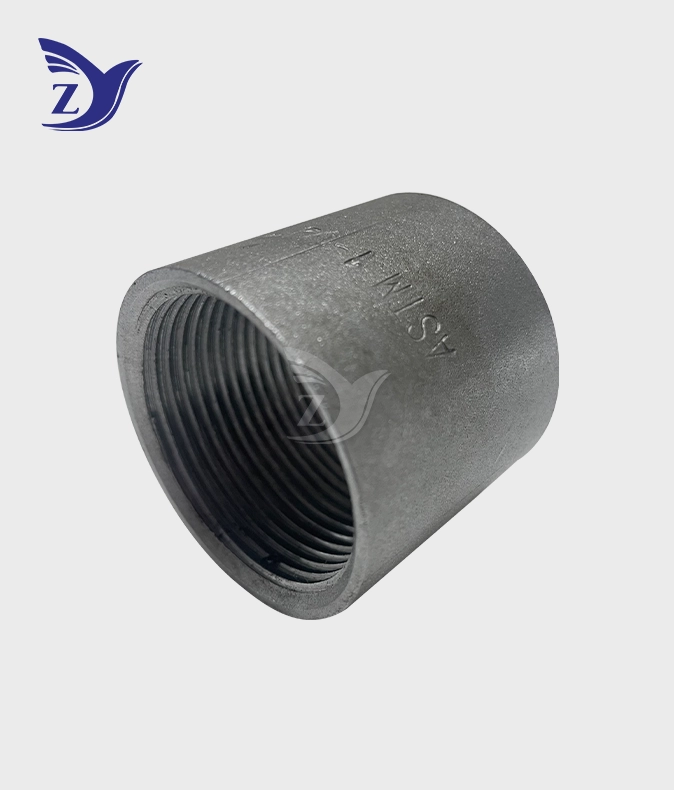
Carbon Steel Full Threaded Coupling Fittings Sand Blasted
Carbon Steel Welded Cap Pipe Fitting
300LB Black Malleable Iron 90 Degree Elbow Pipe Fitting
NPT Galvanized Union Elbow Threaded Pipe Fittings with Male and Female Ends
Galvanized NPT 90° Reducing Elbow
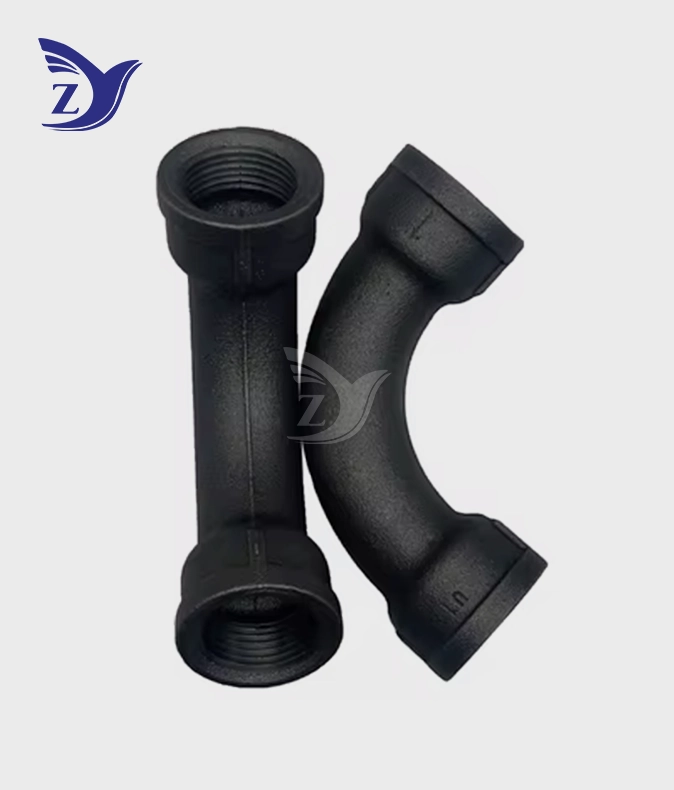
BSPT Black FxF 90° Long Bend Malleable Iron Pipe FittingsFittings