
Jul 2, 2026
How to get npt elbow face the right way?
It's not enough to just thread the pipes together to get the NPT elbow face right; it's also about accuracy, system stability, and long-term performance. The right direction of NPT galvanized male-female 90° long radius elbow pipe fittings provides leak-proof connections, better flow dynamics, and lower upkeep costs. The male-female design gets rid of extra nipples, which speeds up fitting and reduces the number of places where water could leak. What seems like a simple job becomes a crucial quality control step when you understand thread engagement, torque application, and alignment with engineering plans. This has a direct effect on the success of your project and the efficiency of your operations.
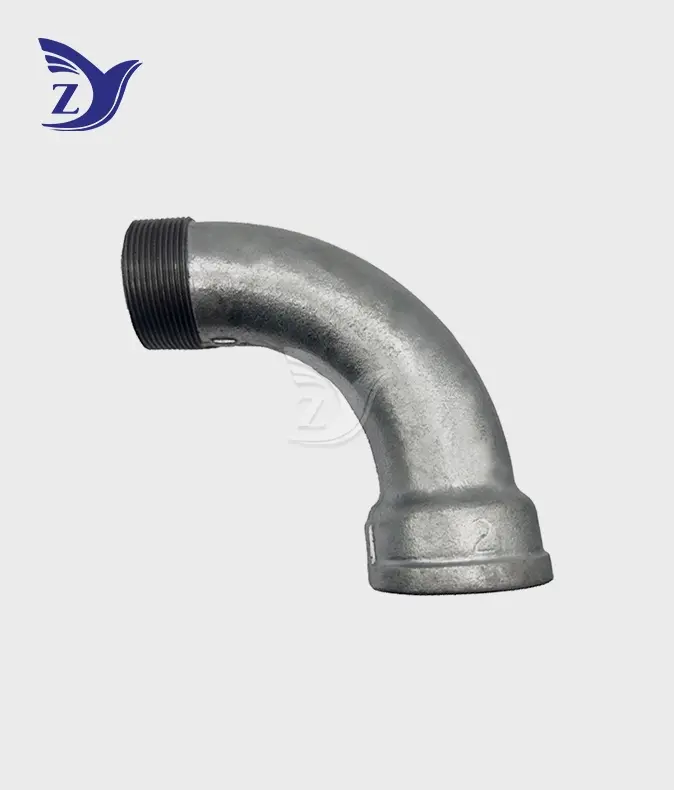
NPT Elbow Facing Orientation
NPT galvanized 90° long radius elbows are a special type of pipe link that are designed to change the flow of fluids or gases at exact right angles while switching between connection types. National Pipe Taper, or NPT, is a threading standard set by ANSI/ASME B1.20.1. It makes a mechanical seal through thread interference instead of gasket compression. This design is tapered and has a flank angle of 60 degrees. As you spin the fitting, the threads get tighter, making a leak-proof joint that can handle pressures up to 300 psi in normal Class 150 uses.
What Makes the Male-Female Configuration Unique
In North American markets, the male-female elbow is often called a street elbow. It has external threads on one end and internal threads on the other. This two-threaded design solves an ongoing space problem in industrial piping: it lets you connect directly to equipment ports, valve outlets, or tank fittings without having to use an extra close nipple. Getting rid of that extra part cuts the number of possible leak lines by about half and speeds up the installation process by a lot for big jobs.
Long Radius Design and Flow Performance
In this case, "long radius" means that the central radius is 1.5 times the standard pipe diameter. When compared to regular elbows with a small radius, this stretched curve lowers turbulence, pressure drop, and wear on the inside walls. This design feature makes the system last longer and work more efficiently in high-speed situations like condensate return lines or slurry transport. The smoother flow path keeps sediment from building up at the turn, which is a frequent place where abrasive fluid systems fail.
Galvanization and Corrosion Resistance
During hot-dip galvanizing, a protective zinc layer is added. This zinc works as a sacrificial anode, keeping the malleable iron underneath from oxidising. ASTM A153 guidelines say that the zinc layer must be more than 70 microns thick, which is about 500g/m². This will protect the metal for decades in wet, outdoor, or chemically active settings. Because the surface has been treated, these parts are especially useful for petroleum plants along the coast, irrigation networks for farms, and city water distribution systems that must keep things from rusting.
Common Challenges When Aligning NPT Elbows Correctly
When threaded elbows are installed incorrectly, they cause problems that spread and affect whole networks of pipes. Knowing about these mistakes helps buying teams choose good products and give installation crews the right training.
Thread Type Confusion and Compatibility Issues
NPT threads are very different from BSPT (British Standard Pipe Taper) threads and parallel threads like BSPP. Because the pitch and taper angle are different, pressing an NPT fitting onto a BSP connection will cause it to leak or crack. Some jobs were held up for weeks because the thread standards that were sent by wholesalers were not the same. Before buying in bulk, you should always compare thread specs to engineering drawings. Also, look for sellers who clearly label fittings with stamped thread identification to get rid of the need to guess during installation.
Radius Length Misidentification
Once the fittings are taken out of their package, it's hard to tell the difference between NPT galvanized male female 90° long radius elbow pipe fittings and normal radius elbows by looking at them. Installers who are in a hurry sometimes use regular elbows instead of long radius fittings because they don't notice the longer sweep. This causes flow limits and pressure loss that affect the whole system. These expensive mix-ups can be avoided by keeping storage organised with clear labels and verifying parts during pre-installation checks.
Measurement and Alignment Errors
When figuring out pipe lengths, most people forget to account for thread contact depth, which leads to bad face. For an NPT thread to properly close, it needs to be turned three to four times past hand-tight. This uses up about 5/8 inch of thread length on a 1-inch fitting. Installers who cut lines without taking this into account end up with elbows facing 15 to 30 degrees in the wrong direction. The effects include mechanical stress on nearby parts, confusion with equipment access panels, and connections that aren't lined up right, which needs expensive repair.
Over-Torquing and Thread Damage
Too much pressure breaks the flimsy structure of iron fittings that can be shaped or strips the threads completely. Installers use feel instead of calibrated torque wrenches and maker specs. This is a subjective method that changes based on each person's strength and experience. When threads are damaged, they make tiny holes in the seal that let fluids through. These holes show up as weeping leaks that get worse over time as the temperature changes. These problems usually show up weeks after the system was installed, during testing, or in the first few days of operation. This leads to warranty claims and project delays.
Step-by-Step Guide to Get the NPT Elbow Facing the Right Way
To get accurate elbow position, you need to measure things in a planned way, use the right tools, and follow the installation instructions. This process takes what you've learned in the classroom and turns it into actions that meet quality assurance standards.
Accurate Thread Measurement and End Identification
First, use L1 and L2 ring and plug tools that check NPT conformance to make sure the thread specs are correct. There are external threads with a noticeable taper on the male end, and hidden threads on the female end. Measure the stand-off distance, which is the space left over when the gauge is pressed up against the shoulder of the fitting. This measurement needs to be within the limits set by ANSI B1.20.1 to make sure it engages properly and doesn't bottom out too soon. Write down these numbers in your quality control records so that they can be tracked for audits of your buying and to make sure you're following the rules.
Thread Standard Verification and Compatibility
Differentiating between NPT and BSPT stops cross-threading mishaps. NPT threads have a 1:16 taper and certain pitch sizes at gauge points. BSPT threads also have a 1:16 taper but have different pitch requirements. When ordering fittings for foreign projects, make sure the buy order says "ANSI/ASME B1.20.1 compliant NPT" so there is no confusion. Distributors who work with foreign markets should keep their stock separated so that standards don't get mixed up. You might want to ask producers like Zhiyuan Malleable Steel for certification paperwork because they use strict thread gauging as part of their testing processes.
Installation Best Practices for Leak-Free Connections
For a job to be done right, the pressure application and sealant efficiency must be balanced. Use three to four wraps of high-quality PTFE tape around male threads that are less than two inches in diameter. You could also use an anaerobic pipe thread glue that is rated for the temps and chemicals that will be present in your application. Tighten the fitting by hand until the resistance goes up. Then, use the wrench to apply torque according to the instructions, which for smaller fittings is usually 1-2 turns more than hand-tight. Use a second wrench to hold the connecting part in place and keep the connected pipes from rotating.
Place the NPT galvanized male female 90° long radius elbow pipe fittings dry-fit first to make sure it lines up with the engineering plans. Use a grease pencil to mark the desired direction on both the fitting and the pipe before taking them apart for the final placement. This point of reference helps you put things back together at the right angle. Check the torque with calibrated tools to make sure you don't go over the suggested values, which for 1-inch NPT connections are usually between 30 and 50 foot-pounds, but can change based on the material.
Leak Testing and Visual Inspection Protocols
Before the system is put into service, hydrostatic testing at 1.5 times the working pressure finds problems with the installation. As you slowly increase the pressure in the line, check the elbow connection for any weeping or spray leaks. When soap solution is put on thread surfaces, even small leaks cause bubbles to form. Visual inspection should make sure that the 90° angle is within a range of ±0.5° to make sure that the axes are truly perpendicular. Deviation causes stress in the pipe and could lead to wear cracks.
Include photos of the test results that show the pressure gauge numbers and how the fitting is positioned in relation to reference points. This paperwork meets the standards for quality assurance so the project can be approved, and it also gives us baseline records for keeping track of upkeep. Whether it's because of a problem with the material, a mistake in the installation, or damage from handling, rejected parts should be labelled, put in separate piles, and analysed to find the root cause.
Conclusion
To get the right NPT elbow orientation, you need to know about thread physics, material features, and installation procedures that turn simple fits into reliable system parts. When you put together a male-female design, a long radius flow path, and galvanized protection, you get better performance in fire protection, public infrastructure, and industrial process uses. When procurement pros put source certification, thread standard verification, and installation training at the top of their list of priorities, they avoid costly mistakes and make sure systems last as long as possible. Investing in high-quality fittings and the right way to put them pays off in the form of less upkeep, longer service life, and higher operational efficiency, all of which have a direct effect on how much money the project makes and how happy the clients are.
FAQs
What distinguishes NPT from BSPT threads?
NPT threads have a 1:16 taper and certain pitch sizes that are required by ANSI/ASME B1.20.1. BSPT threads, on the other hand, follow ISO 7-1 and have a similar taper but different pitch requirements. These differences in size make it impossible to seal properly when they are mixed. To avoid cross-threading and leaks, make sure that all of your system's connection points use the same thread standards.
How can I visually distinguish long radius from short radius elbows?
Long radius elbows have a centerline radius that is 1.5 times the normal pipe diameter. This makes the curve more gradual than with standard radius fittings, which have a tighter turn. Confirmation can be found by measuring the distance between the centers of two openings that are not parallel to each other. For long radius designs, this distance will be noticeably bigger.
What's the best sealing method for male-female NPT connections?
For effective closing, use high-quality PTFE tape wrapped three to four times clockwise or anaerobic pipe thread sealant that is rated for your use. The tapered shape makes a circular leak path at the thread roots, which the sealant fills. Do not apply too much force, as this can contaminate system fluids or cause hydraulic lock during assembly.
Can galvanized fittings be used with natural gas lines?
Mechanically, galvanized fittings can be used for natural gas uses. However, black iron may be required by local rules so that the lines can be seen. Some places don't let galvanized parts be used with gas because of worries about zinc flaking when certain sulphur compounds are present. Before specifying, you should always make sure that the work complies with ASME B31.2 fuel gas codes and any local rules.
Partner with Zhiyuan Malleable Steel for Premium NPT Galvanized Fittings
If you need NPT galvanized male-female 90° long radius elbow pipe fittings, Zhiyuan Malleable Steel is the company you can trust. They have been making these fittings for 26 years and have a lot of experience creating them. Our factory is ISO 9001, CE, UL, and FM certified, and it makes more than 1,000 different products every year. Its yearly capacity is more than 30,000 tonnes, which means that we always have stock and can send standard things within two hours. The company has strict quality control measures that include checking the thread gauge, the width of the zinc coating, and the hydrostatic pressure at 1.5 times the working pressure. These measures meet the high standards needed for fire protection, city infrastructure, and industrial uses. For non-standard specs, we offer full OEM and ODM customisation services. If a product is faulty, we'll replace it for free, protecting your project deadlines and quality promises. The strategic position of our plant in Shanxi Province makes it possible to make things cheaply and easily, which means that we can offer low prices for bulk purchases. Zhiyuan's expert support team can help you with everything from choosing the right specifications to installing the fittings, whether you're looking for fittings to sell internationally, build a large-scale infrastructure project, or use them in a specific industry. Get personalised quotes on NPT galvanized male-female 90° long radius elbow pipe fittings supplier partnerships by emailing our engineering team at q1236800000@gmail.com. You can also look through our full product line at zymalleablepipefitting.com to find volume pricing benefits that will make your supply chain work better.
References
American Society of Mechanical Engineers. ASME B1.20.1: Pipe Threads, General Purpose (Inch). New York: ASME Press, 2013.
ASTM International. ASTM A153/A153M: Standard Specification for Zinc Coating (Hot-Dip) on Iron and Steel Hardware. West Conshohocken: ASTM International, 2016.
ASTM International. ASTM A197: Standard Specification for Cupola Malleable Iron. West Conshohocken: ASTM International, 2000.
Hydraulic Institute. Effects of Liquid Viscosity on Rotodynamic Pump Performance. Parsippany: Hydraulic Institute, 2010.
National Fire Protection Association. NFPA 13: Standard for the Installation of Sprinkler Systems. Quincy: NFPA, 2019.
Zappe, R.W. Valve Selection Handbook: Engineering Fundamentals for Selecting the Right Valve Design for Every Industrial Flow Application. 5th ed. Houston: Gulf Professional Publishing, 2004.
Online Message
YOU MAY LIKE
High quality furniture manufacturer
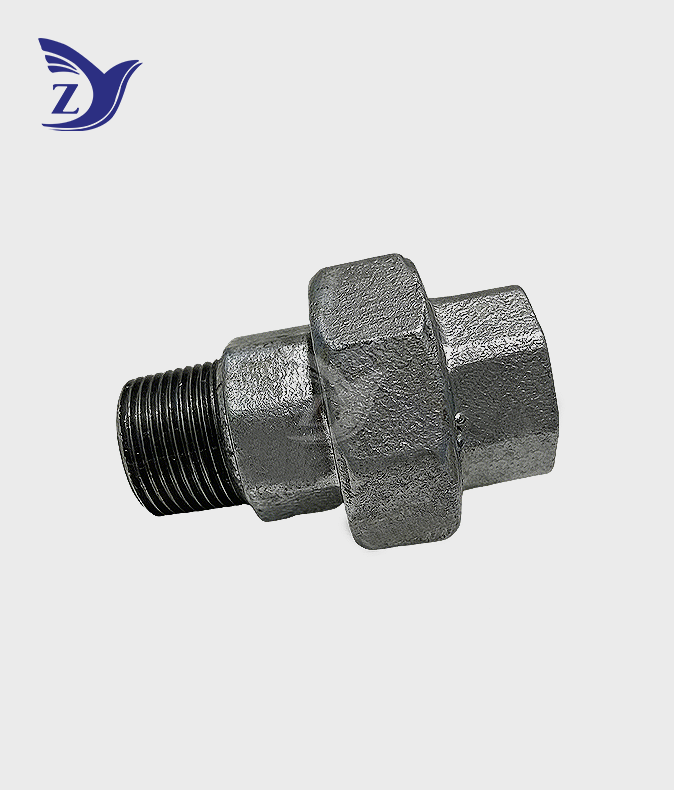
NPT Galvanized Male Female Threaded Union 343 Pipe Fittings
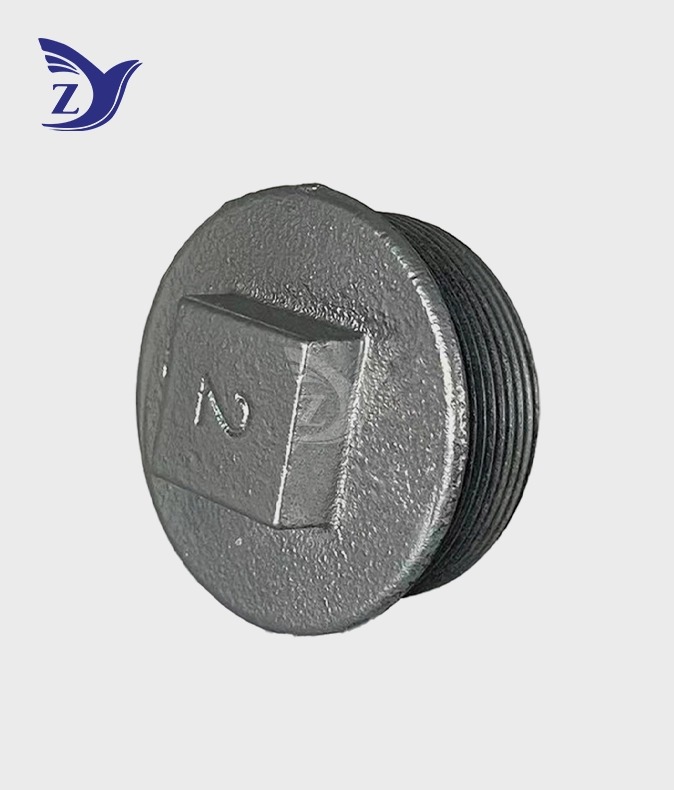
NPT Galvanized Flanged Pipe Plug Pipe Fittings
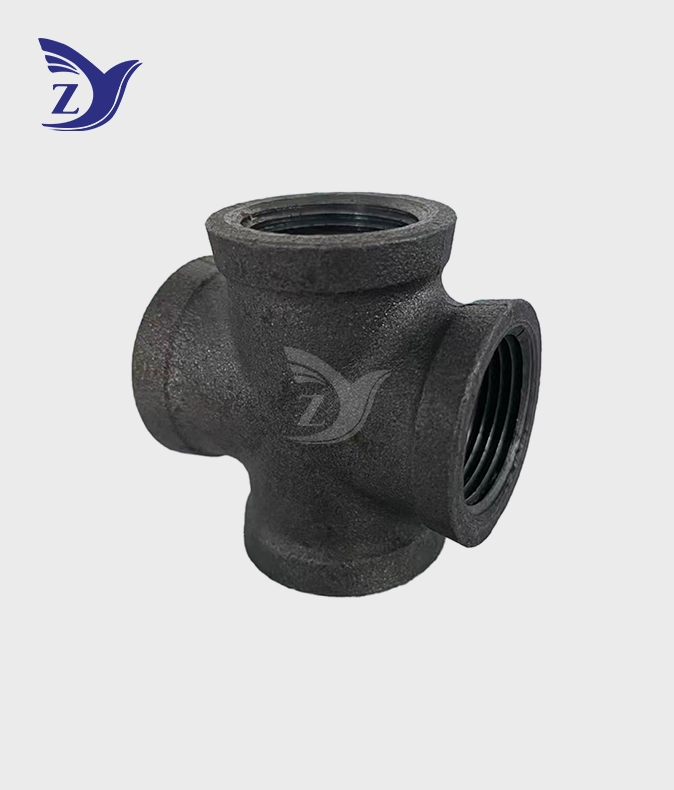
NPT Black Square Face Cross Pipe Fittings
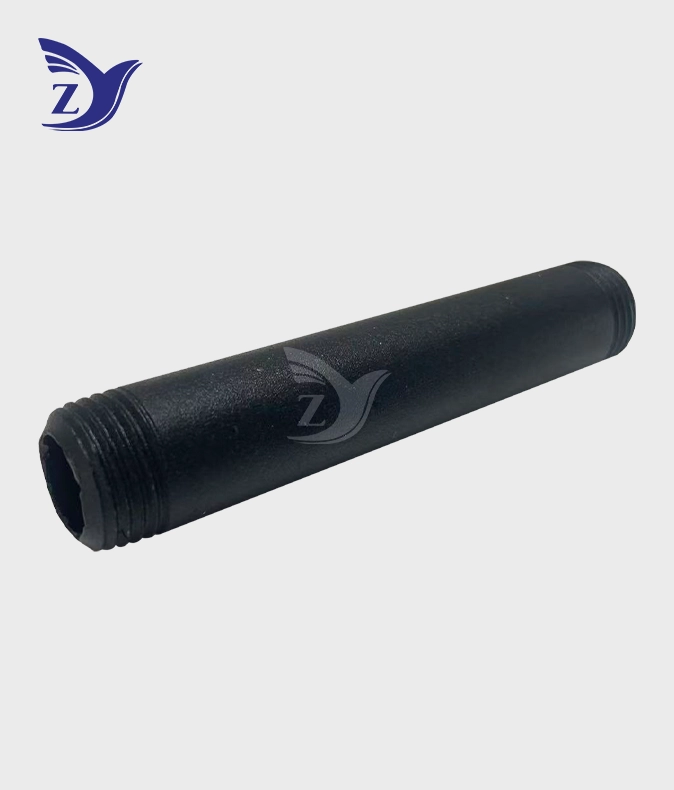
Carbon Steel Pipe Male Threaded Fittings Black Oxide Treated
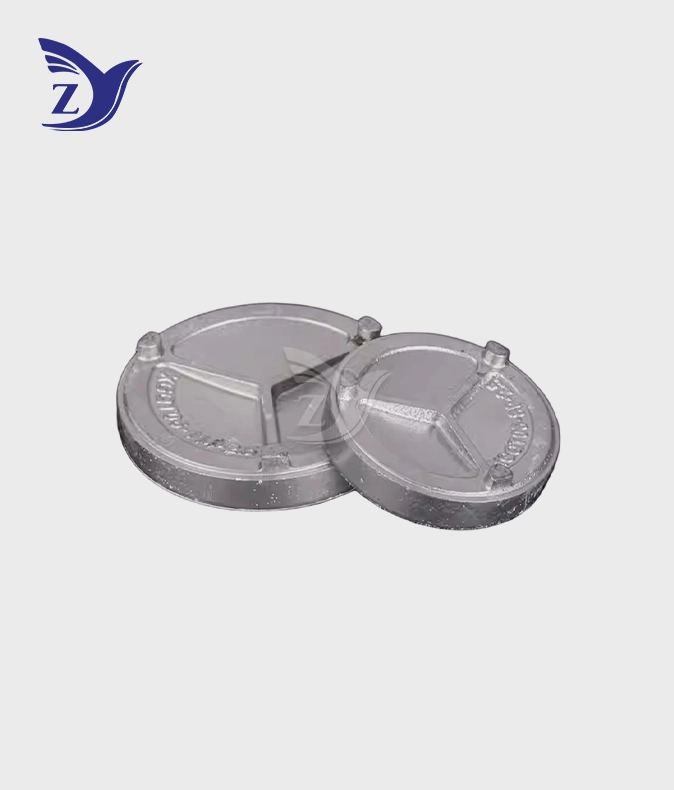
Water Grooved Blind Flange
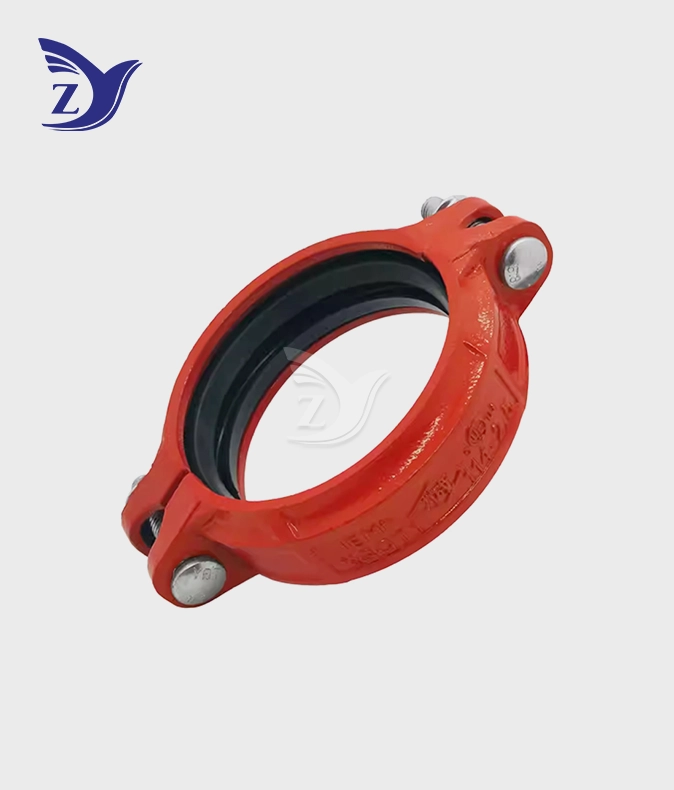
Fire Grooved Clamp
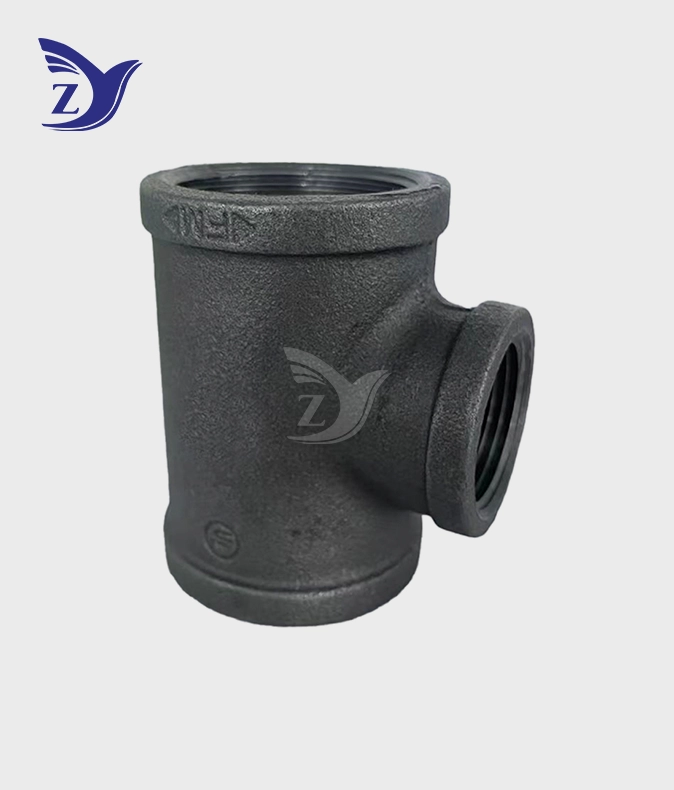
NPT Black Square Face Reducing Tee Pipe Fittings
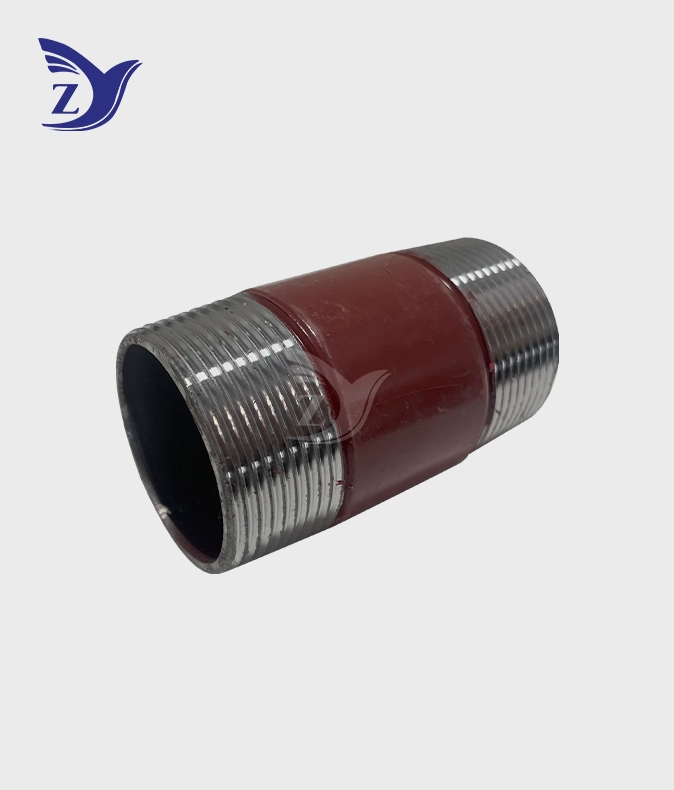
Carbon Steel Pipe Male Threaded Fittings Red Coated