
Jun 5, 2026
How to ensure compatibility between galvanized pipes and BSPT elbows?
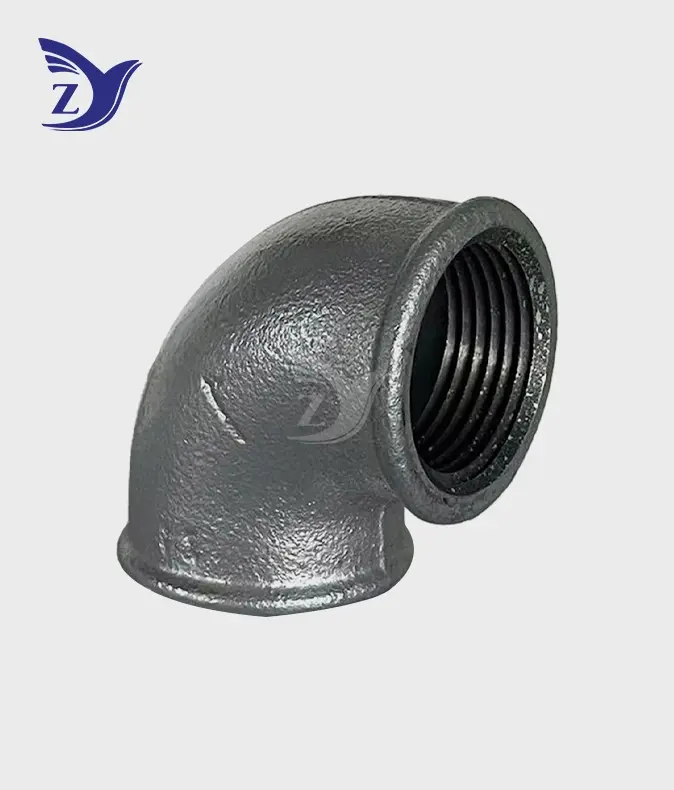
To make sure that steel pipes and BSPT elbows work together, you need to pay close attention to thread standards, material requirements, and fitting methods. The important thing is to choose hot-dip galvanized round edge BSPT 90° elbows that are made correctly and have a British Standard Pipe Taper (ISO 7-1) threading with a 55° angle and a 1:16 taper ratio. When paired with BSPT-threaded galvanized pipes that are the same size, these precision-threaded fittings made from malleable iron that meets ASTM A197 standards make safe metal-to-metal bonds. Making sure the thread pitch is consistent, using the right amount of torque during installation, and using the right sealing agents are all ways to make sure that connections in industrial water, gas, and fire protection systems don't leak and can handle changes in pressure and weather stresses.
Understanding BSPT Elbows and Galvanized Pipes
What Makes BSPT Threading Unique
The way British Standard Pipe Taper threading works is very different from how other connection methods work. When you combine the 55° thread angle with the 1:16 taper, you get a self-sealing system where the male thread wedges closer into the female opening as the installation force goes up. This shape spreads stress evenly across the thread surfaces, stopping the pressure points that lead to cracks in designs with parallel threads. The round edge feature, which is also known as "beaded reinforcement," adds important material thickness around the female thread holes. This makes the fitting stronger against hoop stress during the tightening and thermal expansion processes that are common in heating and air conditioning systems.
Hot-Dip Galvanization Process and Benefits
Hot-dip galvanizing has many defensive benefits that go beyond how it looks on the outside. When parts made of malleable iron are put into melted zinc at about 450°C, a chemical reaction forms several layers of zinc-iron alloy below the pure zinc coating on the outside. This linked structure, which usually has a covering mass of 500+ g/m² (more than 70 microns thick), protects against cathodic breakdown by sacrificing the zinc layer to protect the iron underneath, even if scratches on the surface show the base metal. According to ASTM A153 standards, this process provides corrosion resistance that is significantly higher than electro-galvanized or painted options. This is especially true for outdoor installations that are exposed to moisture, temperature changes, and airborne pollutants that are common near petrochemical plants or the coast.
Thread Standard Identification
By telling the difference between BSPT and NPT threads, you can avoid costly mistakes. Both NPT and BSPT have tapered designs, but NPT has a 60° thread angle and BSPT has a 55° thread angle. Also, pitch values vary across most standard sizes. Visual inspection shows small changes in the profiles, but using thread gauges that meet BS EN or ISO standards to prove the dimensions gives solid proof. Quality makers stamp fittings with standard labels (R for external BSPT threads and Rc for internal) and material certifications. This lets procurement experts check that the fittings are compliant before they are installed.
Common Compatibility Challenges and Their Causes
Thread Mismatch Consequences
When you force thread standards that don't work together, you damage both the pipe and fitting surfaces. Because the angles aren't all the same, there is only partial contact, which means that stress is concentrated on a small area of thread attachment instead of being spread out over the whole link area. During fitting, this mechanical interference breaks thread profiles, making leak paths that get worse when the pressure is cycled. We have examples of fire control systems that failed catastrophically during pressure testing because of mixed threading. The systems had to be completely reinstalled with properly matched parts, which cost a lot of money.
Manufacturing Tolerance Variations
Even when thread standards are the same, makers' differences in size pose a threat to compatibility. Poor production methods lead to threads that don't have the right pitch spacing, taper angles, or depth, which makes them unable to close properly. Installers can tell these differences when they come across parts that need too much torque to make a tight connection or joints that can spin easily without putting pressure on the seal. To lower these risks, procurement teams buy from ISO 9001-certified companies that follow strict quality control rules and send measurement inspection reports with large orders.
Material Behavior Under Service Conditions
The rates of thermal expansion, pressure values, and resistance to corrosion must all match between lines and fittings. When galvanized steel lines are paired with fittings that don't meet the requirements, the different rates of expansion cause stress on the joints when the temperature in a steam or hot water system changes. Similarly, Class 150 fittings that are designed for 150 PSI full steam service fail early when put into systems with pressures higher than the design pressure. Knowing these important limits during the design phase helps avoid problems in the field that could damage the system's integrity and lead to guarantee claims that could hurt relationships with suppliers.
Principles and Best Practices for Ensuring Compatibility
Material Selection Criteria
For uses requiring a curved thread, high-strength malleable iron that meets ASTM A197 or EN 1562 standards is the best choice. These materials have a minimum tensile strength of 350 MPa and a 10% elongation, which means that threads can bend slightly under installation pressure without cracking. This is an important feature that brittle cast iron options don't have. The two threads on high-quality BSPT 90° elbows make it possible to safely shift pipes while keeping the body of the fitting structurally sound. When looking at anti-rust malleable iron parts, make sure that the hot-dip galvanizing process meets ASTM A153 standards. Electroplating methods that aren't as strict don't provide enough protection for industrial water and gas pipeline uses.
Installation Method Specifications
Controlled installation methods are needed to make links that don't leak. Here are the most important steps to take to protect the structure of the thread and make sure the seal forms correctly:
Putting PTFE tape or anaerobic pipe sealant on thread surfaces makes them less rough, which lowers the chance of friction that could lead to galling or seizure while tightening. Before adding wrench force, the thread engagement should reach a hand-tight position. This makes sure that the thread starts are lined up properly. Different nominal sizes have different torque requirements. For smaller widths up to 1 inch, the requirements are usually 1-2 full turns past hand-tight. For bigger fittings, precise torque wrenches are needed to avoid over-stress. After fitting, checking the thread exposure makes sure there is enough engagement without bottoming out the link, which would stop the taper from sealing properly.
These installation standards have a direct effect on how well and how long the system works. Failure rates are much lower in projects that write down torque values and test pressure before starting than in projects that rely only on installer opinion. Quality control photos that show how the threads should be engaged are useful for proving claims under a guarantee and for future maintenance.
Case Study: Municipal Water System Upgrade
By following strict matching rules, a water supply business that upgraded 2,000 meters of distribution pipe was able to get 99.8% of the seals to work the first time. The buying team asked for precision-threaded round edge BSPT 90° elbows that were made to ISO 7-1 standards and paired with galvanized pipes from sources who could provide approved dimensional reports. The installation teams were taught about the right way to use sealing compound and torque specs, and quality testers checked the thread engagement at random. This methodical approach got rid of the need for expensive rework and leak fixes that happened on earlier projects that used mixed-source components without proper verification processes. This shows that strict specifications from the start save money on projects and make systems more reliable.
Comparing BSPT Elbows with Alternatives in Procurement Decisions
BSPT versus NPT Thread Systems
Differences in thread design lead to different performance traits. The higher 60° angle of NPT makes installation faster and requires fewer turns to achieve a seal, so it is chosen in situations where assembly speed is important. BSPT's 55° angle, on the other hand, spreads the tightening force out more widely, which lowers the stress that can cause fittings to crack when torque is high. The 1:16 taper ratio in BSPT standards makes contact more slow than NPT's 1:16 specification, which lets you have more precise control while tightening. Availability is affected by regional tastes. For example, NPT is most popular in North America, while BSPT is still the standard in Europe and many other places around the world. Instead of thinking that two things can be used interchangeably just because they look the same, procurement choices should be based on project engineering drawings and local code requirements.
Galvanized versus Stainless Steel Fittings
When choosing materials, it's important to find a balance between rust protection, cost, and mechanical needs. The 304 or 316 types of stainless steel are much more resistant to chemicals and can be used in places that are very acidic, like wastewater treatment plants or chemical processing plants. However, they are much more expensive per unit. When done right, hot-dip galvanizing protects against rust well enough for common industrial water, gas, and heating uses, and it costs about 40–60% less than stainless steel. Stainless steel relies on passive chromium oxide films that can break down in chloride-rich settings, while the zinc layer can fix small scratches on its own through cathodic action. When figuring out the total cost of ownership, you should include how often things need to be replaced. Galvanized fittings can last 30 years or more in a normal indoor setting, but marine installations outside might need to be replaced every 15 to 20 years, while stainless steel lasts much longer.
Round Edge versus Sharp Edge Designs
The beaded strengthening that makes round edge fittings stand out is important for the structure. Adding more material thickness to the female thread holes stops the splitting forces that happen during tapered thread installation. This is especially important for fits with a width of more than 1.5 inches, where the tightening pressure goes up a lot. This reinforcement also makes connections stronger against water hammer in fire suppression systems, where quick valve closing causes pressure spikes that are higher than normal working loads. For low-pressure uses, sharp edge or plain rim fittings work well and save a little on material costs. But in professional setups, where failure can cause damage to property and legal problems, the small savings rarely make up for the lower longevity.
Procurement Guidelines for Hot-Dip Galvanized BSPT 90° Elbows
Supplier Evaluation Criteria
Product uniformity is directly linked to manufacturer approval. Product-specific certifications, such as CE marking or UL/FM approval for fire protection parts, show that safety standards are met. ISO 9001 quality management certification shows that production is controlled in a planned way and checking methods are written down. When working on foreign projects, being able to export is important. Suppliers who know about containerized shipping, customs paperwork, and operations in other countries can help keep project timelines on track. By asking for facility audit reports or third-party inspection certificates, you can get more proof than what the marketing says, especially when you're looking for a new supplier for a big deal.
Order Specification Best Practices
Technical details that are easy to understand keep mistakes from costing a lot of money. The thread standards (BSPT per ISO 7-1), material grades (ASTM A197 malleable iron), coating requirements (ASTM A153 hot-dip galvanizing with minimum coating mass), and pressure class rates (usually Class 150 for standard uses) should all be written on the purchase order. It is easy to keep track of inventory when there are nominal size ranges, amounts per size, and packaging standards. Lead times depend on how many fittings you need. For example, standard NPT/BSPT compatible round edge fittings can usually be shipped from stock within 48 to 72 hours for popular sizes. However, if you have specific needs or a lot of fittings for a job, it could take 4-6 weeks to make them. Most volume savings start at 1,000 units, and prices drop significantly for orders of 5,000 units or more, which is good for distributor supplies or big building projects.
Quality Verification Protocols
When things come in for review, problems are found before they are installed. Randomly sampling thread sizes with go/no-go gauges makes sure the manufacturing is accurate, and measuring coating thickness with magnetic gauges makes sure the quality of the galvanization. Before committing whole orders to inventory, pressure values are checked by hydrostatic testing on sample fittings. Material test results that show the chemistry of malleable iron, galvanization bath analyses that show the purity of the zinc, and measurement inspection certificates should all be included in the documentation. Setting up these checks with sellers during the negotiations phase, instead of after shipping problems happen, makes the purchasing relationship more accountable for quality.
Conclusion
For galvanized pipes and BSPT elbows to work together, it's important to pay close attention to thread standards, material requirements, and fitting best practices when buying and setting them up. When you choose industrial-grade male-female 90° elbows made from high-strength, malleable iron with precise BSPT threads and the right hot-dip galvanization, you can be sure that the joints will last. Knowing the basic differences between thread systems can help you avoid mistakes that cost a lot of money, and using quality control procedures will make sure that parts work the same way on all big orders. When you buy corrosion-resistant dual-threaded 90° pipe fittings that are properly defined, you get a clear return on your investment through less upkeep, a longer system life, and lower failure risks. When procurement teams follow these guidelines, they can make sure that pipe connections are safe and will last for decades without any problems in areas like fire protection, city water, HVAC, and industrial process.
FAQs
Can BSPT fittings connect with NPT threaded pipes?
No, BSPT and NPT threads are not compatible, even though they look a lot alike. BSPT threads have a 55° angle, while NPT threads have a 60° angle. This causes misalignment that stops them from closing properly and breaks the thread profiles during forced assembly. There are changes in thread pitch between most nominal sizes, which makes engagement even less safe. When you try to make mixed links, you get leaks right away or early failure under pressure. Before installing, you should always make sure that the thread standards on the pipes and fittings match.
How does hot-dip galvanizing compare to electro-galvanizing for fitting longevity?
Hot-dip galvanizing uses metallic bonding instead of surface plating to make zinc coats that are 5–10 times thicker than electro-galvanized options. This means that the coating will protect against rust for decades outside, while the cosmetic coating is only good for dry indoor settings. When used in professional settings where repair costs are higher than the original material costs, hot-dip galvanized round edge fittings are a good investment.
What sealing methods work best with BSPT tapered threads?
In theory, BSPT threads can seal themselves through taper compression. However, PTFE tape or anaerobic pipe sealer is usually used with this mechanical seal to make it work better. These substances smooth out tiny surface flaws and grease threads while they're being installed, making sure that connections don't leak even if there are small production tolerances. Don't use too much sealant, as it could contaminate system fluids or stop the threads from engaging properly.
Partner with Zhiyuan Malleable Steel for Reliable BSPT Fitting Solutions
Zhiyuan Malleable Steel has been casting and making pipe fittings for 26 years, and they can help you with your industrial projects. Our factory in Shanxi Province is ISO 9001-certified and has 8 sets of advanced medium frequency electric furnaces and 156 precise machining units. It can make 30,000 tons of products each year and meet more than 1,000 different standards. Our hot-dip galvanized round edge BSPT 90° elbows are trusted because they meet ASTM A197 material standards and ASTM A153 galvanization requirements. We also offer CE, UL, and FM approved parts for fire protection, city water, HVAC, and industrial uses all over the world.
Our competing benefits include the ability to fully customize products through ODM/OEM services that are suited to regional standards, the ability to quickly ship standard products from a large inventory, and the quality security that comes from guarantees that will replace any defective products. Buyers who buy in bulk get better prices and can keep the same specs for all of their big projects. Whether you need precision-threaded industrial water and gas pipeline fittings or custom casting solutions, our experienced technical team works with sourcing experts to make sure that all of your needs are met and that the system works well for a long time.
Contact our sales team at q1236800000@gmail.com or visit zymalleablepipefitting.com to request detailed product specifications, certification documentation, and volume pricing for your next project. We deliver the malleable steel pipe fitting solutions that global engineering teams trust for critical infrastructure applications.
References
- British Standards Institution (2015). Pipe threads where pressure-tight joints are made on the threads – Part 1: Dimensions, tolerances and designation (ISO 7-1:2015). London: BSI Standards Publication.
- American Society for Testing and Materials (2020). ASTM A197/A197M-20: Standard Specification for Cupola Malleable Iron. West Conshohocken, PA: ASTM International.
- American Society for Testing and Materials (2021). ASTM A153/A153M-21: Standard Specification for Zinc Coating (Hot-Dip) on Iron and Steel Hardware. West Conshohocken, PA: ASTM International.
- American Society of Mechanical Engineers (2022). ASME B16.3-2022: Malleable Iron Threaded Fittings: Classes 150 and 300. New York: ASME Press.
- International Organization for Standardization (2018). ISO 9001:2015 Quality Management Systems – Requirements. Geneva: ISO Central Secretariat.
- European Committee for Standardization (2017). EN 1562:2011+A1:2017 Founding – Malleable Cast Irons. Brussels: CEN Technical Committee.
Online Message
YOU MAY LIKE
High quality furniture manufacturer
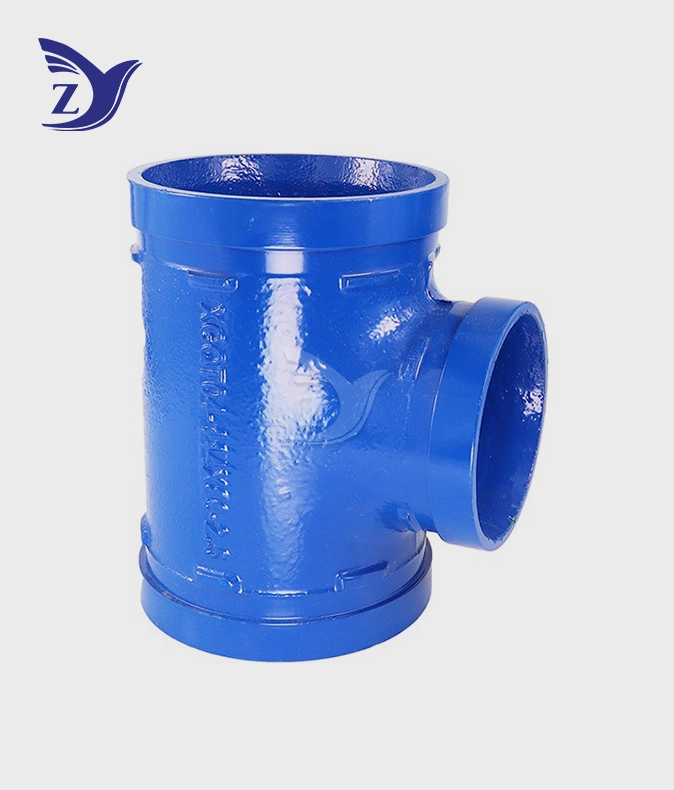
Water Grooved Straight Tee
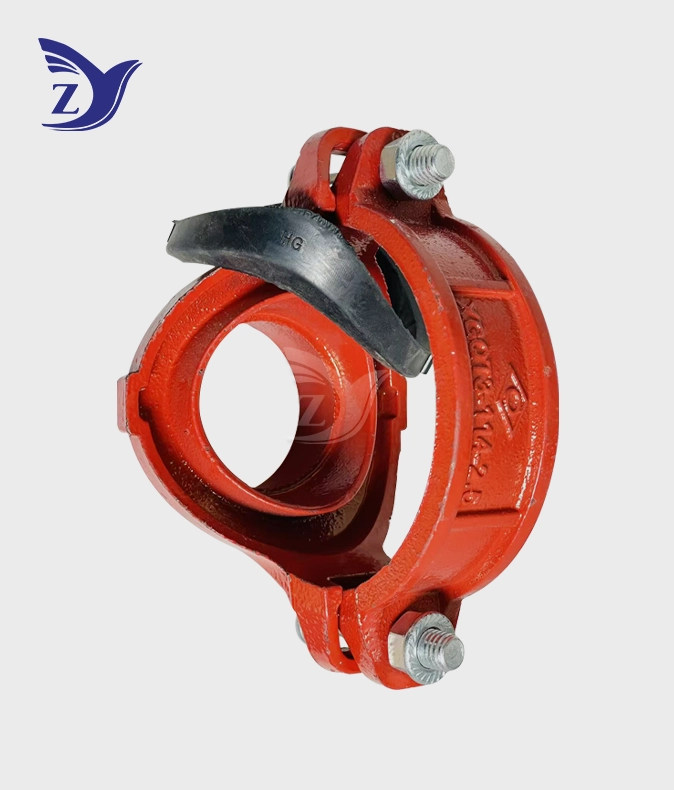
Fire Grooved Mechanical Tee
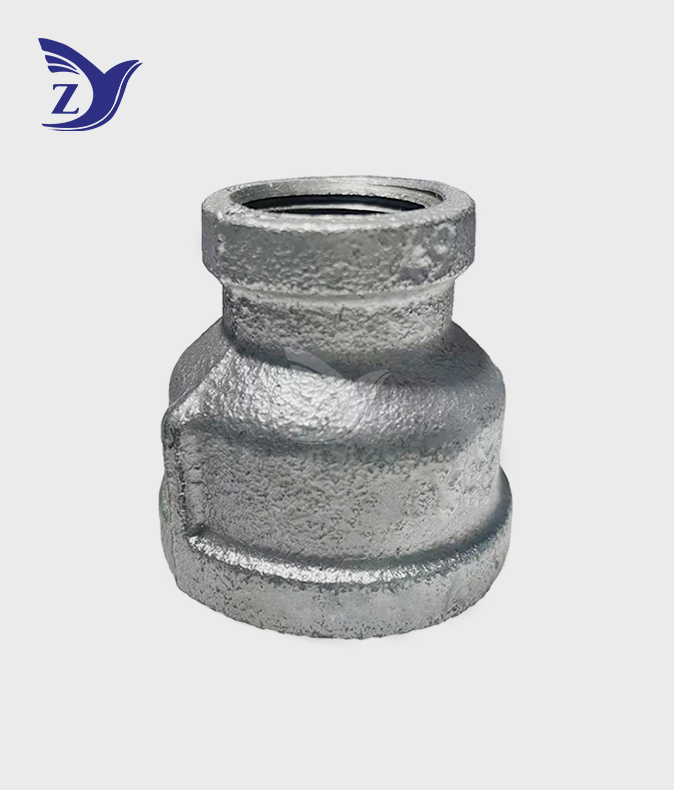
BSPT Square Face Galvanized Square Edge Reducing Coupling Pipe Fittings
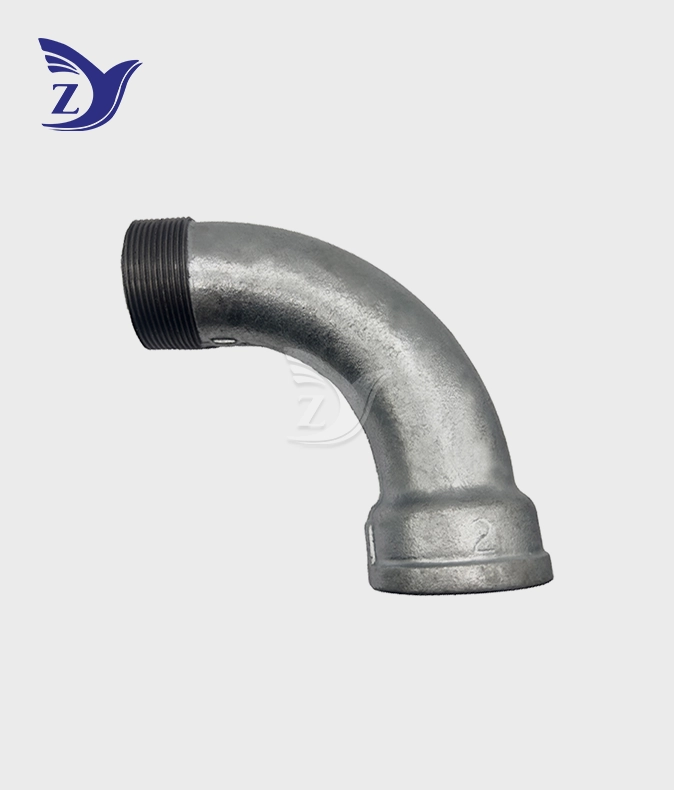
NPT Galvanized Male Female 90° Long Radius Elbow Pipe Fittings
Forged Carbon Steel Socket Weld 45 Degree Elbow High Pressure Pipe Fitting
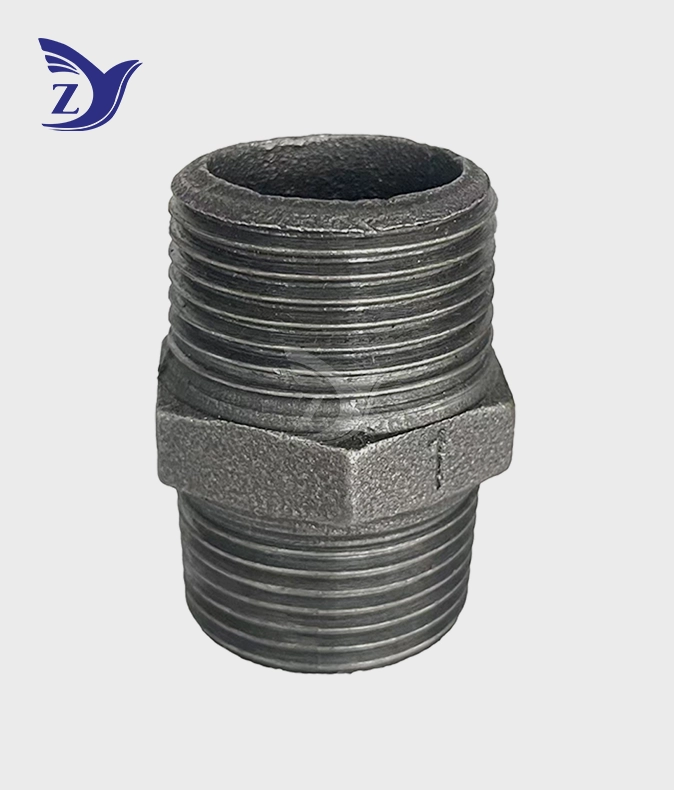
BSPT Black Male Nipple Pipe Fittings
300LB Black Malleable Iron 45 Degree Threaded Elbow Pipe Fittings
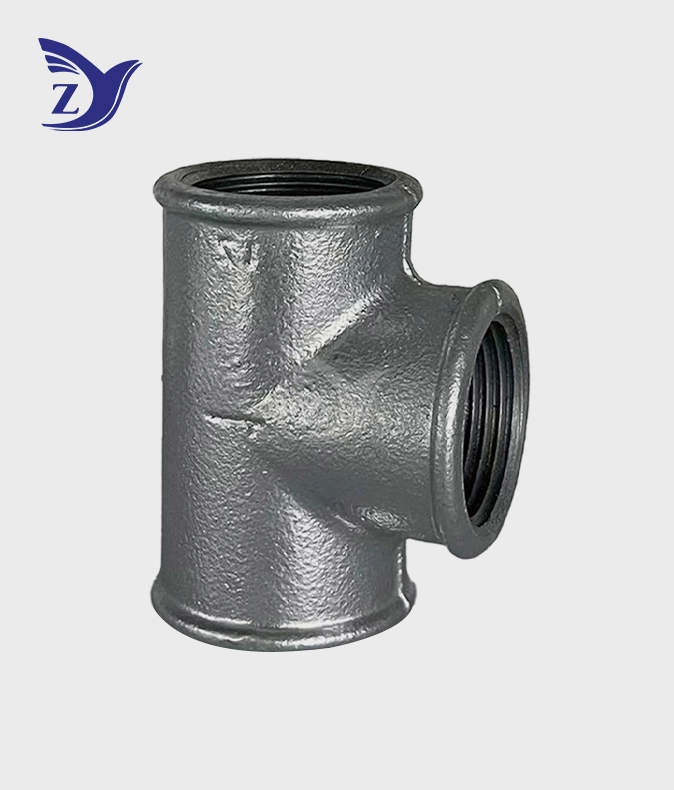
NPT Round Face Galvanized Round Edge Straight Tee Pipe Fittings