
Jun 1, 2026
How to choose and install black malleable iron bushings for pipe size reduction?
It is important to choose and place the correct black malleable iron bushing for pipe size decrease to keep the system's integrity, stop leaks, and make sure it works well for a long time. These precision-engineered fittings make it easy to switch between pipes of different sizes, and they are stronger and more flexible than cast iron options. When picking a bushing, make sure that the NPT or BSPT thread specs match the ones on your current piping system. Also, make sure that the pressure ratings meet the needs of your application and that the material meets ASTM A197 standards. To make a pressure-tight seal without hurting the fitting, the threads must be properly prepared, the right sealant must be applied, and the right amount of force must be used.
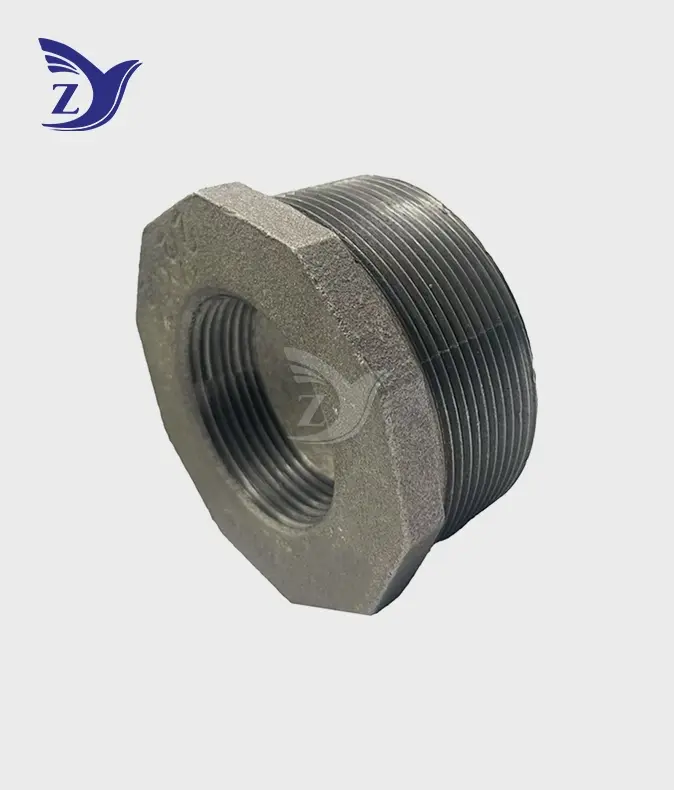
Criteria for Choosing the Right Black Malleable Iron Bushing
Matching Thread Standards to Your Piping System
Making sure that the threads on the black malleable iron bushing and the current pipe system are compatible is the most important thing to consider when making a choice. In North America, NPT threads are most often used in plumbing, HVAC, and fire protection systems that have to follow rules like NFPA 13. BSPT threads are mostly found in systems that are made according to European or Asian standards. This is common in imported tools and projects that involve people from other countries. When you mix thread types without the right fittings, the threads don't fully connect, and the seal breaks. This is a common reason why system leaks are found during pressure testing.
Tolerances for precision making have a direct effect on the quality of thread contact. Premium bushings have thread shapes that are cut to very tight standards (usually ±0.005"), which makes sure that the fit stays the same after many connection cycles. This level of accuracy is especially important in situations where parts need to be taken apart for repair on a regular basis, since worn threads can weaken the seal. If you're looking for parts for foreign projects, make sure the seller offers dual-specification choices or clearly labeled thread standards to avoid costly mismatches in the field.
Evaluating Pressure Ratings and Environmental Factors
The working pressure and temperature affect the choice of pressure class. A common mistake in design is choosing fittings based only on static pressure, without taking into account peak pressures that happen when the pump starts up or the valve closes. To make sure there is enough safety, safety engineering principles say to pick pressure numbers that are at least 50% higher than the highest pressure that is expected in the system. Class 150 fittings are good for business buildings where the water pressure is less than 150 psi. On the other hand, Class 300 fittings are usually needed for industrial process lines, high-rise building lifts, or steam systems.
There are more environmental factors to think about than just rust protection. The black finish is good for protecting gas lines that are dry or warm rooms inside, but it needs to be looked at more closely in situations where there is wetness, soil contact, or chemical atmospheres. The surface that isn't galvanized is better in high-temperature steam systems (above 140°F), where zinc coatings break down. But it's not as strong in outdoor water systems or installs that are buried and open to soil wetness. Knowing the specifics of your working surroundings can help you decide if black malleable iron is the best material for the job or if there are other options that you should consider.
Procurement Considerations for B2B Buyers
When judging a black malleable iron bushing supplier, you should look at more than just the unit price. The ability to manufacture directly affects the consistency of the product. Suppliers with integrated facilities that have casting, machining, and quality control in-house usually give more consistent products than wholesalers who get them from different foundries. Certifications give unbiased proof of quality systems. Look for ISO 9001 registration along with product-specific certifications like UL or FM approval for fire protection uses or CE marking for compliance with the European market.
Lead time and the supply of goods have a big effect on project timelines. Standard orders can usually be filled within days by suppliers who keep a lot of common sizes (1/4" to 2") in stock. However, for special sizes or large volume needs, production runs may take longer to complete. Different providers have very different minimum order amounts. Some allow small orders for repair work, while others only ship full containers to distributors. Clarifying these terms up front keeps the plan from getting thrown off and lets you get a good idea of how much the job will cost.
When standard store things don't exactly meet application needs, customization options should be carefully looked at. When a supplier has technical help, they can change thread lengths, come up with non-standard size combinations, or make changes to the material specs to fit specific environments. This freedom is especially helpful for OEM equipment makers who need custom fitting configurations or sellers who sell to countries with their own rules about what can and can't be done.
Step-by-Step Guide to Installing Black Malleable Iron Bushings for Pipe Size Reduction
Pre-Installation Inspection and Preparation
Before you start installing black malleable iron bushings, look over each nut to make sure there are no production flaws, shipping damage, or contamination. The threads' surfaces should be clean, smooth, and free of any burrs that might get in the way of proper contact. A pipe thread file can be used to fix small flaws, but fittings with cracks, large holes, or threads that aren't straight should be thrown away. Check the size marks against the project requirements. Installing parts that look the same wrong can cause system integrity issues.
Preparing the pipe end has a direct effect on the strength of the seal. If you don't use the right tools, rotary saws or abrasive cuts will leave beveled edges that stop the threads from engaging flush. Use a reamer or deburring tool to get rid of burrs. Pay special attention to the inside edge of the pipe, where burrs can block flow or catch trash. For threaded pipe, check the state of the threads and use the right dies to re-cut any that are broken. Clean all areas well, getting rid of oil, scale, and other things that can stop the sealant from sticking.
Proper Sealing Techniques and Torque Application
Choosing the right thread sealant relies on the material being carried and the temperature. Polytetrafluoroethylene (PTFE) tape is still the most popular choice for water and air systems. It is wrapped two or three times, starting two threads from the pipe end and going clockwise. Pipe joint compound or thread sealant paste works better than tape in gas uses and places with a lot of pressure where tape could come apart. Don't put sealer on the first two threads; the extra material that gets pushed into the pipe when it's tightened can get into valves or meters further down the line.
Tighten the bushing by hand until the resistance goes up significantly. This means that the threads are fully engaged. Use wrenches of the right size for the job; tools that are too big can cause too much pressure, which can crack the fitting or bend the threads. The right torque depends on the size of the fitting. 1/4" and 3/8" fittings need 1-2 full wrench turns to be torqued beyond hand-tight, while 1" and higher sizes only need 1/2 to 1 turn. The goal is to squeeze the thread glue just enough to smooth out small surface flaws without putting too much stress on the material and making it fail.
Common Installation Challenges and Solutions
When pipes that connect to each other aren't lined up right, stress builds up and the fitting breaks. Support both pipes separately during installation when joining pipes of different sizes so that the joint doesn't get loaded on one side. This is especially important at changes with large diameters, where the weight of the pipe causes big bending moments. To keep the coaxial cables in place until the connections are finished and the permanent hangers are put in place, use orientation guides or temporary supports.
Corrosion at threaded joints usually starts when the sealant isn't fully covered or when water gets stuck in the thread dips. For applications outside or underground, use external thread compound after assembly to keep the visible thread parts from getting wet. Fittings in important uses should be inspected visually on a regular basis, and weep stains that show leaks are starting should be looked at especially carefully. Setting torque requirements and teaching installation staff makes sure that the quality of assembly is the same on all big projects.
Procurement Tips for Black Malleable Iron Bushings
Checking the qualifications of suppliers is the first step in building good buying relationships. Ask for proof of your manufacturing skills, such as the number of machines that can be used, the capacity of the factory, and the quality control processes. Product-specific approvals (UL, FM, CE) show that the product has been tested to meet known performance standards, while ISO 9001 recognition shows that the quality management system is well-established. Ask for mill test results or material certificates that prove ASTM A197 compliance. Reliable providers will normally give you this information, and if they refuse to give you certificates, it's a sign that the quality isn't good.
When setting prices, the total cost of purchase should be taken into account, not just the unit price. Low-bid sources that demand long wait times or high MOQs are often not as good of a deal as suppliers who offer slightly higher per-piece costs but keep local inventory, offer technical support, and guarantee delivery dates. A container-load of goods (usually 20,000 to 30,000 pieces, based on size) usually gets a big discount under volume price structures. This makes buying in bulk for multiple projects a good deal.
Being able to make custom sizes is very helpful when normal stock sizes don't meet the needs of an application or when making your own equipment designs. Suppliers with technical staff can check to see if the idea is possible, suggest changes to the design that would make it easier to make, and give you prototypes to test before you commit to large amounts. Custom black malleable iron bushings usually have lead times of 6 to 12 weeks, based on how complicated they are and how busy the production line is. Getting in touch with the source early on keeps schedules from getting thrown off.
Stabilizing your supply chain and getting better results from your projects are both helped by forming long-term relationships with qualified providers. Suppliers can predict demand, keep the right amount of goods on hand, and prioritize your needs when capacity is limited if you order in the same way every time. Suppliers will be more likely to meet your needs if you keep them informed about future projects, changing standards, or changes in the market. Loyalty can also lead to better prices, faster delivery in an emergency, and faster access to technical resources.
Conclusion
To choose and install black malleable iron bushings, you need to know how the material's qualities, thread standards, pressure needs, and external factors unique to your application all work together. When properly designed and put according to best practices, these carefully made fittings reliably reduce pipe sizes in a wide range of industrial areas, from fire protection systems to petrochemical plants. The material is widely used in business building and industrial settings because it is more flexible, resistant to pressure, and cheaper than other options.
A good procurement process combines scientific needs with practical ones, like how reliable the seller is, how long the delivery will take, and how much customization is possible. Spending time reviewing suppliers, keeping specs up to date, and following the right installation steps can help avoid expensive mistakes in the field and ensure long-term system performance. These rules can help you find parts that are of regular quality and don't break the bank, whether you're in charge of a single job or setting up supply chains for ongoing operations.
FAQs
How do I determine the correct bushing size for my pipe reduction?
You need to find the normal nominal pipe sizes and then compare the outside diameters of the bigger and smaller pipes. The bushing size designation starts with the bigger (external thread) size and then moves on to the smaller (internal thread) size. For example, "1" x 1/2"" means a bushing that goes from a 1-inch pipe to a 1/2-inch pipe. Make sure that the thread type (NPT vs. BSPT) matches the pipes you already have to make sure the fit and seal are correct.
What kind of upkeep do fixed bushings require?
When put correctly, bushings that are kept inside and under control usually don't need much care other than being looked at visually during regular system checks. Check for weeping or rust at the thread joints. This could mean that the seal is wearing out and needs to be replaced or re-tightened. If you have setups outside or underground, you should check the protective coatings on a regular basis and add more rust inhibitors to the threads that are visible.
Can black malleable iron bushings be used in corrosive environments?
The black finish protects well against dry gas lines and heated indoor uses, but it can be damaged in wet settings or when it comes into touch with soil. Exposure to moisture speeds up surface oxidation, which could cause thread seizure or wall thinning over time. If the metal will be in regular contact with water, be exposed to the weather, or be buried, coated malleable iron or corrosion-resistant alloys may be better choices.
Partner with Zhiyuan Malleable Steel for Reliable Pipe Fitting Solutions
Every black malleable iron bushing that Zhiyuan Malleable Steel makes at our 50,000-square-meter factory in Shanxi Province comes from 26 years of specialized production experience. Our carefully made NPT and BSPT bushings are certified to meet international standards such as ISO 9001, CE, UL, and FM. This means they will work reliably in systems for fire protection, HVAC, city water, and industrial pipes. We are a top company that makes black malleable iron bushings. We can make 30,000 tons of them every year and have over 1,000 product specs. We work with project-based engineering buyers, distributors, and OEM clients who need stable quality and flexible delivery plans.
We keep a large stock of standard sizes that can be shipped the same day. For non-standard needs, our ODM/OEM customization services can be used, but wait times are 6 to 12 weeks. Our technical team provides engineering help throughout the whole procurement process, from reviewing the initial specifications to giving you advice on how to put the product. You can email our experts at q1236800000@gmail.com to talk about your unique application needs, get technical documentation, or get low prices on your next job. You can see all of our malleable steel pipe fittings, grooved fittings, and casting goods at zymalleablepipefitting.com. We are dedicated to making quality products and providing quick customer service.
References
- American Society of Mechanical Engineers. (2020). ASME B1.20.1: Pipe Threads, General Purpose (Inch). New York: ASME Press.
- ASTM International. (2019). ASTM A197: Standard Specification for Cupola Malleable Iron. West Conshohocken: ASTM International Standards Organization.
- British Standards Institution. (2018). BS EN 10242: Threaded Pipe Fittings in Malleable Cast Iron. London: BSI Standards Publication.
- National Fire Protection Association. (2022). NFPA 13: Standard for the Installation of Sprinkler Systems. Quincy: NFPA Publications.
- Smith, R.T. & Williams, P.J. (2021). Industrial Piping Systems: Materials Selection and Installation Practices. Boston: Engineering Technical Publishers.
- Zhang, L., Chen, M., & Roberts, K. (2020). "Comparative Analysis of Threaded Pipe Fitting Materials in High-Pressure Applications." Journal of Materials Engineering and Performance, 29(4), 2156-2167.
Online Message
YOU MAY LIKE
High quality furniture manufacturer
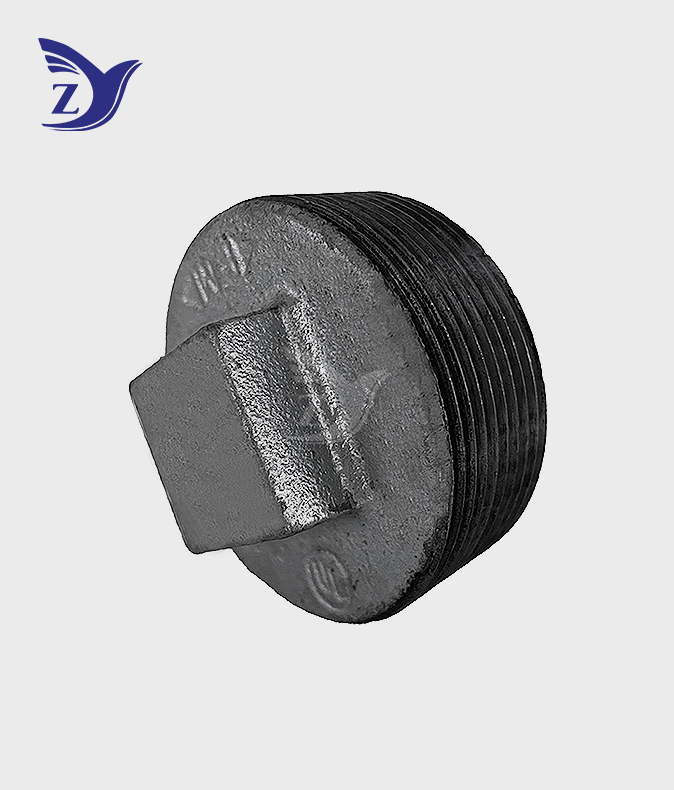
NPT Galvanized Non-Flanged Pipe Plug Pipe Fittings
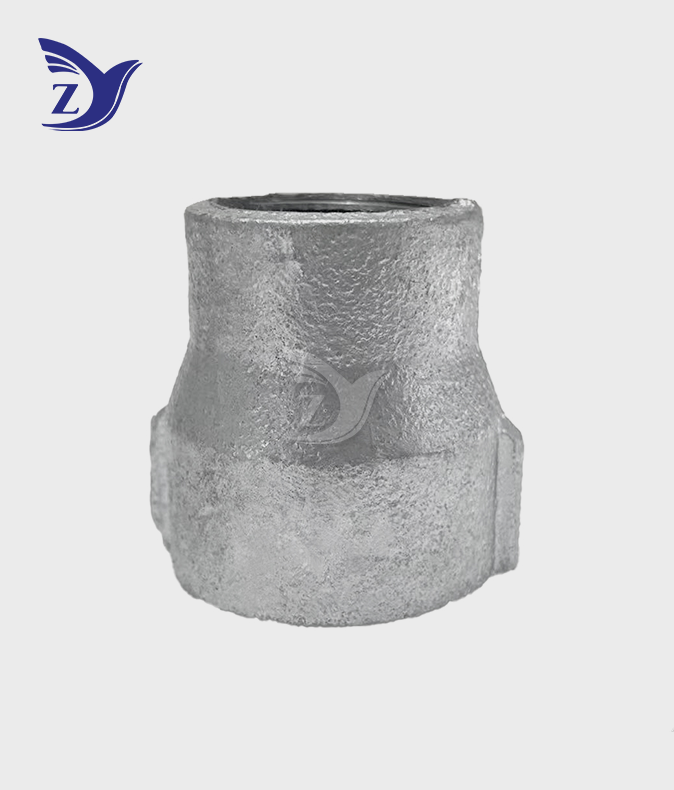
No Hub Electro Galvanized Reducing Coupling Pipe Fitting
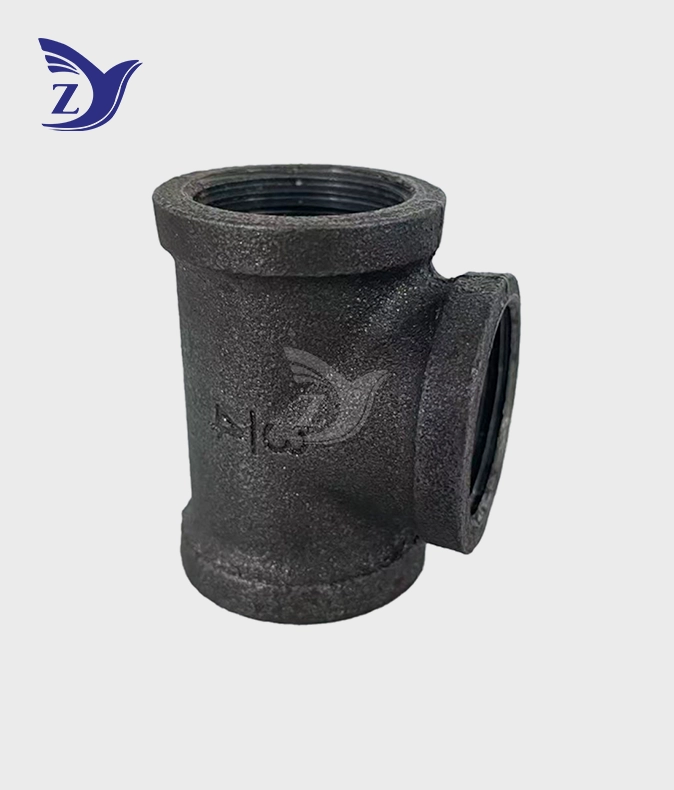
NPT Black Square Face Straight Tee Pipe Fittings
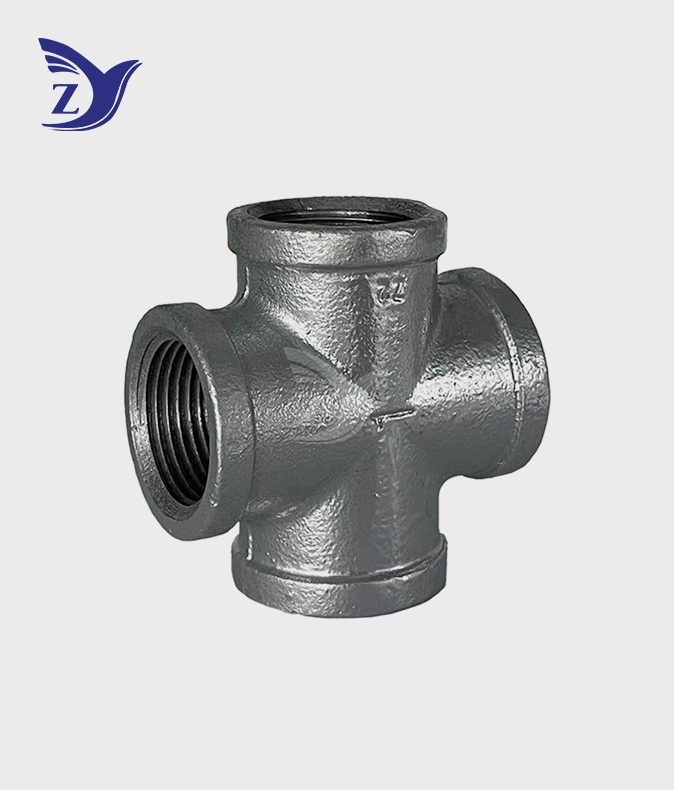
NPT Square Face Galvanized Square Edge Cross Pipe Fittings
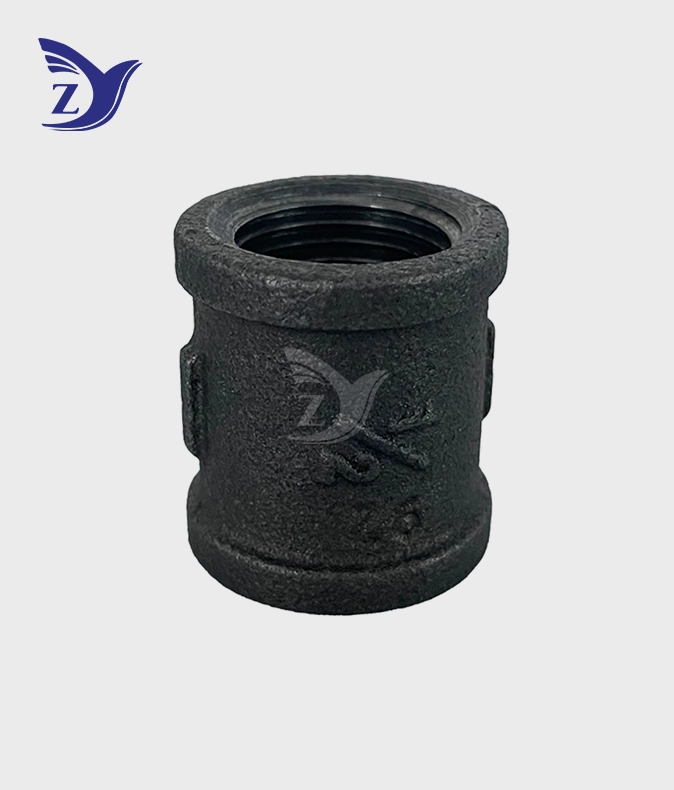
NPT Black Square Face Coupling Pipe Fittings
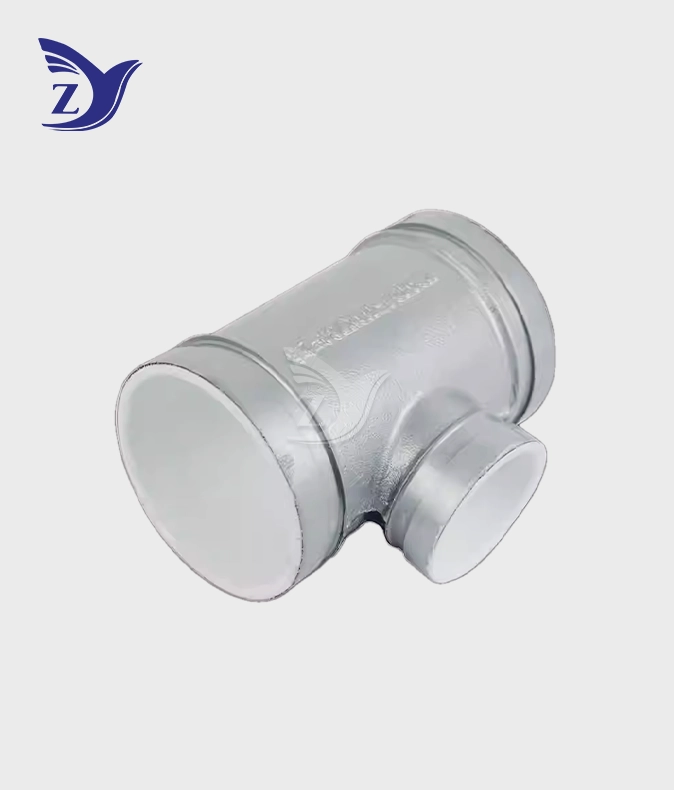
Water Grooved Reducing Tee
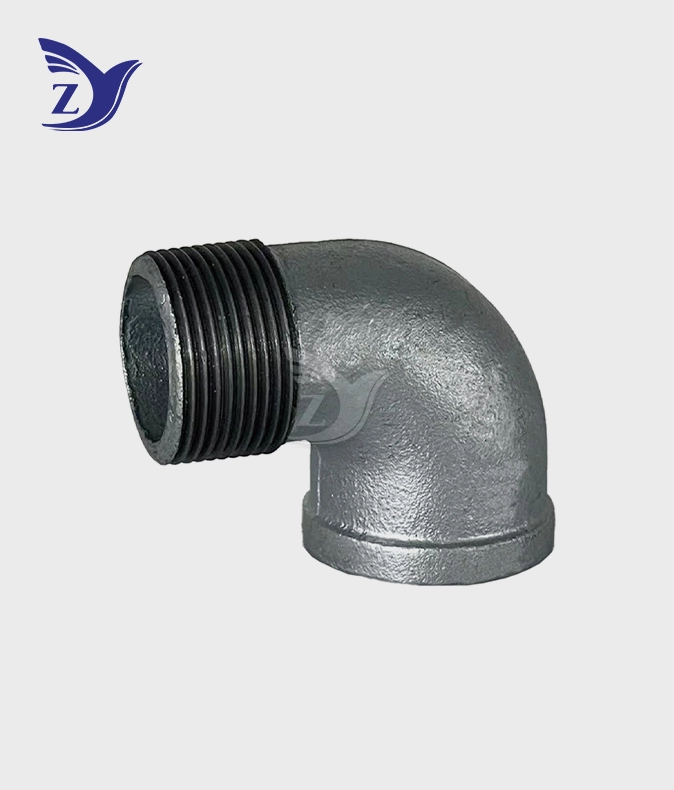
NPT Square Face Galvanized 90° Male Female Threaded Elbow Pipe Fittings
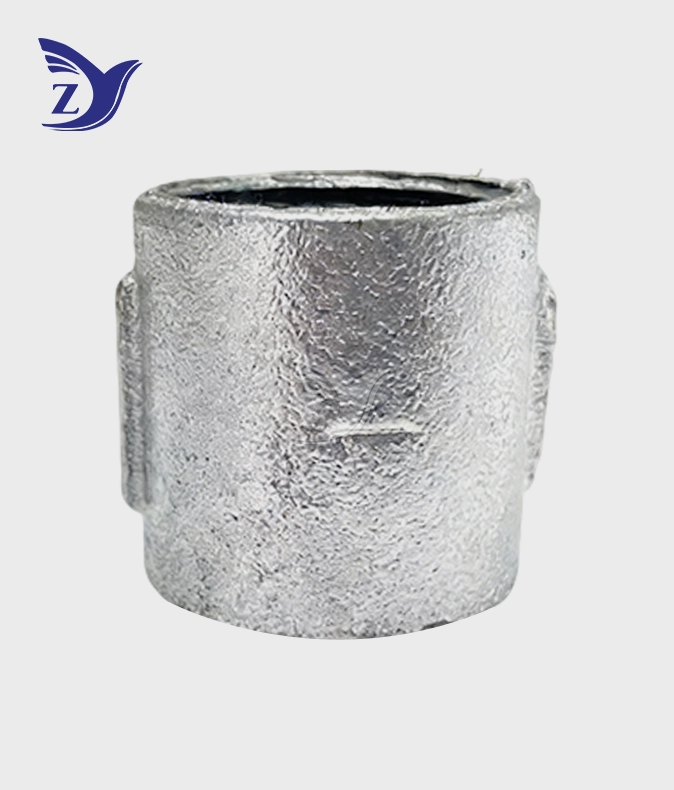
No Hub Hot Dip Galvanized Coupling Pipe Fitting