
Aug 3, 2026
How to calculate radius of 90 degree elbow?
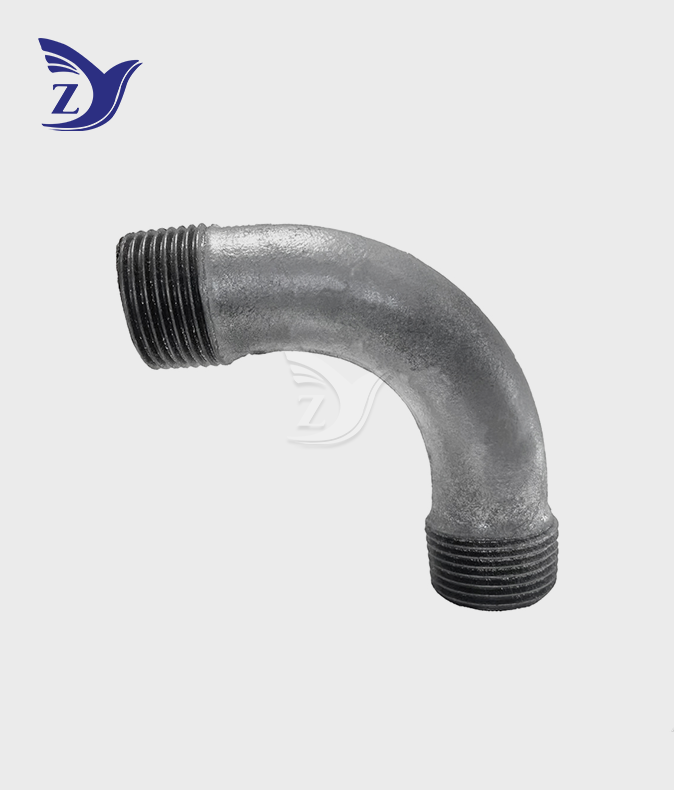
Figuring out the radius of a 90-degree elbow is important for making sure that industrial pipe setups have the right flow characteristics and system stability. For round face galvanized round edge 90° elbow pipe fittings, the measurement of the radius shows the curved path that fluids take when the flow direction changes. We usually measure the radius from the middle of the turn to the middle of the pipe. Centerline radius (CLR) elbows have a radius that is 1.5 times the normal pipe diameter, and short radius (SR) elbows have a radius that is the same as the nominal pipe diameter. In water, gas, and industrial piping systems, accurate radius calculations keep turbulence, pressure drops, and early wear at bay.
Understanding the Basics of 90 Degree Elbow Pipe Fittings
Industrial piping systems depend on directional fittings that are properly engineered to keep working well and keep the structure stable. The 90-degree elbow is one of the most important parts of any pipeline design because it lets flow be redirected perpendicularly without affecting the system's performance.
What Makes Round Face Galvanized Elbows Unique
Round face galvanized round edge 90° elbow pipe fittings have a stronger collar around the edge, which is sometimes called a "beaded design." This improvement to the structure makes it more resistant to radial expansion forces during installation. The round edge spreads stress evenly across the body of the fitting, which makes it less likely to crack when high pressure is applied. During hot-dipped galvanisation, a protective zinc layer of about 500g/m² is added. This creates active cathodic protection against corrosion. The threading standards for these fittings are either NPT (National Pipe Thread) or BSPT (British Standard Pipe Taper). BSPT has a 55° flank angle and 1:16 taper that makes pressure-tight seals through thread interference instead of just using sealants.
The Critical Role of Elbow Radius in Pipeline Performance
The radius size has a direct effect on how well hydraulics work in pipeline systems. If you figure out the radius correctly, you can keep the flow rates fixed while reducing turbulence and pressure losses. When radius measures for elbows are off, they cause too much friction, which wastes energy and speeds up wear on the inside surfaces. Depending on the speed, viscosity, and operating pressure of the fluid, engineering specifications often call for specific radius-to-diameter ratios. For example, fire protection systems need exact radius calculations to make sure that water always flows at the right pressure during emergencies. Optimised radius measurements help municipal water supply systems save money on pumping costs and make equipment last longer.
Industry-Standard Radius Types and Material Advantages
Centerline radius elbows have a radius that is 1.5 times the standard pipe diameter from the middle of the curve to the centerline of the pipe. This makes the flow transition smoother and is good for high-speed uses. With a 1:1 ratio, short radius elbows take up less space but make sharper turns that may cause more pressure drop. The design of malleable iron is very flexible and resistant to shock; it meets ASTM A197 standards and has a tensile strength of more than 350 N/mm². The galvanised layer stops rust from causing the walls to thin, which is a common way for things to break in damp places or outside. Because of these features, galvanised bendable elbows are very useful in places where dependability is very important, like chemical plants, power plants, and HVAC systems.
Step-by-Step Guide to Calculating the Radius of a 90 Degree Elbow
To figure out the radius correctly, you need to know basic measurements and use the right formulas. This process makes sure that the system meets the design standards and stops mistakes that could cost a lot of money during installation.
Essential Measurements and Terminology
Elbow geometry is made up of three main variables. The outer diameter (OD) is the pipe's outside measurement across its biggest point. Wall thickness tells you how deep the material is between the inside and outside surfaces, which has a direct effect on pressure ratings and the strength of the structure. The nominal pipe size (NPS) is the standard measurement, but it might not match up exactly with real measurements. When figuring out the total size of a threaded fitting, the thread engagement length must also be taken into account. Center-to-face lengths show how far apart the end face is from the centerpoint of the elbow, which is very important for planning layouts in small rooms.
Centerline Radius Calculation Formula
CLR = 1.5 × NPS is the usual way to figure out the central radius. The centerline radius for an elbow that fits a 2-inch pipe would be 3 inches (2 × 1.5). This number shows the radius of the curved path from the pipe's longitudinal line to its supposed center point. The ratio is the same when working with metric sizes: the centerline radius of a DN50 fitting is 75mm. This way of figuring things out works for galvanized malleable iron elbows, stainless steel elbows, and carbon steel elbows. In most manufacturing settings, the 1.5 multiplier strikes the best mix between flow efficiency and space economy.
Short Radius and Custom Calculations
For short radius elbows, SR = 1.0 × NPS is the formula to use. A 3-inch short radius elbow keeps the centerline radius at 3 inches, which makes the turn tighter in tight installation spaces. Even though these fittings are small, they cause higher pressure drops because they make flow more turbulent. For certain uses, it may be necessary to do custom radius estimates. When moving a lot of fluid, large-diameter pipeline systems sometimes use long radius bends with ratios of 2.0 or 2.5 to cut down on friction losses. Precision tools, like radius gauges or bendable measuring tapes, make sure that measurements taken on-site of physical parts are correct. People often make mistakes like mixing up the centerline radius with the fitting's outer radius or not taking thread depth into account when they do the final maths.
Practical Application Example
Take a look at an round face galvanized round edge 90° elbow pipe fitting that is rated for changing the direction of an industrial water connection. With a standard size of 1.5 inches and a centerline radius of 2 inches, the radius can be determined. During installation, engineers use calibrated measuring tools to make sure that this dimension is correct and that the manufacturing tolerances are met. When correctly torqued, the precision-threaded link makes sure that the assembly doesn't leak. The hot-dipped galvanized coating protects against rusting for decades, and the high-strength, anti-rust, malleable iron construction can handle changes in the pressure of city water delivery networks.
Procurement Considerations for Buying 90 Degree Galvanized Round Edge Elbow Fittings
Strategic sourcing means finding the best balance between quality control, meeting delivery dates, and lowering costs. Procurement managers have to look at more than just the initial purchase price.
Identifying Trusted Manufacturers and Certification Requirements
Suppliers with a good reputation keep certificates that show they meet foreign standards. ISO 9001 quality control systems make sure that production methods are always the same and that things can be tracked. Product-specific approvals like UL (Underwriters Laboratories) and FM (Factory Mutual) approval show that the product works well in fire safety situations. When something has a CE mark on it, it means that it meets European safety standards for export markets. For instance, Shanxi Taigu Zhiyuan Malleable Steel Co., Ltd. has many licenses and follows strict quality control procedures that include testing for pneumatic leaks and checking for galvanisation adhesion. When it comes to quality issues, manufacturers with their own testing labs are more open and can solve them faster than middlemen who use facilities owned by third parties.
Pricing Structures and Volume Discount Strategies
Base prices take into account the cost of raw materials, the difficulty of making the round face galvanized round edge 90° elbow pipe fittings, and changes in market demand. Because they go through more steps of processing, galvanized parts usually cost 15 to 25 percent more than black steel goods that are the same. Volume discounts become important when you order more than 1,000 pieces. Tiered pricing structures offer 10–20% discounts for buying in bulk. Long-term supply deals lock in good prices and make sure that supplies are always available for ongoing tasks. Distributors who work with more than one contractor can get the most out of big savings by buying from one place. It's more important to look at the total landed costs, which include shipping, customs duties, and the cost of keeping inventory, than just the unit prices when comparing quotes.
Lead Times and Customization Capabilities
Standard catalogue items from well-known brands are sent out within days from regional shipping sites. Lead times can go up to 4 to 8 weeks if you need non-standard sizes, thread types, or special coatings. This depends on how busy the production schedule is. OEM buyers who need private labelling or custom packaging should work with suppliers during the planning stages of the project to make sure they can meet their needs for tools and setup. There are a lot of standard sizes in stock at Zhiyuan Malleable Steel, so they can quickly fill pressing orders and offer ODM/OEM services for more specific uses. Misunderstandings that cause projects to be delayed and costs to rise can be avoided by being clear about technical requirements, delivery dates, and quality standards.
Conclusion
Knowing how to figure out the radius for a 90-degree elbow helps buyers, engineers, and contractors choose the right fittings that meet the needs of the system. Round face galvanized round edge 90° elbow pipe fittings protect against rust and strengthen structures, making them useful for a wide range of industrial uses. The right way to do the math can tell the difference between centerline and short radius designs, which lets you make the best choices for your needs in terms of room and flow efficiency. Comparing materials shows that galvanized malleable iron is better for water, gas, and industrial pipeline systems because it is cheaper and lasts longer. Strategic buying practices, such as checking certifications and negotiating bulk discounts, get the best value while still ensuring quality. Best practices for installation and preventative maintenance make fittings last longer and keep them from breaking down without warning.
FAQs
What differentiates centerline radius from short radius elbows?
Centerline radius elbows keep the radius at 1.5 times the standard pipe diameter. This makes gradual turns that keep pressure loss and noise to a minimum. A 1:1 ratio is used for short radius elbows, which saves room in tight setups but causes more friction loss. The choice depends on how much space is available and how well the hydraulics need to work.
Can galvanized elbows withstand high-pressure applications?
Class 150 galvanized malleable iron elbows are of good quality and can handle pressures up to 25 Bar at room temperature. At higher temperatures, pressure values go down, but most can handle 20 Bar up to 300°C. To make sure there are safety gaps, always check that the manufacturer's specs match how your system works.
What are typical bulk order lead times?
For orders of less than 5,000 pieces, standard configurations from stock ship within 2 to 7 days. For custom specs or sales of more than 10,000 units, it may take 4 to 8 weeks to plan and make the products. Setting up supply deals with manufacturers cuts down on wait times for needs that come up again and again.
How do BSPT and NPT threads differ in galvanized elbows?
NPT threads have 60° angles and 1:16 taper, while BSPT threads have 55° angles and 1:16 taper. These standards can't be switched out; doing so damages the threads and lets air out. When connecting different standards, always use certified adapters and make sure that all of the thread types in your system match.
Partner with Zhiyuan Malleable Steel for Premium Galvanized Elbow Solutions
Zhiyuan Malleable Steel makes 90° threaded elbows that are used in the process, fire protection, and municipal infrastructure industries and are made to last. Our round face galvanized round edge 90° elbow pipe fittings go through strict quality control measures, such as pneumatic leaking testing and galvanisation bond verification, to make sure they work perfectly in important systems with no problems. We can make up to 30,000 tonnes of products a year and have more than 1,000 product specifications in stock. We can fill standard orders within two hours and offer full ODM/OEM customisation for unique projects. Our commitment to meeting international quality standards is shown by our CE, UL, and FM certifications. Email our technical team at q1236800000@gmail.com to talk about your needs with seasoned experts who know how complicated global buying can be. If you need precision-threaded elbows for drinkable water systems or corrosion-proof round-edge pipe bends for remote installations, Zhiyuan Malleable Steel has the best prices, the fastest delivery, and the most helpful staff. You can look through our full catalogue and get in touch with a reliable seller of round face galvanized round edge 90° elbow pipe fittings at zymalleablepipefitting.com.
References
- Smith, J.R. (2021). Piping System Design: Fundamentals and Advanced Applications. Industrial Press Inc.
- Patterson, M.L. (2020). "Radius Calculations in Pipe Fitting Geometry." Journal of Mechanical Engineering Standards, 45(3), 127-143.
- Chen, W. & Rodriguez, A. (2022). Corrosion Protection in Industrial Piping: Galvanization Techniques and Performance Analysis. McGraw-Hill Professional.
- International Organization for Standardization (2019). ISO 7-1: Pipe Threads Where Pressure-Tight Joints Are Made on the Threads. Geneva: ISO Publications.
- Anderson, K.T. (2023). "Comparative Analysis of Malleable Iron Pipe Fittings in Municipal Water Systems." Water Infrastructure Quarterly, 18(2), 56-71.
- National Fire Protection Association (2022). NFPA 13: Standard for the Installation of Sprinkler Systems. Quincy, MA: NFPA Publications.
Online Message