
Jun 27, 2026
Galvanized vs Stainless Steel: Is Round Face BSPT Reducing Coupling the Budget-Friendly Option?
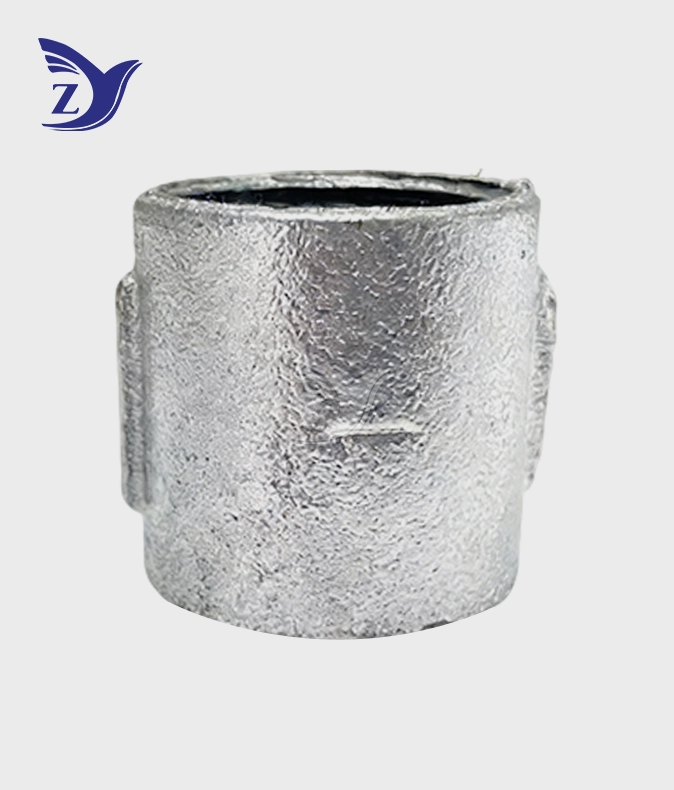
Fittings for industrial plumbing systems need to be both affordable and reliable in the long run. BSPT round face galvanized round edge reducing coupling pipe fittings are very important parts of networks that move fluids and gases. These networks include fire sprinkler systems, heating systems, and industrial process lines. The British Standard Pipe Taper threads on these diameter transition fittings have a 55-degree angle and a 1:16 taper. This makes sure that the metal-to-metal seals don't leak, which is important in pressured settings.
Choosing between coated steel and stainless steel has a direct effect on the cost of the job, the time it takes to maintain, and the safety of the workers. Hot-dip zinc coating processes add protected layers more than 70 microns thick to galvanized malleable iron parts. This reduces the risk of oxidation while keeping prices low. Stainless steel alternatives are naturally resistant to corrosion, but they cost more, which can put a strain on buying funds.
This study gives people who buy things the data they need to look at corrosion protection methods, pressure ratings, lifetime costs, and performance factors that are specific to the application. When you know about these material trade-offs, you can make better buying choices that meet both technical and financial needs.
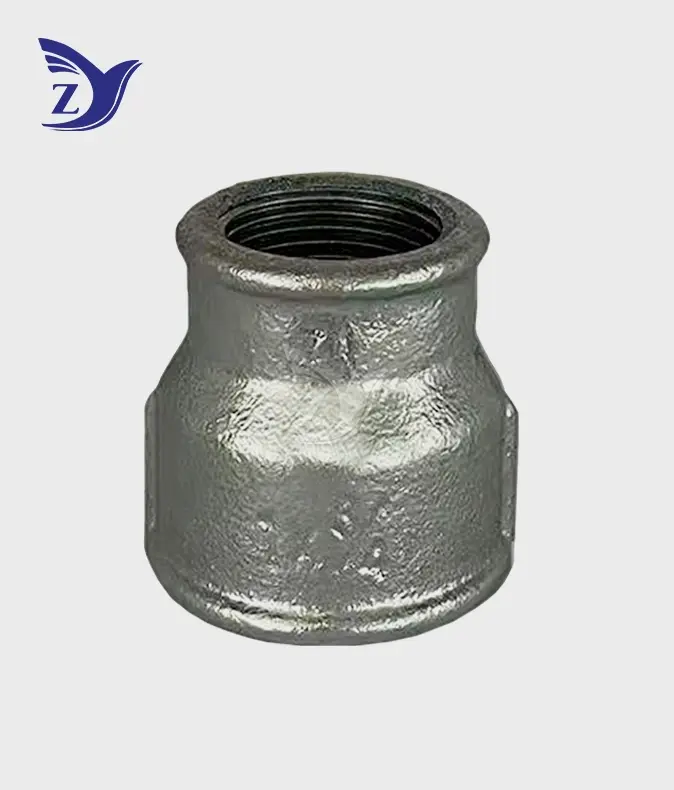
BSPT Round Face Reducing Couplings Materials
What Makes BSPT Threading Unique
BSPT round face galvanized round edge reducing coupling pipe fittings have a tapered shape that is defined by ISO 7-1. This makes interference fits that get tighter as they are installed. Because of the 1:16 taper, radial tension is created, which closes joins without using thread sealants alone. When pipe wrench torque or internal pressure changes happen, round face designs with reinforced beads at connection ports spread mechanical stress more evenly than flat-band designs.
Using reducing connections, pipes with different nominal sizes can be joined in a straight line without having to use multiple bushings, which can create leak routes. Precision-cast internal narrowing evens out the flow of fluids, which lowers noise that can speed up erosion in fast systems. Depending on the size and temperature, these industrial-grade pipe joiners can usually handle up to 25 bar (362 psi) of pressure.
Galvanized Steel Characteristics
Hot-dipped galvanization coats things with zinc by putting them in pools of melted metal that are about 450°C. As required by ASTM A153, this mechanical bonding makes several alloy layers between the base iron and the zinc on the outside. The covering masses are usually higher than 500 g/m². Iron surfaces that can be shaped easily (grade W400-05 or W350-04 according to EN 1562) are flexible and don't crack when they are hit or heated and cooled.
It is very hard for BSPT round face galvanized round edge reducing coupling pipe fittings to rust in the air, scale up in systems with drinkable water, or react with other metals in mixed setups. The zinc layer acts as a sacrifice anode, corroding more quickly to protect the iron below, even when flaws in the covering let the base material show. As part of quality control, magnetic induction testing checks that the width is the same across complicated shapes.
Stainless Steel Properties
Austenitic stainless steel types 304 and 316 have chromium and nickel in them that make passive oxide films. These films protect the steel from corrosion without any extra coatings. Molybdenum is added to Grade 316 to make it more resistant to chloride in coastal or chemical processing settings. These metals keep their shape over a wider range of temperatures and don't pit in acidic environments where galvanized coats would break too soon.
Because different materials don't have the same density, stainless fittings weigh about 10–15 percent less than their iron counterparts. This could lower shipping costs for big orders. Dimensional standards don't change when coating thickness changes, so thread quality stays the same. But because stainless steel has a higher thermal expansion rate, it needs to be carefully thought out in systems where temperatures change a lot.
Performance and Durability: Galvanized vs Stainless Steel BSPT Couplings
Corrosion Resistance in Real-World Environments
When exposed to air, underground installations with neutral soil, and indoor plumbing systems carrying potable water, galvanized connections work very well. The zinc layer can handle the humidity, mist, and short periods of wetting that are common in fire protection standpipes and HVAC condensate return lines. Studies done in the field show that fittings that are properly galvanized can last 20 to 30 years in local water distribution networks.
Some places where it can't be used are very acidic (pH below 6), use of high-temperature steam above 250°C, where zinc evaporates, and sea settings where it is constantly exposed to saltwater. Through electrochemical processes, chloride ions get through zinc oxide layers and speed up localized rusting. Chemical plants that work with sulfuric acid, wastewater treatment plants that are exposed to hydrogen sulfide, and offshore drilling sites are all places where stainless steel is needed.
Mechanical Strength and Pressure Ratings
Both materials can handle working pressures of up to 20 bar with the right safety factors and meet Class 150 pressure limits for normal threaded fittings. The tensile strength of malleable iron is between 350 and 400 MPa, which means it can bend without breaking. The BSPT round face galvanized round edge reducing coupling pipe fitting reinforcement puts more material at stress places where pipe threads meet coupling walls. This makes it less likely that the pipe will split during high-torque installs.
Because stainless steel has a higher yield strength (about 205 MPa for 304 grade), some designs can use smaller wall sections. However, threaded fittings usually keep standard sizes to make them compatible. In systems where pressure changes often, fatigue resistance is very important. Stainless steel works better in air lines or rapid pump discharge situations.
Installation and Maintenance Considerations
To get leak-free seals on BSPT round face galvanized round edge reducing coupling pipe fittings, use PTFE tape or pipe dope that is rated for drinkable water and wrap it around the threads two or three times. If you tighten it too much, the zinc covering can crack, letting rust start in the base metal. Depending on the size of the fitting, installation torque recommendations are usually between 30 and 50 foot-pounds. This can be confirmed using certified torque wrenches.
It's easier to do maintenance on galvanized parts because the threads don't seize up as often as they do on stainless-to-stainless links. When you mix different metals, like galvanized fittings with brass valves, you need dielectric unions in some types of water to stop galvanic rust from speeding up. Visual checks done on a regular basis can see when the zinc covering is wearing away before rust stains show that the base metal is being exposed.
Budget Impact: Cost Analysis of Galvanized vs Stainless Steel BSPT Couplings
Upfront Procurement Costs
According to market figures right now, galvanized reducing couplings are cost 40–60% less than their stainless steel counterparts in typical sizes (1/2" to 2" diameter). A 1" x 3/4" galvanized coupler usually costs between $2.50 and $4.00 per unit when bought in bulk (500 or more pieces), while a similar steel fitting costs between $6.00 and $9.00. When thousands of fits are needed for big jobs, this difference in cost adds up quickly.
When you buy in bulk from well-known companies, you can save even more because of big deals and lower shipping costs per unit. With factory-direct buying, there are no markups for distributors, which could cut landing costs by 15 to 25 percent. For custom orders, lead times for zinc parts are usually 4 to 6 weeks, while they are 8 to 12 weeks for stainless steel. This cuts down on carrying costs and speeds up project timelines.
Lifecycle Cost Considerations
Beyond the original purchase price, service life estimates show how cost-effective something really is. BSPT round face galvanized round edge reducing coupling pipe fittings usually last longer than 25 years in controlled settings like indoor water and warm buildings with little upkeep. Standard fitting makes it easy to swap out parts without using any special tools, so replacement costs stay low.
Because stainless steel lasts longer, it's worth spending more on in places where corrosion is a problem, where galvanized fittings would need to be replaced every 5 to 10 years. When you figure out the net present value of replacement cycles, which includes labor costs and system downtime, you can see that in fairly corrosive uses, break-even points are usually around 15 years. When used in harsh conditions, stainless steel pays for itself in less than 8 years.
Supplier Transparency and Risk Management
Reliable makers give thorough mill test records that include information on the thickness of the zinc coating, the results of tensile strength tests, and data for verifying the dimensions. Certification to ISO 9001 makes sure that quality control procedures are always followed. These procedures include testing for hydraulic pressure at 20 bar or more and checking thread gauges according to ISO 7-2 standards. These ways of documenting lower the risk of buying and help with compliance checks.
Payment terms, minimum order sizes, and the amount of product that is available all have a direct effect on how much working capital is needed. Suppliers with flexible MOQs (100–200 pieces vs. 1,000+ pieces) can meet the needs of specific projects without keeping too much material on hand. Long-term relationship value is built through clear communication about production capacity (annual output of more than 10,000 tons shows scalability) and technical support timeliness.
Conclusion
Choosing between galvanized and stainless steel BSPT reduction connections comes down to weighing the initial costs against the needs of the environment and the expected service life. Galvanized iron fittings are very useful in controlled settings like indoor plumbing, fire safety systems, and public water networks. The zinc coatings protect against rust for 20 to 30 years and cost 40 to 60 percent less than stainless steel options. Their hot-dipped galvanization meets ASTM A153 standards, and their tensile strengths are higher than 350 MPa. This means they meet Class 150 pressure levels while keeping costs low on big projects. When galvanized parts would break down too quickly in harsh chemical environments, high-temperature settings, or sea environments, stainless steel is worth the extra cost. Instead of just looking at the initial purchase price, strategic buying looks at the total cost of ownership, which includes how often things need to be replaced and how much upkeep is needed. Working with qualified makers who provide full quality paperwork and technical support guarantees consistent performance in a range of working situations.
FAQ
What are the main advantages of galvanized BSPT couplings over stainless steel?
Galvanized fittings are 40–60% less expensive than stainless steel ones, and they protect against rust well enough for most water, gas, and HVAC uses. Hot-dip zinc finishes that meet ASTM A153 have service lives of 20 to 30 years in controlled settings. Impact harm is less likely to happen to the malleable iron base than to brittle materials. When compared to stainless-to-stainless links, installation is easier because thread stopping doesn't happen as often. Because of these useful and cost-effective benefits, galvanized couplings are the best choice for fire protection branch lines, local water distribution, and industrial building systems that work in mild weather.
When should I choose stainless steel instead of galvanized fittings?
Choose stainless steel for places that are chemically aggressive, like industrial process lines, wastewater treatment plants, and marine sites that are constantly exposed to saltwater. High-temperature steam systems above 200°C need the thermal stability of stainless steel because zinc coats break down at high temperatures. 316-grade stainless steel is needed in food preparation because it meets hygiene standards and doesn't get damaged by cleaning chemicals. Coastal areas with salty air speed up the breakdown of galvanizing coatings. Stainless steel's higher initial cost is justified by its longer useful life and lower repair frequency.
How do BSPT threads affect installation and sealing?
The 1:16 taper on the BSPT makes progressive interference fits that get tighter as the work goes on. This creates radial tension for binding metal to metal. Even though they have the same diameter, the 55-degree thread angle and the 60-degree NPT shape mean they can't be used together. For proper closing, PTFE tape or an approved pipe sealant must be applied in the direction of the thread. Installation force is usually between 30 and 50 foot-pounds, but this depends on the size. Round face support spreads out the load on the wrench, which keeps the coupler from splitting while it's being tightened. Checking the thread gauge according to ISO 7-2 guidelines makes sure that the dimensions are correct, which is very important for leak-free operation.
Partner with Zhiyuan Malleable Steel for Reliable BSPT Coupling Solutions
Zhiyuan Malleable Steel can help you with your buying needs because they have been researching castings and making pipe fittings for 26 years. Our BSPT round face galvanized round edge reducing coupling pipe fittings are certified to meet ISO 9001 quality standards and also have CE, UL, and FM markings. We can make 30,000 tons of these fittings every year, and they can be made to more than 1,000 different product specs. As a reliable company that makes BSPT round face galvanized round edge reducing coupling pipe fittings, we offer factory-direct bulk prices, a large inventory for standard two-hour delivery, and ODM/OEM customization services that are designed to meet the needs of customers all over the world. Our hot-dipped galvanization method makes sure that the zinc covering is 70 microns or more, which is what ASTM A153 requires. Also, we use calibrated tools to check the accuracy of the threading, which makes sure that the installations won't leak. Our 50,000-square-meter plant is in Shanxi Province, close to Taiyuan Airport. It has 38 expert staff members who work with the whole supply chain, from casting to galvanizing to machining. You can email our team at q1236800000@gmail.com or go to zymalleablepipefitting.com to get full quotes, technical specs, and delivery times. We stand behind our goods by replacing any broken parts and providing full after-sales help, which will ensure the success of your project.
References
- American Society for Testing and Materials. (2016). ASTM A153/A153M Standard Specification for Zinc Coating (Hot-Dip) on Iron and Steel Hardware. West Conshohocken, PA: ASTM International.
- British Standards Institution. (2015). BS EN 10242: Threaded Pipe Fittings in Malleable Cast Iron. London: BSI Standards Publication.
- International Organization for Standardization. (2018). ISO 7-1: Pipe Threads Where Pressure-Tight Joints Are Made on the Threads – Part 1: Dimensions, Tolerances and Designation. Geneva: ISO.
- National Fire Protection Association. (2019). NFPA 13: Standard for the Installation of Sprinkler Systems. Quincy, MA: NFPA.
- European Committee for Standardization. (2012). EN 1562: Founding – Malleable Cast Irons. Brussels: CEN.
- American Water Works Association. (2017). AWWA C606: Standard for Grooved and Shouldered Joints. Denver, CO: AWWA.
Online Message
YOU MAY LIKE
High quality furniture manufacturer
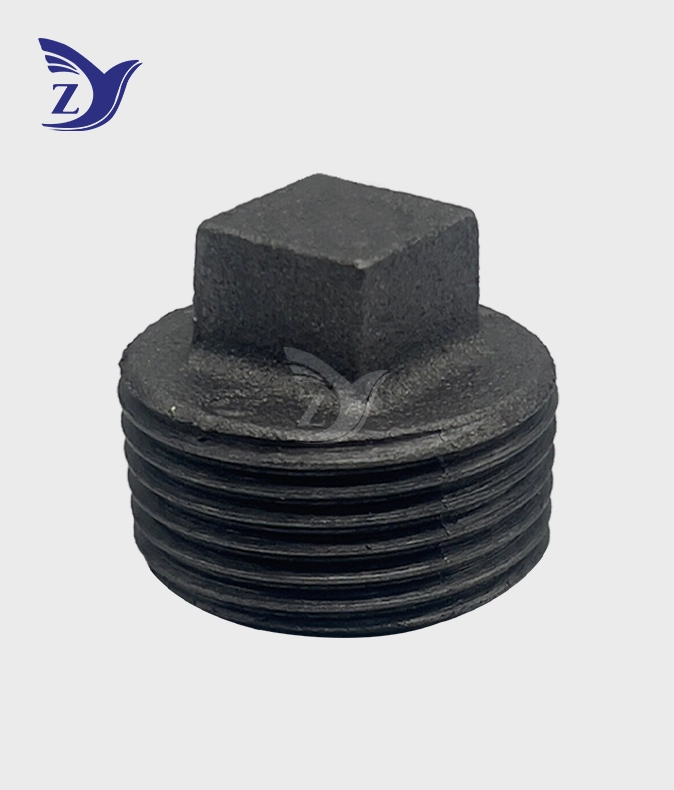
NPT. Black Flangeless Plug Pipe Fittings
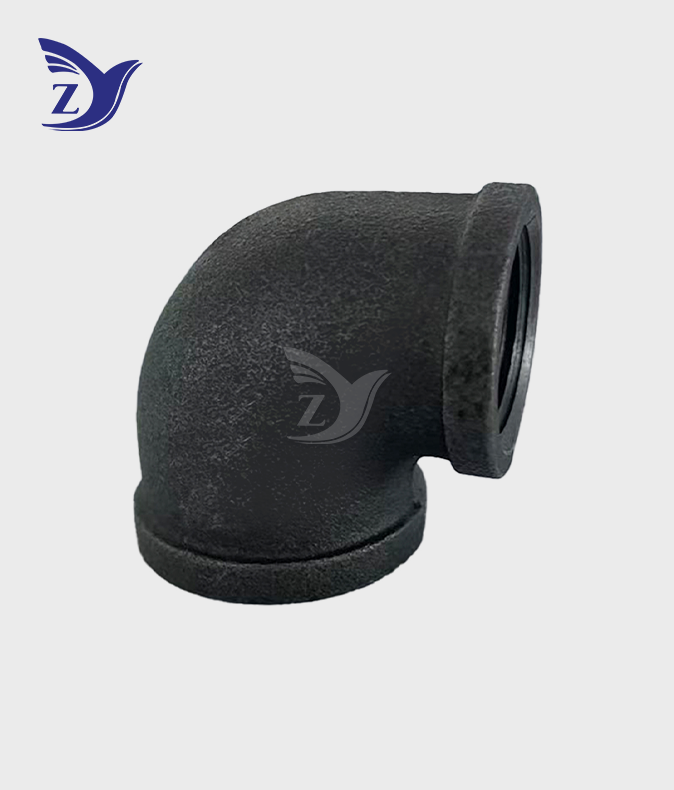
NPT Black Square Edge Reducing 90° Elbow
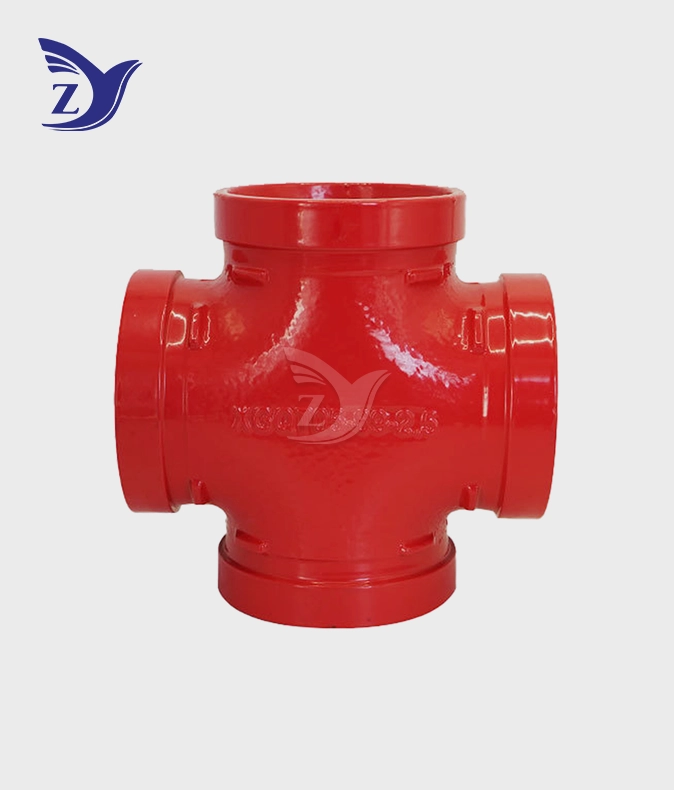
Fire Grooved Cross
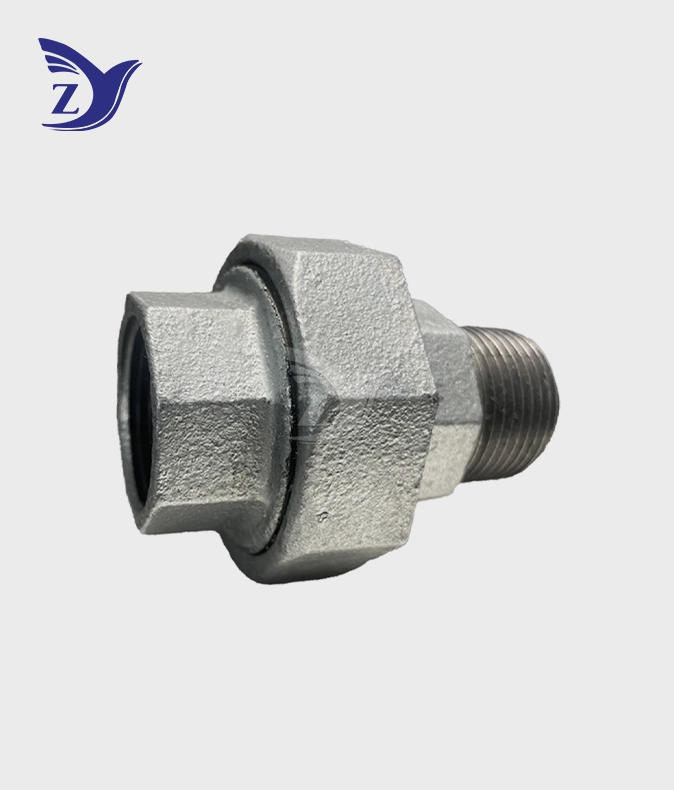
NPT Galvanized Male Female Threaded Union 331 Pipe Fittings
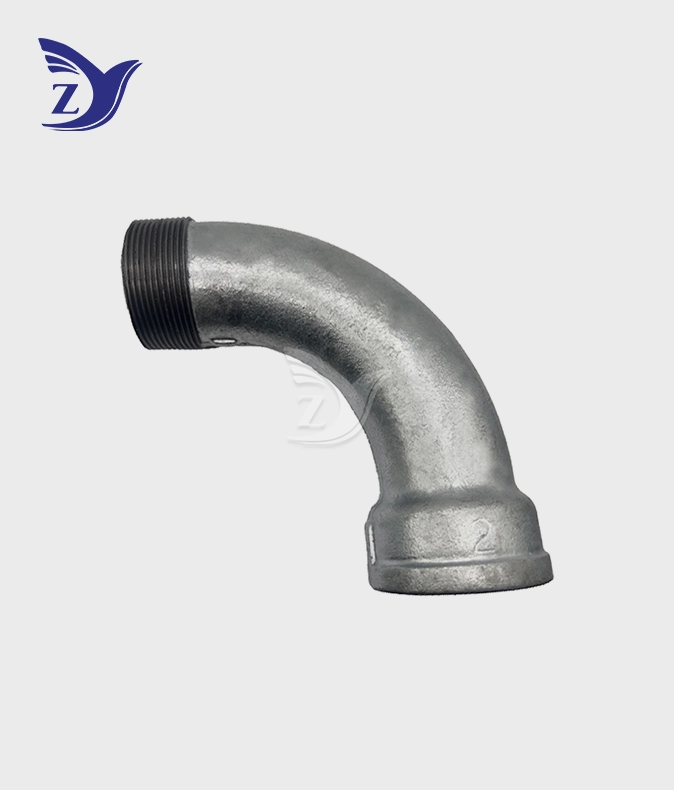
BSPT Galvanized Male Female 90° Long Radius Elbow Pipe Fittings
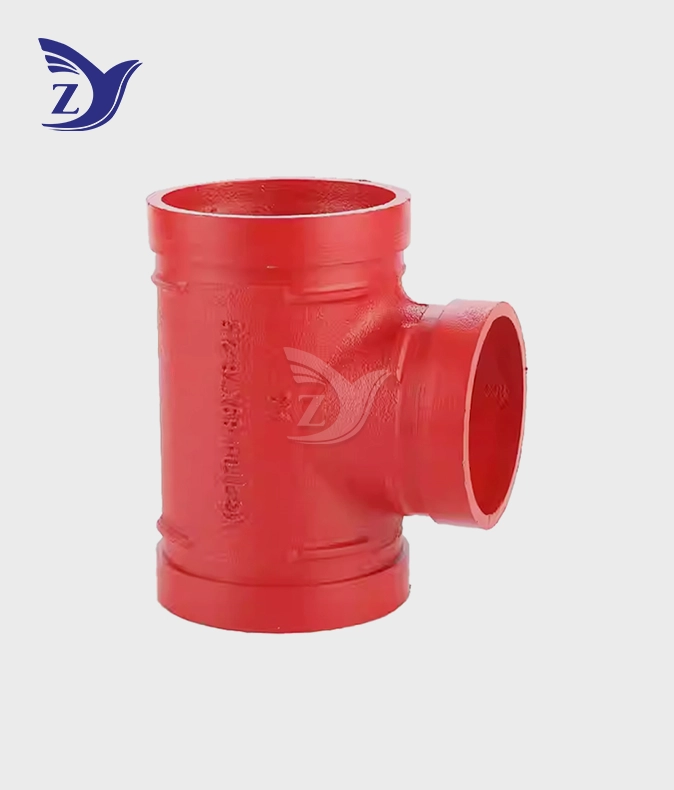
Fire Grooved Reducing Tee
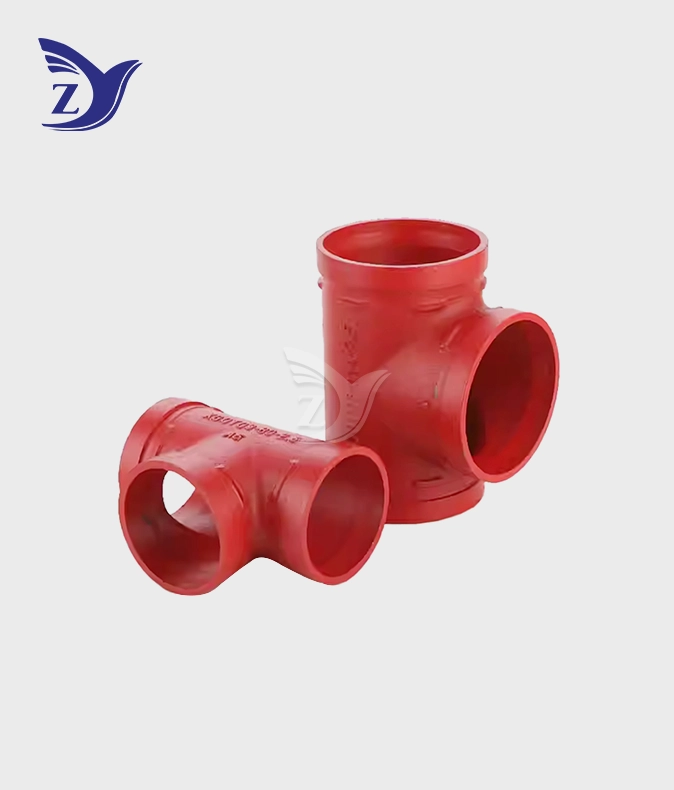
Fire Grooved Straight Tee
No Hub Hot Dip Galvanized Coupling Pipe Fitting