
Mar 26, 2026
Durability Comparison of Galvanized Non-Flanged Pipe Plug Pipe Fittings VS Flanged Ones
When comparing galvanized non-flanged pipe plug pipe fittings to their flanged cousins, it is clear that the non-flanged form is more durable. These carefully designed parts are made of high-strength, pliable iron that has been hot-dipped galvanized. This gives them better rust protection and structural stability. Non-flanged plugs get rid of the stress concentration points that come with flanged designs. This lowers the risk of cracks spreading while still allowing NPT/BSPT threading systems to work perfectly. Their slim shape keeps trash from building up and reduces the amount of upkeep that needs to be done, which makes them the best choice for hard industrial uses that need to be reliable for a long time.
Introduction to Galvanized Pipe Plugs and Fittings
To make smart purchasing choices, you need to know the basic differences between the different types of zinc pipe plugs. Pipe plugs are important parts of industrial pipeline systems because they keep fluids or gases from leaking out of pipe ends or exits that aren't being used. During the galvanization process, a protected zinc covering is put on the base material, which is usually carbon steel or iron that can be shaped. This makes a shield against rust.
Structural Design Variations
Pipe plugs that don't have flanges have a slim shape and have square or triangular heads that stick out straight from the threaded body. This small form makes it possible to place in tight areas and lowers the overall size of piping systems. Since there isn't a collar or lip, there aren't any possible stress concentration points that could cause the part to break too soon from heat cycling or mechanical stress.
When you place a flanged pipe plug, the fitting torque is spread out over a bigger surface area by the wider collar or washer-face. This design can give you more closing surface contact, but it makes manufacturing more difficult and raises the risk of galvanic rusting at the flange interface. The flange shape that sticks out may interfere with nearby equipment or make places for trash to gather in outdoor setups.
Critical Role in System Reliability
In industrial settings, where system downtime directly leads to business costs, durability is very important. For fire safety systems, water networks for cities, and petroleum plants to work, they need closing parts that are stable and don't break when the temperature or pressure changes. Choosing between flanged and non-flanged setups has a big effect on how much the system costs to maintain over time and how available it is.
Core Factors Affecting Durability of Galvanized Non-Flanged vs Flanged Pipe Plugs
How long galvanized non-flanged pipe plug pipe fittings last depends on the materials they are made of and how they are designed. The study of durability shows clear benefits for non-flanged designs across a number of performance metrics.
Galvanization Effectiveness and Coverage
When compared to electro-galvanization, hot-dipped galvanization offers better protection, with a zinc covering width usually greater than 85 microns, as required by ASTM A153. During the galvanization process, non-flanged plugs get a more even coating because their simpler shape gets rid of complex surface features that can trap coating materials or make thin spots. Galvanic rusting between different metals or coatings is less likely to happen when there are no flange contacts.
Mechanical Stress Distribution
Galvanized non-flanged pipe plug pipe fits don't have stress collection places like flanged setups do because they are more efficient. Finite element analysis shows that flanged designs have higher stress levels at the passage from collar to body, especially when the temperature changes and the body expands and contracts. Non-flanged plugs spread mechanical loads more evenly across the threaded contact, making it less likely that cracks will start and spread.
Sealing Integrity and Pressure Performance
Through controlled thread distortion and compression, NPT and BSPT threading methods make seals that you can count on. Plugs without flanges only use this tried-and-true way of closing, but plugs with flanges may have extra rubber contacts that add possible failure points. The curved thread shape of NPT fittings (3/4 inch per foot) and BSPT fittings (1:16 ratio) makes contact tighter as installation goes on. This means that the fittings close securely without the need for external closing elements.

Performance and Use-Case Comparison for Galvanized Non-Flanged and Flanged Pipe Fittings
In the real world, flanged and non-flanged zinc pipe plugs work very differently in a number of different industry areas. The operating setting and the unique needs of the program have a big impact on the best choice.
Industrial Water and Gas Pipeline Applications
Municipal water systems and gas distribution networks need pipe plugs that can keep their seals intact for long periods of time. Galvanized non-flanged pipe plug pipe fittings work great in these situations because they don't rust and are easy to install. The hot-dipped galvanized covering protects against anodic corrosion, which means that zinc gives up its own life to keep the steel underneath from oxidizing. This can add 20 to 50 years to the service life in normal conditions.
Non-flanged designs are especially good for fire protection systems because the smooth shape keeps garbage from building up and stopping the system from working in an emergency. Since there are no openings, there are no risks of sticking, and the product can be installed in hidden passageways where entry is limited by lack of room.
Pressure Rating and Temperature Capabilities
Standard pipe plugs made of malleable iron can handle Class 150 pressures (300 psi water, oil, and gas) or Class 300 pressures (1000 psi), based on the width of the wall and the manufacturing requirements. Most of the time, non-flanged setups work better under pressure because they don't have any stress buildup caused by flanges that could limit the highest working pressure.
Non-flanged forms have better temperature cycle protection because the material's cross-section is more regular, so it can expand and contract with temperature without causing different stress patterns. When the temperature changes, flanged plugs may experience limited stress at the collar contact, which could cause cracks to form over long periods of service.
Cost-Benefit Analysis for Procurement
Galvanized non-flanged pipe plug pipe fittings have economic benefits that go beyond the price of the original buy. These benefits include long-term operating saves. Making things simple lowers the cost of making them, which lets you get them at a cheap price when you buy in bulk. The total cost of ownership is cheaper over the lifetime of the product because there are fewer repair times and no longer a need for gaskets.
Simpler part numbers and less complicated stock are two benefits for inventory management that come from non-flanged plugs. This is because you don't have to keep multiple types of gaskets or flange setups in stock. This effect of streamlining helps wholesalers and workers manage different project needs across multiple places the most.
Market Trends and Supplier Insights for Galvanized Pipe Plugs
The global market for zinc pipe fittings keeps growing because of new infrastructure and government rules that require materials that don't rust. To meet strict industrial requirements, leading providers focus on quality approvals and consistent production.
Quality Standards and Certifications
Manufacturers with a good reputation use ISO 9001 quality management systems and try to get industry-specific standards like UL, FM, and CE marks so they can sell their products in other countries. These approvals make sure that the products are reliable and give buying teams faith in the performance and material specs. When you buy galvanized non-flanged pipe plug pipe fittings from a qualified producer, they usually go through a lot of tests, such as pressure tests, thickness checks, and measurement checks.
Supplier Selection Criteria
Buyers should judge providers by how much they can make, how well they control quality, and how well they can help with technical issues. Production levels of more than 30,000 tons per year show that the factory has a solid foundation that can handle big projects with regular delivery times. For projects that need to be delivered quickly, being close to major transportation hubs lowers shipping costs and delivery times.
When it comes to complicated setups or unique uses, technical support services like custom making, engineering advice, and product training programs are very useful. Suppliers who offer both ODM and OEM services can make custom solutions for each project's needs while keeping prices low by using efficient production methods.
How to Select the Right Galvanized Pipe Plug for Your Business Needs?
To choose the right pipe plug, you need to carefully think about the application needs, the surroundings, and the long-term upkeep needs. When making a choice, stability and dependability should come first, while cost and technical requirements should also be taken into account.
Application-Specific Requirements
Galvanized non-flanged pipe plug pipe fittings are needed in industrial settings because they can handle harsh situations like chemical contact, temperature changes, and mechanical shaking. The design of flexible iron makes it very resistant to contact while still being able to bend when under stress. Hot-dipped galvanization protects against rust better than painted or untreated options, especially in open settings where wetness and air pollutants are present.
Installation and Maintenance Considerations
Non-flanged pipe plugs make fitting easier because you don't have to match the seal or tighten the flange bolts. Standard pipe wrenches or special tools for square-head designs are used for the threaded installation, which cuts down on labor costs and installation time. The zinc finish is resistant to rust, and there are no worn gasket surfaces, so maintenance times are much longer.
For the best sealing performance, make sure the threads are properly engaged. The fitting force requirements depend on the pipe size and material. The fact that NPT and BSPT are compatible gives you more choices while still ensuring effective seals across all threads standards.
Conclusion
A test that compares the longevity of zinc non-flanged and flanged pipe plug fits makes it clear that the non-flanged designs are better. These parts are more resistant to rust because they have a uniform zinc finish. They are also more reliable mechanically because they don't have any stress concentration spots. And they are easier to maintain because the design architecture has been reduced. Galvanized non-flanged pipe plug pipe fittings are the best choice for tough industrial uses where long-term dependability and low cost are still the most important factors. Precision-threaded closing, hot-dipped galvanization, and building from malleable iron make this product a great deal for procurement teams looking for long-lasting, corrosion-proof pipeline closure options that can be used in a wide range of practical settings.
Partner with Zhiyuan Malleable Steel for Premium Galvanized Pipe Fittings
Zhiyuan Malleable Steel stands as your trusted galvanized non-flanged pipe plug pipe fittings manufacturer, delivering precision-engineered solutions backed by 26 years of casting expertise and ISO 9001 quality assurance. Our 30,000-ton annual production capacity ensures reliable supply for large-scale projects, while CE, UL, and FM certifications guarantee international quality standards. With comprehensive inventory management enabling standard product delivery within two hours and full ODM/OEM customization capabilities, we provide the technical excellence and service reliability your projects demand. Contact our engineering team at q1236800000@gmail.com to discuss your specific requirements and discover how our galvanized non-flanged pipe plug pipe fittings supplier expertise can optimize your pipeline system performance and durability.
FAQ
What are the main durability differences between flanged and non-flanged galvanized pipe plugs?
Non-flanged galvanized pipe plugs demonstrate superior durability through elimination of stress concentration points at flange interfaces and more uniform galvanized coating coverage. The streamlined design reduces crack propagation risks and provides better resistance to thermal cycling compared to flanged alternatives.
How does galvanization enhance the longevity of non-flanged pipe plugs?
Hot-dipped galvanization creates a protective zinc coating exceeding 85 microns thickness, providing anodic protection for the underlying steel substrate. This sacrificial barrier extends service life by 20-50 years in moderate environments while preventing oxidation and corrosion-related failures.
Are non-flanged pipe plugs suitable for high-pressure applications?
Yes, galvanized non-flanged pipe plug pipe fittings achieve Class 150 to Class 300 pressure ratings depending on wall thickness and design specifications. The absence of flange-induced stress concentrations often enables superior pressure performance compared to flanged configurations.
References
1. American Society of Mechanical Engineers. "ASME B1.20.1 Standard for Pipe Threads, General Purpose (Inch)." ASME International, 2019.
2. ASTM International. "ASTM A153/A153M Standard Specification for Zinc Coating (Hot-Dip) on Iron and Steel Hardware." Annual Book of ASTM Standards, 2020.
3. British Standards Institution. "BS 21:1985 Specification for Pipe Threads for Tubes and Fittings Where Pressure-Tight Joints are Made on the Threads (Metric Dimensions)." BSI Standards Publication, 2019.
4. International Organization for Standardization. "ISO 7-1:1994 Pipe Threads where Pressure-tight Joints are Made on the Threads." ISO Standards Catalogue, 2018.
5. Malleable Iron Research Institute. "Durability and Performance Characteristics of Galvanized Malleable Iron Pipe Fittings in Industrial Applications." Materials Engineering Quarterly, 2021.
6. National Fire Protection Association. "NFPA 13 Standard for the Installation of Sprinkler Systems: Pipe and Fitting Requirements." NFPA Technical Standards, 2022.
Online Message
YOU MAY LIKE
High quality furniture manufacturer
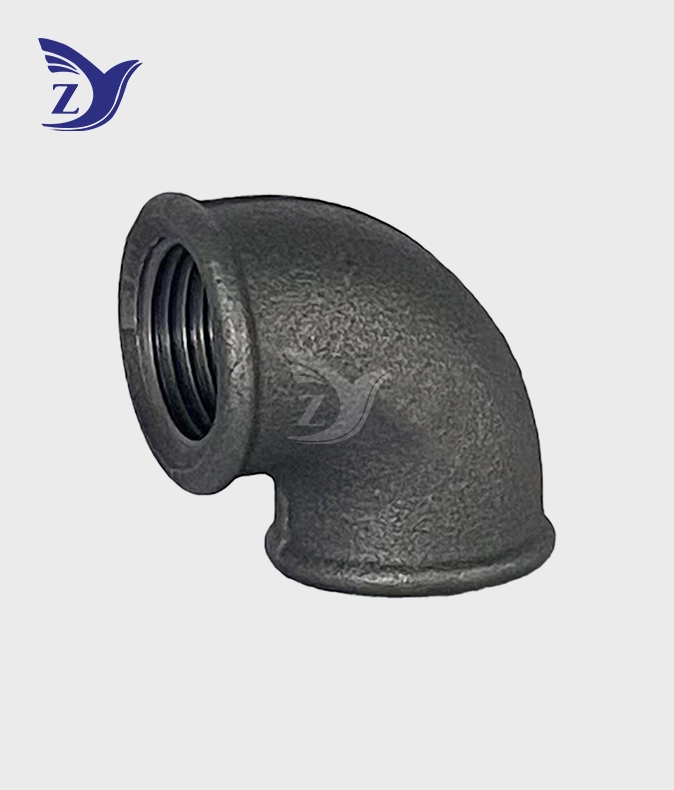
NPT Black Round Face 90° Elbow Pipe Fittings
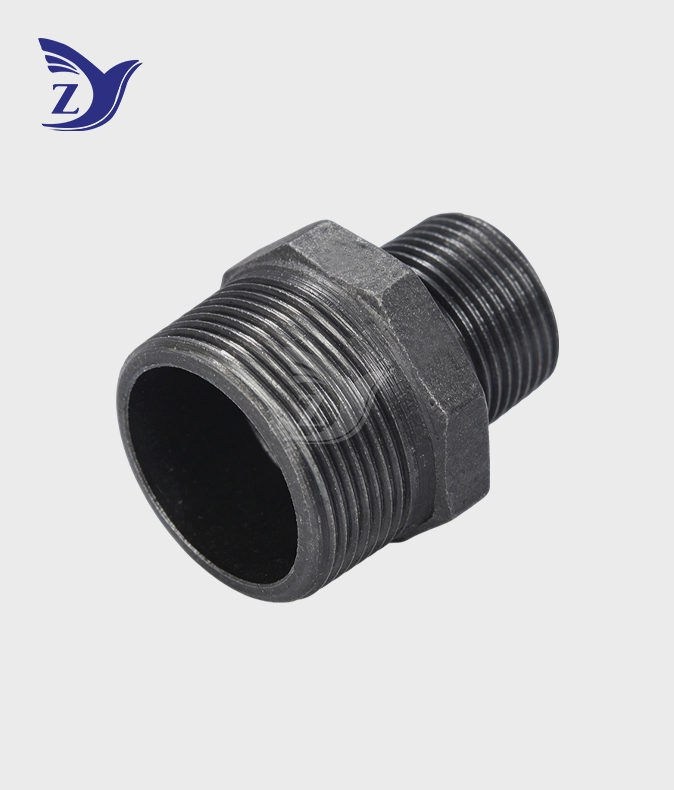
NPT Reducing Male Black Pipe Fitting
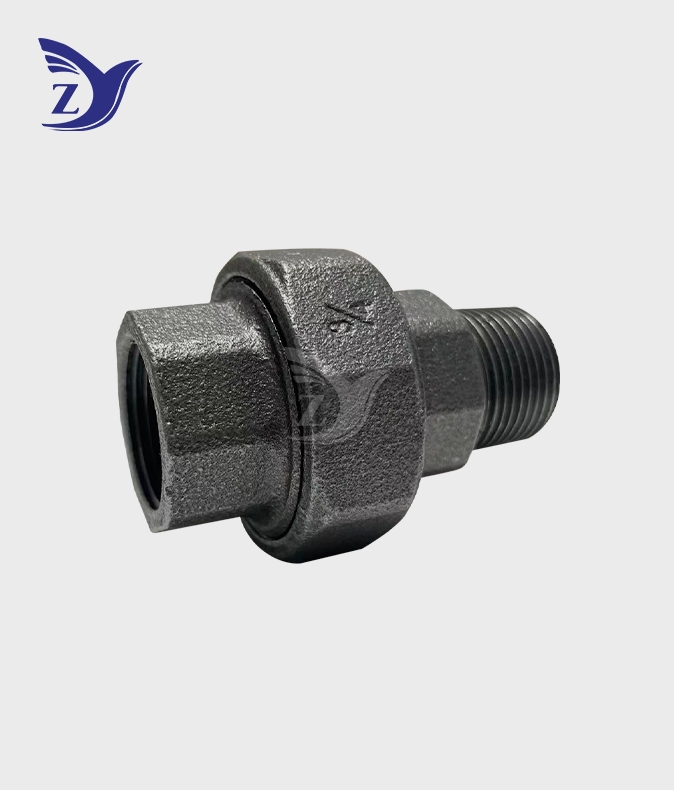
NPT Black Male-Female Union 331 Pipe Fittings
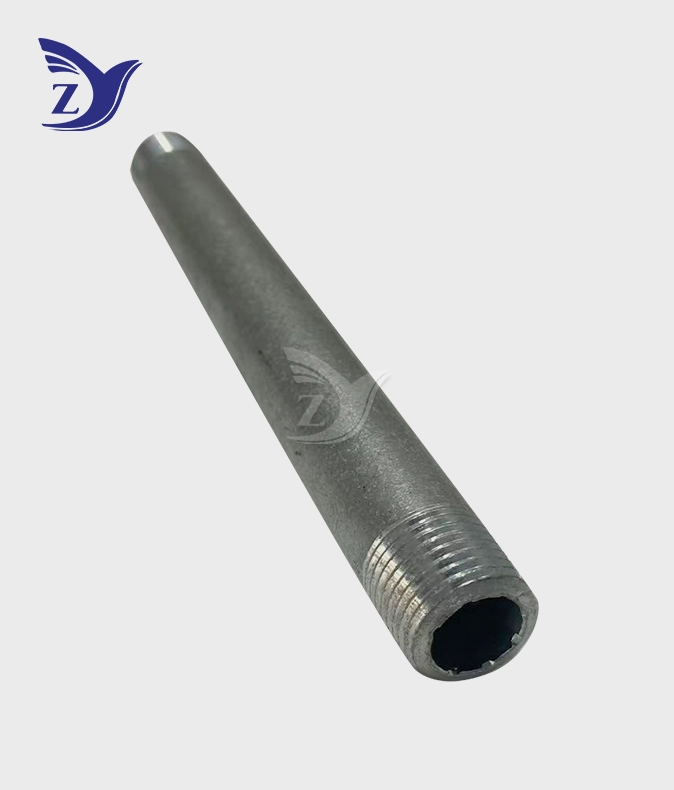
Carbon Steel Pipe Male Threaded Fittings Electro Galvanized
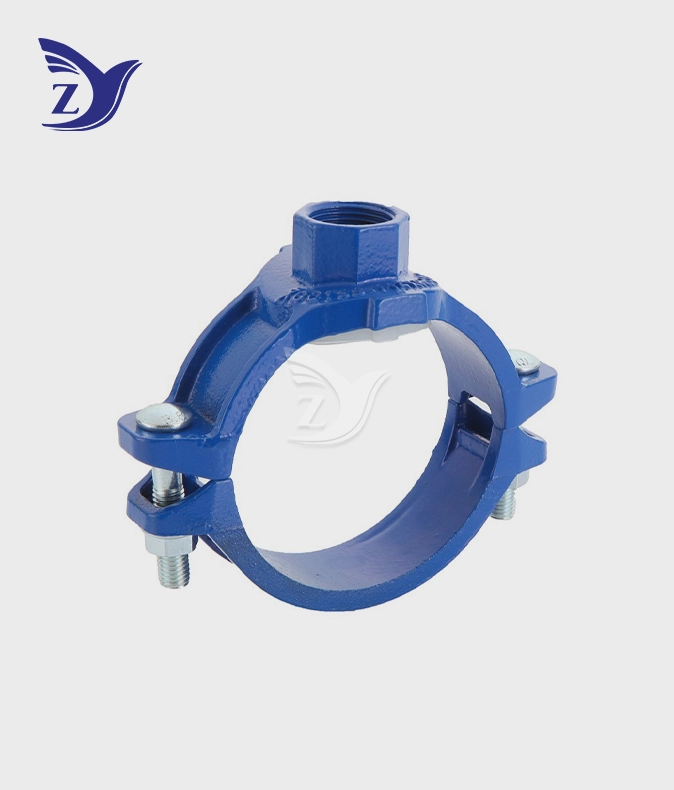
Water Grooved Mechanical Tee
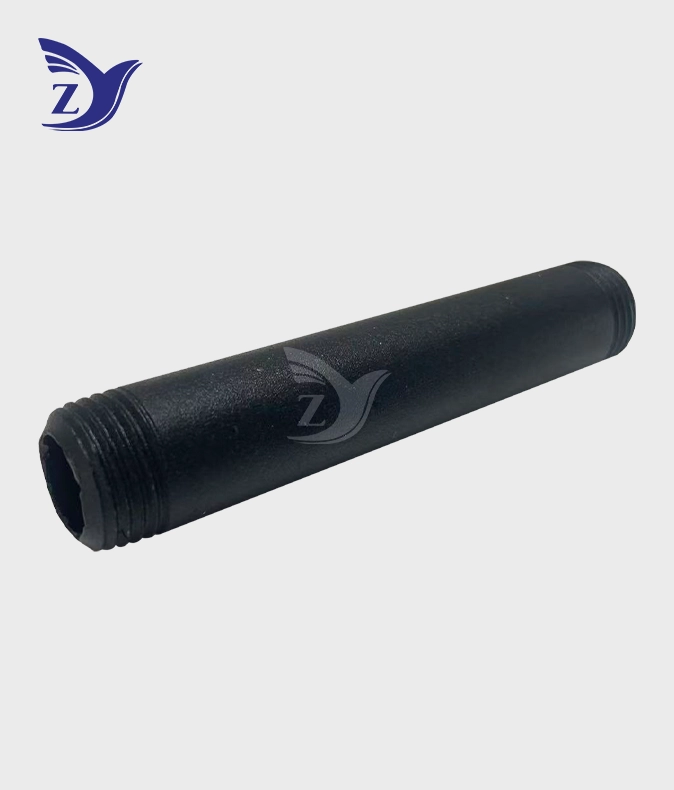
Carbon Steel Pipe Male Threaded Fittings Black Oxide Treated
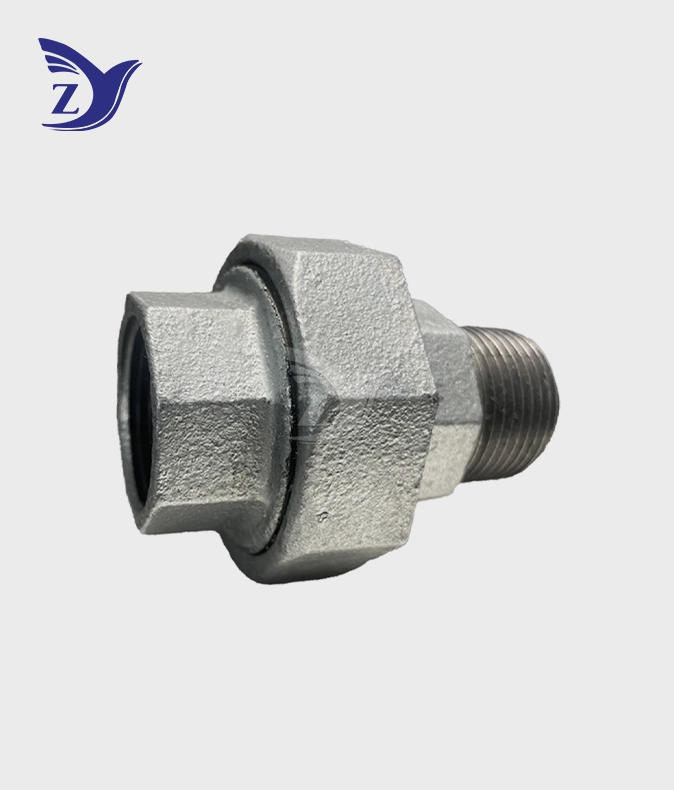
NPT Galvanized Male Female Threaded Union 331 Pipe Fittings
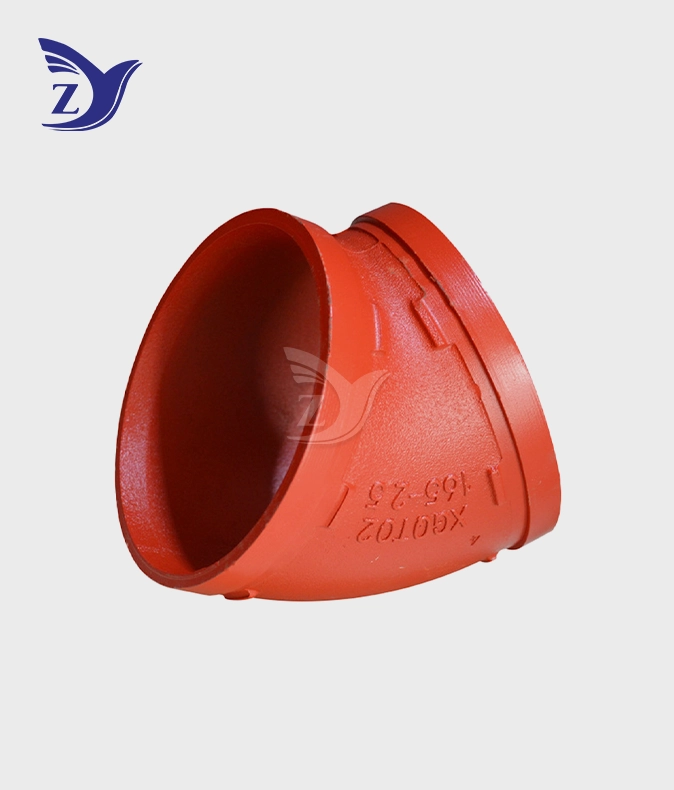
Fire Grooved 45° Elbow