
Jun 25, 2026
Corrosion Resistance & Seal Performance of Galvanized NPT Straight Tee with Round Face
It is very important to know how NPT round face galvanized round edge straight tee pipe fittings work in corrosive environments and keep their leak-proof seals when choosing them for industrial water, gas, or fire protection systems. With precision NPT threading, a round edge, and hot-dipped galvanization, these fittings make a three-way branch option that doesn't rust and makes sure fluid flow is safe. They are made from high-strength, pliable iron that meets ASTM A197 standards. They have a tensile strength of at least 40,000 psi and zinc coats that are thicker than 86 microns, which meets ASTM A153 standards. The round face geometry equally spreads mechanical stress during fitting, which stops hoop stress failures that often happen in places with a lot of torque. Because of this, they are perfect for networks that put out fires, water pipes for cities, and petroleum transport systems that can't be trusted.
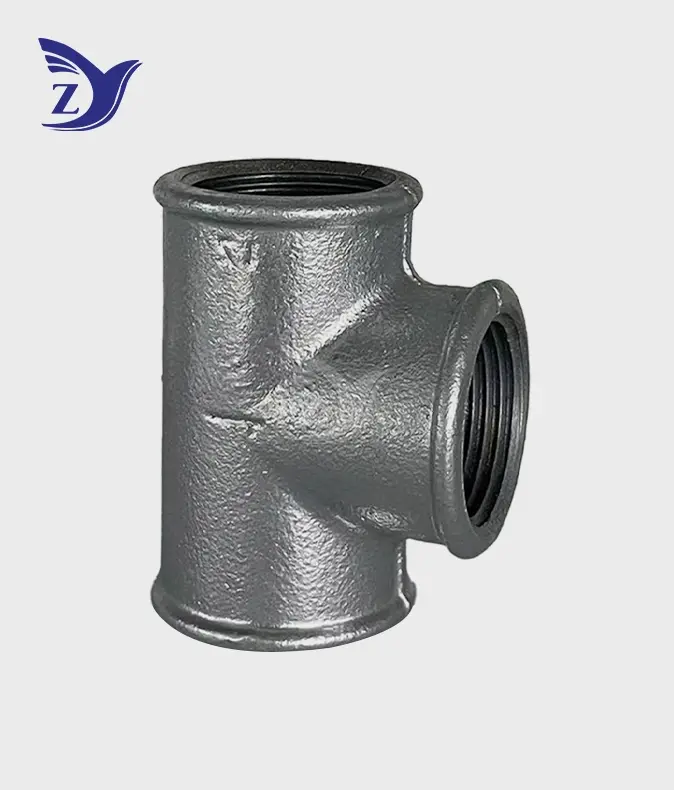
Corrosion Resistance of Galvanized NPT Straight Tee Fittings
How Zinc Coating Protects Against Environmental Damage
Immersion in liquid zinc pools at about 840°F for the galvanization process adds layers of zinc. This makes three separate contact layers: the gamma layer, which is next to the iron base; the delta and zeta phases, which are in the middle; and the pure eta zinc layer, which is on top. These metallurgical links keep the coating in place even when the parts expand or contract due to heat or vibration, or when they are handled and get slightly worn down. The minimum 86-micron thickness requirement protects against corrosion for years, and in moderate areas, outdoor contact usually lasts longer than twenty years.
Zinc is anodic compared to iron because of its electrochemical qualities. This means that when water gets into the base metal, zinc gives up its electrons through controlled oxidation. In contrast to painted coats, which only act as physical shields, this cathodic protection system stops rusting at its source. The zinc around the exposed iron continues to protect it through galvanic action, even if it is scratched or broken. This stops localized rust from spreading.
Comparing Galvanized Fittings to Alternative Materials
When choosing a material, you have to weigh the original prices against the costs over its lifetime and the performance needs. When choosing between coated malleable iron, stainless steel, and black iron, these are the main things to think about:
- Galvanized Malleable Iron: Very cost-effective for use in general industry settings. The zinc coating works well in settings with mild chemical contact, saltwater mist, and condensation. At room temperature, the pressure levels go up to 300 psi WOG, and for saturated steam uses, they drop to 150 psi. Standard pipe tools can still be used for installation, and the material absorbs vibrations better than hard stainless steel options.
- Stainless Steel Fittings: Better at resisting rust in places that are very acidic or chloride-rich, where zinc coats break down quickly. When scratched, the chromium oxide inactive layer grows back on its own, providing long-lasting security. But stainless steel is usually three to five times more expensive than galvanized steel, and to avoid galling during installation, you need to carefully control the force and use special thread oils.
- Black Iron Fittings: These don't have any protective coatings, so they can only be used indoors where the humidity is managed or in systems that use rust inhibitors. Even though they have the lowest initial costs, they need to be inspected and replaced more often, which raises the total cost of ownership in places where they are exposed to moisture.
These examples show why NPT round face galvanized round edge straight tee pipe fittings are used so often in fire safety networks, outdoor gas distribution lines, and public water systems. The mix between resistance to corrosion, mechanical strength, and low cost meets the realistic needs of building companies, plumbing distributors, and city planning departments that have to stick to tight budgets without lowering safety standards.
Real-World Application Performance
When building sprinkler systems in parking garages, fire protection installers are constantly exposed to moisture from the weather and changes in humidity. When used in these conditions, galvanized tee fittings keep their shape and flow features for more than 20 years, while black iron ones rust within 18 months. The zinc coating makes these fittings resistant to hydrogen sulfide and other slightly corrosive gases that are present in petrochemical plants that use them in low-pressure gas delivery lines. Galvanization is used in coastal agricultural watering systems to stop salt spray rust, which breaks down metals quickly if they are not protected.
Seal Performance and NPT Threading in Pipe Fittings
Technical Principles Behind Leak-Proof Connections
As the male thread moves into the female port, the curved NPT thread design makes an interference fit. The thread tops on both parts slightly bend and compress, filling tiny holes that would otherwise let fluid flow. This mechanical lock gets stronger as the force is increased, but if you tighten it too much, you could crack iron fittings that are easy to shape or galling threads. The round face support at the outlet holes keeps the fitting body's shape while it's being tightened. This keeps the outlet from distorting, which could affect the integrity of the seal of NPT round face galvanized round edge straight tee pipe fittings.
Practical Installation Methods for Optimal Sealing
Thread preparation has a big effect on how well a seal works. Better contact areas are made by threads that are clean and free of dirt, cutting oils, and old sealant leftovers. To keep the tape from coming apart during installation, you have to wrap it clockwise (looking at the thread end-on). Most of the time, three to four wraps that cover 50 to 75% of the thread depth are enough. Too much tape can cause hydraulic lock conditions that can cause fittings to crack when pressure is applied.
Anaerobic thread sealants are better for setups that are likely to shake because they cure in an oxygen-free space between threads that are mated to make strong chemical gaskets. These goods can handle changes in temperature better than tape and keep things from coming loose from mechanical shocks. To apply, you have to cover the male threads fully but not the first two threads so that the sealant doesn't get into the fluid stream.
To properly twist a part, you need to know its size and the state of the material. Hand-tightening until firm resistance is felt and then moving the pipe wrench forward one or two more turns usually gets the seal compressed enough without putting the material at risk of breaking. Using torque wrenches that are set to the manufacturer's specs takes the guessing out of important jobs where leaks could hurt people or the environment.
Practical Procurement Guide for Galvanized NPT Round Face Tee Fittings
Certification Standards and Quality Verification
Codes and standards must be followed for NPT round face galvanized round edge straight tee pipe fittings that are used for fire protection, drinkable water, or gas transfer. ASTM A197 material guidelines make sure that the mechanical qualities stay the same, and ASME B16.3 dimensional standards make sure that the parts can be swapped out for other parts that are the same or similar. UL listing confirms that the product is suitable for fire defense, and FM approval confirms that it works well in tough sprinkler system circumstances. These standards should be clearly mentioned in procurement specs, and makers should be required to include proof of approval with every shipment.
Third-party testing labs can be used to check the reliability of new sources or look into problems that happen in the field. Sending sample fits for destructive testing, which checks the real tensile strength, zinc covering thickness, and thread dimensional accuracy, makes sure that the production process is consistent. These investments in quality assurance keep things from going wrong in the field and create legal risks that are much bigger than the costs of testing.
Ordering Process and Logistics Considerations
Bulk buying takes advantage of bulk discounts and makes sure there is enough inventory for the length of the job. By coordinating arrival times with installation phases, you can avoid the storage problems and theft risks that come with having easy access to building materials. Manufacturers that offer containerized shipping with custom packing cut down on damage caused by handling during international transport. This is especially important for companies that focus on exporting and are looking for goods to sell abroad.
To handle lead times, you need to know how long it takes to make regular items versus custom items. Off-the-shelf fittings from stock can be shipped within days, but custom sizes or different thread standards may mean that they have to be made over a period of 4 to 6 weeks. These differences should be taken into account in procurement timelines, especially when managing multiple trades that need to see that the pipe infrastructure is finished before they can start their work.
Support after the sale is what sets professional sellers apart from commodity providers. Access to expert support during installation, a desire to quickly repair broken goods, and the availability of dimensional drawings for system design are all things that help projects succeed. When weighed against the risks of working with providers who aren't quick during key project phases, these service elements make small price increases worth it.
Conclusion
NPT round face galvanized round edge straight tee pipe fittings have been shown to prevent corrosion and close well in a wide range of industrial settings. The hot-dip zinc coating, precision NPT threading, and high-strength malleable iron construction make three-way branching solutions that are reliable for fire protection contractors, municipal engineers, and plumbing distributors. These solutions can handle harsh environments and keep connections that don't leak. Procurement pros can choose fittings that fit both short-term and long-term budgets by knowing about the material's properties, the best way to put it, and how much it will cost over its lifetime. It is important to choose makers with verified certifications, enough production capacity, and helpful technical support to make sure the supply chain is reliable. This is especially important for meeting building schedules and performance promises.
FAQs
How can I verify authentic galvanized coating quality?
When hot-dip galvanizing is done right, the finish is a uniform gray matte with designs of zinc crystals called spangle that can be seen. Magnetic gauges used to measure coating thickness show that it meets ASTM A153 minimum 86-micron standards. Asking for mill test records that list covering weights according to ASTM A123 is proof that the right galvanization steps were taken during production.
What advantages do galvanized fittings offer over black steel in fire protection systems?
Long periods of still water in fire sprinkler systems quickly corrode exposed steel, making rust particles that block spray holes and make the system less reliable. This internal rusting doesn't happen with galvanized fittings, so they keep their full flow capacity throughout their service life. This means that you don't have to pay for the upkeep of cleaning rust buildup from black iron installations.
Are galvanized NPT tee fittings suitable for high-pressure applications?
Class 150 NPT round face galvanized round edge straight tee pipe fittings can handle 300 psi working pressures for gas, oil, and water at room temperature, which is enough for most light industry and business uses. For higher pressure needs than these rates, you need Class 300 fittings or other materials, like cast steel, that are made for extreme pressure services that go beyond the mechanical limits of malleable iron.
Partner with Zhiyuan Malleable Steel for Reliable Pipe Fitting Solutions
You can trust Zhiyuan Malleable Steel as a provider of NPT round face galvanized round edge straight tee pipe fittings. They have been casting for 26 years and can make 30,000 tons of products every year, which means they can meet the needs of both large-scale public projects and specific OEM needs. Every fitting we make meets strict international quality standards thanks to our ISO 9001-certified production methods and many other certifications, such as UL and FM approvals. We get rid of the supply chain delays that throw off building schedules by keeping over 1,000 product specifications in ready stock and sending standard items within two hours. Our engineering team is here to help you with technical questions at every step of the way, from coming up with the initial specifications to helping with installation. Plus, our promise for replacing a defective product saves your project investments. Get in touch with our purchasing agents at q1236800000@gmail.com to talk about bulk prices, customization options, and how our bendable steel products can help your fire safety, water distribution, or industrial pipe systems work better.
References
- American Society of Mechanical Engineers. ASME B16.3-2020: Malleable Iron Threaded Fittings, Classes 150 and 300. New York: ASME Press, 2020.
- American Society for Testing and Materials. ASTM A197/A197M-15: Standard Specification for Cupola Malleable Iron. West Conshohocken: ASTM International, 2015.
- American Society for Testing and Materials. ASTM A153/A153M-16a: Standard Specification for Zinc Coating (Hot-Dip) on Iron and Steel Hardware. West Conshohocken: ASTM International, 2016.
- National Fire Protection Association. NFPA 13: Standard for the Installation of Sprinkler Systems, 2022 Edition. Quincy: NFPA, 2021.
- Singh, Raman. Corrosion Control for Offshore Structures: Cathodic Protection and High-Efficiency Coating. Houston: Gulf Professional Publishing, 2014.
- Stewartson, Robert A. Piping Systems Manual. New York: McGraw-Hill Professional, 2009.
Online Message
YOU MAY LIKE
High quality furniture manufacturer
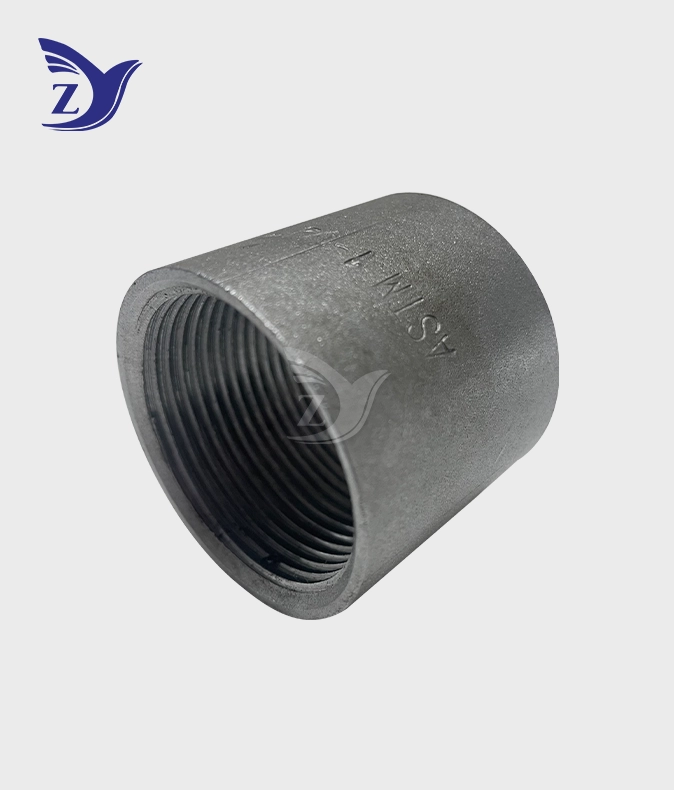
Carbon Steel Full Threaded Coupling Fittings Sand Blasted
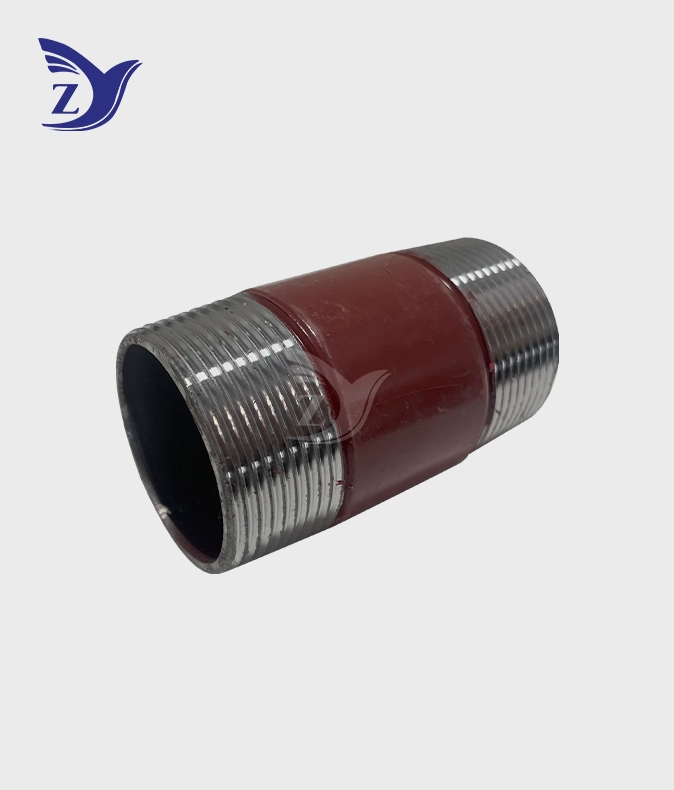
Carbon Steel Pipe Male Threaded Fittings Red Coated
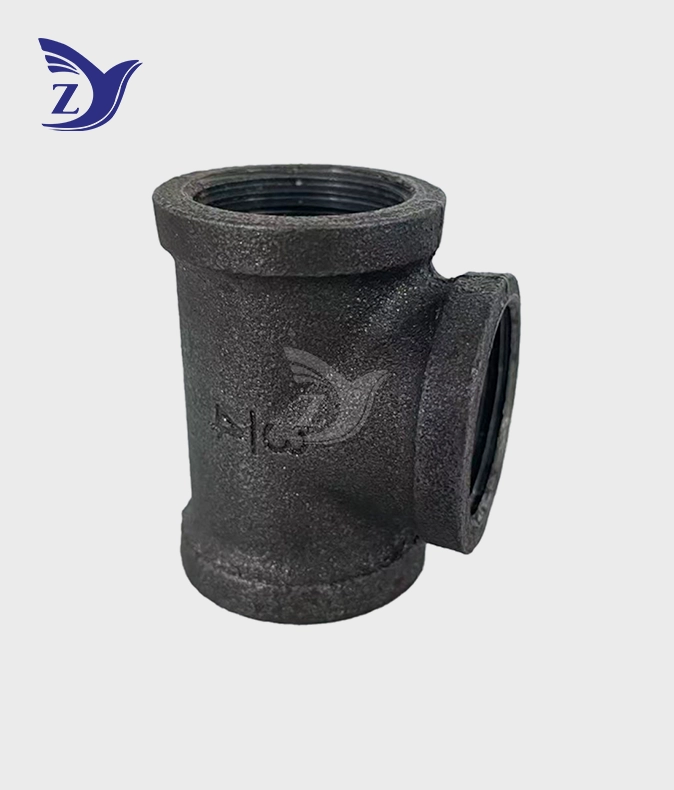
NPT Black Square Face Straight Tee Pipe Fittings
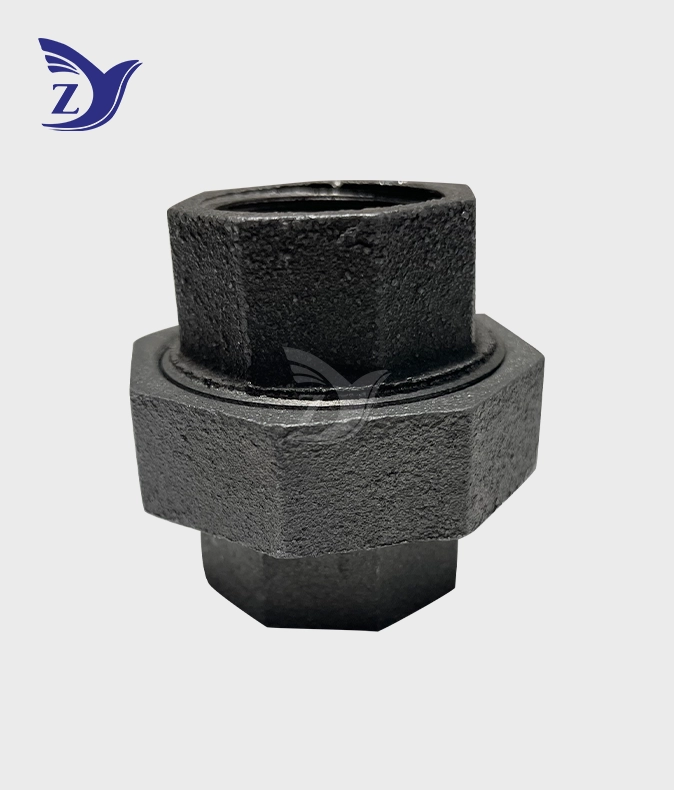
NPT Black Union 330 Pipe Fittings
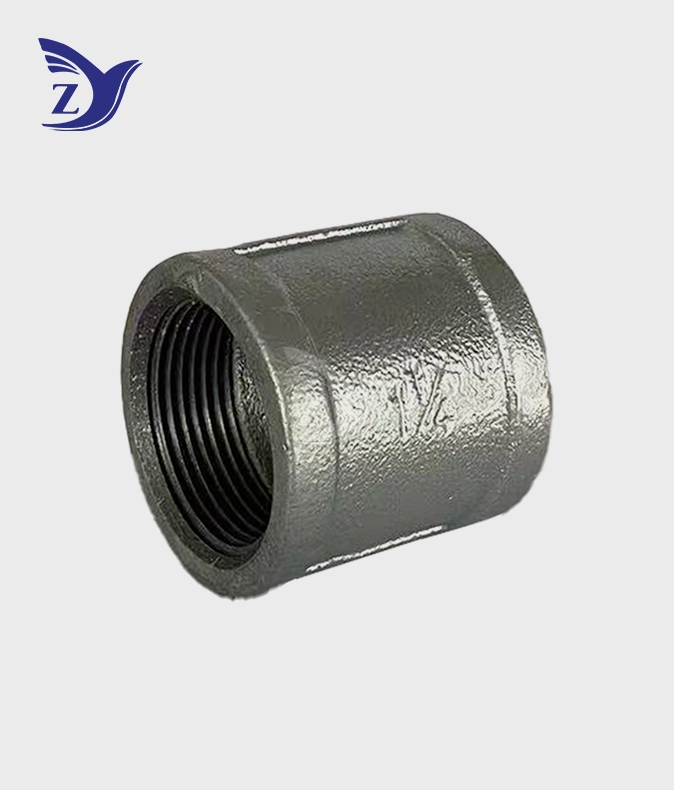
BSPT Square Face Galvanized Square Edge Coupling Pipe Fittings
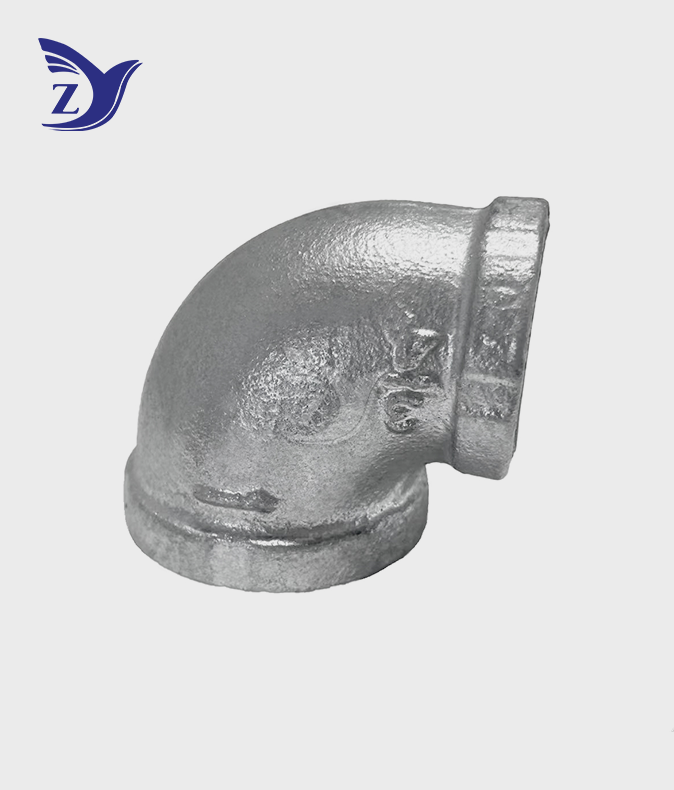
Galvanized NPT 90° Reducing Elbow
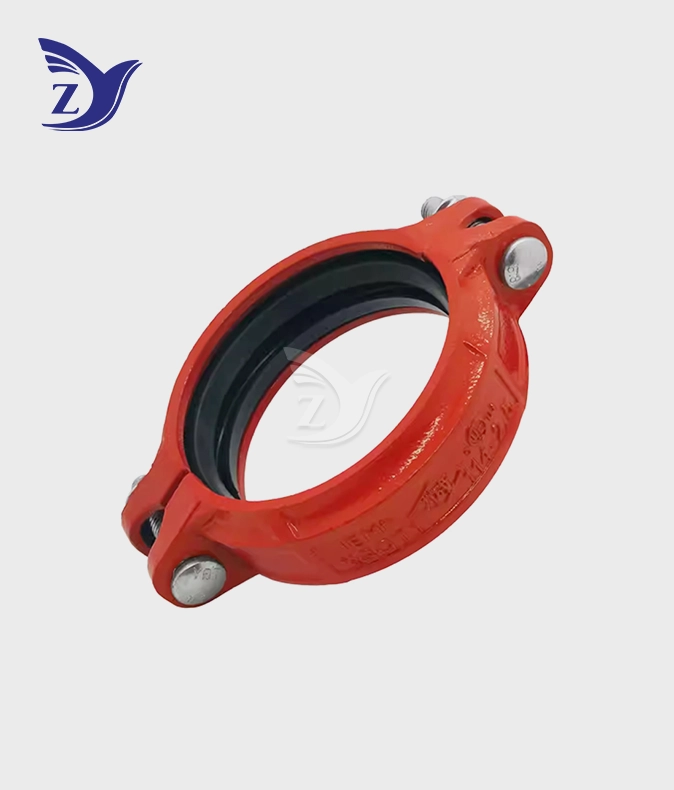
Fire Grooved Clamp
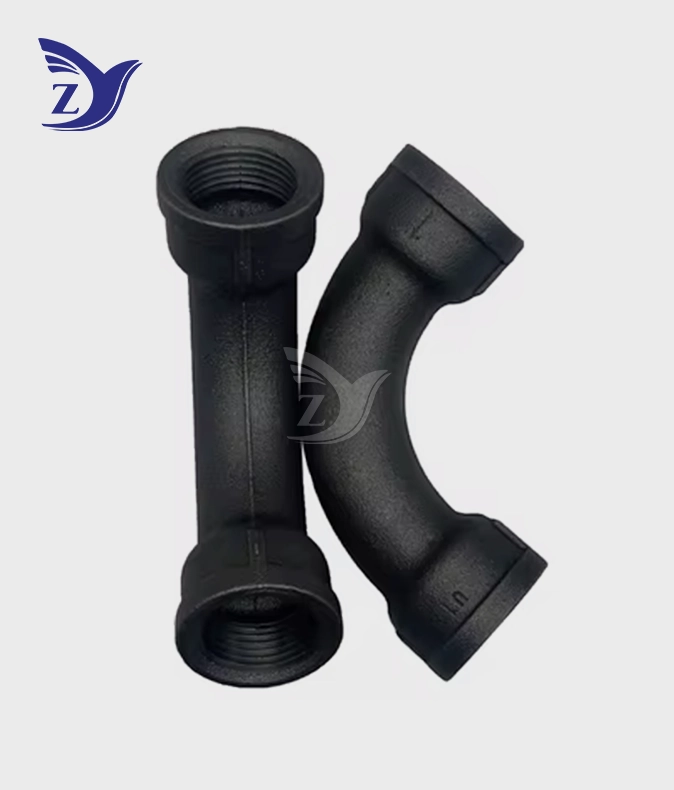
BSPT Black FxF 90° Long Bend Malleable Iron Pipe FittingsFittings