
Jun 30, 2026
Comprehensive Guide for NPT Galvanized 90° Elbows Measurement
The NPT galvanized female-female 90° long radius elbow pipe fittings are an important part of industrial piping systems that we're talking about when we talk about elbow measurement female fittings. With internal threads on both ends, these special connectors let two male-threaded lines or pieces of equipment connect directly to each other while changing fluid flow at a precise 90-degree angle. The name "female-female" refers to the internal threading setup. The long radius design, in which the centerline radius is usually 1.5 times the normal pipe diameter, reduces turbulence and pressure drop more than standard radius options. This shape is very important for keeping the flow going smoothly in places like fire safety systems, HVAC systems, and public water systems, where hydraulic performance has a direct effect on prices and dependability.
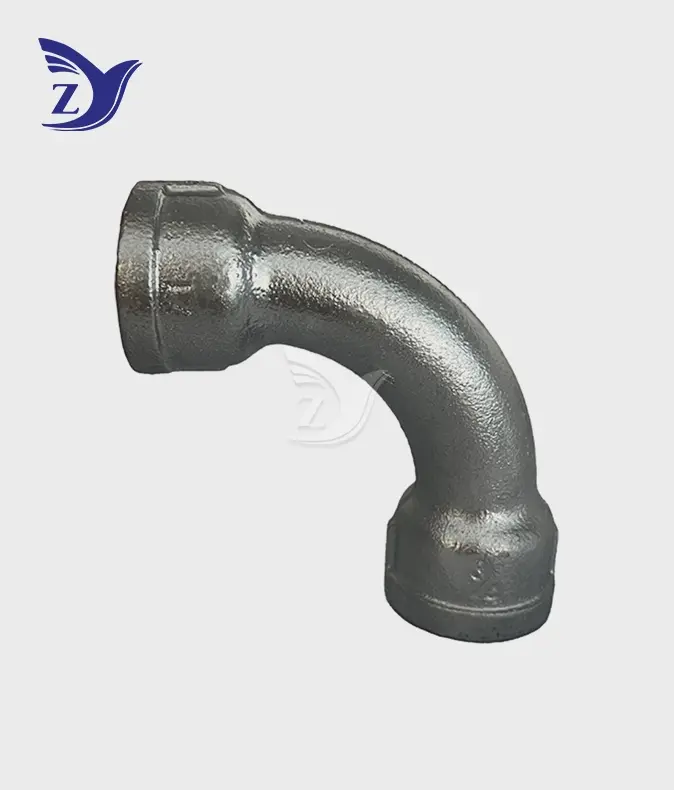
Understanding NPT Galvanized Female-Female 90° Long Radius Elbows
The design of these industrial-grade double female elbows is the result of many years of improving engineering. According to ANSI/ASME B1.20.1 standards, NPT threading makes a tapered contact with a 60-degree side angle that gets tighter as more connections are made. In many cases, this mechanical interference creates a leak-proof seal that doesn't need any extra sealants. However, for gas and high-pressure water lines, thread tape or pipe dope is still the usual method.
Structural Components and Material Composition
The high-strength, anti-rust malleable iron used to make NPT galvanized female-female 90° long radius elbow pipe fittings meets the requirements of ASTM A197. The base material has a tensile strength of more than 300 MPa and an elongation rate of more than 6%. This makes it resistant to heat expansion cycles and mechanical shocks that are typical in industrial settings. A protective zinc covering of about 70 to 85 microns thick is usually put on during the hot-dipped galvanizing process. This meets the standards of ASTM A153. This protective anode layer keeps the iron below it from oxidising, which extends its useful life in places that are wet, outside, or chemically harsh, where carbon steel would break down faster.
Long Radius Versus Short Radius Configuration
The difference between long radius and short radius plans has a big effect on how well the system works. Long radius elbows spread changes in direction over a softer curve, which lowers the damage caused by speed at the turning point. Computational fluid dynamics studies show that when flow rates are the same, long radius configurations lower pressure drop by 30 to 40 percent compared to short radius designs. This means that pumping costs will go down and pipe systems will be less stressed. Long radius fittings are used by engineers in high-velocity situations, with gritty slurries, and in setups where the smoothness of the flow affects the quality of the product or the life of the equipment. Short-radius options are still useful when room limits are more important than hydraulic efficiency.
Comprehensive Guide to Elbow Measurement Female for NPT Galvanized 90° Elbows
With accurate measurements, you can tell the difference between working NPT galvanized female-female 90° long radius elbow pipe fittings and system failure causes. Multiple factors must be checked by procurement managers and quality control teams to make sure that everything works well and is compatible.
Critical Dimensional Parameters
The main size standard is the internal thread diameter, which is found using accurate L1 plug gauges that check the pitch diameter and taper depth. The nominal pipe size refers to the estimated bore diameter rather than specific measurements. For example, a 1-inch fitting measures differently than a linear inch because of the thickness of the wall. When planning an installation, the amount of space needed is based on external measures, such as center-to-face lengths. For long radius elbows, the centerline radius measurement has a direct effect on the flow properties and needs to match the design standards within limits that are usually ±2mm for fittings less than 2 inches.
Industry Standards and Tolerance Requirements
For markets in North America, ANSI B16.3 sets the size requirements for threaded fittings made of malleable iron, and ISO 49 does the same for markets around the world. These rules say what kinds of errors are okay for thread pitch, wall thickness, and rotational accuracy. To keep caused stress from happening when rigid pipe groups are put together, the 90-degree angle must stay accurate within ±0.5 degrees. Deviation beyond this range leads to misalignment, which concentrates mechanical loads at connection points and speeds up wear and leakage. ASME B1.20.1 sets the "stand-off" distance at which properly engaged threads should stop. This gives inspectors a way to measure the quality of the work they are looking at.
Measurement Impact on Hydraulic Performance
The depth of the thread affects how well it seals and how strong the joint is. When connections aren't properly engaged, they can break during pressure spikes, and when they are assembled with too much torque, the threads can be stripped or the fitting body can crack. The capacity is based on the link between the internal diameter and the flow coefficient. This is a measure that is often forgotten when specifications are being made. Galvanized coats don't add much thickness, but they do need to be checked for tolerances after treatment to make sure the threads stay within them. With magnetic thickness scales, you can check without damaging the material that zinc deposition hasn't made pathways too narrow.
Installation and Maintenance Best Practices for Galvanized Female-Female 90° Long Radius Elbows
The stability of the system and how long it works are directly affected by the way it was installed. Even the best threaded 90° bends break early if mistakes are made during the assembly process.
Step-by-Step Installation Protocol
First, check the threads for damage, dirt, or covering flaws that stop them from engaging properly. Use PTFE tape or a thread sealant that is suitable with the fluid being sent, keeping in mind that some hydrocarbons can damage normal compounds. When looking at the male thread end-on, wrap the tape clockwise three to four times, covering 50 to 75 percent of the thread's width. Tighten the link by hand until the resistance goes up, then use a wrench to apply torque according to the size standards. For 1-inch valves, this is usually between 25 and 35 foot-pounds. If you tighten it too much, you can damage the taper and make leak tracks. Align the direction of the fitting before applying the final pressure so that completed joints don't back off.
Corrosion Prevention and Inspection Schedules
The hot-dipped galvanized surface doesn't need much upkeep, but it does benefit from being checked every so often. A visual inspection should show that the zinc covering is wearing away. This is shown by white rust (zinc oxide) turning into brown rust (iron oxide) as the coating is worn away. In seaside or industrial areas, a once-a-year check finds wear and tear before it gets to the base metal. Agricultural irrigation systems that move slurry benefit from cleaning out every six months to keep sediment from building up in the elbow's bend, where speed slows down and particles become more concentrated. Leak checks should be done on outdoor systems that are exposed to changing temperatures during the changing seasons, when connections are put under stress by the expansion and contraction of the temperature.
Troubleshooting Common Installation Issues
Leaks in newly built joints are usually caused by threads that are dirty, not enough sealant, or the wrong amount of pressure. Cross-threading damage means the joint has to be replaced—repairs always fail when put under pressure. Galvanization in threads can sometimes cause interference. Using a thread chaser to get rid of extra zinc doesn't damage the coating's structure. When two different metals are connected, dielectric unions stop galvanic corrosion, which quickly breaks down either part. Temperature-rated seals keep boiler feed systems from breaking down, which is where regular materials fail.
Conclusion
To choose the right elbow measurement female fittings, you have to weigh technical specs against the needs of the application and the facts of purchase. The NPT galvanized female-female 90° long radius elbow pipe fittings have been used successfully in fire safety, local water systems, industrial HVAC, and petrochemical settings. When procurement workers know about dimensional standards, best fitting practices, and material trade-offs, they can choose parts that improve system performance while keeping costs low. Precision fitting, corrosion-resistant galvanization, and long radius hydraulic efficiency all work together to solve the main problems that industrial pipe systems face. Partnering with qualified makers gives you access to approved goods, professional know-how, and a reliable supply chain, all of which are important for the success of your project.
FAQs
How do I measure female-female elbow fittings accurately?
When measuring female threaded links, NPT thread plug gauges are needed to make sure that the pitch width and taper meet the requirements of ANSI B1.20.1. Space needs are based on external measurements like center-to-face distance and total length. Long radius elbows should have a centerline radius that is about 1.5 times the standard pipe width. Digital callipers are accurate enough for measuring the outside of something, but you need precise gauging tools to make sure the threads engage and close properly.
What advantages do long radius elbows provide over standard designs?
Long radius designs lower pressure drop by 30–40% compared to short radius versions. This means that in systems that run all the time, pumping costs go down. The softer shape reduces wear at the point where the direction changes, which increases the lifetime of the fitting in rough or fast environments. Less turbulence makes the flow more stable, which helps processes that are sensitive to changes in pressure. The trade-off is that more space is needed and the cost of materials is a little higher.
How long does galvanized coating protect against corrosion?
Hot-dipped galvanizing that meets ASTM A153 standards usually protects against rust for 20 to 50 years in mild outdoor settings. Service life depends on the weather. Salty ocean air and industrial pollution shorten zinc's useful life. The layer acts as a sacrifice anode, corroding more quickly to protect the iron below. White rust that can be seen means that the zinc is protecting the metal, while brown rust means that the layer is failing and needs to be fixed.
Partner with Zhiyuan Malleable Steel for Premium NPT Galvanized Female-Female 90° Long Radius Elbow Pipe Fittings
Zhiyuan Malleable Steel has been producing and making high-quality products for 26 years, and they can help you with your industrial pipe projects. Our plant in Shanxi Province follows strict ISO 9001 quality standards and can produce over 1,000 specs each year, with a capacity of 30,000 tonnes. To make sure it meets international standards, every NPT galvanized female-female 90° long radius elbow pipe fitting is carefully checked for thread gauging, hydraulic testing, and zinc coating proof. With CE, UL, and FM certifications, we serve fire protection workers, city engineers, plumbing dealers, and industrial businesses all over the world. Our promise includes sending standard goods the same day, full ODM/OEM customisation, and replacing products that are broken. Get in touch with our expert team at q1236800000@gmail.com to talk about your needs and get quotes from a reliable NPT galvanized female-female 90° long radius elbow pipe fittings provider. You can look at our whole line of products at zymalleablepipefitting.com and learn how our precision-engineered solutions can help your pipeline work better.
References
- American National Standards Institute. (2013). ANSI/ASME B1.20.1: Pipe Threads, General Purpose. American Society of Mechanical Engineers, New York.
- ASTM International. (2019). ASTM A197: Standard Specification for Cupola Malleable Iron. ASTM Standards Worldwide, West Conshohocken, Pennsylvania.
- ASTM International. (2020). ASTM A153: Standard Specification for Zinc Coating (Hot-Dip) on Iron and Steel Hardware. ASTM Standards Worldwide, West Conshohocken, Pennsylvania.
- American Society of Mechanical Engineers. (2016). ASME B16.3: Malleable Iron Threaded Fittings, Classes 150 and 300. ASME Press, New York.
- International Organization for Standardization. (2018). ISO 49: Malleable Cast Iron Fittings Threaded to ISO 7-1. ISO Central Secretariat, Geneva, Switzerland.
- Hydraulic Institute. (2017). Pipe Friction Manual: Flow Characteristics and Pressure Drop in Piping Systems. Hydraulic Institute Standards, Parsippany, New Jersey.
Online Message
YOU MAY LIKE
High quality furniture manufacturer
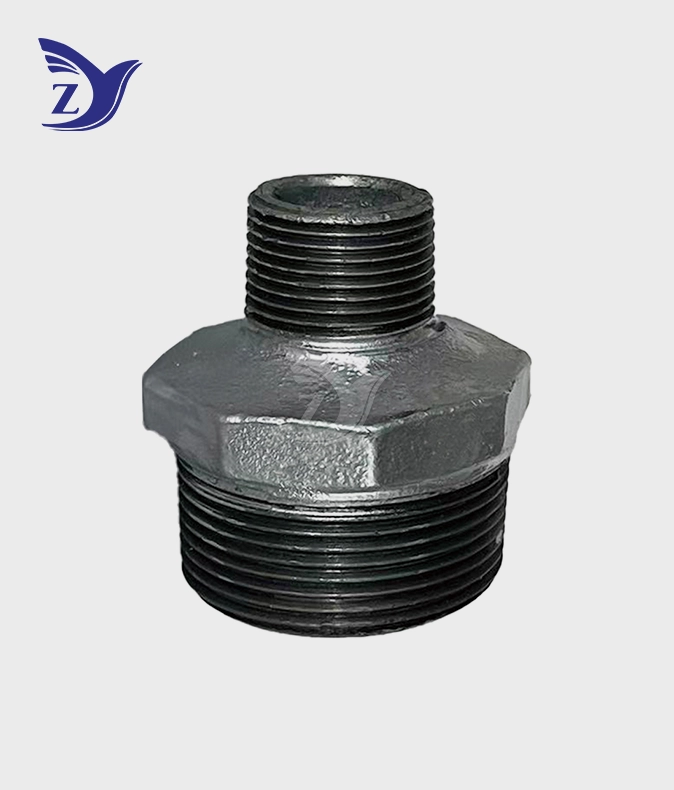
NPT Galvanized Reducing Male Nipple Pipe Fittings
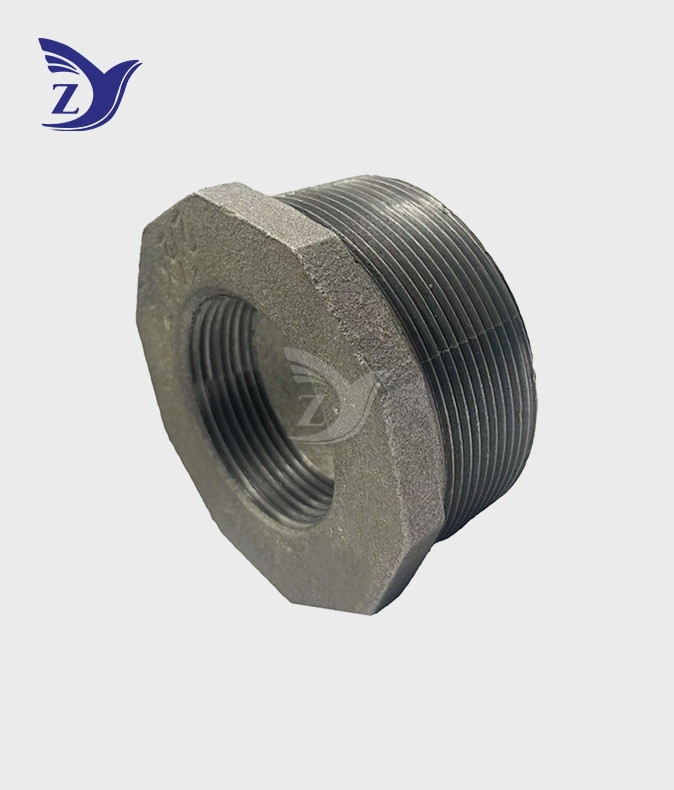
BSPT Black Malleable Iron Bushing
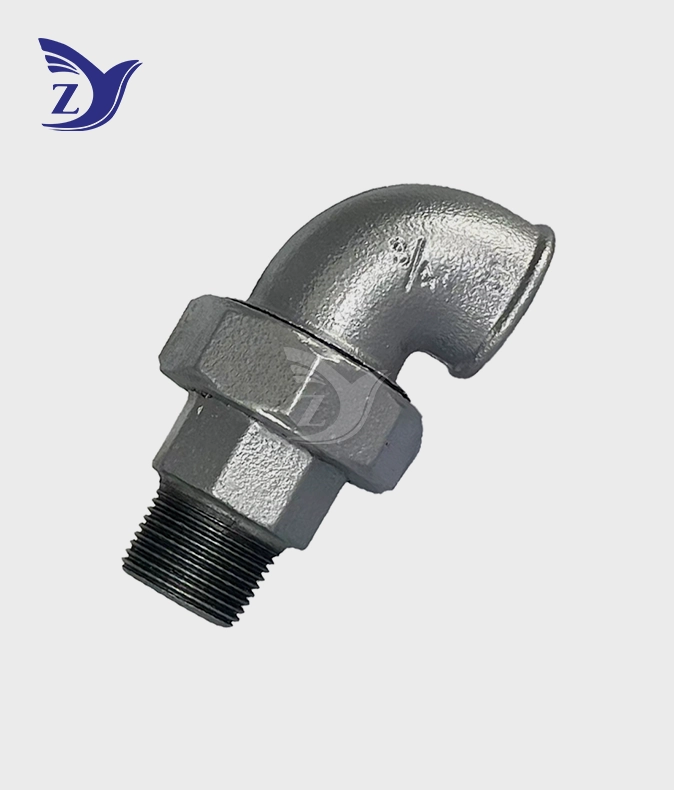
NPT Galvanized Union Elbow Threaded Pipe Fittings with Male and Female Ends
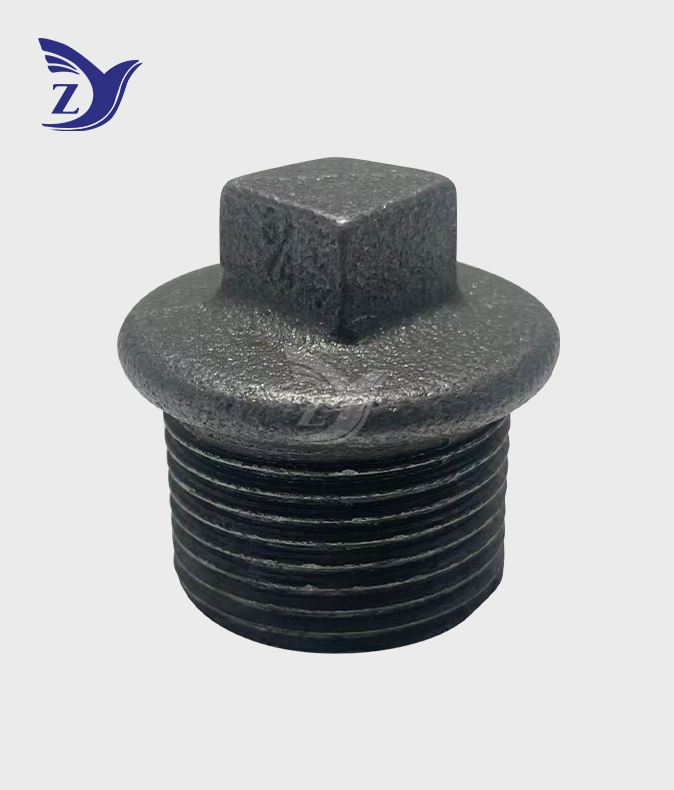
NPT Black Flanged Plug Pipe Fittings
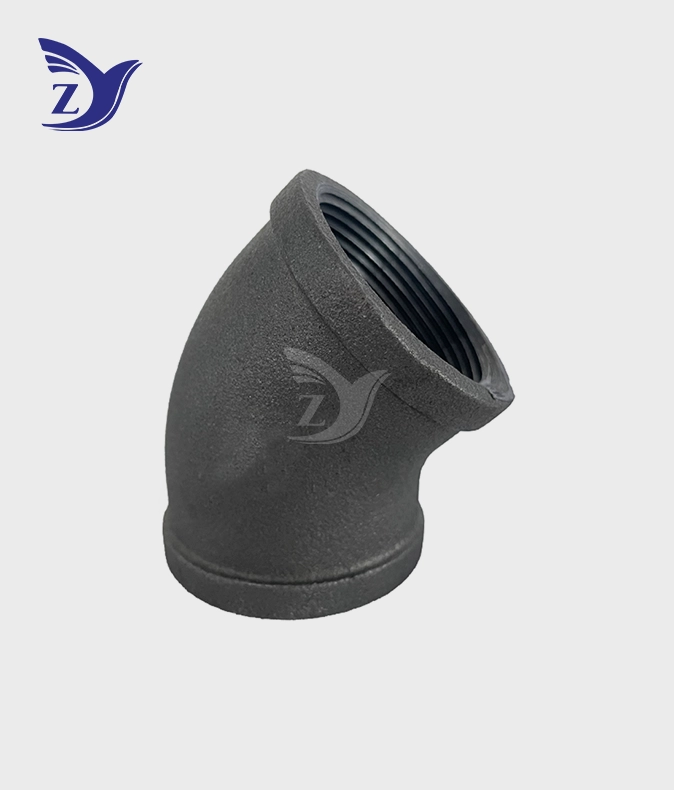
BSPT Black Square Face 45° Elbow Pipe Fittings
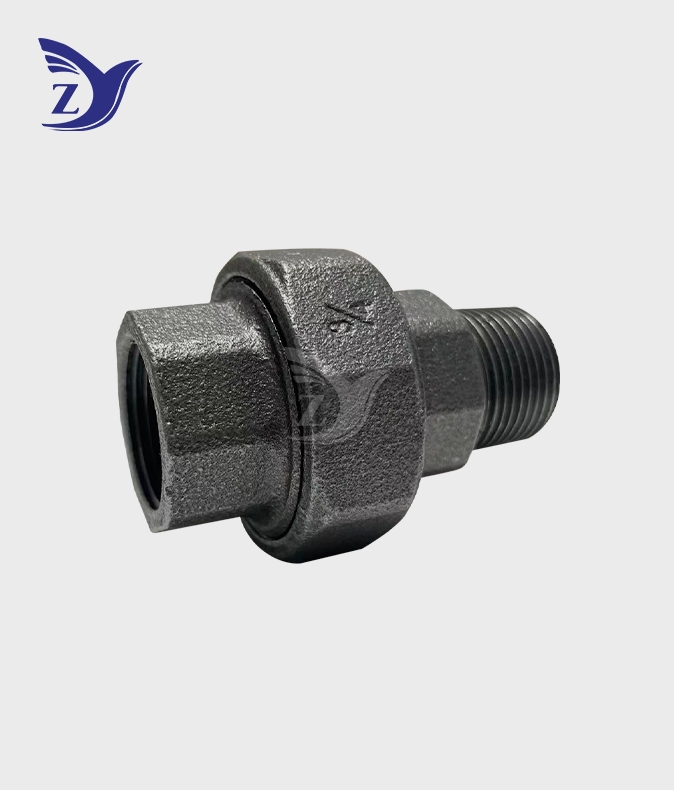
NPT Black Male-Female Union 331 Pipe Fittings
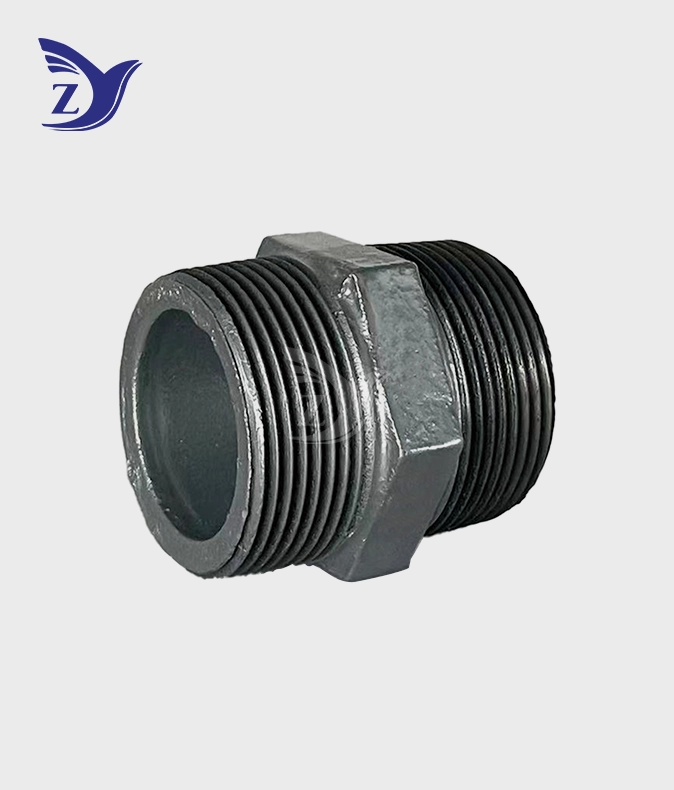
NPT Galvanized Male Nipple Pipe Fittings
Class 300 Hot Dipped Galvanized Malleable Iron Equal Tee