
Mar 31, 2026
Comparing Galvanized Male Female Threaded Union 331 VS 330 Pipe Fittings
Knowing the distinctions between the 330 and 331 types of galvanized male female threaded union pipe fittings is essential for successful procurement when dealing with industrial applications. While the 330 models use cone-seat designs for direct metal-to-metal contact, the galvanized male female threaded union 331 pipe fittings have a flat-seat design that needs gaskets for sealing. While all choices have malleable iron structure and hot-dipped galvanized protection, their varied sealing methods and pressure ratings make them ideal for different types of operating situations and maintenance needs.
Understanding Galvanized Male Female Threaded Unions 331 and 330
The structural design and sealing process are the primary differentiating factors between the two union types. Easy maintenance and equipment replacement is made possible with both models' detachable pipe connections, which eliminate the need to dismantle whole pipeline systems.
Design Features and Sealing Mechanisms
A gasket, usually made of fiber, rubber, or PTFE, is necessary for the flat-seat joint arrangement of the galvanized male female threaded union 331 pipe fittings to work properly. Because of its adaptable design, gaskets may be easily chosen according to temperature and fluid compatibility. For easier installation in tight quarters, the male-to-female thread arrangement may do away with the need for extra nipple fittings.
On the other hand, the 330 model's cone-seat construction ensures a tight seal by means of exact metal-to-metal contact. In this setup, the machined surfaces meet at precise angles to provide a gasket-free, pressure-tight seal. For uses involving high temperatures, where gasket materials might deteriorate, the cone-seat method is preferable.
Thread Standards and Compatibility
There are two varieties of unions that can handle different threading standards: NPT and BSPT. ISO 7-1 thread standards have 55-degree thread angles and 1:16 taper ratios, but ANSI/ASME B1.20.1 regulations call for 60-degree flank angles for NPT threads. This backwards compatibility makes multinational project procurement easier and guarantees market acceptability worldwide.
The interference fit mechanisms provide leak-resistant connections in both versions due to their precision-threaded manufacture. To avoid cross-threading and maintain constant sealing performance during assembly cycles, thread engagement depths and taper angles are made to exacting standards.
Performance and Durability Comparison
The performance disparities between different union types are based on material composition. Blackheart malleable iron, produced in accordance with ASTM A197 standards, is used in both models. It is more ductile and has better shock resistance than regular grey iron.
Pressure Ratings and Mechanical Strength
Class 300 requirements, with hydrostatic test pressures exceeding 2.5 MPa, or Class 150 pressure ratings (300 psi WOG at ambient temperature) are usual for the galvanized male female threaded union 331 pipe fittings. Reduced potential for seal breakdown caused by localized pressure concentrations, the flat-seat design uniformly distributes stress over the gasket contact.
Due to their metal-to-metal sealing method, Union 330 models generally show somewhat greater pressure capabilities. Cone seats provide structural strength under high pressure by creating several points of contact. This benefit, however, is accompanied with a heightened sensitivity to surface pollution and injury.
Corrosion Resistance Analysis
Both kinds of unions may have zinc coatings thicker than 70 microns thanks to hot-dip galvanization that follows ASTM A153 specifications. An electrochemical barrier is formed by this selfless defense, which protects against chemical and oxidative assaults. Even after small scratches, the galvanized surface keeps protecting the iron substrate underneath. Zinc keeps doing its job.
Both versions have been tested to survive extreme humidity, temperature swings, and chemical exposure, all of which are common in industrial settings. In order to preserve the base material, the zinc coating corrodes preferentially, serving as a sacrificial anode. In most industrial settings, a service life exceeding 25 years is possible with regular inspection procedures.
Installation and Maintenance Best Practices
Both kinds of unions are designed for maximum performance and durability when installed correctly. To avoid typical breakdowns and save down on maintenance expenses, it's important to know what each model requires.
Installation Procedures for 331 Models
Proper gasket selection and compression are essential when installing flat-seat unions. The operational temperature range and fluid being conveyed must be compatible with the gasket material. To avoid gasket extrusion or uneven compression, which may lead to leakage, it is important to apply installation torque gradually and consistently.
Avoid over-tightening, which might damage the malleable iron threads, while achieving minimal penetration depths via thread engagement. Applying thread sealant to the male threads improves the sealing performance of the gasket without affecting its functionality. When maintenance is required, the dual-threaded design makes disassembly straightforward.
Maintenance Protocols and Common Issues
Visual inspections of the galvanized coating, thread quality, and gasket integrity should be included in the regular inspection schedules for 331 models. Depending on the fluid properties and operating circumstances, the recommended intervals between gasket replacements might be anywhere from twelve to thirty-six months in most cases.
Inadequate thread preparation, using too much installation torque, and using the wrong size gasket are common installation mistakes. Problems like this show up as slow leaking, thread galling, or gasket failure before its time. To minimize these issues and guarantee consistent performance, standardized installation methods and personnel training should be used.
Procurement and Decision-Making Guide for B2B Buyers
Expert procurement involves a methodical assessment of technical requirements, supplier competence, and overall ownership cost. With this knowledge, you can make smart decisions that fit in with your project's needs and your budget.
Technical Requirements Assessment
Ratings for pressure, temperature ranges, fluid compatibility, and accessibility for maintenance should all be included in the project specifications. These factors should be considered when deciding between the 331 and 330 versions; the former allows for more leeway in gasket selection, while the latter simplifies maintenance in clean fluid applications and has a flatter seat.
The available installation space and current pipeline arrangements should be considered while determining the dimensional parameters. Minimizing pressure drop across the fitting, the galvanized male female threaded union 331 pipe fittings provide compact solutions for constrained applications.
Supplier Evaluation Criteria
Trustworthy vendors prove their reliability by consistently delivering high-quality products via accredited production methods and thorough testing procedures. Systematic quality control and product dependability are shown by ISO 9001 certification and compliance with specified pipe fitting requirements. Hydrostatic testing, thread gauging, and galvanization adhesion verification should be part of the supplier's capabilities for every manufacturing batch.
Shipping capacities, manufacturing lead times, and inventory availability are all part of procurement logistics. When suppliers have enough on hand, they can meet the demands of last-minute projects while still meeting the deadlines for regular deliveries. When it comes to non-standard applications that call for altered dimensions or unique materials, the ability to manufacture to order becomes crucial.

Brand Trust and Recommendations
Customers can be certain that their purchases will be of high quality and that they will get ongoing assistance from well-established manufacturers. You may learn a lot about a supplier's dependability and performance in the real world by looking at their certificates and client testimonials.
Manufacturer Certifications and Standards
Prominent pipe fitting manufacturers ensure their products meet worldwide safety and performance requirements by maintaining several certifications, such as UL, FM, and CE licenses. To maintain these certifications, products must undergo continuous testing and audits to guarantee high quality in every batch.
Analyses of materials, verification of dimensions, and pressure testing using statistical sample bases are all part of the quality control methods at accredited facilities. The most cutting-edge factories use air-under-water testing to find machining flaws and porosity leaks that might ruin the system.
Real-World Performance Data
Research on galvanized male female threaded union 331 pipe fittings in high-pressure settings has shown their dependability in a variety of settings, including fire suppression systems, water distribution departments, and manufacturing processes. According to performance statistics, when installation and maintenance procedures are performed correctly, service lifetimes are greater than expected.
Consistently, customer feedback emphasizes how high-quality union fittings make installation and maintenance a breeze. Premium cost for approved items is justified by the major operational benefits they provide, such as the ability to detach equipment for servicing without system draining or pipeline modification.
Conclusion
The choice between the 330 and 331 galvanized male female threaded union types should be based on the unique needs of the application and the preferred method of maintenance. The flat-seat form of the galvanized male female threaded union 331 pipe fittings allows for gasket flexibility and simpler installation. On the other hand, versions with 330 cone-seats enable metal-to-metal sealing, which is advantageous for high-temperature applications. When made according to specifications and set up properly, both choices provide dependable performance. To guarantee the system's stability and operational success in the long run, professional procurement should give preference to recognized suppliers with established quality systems and thorough testing processes.
Partner with Zhiyuan Malleable Steel for Premium Pipe Fitting Solutions
Zhiyuan Malleable Steel stands as your trusted galvanized male female threaded union 331 pipe fittings manufacturer, combining 26 years of casting expertise with cutting-edge production capabilities. Our ISO 9001 certified facility in Shanxi Province maintains an annual capacity of 30,000 tons, ensuring reliable supply for large-scale projects. With over 1,000 product specifications and comprehensive certifications including CE, UL, and FM approvals, we deliver quality that meets international standards. Our experienced technical team provides customized solutions and rapid response times—standard products ship within two hours. Contact q1236800000@gmail.com today to discuss your specific requirements and experience the Zhiyuan advantage in professional pipe fitting procurement.
FAQ
What are the main differences between 331 and 330 galvanized unions?
The primary difference lies in their sealing mechanisms. Model 331 uses a flat-seat design requiring gaskets for sealing, while model 330 employs a cone-seat configuration that achieves sealing through metal-to-metal contact. This fundamental distinction affects installation procedures, maintenance requirements, and application suitability.
How do I choose the right gasket material for 331 unions?
Gasket selection depends on fluid compatibility, operating temperature, and pressure requirements. Fiber gaskets work well for water applications, rubber gaskets suit moderate temperature ranges, and PTFE gaskets handle aggressive chemicals and high temperatures. Always verify chemical compatibility charts before final selection.
What pressure ratings can I expect from these union types?
Both models typically achieve Class 150 ratings (300 psi WOG) for standard applications, with Class 300 options available for higher pressure requirements. Actual pressure capabilities depend on size, temperature, and fluid characteristics. Always consult manufacturer specifications for precise ratings.
How often should I replace gaskets in 331 unions?
Replacement intervals vary based on operating conditions, typically ranging from 12 to 36 months. Aggressive chemicals, high temperatures, or frequent pressure cycling may require more frequent replacement. Regular inspection helps determine optimal replacement timing.
Can these unions handle both NPT and BSPT threading?
Yes, quality manufacturers produce unions compatible with both NPT (ANSI/ASME B1.20.1) and BSPT (ISO 7-1) threading standards. However, mixing thread types within a single connection is not recommended. Ensure consistent threading throughout your system.
What quality certifications should I look for when purchasing?
Essential certifications include ISO 9001 for quality management, ASTM A197 for material compliance, and ASTM A153 for galvanization standards. Additional certifications like UL, FM, or CE may be required depending on your specific application and regulatory requirements.
References
1. American Society of Mechanical Engineers. "ASME B1.20.1 - Pipe Threads, General Purpose (Inch)." ASME International Standards, 2019.
2. ASTM International. "ASTM A197 - Standard Specification for Cupola Malleable Iron." Annual Book of ASTM Standards, Vol. 01.02, 2020.
3. International Organization for Standardization. "ISO 7-1: Pipe Threads where Pressure-tight Joints are Made on the Threads." ISO Technical Specifications, 2018.
4. National Fire Protection Association. "NFPA 13: Standard for the Installation of Sprinkler Systems." NFPA Codes and Standards, 2021.
5. British Standards Institution. "BS EN 10242: Threaded Pipe Fittings in Malleable Cast Iron." BSI Technical Standards, 2019.
6. American Water Works Association. "AWWA M11 Manual: Steel Pipe Design and Installation." AWWA Technical Publications, 2020.
Online Message
YOU MAY LIKE
High quality furniture manufacturer
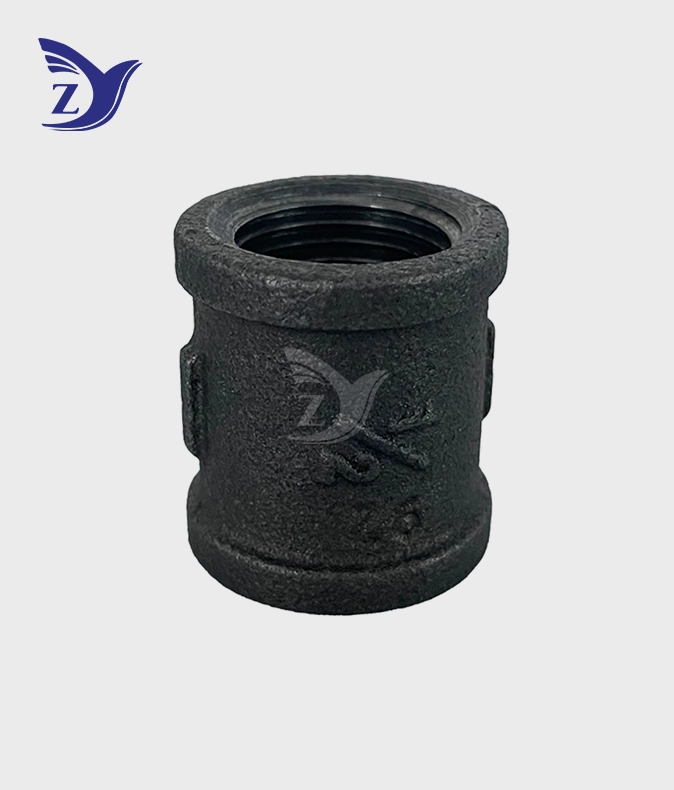
NPT Black Square Face Coupling Pipe Fittings
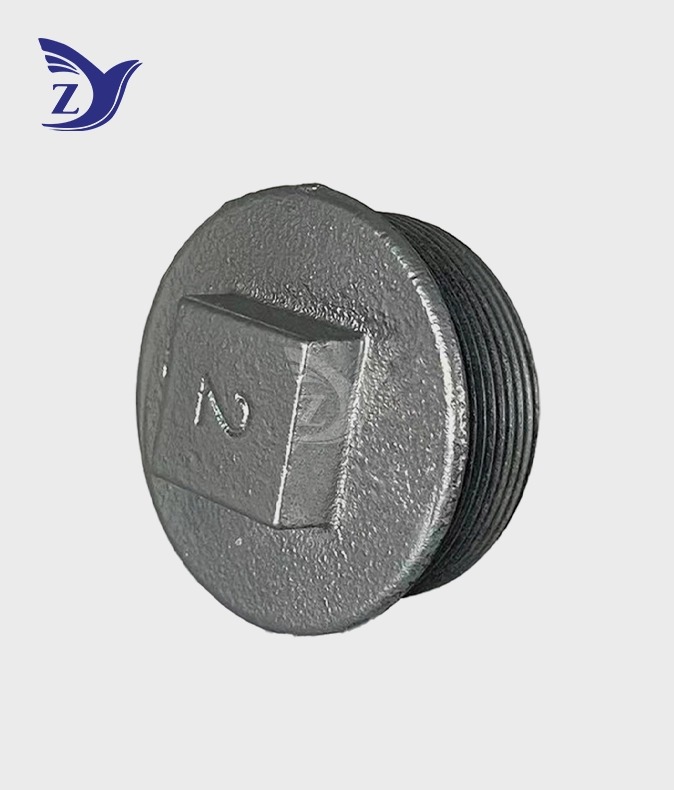
NPT Galvanized Flanged Pipe Plug Pipe Fittings
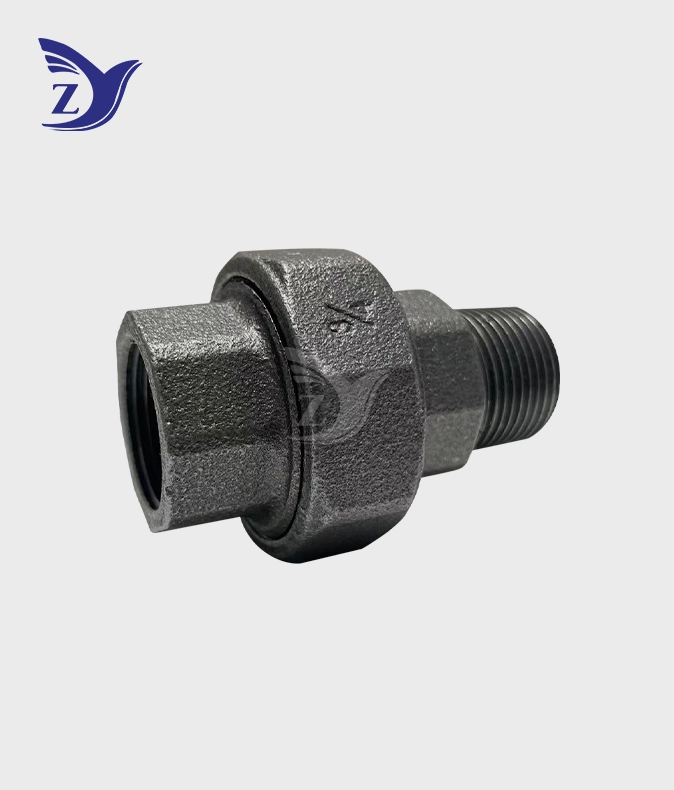
NPT Black Male-Female Union 343 Pipe Fittings
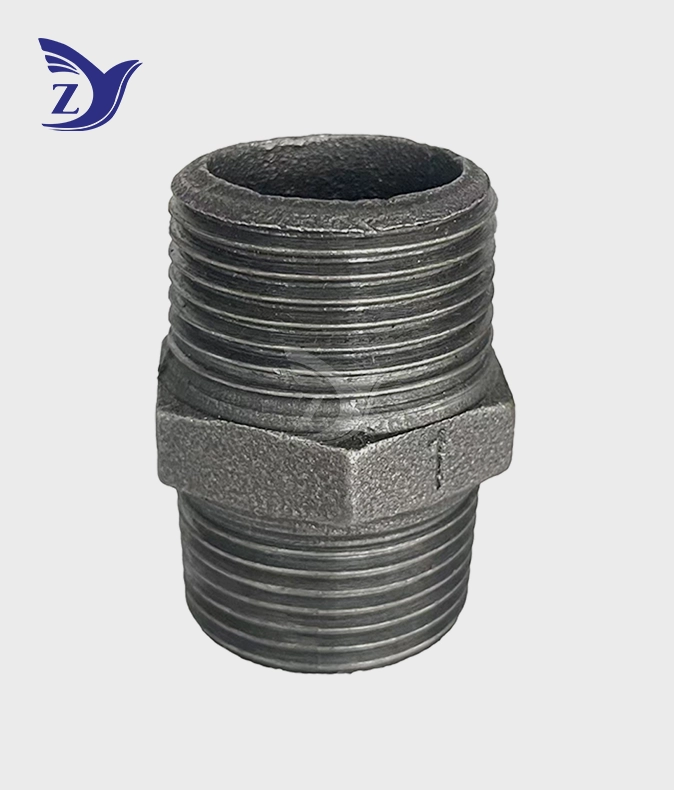
BSPT Black Male Nipple Pipe Fittings
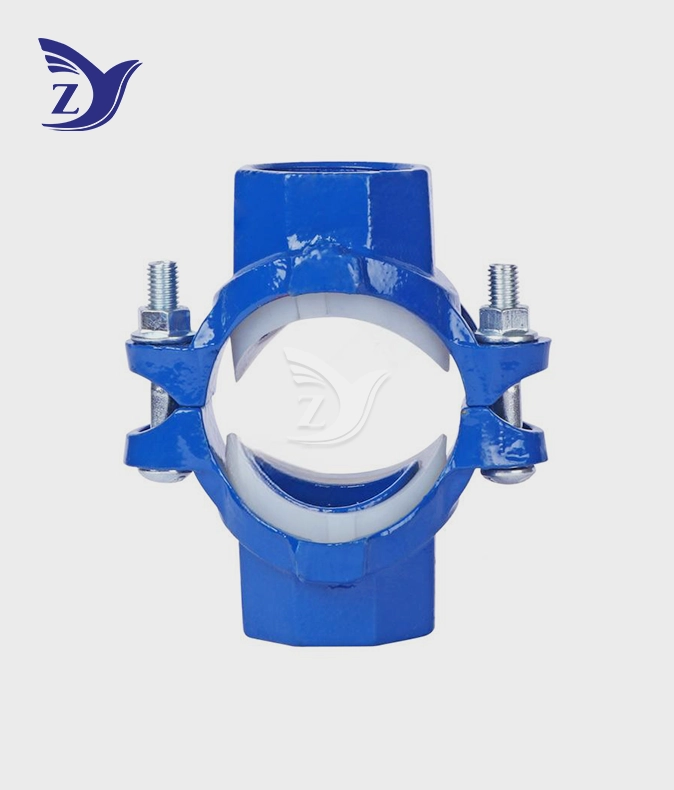
Water Supply Threaded Mechanical Cross Pipe Fitting
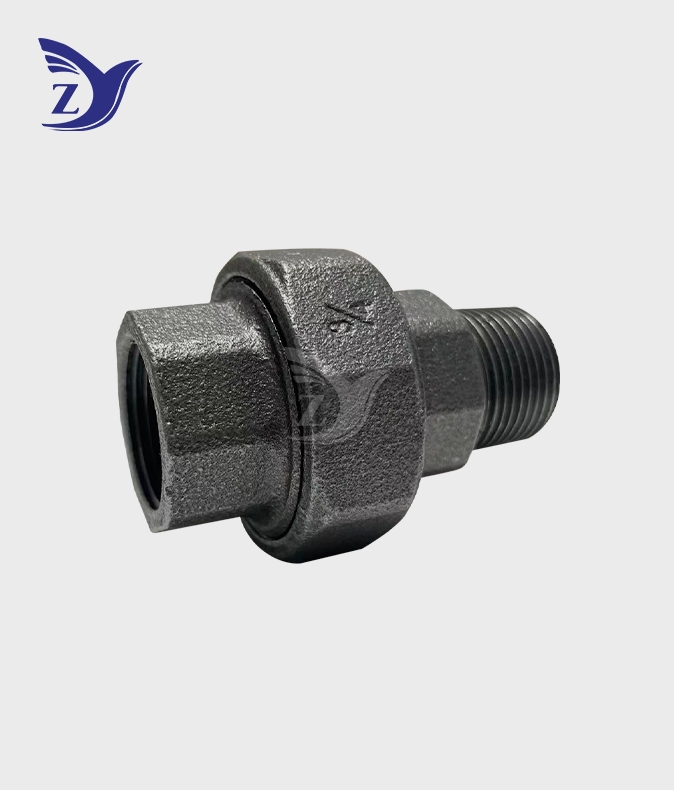
NPT Black Male-Female Union 331 Pipe Fittings
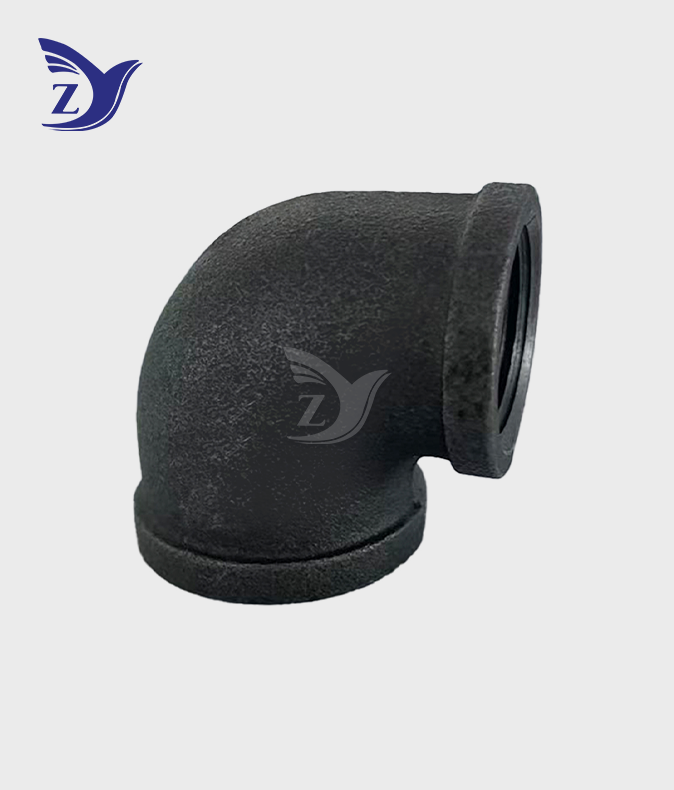
NPT Black Square Edge Reducing 90° Elbow
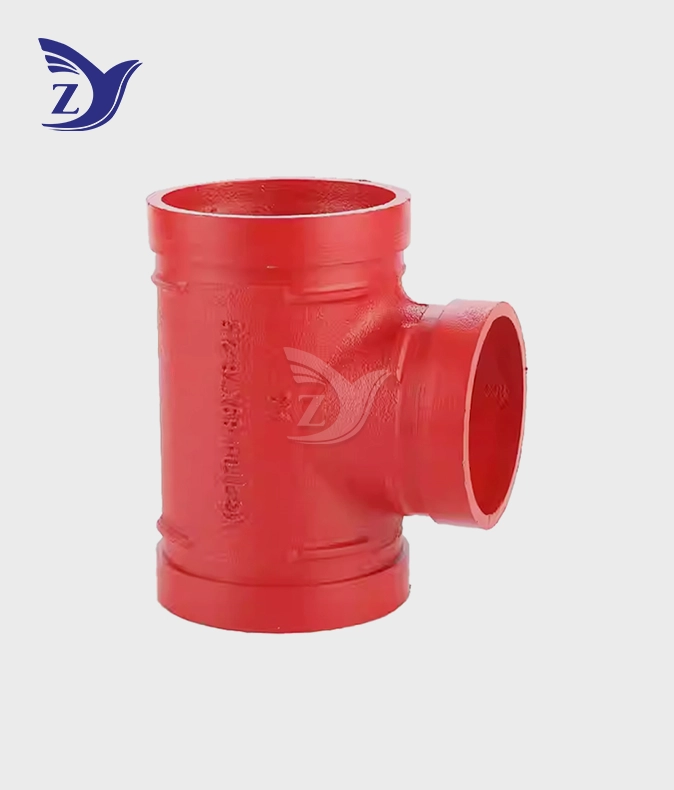
Fire Grooved Reducing Tee