
May 20, 2026
Comparing black male-female union 331 vs 330 pipe fittings
When choosing threaded links for industrial pipe systems, knowing the subtle differences between union fittings can have a big effect on how reliable the system is and how well it can be maintained. The three-piece black male-female union 331 pipe fittings have precision-machined conical seating surfaces that provide excellent metal-to-metal seals. This makes them perfect for high-pressure steam, gas, and oil uses that will require repeated removal. The 330 version has a similar structure, but it usually has a flat-seat design that needs gasket materials to seal. This saves money in lower-pressure water and HVAC systems. Both meet ASTM A197 standards for malleable iron, but their different sealing methods and pressure ratings mean that they need to be carefully chosen based on the type of fluid, working conditions, and ease of upkeep.
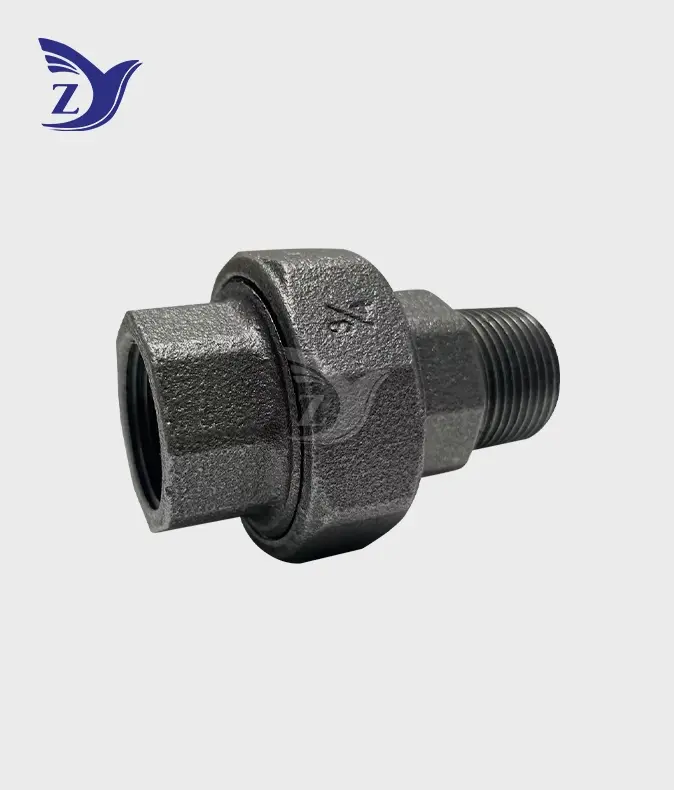
Black Male-Female Union 331 and 330 Pipe Fittings
Material Composition and Manufacturing Standards
An annealing process turns brittle white iron into a ductile, impact-resistant material that can be used in harsh pipeline settings. This is done to make malleable iron joints that meet ASTM A197 standards. This heat treatment raises the rate of extension to about 10%, which stops catastrophic brittle fractures that happen when temperatures drop quickly, which happens a lot in steam systems. The black finish comes from a controlled oil coating that was added after the metal was heated. This coating protects against rust during storage and transport without the flaking zinc risks that come with hot-dip galvanization. When making these industrial-grade fittings, factories have to keep very close measurements on the thread profiles. For example, NPT threads must meet ASME B1.20.1 standards and have a 60-degree flank angle and 1:16 taper, while BSPT threads must meet ISO 7-1 standards and have 55-degree Whitworth threads. As part of quality control, equipment from different makers must be able to work with each other in the field. This is done by testing the equipment under 1.5 times its working pressure level and checking the thread gauge.
Key Design Differences Between 331 and 330 Configurations
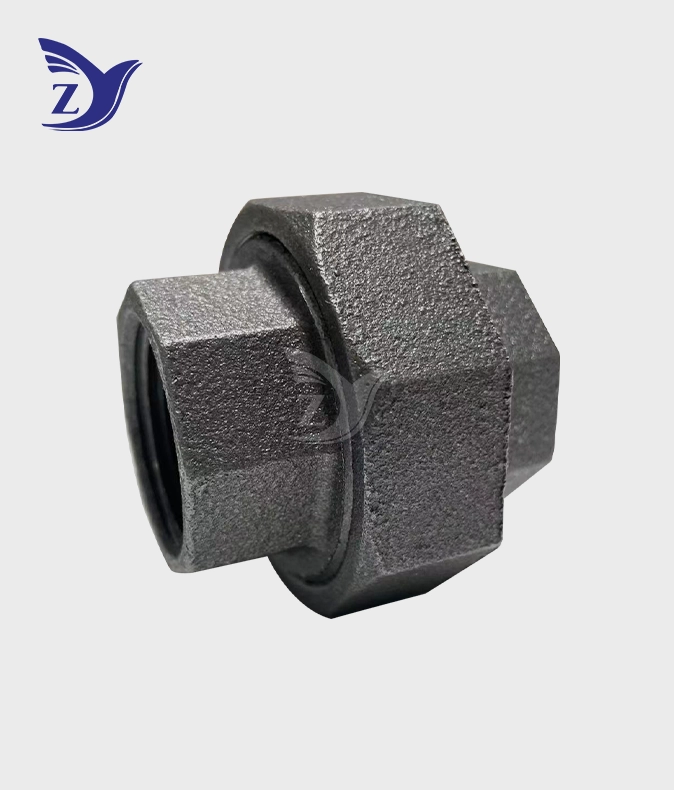
The main difference is in the way the seals are built. Black male-female union 331 pipe fittings have a precisely polished sphere or conical seat where the two halves fit together directly. When the union nut is tightened, the surface compresses, sealing the metal to metal. This design works great in places where rubber gaskets might break down because of temperature changes, shaking, or gaseous fluids. On the other hand, 330 unions have flat matching sides that press down on a fiber, rubber, or PTFE gasket that is placed between the joint faces. Even though the seal needs to be replaced every so often, this design can handle small flaws on the surface and works better when installing in the field, where precise alignment may be hard to achieve. The thread orientation is also different from a strategic point of view. For example, male-female unions join devices with opposite port genders without the need for extra nipples. This cuts down on possible leak paths and installation time compared to traditional union designs that need matching threading.
Operating Temperature and Pressure Ratings Comparison
Black male-female union 331 pipe fittingss with standard Class 150 ratings can handle 300 psi water, oil, and gas service and 150 psi saturated steam at temperatures up to 366°F. This makes them useful for boiler feedwater lines and process steam distribution. The strong metal-to-metal sitting in 331 models keeps their integrity even when they expand and contract due to temperature changes. On the other hand, 330 gasket-dependent designs may lose their compression set integrity above 200°F, which means they need to be inspected for maintenance more often. Heavy-duty Class 300 versions increase the pressure capacity to 2,000 psi cold working pressure, which is used in petrochemical processing and high-rise building fire safety platforms where static pressures are higher than what is acceptable for homes. Engineers have to think about pressure-temperature derating curves. For example, a fitting that can handle 300 psi at room temperature might only be able to handle 200 psi at 300°F because the material's strength drops at high temperatures. This is why exact specifications are so important for safety compliance.
Performance and Application: 331 vs 330 Under Different Conditions
Industrial Use Cases Across Different Sectors
Integrators of fire safety systems always choose black male-female union 331 pipe fittings for pump discharge connections and hydrant branch lines. This is because of the high pressure, the possibility of water hammer, and the need to remove equipment during the winter. The two-threaded removable joint design lets maintenance workers separate and service check valves or flow switches without draining whole sprinkler networks. This keeps the building as quiet as possible while inspections are being done. These industrial water/gas pipeline fittings are used by municipal water treatment plants at meter vaults and pressure-reducing valve stations, where ground settlement and yearly temperature changes put the fittings through repeated stress cycles that would wear out gasket-sealed options. Natural gas distribution networks like the 331 design because the black, non-galvanized surface keeps zinc from getting into the gas lines and the tapered thread interference makes the gas-tight seal that ANSI Z223.1 fuel gas codes require. Petrochemical companies use these fittings in cooling tower return lines and process condensate systems because they are chemically compatible with hydrocarbon contact and resistant to erosion and rust, which makes up for the higher starting cost compared to 330 other options.
Durability and Corrosion Resistance Analysis
The black oxide surface treatment provides basic protection against air rust that is good for installations inside and oil service where the fluid itself provides lubrication. Uncoated black iron that is left out in the rain for a long time in public places can develop surface rust that, ironically, can form a protected patina that stops deeper penetration. For direct burial or coastal settings, specifiers should think about hot-dip galvanized upgrades. Comparative testing shows that precision-threaded black malleable iron keeps its shape better than cast brass options in high-temperature situations, since brass loses its zinc content in some types of water above 140°F. The strong, corrosion-resistant black male-female union 331 pipe fittings construction can handle chloride levels of up to 500 ppm in treated water systems without pitting corrosion. However, buildings that use chlorinated cooling water should have corrosion inhibitor programs and regular ultrasonic thickness monitoring at union locations to avoid through-wall failures.
Procurement Insights: How to Choose Between Union 331 and 330 Fittings
Decision Framework Based on Operating Parameters
A systematic rating grid should be used by procurement engineers to sort applications into groups. Systems that work above 200°F or 150 psi naturally prefer 331 metal-seated designs. So do systems that use gaseous fluids and need to find leaks quickly for safety reasons. The black male-female union 331 pipe fittings is better at putting things back together after being taken apart, which is useful for jobs that need to be disassembled often to clean equipment or drain during the winter. This is popular in food processing and public pool filtration. On the other hand, HVAC chilled water loops working at 50–100 psi and room temperature are perfect for 330 territory. This is where the gasket does a good job of closing for less money, and the lower thermal stress makes upkeep easier. Environmental factors also play a role in the choice. For example, installations near spinning machines that are prone to vibration need the rigid metal seat of the 331, while installations that may become out of line due to base settlement may be better suited to the flexibility of the 330 gasket compression.
Price-Performance Trade-offs and Order Optimization
Volume price models usually offer 15% discounts for orders of 500 pieces or more and 25% discounts for orders of 2,000 or more. This makes project consolidation cost-effective. Distributors usually keep both ½" and 2" diameters in stock, but larger diameters need to be ordered directly from the manufacturer, which can take up to six weeks. The NPT/BSPT compatible male-female union design helps facilities that use both thread standards reduce the number of SKUs they have by specifying mixed-thread unions instead of keeping separate NPT-only and BSPT-only variants. When comparing quotes from different suppliers, make sure that the price includes the whole three-piece assembly. Some overseas suppliers quote the body separately from the union nuts and tailpieces, which can add to the cost of resolving the quotes. Also, make sure that the material test reports confirm ASTM A197 compliance and pressure test certifications are included. This is especially important for imports where quality differences can affect long-term reliability.
Selecting Reputable Suppliers and OEM Partnerships
Established manufacturers with ISO 9001 certification demonstrate systematic quality control, from incoming raw material inspection through final hydrostatic testing. Zhiyuan Malleable Steel maintains documented manufacturing processes with statistical process control on critical dimensions like thread pitch diameter and seat concentricity, ensuring batch-to-batch consistency essential for large-scale projects. Supplier evaluation should confirm availability of technical support resources—engineering teams capable of reviewing piping isometrics and recommending optimal fitting placement prevent costly field modifications during construction. The ability to provide custom thread configurations or special pressure ratings through OEM/ODM services addresses unique project requirements, particularly for international projects adhering to region-specific standards like DIN or JIS. Verify that suppliers maintain adequate inventory buffers; facilities with 30,000-ton annual capacity and real-time inventory management systems can typically fulfill standard orders within 48 hours, while smaller operations may struggle during demand spikes, risking project schedule delays.
Comparing Black Male-Female Union 331 vs 330: Advantages and Limitations
Advantages of 331 Industrial-Grade Fittings
The industrial-grade black male-female union 331 pipe fitting delivers unmatched reliability in critical service applications. Metal-to-metal sealing eliminates organic gasket degradation, extending maintenance intervals from quarterly to annual in steam service—a significant labor cost reduction for facilities operating hundreds of union connections. The conical seat design self-centers during assembly, reducing installer skill requirements and minimizing the risk of cross-threading that plagues hurried field installations. Vibration resistance proves superior in applications near pumps or compressors, where harmonic oscillations gradually work gaskets loose in 330 configurations, leading to weeping joints and efficiency losses from air infiltration. The ability to withstand thermal shock—rapid temperature changes exceeding 100°F per minute—makes 331 unions indispensable in emergency steam applications and process upset conditions where sudden valve closures create pressure transients. These performance attributes justify the premium pricing for risk-averse industries like pharmaceutical manufacturing and nuclear power, where unplanned shutdowns carry severe financial and regulatory consequences.
Benefits and Cost Advantages of 330 Fittings
The 330 gasket-seated design offers compelling economics for cost-sensitive applications. Material cost reductions of 20-30% compared to 331 variants aggregate substantially across large HVAC installations, where projects might specify hundreds of unions in chilled water distribution manifolds. The flat seating surface requires less precision machining during manufacturing, translating to shorter production lead times and better availability during supply chain disruptions. Gasket compression accommodates minor surface imperfections or debris contamination that would compromise metal-to-metal seals, providing a margin of error valuable in less-controlled installation environments. Maintenance personnel appreciate the visual leak detection capability—gasket seepage produces obvious moisture accumulation, whereas 331 metal seat failures may manifest as subtle pressure drops before catastrophic separation occurs. Lower torque requirements during installation reduce the risk of thread damage from over-enthusiastic tightening, extending fitting life in applications where maintenance technicians lack calibrated torque wrenches or formal training in proper assembly techniques.
Situational Recommendations for Project Specifications
Steam and condensate return systems universally benefit from 331 specifications, as the combination of temperature extremes, pressure fluctuations, and corrosive condensate chemistries quickly degrade organic gaskets. Natural gas and propane distribution mandates 331 for safety compliance, since even minor leakage presents explosion hazards that gasket-dependent designs cannot mitigate adequately. Facilities pursuing LEED certification or energy efficiency incentives should specify 331 unions at all chilled water loop isolation points, as the elimination of fugitive refrigerant losses from gasket permeation contributes measurably to reduced compressor runtime and HVAC energy consumption. Budget-constrained municipal water projects can appropriately deploy 330 fittings in non-critical secondary systems—irrigation laterals, washdown stations, and landscape water features—reserving premium 331 specifications for primary distribution mains and fire protection risers where reliability justifies the investment.
Conclusion
Selecting between 331 and 330 union configurations requires balancing performance requirements against budget constraints within the context of specific operating conditions. The 331 metal-seated design delivers superior reliability, extended maintenance intervals, and enhanced safety margins that justify its premium pricing in critical applications involving elevated pressures, temperatures, or hazardous fluids. Meanwhile, 330 gasket-dependent unions provide cost-effective solutions for less demanding services where periodic gasket replacement aligns with existing maintenance schedules. Procurement professionals achieve optimal outcomes by applying systematic evaluation frameworks that consider fluid characteristics, operating parameters, maintenance accessibility, and lifecycle costs rather than focusing exclusively on initial purchase price. Partnering with experienced manufacturers offering comprehensive technical support and consistent quality ensures reliable supply chains that support project schedules and long-term operational success.
FAQs
Can 331 and 330 Unions Be Used Interchangeably in Existing Systems?
Both fittings have the same external dimensions and thread profiles within a given size and standard, but they may not be interchangeable in all situations. For example, putting a 330 gasket union into a high-temperature steam line that was originally designed for a 331 metal-seated design could cause the gasket to fail early, which could be dangerous. On the other hand, upgrading from 330 to 331 in the right situations improves reliability without any compatibility issues, but the metal seat needs to be installed correctly to achieve optimal sealing.
What Material Certifications Should Procurement Teams Verify?
Ask for certified mill test reports that show the steel meets the requirements of ASTM A197 for its carbon content and tensile strength. Thread dimensional reports should show that they meet the requirements of ASME B1.20.1 (NPT) or ISO 7-1 (BSPT). Pressure test certificates that show hydrostatic testing at 1.5 times working pressure give you peace of mind about the structure's integrity. This is especially important when buying from international suppliers whose quality control methods are different.
How Do Bulk Order Minimums and Customization Options Work?
Manufacturers usually let distributor networks sell standard catalog items with no minimum order quantity. However, for custom thread configurations, special pressure ratings, or proprietary coatings, orders over 1,000 pieces are needed to justify the investment in project-specific tooling. OEM partnerships give access to engineering resources for making design changes that are specific to the application, and prototyping capabilities allow for validation testing before full production commitment.
Partner with Zhiyuan Malleable Steel for Superior Union Fittings
Zhiyuan Malleable Steel stands ready to support your industrial piping requirements with precision-engineered union fittings manufactured to exacting standards. Our 30,000-ton annual production capacity ensures consistent availability across more than 1,000 product specifications, while our ISO 9001-certified quality system guarantees every fitting meets ASTM A197 performance requirements. Whether your project demands standard catalog items or custom-engineered solutions, our technical team provides comprehensive support from initial specification review through installation guidance. We maintain substantial inventory levels enabling standard product delivery within two hours for urgent requirements, backed by complete OEM/ODM customization capabilities addressing unique project needs. As a trusted black male-female union 331 pipe fittings manufacturer serving fire protection contractors, municipal engineering firms, and industrial facilities worldwide, we offer competitive bulk pricing, replacement guarantees for defective products, and certifications including CE, UL, and FM approvals. Contact our procurement specialists at q1236800000@gmail.com or visit zymalleablepipefitting.com to discuss your specific requirements and receive customized quotations that optimize performance while respecting budget parameters.
References
- American Society of Mechanical Engineers. (2020). ASME B16.3: Malleable Iron Threaded Fittings - Classes 150 and 300. New York: ASME Press.
- ASTM International. (2019). ASTM A197/A197M: Standard Specification for Cupola Malleable Iron. West Conshohocken: ASTM International Standards.
- Harris, R.M. (2018). Piping Systems Manual: Design, Installation, and Troubleshooting for Process Industries. New York: McGraw-Hill Professional.
- International Organization for Standardization. (2021). ISO 7-1: Pipe Threads Where Pressure-Tight Joints Are Made on the Threads - Part 1: Dimensions, Tolerances and Designation. Geneva: ISO Standards.
- National Fire Protection Association. (2022). NFPA 13: Standard for the Installation of Sprinkler Systems - Chapter 6: System Components. Quincy: NFPA Publications.
- Smith, P.R. & Zappe, R.W. (2017). Valve Selection Handbook: Engineering Fundamentals for Selecting the Right Valve Design. Burlington: Elsevier Science & Technology.
Online Message
YOU MAY LIKE
High quality furniture manufacturer
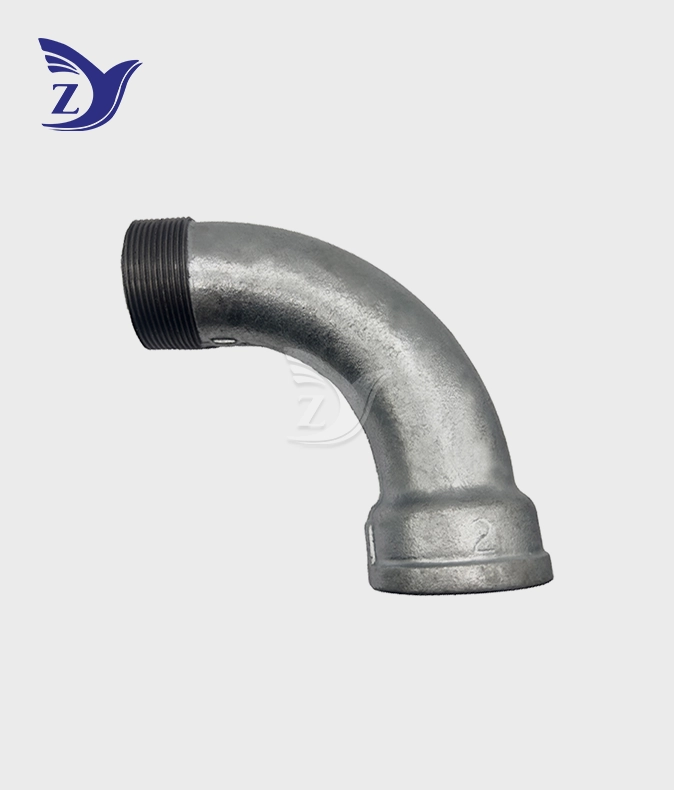
NPT Galvanized Male Female 90° Long Radius Elbow Pipe Fittings
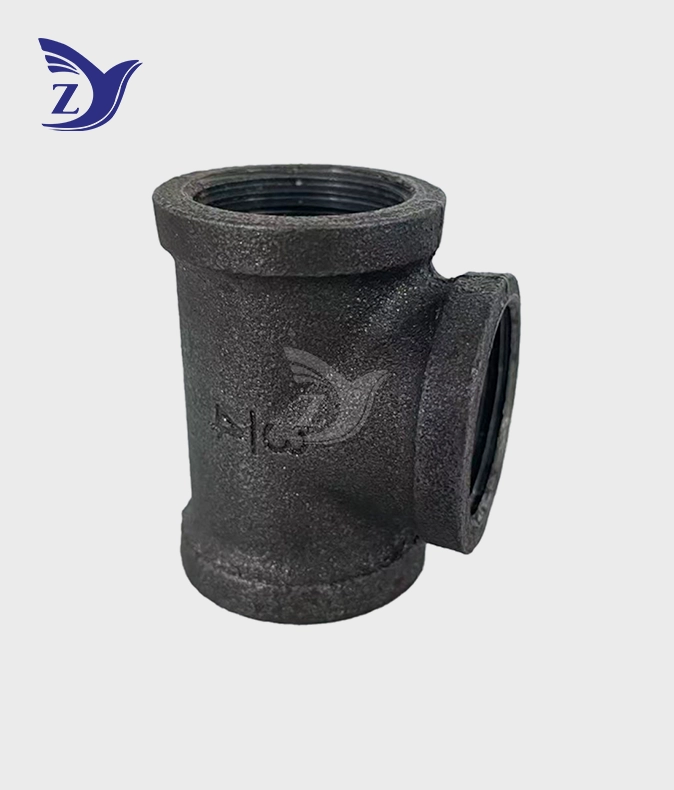
NPT Black Square Face Straight Tee Pipe Fittings
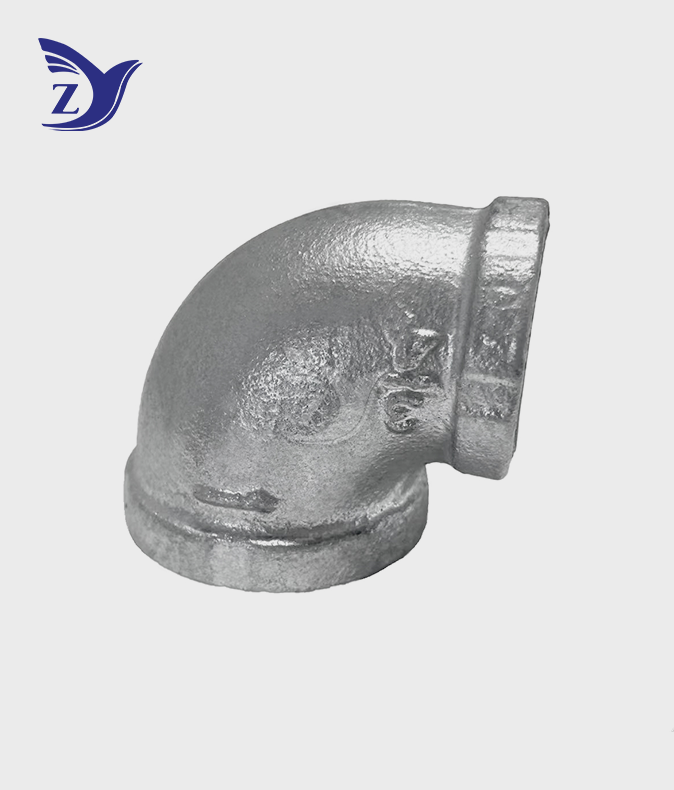
Galvanized NPT 90° Reducing Elbow
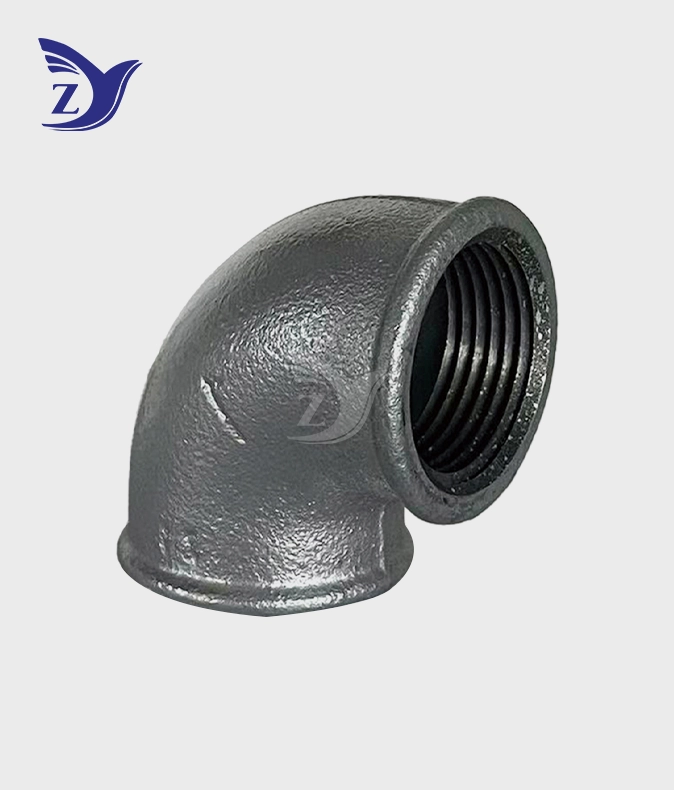
Hot-Dip Galvanized Round Edge BSPT 90° Elbow
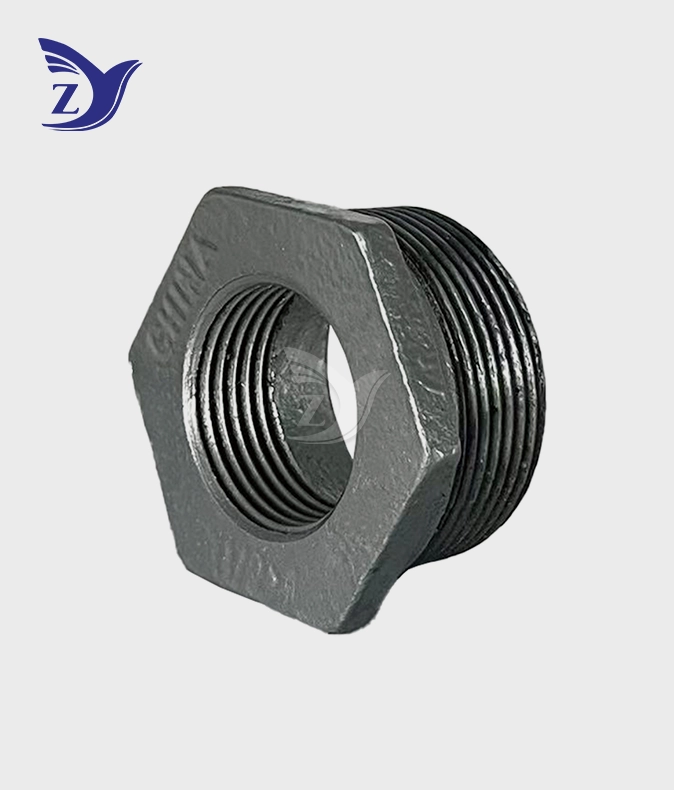
NPT Galvanized Bushing Pipe Fittings
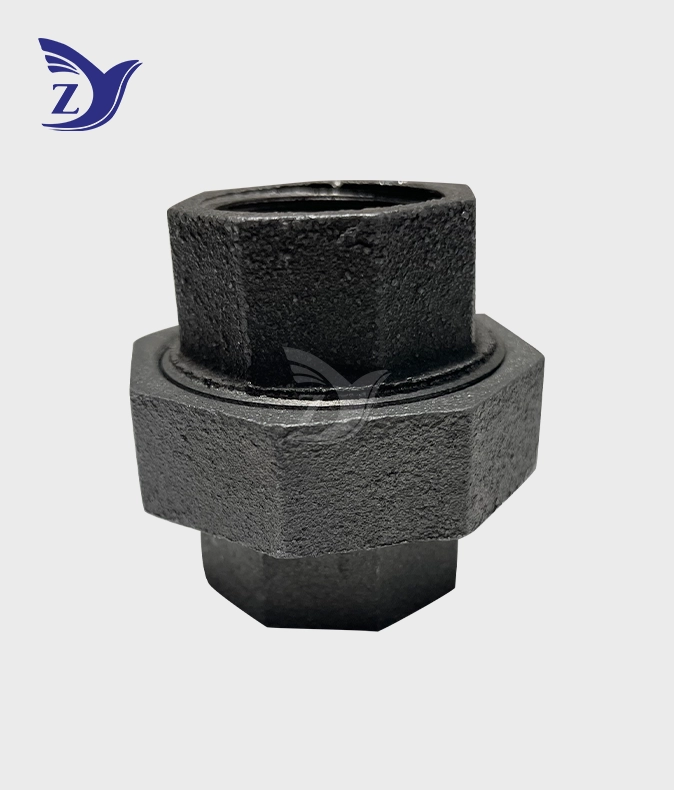
NPT Black Union 330 Pipe Fittings
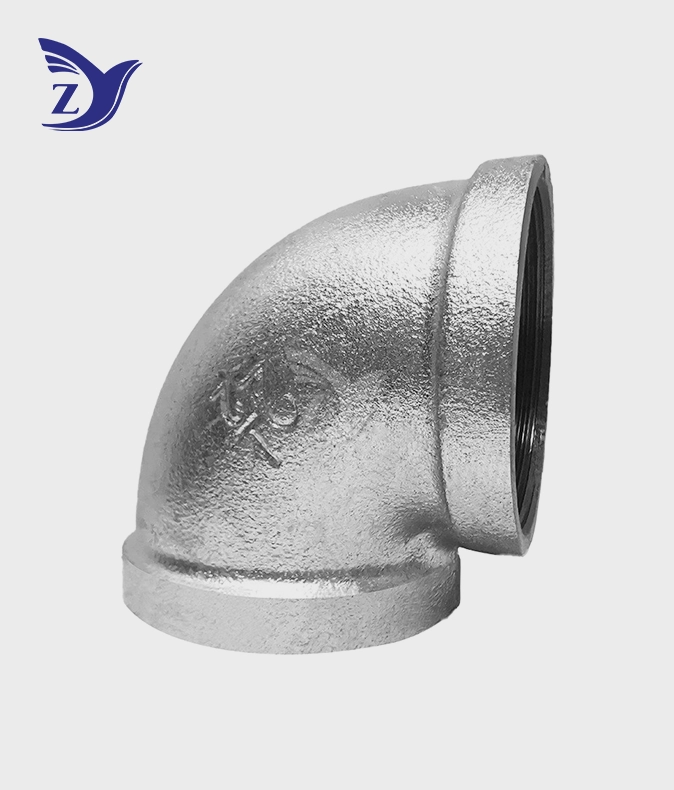
NPT Square Face Galvanized 90° Square Edge Elbow Pipe Fittings
NPT Black Union 342 Pipe Fittings