
Jun 13, 2026
Carbon Steel Fittings Used in Oil and Gas Industry
When you talk about important structures in the oil industry, carbon steel pipe fittings come up as key parts that keep systems running smoothly even when conditions are tough. These parts join, change, and control the flow in pipes that carry natural gas, heavy oil, and finished goods over thousands of miles. Carbon steel pipe fittings are used in situations where mechanical failure is not a choice because they have high tensile strength, can be welded, and are resistant to high temperatures. From upstream facilities that do the mining to middle transportation networks and downstream facilities that do the refining, these fittings keep operations running smoothly while meeting strict safety standards set by regulatory bodies around the world.
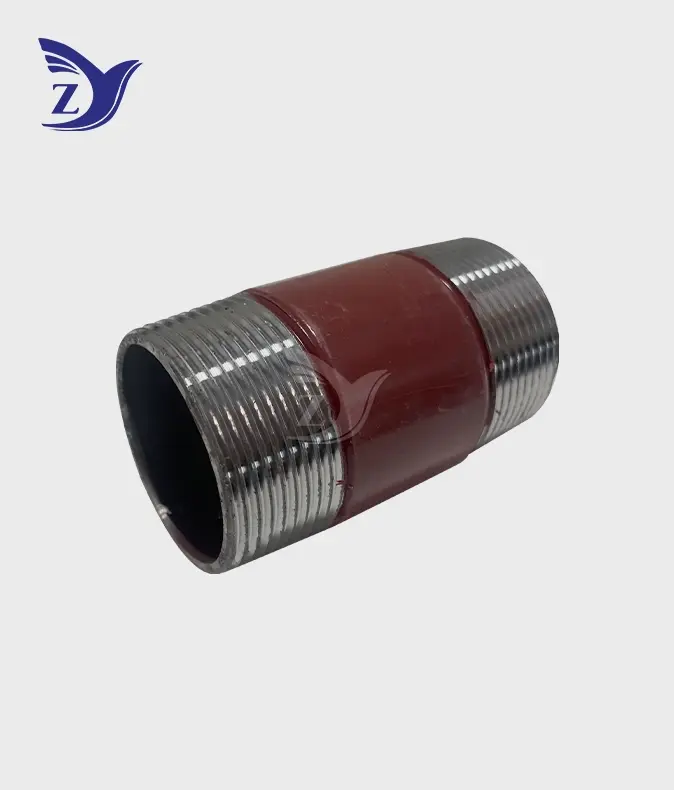
Carbon Steel Pipe Fittings in the Oil and Gas Industry
Carbon steel pipe fittings hold oil and gas infrastructure together. They allow for complex route setups while keeping pressure in check. The material is mostly iron with a controlled amount of carbon between 0.05% and 2.0%. It is hard enough to survive impact loads and thermal expansion cycles that are typical in systems that move hydrocarbons.
Why Carbon Steel Dominates Energy Sector Applications
The oil and gas business likes carbon steel pipe fittings because they have three clear benefits. Cost-effectiveness is very important. The materials used are usually 40–60% cheaper than stainless steel options, but they work just as well in non-corrosive settings. Because of its fabrication versatility, fabrication lets companies make threaded, butt-welded, and socket-welded designs that can be used in a variety of field situations. Pressure testing shows that mechanical reliability under stress is clear: properly heat-treated carbon steel pipe fittings can normally handle working pressures above 1,500 PSI without deforming.
Governing Standards and Compliance Requirements
ASTM A234 describes the chemical make-up and mechanical features of worked carbon steel pipe fittings, especially the WPB grade that is used in mild to high temperature applications up to 400°C. ASME B16.9 sets the size limits for butt-welding fittings so that they can be used by different makers. The API 5L standard controls the materials used for line pipes. Grades X42 through X70 show the minimum yield strengths that have a direct effect on the choice of fittings. Following these guidelines lowers your risk of liability and makes it easier for engineering firms and insurance companies to approve your project. They do this by checking important certifications during procurement reviews.
Types and Specifications of Carbon Steel Pipe Fittings for Oil and Gas
Modern piping systems are very complicated, with engineers having to deal with changes in direction, diameters, and branch connections all in limited areas. This is reflected in the wide range of carbon steel pipe fittings designs.
Threaded Fittings for Modular Assembly
Threaded connections are better mechanically in low- to medium-pressure situations where parts may need to be taken apart for repair. Male threaded carbon steel pipe fittings have threads on the outside that are cut to NPT or BSP standards. These threads make interference fits that seal when force is applied. This design is shown by the carbon steel full threaded pipe coupling, which has two sets of female threads that connect two sets of male threads without welding. Surface treatments make things last a lot longer in acidic environments. For example, hot-dip galvanizing adds zinc coats that are up to 86 microns thick. These coatings provide cathodic protection that destroys the zinc layer before it attacks the base metal. Electro galvanizing creates thinner coatings that are good for indoor applications. On the other hand, black oxide treatment doesn't protect against corrosion very well but keeps the dimensions of precision parts very close to the originals.
Butt-Weld Fittings for Permanent Installations
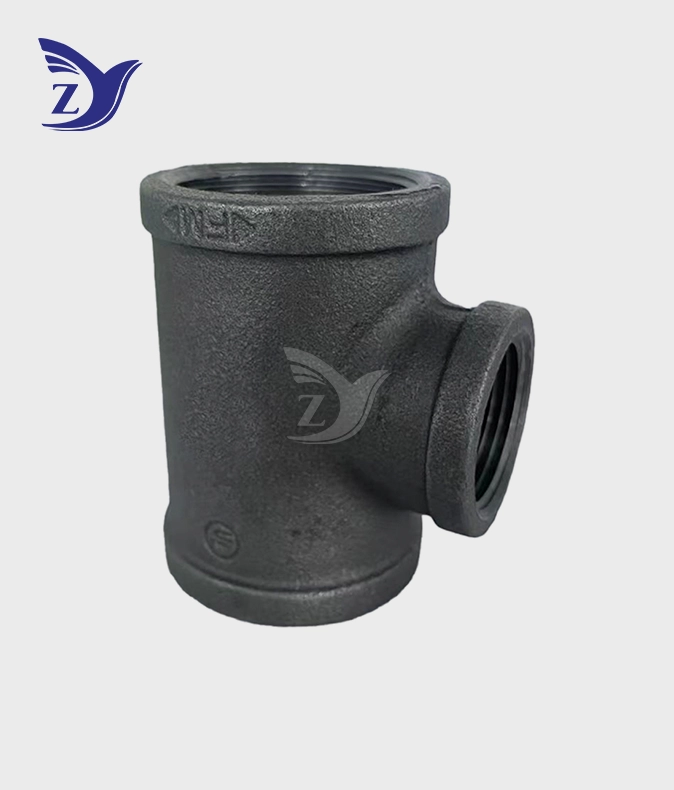
Elbows change the flow at angles of 45°, 90°, or 180°. Long-radius designs are better at lowering turbulence than short-radius designs. Tees make branch connections, and they can be set up in equal or reducing ways, based on the width of the outlet you need. When the width changes, concentric reducers keep the centerline straight, and eccentric reducers stop air pockets from forming in horizontal runs. Caps close off the ends of pipelines and often have lifting lugs for valve manifold systems built in. Seamless manufacturing methods don't use longitudinal weld lines that could spread cracks when the load is changed, but welded versions are checked with x-rays to make sure the joints are strong according to ASME Section V standards.
Material Comparison and Selection Criteria
Carbon steel pipe fittings are the most common type because they are cheaper, but kinds of stainless steel like 316L are needed when hydrogen sulfide levels go above the NACE MR0175 limits for bad service. When zinc is added to galvanized parts, they lose some of their mechanical strength, but they gain decades of service life when exposed to air. When selecting materials, procurement teams look at things like fluid composition, working temperature ranges, and how easy it is to do upkeep. These are all choices that have a direct effect on the total cost of ownership over the 20-year lifecycle of a project.
Installation and Application Best Practices in the Oil and Gas Sector
Whether carbon steel pipe fittings last as long as they're supposed to or break down early, posing safety risks and reducing production, depends on how they were installed.
Welding Procedures for High-Integrity Joints
Gas Tungsten Arc Welding (GTAW) is an exact way to control the heat for root passes on important joints, especially when the wall thickness is less than 6 mm and the risk of burn-through is high. Shielded Metal Arc Welding (SMAW) is still commonly used for field setups because the equipment is portable and can work in windy situations. When joining thick-walled parts, preheating between 95°C and 205°C lowers the risk of thermal shock. A post-weld heat treatment at 595°C removes any leftover stresses that could cause stress corrosion cracking. Welder qualification testing according to API 1104 confirms a person's skills by using damaging bend tests and x-rays to look at coupon welds.
Addressing Corrosion and Mechanical Degradation
External corrosion happens when covering systems fail and leave bare steel exposed to air and water. Cathodic protection systems add small electrical currents that change the electrochemical potential and stop oxidation processes from happening. Internal corrosion caused by acidic crude oil or sour gas requires inhibitor injection programs that cover metal surfaces with protection films. Erosion damage happens when the flow direction changes and objects that are entrained hit fitting walls at speeds of more than 3 meters per second. This means that strengthened overlays or changes to the shape that spread out the impact forces are needed.
Real-World Deployment Scenarios
Carbon steel pipe fittings are used in ocean cooling systems and process pipes on offshore sites. Marine-grade coatings protect the steel from salt spray and humidity. Carbon pipe fittings in refinery hydrotreating units are exposed to hydrogen-rich conditions that can hit 370°C and 2,000 PSI. Careful material selection is needed to avoid hydrogen weakening the materials. During start-stop cycles, the pressure at pipeline compressor stations changes, putting fatigue loads on carbon steel pipe fittings that need to be studied using stress enhancement factors from ASME B31.8 code estimates.
Making the Right Procurement Decisions: Choosing Carbon Steel Pipe Fittings
In strategic sourcing, you have to find a balance between technical requirements and business concerns. This is especially important when handling multi-year supply deals for big projects.
Technical Evaluation Parameters
Pressure-temperature ratings change as shown by derating curves. For example, a Class 3000 fitting that is rated for 900 PSI at 260°C loses its power and drops to 600 PSI at 430°C. Thread engagement length affects joint strength. The API recommends at least five full threads to ensure proper load transfer. When flaws show up, heat lot traceability lets you figure out what went wrong because each fitting has a stamped number that connects to mill test reports that show the chemical make-up and tensile test results.
Supplier Assessment Framework
Manufacturing capacity signs show if suppliers can handle high demand during the execution parts of a project. For example, if a supplier can produce 30,000 tons of goods each year, that means they have the infrastructure to handle big contracts. Quality management system standards, such as ISO 9001, show that you follow strict rules for controlling processes and writing things down. International approvals, like CE marking for European projects and FM certification for fire protection uses, help a supplier reach a bigger market. This lowers risk when requirements call for goods that have already been approved.
Procurement Optimization Strategies
Bulk purchasing agreements can get savings of 8 to 15% and be sure that you'll get what you need when the market runs out. Lead time management becomes very important when normal shipping times are 8 to 12 weeks. Keeping consignment inventory at regional stores cuts response time for urgent replacements to two hours. Long-term partnership choices that stabilize supply chains across project portfolios are based on supplier scorecards that track on-time delivery rates, defect frequencies, and how quickly technical help is responded to.
Conclusion
Carbon steel pipe fittings are still used in oil and gas operations because they work well mechanically, are cost-effective, and can be made on a large scale. Threaded setups are flexible for moderate-duty uses, while butt-weld designs make permanent links that can handle harsh service conditions. Choosing the right surface treatment, such as hot-dip galvanizing or specialized finishes, can make something last longer in corrosive settings. To do great procurement, you need to carefully check out suppliers, pay attention to certification requirements, and strategically place your goods so that you can balance controlling costs with being quick to respond. New technologies in materials science and digital supply chain management will make things more reliable and meet environmental standards, which will set the direction of the business in the future.
FAQs
What distinguishes threaded from butt-weld carbon steel fittings in oil and gas applications?
Threaded carbon steel pipe fittings use mechanical interference through NPT or BSP thread patterns to make it possible to put them together in the field without special welding tools. They work well for pressures below 600 PSI, where taking them apart every so often makes upkeep easier. However, the thread taper can cause a small misalignment that can catch debris. Butt-weld carbon steel pipe fittings make full-penetration fusion welds that stop leak tracks and can handle pressures above 2,500 PSI. This is why they are required for transmission pipes and other high-risk areas where failure could cause explosions. When compared to threaded assemblies, welding joints cost 35–50% more to install because they need qualified welders and non-destructive tests.
How do surface treatments affect fitting performance in sour gas environments?
Hot-dip galvanizing protects against cathodic damage with zinc's sacrificial anode effect, but the pickling process may add hydrogen, which could weaken the metal if it comes into contact with hydrogen sulfide. Black oxide coats don't protect against corrosion very well, but they keep the dimensions accurate, which is important for tight-tolerance parts. Special epoxy phenolic coatings protect against acidic condensates, but they can come off at welds, so they need to be carefully checked. When H2S partial pressures go above 0.05 PSI, material choice based on NACE MR0175 standards (which set hardness limits below 22 HRC) is more important than surface treatment for carbon steel pipe fittings.
What quality documentation should accompany carbon steel fitting shipments?
Optical emission spectrometry and tensile testing, which can be linked to the heat lot numbers stamped on each carbon steel pipe fittings unit, are used to check the chemical makeup and mechanical qualities on mill test certificates. Dimensional inspection records show that the wall thickness, outside width, and center-to-end values are within the limits set by ASME B16.9. Records of non-destructive tests include interpretations of x-ray films for welded carbon steel pipe fittings and accounts of acoustic tests for finding laminations in heavy-wall parts. Material tracking paperwork keeps track of the material from the steel mill through the forming processes. This meets the quality assurance needs for pressure vessel code compliance and insurance underwriting.
Partner with Zhiyuan Malleable Steel for Reliable Carbon Steel Pipe Fittings Supply
Zhiyuan Malleable Steel has been making specialized steel products for 26 years and works in the world oil and gas industry. They have a 50,000-square-meter factory in Shanxi Province that can make 30,000 tons of steel every year. Our carbon steel full threaded pipe couplings and male threaded carbon steel pipe fittings meet ASTM A197 standards. They come in hot-dip galvanized, electro-galvanized, and black oxide finishes so you can choose the one that works best for your application. Our quality control procedures are backed up by ISO 9001, CE, UL, and FM certifications, and we offer a two-hour shipping window for basic inventory items to keep project delays to a minimum. Both ODM and OEM customization services can work with non-standard specs, and they offer replacement warranties for goods that aren't working right. Get in touch with our technical team at q1236800000@gmail.com to talk about your buying needs with a reliable carbon steel pipe fittings supplier that can help you with everything from design advice to support after the sale. You can see all of our products at zymalleablepipefitting.com.
References
- American Society of Mechanical Engineers (2020). ASME B16.9: Factory-Made Wrought Buttwelding Fittings. New York: ASME Press.
- ASTM International (2021). ASTM A234 / A234M: Standard Specification for Piping Fittings of Wrought Carbon Steel and Alloy Steel for Moderate and High Temperature Service. West Conshohocken: ASTM International.
- National Association of Corrosion Engineers (2019). NACE MR0175 / ISO 15156: Petroleum and Natural Gas Industries—Materials for Use in H2S-Containing Environments. Houston: NACE International.
- American Petroleum Institute (2018). API Specification 5L: Specification for Line Pipe (46th Edition). Washington: API Publishing Services.
- Parker Hannifin Corporation (2022). Industrial Pipe Fittings Catalog: Carbon Steel and Stainless Steel Components. Cleveland: Parker Hannifin Technical Publications.
- Crocker, Sabin and King, Reno C. (2017). Piping Handbook (8th Edition). New York: McGraw-Hill Professional.
Online Message
YOU MAY LIKE
High quality furniture manufacturer
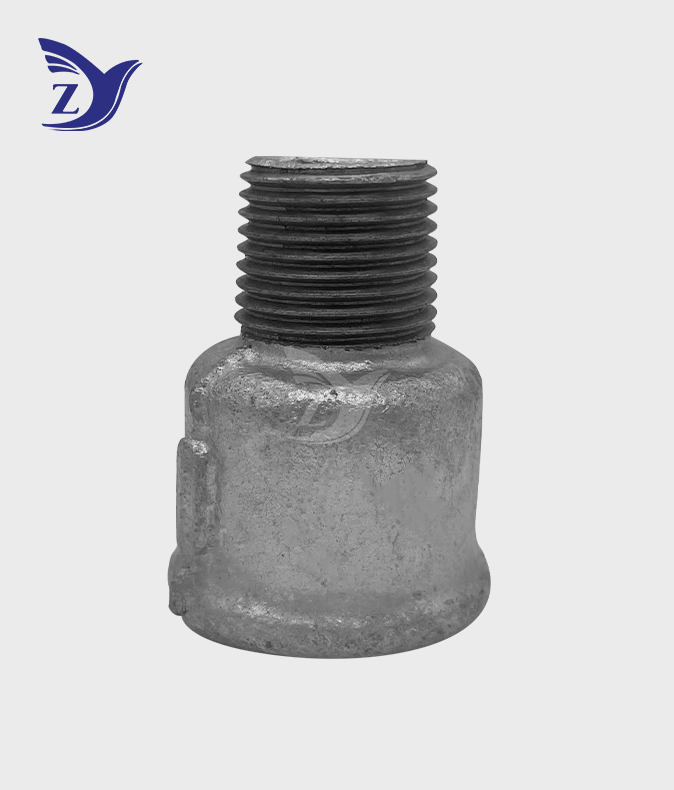
Beaded Galvanized BSPT Round Edge Male-Female Reducing Coupling
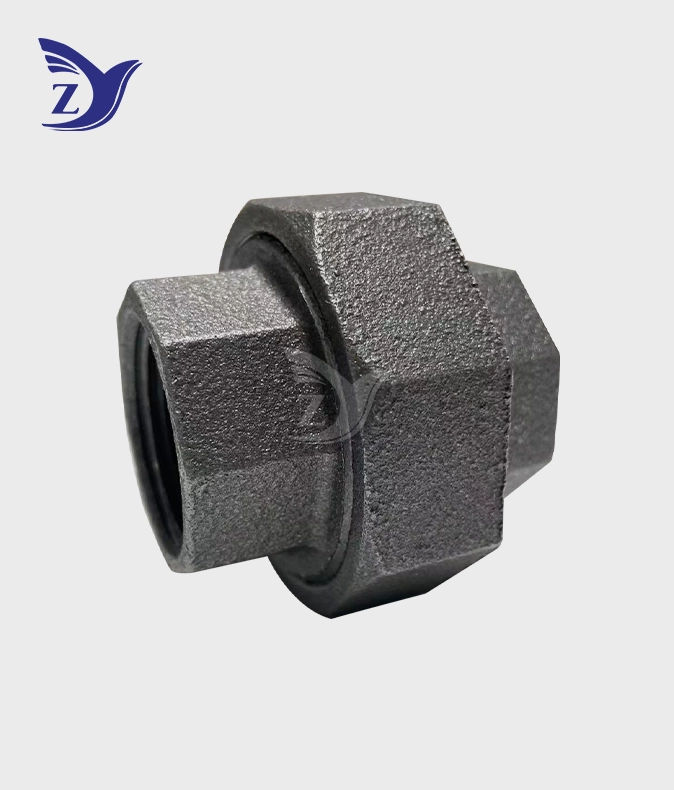
NPT Black Union 340 Pipe Fittings
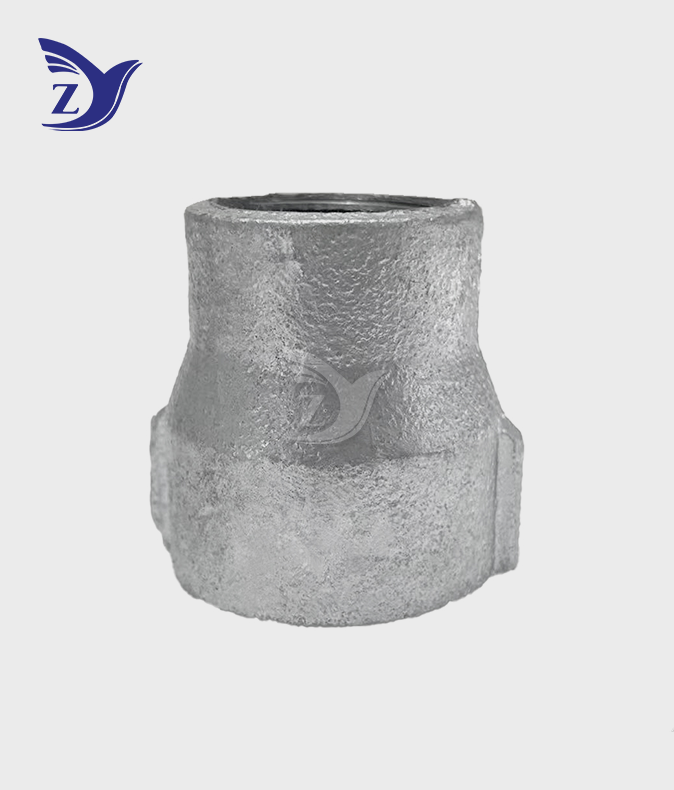
No Hub Electro Galvanized Reducing Coupling Pipe Fitting
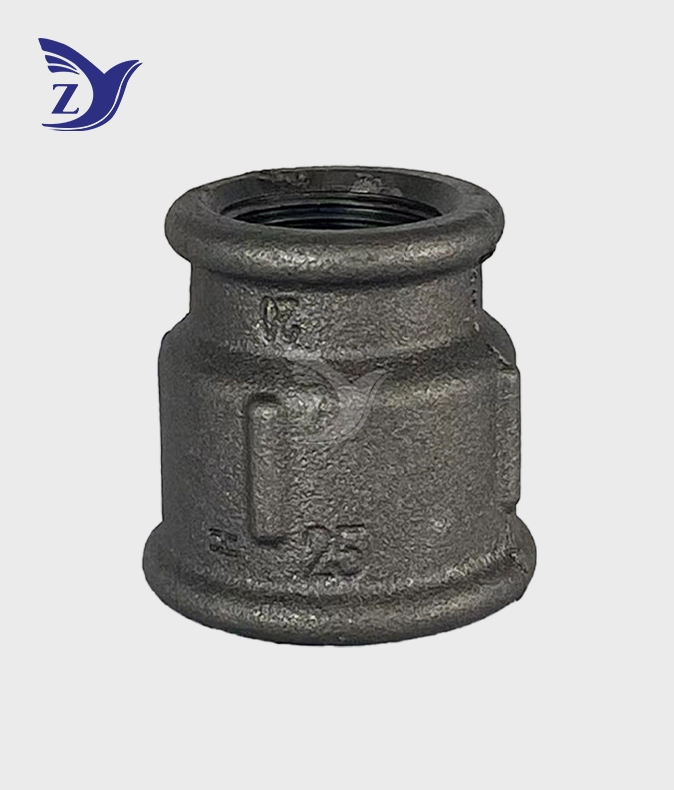
NPT Black Round Face Reducing Coupling Pipe Fittings
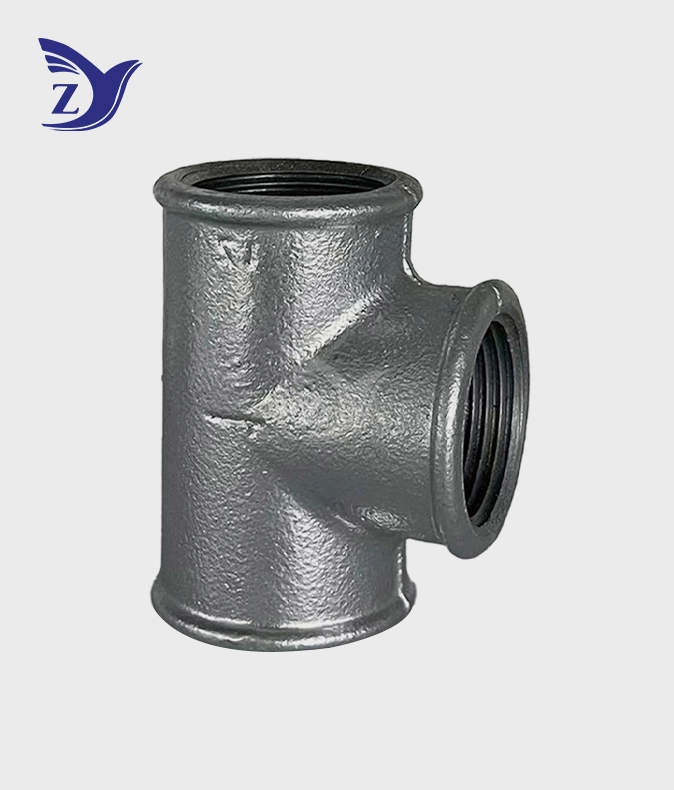
NPT Round Face Galvanized Round Edge Straight Tee Pipe Fittings
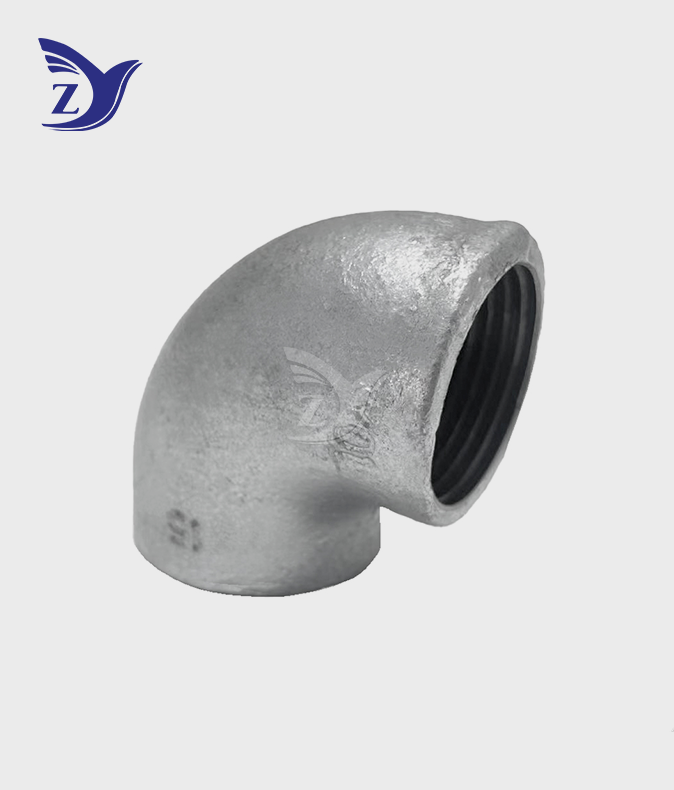
No Hub Electro Galvanized 90° Elbow Pipe Fitting
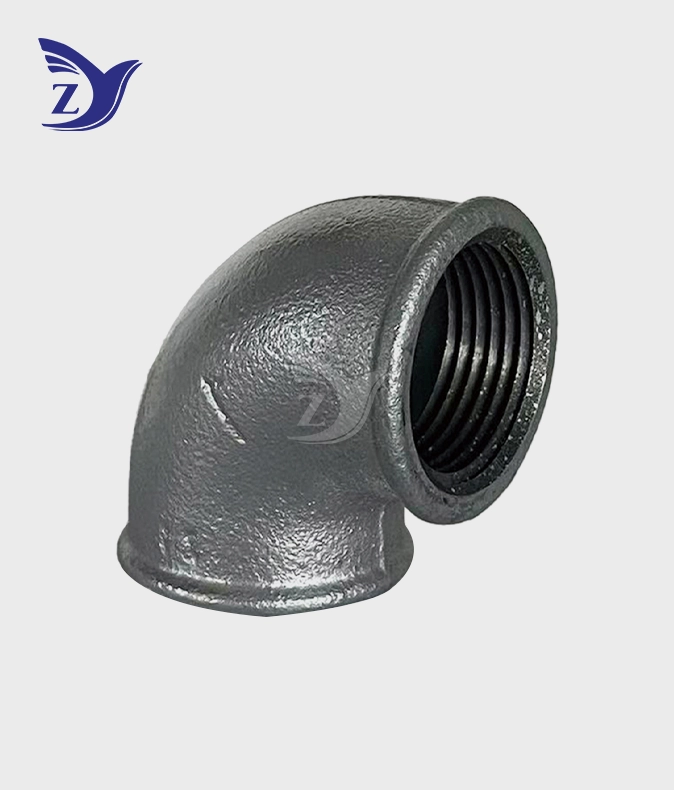
Hot-Dip Galvanized Round Edge BSPT 90° Elbow
NPT Black Square Face Reducing Tee Pipe Fittings