
Jun 8, 2026
Can I get hot-dip galvanized BSPT 90° elbows with custom specifications?
You can easily get hot-dip galvanized BSPT 90° elbows with unusual requests, like thread sizes that aren't standard, tighter or wider measurements, or materials that are made to work in tough industrial settings. This is shown by the hot-dip galvanized round edge BSPT 90° elbow, which is useful in fire protection, city engineering, and petrochemical industries thanks to its strong design and high rust resistance. Reliable makers, such as Zhiyuan Malleable Steel, offer a wide range of customization options and ISO-certified quality control. This lets engineering teams make sure that the parts are perfectly aligned with the project's rules, environmental conditions, and system compatibility needs.
Comparison and Decision-Making: Choosing the Right BSPT 90° Elbow for Your Needs
Hot-Dip Galvanized vs. Black BSPT Elbows
Black iron elbows that can be bent and are covered in a thin film of oil work well in dry, indoor places where rusting is not likely to happen. They cost less at first, but if you want to use them outside, you'll need to paint them or give them another treatment. Hot-dip galvanized round edge BSPT 90° elbows, on the other hand, are ready to be installed in wet, salty, and outdoor environments without any extra surface preparation. The zinc layer gets rid of the rust scaling that clogs valves and contaminates fluids. This lowers the regularity of upkeep and the cost of ownership over time. For projects that need to stay within a budget and keep the temperature inside under control, black fittings may be a good choice. However, galvanized versions are better for city water systems, fire protection installations, and petrochemical plants where downtime and repair costs are much higher than the initial savings.
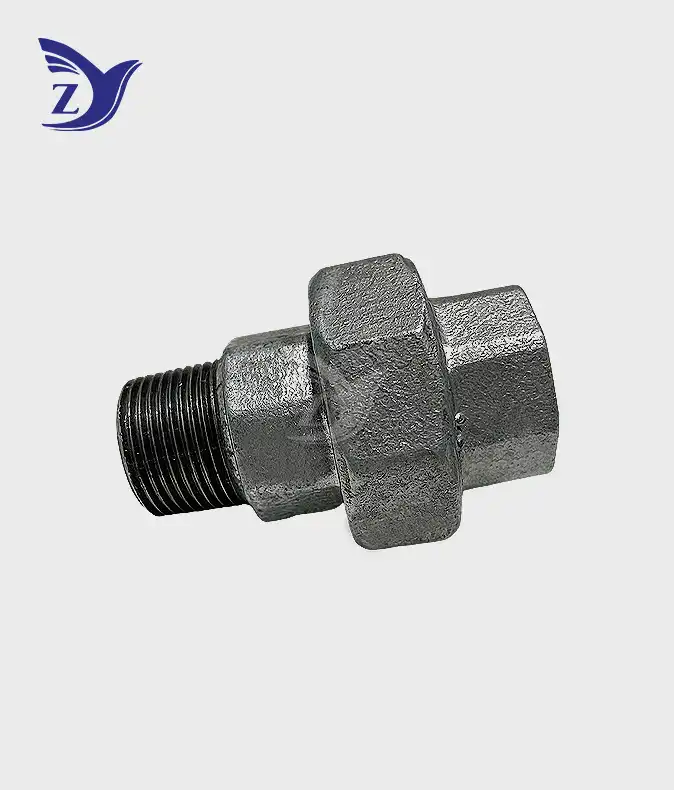
Round Edge vs. Sharp Edge Design Impact
Round-edged BSPT elbows have a raised bead at the female thread hole. This gives the joint more strength so it can handle more installation power and internal pressure. Designs with sharp edges or flat rims don't have this structural cushion, so they are more likely to crack under stress, especially in systems that experience water hammer or thermal cycles. Round edge fittings make installation safer because the smooth shape makes it less likely that tools will slip or hurt your hands while they are being put together. Even stress distribution helps the stability of the seal, stopping tiny leaks that hurt the system's performance. Round-edge designs are preferred by procurement professionals who work with fire suppression and HVAC builders because they meet UL and FM testing standards and ensure reliable performance during safety-critical operations.
BSPT vs. NPT Thread Compatibility
BSPT threads taper at 1:16 and have an angle of 55°, which is meant for British standard systems. NPT threads, on the other hand, have an angle of 60° and are common in North American pipes. Except for 1/2" and 3/4" sizes, the pitch changes a lot. When you force threads that don't work together, you damage the metal, make leak paths, and lose the warranty. BSPP (British Standard Pipe Parallel) threads run parallel and don't taper. They seal with O-rings or screws, so they can't be used directly instead. To avoid costly fitting mistakes, engineers must check thread standards while designing a system. Companies like Zhiyuan Malleable Steel make pipes in both NPT and BSPT configurations, which helps with projects that span borders and use a mix of pipes.
Customization Possibilities for Hot-Dip Galvanized BSPT 90° Elbows
Tailored Thread Sizes and Dimensional Variations
Standard hot-dip galvanized round edge BSPT 90° elbows come in sizes from 1/8" to 6", but many industrial uses need non-standard sizes to work with old equipment or unique system designs. Custom thread sizes are used in power generation, pharmaceutical handling, and naval engineering to deal with different flow rates, pressure needs, and room limitations. Adjustments can be made to the wall thickness, total length, and center-to-face measures to make sure they work with different valve assemblies and pump configurations. Accurate production is sped up by sending clear technical instructions through detailed models, CAD files, and lists of materials. Manufacturers who can do both CNC machining and precision casting can make custom parts in 15 to 45 days, based on how complicated they are and how many are ordered.
Alternative Surface Treatments and Material Options
In addition to hot-dip galvanizing, buying teams can ask for powder coating, epoxy lining, or stainless steel as an option for areas that are very corrosive. To meet the NSF/ANSI 61 standards for safe drinking water, epoxy-lined elbows keep rust from building up inside drinkable water systems. Even though they are more expensive, stainless steel BSPT elbows are better for medicinal and food-grade uses where zinc poisoning is not acceptable because they are resistant to chemical attack. Custom material blends with more nickel improve performance at high temperatures, so they can be used in steam systems that are above 300°F. These changes take into account industry-specific rules, fluid chemistry, and operating temperatures. This lets sellers offer complete solutions that don't need to be changed after the sale.
Lead Times and Minimum Order Quantities
Customized BSPT elbows usually need a minimum order quantity of 500 to 2,000 pieces. This is done to balance the cost of the tools with the ease of production. Standard sizes in stock can be shipped within 48 hours, making them perfect for small jobs and fixes that need to be done quickly. When you buy more than 10,000 units, you can save 10% to 25% on the price per unit. This makes it easier to plan your budget for building and city contracts. Supply chain disruptions can be avoided by being clear about wait times, payment terms, and shipping operations. Reliable makers keep extras of popular designs on hand and can speed up production runs to meet tight project deadlines without sacrificing quality control.
Procurement Guide: Sourcing Hot-Dip Galvanized BSPT 90° Elbows with Confidence
Key Factors in Supplier Evaluation
To find a reputable supplier of the hot-dip galvanized round edge BSPT 90° elbow, you need to check their production ability, certification credentials, and customer service after the sale. Companies that have ISO 9001, CE, UL, and FM certifications show that they follow international quality standards. This lowers the risk for buyers who care about compliance. A production capacity of more than 20,000 tons per year shows that the business can grow and meet big orders on time. Client reviews and case studies show how well the product has worked in the past with similar tasks, giving you an idea of how often it is delivered on time and how problems are fixed. Third-party surveys, site visits, and virtual plant tours all give people a clear picture of how products are made, where materials come from, and how rigorous the tests are. Long-term partnerships are more valuable when suppliers offer replacement guarantees for broken goods and expert advice.
Pricing Structures and Bulk Order Benefits
The price of hot-dip galvanized BSPT elbows varies from $0.80 to $5.00 per unit, depending on the size, level of customization, and number of orders. When you buy more than 5,000 pieces, you can get tiered deals that lower the price per unit by 15% to 30%. FOB pricing makes it clear that the buyer is responsible for shipping, insurance, and clearing customs, while CIF terms make it easier for foreign procurement teams to handle operations. Letters of credit and payment plans that are paid over time allow for a variety of payment arrangements. Clear quotes that list the prices of materials, galvanizing, and packing help build trust and stop secret fees. Competitive bids between many providers makes sure that prices are in line with the market without lowering quality standards.
Certification Importance and Compliance Verification
Certifications back up claims about the makeup of materials, their pressure levels, and their resistance to rust. ISO 9001 approval proves that quality control is carried out in a planned way throughout production. In the US, fire safety systems must have UL and FM approvals. These make sure that the fittings can handle hydrostatic tests and heat exposure. Material test records (MTRs) that list the chemical make-up, tensile strength, and galvanization thickness make it possible for regulatory checks to follow the money. To make sure that ASTM A197, ASTM A153, and EN standards are being followed, buyers should ask for batch-specific paperwork like inspection papers and compliance statements. Accredited third-party testing adds to the reliability of a project, especially when it comes to petrochemicals and city infrastructure.
Conclusion
Hot-dip galvanized BSPT 90° elbows with custom specs let industry buyers meet exact technical needs in petrochemical, fire protection, and public works infrastructure projects. The hot-dip galvanized round edge BSPT 90° elbow and heavy zinc covering make it very resistant to rust, safe for fitting, and reliable for the system. To reduce risks and get the best lifecycle costs, smart buying choices weigh material standards, thread compatibility, and seller credentials. Customization lets you make solutions that fit the needs of your specific project, and smart sourcing from certified makers makes sure that quality is maintained and deliveries are made on time. Installing things correctly and keeping them in good shape can make them last longer, protecting your investments and keeping mission-critical systems running as smoothly as possible.
FAQs
Can BSPT 90° elbows handle high-pressure environments?
Class 150 BSPT elbows can handle up to 300 psi of pressure for gas, oil, and water at room temperature, making them good for most commercial and city uses. Systems with more than this much pressure need Class 300 or stainless steel options. Check the manufacturer's specs for pressure levels to make sure there are safety margins.
What is the expected lifespan of hot-dip galvanization in outdoor conditions?
In normal outdoor settings, hot-dip galvanized coats last between 40 and 70 years, based on how much salt air and industrial pollutants they are exposed to and how well they are maintained. Sites near the coast may need to be inspected every three years, while sites farther inland may need to be inspected every five years.
Can I order custom thread sizes or materials?
Manufacturers you can trust can work with unique thread sizes, wall thicknesses, and materials like stainless steel or epoxy-lined malleable iron. Lead times range from 15 to 45 days, and the minimum order quantity is usually between 500 and 2,000 units.
Partner with Zhiyuan Malleable Steel for Premium Custom Solutions
Zhiyuan Malleable Steel is a reliable seller of the hot-dip galvanized round edge BSPT 90° elbow. They have been in the business for 26 years and can produce 30,000 tons of steel each year. Our ISO 9001, CE, UL, and FM certifications make sure that we meet foreign standards, and our ODM/OEM services make sure that the parts are exactly what you want. We get rid of supply chain uncertainty with over 1,000 product variants, a large inventory that lets us send basic items in two hours, and promises for replacing broken products. Contact our technical team at q1236800000@gmail.com or go to zymalleablepipefitting.com to get a full price and learn more about how our precision-engineered fittings can make your project more reliable and save you money. Find high-quality products at Shanxi's modern hub for making bendable steel right now.
References
- ASTM International, "ASTM A197/A197M - Standard Specification for Cupola Malleable Iron," Annual Book of ASTM Standards, Vol. 01.02, 2021.
- British Standards Institution, "BS EN 10242:1994 - Threaded Pipe Fittings in Malleable Cast Iron," BSI Standards Publication, 1994.
- American Society of Mechanical Engineers, "ASME B16.3 - Malleable Iron Threaded Fittings: Classes 150 and 300," ASME Standards Collection, 2020.
- National Fire Protection Association, "NFPA 13 - Standard for the Installation of Sprinkler Systems," NFPA Codes and Standards, 2019 Edition.
- Zinc Development Association, "Hot Dip Galvanizing for Corrosion Protection of Steel Structures," International Zinc Association Technical Report, 2018.
- ISO Technical Committee, "ISO 7-1:1994 - Pipe Threads Where Pressure-Tight Joints Are Made on the Threads - Part 1: Dimensions, Tolerances and Designation," International Organization for Standardization, 1994.
Online Message
YOU MAY LIKE
High quality furniture manufacturer
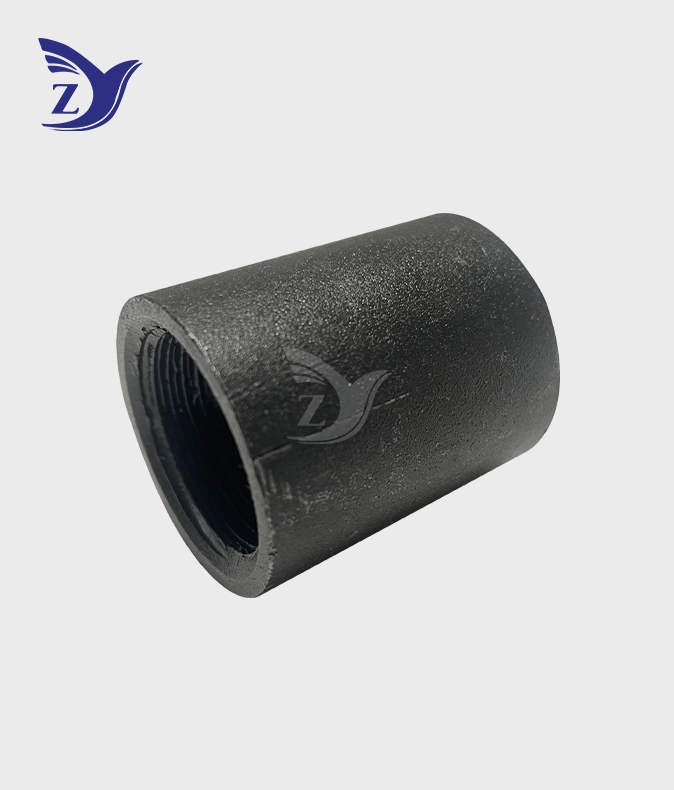
Carbon Steel Full Threaded Coupling Fittings Black Oxide Treated
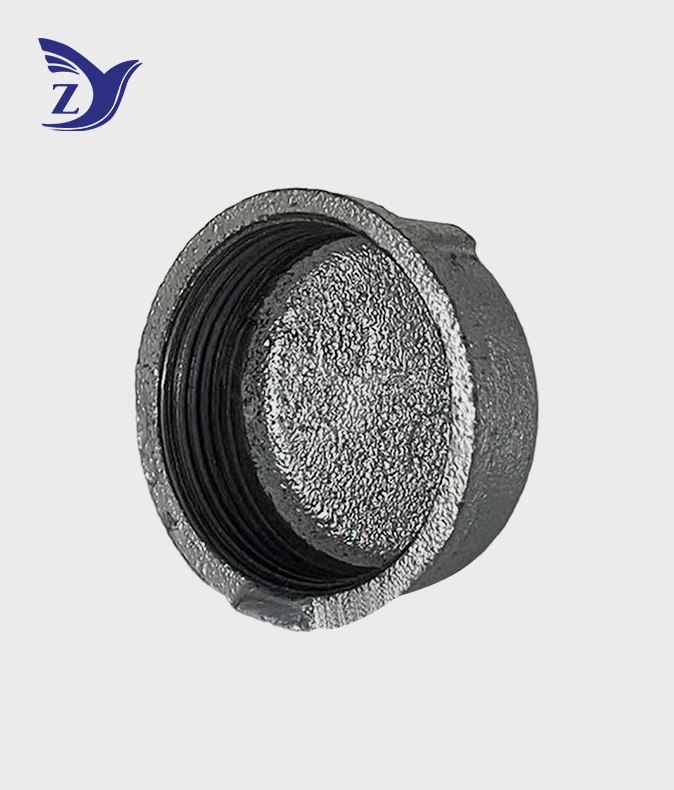
NPT Galvanized Pipe Cap Pipe Fittings
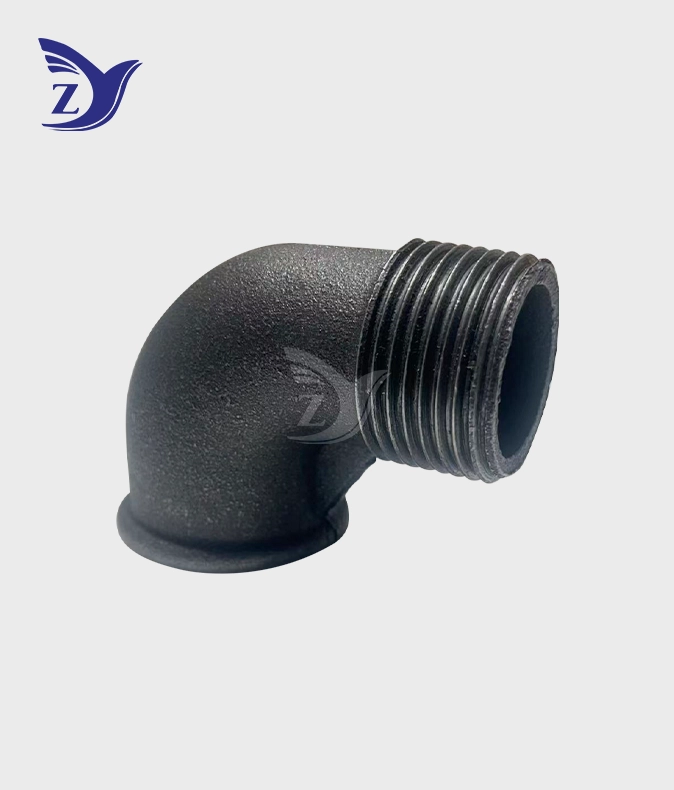
NPT Black Round Face Male-Female 90° Elbow Pipe Fittings
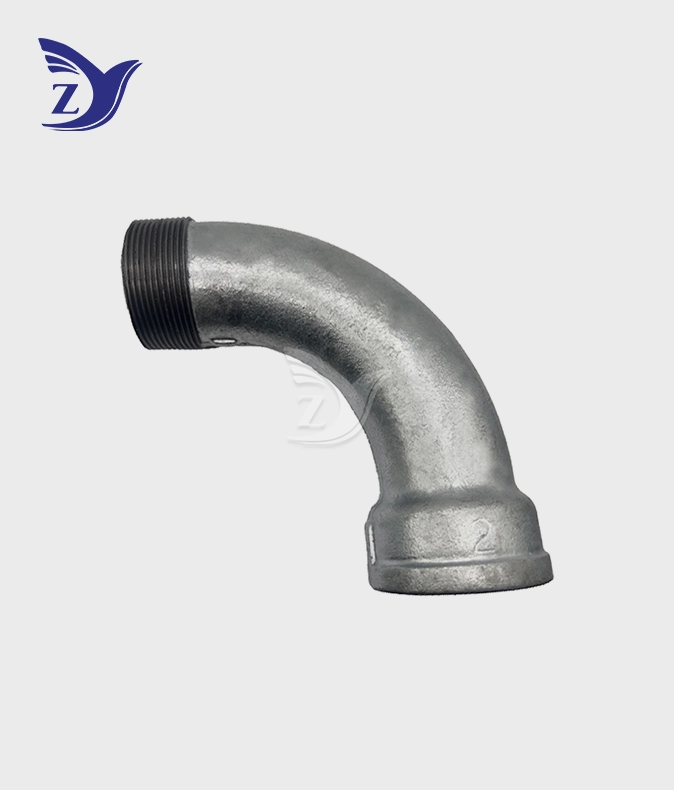
BSPT Galvanized Male Female 90° Long Radius Elbow Pipe Fittings
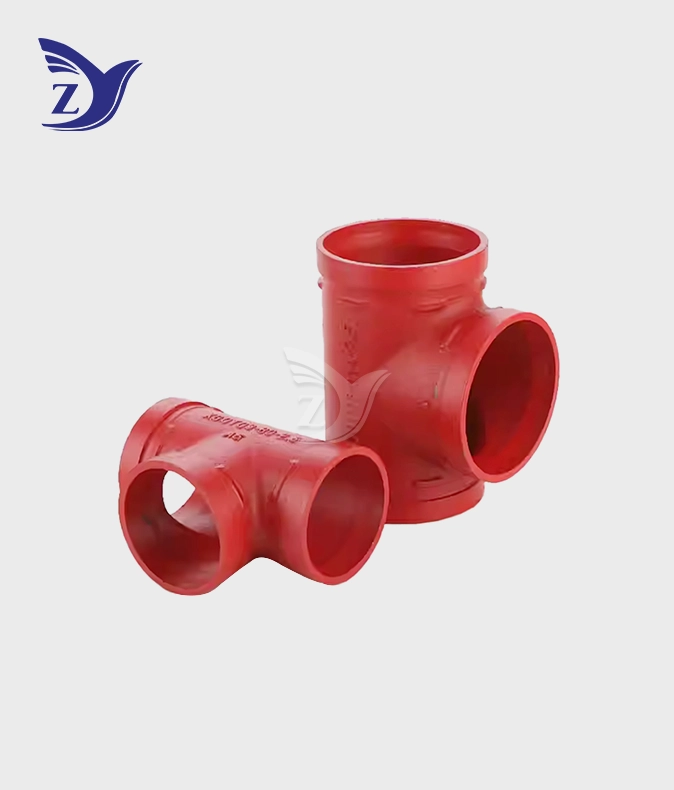
Fire Grooved Straight Tee
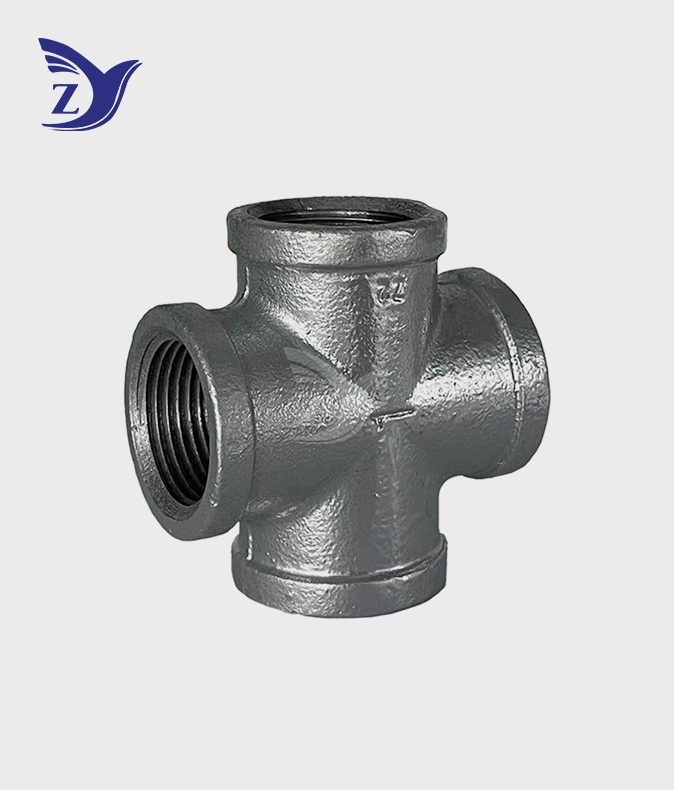
NPT Square Face Galvanized Square Edge Cross Pipe Fittings
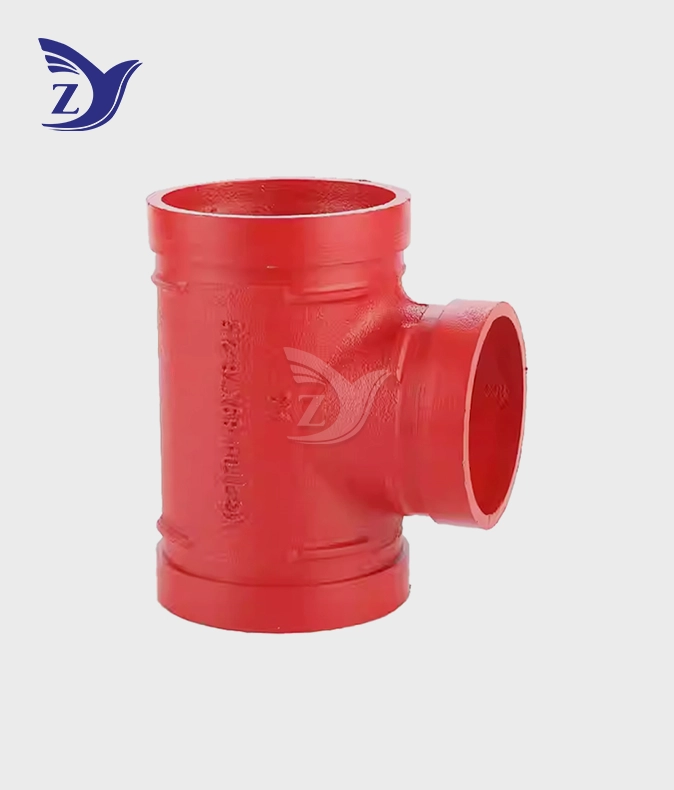
Fire Grooved Reducing Tee
Fire Grooved Clamp